Top 20 Castles around Bischofstetten
Best castles around Bischofstetten are found in the surrounding region of Lower Austria, particularly within the Mostviertel. This area is characterized by its rolling hills and historical significance, offering a blend of natural landscapes and cultural landmarks. The region features a variety of castles, from well-preserved historical sites to ancient ruins. These structures provide insights into centuries of regional history and architectural development.
Best castles around Bischofstetten
- The most popular castles is Kirchberg an der Pielach, a settlement that…
Last updated: August 16, 2026
Rabenstein Castle Ruins
Highlight • Castle
Translated by Google •
Tip by

Kirchberg an der Pielach
Highlight • Settlement
Translated by Google •
Tip by

Sign up now to discover places like this
Get recommendations on the best single tracks, peaks, & plenty of other exciting outdoor places.
Sign up for free
Kreisbach Castle
Highlight • Castle
The Schloss Kreisbach dates back to the 12th Century, owners were u.a. in the 16th century the counts …
Translated by Google •
Tip by

Grünbühel Castle
Highlight • Castle
Story:
The place was first mentioned around 1074 by the Hochfrei Adalbert von Kilb. In the 12th century, …
Translated by Google •
Tip by

Sitzenthal Castle
Highlight • Castle
The name Sitzenthal refers to Count Sighard von Schalla, who was here in the 12th Century feudal man. The short and sweet Sizo was transferred …
Translated by Google •
Tip by

Sign up for free to discover even more castles around Bischofstetten.
Sign up for free
Already have an account?
Start today with a free account
Your next adventure awaits.
Login or Signup

Tips from the Community

Through the commitment of the ruins committee of the village renewal association and generous donations, the ruin was saved from decay. In 1989, a committee was formed to save the Rabenstein ruin, which has since been working on the preservation and securing of this cultural heritage.
0
0

Beautifully renovated castle, a so-called wedding location.
0
0

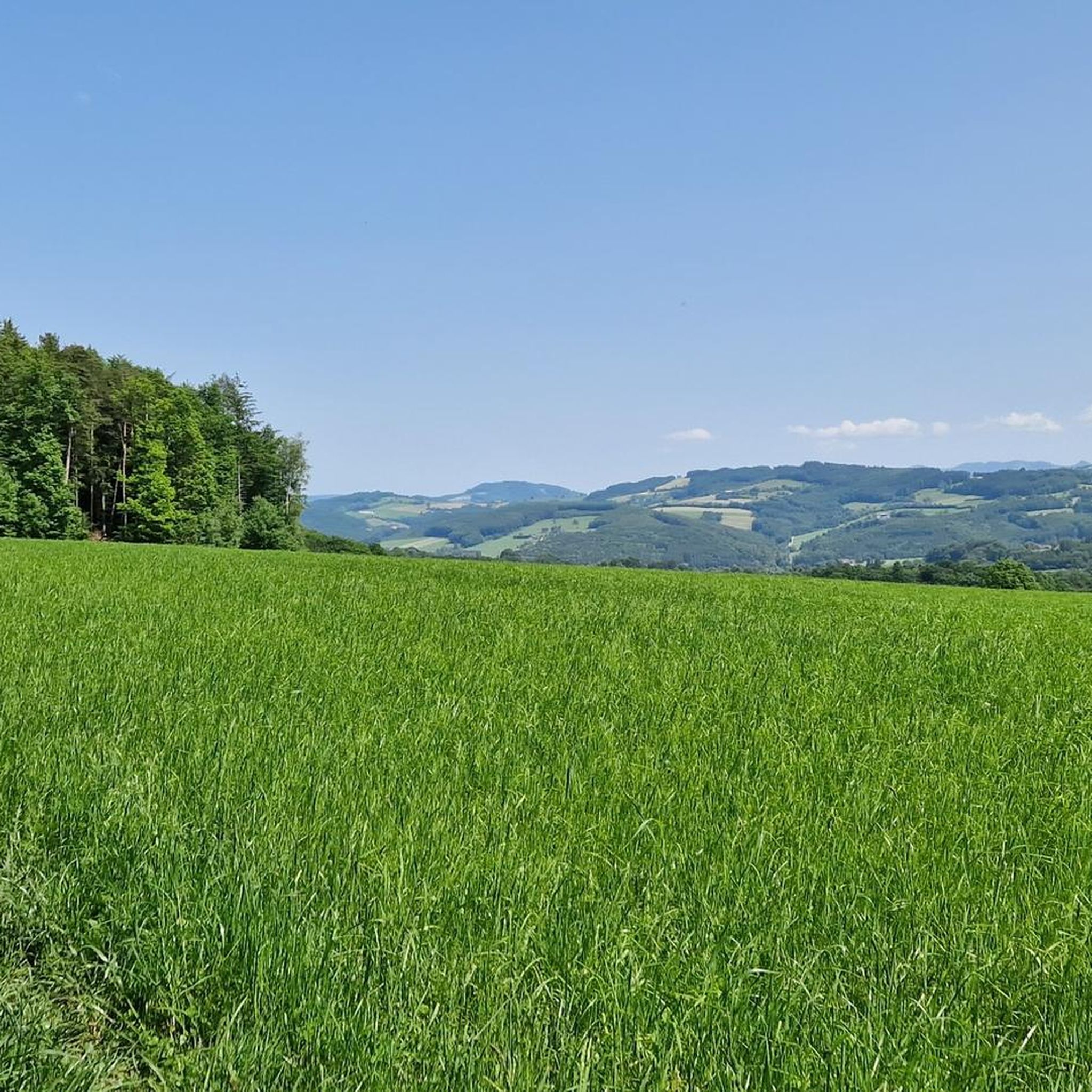
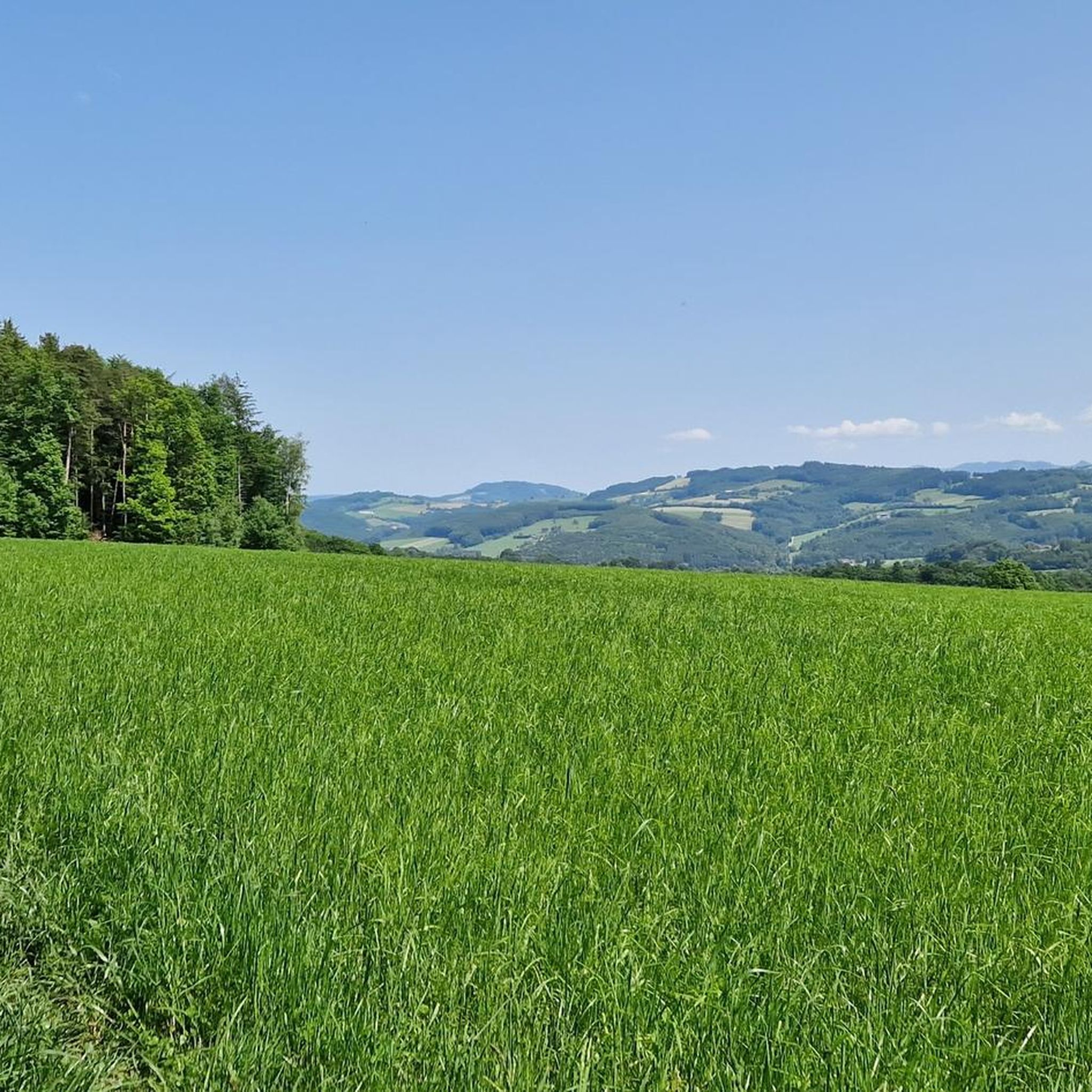
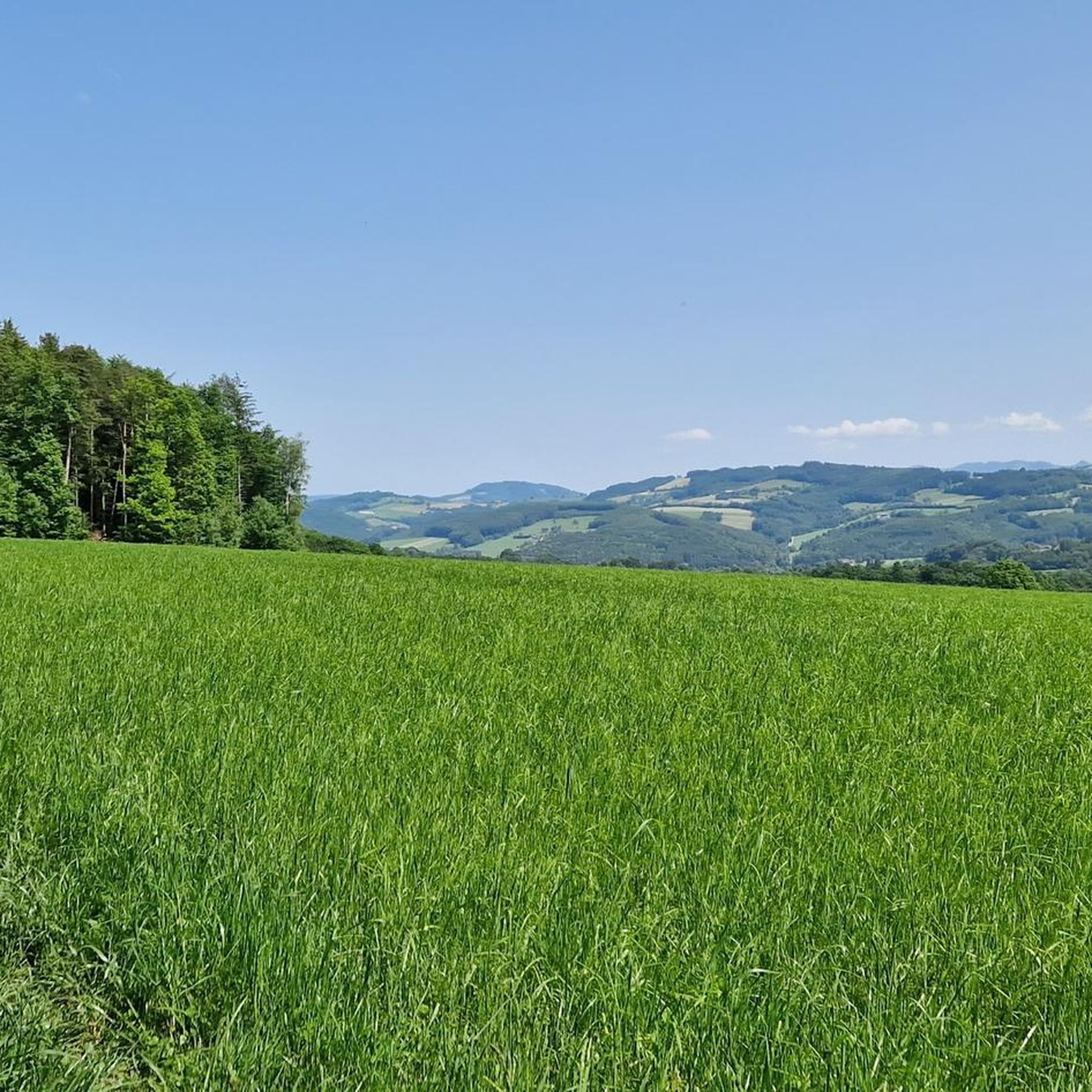
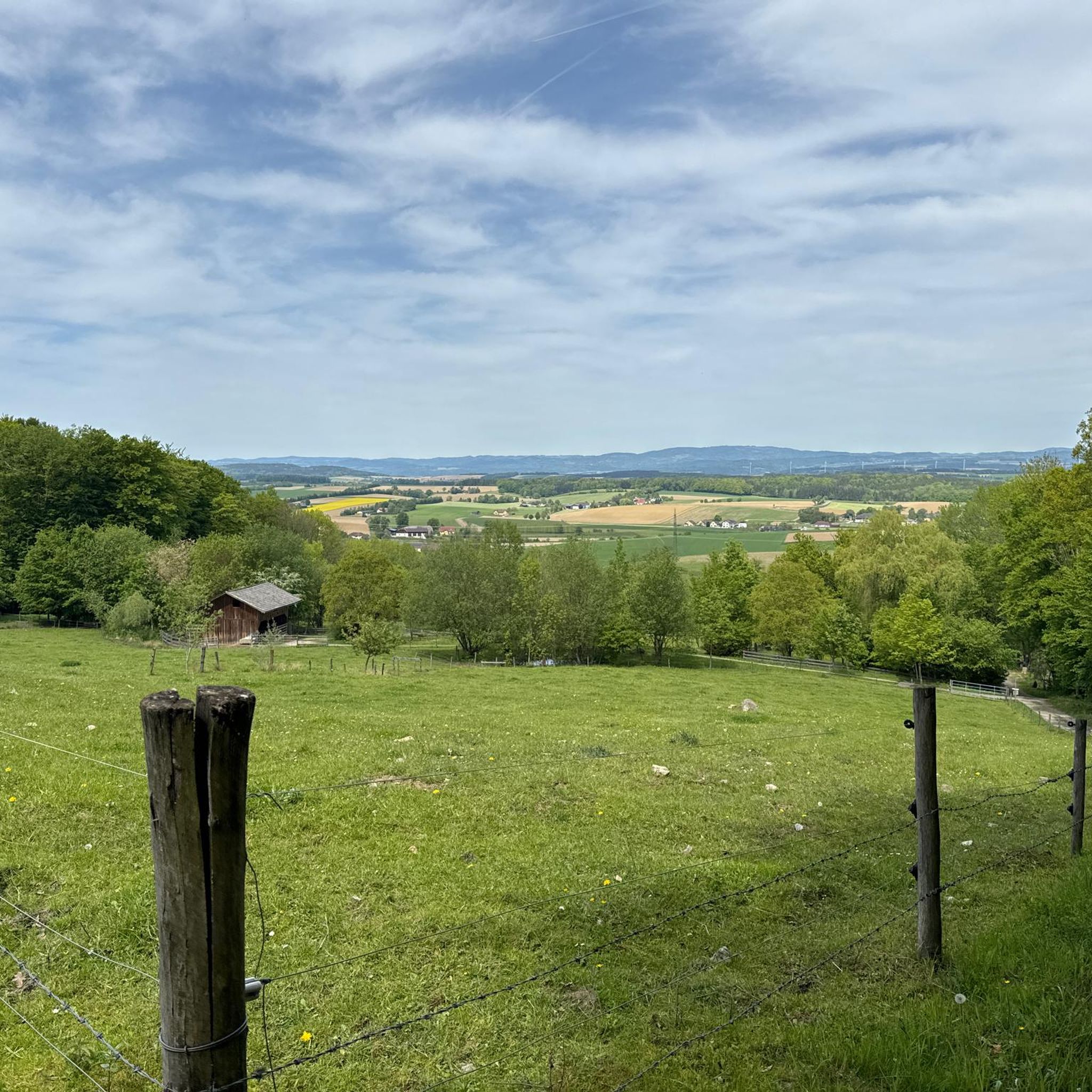
Central town in the Pielachtal, scenically extremely attractive
0
0


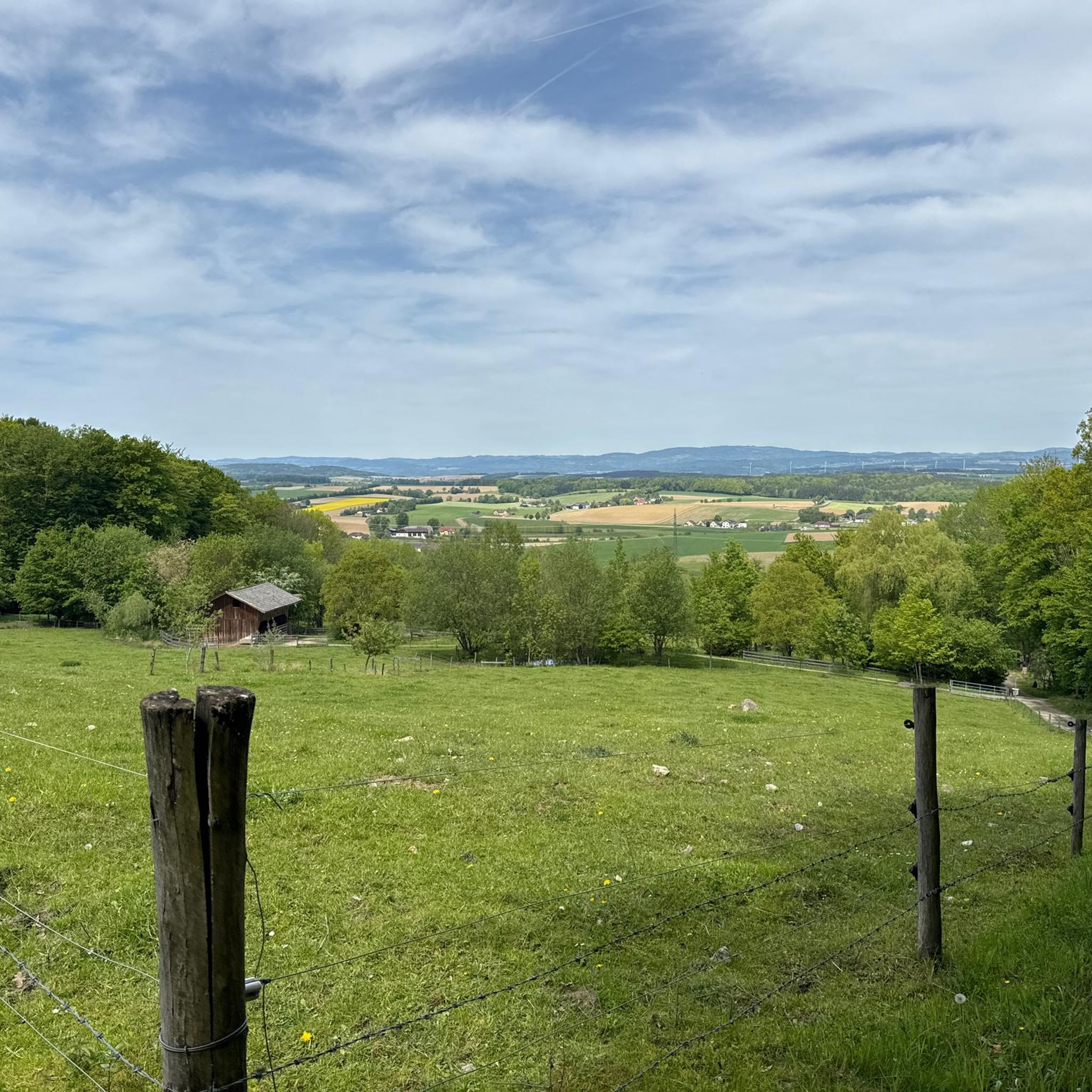
The castle ruins date back to the Middle Ages and originally served as a protective and residential castle. Rabenstein an der Pielach is easily accessible via the B39. Parking is available at the fire station and the train station. It is also possible to get there by public transport, as Rabenstein an der Pielach train station serves as the starting point for several hiking trails.
3
1

is located in the middle of MTB paradise
1
0

Privately owned and therefore unfortunately can only be viewed from the outside. Story: The place was first mentioned around 1074 by the Hochfrei Adalbert von Kilb. In the 12th century, the rule came to Rudolf von Perg. Friedrich von Perg was inherited by the Babenberg Duke Leopold V in 1191. In the 13th century, a knightly family again named itself after Kilb. In 1410 a knight from “Sebeck” was named as the owner. In 1460, Jörg von Pottendorf sold his castle in Kilb to Bernhard von Tiernstein, who built an extensive new building and, ten years later, bequeathed it to the brothers Rüdiger and Jörg von Starhemberg, but also promised the defense construction to his grandson Georg von Velderndorf. The latter probably received it, because in 1521 Hans Velderndorfer sold the fortress to Göttweig Abbey. The castle was now called Grünbühel. He bought it back in 1534, but finally sold it to Jakob Gienger in 1549. Jacob's son Nikolaus had the old fortified building converted into a more comfortable Renaissance castle. As a result, the owners usually changed quite quickly. Around the middle of the 17th century, the Barons Ruess von Ruessenstein came into possession of the castle. Only the barons and later Counts of Wickenburg owned Grünbühel for a longer period from 1720 onwards. In 1830, Karl Theodor Graf Wickenburg had major construction work carried out, which gave the building its current appearance. In 1845 the castle came into rapidly changing bourgeois ownership. From 1969 to 2004 it belonged to the Friedel-Klarenberg family. Since then, Dr. Georg Graf Pachta-Reyhofen, lord of the castle at Grünbühel.
0
0
Sitzenthal Castle is a 16th-century castle building that was rebuilt and modernized by Count Ledochowska in the 19th century. On the upper floor, the castle has a colonnaded hall and rooms with ridge vaults, historical furniture and valuable paintings. Currently privately owned and therefore not accessible. Since then, the castle has been a fief of Melk Abbey and belonged to Count Ludwig Starhemberg, who was outlawed in 1619. In the 20th century, Sitzenthal came to the Barons Hammerstein-Equord. The poet and politician Hans Hammerstein-Equord (d. 1947), who was born here in the castle, was Austrian Federal Minister of Justice in 1936 and a prisoner in the Mauthausen concentration camp after 1938. More about the story: https://de.wikipedia.org/wiki/Schloss_Sitzenthal
0
0
Frequently Asked Questions
What are some of the most notable castles to visit around Bischofstetten?
The region around Bischofstetten offers a variety of historically significant castles. Among the most popular are Kirchberg an der Pielach, a settlement featuring a castle with parts dating back to the 11th century, and the Rabenstein Ruins, which offer magnificent views of the Prealps. Kreisbach Castle, dating to the 12th century, has been revitalized by a cultural association and hosts events.
Are there any castles with significant historical importance or unique stories?
Yes, several castles in the area boast rich histories. Artstetten Castle, for instance, was the family seat and summer residence of Archduke Franz Ferdinand and his wife, Sophie, whose assassination triggered World War I. It now houses a museum dedicated to the Archduke. Sitzenthal Castle, first documented in 1287, has a history of changing ownership among noble families and is known for its 16th-century architecture and an English park. Fridau Castle, rebuilt in Rococo style, famously served as a retreat during the Turkish siege.
Can I combine a castle visit with outdoor activities like hiking or cycling?
Absolutely! The region is ideal for combining cultural visits with outdoor adventures. Many castles are situated near scenic routes. For example, you can explore the Rabenstein Ruins via forest paths, which are popular with hikers. You can find various mountain hikes and gravel biking routes that pass by or near these historical sites, offering a blend of nature and history.
Which castles are suitable for families with children?
Many castles offer family-friendly experiences. Kirchberg an der Pielach has a park next to the castle, perfect for a break. Kreisbach Castle, while hosting events, also provides an interesting historical setting for older children. Artstetten Castle features a historic natural palace park with an idyllic bathing pavilion and a rose garden, which can be enjoyable for families.
Are there easy walking trails around the castles?
Yes, there are several easy walking and hiking options. For instance, the area around Bischofstetten offers easy hikes that can be combined with castle visits. The historic natural palace park at Artstetten Castle provides pleasant walks. The path to the Rabenstein Ruins, while involving a climb, is a popular and rewarding forest path.
What kind of architectural styles can I expect to see among the castles?
The castles around Bischofstetten showcase a range of architectural styles reflecting different historical periods. You can find remnants of 11th-century structures at Kirchberg an der Pielach, 16th-century Renaissance conversions like Grünbühel Castle, and Rococo styles as seen in Fridau Castle. Some, like Strannersdorf Castle, even feature Neo-Baroque facades from later modernizations.
Are there any castles that are privately owned and only viewable from the outside?
Yes, some castles in the region are privately owned and not publicly accessible for interior tours. For example, Grünbühel Castle is privately owned and can only be viewed from the outside. Similarly, Sitzenthal Castle is also privately owned, though it occasionally hosts events.
What do visitors enjoy most about the castles around Bischofstetten?
Visitors frequently appreciate the blend of historical exploration and natural beauty. The opportunity to explore ancient ruins like Rabenstein Ruins, often combined with scenic hikes and rewarding viewpoints, is a highlight. The cultural events hosted at places like Kreisbach Castle and the well-preserved historical insights offered by sites like Artstetten Castle are also highly valued.
Are there any castles that offer unique cultural experiences or events?
Yes, Kreisbach Castle, revitalized by a cultural association, regularly hosts events and offers tours of its renovated St. Anne's Chapel and Romanesque cellar. Artstetten Castle, beyond its museum, also features a cozy Schloss Café offering Austrian coffee house tradition in a historic ambiance, and engages in cultivating old, rare fruit and garden plants.
What are the best times to visit the castles in this region?
The castles are generally enjoyable throughout the warmer months, from spring to autumn, when the weather is pleasant for exploring both the structures and their surrounding landscapes. Spring and early summer are particularly beautiful for visiting places like Artstetten Castle, with its rose garden blooming with over 1,000 peonies from May to July. Autumn offers stunning foliage for scenic walks around the castle grounds and ruins.
Are there any castles that offer good viewpoints?
The Rabenstein Ruins are renowned for their magnificent views of the Prealps from 495 meters above sea level, making them a popular resting point for hikers seeking panoramic vistas.
Can I find cafes or places to eat near the castles?
Yes, some castles offer amenities. Artstetten Castle has a cozy Schloss Café on-site, providing a traditional Austrian coffee house experience. In nearby settlements like Kirchberg an der Pielach, you can find local establishments like an ice cream parlor and butcher, perfect for a quick stop.
Most popular routes around Bischofstetten
Most popular attractions around Bischofstetten

Get inspired with the komoot mobile app


Explore more
Looking for the best castles somewhere else? Discover other guides around Bischofstetten:
