Attractions and Places To See around Rastenfeld - Top 20
Best attractions and places to see around Rastenfeld include a selection of natural and cultural sites in Lower Austria. This municipality is known for its outdoor activities and historical landmarks, particularly around the Kamp Reservoirs. The area features wooded shores, historical castles, and ancient caves, providing diverse points of interest for visitors.
Best attractions and places to see around Rastenfeld
- The most popular attraction is Ottenstein Castle, a castle that dates back to the 12th century and is situated…
Last updated: October 9, 2026
Ottenstein reservoir
Highlight • Lake
Translated by Google •
Tip by

Ottenstein Lake Restaurant & Boat Rental
Highlight • Restaurant
Translated by Google •
Tip by

Sign up now to discover places like this
Get recommendations on the best single tracks, peaks, & plenty of other exciting outdoor places.
Gudenus Cave
Highlight • Cave
Translated by Google •
Tip by

Lichtenfels Castle Ruins
Highlight • Castle
Translated by Google •
Tip by
Schloss Waldreichs
Highlight • Castle
Nothing remains of the original moated castle.
Translated by Google •
Tip by

Sign up for free to discover even more attractions around Rastenfeld.
Already have an account?
Start today with a free account
Your next adventure awaits.
Popular around Rastenfeld
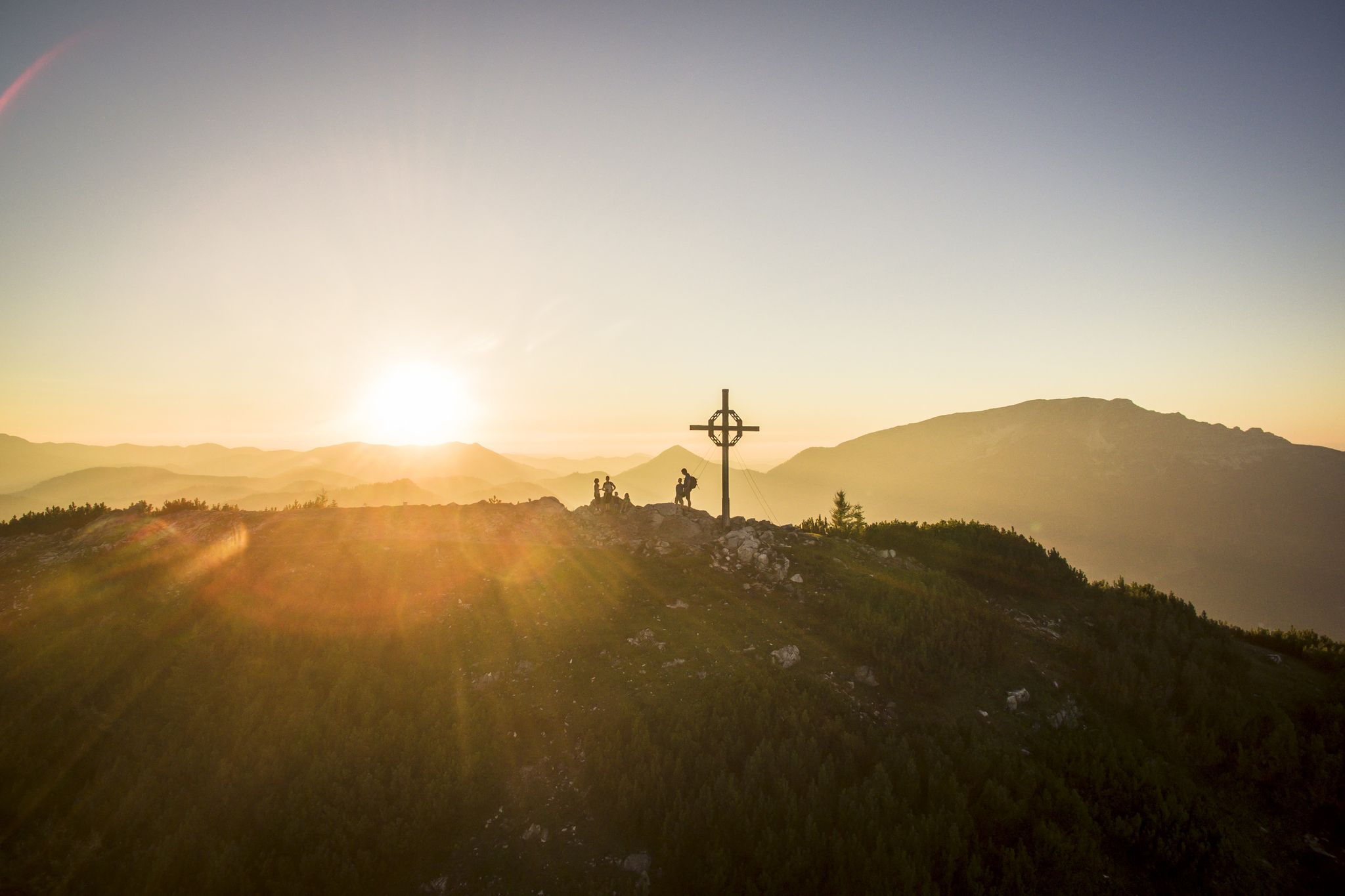
Hiking with a view – certified hiking villages in Lower Austria
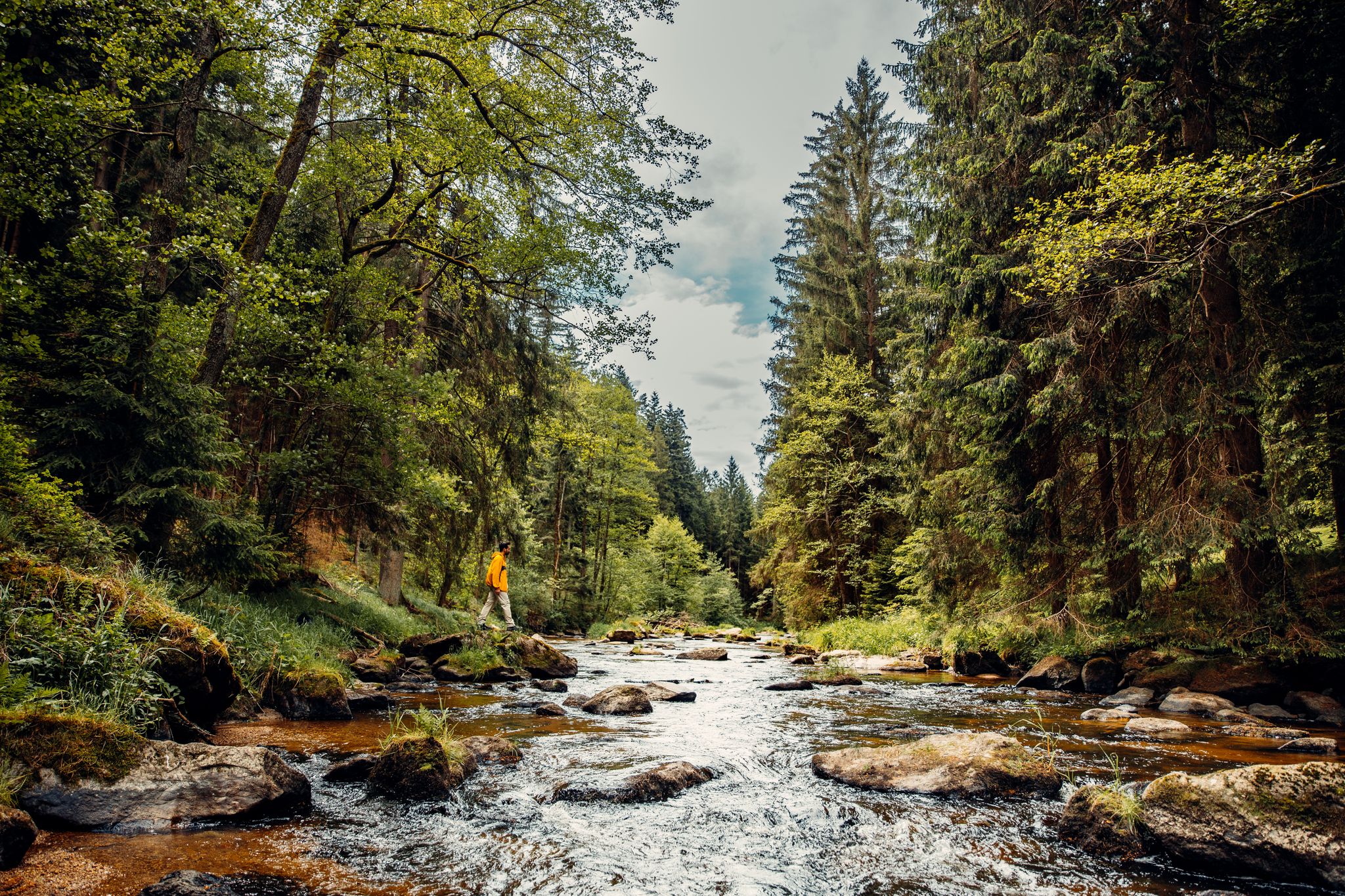
Cliffs, a gorge and vineyards – day hikes in the Waldviertel
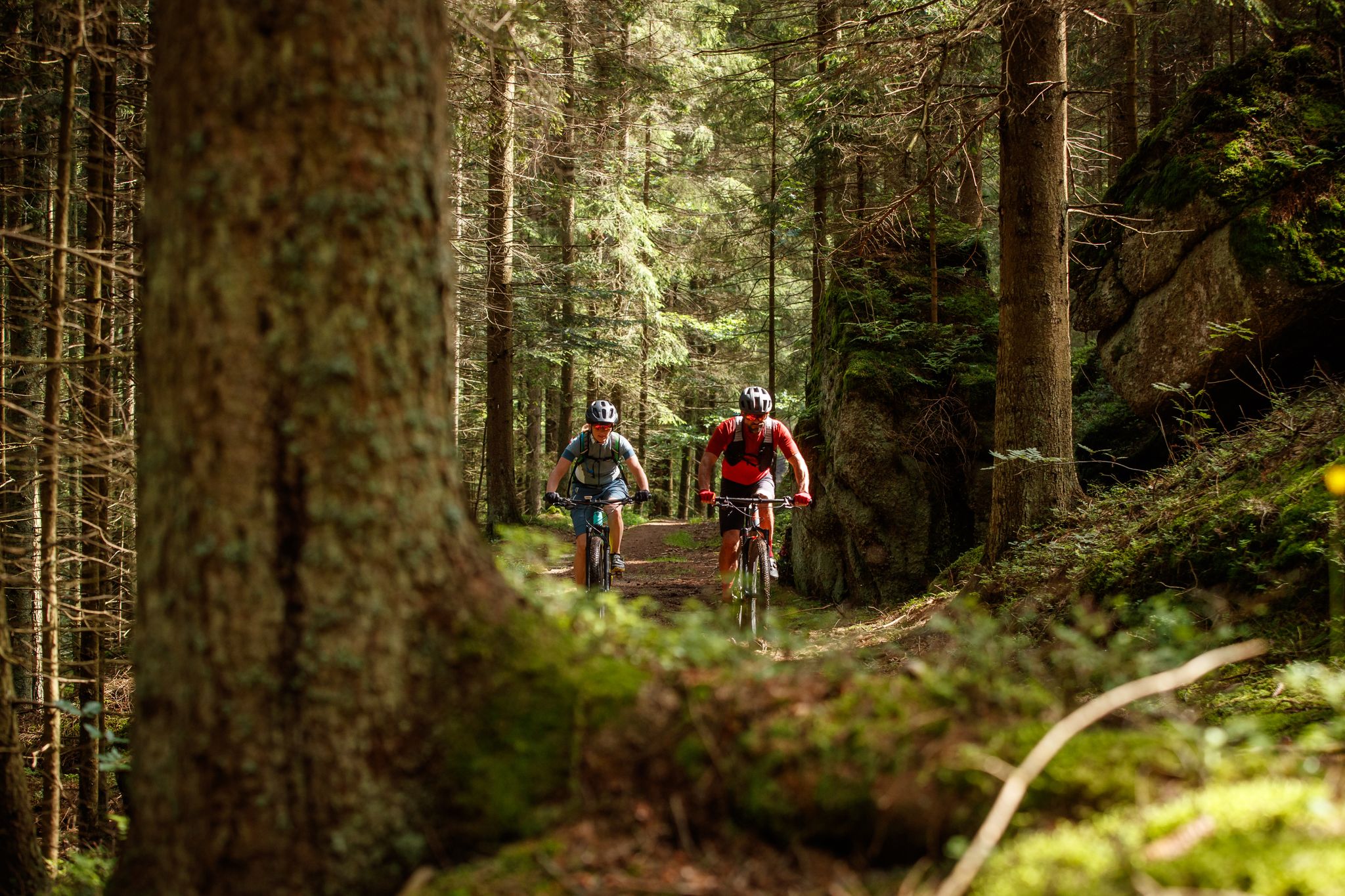
Between bizarre rocks and pristine forests – MTB in the Waldviertel
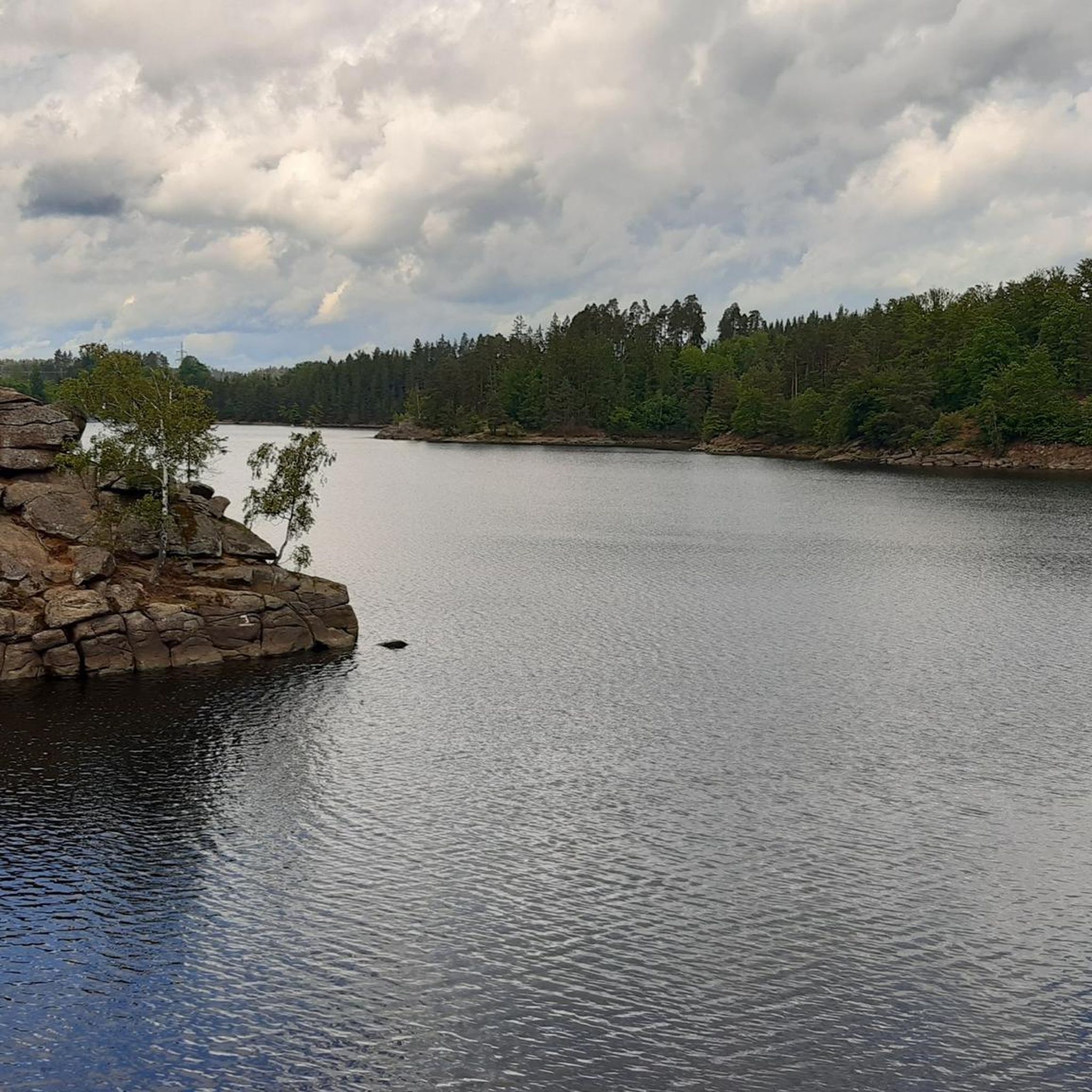
Hiking around Rastenfeld
Cycling around Rastenfeld
MTB Trails around Rastenfeld
Road Cycling Routes around Rastenfeld
Running Trails around Rastenfeld

Gravel biking around Rastenfeld
Other adventures around Rastenfeld


Tips from the Community

From the 15th century onwards, Lichtenfels changed hands frequently until the castle came to Rastenberg in 1628. As the new owners moved their seat of power to Rastenberg, the slow decay of Lichtenfels began in 1774. In 1790, the Freiherrn von Bartenstein, who owned Rastenberg and Lichtenfels, sold the majority of the castle's roof to Stift Zwettl. The reason for this was the roof tax introduced by Emperor Joseph II, which was calculated based on the size of the roof areas. Numerous noble families throughout the country had their cold and uninhabitable castles de-roofed at that time to save taxes. In 1804, the last inhabitant left Lichtenfels castle, which has been owned by the Thurn-Valsassina family together with Rastenberg since 1872. The Romanesque chapel, formerly dedicated to the Apostle Paul, was a destination for small pilgrimages for a long time; the last one took place in 1960 from Friedersbach. Lichtenfels castle ruins can be visited all year round (at your own risk).
0
0
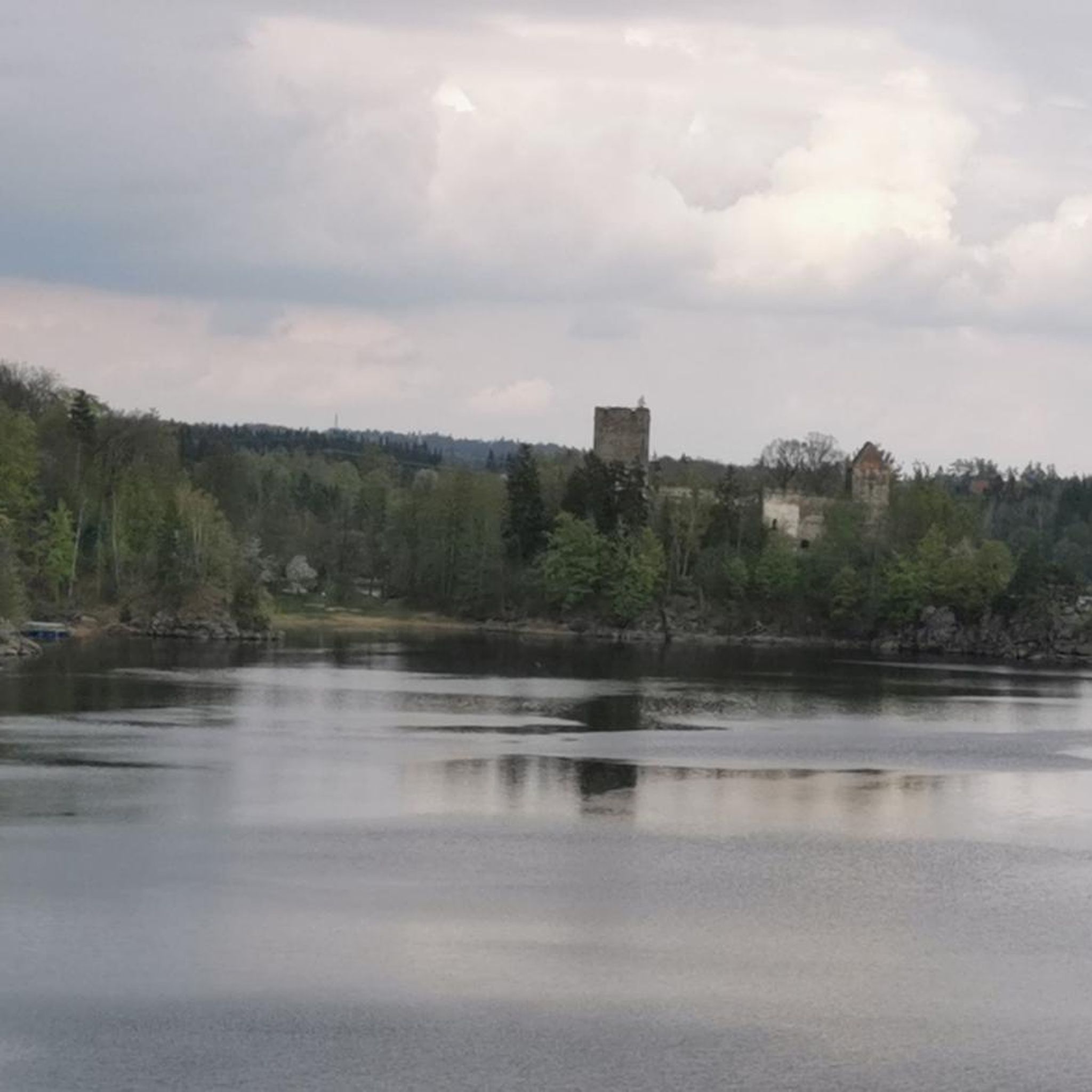
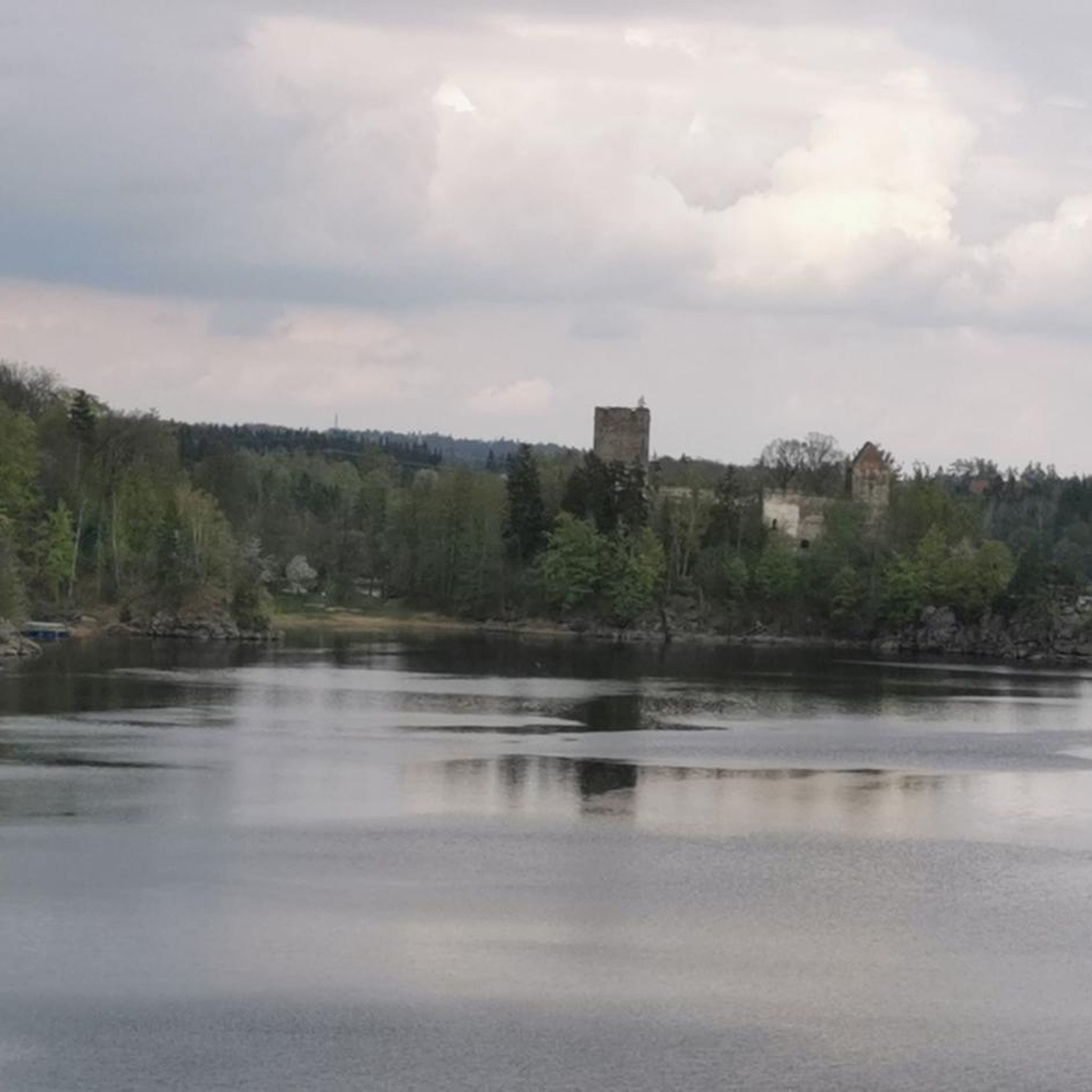
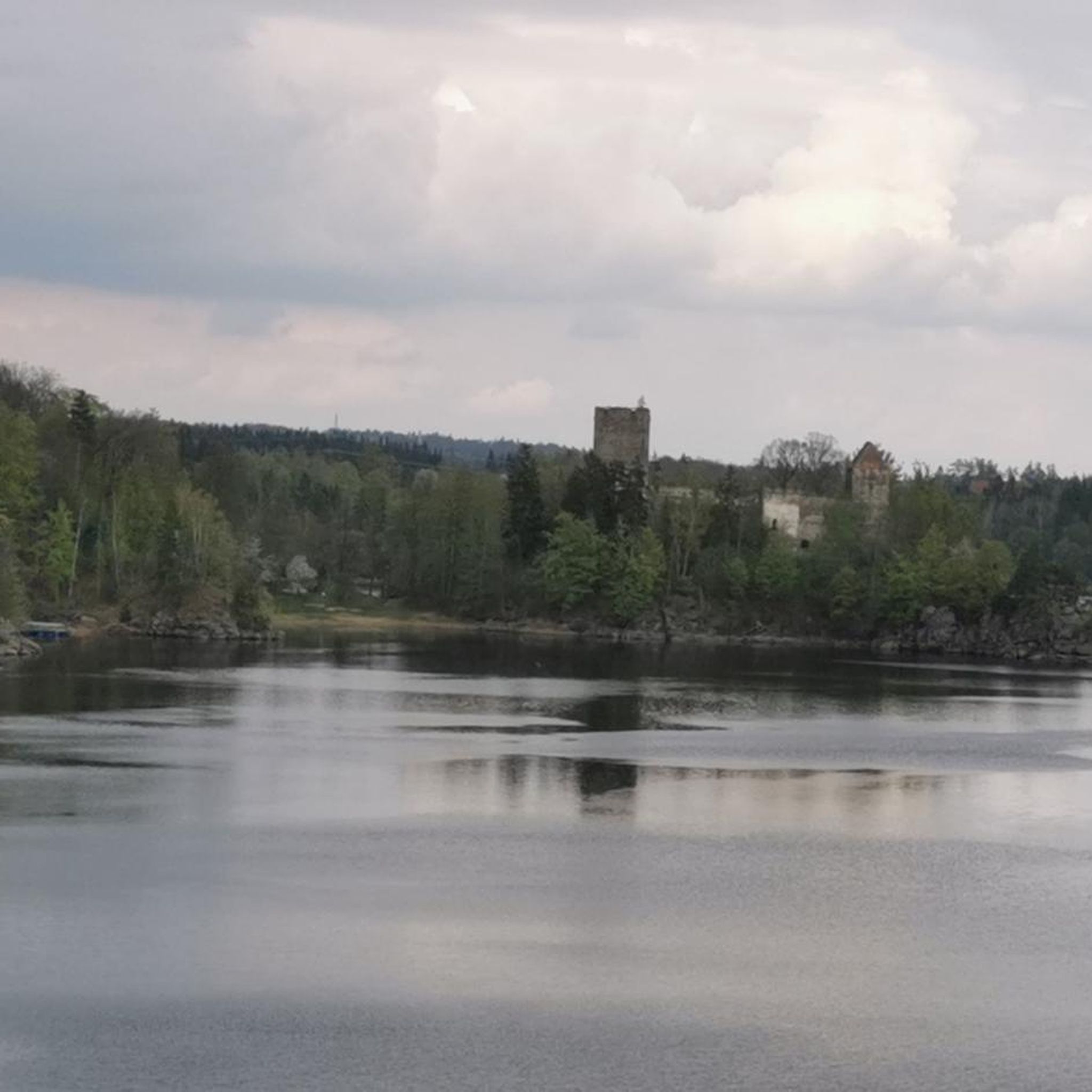
On a peninsula in the Ottenstein reservoir, the Lichtenfels castle ruins rise picturesquely. Before the creation of the reservoir (1954-1957) and the construction of the federal road B38 with the bridge completed in 1957, the Lichtenfels castle, first mentioned in 1248, stood lonely on a rocky ridge high above the Kamp river. In the 13th century, an important ministerial family resided here, initially bearing the nickname „Tursen“, deriving from Rauheneck castle near Baden, and towards the end of this century took the name „Lichtenfels“. Under their rule were numerous surrounding places, such as Friedersbach, for example. During the Hussite invasions of 1427/28, Lichtenfels served as a storage place for the archives and treasures of the Zwettl Abbey.
0
0

No Merlot here — the shelf stands empty, quiet, waiting for a bottle that never comes. Kein Merlot hier — das Regal bleibt leer, still, wartend auf eine Flasche, die nie kommt. Pas de Merlot ici — l'étagère reste vide, silencieuse, attendant une bouteille qui n'arrive jamais. No hay Merlot aquí — el estante queda vacío, silencioso, esperando una botella que nunca llega.
0
0

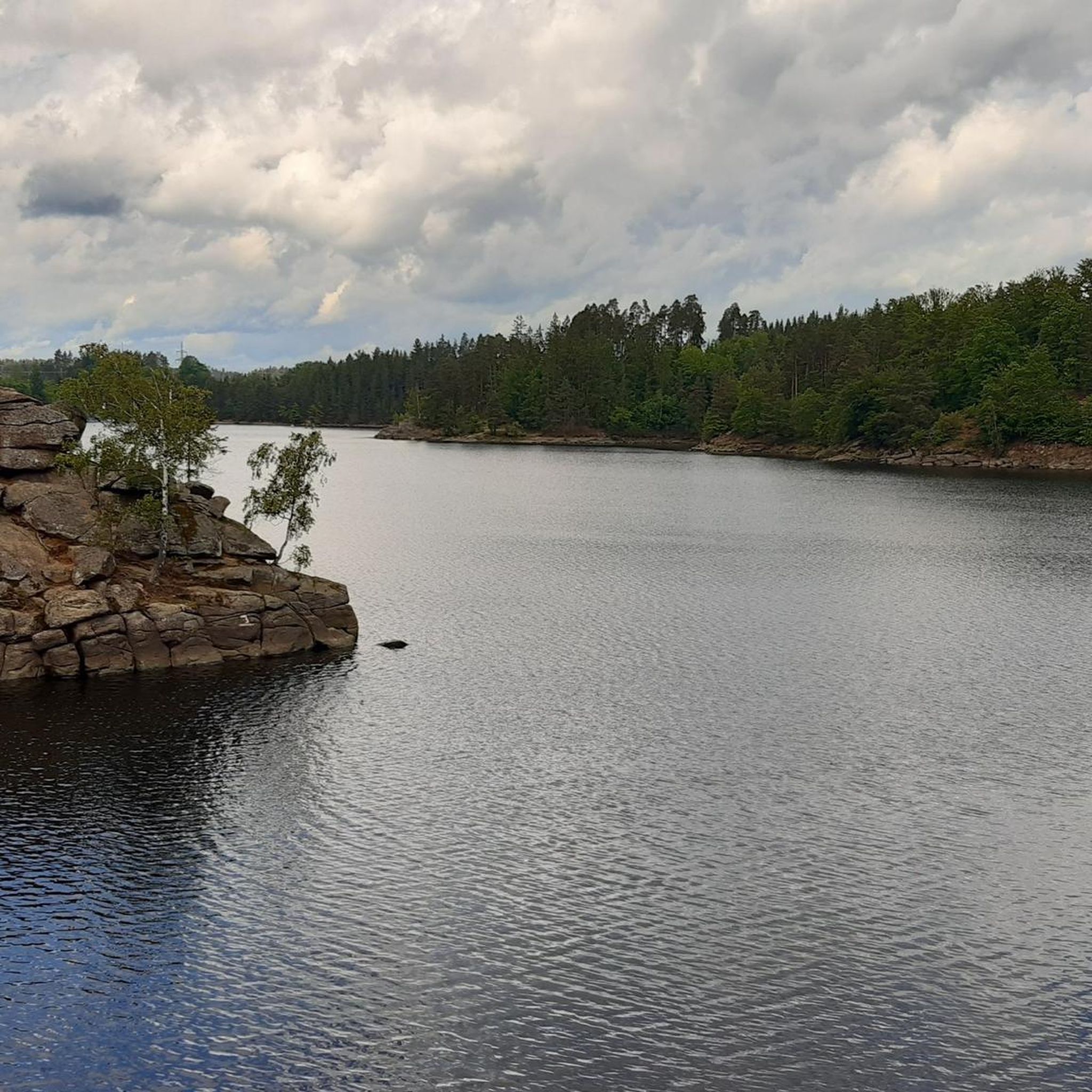
The Ottenstein reservoir, is the largest of the Kamp lakes and is among the richest waters in fish in Austria and at the same time among the best predatory fish waters in Europe. Its water surface is 4.3 km² and extends with its fjord-like, branched side arms, with a length of more than 14 km, up to Zwettl. The deepest point is 69 m.
1
0
Schloss Waldreichs was first documented in 1258. Around 1400, Kaspar and Bernhard von Waldreichs are mentioned as feudal lords. After its destruction by an executionary army of the estates in 1446–1448, it was rebuilt as a fortress around 1450 under Hans Harrasser. The present-day ruin in the east wing, the chapel, and the eastern tower date from this period. In 1460, it was enfeoffed to Vinzenz Stodoligk. From 1519–1536, it was united with the Lordship of Ottenstein. Between 1530–1534, it was converted into a moated castle under Eustach Stodoligk. From 1533, it was a free property. In 1536, the complex passed to the Barons of Altena, who expanded it with a zwinger and a manor farm. After its conquest and plundering by imperial troops, the complex was rebuilt again and subsequently changed owners frequently. When it passed to Heinrich von Pereira-Arnstein in 1815, it was united with the Lordship of Wetzlas.
0
0

Please do not deface it!!! Below Hartenstein Castle lies the Gudenus Cave, which was carved out of the riverbank and inhabited by Neanderthals during the Stone Age. Traces of settlement dating back almost 100,000 years were discovered there, including hand axes and other tools. Due to historical preservation, the bridge could no longer be rebuilt unless the cave was sealed.
0
0

The entrance to the cave is overgrown, which is a pity.
0
0

our tour to the castle - https://www.komoot.com/de-de/tour/2048966452
0
1
Frequently Asked Questions
What natural attractions can I explore around Rastenfeld?
The most prominent natural attraction is the Ottenstein reservoir, known for its fjord-like, branching arms and wooded shores, ideal for hiking and walking. You can also visit the Gudenus Cave, a 30-meter-long passage cave with historical significance, where Stone Age artifacts were found.
Are there hiking opportunities near Rastenfeld's attractions?
Yes, the area around Rastenfeld is well-suited for hiking. You can find numerous trails, including easy routes like the 5.5 km loop from Rastenfeld to Ottenstein Castle and a 5 km loop over the Ottenstein Dam. For more options, explore the easy hikes around Rastenfeld guide.
Can I go cycling or mountain biking in the Rastenfeld area?
Absolutely. The region offers many opportunities for cycling and mountain biking. You can find routes like the 30 km moderate MTB trail from Ruine Dobra to Ottenstein Castle and the Ottenstein Dam. For more detailed routes, check out the gravel biking and MTB trails around Rastenfeld guides.
Where can I enjoy water activities or boat rentals near Rastenfeld?
The Ottenstein reservoir is a popular spot for water activities. You can rent boats and find swimming opportunities there. The Ottenstein Lake Restaurant & Boat Rental is a convenient location for these services.
What historical sites are worth visiting in the Rastenfeld region?
The region boasts several historical landmarks. The 12th-century Ottenstein Castle, situated on the northern shore of the reservoir, is notable for its architecture and Romanesque chapel frescoes. The Gudenus Cave is an important archaeological site where Neanderthal artifacts were discovered. Additionally, nearby Zwettl Abbey, founded in 1138, is one of the oldest Cistercian monasteries globally.
Is there a significant dam or engineering marvel to see?
Yes, the Ottenstein Dam is a notable man-made monument. You can walk or cycle across its structure, and guided tours are available to learn about its function in generating electricity.
Are there family-friendly activities or attractions around Rastenfeld?
Many attractions in the Rastenfeld area are family-friendly. The Ottenstein reservoir offers gentle walking paths and boat rentals. The Ottenstein Dam allows passage by foot or bike, and Ottenstein Castle often hosts events suitable for families. The Ottenstein Lake Restaurant also provides facilities for families.
What is the best time of year to visit Rastenfeld for outdoor activities?
The region around Rastenfeld is well-suited for outdoor activities like hiking and cycling, particularly during the warmer months when the weather is most favorable for exploring the natural features and trails. Spring and autumn offer pleasant temperatures and beautiful scenery, while summer is ideal for water activities at the Ottenstein Reservoir.
Are there dining options available near the main attractions?
Yes, you'll find dining options near the key attractions. The Ottenstein Lake Restaurant offers a great view of the reservoir. Additionally, Ottenstein Castle also features a restaurant known for its culinary offerings, including banquets and a la carte dining.
Can I bring my dog on trails around Rastenfeld?
Generally, dogs are welcome on many outdoor trails in the Rastenfeld area, especially around the Ottenstein reservoir and its surrounding forests. It's always advisable to keep dogs on a leash and clean up after them to ensure a pleasant experience for all visitors and to protect local wildlife.
What do visitors enjoy most about the Ottenstein reservoir area?
Visitors particularly enjoy the scenic beauty of the Ottenstein reservoir, often comparing its branching arms to Scandinavian fjords. The beautiful paths around the reservoir are popular for walking and cycling, offering great views. The availability of boat rentals and swimming opportunities also adds to its appeal as a recreational area.
Are there any unique rock formations or geological features to see?
While the Gudenus Cave is a significant geological feature, the broader Waldviertel region, where Rastenfeld is located, is known for its unique rock formations amidst forests, offering diverse landscapes for exploration.
Most popular routes around Rastenfeld
Most popular attractions around Rastenfeld

Get inspired with the komoot mobile app


Explore more
Still not found the Highlight you’re looking for? See guides of the top attractions in other regions:
