Attractions and Places To See in Trinity Alps Wilderness - Top 11
Best attractions and places to see in Trinity Alps Wilderness include a diverse array of natural features. This vast wilderness in Northern California encompasses over half a million acres, characterized by towering granite peaks, pristine alpine lakes, and an extensive trail system. It is the second-largest wilderness area in California, offering varied landscapes from granitic batholiths to heavily timbered mountains. The region provides opportunities to explore numerous lakes, rivers, and high-elevation summits.
Best attractions and places to see in Trinity…
Last updated: October 10, 2026
Carter Meadows Summit - Pacific Crest Trailhead
Highlight • Summit
Tip by

Caribou Lakes
Highlight • Lake
Tip by

Sign up now to discover places like this
Get recommendations on the best single tracks, peaks, & plenty of other exciting outdoor places.
Trinity Alps Wilderness
Highlight • Natural
Tip by

Trinity Alps Wilderness
Highlight • Natural
Tip by
Granite Lake
Highlight • Lake
Tip by

Sign up for free to discover even more attractions in Trinity Alps Wilderness.
Already have an account?
Start today with a free account
Your next adventure awaits.
Popular around Trinity Alps Wilderness
Other adventures in Trinity Alps Wilderness

Tips from the Community

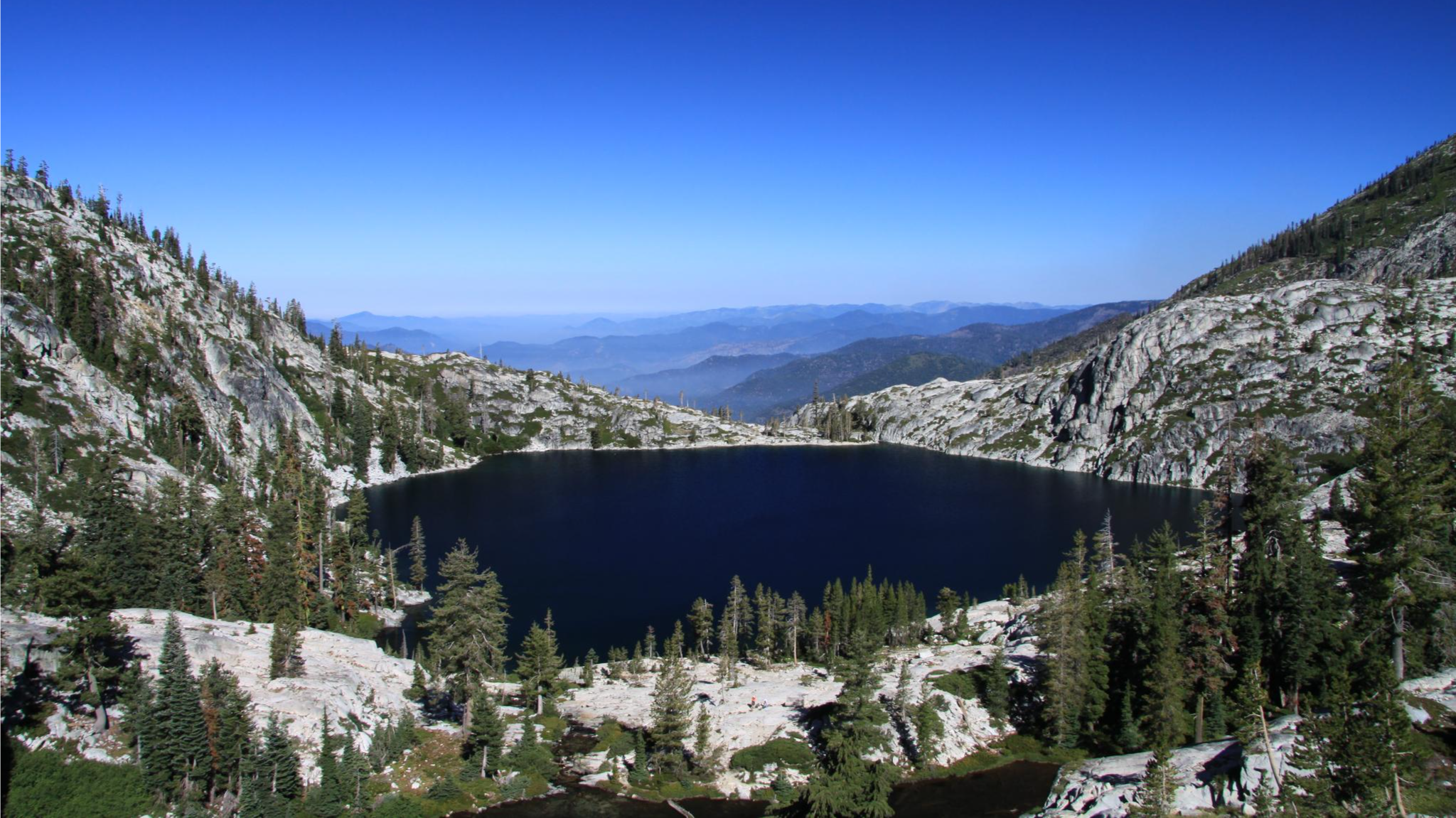
Granite Lake sits in a basin formed by the tall shoulders of Gibson Peak, which rises up to 8400 feet. There is a wide, flat chunk of bedrock near the trail which makes for the perfect picnic spot on the water's edge.
0
0

Getting to the Caribou Lakes means climbing thousands of feet to a basin below Caribou Peak. Once you arrive you'll be treated to three good sized lakes and a number of small ponds, all surrounded by granite peaks. There is a campsite along the shore of Upper Caribou Lake as well, so you can make this an overnight journey if you wish.
0
0
Trinity Alps Wilderness covers over half a million acres and has 550 miles of trails, 55 lakes, towering granite peaks, and wildflower filled meadows, making it a true outdoor paradise.
0
0

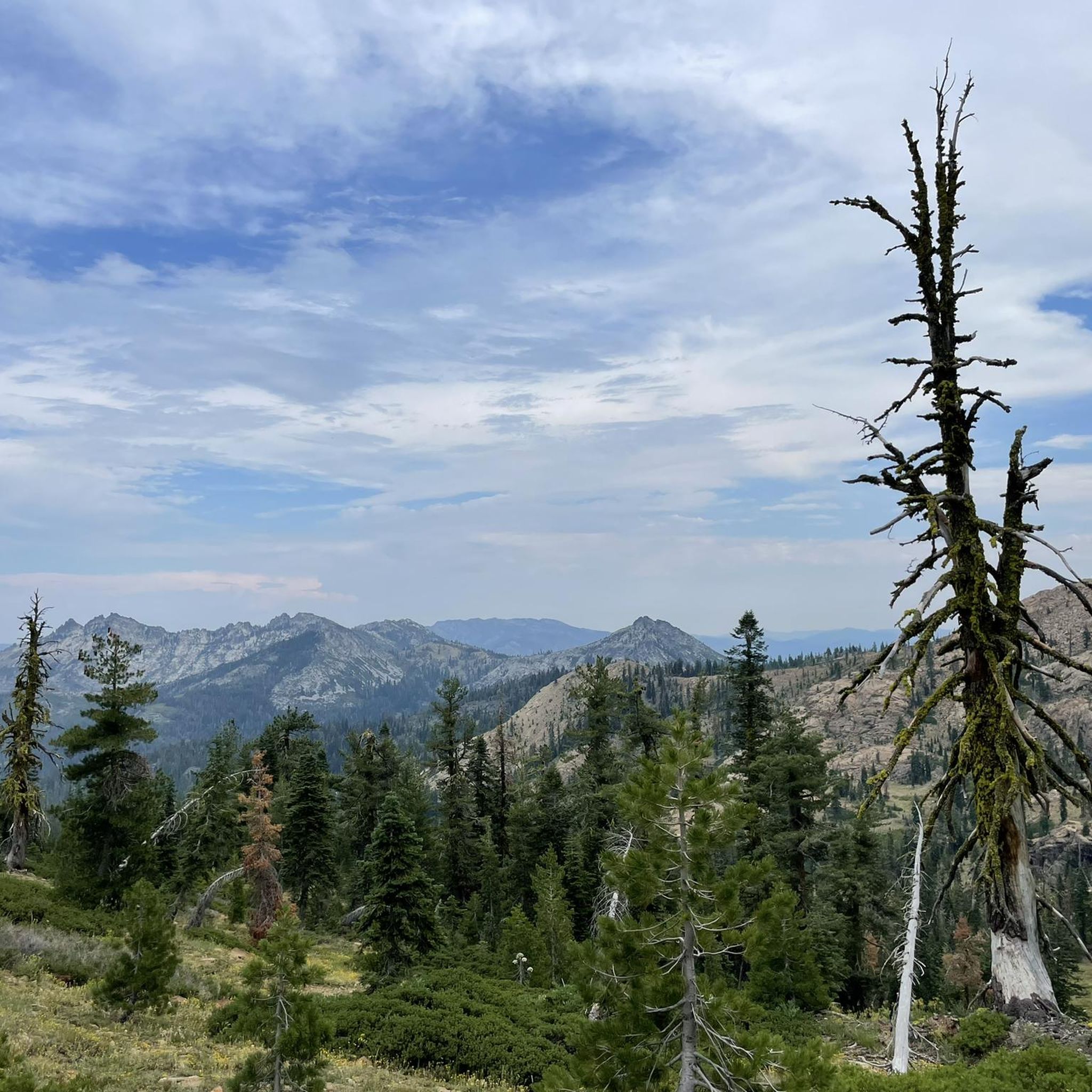
This landscape is unique along the PCT! You can see the rough peaks of the Trinity Alps with red rocks, pine trees, flowing streams and you will even hear some cow bells down in the valley. A true gem in Northern California.
6
0

On the South Side of the cut made for Callahan-Cecilville Road through the ridge is Carter Meadows Summit. Another small trail branches off the Pacific Crest Trail here to a hidden summit.
2
0
Frequently Asked Questions
What natural features define the Trinity Alps Wilderness?
The Trinity Alps Wilderness is characterized by its dramatic granite peaks, pristine alpine lakes, and extensive trail systems. It encompasses over half a million acres, featuring diverse landscapes from towering summits to heavily timbered mountains. You'll find more than 55 major alpine lakes and over 550 miles of trails within this vast area, making it a true outdoor paradise. The region is often described as having 'White Alps' with granitic spires, 'Red Alps' with serpentine soils, and 'Green Alps' with gentler, forested mountains.
What are some of the most notable peaks in the Trinity Alps Wilderness?
The wilderness is home to several impressive peaks. Thompson Peak, at 9,002 feet, is the highest point in the range, offering panoramic views. Other significant peaks include Mount Hilton (8,957 feet), Granite Peak (8,094 feet) with views of Trinity Lake, and Sawtooth Mountain (over 8,800 feet). For rock climbers, Ycatapom Peak features 1200-foot granite walls on its northern face.
Which alpine lakes are popular destinations for visitors?
Many pristine alpine lakes attract visitors. The Caribou Lakes are a popular choice, featuring three good-sized lakes and smaller ponds surrounded by granite peaks, with camping available. Granite Lake, situated below Gibson Peak, is known for its beautiful scenery, waterfalls, and wildflowers. The Canyon Creek Lakes, including Emerald and Sapphire Lakes, are highly sought after for their sparkling waterfalls and ancient forests. For families, Boulder Lakes are a good option due to their shorter distance and excellent fishing.
Are there specific trails recommended for hiking or backpacking?
The Trinity Alps Wilderness boasts over 550 miles of trails. The Canyon Creek Trail is one of the most popular, offering access to lower, middle, and upper falls, as well as the Canyon Creek Lakes. The Stuart Fork Trail is a moderate option known for its meadows, granite peaks, and wildflowers, leading to Emerald and Sapphire Lakes. The Pacific Crest Trail (PCT) also traverses the Trinity Alps, providing a unique long-distance hiking experience, with a branch leading to Carter Meadows Summit. For a moderate day hike, the Granite Lake Trail is a beautiful 10.5-mile round trip.
What kind of wildlife can I expect to see in the wilderness?
The Trinity Alps Wilderness is a sanctuary for diverse wildlife. Visitors might spot black bears, mountain lions, and various bird species. The pristine environment supports a rich ecosystem, making it an excellent location for wildlife viewing, though many animals are shy and elusive.
Are there any cultural or historical sites near the Trinity Alps Wilderness?
While the wilderness itself is primarily natural, the nearby gateway town of Weaverville offers significant cultural and historical sites. You can visit the Joss House State Historic Park, an 1874 Chinese Taoist temple built by Chinese miners, which offers guided tours. The Jake Jackson Memorial Museum in Weaverville also houses artifacts from the Gold Rush era, including a complete blacksmith shop.
What outdoor activities are available besides hiking?
Beyond hiking and backpacking, the Trinity Alps Wilderness offers a range of outdoor activities. You can enjoy fishing in the alpine lakes and streams, rock climbing on peaks like Ycatapom, and horseback riding on many trails. Whitewater rafting is available on the Trinity River, which forms the southern boundary of the wilderness. During winter, snowshoeing and cross-country skiing are popular. Nearby Lewiston and Trinity Lakes also offer kayaking, canoeing, and powerboating.
Is the Trinity Alps Wilderness suitable for families?
Yes, the Trinity Alps Wilderness can be suitable for families, especially with options like the Boulder Lakes, which are considered good destinations due to their shorter distance and excellent fishing opportunities. The Weaverville Basin Trail System also offers over 40 miles of trails for hiking, biking, and horseback riding that are accessible for various skill levels. Always check trail difficulty and distance to ensure it matches your family's capabilities.
Do I need a permit to visit or camp in the Trinity Alps Wilderness?
Yes, permits are required for overnight stays in the Trinity Alps Wilderness. This helps ensure the preservation of the pristine environment. It's advisable to check with the relevant National Forest service (Shasta-Trinity, Klamath, or Six Rivers National Forests) for current regulations and to obtain the necessary permits before your trip.
When is the best time to visit the Trinity Alps Wilderness?
The best time to visit for hiking and backpacking is typically from late spring through early fall (June to October), when trails are mostly clear of snow and wildflowers are in bloom. The Stuart Fork Trail, for example, offers a magnificent wildflower show in late spring or early summer. For winter activities like snowshoeing and cross-country skiing, the colder months offer a different experience.
Are there options for less strenuous hikes or day trips?
Yes, there are options for less strenuous hikes and day trips. While many trails lead to challenging alpine environments, some sections of popular trails like the Canyon Creek Trail offer day-hiking opportunities to its lower falls. The Weaverville Basin Trail System also provides over 40 miles of trails suitable for various activity levels, including easier walks. The Boulder Lakes are also noted as a good destination for families due to their shorter distance.
What makes the Trinity Alps Wilderness unique compared to other wilderness areas?
The Trinity Alps Wilderness is often described as a 'true gem in Northern California,' offering a Yosemite-like adventure without the crowds. Its uniqueness stems from its vastness (second-largest wilderness in California), the dramatic contrast of its 'White,' 'Red,' and 'Green' Alps, and the sheer number of pristine alpine lakes (55 major, over 100 smaller) and extensive trail systems. The presence of the Pacific Crest Trail and the rugged granite peaks also contribute to its distinct character.
Can I bring my dog to the Trinity Alps Wilderness?
Generally, dogs are allowed in the Trinity Alps Wilderness, but they must be kept under control, typically on a leash, to protect wildlife and ensure a pleasant experience for all visitors. Always practice Leave No Trace principles, including packing out all pet waste. It's recommended to check specific trail regulations before your visit, as some areas or seasons might have restrictions.
Are there any multi-day loop trails for backpacking?
Yes, for multi-day backpacking, the Four Lakes Loop is a popular choice. This approximately 20-mile loop features four beautiful high-alpine lakes: Deer Lake, Summit Lake, Diamond Lake, and Luella Lake, offering a comprehensive experience of the wilderness's stunning scenery.
Most popular routes in Trinity Alps Wilderness
Most popular attractions in Trinity Alps Wilderness

Get inspired with the komoot mobile app


