Attractions and Places To See around Draßmarkt - Top 20
Best attractions and places to see around Draßmarkt include a blend of historical landmarks, cultural sites, and natural features. Located in the district of Oberpullendorf in Burgenland, Austria, the area offers insights into its history, which dates back to the Hallstatt period. Visitors can explore significant monuments and enjoy panoramic views from various points of interest. The region provides diverse opportunities for those interested in history, culture, and the natural landscape.
Best attractions and places to see around Draßmarkt
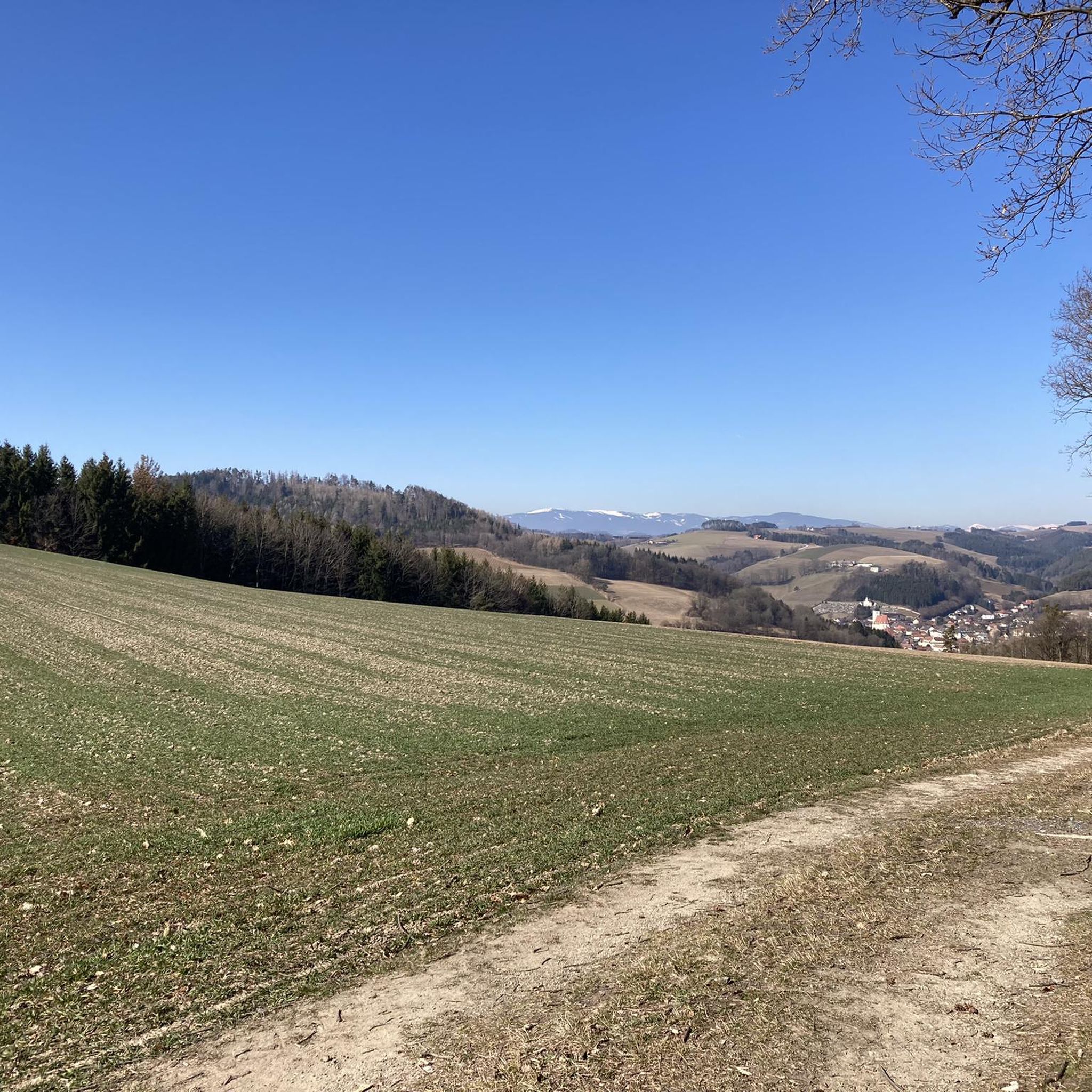
- The most popular attractions is Hutwisch Observation Tower, a viewpoint that stands 22 meters high with 102 steps. From its elevation of 896 meters, it offers panoramic views of the Schneeberg and Neusiedlersee. On a clear day, views can extend as far as Hungary and the distant Steiner Alps in Slovenia.
- Another must-see spot is Franz Liszt Birthplace, a historical site where the composer Franz Liszt was born on October 22, 1811. This house, once the stateliest in the area, now functions as a museum. A modern concert hall is situated directly opposite, making it a cultural hub.
- Visitors also love Geographical Center of Burgenland, a monument and viewpoint. It is marked by a stone with its border and a tablet detailing its geographical data. The site also features a chapel and several fruit trees, offering a view of the surrounding area.
- Draßmarkt is known for its historical sites, cultural landmarks, and natural viewpoints. The area offers a variety of attractions to explore, from ancient churches to significant monuments.
- The attractions around Draßmarkt are appreciated by the komoot community, with more than 280 upvotes and over 260 photos shared.
Last updated: October 9, 2026
Hutwisch Observation Tower
Highlight • Viewpoint
Translated by Google •
Tip by

Franz Liszt Birthplace
Highlight • Historical Site
Tip by

Sign up now to discover places like this
Get recommendations on the best single tracks, peaks, & plenty of other exciting outdoor places.
Geographical Center of Burgenland
Highlight • Monument
Translated by Google •
Tip by

Kobersdorf Castle
Highlight • Castle
You can find more information about the castle games at schlossspiele.com.
Translated by Google •
Tip by

Krumbach Castle
Highlight • Castle
Translated by Google •
Tip by

Sign up for free to discover even more attractions around Draßmarkt.
Already have an account?
Start today with a free account
Your next adventure awaits.
Tips from the Community

Beautiful to look at from the outside and from the inside
3
0

Documented as early as the 13th century, it experienced turbulent times as a Hungarian border fortress before being expanded to its characteristic form in the 16th and 17th centuries: Striking round towers with mighty conical roofs define its exterior today. In addition to the well-known festivals, the castle is also a venue for concerts, exhibitions, and seminars. Parts of the castle, along with the garden, can be rented for conferences, celebrations, and weddings. Guided tours are also possible by appointment.
0
0
The first castle was built in the 13th century as a reaction to the Hungarian invasions at the end of the early Middle Ages. It was largely destroyed during the Hungarian invasions in 1246 and 1260. The reconstruction partly has a castle character. In 1394, the lordship with all its accessories was bequeathed by the last Krumbacher, Hans von Krumbach, to Pilgrim III. von Puchheim, a maternal uncle of his, and his brothers, and remained in the possession of the Puchheims for over 200 years. In 1629, the lordship came into the possession of the Counts of Pálffy-Erdöd family. During the Second Siege of Vienna in 1683, Krumbach was besieged in vain by the Turks. After the revolutionary year of 1848, the serfdom relationship was abolished, thus the "Herrschaft Krumbach" came to an end. In 1875, the estates were sold by the Palffy family to the Wiener Neustadt lawyer Anton Riehl, after which there were frequent changes of ownership.
0
0

High tower, lots of steps, great view.
2
0

Since 2020, it has been a private elite school (https://krumbach.school/de/). The annual tuition fee is at least €40,000.
0
0

The castle was built around 1528 from a medieval castle complex. Today, the Renaissance castle is a venue for concerts, exhibitions and seminars. You can also rent parts of the castle for your celebrations. Guided tours are also possible by arrangement.
0
0

I didn't think that it would be so steeply uphill at the end. It's a great way to rediscover the area you thought you knew well.
2
0

Unfortunately, the castle is now only accessible privately. It's a shame because it's beautiful. The castle tavern below is highly recommended for this 😋.
0
0
Frequently Asked Questions
What historical sites can I explore in and around Draßmarkt?
The region offers several significant historical sites. You can visit the Franz Liszt Birthplace in Raiding, which is now a museum. Further afield, explore the impressive Kobersdorf Castle, a renovated complex that hosts events, or the extensive Ruins of Landsee Castle, once the largest fortification in Central Europe.
Are there any natural viewpoints offering panoramic views near Draßmarkt?
Yes, the Hutwisch Observation Tower is a must-visit. This 22-meter high tower, with 102 steps, stands at an elevation of 896 meters and offers magnificent panoramic views that can extend as far as Hungary, the Schneeberg, the Neusiedlersee, and even the distant Steiner Alps in Slovenia on a clear day. Another spot with a nice view is the Geographical Center of Burgenland.
What cultural landmarks are there within Draßmarkt itself?
Within Draßmarkt, you can visit the protected monument of the Roman Catholic Parish Church of Draßmarkt, dedicated to Saint Andrew. Other notable cultural sites include the Pranger (Pillory), the Kriegerdenkmal (War Memorial), the Dreifaltigkeitssäule (Holy Trinity Column), and various chapels such as the Johannes Nepomuk Kapelle and the Lourdeskapelle.
Are there family-friendly attractions in the Draßmarkt area?
Many attractions around Draßmarkt are suitable for families. The Franz Liszt Birthplace and the Geographical Center of Burgenland are both considered family-friendly. The Kobersdorf Castle and the Ruins of Landsee Castle also welcome families, offering historical exploration in an engaging setting.
What kind of outdoor activities can I do near Draßmarkt?
The area around Draßmarkt is excellent for outdoor activities. You can find numerous routes for hiking, running, and gravel biking. For easy hikes, explore options like the 'Hiking loop from Kirchschlag in der Buckligen Welt' or the 'Stoobar Activity Course loop from Stoob'. You can find more details and routes on the Easy hikes around Draßmarkt guide.
Are there specific hiking trails recommended near Draßmarkt attractions?
Yes, for those interested in hiking, the area around the Hutwisch Observation Tower offers opportunities for hiking, including the 'Wurzel Trail'. You can also find several easy hiking routes in the broader region, such as the 'Way of the Cross – Maria Bründl Pilgrimage Chapel loop from Steinberg-Dörfl'. Discover more hiking options in the Easy hikes around Draßmarkt guide.
What do visitors enjoy most about the attractions around Draßmarkt?
Visitors particularly enjoy the magnificent panoramic views from the Hutwisch Observation Tower, often describing it as a wonderful spot to relax. The historical significance of the Franz Liszt Birthplace and its adjacent modern concert hall also make it a cultural highlight. The unique marker and views at the Geographical Center of Burgenland are also highly appreciated.
Can I go cycling or gravel biking near Draßmarkt?
Absolutely! The region provides routes for gravel biking. One notable route is the 'Hutwisch lookout tower – Hutwisch Observation Tower loop from Bad Schönau', which is a more challenging ride. There are also moderate and easy routes available, such as the 'Rest area with drinking fountain – Parish Church of St. Wenceslas loop from Steinberg-Dörfl'. For more gravel biking adventures, check out the Gravel biking around Draßmarkt guide.
What is the significance of the Geographical Center of Burgenland?
The Geographical Center of Burgenland is marked by a stone with its border and a tablet detailing its geographical data. It's a unique landmark that also features a chapel and several fruit trees, offering a pleasant view of the surrounding area. It's considered a worthwhile stop for its novelty and scenic appeal.
Are there any castles or ruins to visit in the vicinity of Draßmarkt?
Yes, two prominent historical castles are nearby. Kobersdorf Castle, built around 1528, is a venue for events and concerts, with guided tours available. The Ruins of Landsee Castle, dating back to the 13th century, was once the largest fortification in Central Europe and offers a glimpse into the region's past, though visitation is subject to a fee.
What is the history behind the Roman Catholic Parish Church of Draßmarkt?
The Roman Catholic Parish Church of Draßmarkt, dedicated to Saint Andrew, has origins as a parish tracing back to the Middle Ages, likely serving as a fortified church. The current structure dates from the 16th century, underwent Baroque alterations, and was expanded in 1899. Major restoration work occurred between 1971 and 1977, preserving its rich history and architectural details.
Are there running trails available near Draßmarkt?
Yes, there are several running trails around Draßmarkt for various fitness levels. You can find moderate routes like the 'Marienkirche Bad Schönau loop from Unterdorf' or the 'Markt St. Martin Bathing Pond loop from Neutal'. There are also easier options such as the 'Running loop from Pilgersdorf'. More details are available in the Running Trails around Draßmarkt guide.
Most popular attractions around Draßmarkt

Get inspired with the komoot mobile app


Explore more
Still not found the Highlight you’re looking for? See guides of the top attractions in other regions:
