Top 6 Lakes in Glacier Peak Wilderness
Best lakes in Glacier Peak Wilderness are found within a vast and rugged expanse of the North Cascades, home to over 200 lakes. This wilderness area encompasses more than 566,000 acres, characterized by rugged valleys, glacier-crowned peaks, and heavily forested waterways. The region offers diverse experiences, from remote alpine reflections to challenging multi-day treks. It provides a deep wilderness experience with significant natural beauty.
Best lakes in Glacier Peak Wilderness
- The most popular lakes is Reflection Pond, a lake…
Last updated: August 22, 2026
Reflection Pond
Highlight • Lake
Tip by

Mica Lake
Highlight • Lake
Tip by
Sign up now to discover places like this
Get recommendations on the best single tracks, peaks, & plenty of other exciting outdoor places.
Sign up for free
Cockeye Lake Trail
Highlight (Segment) • Trail
Tip by

Mount Pugh
Highlight • Summit
Tip by

Lower Twin Lake
Highlight • Lake
Tip by

Start today with a free account
Your next adventure awaits.
Login or Signup
Popular around Glacier Peak Wilderness
Tips from the Community

Mount Pugh is a peak in the North Cascades Range that tops out at 7,201 feet. The last push to the summit has a lot of sun exposure and some rock scrambling is required.
0
0

The trail up to Cockeye Lake is beautiful with all the wildflowers and exposed views. In later months of the year, it is recommended to bring along some sort of traction to deal with the snow. As people hike and pack down the snow on the trails, it becomes an ice rink.
0
0

The first of the two Twin Lakes, this lake is small and shallow enough that the water warms up to a pleasant swimming temperature on warm days. Occasional rocks along the brushy shore make spots for a picnic.
1
0

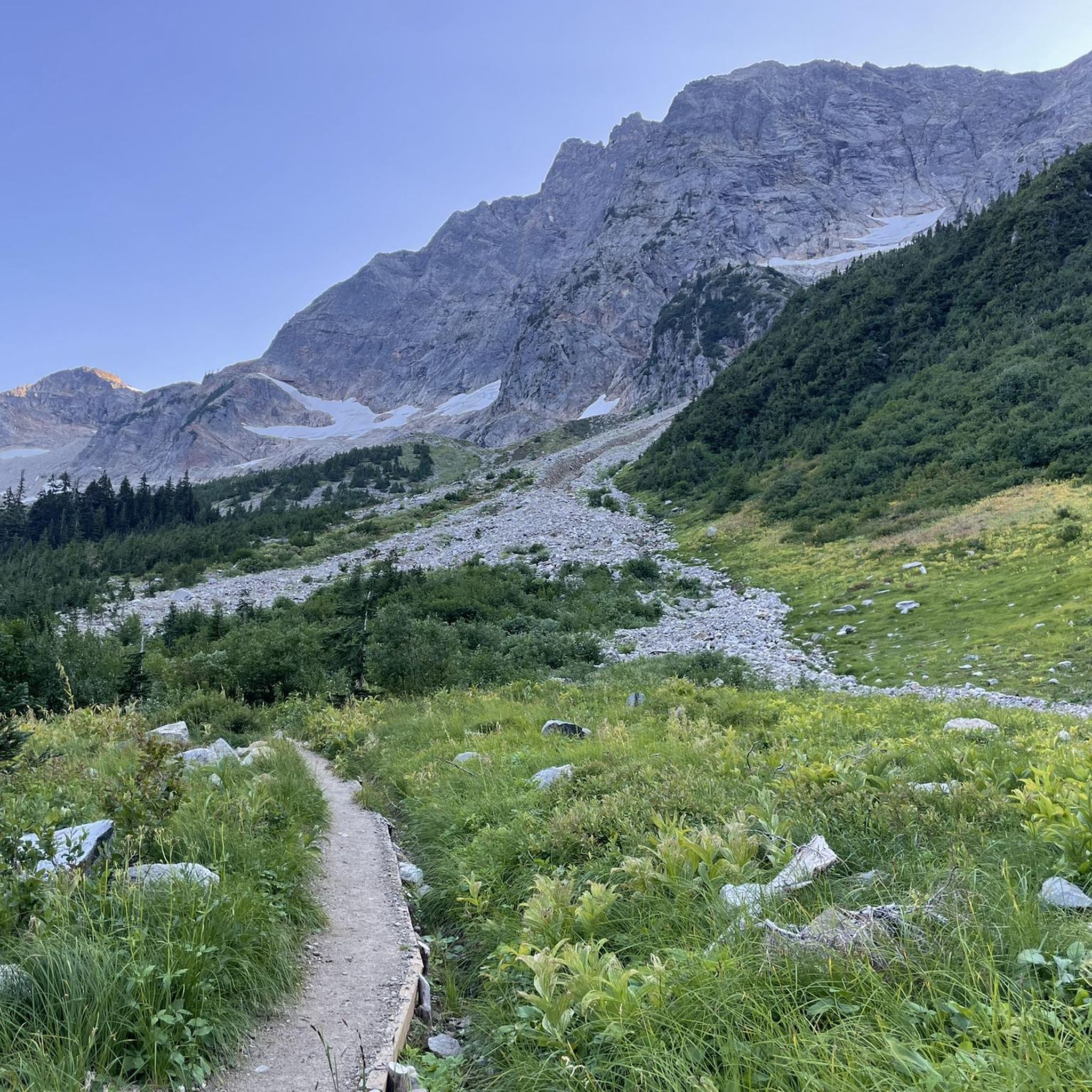
Mica Lake is a picture perfect alpine lake high up in the Glacier Peak Wilderness. The turquoise clear water is a great source to fill up your bottles. There are also some unique campsites next to the lake with some human-made rock walls to protect you from harsh winds.
5
0
Reflection Pond has plenty of camp spots at the west side of the pond. Some are hidden between the trees, some are in the open field. Prefer the spots in the trees to avoid at least some condensation. The pond is a decent water source.
5
0
Frequently Asked Questions
What kind of natural features can I expect to see around the lakes in Glacier Peak Wilderness?
The Glacier Peak Wilderness is a vast and rugged area, offering diverse natural beauty. You'll find glacier-crowned peaks, heavily forested waterways, and rugged valleys. Many lakes, like Mica Lake, feature turquoise clear water. Others, such as Image Lake, are known for breathtaking reflections of Glacier Peak, surrounded by subalpine fir spires and meadows. Schaefer Lake offers vibrant larch reflections in the fall, while Lyman Lake is characterized by sapphire blue glacial waters and tundra-like expanses.
Are there any family-friendly lakes or trails in Glacier Peak Wilderness?
Yes, Lower Twin Lake is considered family-friendly. It's small and shallow enough that the water warms up to a pleasant swimming temperature on warm days, with occasional rocks along the shore perfect for a picnic.
What are some of the more challenging lake destinations for experienced hikers?
For experienced hikers seeking a challenge, Holden Lake is known as a difficult hiking destination, offering an immersive wilderness experience. Triad Lake is another rewarding destination, tucked into an alpine basin below a small glacier, often reached via a challenging hike to High Pass off the Buck Creek Pass trail.
When is the best time to visit the lakes in Glacier Peak Wilderness?
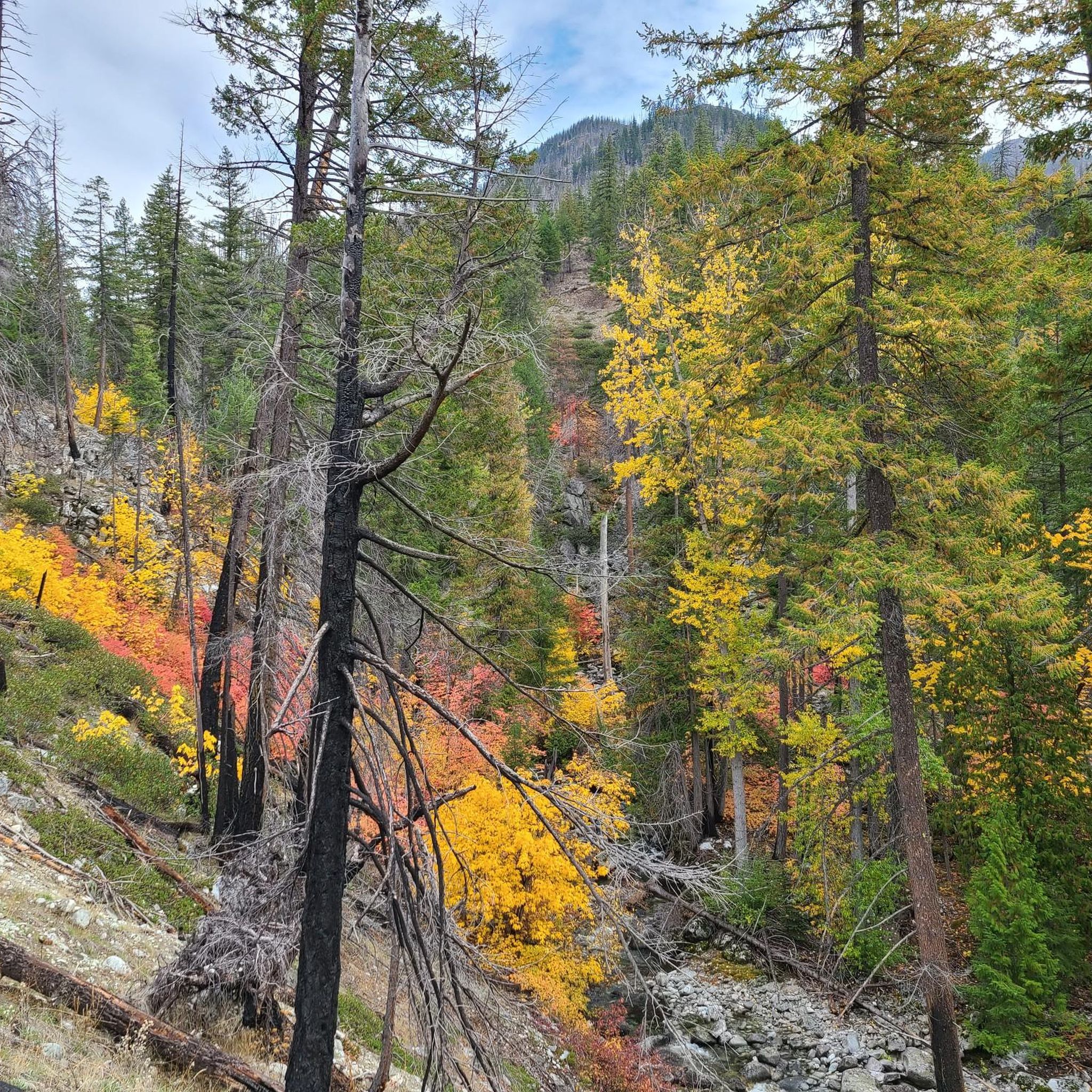
The best time to visit depends on your interests. For vibrant fall colors, particularly the larches, early October is ideal, especially around Ice Lakes and Schaefer Lake. For wildflowers and exposed views, the Cockeye Lake Trail is beautiful in later months, though traction might be needed due to snow turning to ice.
What kind of wildlife might I encounter near the lakes?
The Glacier Peak Wilderness is home to diverse wildlife. Visitors might spot deer, elk, bear, mountain goat, cougar, marten, lynx, wolverines, and even gray wolves.
Are there opportunities for multi-day backpacking trips to the lakes?
Absolutely. Image Lake is a classic multi-day trek, passing through old-growth forests and offering panoramic views. Lyman Lake is often part of multi-day backpacking trips, such as the Spider Gap-Buck Creek Pass Loop. The Ice Lakes area is also ideal for backpacking, especially in early October.
What are some popular hiking routes near the lakes in Glacier Peak Wilderness?
There are many hiking opportunities. For moderate options, consider the Cloudy Pass Trail to Hart Lake or the Holden Lake Trail. More challenging routes include the North Fork Sauk Trail to Glacier Peak or the Little Giant Trail. You can find more details on these and other routes in the Hiking in Glacier Peak Wilderness guide.
Are there any easy hiking trails that lead to lakes or offer lake views?
Yes, for easier options, you can explore trails like Howard Lake via Pacific Crest Trail or Imus Creek Trail. These are generally less strenuous. More easy hiking options can be found in the Easy hikes in Glacier Peak Wilderness guide.
What do visitors enjoy most about camping near the lakes?
Visitors appreciate the serene and remote camping experiences. Reflection Pond offers plenty of camp spots, some hidden among trees and others in open fields. Mica Lake provides unique campsites with human-made rock walls for wind protection. Many lakes also serve as decent water sources.
Are there any specific regulations or restrictions for camping near the lakes?
Yes, to preserve the ecological integrity of these areas, camping is often restricted. For instance, camping is prohibited within a quarter-mile of Image Lake's shoreline, within half a mile slope distance of Ice Lakes, and within 200 feet of the shoreline at Lyman Lake and Holden Lake. Always check local regulations before planning your trip.
What is the typical terrain like on trails leading to lakes in Glacier Peak Wilderness?
The terrain varies significantly. You can expect rugged valleys, old-growth forests, and steep ascents, such as the one leading to Schaefer Lake. Higher elevations transition to sparse alpine tundra, offering magnificent views of mountain peaks. Some trails, like the final ascent to Mount Pugh, involve rock scrambling and significant sun exposure.
Most popular attractions in Glacier Peak Wilderness

Get inspired with the komoot mobile app


Explore more
Still not found your perfect lake in Glacier Peak Wilderness? Check out the guides of these regions to see even more beautiful places.
