The best running trails in Buckhorn Wilderness
15
runners
7
runs
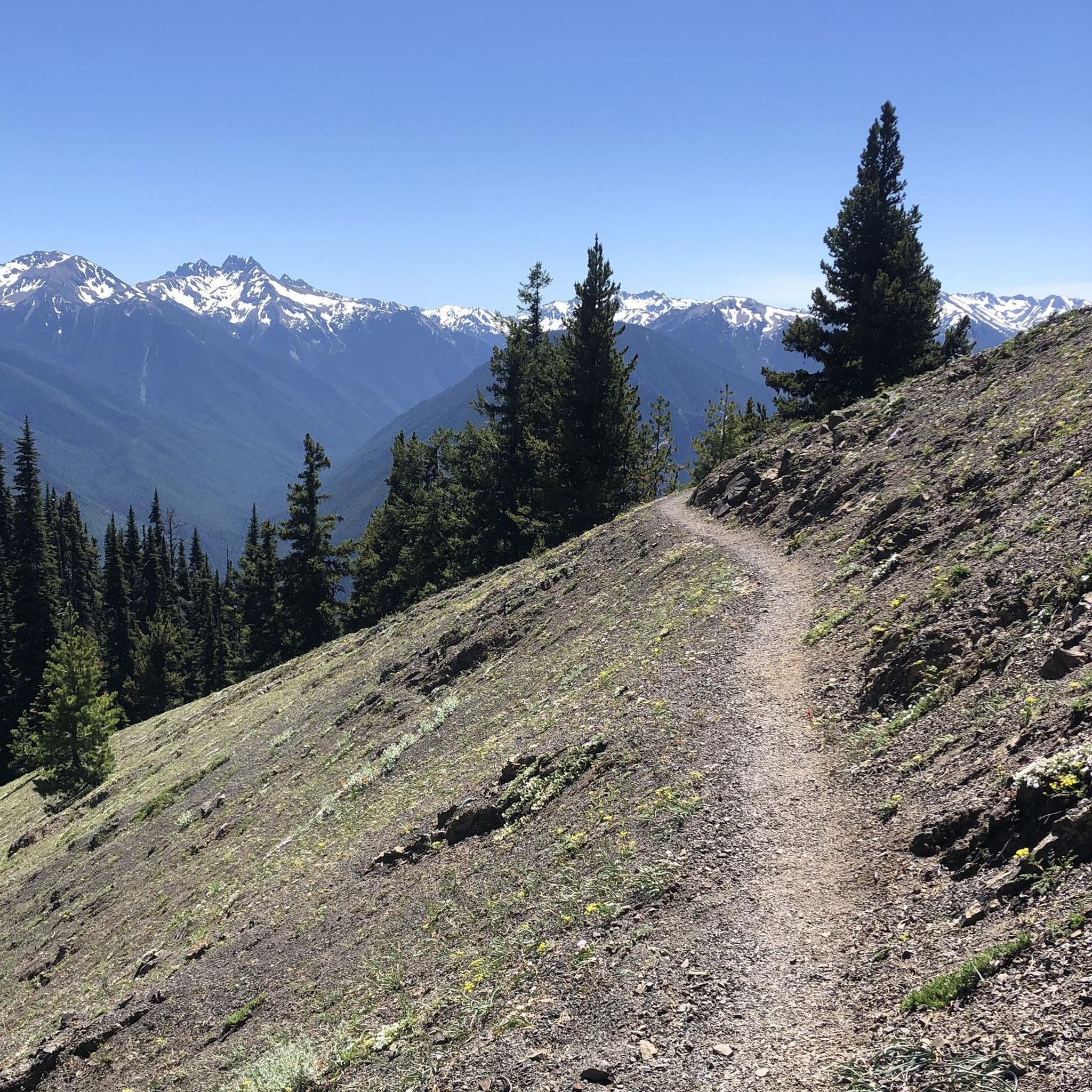
Jogging in Buckhorn Wilderness offers diverse terrain, with elevations ranging from 1,000 feet to over 7,000 feet at prominent peaks. The region features lush old-growth forests, subalpine fir, and expansive alpine meadows. Major rivers like the Gray Wolf, Dungeness, and Big Quilcene flow through glacier-sculpted valleys, providing varied running environments. This landscape provides options for both challenging ascents and more moderate routes.
Best jogging routes in Buckhorn Wilderness
- The most popular jogging route is Mount Townsend Trail, a 7.8…
Last updated: June 8, 2026
11
runners
12.5km
02:07
880m
880m
Hard run. Very good fitness required. Mostly paved surfaces. Suitable for all skill levels.
11.7km
01:32
290m
290m
Moderate run. Good fitness required. Mostly paved surfaces. Suitable for all skill levels.

8.03km
01:13
420m
420m
Hard run. Very good fitness required. Mostly paved surfaces. Suitable for all skill levels.
13.6km
01:40
230m
230m
Moderate run. Good fitness required. Mostly paved surfaces. Suitable for all skill levels.
5.56km
00:47
380m
380m
Hard run. Very good fitness required. Mostly paved surfaces. Suitable for all skill levels.
Get access to more routes and recommendations from other explorers.
Already have an account?
Our route recommendations are based on thousands of hikes, rides, and runs completed by other people on komoot.
Start today with a free account
Your next adventure awaits.
Popular around Buckhorn Wilderness

Tips from the Community

Dosewallips Road is mostly gravel until it reaches an old washout section, where it is re-routed and transformed into a nice trail leading into deep forest along the Dosewallips River. As you run along this road, you can hear the river roaring beside you as you catch an occasional glimpse through the trees. At times, you can also see the top of Mt. Jupiter, towering above at 5,700 feet.
0
0
This river, the largest in Jefferson County, flows from the Olympic Mountains into the Hood Canal. The name Dosewallips comes from one of several local indigenous myths about a Twana Indian man named Dos-wail-opsh, who was turned in a mountain at the river's source. It is a beautiful waterway winding through the ancient forest.
0
0
This trail takes you along the Big Quilcene River as it climbs through old-growth, reaching stunning alpine meadows filled with wildflowers in the spring. The path is in excellent condition, with some small steep sections balanced by level parts as you run past enormous cedars and hemlocks that tower over the river, giving it all the makings for an enjoyable run.
0
0
This trail takes you along Townsend Creek before you head into switchbacks through old-growth, filled with an understory of rhododendrons. There are three ravines along the way, where you can catch glimpses of some nice views across the valley before the route opens up into gorgeous alpine meadows, where you can enjoy the sweeping views on your way to the summit.
0
0
Mount Townsend is a widely popular destination for good reason. This beautiful alpine turtleback summit surrounded by the Welch Peaks offers panoramic views of the San Juans to the north across the Straight, the Olympics to the west, and east across the Sound to the Cascades. In the spring, there are lots of rhododendrons and wildflowers in bloom. You can even see a few waterfalls tucked away in the old-growth forest.
0
0
Mount Zion is among the most northeastern peaks in the Olympic National Forest, where you can catch glimpses of Mt. Baker, Mt. Shuksan and Mt. Rainier through the trees. There is a rocky ridge a tenth of a mile northwest from the summit that is worthy of a photo. The ridge drops off to the southwest, where you can see evidence that it was once a popular rock climbing destination by a few old bolts scattered around. The views from here are somewhat limited; however, the Snow Creek Trail connects to the Mt. Zion Trail, and if you follow it for about a half mile, you can see fantastic views of Mt. Townsend, the Olympic Mountains and Gray Wolf Ridge.
0
0
This trail takes you on a relatively steady climb to the top of Mount Zion. When you reach the last .08 miles of the route, the path levels off before increasing in elevation, similar to stairs, for a nice challenge. Along the way, there are a few side trails with beautiful viewpoints. If you explore these during your run, be cautious, as these spots have drop-offs. Once you reach the summit, this trail connects to the Snow Creek Trail, where you can catch some fantastic views of Mt. Townsend on a clear day.
0
0
This multi-use trail is an easy lowland forested route that is excellent for a run in spring, summer and fall. The moss-lined path is beautiful, running through a young forest before winding past majestic giant old-growth cedars. In spring and summer, rhododendrons are in full bloom, adding a splash of color along the way, and there are plenty of trees to provide shelter from precipitation in the fall.
0
0
Frequently Asked Questions
What kind of terrain can I expect on the running trails in Buckhorn Wilderness?
Buckhorn Wilderness offers a diverse range of terrain for runners. You'll find everything from lush old-growth forests with moss-lined paths on lower slopes to subalpine fir and western white pine at higher elevations. The landscape also features barren ridges, rocky cliffs, and expansive alpine meadows vibrant with wildflowers, especially in summer. Trails often follow major rivers like the Gray Wolf, Dungeness, and Big Quilcene, carving through glacier-sculpted valleys.
Are there running routes suitable for beginners or those looking for an easier jog?
Yes, there are options for easier runs. The Lower Big Quilcene Trail is a moderate 7.3-mile path that winds through young forests and past old-growth cedars, making it excellent for a scenic and less strenuous experience. This trail is particularly enjoyable in spring, summer, and fall.
What are some challenging running trails in Buckhorn Wilderness?
For experienced trail runners seeking a challenge, routes like the Mount Townsend Trail offer significant elevation gain over 7.8 miles, leading to rewarding panoramic views. Another difficult option is the Big Quilcene Trail #833, a 5.0-mile route through dense forests along the Big Quilcene River, which also presents a good workout.
Can I bring my dog on the running trails in Buckhorn Wilderness?
While the Buckhorn Wilderness is part of the Olympic National Forest, specific regulations for dogs can vary by trail and season. It's generally advisable to check the latest rules for the specific trail you plan to run, as some areas within wilderness designations may have restrictions. Always keep your dog on a leash and practice Leave No Trace principles.
What kind of views and natural features can I expect to see while running?
Runners in Buckhorn Wilderness are treated to stunning natural beauty. You'll encounter dense old-growth Douglas-fir, western hemlock, and western red cedar forests, as well as subalpine fir and expansive alpine meadows bursting with summer wildflowers. Higher elevations offer dramatic vistas of barren ridges, rocky cliffs, and prominent peaks like Mount Fricaba and Buckhorn Mountain. Many trails also follow scenic rivers, providing calming sounds and picturesque waterside views.
Are there any family-friendly running options in the area?
For families looking for a less strenuous outing, the Lower Big Quilcene Trail is a good choice. Its moderate difficulty and scenic path through young forests and past old-growth cedars make it suitable for a family run or walk, allowing everyone to enjoy the natural surroundings.
What is the best time of year to go running in Buckhorn Wilderness?
The best time for running in Buckhorn Wilderness is generally spring, summer, and fall. During these seasons, trails are more accessible, and you can enjoy the lush forests, vibrant alpine meadows, and wildflowers. Higher elevation trails might be snow-covered in late spring or early fall, so always check conditions before heading out.
Are there any circular running routes available?
While many trails in Buckhorn Wilderness are out-and-back, you can often create circular routes by combining sections of different trails or using forest roads. For example, the Dosewallips River Road Trail offers a moderate 8.4-mile path that can be enjoyed as an out-and-back or potentially linked with other routes depending on access and trail conditions.
What are the parking facilities like for running trails in Buckhorn Wilderness?
Parking is typically available at trailheads within the Buckhorn Wilderness. However, specific parking availability and requirements can vary. It's always recommended to research the trailhead for your chosen route in advance to confirm parking options and if any permits or fees are required, especially for areas within the Olympic National Forest or adjacent National Park sections.
What do other runners enjoy most about the running trails in Buckhorn Wilderness?
Runners frequently praise the diverse and rugged landscapes, the stunning natural beauty, and the rewarding views from higher elevations. The opportunity to experience true wilderness, from old-growth forests to expansive alpine meadows and snow-capped peaks, is a major draw. The variety of trails, catering to different skill levels, also makes it a popular destination for the running community.
Are there any running routes that offer a riverside experience?
Yes, several routes in Buckhorn Wilderness follow major rivers. The Big Quilcene Trail #833, for instance, leads through dense forests along the Big Quilcene River, providing scenic views and the calming sounds of flowing water. The Dosewallips River Road Trail also offers a pleasant run alongside the Dosewallips River.
What should I bring for a run in Buckhorn Wilderness?
Given the varied terrain and potential for changing weather, it's wise to be prepared. Essential items include appropriate trail running shoes, layers of clothing, sufficient water and snacks, a map or GPS device (like komoot's app), and basic first-aid supplies. For longer or higher-elevation runs, consider a headlamp, a whistle, and bear spray, as wildlife is present in the wilderness.
Most popular routes in Buckhorn Wilderness

Get inspired with the komoot mobile app


Explore more
Browse the best Running Trails & Routes in other regions.
