Attractions and Places To See in Washington Islands Wilderness - Top 9
Best attractions and places to see in Washington Islands Wilderness are primarily viewed from a distance, as this federally designated wilderness area is largely closed to public entry. It encompasses more than 600 islands, rocks, and reefs off the Olympic Coast, serving as critical habitat for seabirds and marine mammals. The area is characterized by a rugged coastal landscape with dramatic rock formations and islands. While direct access to the islands is restricted, its natural features can be observed from…
Last updated: April 24, 2026
Second Beach
Highlight • Beach
Tip by

Split Rock
Highlight • Natural Monument
Translated by Google •
Tip by

Sign up now to discover places like this
Get recommendations on the best single tracks, peaks, & plenty of other exciting outdoor places.
Sign up for free
Abbey Island
Highlight • Beach
Tip by

Wedding Rocks Petroglyphs
Highlight • Historical Site
Tip by
Browns Point Rock Formations
Highlight • Natural Monument
Tip by
Sign up for free to discover even more attractions in Washington Islands Wilderness.
Sign up for free
Already have an account?
Start today with a free account
Your next adventure awaits.
Login or Signup
Popular around Washington Islands Wilderness
Tips from the Community

The Wedding Rock Petroglyphs are a collection of Native American petroglyphs, or rock carvings, located at the coast of Olympic National Park, Washington. The petroglyphs feature various designs and symbols, that include animals, human figures, and abstract patterns.
0
0
Second Beach is a stunning coastal destination in Olympic National Park. It is known for its pristine sandy shores and the impressive rock formations inside the ocean.
0
0

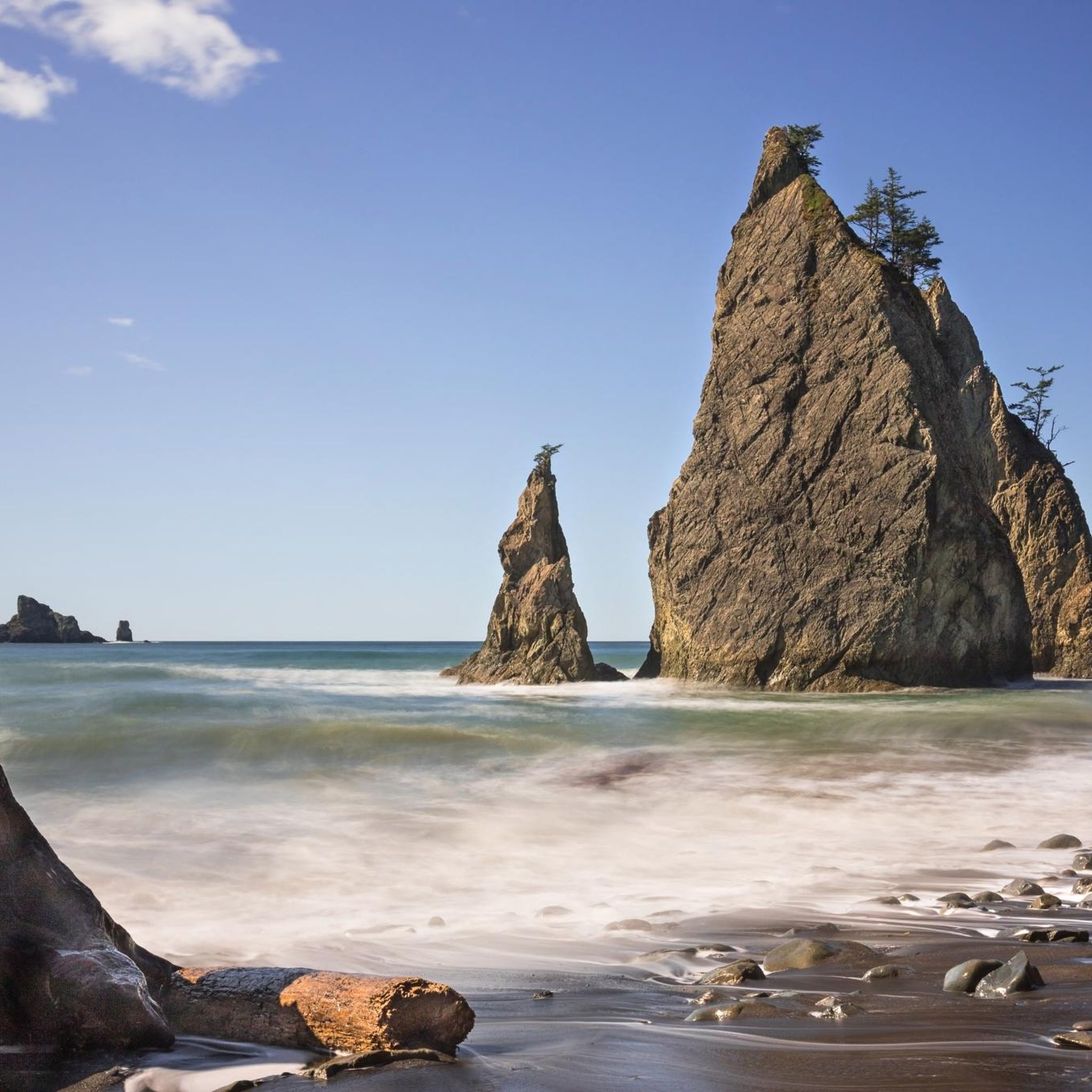
Abbey Island is absolutely stunning and one of the Olympic National Park's most photographed sea stacks. Sitting offshore a few hundred feet, it is home to sea otters and migratory birds, bordered with many starfish and mussels. It's the perfect setting to photograph and create your own postcard.
0
0
Second Beach is a stunning coastal destination in Olympic National Park. It is known for its pristine sandy shores and the impressive rock formations inside the ocean.
0
0
The Wedding Rock Petroglyphs are a collection of Native American petroglyphs, or rock carvings, located at the coast of Olympic National Park, Washington. The petroglyphs feature various designs and symbols, that include animals, human figures, and abstract patterns.
0
0

The west coast of the Olympic Peninsula offers dramatic views at the wild beaches along the Pacific Ocean. Take a stroll to Browns Point and pass bluffs high overhead. Beware of the tide and plan your hike back accordingly.
1
0
Abbey Island is one of the most popular picture postcard views. Located at Ruby Beach next to or in the Pacific Ocean - depending on the tide - it is a great destination for a stroll along the shore. It got its name since early settlers saw a cathedral in the shape of the island.
5
0

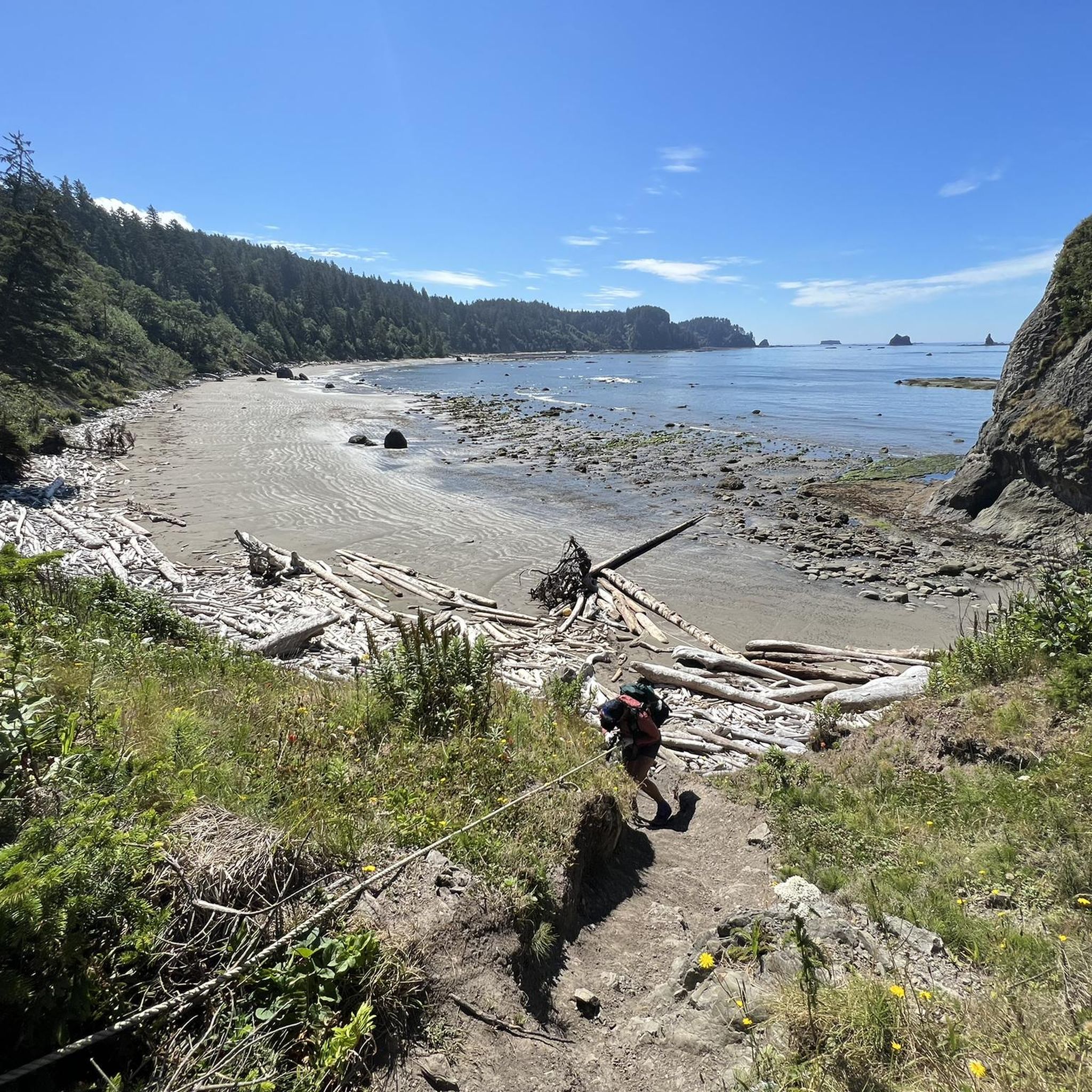
At low tide, it is easier to walk along the beach to the Split Rocks, otherwise you have to climb over many tree trunks.
0
0
Frequently Asked Questions
What makes the Washington Islands Wilderness unique?
The Washington Islands Wilderness is a federally designated wilderness area comprising over 600 islands, rocks, and reefs off the Olympic Coast. It serves as critical habitat for over 70 percent of Washington's seabirds and various marine mammals, characterized by a rugged coastal landscape with dramatic rock formations and islands.
Can I visit the islands within the Washington Islands Wilderness?
Direct visitation to most of the islands, rocks, and reefs within the Washington Islands Wilderness is largely prohibited due to its highly sensitive ecosystems and protected status. A 200-yard voluntary closure to all watercraft is enforced to prevent disturbance to wildlife.
Where can I view the Washington Islands Wilderness from the mainland?
While direct access to the islands is restricted, you can view the wilderness and its inhabitants from several mainland beaches along the Olympic Coast. Popular viewing spots include Shi Shi, Cape Alava, Rialto, Second, Ruby, and Kalaloch beaches. Binoculars or spotting scopes are recommended for optimal wildlife viewing.
What kind of wildlife can I spot in the Washington Islands Wilderness area?
The wilderness is a crucial habitat for seabirds and marine mammals. From mainland viewing points, you might spot various gulls, cormorants, guillemots, puffins, brants, oystercatchers, auklets, and bald eagles. Marine mammals like harbor seals are also frequently seen. Abbey Island, for example, is known for sea otters and migratory birds.
Are there any family-friendly attractions or viewing spots near the Wilderness?
Yes, several coastal areas offer family-friendly experiences. Second Beach is known for its pristine sandy shores and impressive rock formations, making it a great spot for families. Abbey Island at Ruby Beach is also a popular viewpoint where families can observe sea life like starfish and mussels at low tide.
What historical sites are there to explore near the Washington Islands Wilderness?
Near the wilderness, you can explore the Wedding Rocks Petroglyphs. These are a collection of Native American rock carvings located on the coast of Olympic National Park, featuring various designs and symbols including animals, human figures, and abstract patterns.
What are some notable natural rock formations or beaches to see?
The region is famous for its dramatic coastal features. You can visit Split Rock, a natural monument that is easier to access at low tide. Second Beach offers stunning rock formations in the ocean, and Browns Point Rock Formations provide dramatic views along the wild beaches of the Olympic Peninsula.
Are there hiking opportunities near the Washington Islands Wilderness?
Yes, the mainland areas adjacent to the wilderness offer numerous hiking opportunities. You can find trails suitable for various skill levels, including easy hikes like the Ruby Beach & Abbey Island trail or the Kalaloch Beach 4 trail. For more options, explore the Hiking in Washington Islands Wilderness guide.
What other outdoor activities can I do in the area?
Beyond hiking, the coastal areas offer great opportunities for running. Popular routes include the Ruby Beach & Abbey Island Run and the Hole-in-the-Wall from Rialto Beach run. You can find more details and routes in the Running Trails in Washington Islands Wilderness guide.
What is the best time of year to visit the mainland viewing areas?
The rugged coastal landscape can be enjoyed year-round. However, for wildlife viewing, spring and fall migrations can offer increased opportunities to spot various bird species. Summer provides generally milder weather for exploring the beaches, while winter storms can create dramatic ocean views, though access might be more challenging.
What do visitors particularly enjoy about the coastal areas near the Wilderness?
Visitors frequently praise the stunning natural beauty and dramatic coastal scenery. The opportunity to witness impressive rock formations, explore pristine sandy shores, and observe diverse wildlife from a distance are often highlighted. The unique atmosphere of places like Abbey Island, with its sea otters and migratory birds, is particularly cherished.
How can I ensure I respect the protected status of the Washington Islands Wilderness?
To respect the protected status, it's crucial to observe the 200-yard voluntary closure to all watercraft around the islands and avoid any direct entry. When viewing from the mainland, stay on designated trails and beaches, pack out all trash, and maintain a respectful distance from any wildlife you encounter to avoid disturbance.
What is the difference between the Washington Islands Wilderness and the San Juan Islands Wilderness?
While both are wilderness areas in Washington State, they are distinct. The Washington Islands Wilderness is off the Olympic Coast and is largely closed to public entry to protect its fragile ecosystems. In contrast, the San Juan Islands Wilderness, located in the Salish Sea, includes some limited public access points like Turn and Matia Islands, which offer camping and hiking opportunities. For more information on the San Juan Islands, you can visit the FWS San Juan Islands website.
Most popular routes in Washington Islands Wilderness
Most popular attractions in Washington Islands Wilderness

Get inspired with the komoot mobile app


Explore more
Still not found the Highlight you’re looking for? See guides of the top attractions in other regions:
