Top 20 Castles around Schollach
Best castles around Schollach are found in this municipality in Lower Austria, home to significant historical sites. The region is notable for its blend of architectural styles, including Renaissance, Romanesque, and Gothic elements. Visitors can explore various castles and ruins that showcase centuries of history and offer insights into the area's past. The landscape provides a backdrop for discovering these historical landmarks.
Best castles around Schollach
- The most popular castles is View of Schönbühel Castle, a castle and viewpoint…
Last updated: June 24, 2026
View of Schönbühel Castle
Highlight • Castle
The castle was built at the beginning of the 12th …
Translated by Google •
Tip by

Luberegg Castle
Highlight • Castle
Translated by Google •
Tip by

Sign up now to discover places like this
Get recommendations on the best single tracks, peaks, & plenty of other exciting outdoor places.
Sign up for free
Hohenegg Castle Ruins
Highlight • Castle
Translated by Google •
Tip by

Zelking Ruins
Highlight • Castle
A few walls are still reasonably intact and suggest the size of the time.
Translated by Google •
Tip by

Grünbühel Castle
Highlight • Castle
Story:
The place was first mentioned around 1074 by the Hochfrei Adalbert von Kilb. In the 12th century, …
Translated by Google •
Tip by

Sign up for free to discover even more castles around Schollach.
Sign up for free
Already have an account?
Start today with a free account
Your next adventure awaits.
Login or Signup
Tips from the Community

Hohenegg Castle has been owned by the Count Montecuccoli family since 1628 and served as their ancestral seat and residence until 1742. Today, the castle is managed by the Hohenegg Castle Association and is available as an event venue for up to 150 people. Equipped with restrooms and a basic kitchen, the enclosed tavern, a theater hall with a stage, and, most notably, the first courtyard with its unique ambiance can be used for festivals and celebrations, concerts and cultural events, as well as youth and tent camps. A maintenance fee is charged by the association for the use of the castle.
0
0

Schönbühel Castle is located below Melk on the right bank of the Danube in the Lower Austrian municipality of Schönbühel-Aggsbach.
5
0

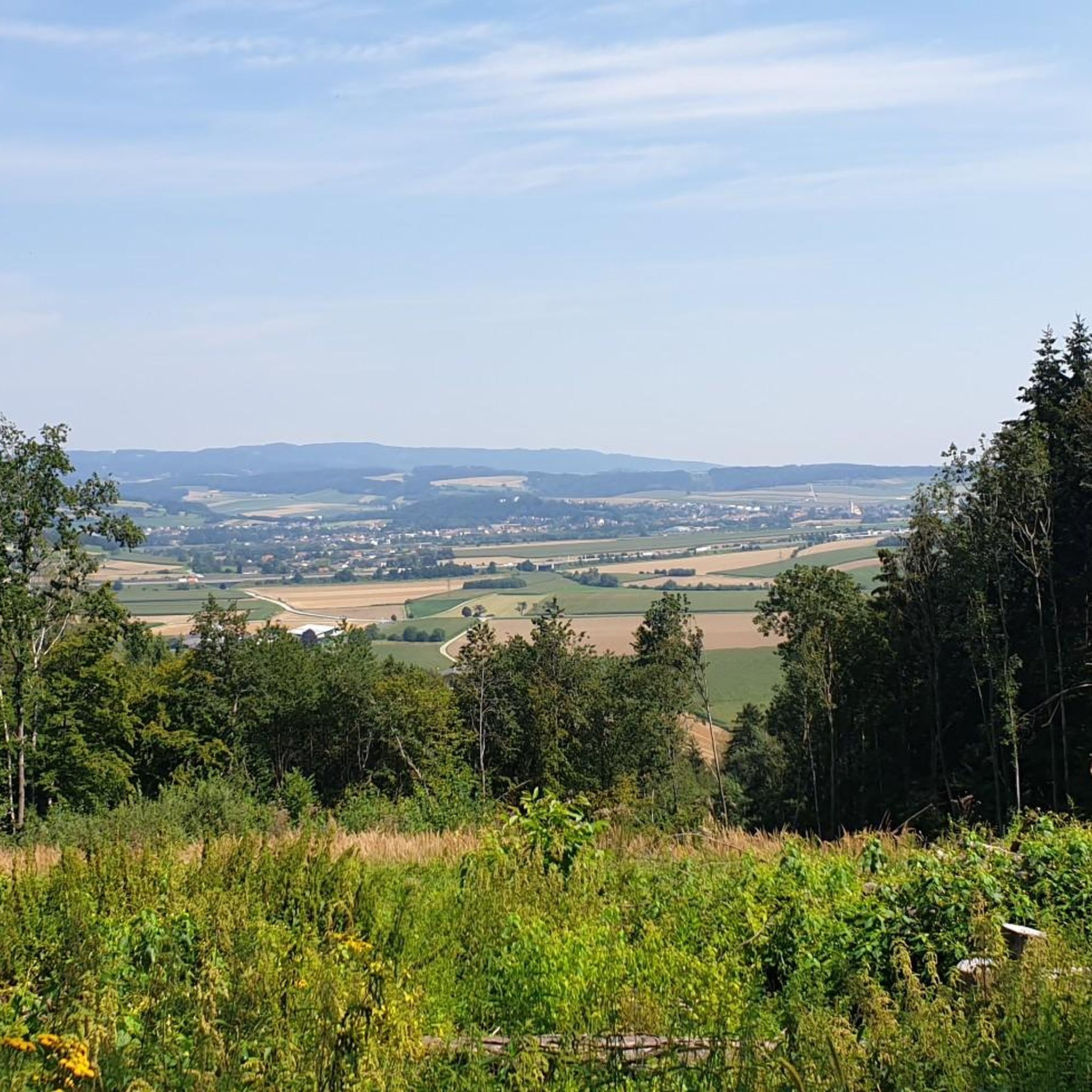
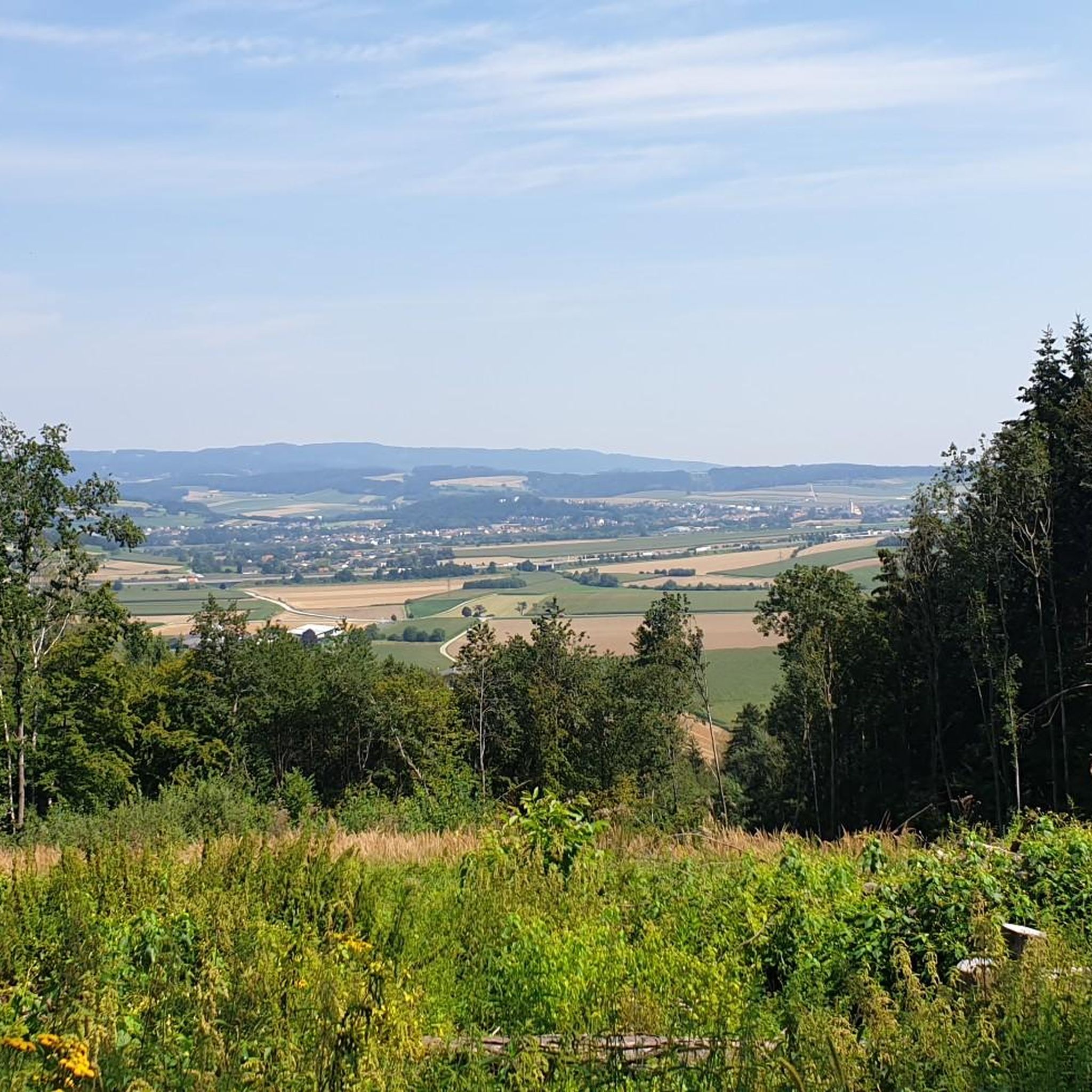
Hohenegg Castle is a medieval ruin in the Dunkelsteinerwald forest in the municipality of Hafnerbach. Its history goes back to the 12th century, and it was an important noble residence for centuries. Today the castle is used for cultural events and is maintained by an association. The complex includes a tavern room, a theater hall with a stage and a picturesque courtyard that is ideal for celebrations. A contribution to the maintenance of the castle is charged for use. Since the castle is privately owned, you should find out about accessibility and events in advance.
1
0

Impressive building project on the edge of the Central European lifeline
5
0

Privately owned and therefore unfortunately can only be viewed from the outside. Story: The place was first mentioned around 1074 by the Hochfrei Adalbert von Kilb. In the 12th century, the rule came to Rudolf von Perg. Friedrich von Perg was inherited by the Babenberg Duke Leopold V in 1191. In the 13th century, a knightly family again named itself after Kilb. In 1410 a knight from “Sebeck” was named as the owner. In 1460, Jörg von Pottendorf sold his castle in Kilb to Bernhard von Tiernstein, who built an extensive new building and, ten years later, bequeathed it to the brothers Rüdiger and Jörg von Starhemberg, but also promised the defense construction to his grandson Georg von Velderndorf. The latter probably received it, because in 1521 Hans Velderndorfer sold the fortress to Göttweig Abbey. The castle was now called Grünbühel. He bought it back in 1534, but finally sold it to Jakob Gienger in 1549. Jacob's son Nikolaus had the old fortified building converted into a more comfortable Renaissance castle. As a result, the owners usually changed quite quickly. Around the middle of the 17th century, the Barons Ruess von Ruessenstein came into possession of the castle. Only the barons and later Counts of Wickenburg owned Grünbühel for a longer period from 1720 onwards. In 1830, Karl Theodor Graf Wickenburg had major construction work carried out, which gave the building its current appearance. In 1845 the castle came into rapidly changing bourgeois ownership. From 1969 to 2004 it belonged to the Friedel-Klarenberg family. Since then, Dr. Georg Graf Pachta-Reyhofen, lord of the castle at Grünbühel.
0
0
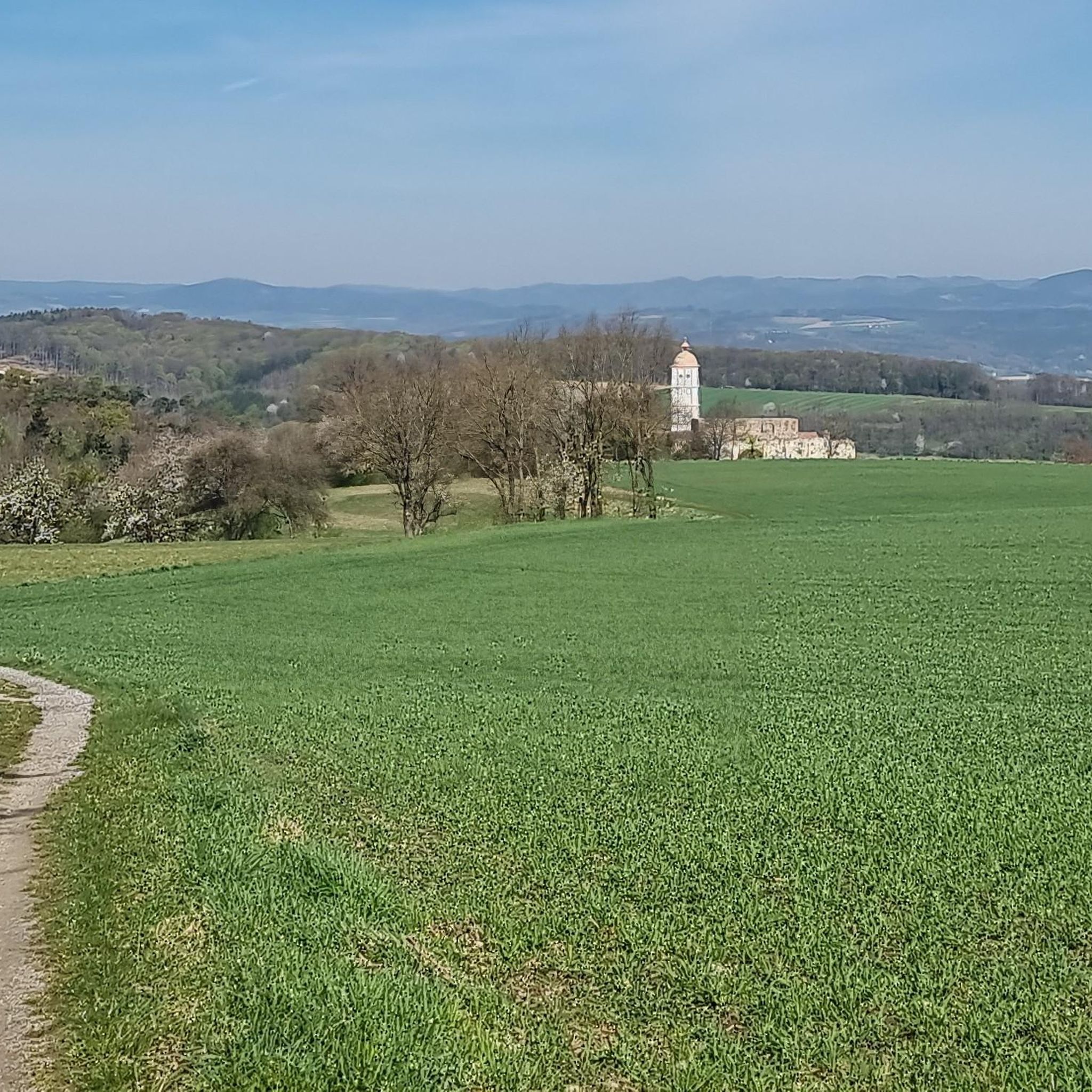
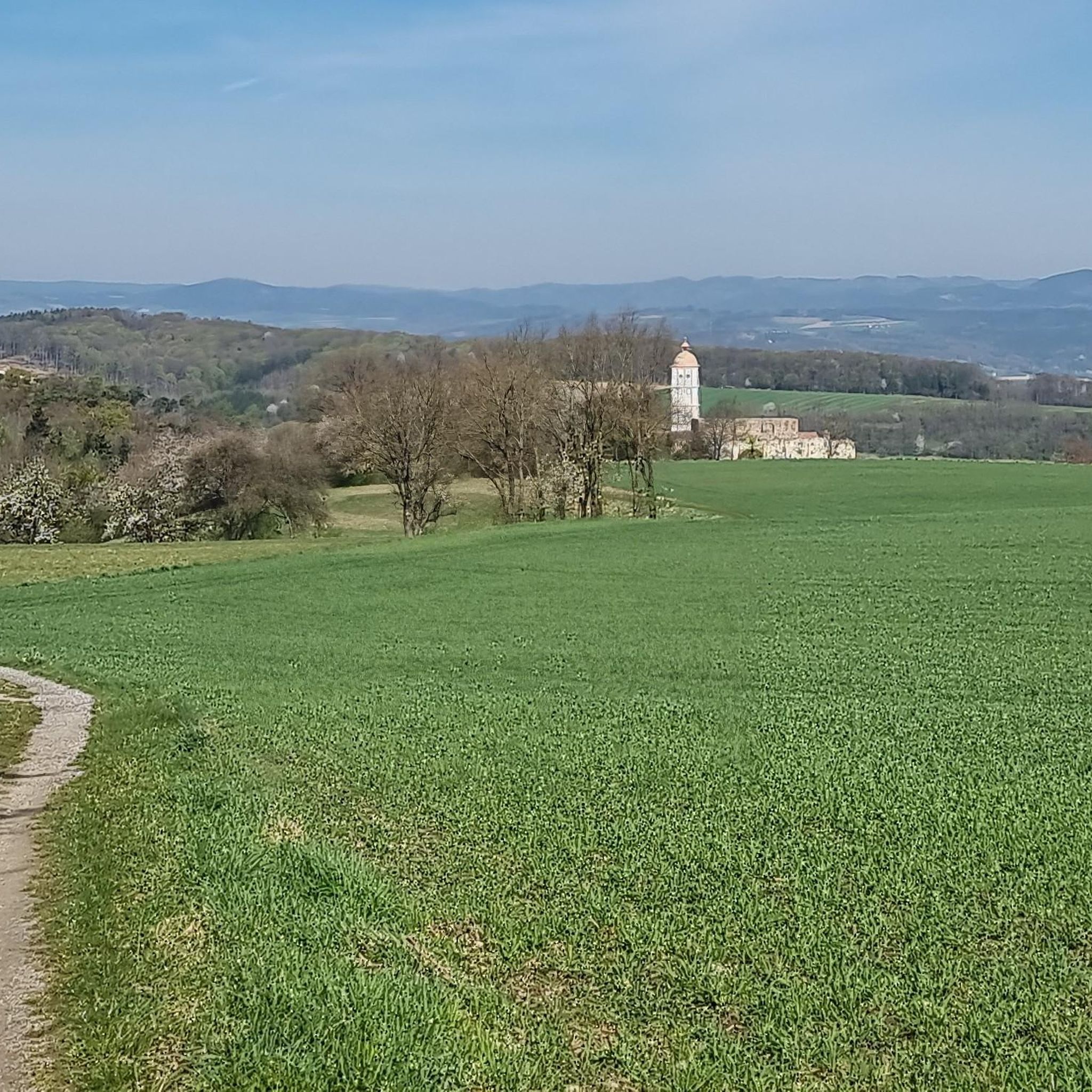
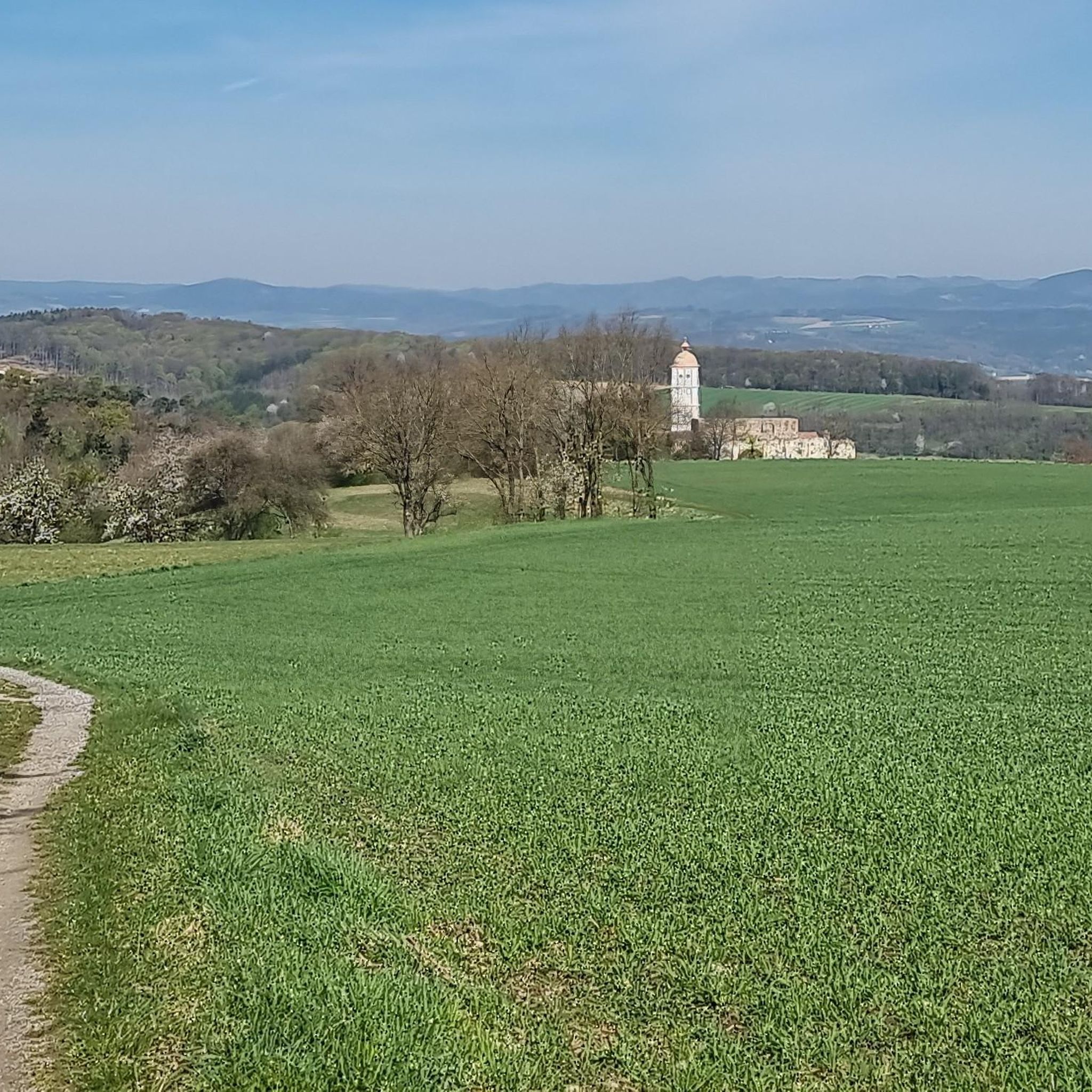
The castle on the slope of the Hiesberg was first mentioned in 1100 in connection with a Wernher von Zelking. Wernher von Zelking's origins are unclear. A relationship with the noble family of the Lords of Haguenau is not proven, nor is it that he was the son of Reginbert (III.) of Haguenau, as is usually assumed in research. He was married and the father of Ulrich (I.) von Zelking.[1] The Lords of Zelking died out in 1634. The festival passed through marriage to the Polheim family in Wartenburg and around 1662 to Andrä Joachim Graf Sinzendorf.[2] When the Turks besieged Vienna in 1683 and their patrols advanced far into western Lower Austria, the still well-fortified castle served as a place of refuge for the surrounding civilian population.[2] After the manorial administration was relocated to nearby Matzleinsdorf, the fortress was abandoned. In 1802 Franziska Countess Kinsky, a widowed Countess Sinzendorf, married Count Harrach for the second time. Later owners included the Counts of Rohrau and the Galgozy-Galantha family. Today the ruins only consist of stonework from the 12th to 16th centuries. However, you can still see the massive arched gate and some notched windows. More about the story: http://noeburgen.imareal.sbg.ac.at/result/burgid/1394
0
0
Chic building with an impressive and interesting history that dates back to 1774. Luberegg was last flooded during the severe Danube floods of 2002, so the walls had to dry out for years. In 2003, the hotel owner Josef Pichler from Emmersdorf acquired the property and built flood protection in 2005. Luberegg Castle has been used for gastronomy for years, and the western corner house houses a wine tavern. The property is now primarily used as an event hotel. Description on the website: Historically high-profile location. True!
0
0
A very beautiful castle, right on the Danube. The castle can also be seen in the Sissi film, during a cruise on the Danube. Very close by, at the municipal building (forecourt), there's a water tap 💦 and for e-bikes: The sockets above are not switched off. You can charge your bike here.
4
0
Frequently Asked Questions
What are some of the most historically significant castles in the Schollach region?
The region is rich in history. Schallaburg Castle, first mentioned in 1242, is a prime example of Renaissance architecture north of the Alps, blending Romanesque, Gothic, and Italian Renaissance styles. Another significant site is View of Schönbühel Castle, built around the 11th and 12th centuries, which has a long history of changing ownership and was once a Roman fortress site.
Are there any family-friendly castles to visit near Schollach?
Yes, Schallaburg Castle is particularly family-friendly. It features a popular 'Dragon Entrance' with two large, smoke-spewing dragons that children enjoy. The castle also hosts annually changing cultural-historical exhibitions that can be engaging for various ages. View of Schönbühel Castle is also listed as family-friendly, offering picturesque views from the Danube.
What kind of architectural styles can I expect to see among the castles in this area?
The castles around Schollach showcase a diverse range of architectural styles. Schallaburg Castle is a notable blend of Romanesque, Gothic, and Italian Renaissance, featuring a stunning arcaded courtyard and intricate terracotta mosaics. Other sites like Luberegg Castle, built around 1780, reflect later architectural trends, while ruins like Zelking Ruins offer glimpses into medieval fortifications.
Are there any castles that offer unique artistic or decorative features?
Absolutely. Schallaburg Castle is renowned for its approximately 1,600 individual terracotta pieces decorating its arcaded courtyard. These depict mythological figures, gods, masks, animals, and human beings, including the intriguing 'Hundefräulein' (a female human figure with a dog's head).
Can I explore gardens or natural features around the castles?
Yes, Schallaburg Castle boasts culturally rich Mannerist Gardens with roses, ornamental trees, bushes, herbs, and two Renaissance apple orchards. Ancient writings suggest these gardens once featured shaped beds, rare plants, clay figures, and water features. Additionally, View of Schönbühel Castle is picturesquely situated on a 40-meter-high cliff overlooking the Danube, offering stunning natural views.
What outdoor activities can I do near these castles?
The region offers various outdoor activities. You can find numerous cycling routes, including those for touring bicycles, gravel biking, and road cycling. For example, there are routes like the 'View of Melk Abbey – Weitenegg Castle Ruins loop' for cycling or the 'Aggsbach Charterhouse – Danube Valley in the Wachau loop' for gravel biking. You can explore more options on the Cycling around Schollach guide.
Are there any castle ruins that are open for exploration?
Yes, the Zelking Ruins are an imposing fortification that, despite falling into disrepair, still shows its original size with a few intact walls. The Hohenegg Castle Ruins are also a hilltop castle ruin, though it is currently closed, it occasionally hosts events organized by the Hohenegg Castle Association.
Are there any castles that were once used as residences by notable figures?
Luberegg Castle, built around 1780, temporarily served as a summer residence for Emperor Franz II. Schönbühel Castle has been a private residence for centuries, currently owned by the Seilern-Aspang family, and is not open for interior tours.
What do visitors enjoy most about the castles around Schollach?
Visitors appreciate the blend of historical significance and picturesque settings. The community has shared over 20 photos and given 164 upvotes for the castles in the area. Highlights like View of Schönbühel Castle are praised for their striking views, especially from the opposite bank of the Danube, while Luberegg Castle is noted for its romantic yet modest impression and its location on the Danube Cycle Path.
Are there any castles that function as cultural centers or museums?
Schallaburg Castle operates as an international exhibition center and has been a museum since its reopening in 1974. It is well-known for its annually changing cultural-historical and archaeological exhibitions. Luberegg Castle has also housed a museum in parts of its facility.
Can I visit castles that are privately owned?
Some castles in the region are privately owned. For instance, Grünbühel Castle is privately owned and can only be viewed from the outside. Similarly, Schönbühel Castle is a private residence, meaning interior tours are not possible, but it can be admired from the exterior, particularly from across the Danube.
Are there cafes or restaurants available near the castles?
Schallaburg Castle offers facilities for events and includes a restaurant on-site. For other castles, it's advisable to check local amenities in nearby villages like Schollach or Emmersdorf a.d. Donau for cafes and restaurants.
Most popular routes around Schollach
Most popular attractions around Schollach

Get inspired with the komoot mobile app


Explore more
Looking for the best castles somewhere else? Discover other guides around Schollach:
