Attractions and Places To See in Hawai'I Volcanoes Wilderness - Top 10
Best attractions and places to see in Hawai'I Volcanoes Wilderness include a landscape shaped by two of the world's most active volcanoes, Kīlauea and Mauna Loa. This UNESCO World Heritage Site offers opportunities to witness ongoing geological processes and explore diverse ecosystems. The region features a range of natural formations, from volcanic craters and lava tubes to deserts and rainforests. It also provides insights into traditional Hawaiian culture through ancient petroglyphs and historical sites.
Best attractions and places to see…
Last updated: August 22, 2026
Puʻuhuluhulu Cinder Cone
Highlight • Volcano
Tip by

Twin Pit Craters and Cone Crater
Highlight • Volcano
Tip by

Sign up now to discover places like this
Get recommendations on the best single tracks, peaks, & plenty of other exciting outdoor places.
Sign up for free
Footprints Trail — Kaʻū Desert
Highlight (Segment) • Trail
Tip by
Mauna Loa Lookout and Trailhead
Highlight • Viewpoint
Tip by

Mauna Loa Summit Crater
Highlight • Summit
Tip by
Sign up for free to discover even more attractions in Hawai'I Volcanoes Wilderness.
Sign up for free
Already have an account?
Start today with a free account
Your next adventure awaits.
Login or Signup
Tips from the Community


Beautiful viewpoint above the clouds with the opportunity to have a picnic. Pheasants can also be seen here occasionally.
0
0

The name of this cinder cone, Puʻuhuluhulu, means "hairy hill" — an apt descriptor as the vegetation-clad slopes here are a stark contrast to the Mauna Ulu lava flow that mostly surrounds Puʻuhuluhulu. There's a great observation deck at the summit, and a public bathroom in the nearby parking lot.
1
0

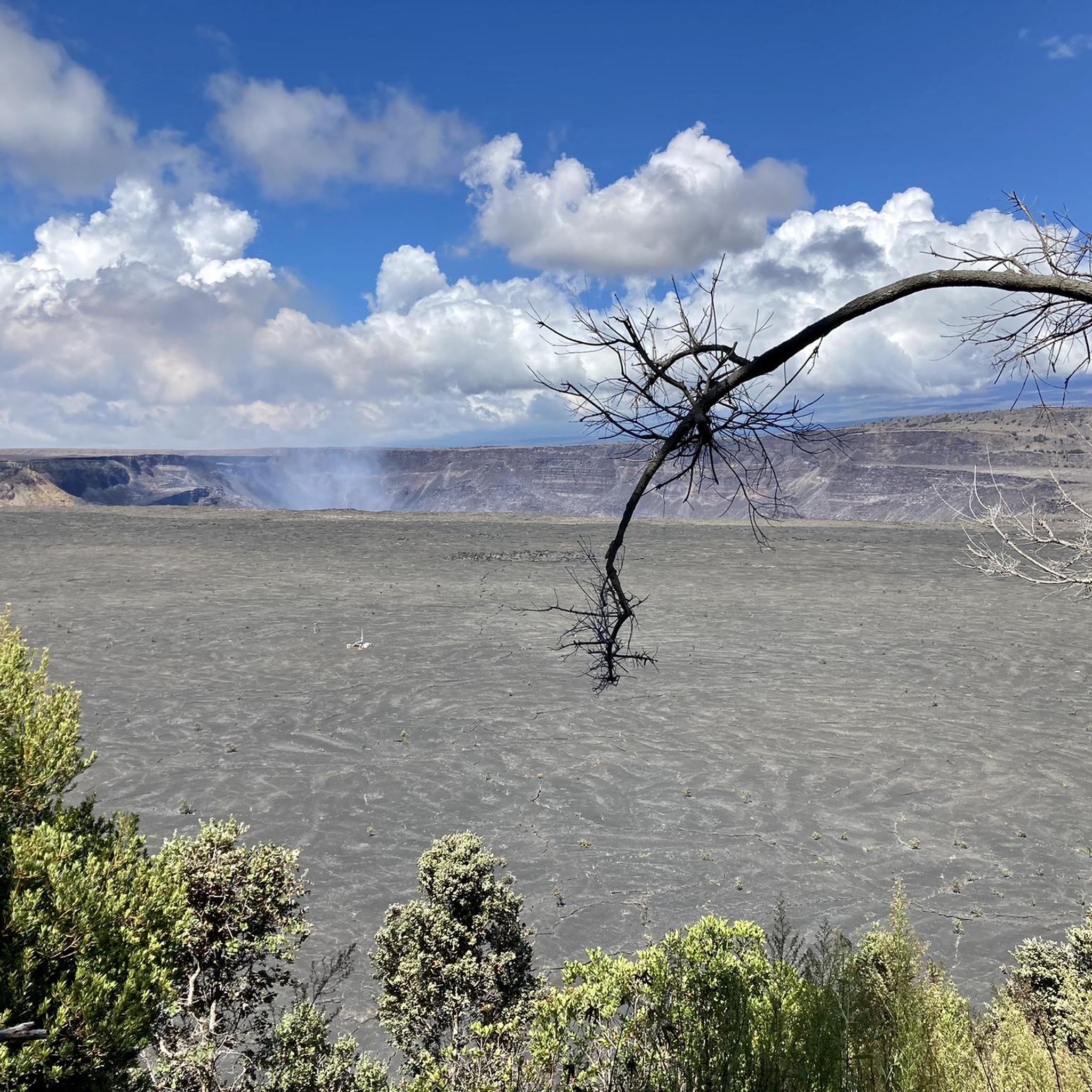
The Mauna Loa Lookout and Trailhead is where the Mauna Loa Road ends. Mauna Loa Lookout is at 6,662 feet above sea level, and from here visitors can see the Kīlauea volcano, old lava flows, and on a clear day even the ocean. The area is subalpine woodland, and by biking here, cyclists will pass Koa, Māmane and ‘ōhi‘a trees. Bird spotting is popular here, and there are sometimes sightings of the ‘i‘iwi. The shade shelter here was built by the Civilian Conservation Corps in 1937 and still stands strong today.
0
0

You can drive up here by car an then hike up the mountain with awesome views. At the lookout there is a toilet and a tiny picnic area.
0
0

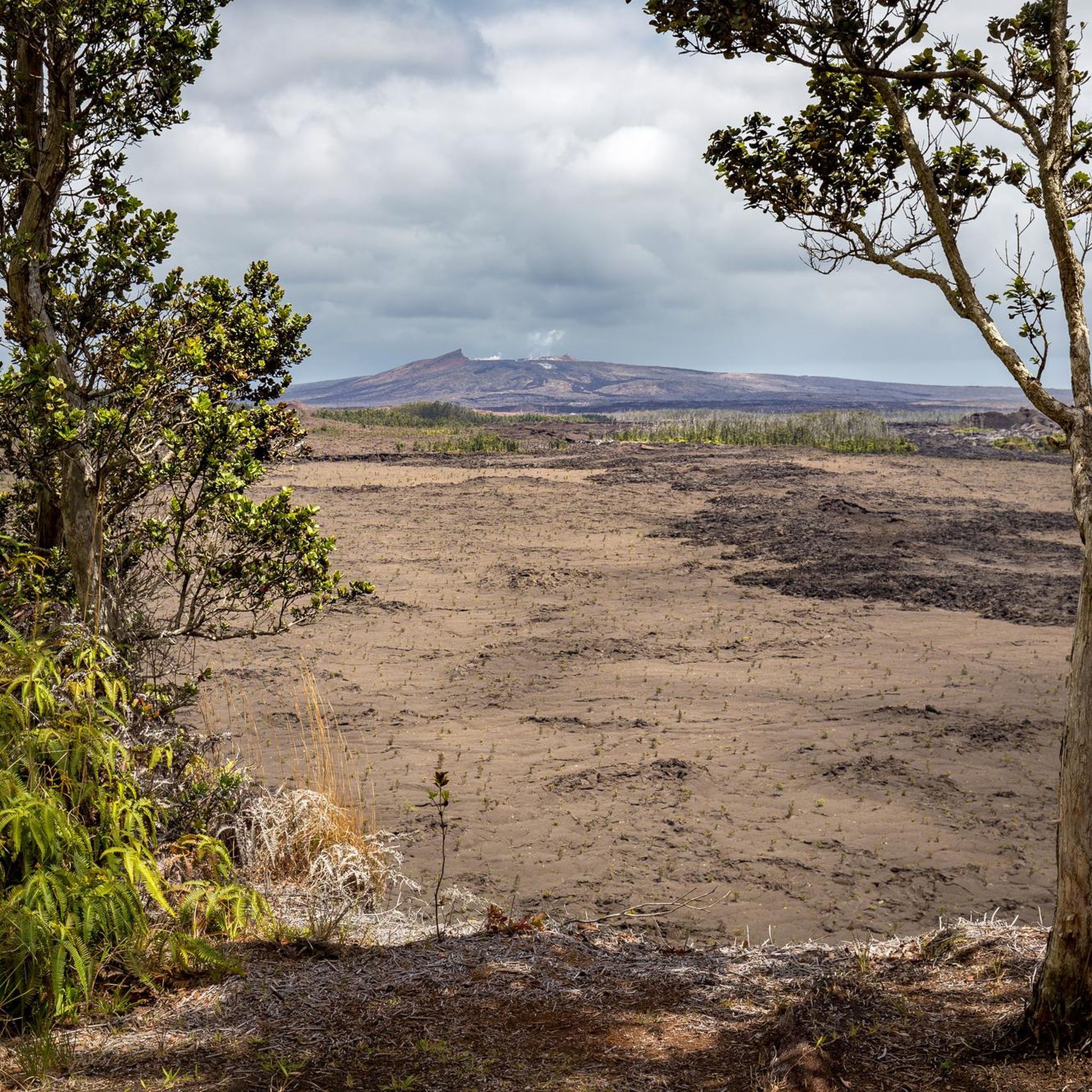
Mauna Loa boasts the title of the largest active volcano on planet earth, measuring over 55,000ft from the summit to its submerged base (by comparison, Everest is only 29,00ft high!). Its name means "Long Mountain". There is a cabin where campers can make reservations to stay at the summit, though the site is sometimes closed due to volcanic activity. Mauna Loa has erupted 34 times since 1843, and is one of Earth's most active volcanoes.
1
0
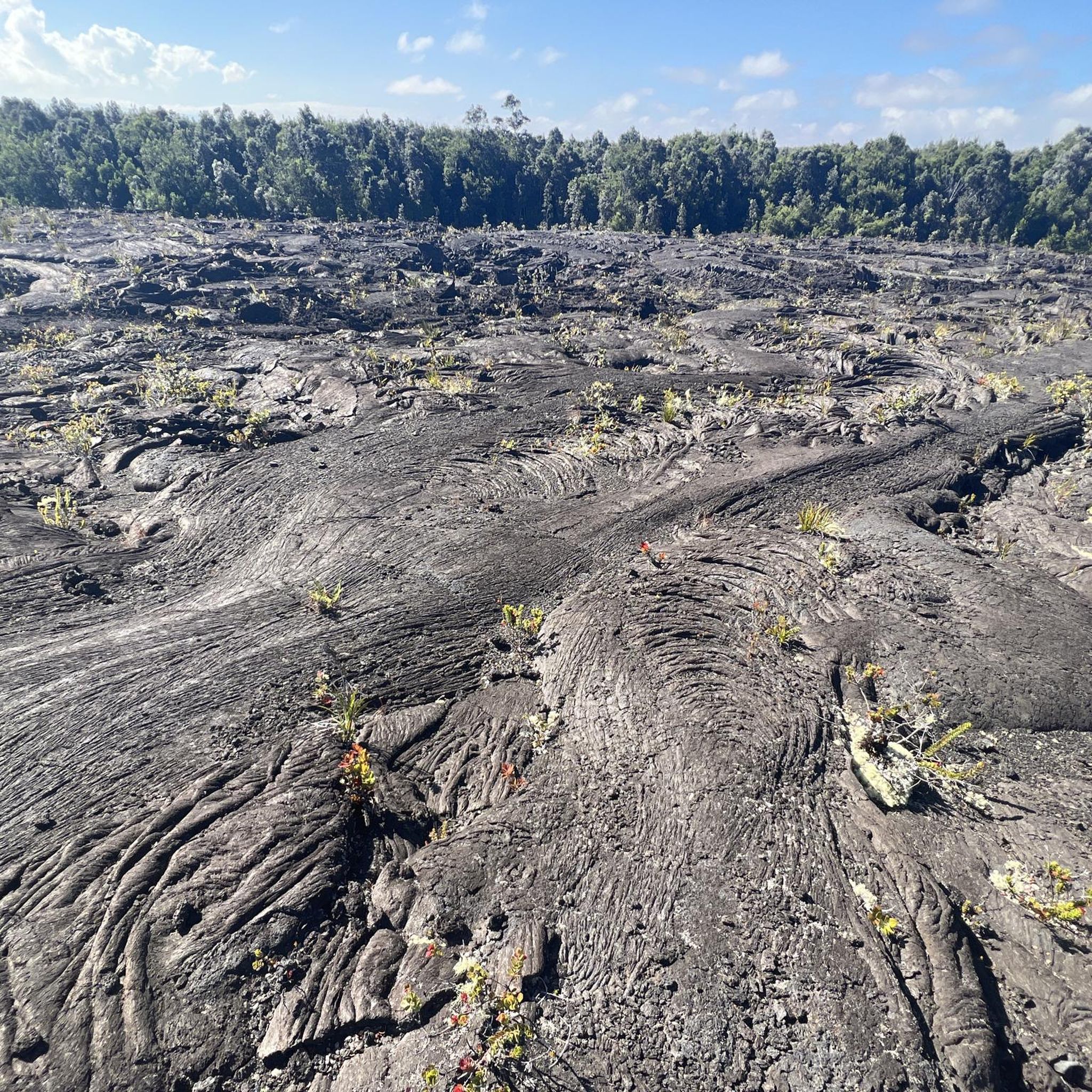
There is a shelter located 0.84 miles down the trail, marking a region where 200-year-old footprints of native Hawai'ians may be seen fossilized in lava. The footprints within the shelter were improperly preserved and are hard to make out, but the eagle eyed hiker may be able to spot other well preserved footprints nearby. Once thought to mark the steps of a retreating army, the origin of the footprints is unknown.
0
0
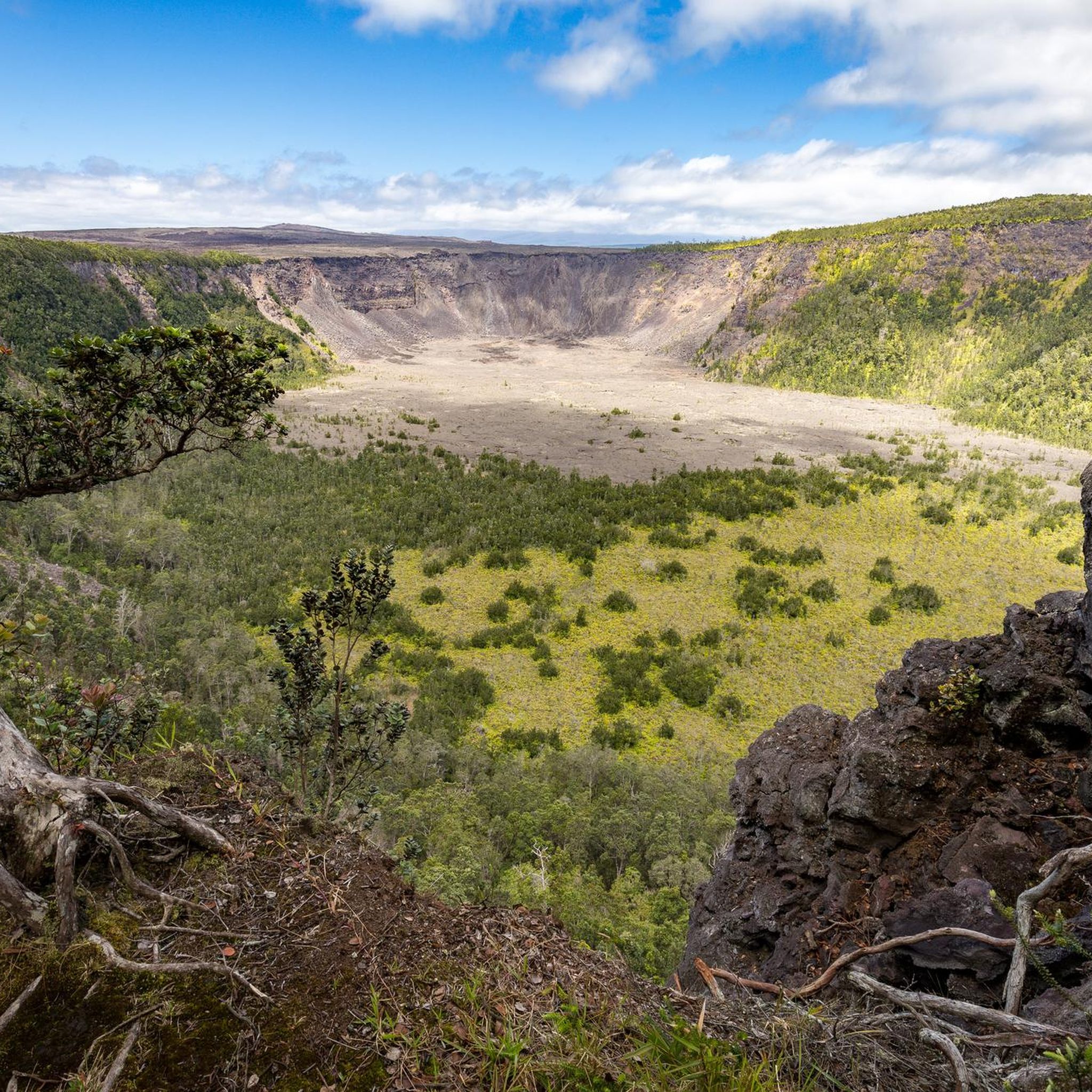
The steep cliff walls of Twin Pit Craters and the adjacent steep-walled Cone Crater are home to the Koa'e Kea (White-Tailed Tropicbird), a long-tailed graceful seabird native to Hawai'i. The edges of the pit craters can erode, and visitors should be careful to stay away from the edge.
0
0
Frequently Asked Questions
What are some notable natural features and viewpoints in Hawaiʻi Volcanoes Wilderness?
The region is dominated by two of the world's most active volcanoes, Kīlauea and Mauna Loa. You can find dramatic views of Kīlauea's summit caldera, Halemaʻumaʻu Crater, especially at night. Other significant natural features include Puʻuhuluhulu Cinder Cone, offering an observation deck with views of the Mauna Ulu eruption site, and Twin Pit Craters and Cone Crater, known for their steep cliff walls. Don't miss the Mauna Loa Lookout and Trailhead at 6,662 feet, providing panoramic views of Kīlauea, old lava flows, and the ocean on clear days.
Are there any family-friendly attractions or activities in Hawaiʻi Volcanoes Wilderness?
Yes, Hawaiʻi Volcanoes National Park offers several family-friendly options. The Mauna Loa Lookout and Trailhead is considered family-friendly, offering a scenic drive and picnic area. The Kīlauea Visitor Center is an excellent starting point for families, with interpretive programs and exhibits. Easy trails like the Devastation Trail or parts of the Crater Rim Trail are also suitable for families, allowing them to experience the volcanic landscape safely.
What historical or cultural sites can I visit in Hawaiʻi Volcanoes Wilderness?
The park is rich in history and culture. You can explore the Footprints Trail — Kaʻū Desert, where preserved footprints from an ancient ash fall offer a poignant historical reminder. Another significant site is Puʻu Loa Petroglyphs, featuring over 23,000 ancient carvings. The historic Volcano House hotel and the Volcano Art Center Gallery also provide insights into the region's past and local art. The park itself is a living cultural stage, hosting traditional Hawaiian festivals and ceremonies.
What kind of hiking trails are available in Hawaiʻi Volcanoes Wilderness?
Hawaiʻi Volcanoes Wilderness offers over 150 miles of hiking trails, catering to various skill levels. For easy hikes, consider the Puʻu Huluhulu Trail or the Kīlauea Iki Trail. More challenging routes include backcountry adventures on Mauna Loa. The Footprints Trail — Kaʻū Desert is another unique option, allowing you to explore a barren volcanic landscape.
Are there opportunities for cycling in Hawaiʻi Volcanoes Wilderness?
Yes, the region offers several cycling routes. You can explore the area on a touring bicycle or a race bike. Popular routes include the Chain of Craters Road, which descends to the sea, and the Mauna Loa Road to Mauna Loa Lookout. These routes provide unique perspectives of the volcanic landscape, passing through diverse ecosystems from subalpine woodlands to old lava flows.
What is the best time to visit Hawaiʻi Volcanoes Wilderness?
Hawaiʻi Volcanoes National Park is open 24 hours a day, year-round, allowing for visits at any time. The weather can vary significantly with elevation, from warm coastal areas to cooler, sometimes rainy, conditions at higher elevations. Generally, the park experiences its driest weather from April to October, while November to March can be wetter. However, volcanic activity is unpredictable, and viewing opportunities for lava flows can change daily, making any time a potentially exciting time to visit.
Where can I see volcanic activity or lava flows?
Kīlauea is one of the most active volcanoes globally, and its summit caldera, Halemaʻumaʻu Crater, has a history of lava lake activity. Vantage points like Wahinekapu (Steaming Bluff) and overlooks along Crater Rim Trail offer excellent viewing opportunities, especially at night when active lava is present. Steam Vents are also common throughout the park, releasing steam from groundwater heated by the volcano.
What unique natural phenomena can I observe besides volcanoes?
Beyond the active volcanoes, you can explore Nāhuku (Thurston Lava Tube), an accessible subterranean cave formed by ancient lava flows. Haʻakulamanu (Sulphur Banks) features steaming thermal areas with colorful mineral deposits. The Hōlei Sea Arch, a 90-foot rock formation sculpted by marine erosion, is another impressive sight. The park also boasts diverse environments, from lush tropical rainforests to the arid Kaʻū Desert.
Are there any specific wildlife or bird-watching opportunities?
Yes, the park is home to unique wildlife. The steep cliff walls of Twin Pit Craters and Cone Crater are a nesting site for the Koa'e Kea (White-Tailed Tropicbird). In the subalpine woodland near Mauna Loa Lookout and Trailhead, bird spotting is popular, with occasional sightings of the 'i'iwi and pheasants.
What should I wear when hiking in Hawaiʻi Volcanoes Wilderness?
Due to the varied terrain and elevations, it's advisable to dress in layers. Sturdy, closed-toe hiking shoes are essential for navigating uneven volcanic surfaces. Bring rain gear, as weather can change quickly, especially at higher elevations. Sun protection, including a hat, sunglasses, and sunscreen, is also recommended, even on cloudy days.
Where can I find information or assistance when visiting the park?
The Kīlauea Visitor Center is the primary starting point for any visit. It offers interpretive programs, museum exhibits, park films, reference materials, and guided walks. You can also find a Hawaiʻi Pacific Parks Association park store there. Park rangers are available to provide information on current conditions, safety, and activities.
Are there accommodations or dining options within or near the park?
The historic Volcano House, originally dating back to 1877, is located at the rim of Kīlauea caldera and offers accommodations and dining with views. Outside the park, the nearby town of Volcano Village offers various lodging and dining options. The Mauna Loa Lookout and Trailhead also has a small picnic area and toilet facilities.
Most popular routes in Hawai'I Volcanoes Wilderness
Most popular attractions in Hawai'I Volcanoes Wilderness

Get inspired with the komoot mobile app


Explore more
Still not found the Highlight you’re looking for? See guides of the top attractions in other regions:
