Attractions and Places To See in Bandelier Wilderness - Top 5
Best attractions and places to see in Bandelier Wilderness include a range of natural and cultural sites within its rugged canyons and mesa country. The area is characterized by steep-walled canyons, volcanic tuff formations, and the Rio Grande forming its southern boundary. It is home to well-preserved Ancestral Pueblo archaeological sites, with structures dating between AD 1150 and 1600. Diverse ecosystems, from Piñon-Juniper woodlands to ponderosa pine forests, support varied wildlife.
Best attractions and places to see in Bandelier Wilderness
…Last updated: July 12, 2026
Frijoles Falls
Highlight • Waterfall
Tip by

Painted Cave
Highlight • Cave
Tip by
Sign up now to discover places like this
Get recommendations on the best single tracks, peaks, & plenty of other exciting outdoor places.
Sign up for free
Shrine of the Stone Lions
Highlight • Monument
Tip by
Upper Frijoles Crossing
Highlight • Trail
Tip by

Boundary Peak
Highlight • Summit
Tip by
Sign up for free to discover even more attractions in Bandelier Wilderness.
Sign up for free
Already have an account?
Start today with a free account
Your next adventure awaits.
Login or Signup
Tips from the Community

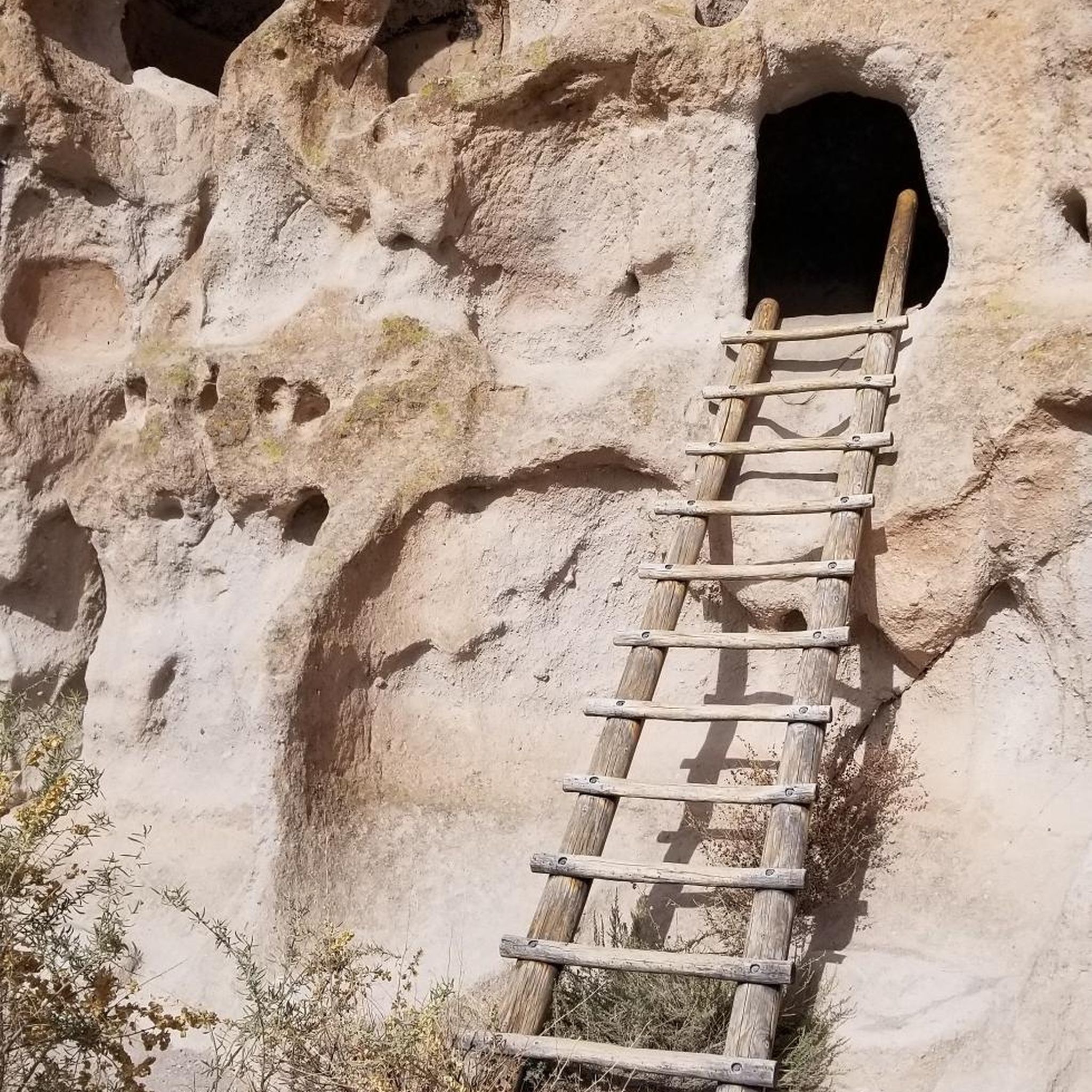
Painted Cave is an archaeological site with Ancestral Puebloan Pictographs. The paintings are made from well-preserved red paint and depict people, animals, buildings, and celestial images. Runners can either begin at the Dome Trailhead just outside Bandelier National Monument or begin at the monument's Visitor Center. The Dome Trailhead is closed from January through mid-April.
0
0

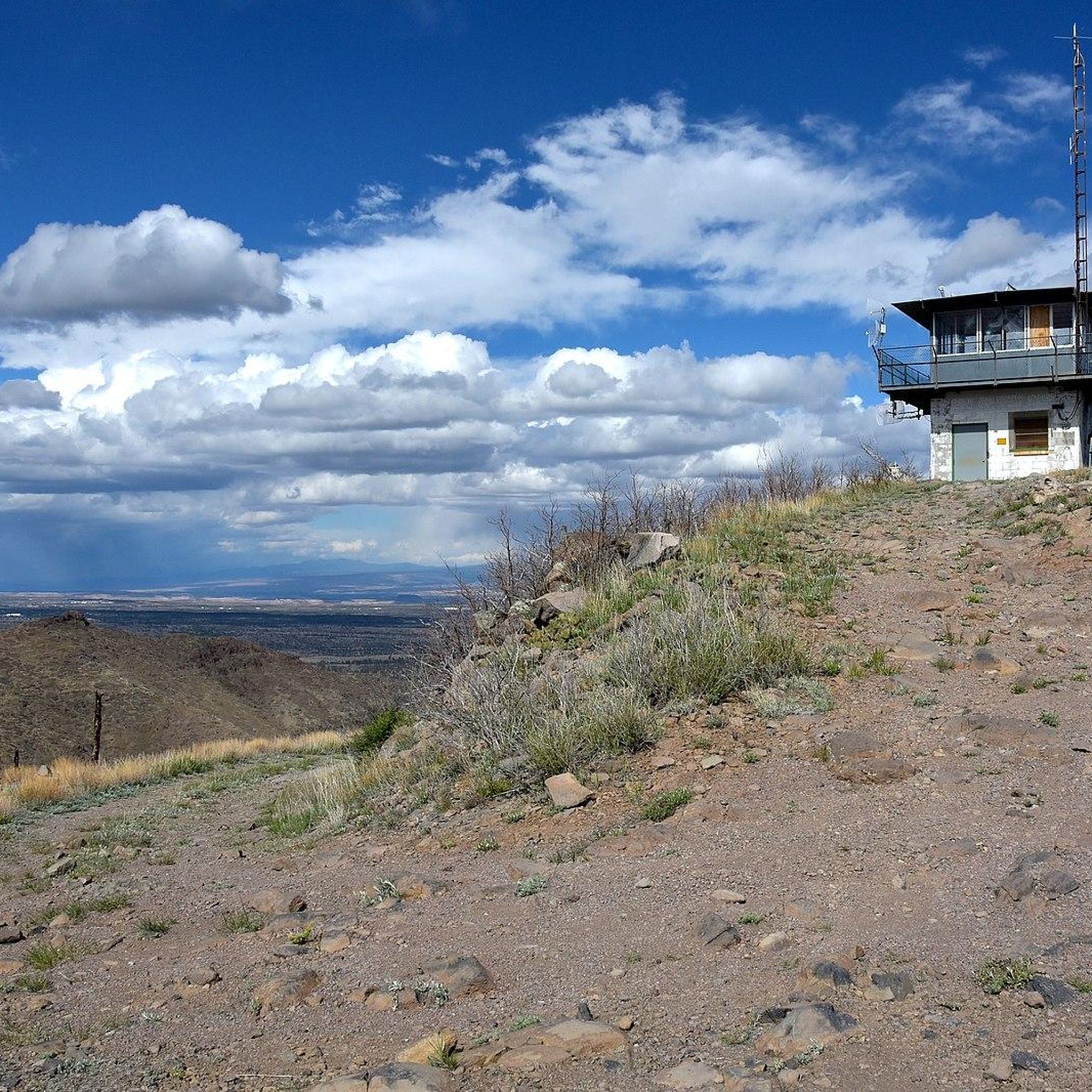
Boundary Peak is located at the boundary of Bandelier National Monument. To get here, start at the Dome Trailhead, but keep in mind that it is not accessible from January through mid-April due to seasonal road closures.
0
0
Lower Frijoles Falls is the last stop on the Falls Trail before it terminates. Here, hikers get a view over the Lower Frijoles Falls, where, in different seasons, water can be flowing low or rushing out! In the winter months, it gets cold enough for ice cycles to form around the falls. The canyon around the falls has multicolored rocks and foliage that changes with the seasons as well.
0
0

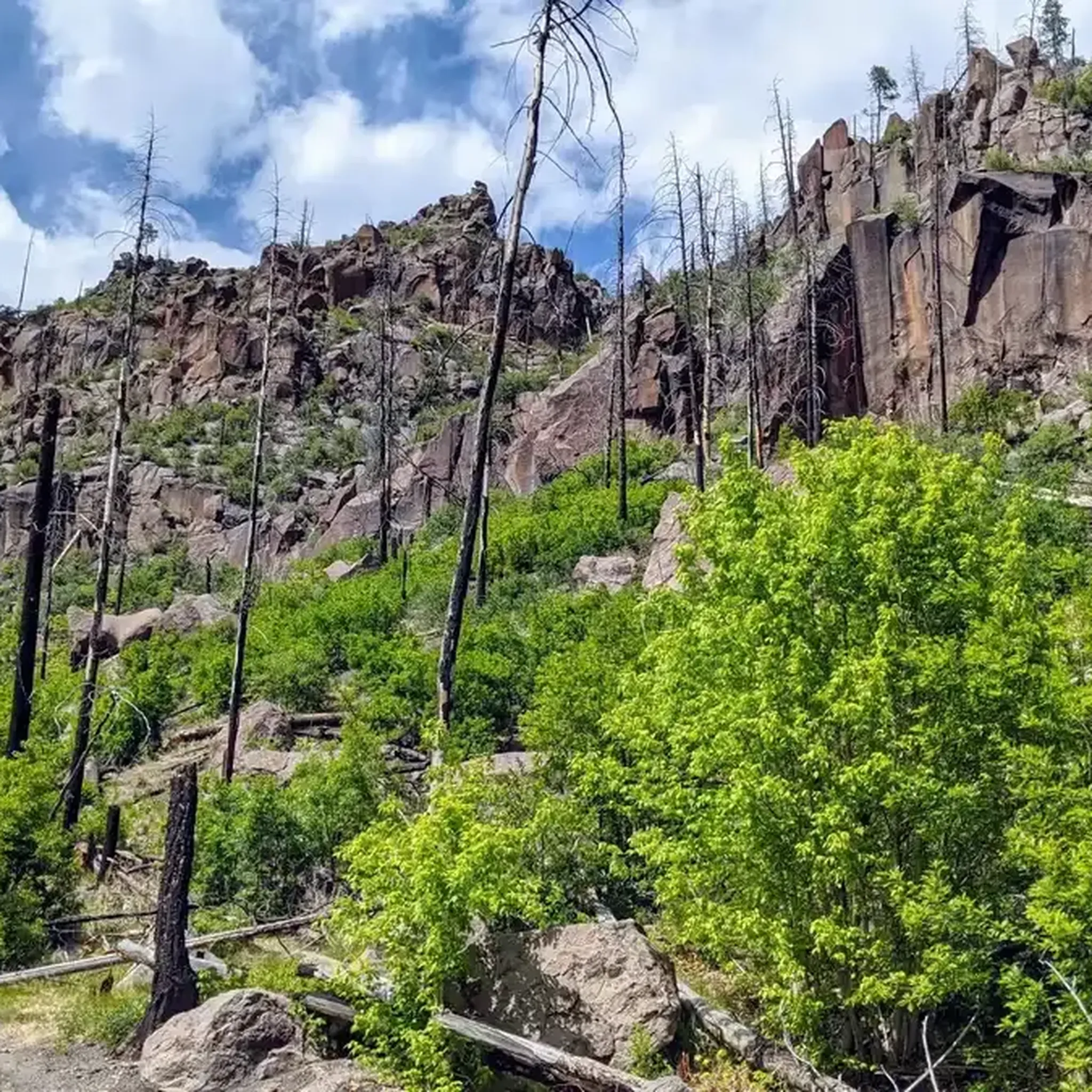
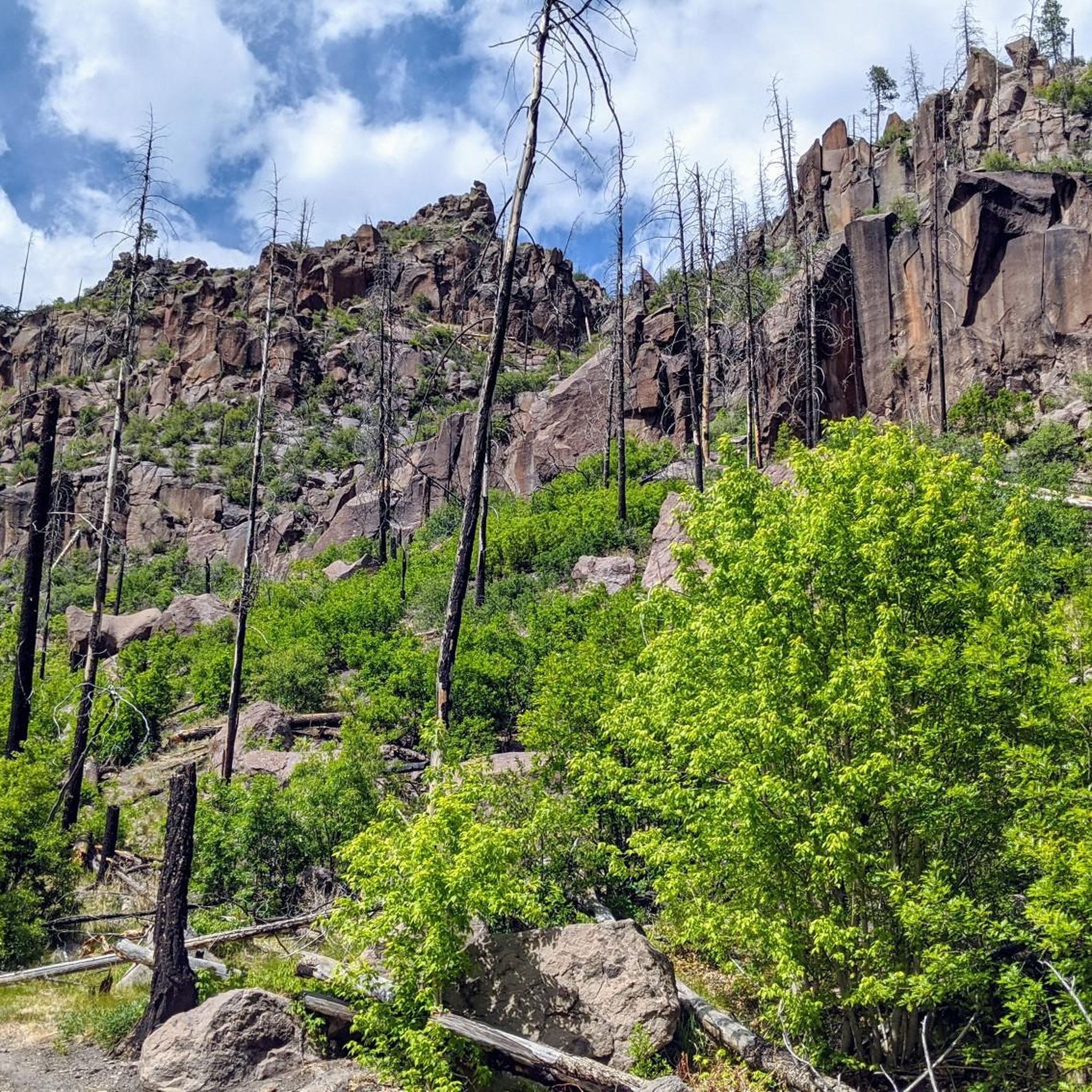
Upper Frijoles Crossing is where the Ponderosa, Frijoles Rim, Frijoles, and Apache Springs Trails all intersect. This spot also has fantastic views down the lush canyon and is a great place to pause and take some photos and sip some water because it can get hot out there!
0
0
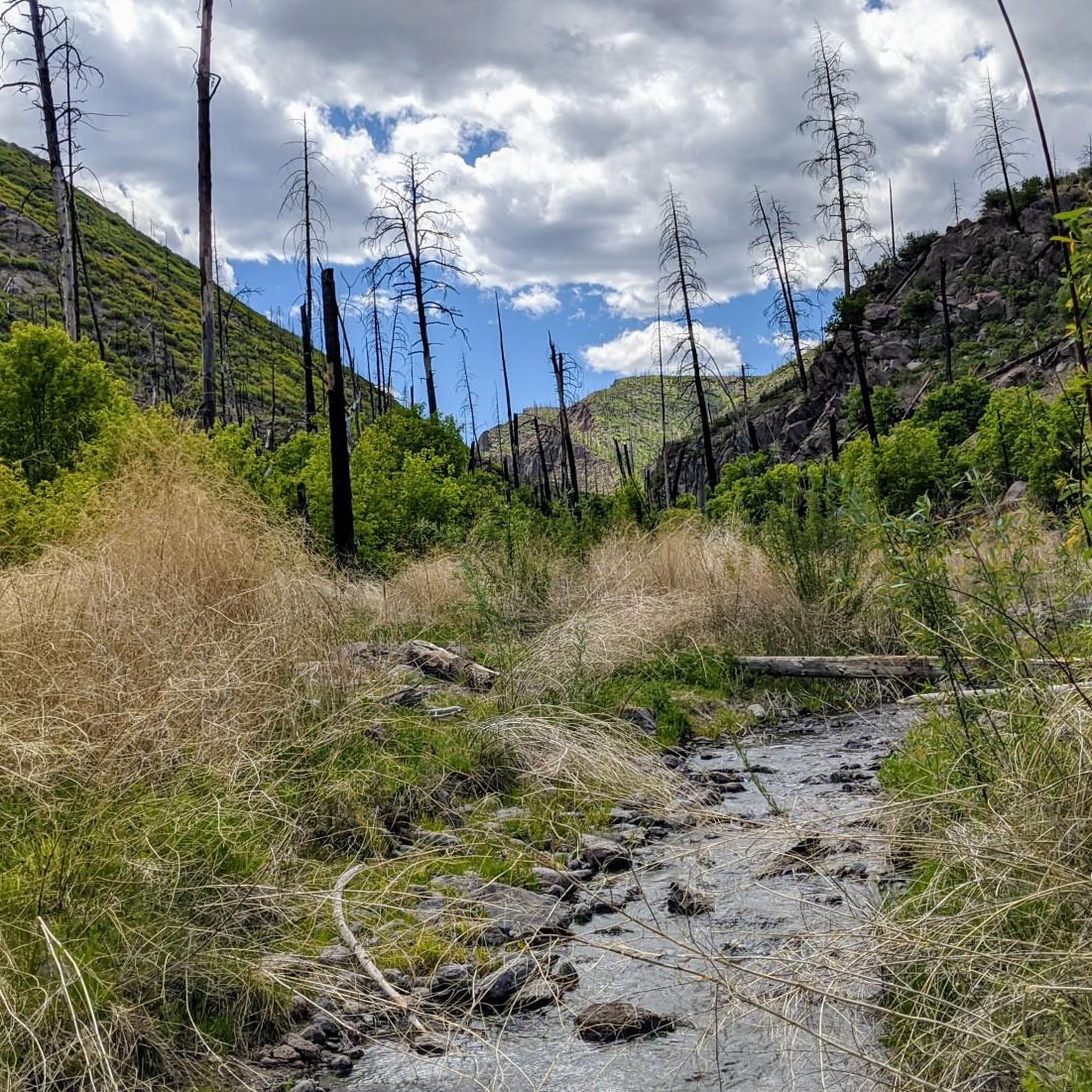
The Rito de los Frijoles is about 13 miles long. At this location in the Bandelier National Monument, it cascades over rocks as the Upper and Lower Frijoles Falls. A refreshing destination for a hike.
3
0
This unique site, located just a mile from Yapashi Pueblo ruins, is estimated to be at least a 1,000 years old. It shows the life-size effigies of two crouching mountain lions in a walled enclosure. The shrine is visited by Native Americans as well as hunters praying for a successful hunt.
3
0
Boundary Peak is located at the boundary to Bandelier National Monument. To get here, start at the Dome Trailhead, but keep in mind that is not accessible from January through mid-April due to seasonal road closures.
4
0
Painted Cave shows some unique and well-preserved Ancestral Puebloan Pictographs that are well worth the strenuous hike to get here. You can either start at the Dome Trailhead just outside Bandelier National Monument or at the monument's Visitor Center. Keep in mind, that the Dome Trailhead is not accessible from January through mid-April due to seasonal road closures. The hike starting at the Visitor Center is not recommended as a day hike. Prepare at least for an overnight stay in the backcountry.
4
0
Frequently Asked Questions
What are the main historical and cultural sites to explore in Bandelier Wilderness?
Bandelier Wilderness is rich in Ancestral Pueblo archaeological sites. You can explore well-preserved structures dating between AD 1150 and 1600, including homes carved into soft rock cliffs (cavates) and standing masonry walls. Notable sites include Tyuonyi Pueblo, Long House, and Alcove House, which features a reconstructed kiva. Don't miss the unique Shrine of the Stone Lions, an estimated 1,000-year-old site with life-size effigies, and Painted Cave, which features unique and well-preserved Ancestral Puebloan pictographs.
What natural features can I expect to see in Bandelier Wilderness?
The wilderness offers a diverse landscape, including the dramatic Frijoles Canyon carved by Frijoles Creek, the Pajarito Plateau with its sheer-walled canyons and mesas, and the Rio Grande forming the southern boundary. You'll find varied ecosystems ranging from Piñon-Juniper woodlands to ponderosa pine forests, desert grasslands, and riparian areas. The highest point is Cerro Grande, reaching over 10,000 feet.
Are there any waterfalls in Bandelier Wilderness?
Yes, the Rito de los Frijoles cascades over rocks as the Upper and Lower Frijoles Falls. These falls are a refreshing destination for hikers, and the canyon around them features multicolored rocks and foliage that changes with the seasons. In winter, ice cycles can form around the falls.
What are the hiking opportunities like in Bandelier Wilderness?
Bandelier Wilderness boasts over 70 miles of hiking trails, catering to various skill levels. Popular options include the 1.2-mile Main Loop Trail (Pueblo Loop Trail) from the visitor center, which provides easy access to excavated archaeological sites. For more challenging routes, consider the strenuous hike to Painted Cave or backcountry trails leading to remote archaeological sites like Yapashi Pueblo. You can find more hiking options in the Hiking in Bandelier Wilderness guide.
Are there family-friendly trails or activities in Bandelier Wilderness?
Yes, the Main Loop Trail (Pueblo Loop Trail) is a popular 1.2-mile paved trail from the visitor center, offering easy access to archaeological sites and suitable for families. The Falls Trail is also considered easy and leads to the beautiful Frijoles Falls. The Bandelier Visitor Center features exhibits on the site's inhabitants, which can be engaging for all ages.
What is the best time of year to visit Bandelier Wilderness for hiking?
The diverse ecosystems and elevation changes mean conditions vary. Spring and fall generally offer pleasant temperatures for hiking. However, some areas, like the Dome Trailhead, are not accessible from January through mid-April due to seasonal road closures. Always check current conditions before planning your visit, especially for backcountry trips.
Are there any specific permit requirements for hiking or camping in Bandelier Wilderness?
For backcountry hiking and overnight stays in the wilderness area, permits are required. This area comprises two-thirds of the monument and is ideal for experienced hikers seeking solitude and remote archaeological sites. It's advisable to check with the Bandelier National Monument Visitor Center for the most current permit information.
What kind of wildlife might I encounter in Bandelier Wilderness?
Due to its diverse ecosystems, Bandelier Wilderness supports a rich variety of wildlife. You might spot deer, Abert's squirrels, black bears, mountain lions, and elk. Birdwatching is also popular, given the range of habitats from riparian areas to high-elevation forests.
Where can I find information about parking and public transportation in Bandelier Wilderness?
Parking is available at the Bandelier Visitor Center. During peak seasons, a shuttle service may operate from outside the monument to reduce congestion. For specific details on parking availability and any public transportation options or shuttle schedules, it's best to consult the official Bandelier National Monument website or contact the Visitor Center directly.
Are there options for mountain biking or cycling near the attractions in Bandelier Wilderness?
Yes, there are several routes for mountain biking and cycling in the broader Bandelier Wilderness area. For mountain biking, you can explore trails like the American Springs Loop or Cañon de Valle Trail. Cycling options include the Juniper Campground loop or the Canyon Rim Loop. You can find more details in the MTB Trails in Bandelier Wilderness guide and the Cycling in Bandelier Wilderness guide.
What makes the Shrine of the Stone Lions a significant site?
The Shrine of the Stone Lions is a unique and ancient site, estimated to be at least 1,000 years old. It features life-size effigies of two crouching mountain lions within a walled enclosure. This site holds deep cultural significance and is still visited by Native Americans, as well as hunters praying for a successful hunt.
Where can I see ancient rock art in Bandelier Wilderness?
Ancient rock art, in the form of petroglyphs and pictographs, can be found throughout Bandelier Wilderness. Numerous panels of carved pictures are scattered along trails, offering insights into the spiritual and artistic expressions of indigenous people. A particularly notable site is Painted Cave, which features unique and well-preserved Ancestral Puebloan pictographs depicting people, animals, buildings, and celestial images.
Are there any viewpoints offering panoramic vistas in Bandelier Wilderness?
Yes, Bandelier Wilderness offers several viewpoints with stunning vistas. The Pajarito Plateau itself provides dramatic settings with sheer-walled canyons and long mesas. Upper Frijoles Crossing offers fantastic views down the lush canyon, perfect for photos. Additionally, the high mesa at Tsankawi provides views overlooking the Rio Grande Valley, and Boundary Peak also offers expansive views.
Most popular routes in Bandelier Wilderness
Most popular attractions in Bandelier Wilderness

Get inspired with the komoot mobile app


Explore more
Still not found the Highlight you’re looking for? See guides of the top attractions in other regions:
