The best walks and hikes in Sleeping Bear Dunes Wilderness
4.8
(90)
1,116
hikers
17
hikes
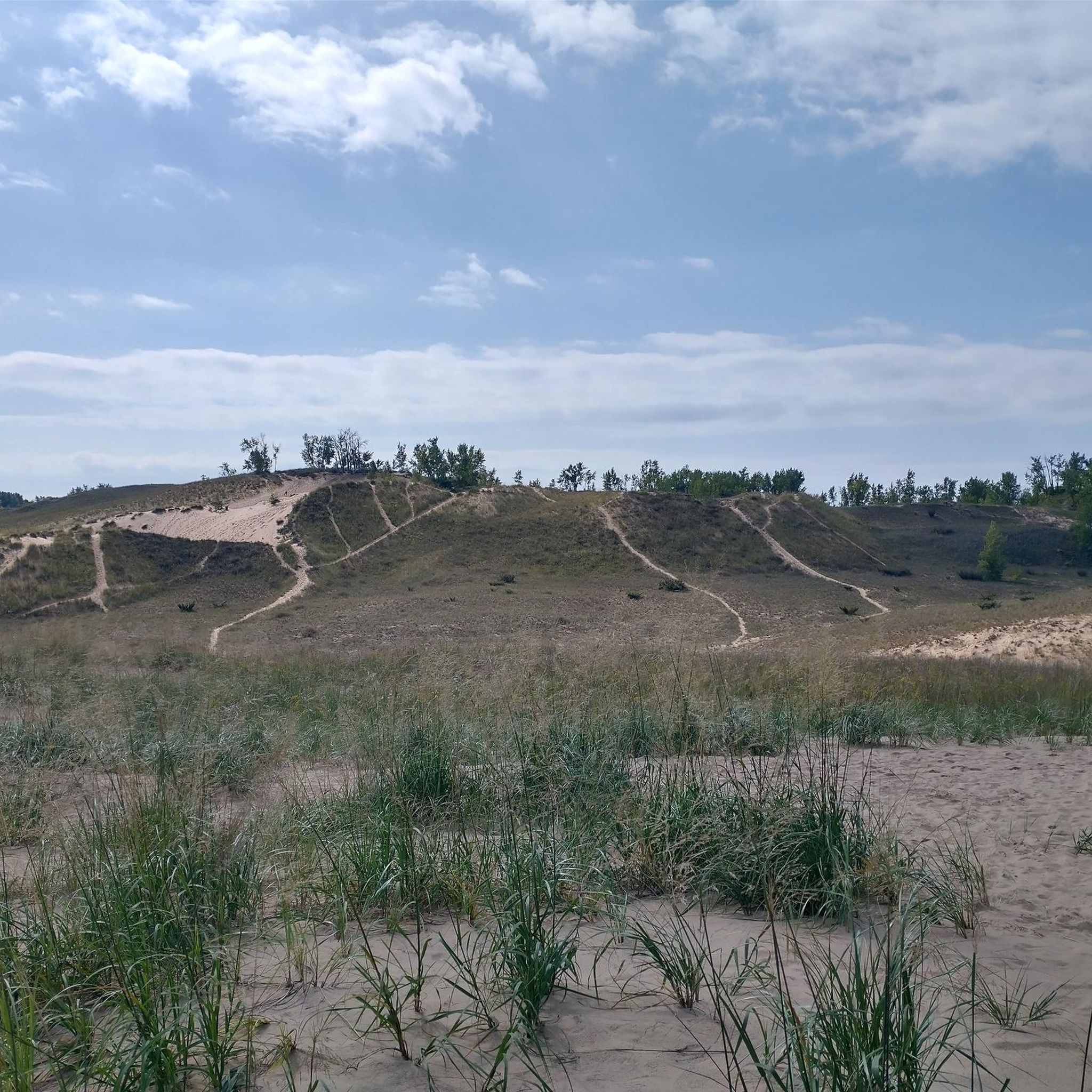
Hiking in Sleeping Bear Dunes Wilderness features immense freshwater sand dunes, a 35-mile stretch of Lake Michigan coastline, and diverse forested areas. The landscape is characterized by unique glacial formations, including rolling sand-deposit hills and clear inland lakes. These features provide varied hiking terrain, from challenging dune climbs to shaded woodland paths and coastal walks.
Best hiking trails in Sleeping Bear Dunes Wilderness
- The most popular hiking route is Empire Bluff Trail — Sleeping Bear Dunes National Lakeshore, a…
Last updated: October 11, 2026
7
hikers
10.7km
02:48
90m
90m
Moderate hike. Good fitness required. Easily-accessible paths. Suitable for all skill levels.
2
hikers
6.49km
01:39
10m
10m
Easy hike. Great for any fitness level. Easily-accessible paths. Suitable for all skill levels.

1
hikers
35.7km
09:25
330m
310m
Hard hike. Very good fitness required. Easily-accessible paths. Suitable for all skill levels.
1
hikers
512m
00:08
10m
10m
Easy hike. Great for any fitness level. Easily-accessible paths. Suitable for all skill levels.
1.10km
00:17
0m
10m
Easy hike. Great for any fitness level. Easily-accessible paths. Suitable for all skill levels.
Get access to more routes and recommendations from other explorers.
Already have an account?
Our route recommendations are based on thousands of hikes, rides, and runs completed by other people on komoot.
Start today with a free account
Your next adventure awaits.


Tips from the Community

The Valley of the Giants is a forest of the last few white cedars and one of the few stands of virgin timber in all of Michigan. The white cedars stand over 100 feet tall, and are truly an impressive and serene sight to witness on South Manitou Island.
0
0
South Manitou Island Lighthouse is located on the south end of the the island. Easily the most recognisable landmark of South Manitou Island, it's highly recommended to stop by and learn about the history of the lighthouse by tour.
0
0
The Stormer Camp Ruins are an odd yet interesting graveyard of abandoned logging trucks from The Stormer operation in 1926.
0
0
Located in the Platte Plains region of the Lakeshore, White Pine Campground offers an authentic camping experience in the Sleeping Bear Dunes wilderness. Situated amidst forested slopes that run alongside the sand dunes leading to Lake Michigan, this backcountry camp boasts six secluded campsites. With a conveniently short 2-mile hike to reach the campground, White Pine serves as an excellent starting point for new backpackers to begin adventuring into the world of outdoor exploration.
0
0
Bass Lake is a large freshwater lake just above Deer Lake and the namesake for the Bass Lake Loop. Find serenity and peace here either by taking a quick stop to take in the atmosphere, or even cool off with a quick swim in the lake.
0
0
Frequently Asked Questions
What kind of terrain can I expect when hiking in Sleeping Bear Dunes Wilderness?
Hiking in Sleeping Bear Dunes Wilderness offers a diverse range of terrain. You'll encounter immense freshwater sand dunes, including globally significant 'perched dunes', as well as a 35-mile stretch of Lake Michigan coastline with sandy beaches. Beyond the dunes, there are lush forests, clear inland lakes, and rolling sand-deposit hills, all shaped by glacial activity. This means trails can range from challenging sandy climbs to shaded woodland paths and coastal walks.
Are there challenging hikes available in Sleeping Bear Dunes Wilderness, or are they mostly easy?
Sleeping Bear Dunes Wilderness offers a mix of difficulty levels. While there are 11 easy routes, there are also 4 moderate and 2 difficult trails available. For instance, the famous Dune Climb is a strenuous 4.5-mile hike that ascends steep dunes, providing a challenging experience. Many trails, however, offer more accessible options like the Empire Bluff Trail, which is rated easy.
Are there family-friendly hiking options in Sleeping Bear Dunes Wilderness?
Yes, Sleeping Bear Dunes Wilderness has several family-friendly hiking options. Many trails are suitable for various ability levels, including easy strolls. The Empire Bluff Trail is an easy 1.5-mile path offering panoramic views, and the Cottonwood Trail loop is another easy 1.6-mile option exploring the unique dune landscape. The paved Sleeping Bear Heritage Trail is also excellent for families, suitable for walking and biking.
Can I bring my dog on the hiking trails in Sleeping Bear Dunes Wilderness?
While the region is generally dog-friendly, specific regulations apply within Sleeping Bear Dunes National Lakeshore. Dogs are permitted on certain trails and in developed areas, but often not on the dune climb or some designated swimming beaches to protect wildlife. Always check the specific trail regulations or the National Park Service website for the most current information on where pets are allowed.
What are some notable viewpoints or natural features to look out for on hikes?
Sleeping Bear Dunes Wilderness is renowned for its stunning natural features and viewpoints. Key highlights include the immense sand dunes themselves, especially the 'perched dunes' offering sweeping vistas. The Empire Bluffs Observation Deck provides panoramic views of Lake Michigan, and the View of Lake Michigan from the Sleeping Bear Point Trail is another must-see. You'll also encounter beautiful Lake Michigan coastline, clear inland lakes like Glen Lake, and diverse forested areas.
Are there any historical sites or attractions near the hiking trails?
Yes, beyond the natural beauty, the area offers several historical and cultural attractions. You can explore the Glen Haven Historic Village and Sleeping Bear Point Maritime Museum, which provide insights into the region's past. The Port Oneida Farms Heritage Center showcases an extensive rural historic farm district. Additionally, the South Manitou Island Lighthouse, an 1871 structure, is accessible by ferry for a more remote experience.
What are the parking options like for hikers in Sleeping Bear Dunes Wilderness?
Parking is generally available at trailheads and popular access points throughout Sleeping Bear Dunes National Lakeshore. Many of the well-known trails, such as the Empire Bluff Trail and the Dune Climb, have dedicated parking lots. It's advisable to arrive early during peak season to secure a spot, especially for popular trails.
What is the best time of year to go hiking in Sleeping Bear Dunes Wilderness?
The best time to visit for hiking largely depends on your preferences. Spring and fall offer pleasant temperatures, fewer crowds, and beautiful seasonal foliage, especially in the forests. Summer is popular for combining hiking with beach activities, but trails can be busier and temperatures warmer. Winter provides a unique experience for snowshoeing on many trails, transforming the landscape into a serene, snowy wilderness.
Are there any specific considerations for winter hiking in Sleeping Bear Dunes Wilderness?
Winter hiking in Sleeping Bear Dunes Wilderness can be a magical experience, but requires preparation. Many trails are suitable for snowshoeing, and the paved Sleeping Bear Heritage Trail is groomed for cross-country skiing. Be prepared for cold temperatures, snow, and ice. Always check current trail conditions and weather forecasts before heading out, and dress in layers. Some facilities may have reduced hours or be closed during the winter season.
What do other hikers enjoy the most about hiking in Sleeping Bear Dunes Wilderness?
The area is highly rated by the komoot community, with an average score of 4.9 stars from over 28 reviews. Reviewers often praise the unique landscape, particularly the immense sand dunes and the stunning views of Lake Michigan. Hikers also appreciate the diverse trail options, from challenging dune climbs to peaceful woodland paths, and the overall natural beauty of the region.
Are there any circular hiking routes in Sleeping Bear Dunes Wilderness?
Yes, there are several circular hiking routes available. For example, the Cottonwood Trail loop is an easy 1.6-mile path that explores the dune landscape. Another option is the Otter Creek loop via Platte Plains Trail, a 4.8-mile trail leading through forested areas and near inland lakes. These loops allow you to experience varied scenery without retracing your steps.
How many hiking trails are available in Sleeping Bear Dunes Wilderness?
There are over 15 hiking routes documented in Sleeping Bear Dunes Wilderness, catering to various skill levels. These include 11 easy, 4 moderate, and 2 difficult trails, offering a wide range of experiences from short strolls to longer, more challenging expeditions across the diverse landscape.
Most popular routes in Sleeping Bear Dunes Wilderness
Most popular attractions in Sleeping Bear Dunes Wilderness

Get inspired with the komoot mobile app


Explore more
Browse the best Hikes in other regions.
