Top 10 Castles around Willendorf
Best castles near Willendorf are found in the surrounding region, as Willendorf itself is primarily known for the archaeological discovery of the Venus of Willendorf. The area is characterized by its position in Lower Austria, offering access to historical sites nestled within a diverse natural landscape. Visitors can explore a variety of historical fortifications, from well-preserved structures to ancient ruins. These sites are often situated on rocky outcrops or hills, providing views of the valleys and surrounding terrain.
Best castles…
Last updated: June 17, 2026
Schrattenstein Castle Ruins
Highlight • Castle
Translated by Google •
Tip by

Emmerberg Castle Ruins
Highlight • Castle
Around …
Translated by Google •
Tip by

Sign up now to discover places like this
Get recommendations on the best single tracks, peaks, & plenty of other exciting outdoor places.
Sign up for free
Starhemberg Castle Ruins
Highlight • Castle
Driveway from the parking …
Translated by Google •
Tip by

Brunn Castle
Highlight • Castle
Translated by Google •
Tip by
Vöstenhof Castle
Highlight • Castle
Translated by Google •
Tip by

Sign up for free to discover even more castles around Willendorf.
Sign up for free
Already have an account?
Start today with a free account
Your next adventure awaits.
Login or Signup

Tips from the Community

An actually very interesting ruin with an intact round chapel in the gate tower and an intact smoke kitchen. Unfortunately, the ruin has been closed for some time and left to further decay.
1
0
After a fire, the castle was rebuilt between 1708 and 1711 by Prince Paul I. Esterházy, and a garden was laid out instead of a moat. Parts of a horse-chestnut avenue have been preserved. The interior furnishings burned down in 1945.
1
0
The name Starhemberg is derived from the original name 'starker Berg' or 'Starkenberg'. The castle is not to be confused with castles of the same name in Upper Austria, Schloss Starhemberg (Haag am Hausruck), the namesake seat of the Starhemberg princely house, and its current seat Schloss Starhemberg (Eferding). The castle ruin discussed here had no connection with the well-known family of apostles.
1
0
In the year 1182, in a deed by Margrave Otakar IV of Styria (also Ottokar), a certain "Chalhoch de Stratensteine" is attested, confirming the freedoms of Seckau Abbey, dedicated by his father. Two years later, his son "Ortolf" also appears in documents. Both names are characteristic of the Lords of Schrattenstein.
1
0

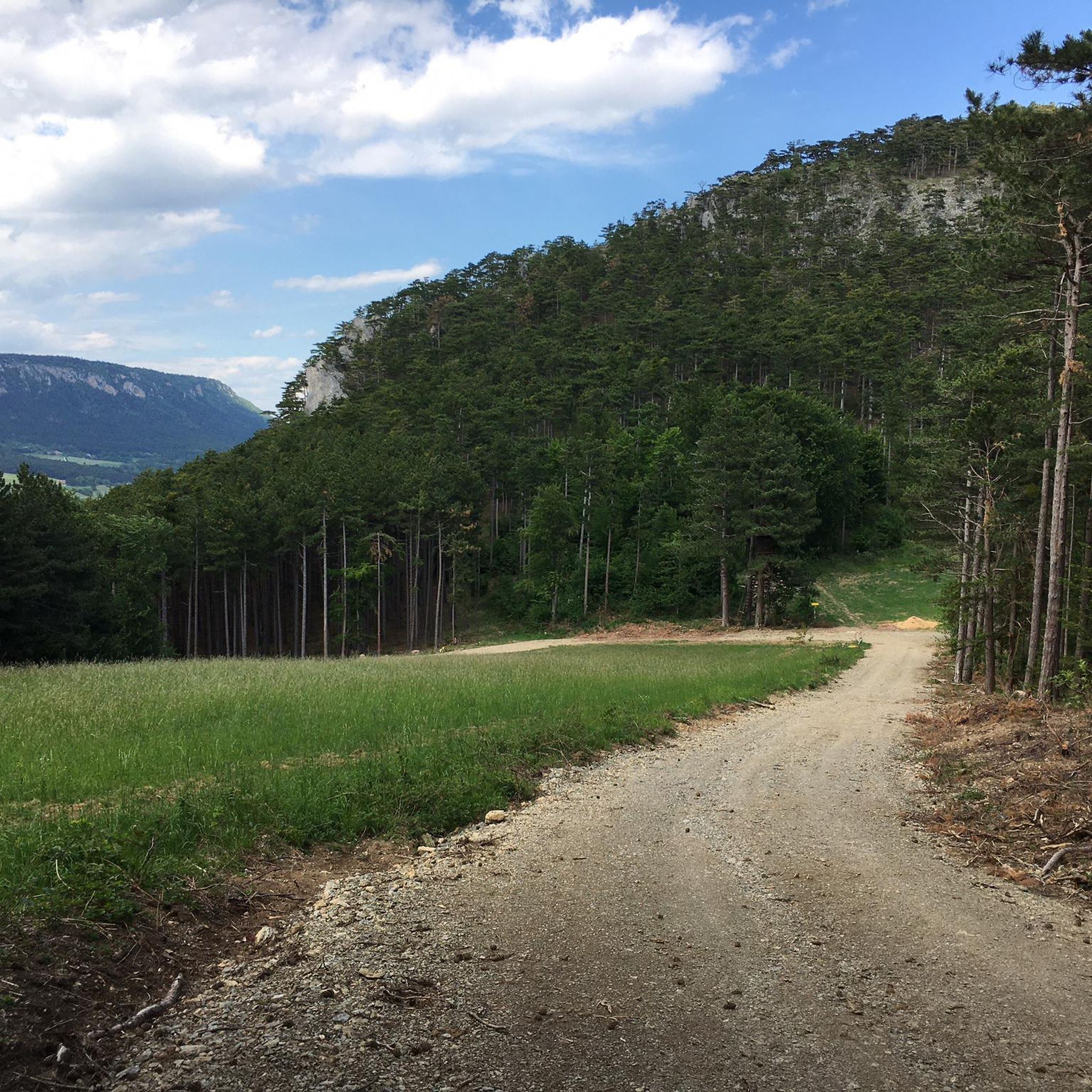
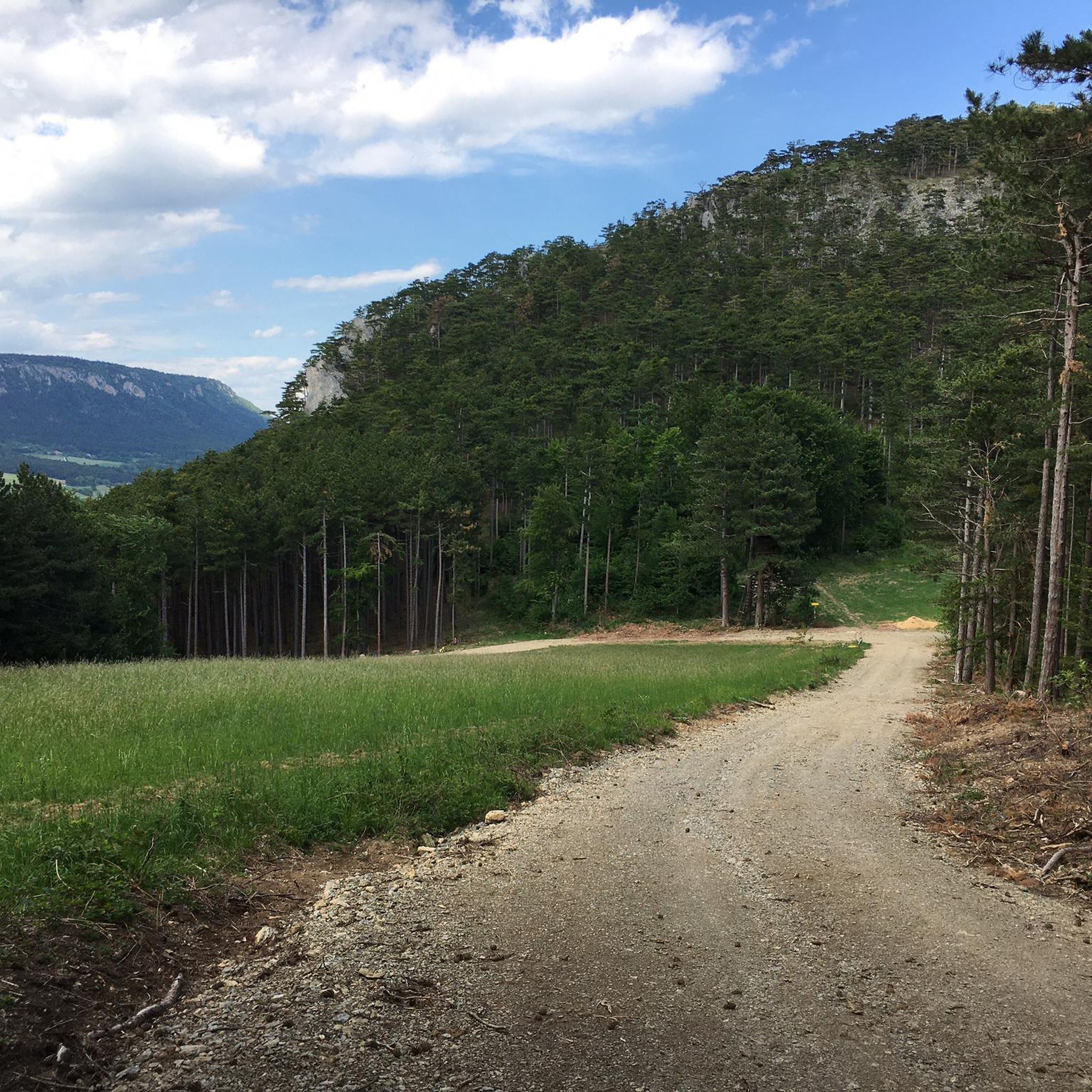
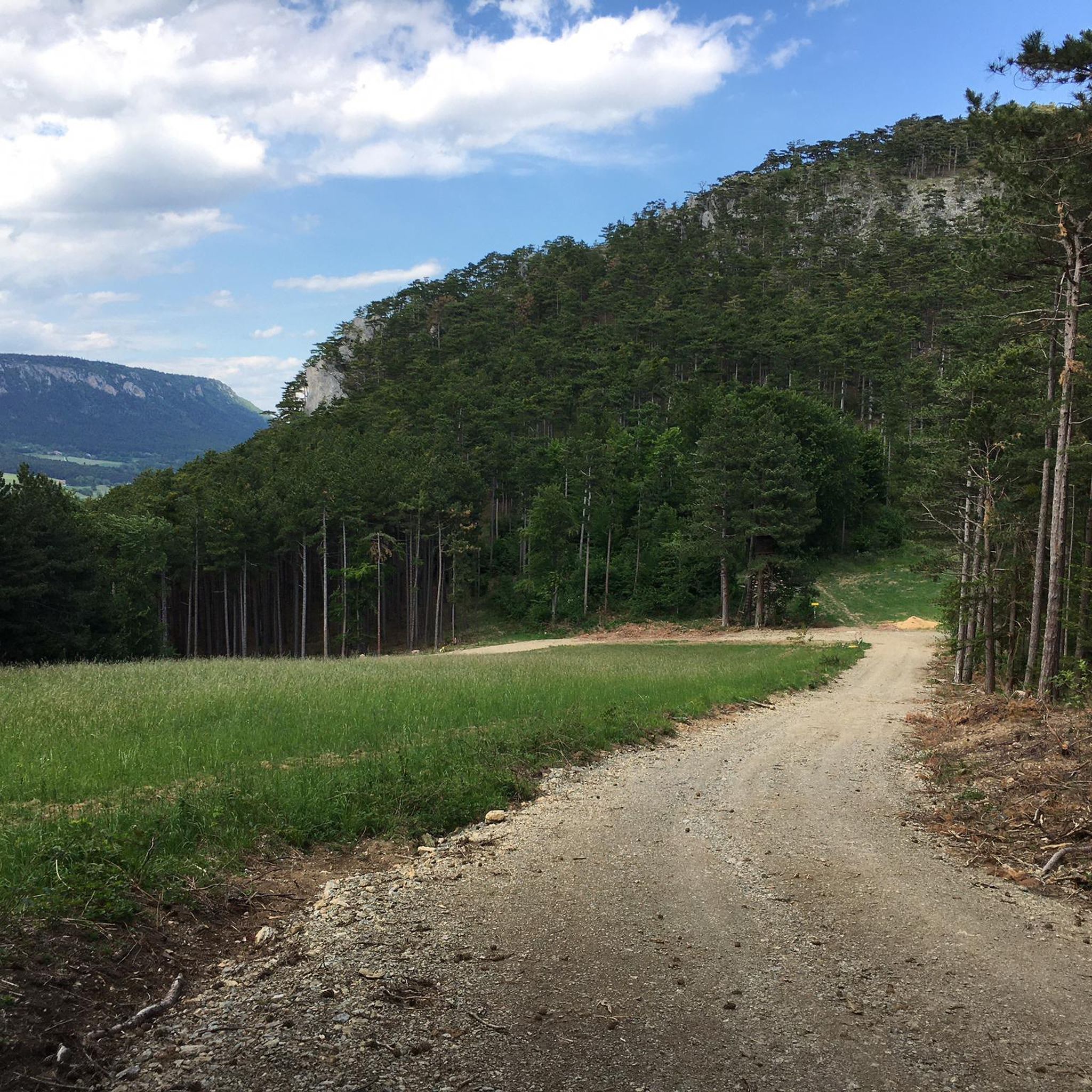
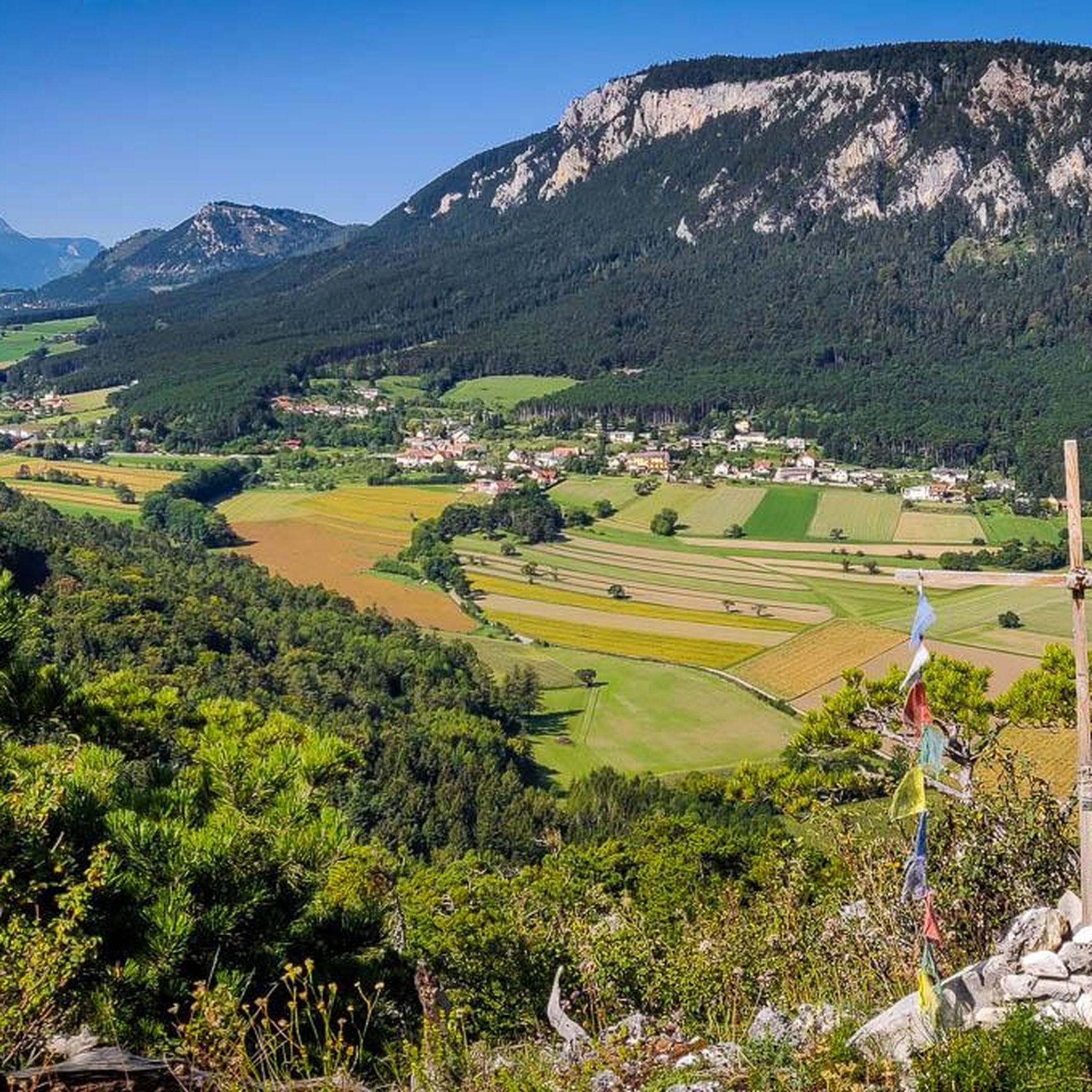
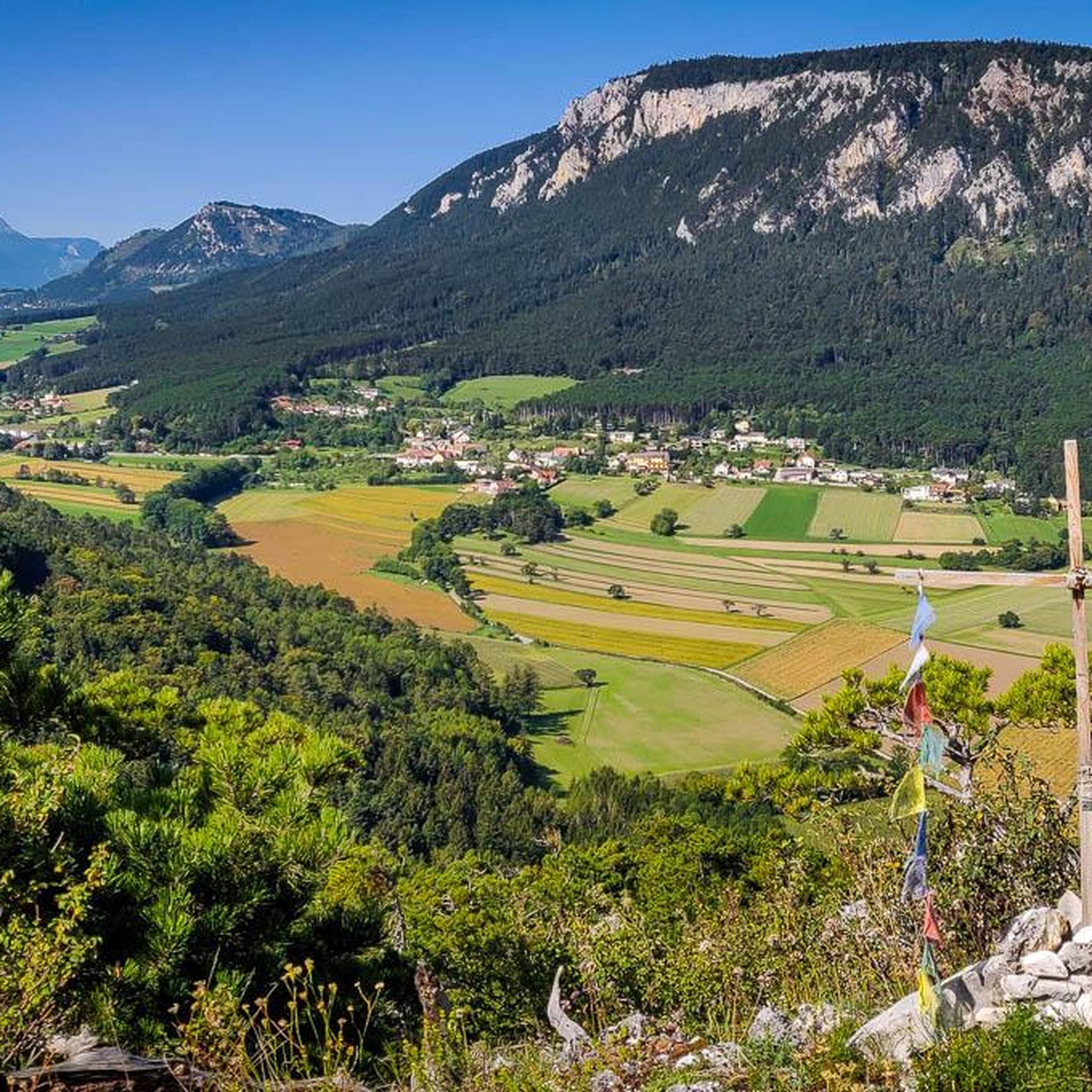
The Schrattenstein is a wooded mountain near Würflach, crowned by the romantic Schrattenstein ruins. From the summit and around the ruins, there are always magnificent views of the surrounding area and the Hohe Wand mountain. The castle ruins are freely accessible and lend the place a special, historic atmosphere. A worthwhile destination for a leisurely hike – especially beautiful in combination with the Johannesbach Gorge or the Andreassteig Trail.
5
0
The Schrattenstein Castle ruins sit perched on a rocky outcrop above the valley and offer magnificent views over the surrounding hills as far as the Hohe Wand mountain. The remains of the former hilltop castle are now freely accessible and invite exploration – with ancient walls, weathered stones, and a special, almost mystical atmosphere. A worthwhile detour for hikers who appreciate history and views in equal measure. It's particularly beautiful at sunset or as the destination for a circular hike through the Johannesbach Gorge or from the Andreassteig Trail.
6
0
The Emmerberg Castle ruins are located on a ridge near the Prosset Gorge and are among the historic fortresses of Lower Austria. First mentioned around 1170, they served as an important defensive point on what was then the northern border of the Carantanian March. Although they were never militarily tested, they were inhabited until 1760 before they began to decay – triggered by the sale of the roof structure. Although the ruins are now inaccessible for safety reasons, their imposing remains and picturesque location make them a fascinating sight.
4
0

07/18/2024 — Clear view of the walls of the Starhemberg castle ruins. The clearing of the area in Markt Piesting brought many new discoveries. However, there is currently still a ban on entry. The renovation of the Starhemberg castle ruins is scheduled to start next year. The preparatory work for this is underway...... Source: www.noen.at/wr-neustadt/piestingtal-freier-blick-auf-die-mauern-der-burgruine-starhemberg-431389601
2
2
Frequently Asked Questions
Where are the castles located relative to Willendorf?
Willendorf itself is primarily known for the archaeological discovery of the Venus of Willendorf. The castles mentioned in this guide are located in the surrounding region of Lower Austria, offering historical sites nestled within diverse natural landscapes.
Which castles offer the best views?
For magnificent views, consider visiting Schrattenstein Castle Ruins, which sits perched on a rocky outcrop above the valley, offering vistas over the surrounding hills as far as the Hohe Wand mountain. Starhemberg Castle Ruins also provides beautiful views of the Piestingtal from its north side.
Are there any castles that are freely accessible for exploration?
Yes, the remains of Schrattenstein Castle Ruins are freely accessible and invite exploration of ancient walls and weathered stones. It's a worthwhile detour for hikers who appreciate history and scenic views.
Can I visit Emmerberg Castle Ruins?
While Emmerberg Castle Ruins offers an imposing and picturesque sight on a ridge near the Prosset Gorge, the ruins are currently inaccessible for safety reasons due to dilapidation. You can still appreciate its historical significance and location from a distance.
What types of castles can I expect to find in the region?
The region around Willendorf offers a variety of historical fortifications, including castle ruins, well-preserved medieval hilltop castles like Stixenstein Castle, and mountain castles. You'll find structures ranging from ancient remnants to Renaissance conversions like Vöstenhof Castle.
Are there hiking or running trails near these castles?
Yes, the area offers various outdoor activities. For running, you can explore routes like the Johannesbachklamm Gorge loop. For mountain hikes, options include trails around Hohe Wand. You can find more details and routes on the Running Trails around Willendorf and Mountain Hikes around Willendorf guide pages.
What outdoor activities can I do near the castles?
Beyond exploring the castles, the region provides opportunities for cycling, running, and mountain hiking. There are numerous routes available, such as cycling paths like the Schwarzatal Cycle Path. For more information, check the Cycling around Willendorf guide.
What do visitors enjoy most about the castles around Willendorf?
Visitors particularly appreciate the historical atmosphere, the magnificent views from sites like Schrattenstein Castle Ruins, and the opportunity to combine castle visits with hiking. The diverse natural landscape surrounding these historical fortifications is also a major draw.
Are there any castles that were involved in significant historical events?
Starhemberg Castle Ruins, built around 1140, guarded the former border between Styria and Ostmark and was involved in events like the Battle of Dürnkrut and occupied by Hungarian King Matthias Corvinus. Emmerberg Castle Ruins served as an important base on the northern border of the Carantanian March.
Is there a castle that has been converted or significantly altered over time?
Vöstenhof Castle, originally a 'Feste zum Hof' (fortress), was probably built in the 13th century and later converted into a Renaissance castle in 1597 by Hieronymus Wurmbrandt, the hereditary chef in Styria.
What is the best time to visit the castles around Willendorf?
The castles can be visited throughout the year, but spring and autumn offer pleasant temperatures for exploration and hiking. Summer provides longer daylight hours, while winter can offer a unique, mystical atmosphere, especially for ruins like Schrattenstein.
Are there any castles that are considered 'hidden gems' or less frequented?
While all the castles in this guide offer unique historical insights, sites like Vöstenhof Castle, with its Renaissance conversion and less dramatic ruin status compared to others, might offer a different, quieter experience for those looking for a less frequented historical site.
Most popular routes around Willendorf
Most popular attractions around Willendorf

Get inspired with the komoot mobile app


Explore more
Looking for the best castles somewhere else? Discover other guides around Willendorf:
