Attractions and Places To See around Bad Fischau-Brunn - Top 20
Attractions and places to see around Bad Fischau-Brunn include a diverse range of natural features, cultural sites, and historical landmarks. Situated on the southern slope of the Thermenlinie, the market town offers access to the Hohe Wand foothills and its nature park. The area is characterized by gorges, thermal springs, and historical architecture. Visitors can explore natural landscapes and cultural venues.
Best attractions and places to see around Bad Fischau-Brunn
- The most popular attractions is Johannesbach Gorge, a gorge…
Last updated: October 9, 2026
Hubertus House, Hohe Wand
Highlight • Mountain Hut
naturpark-hohewand.at/hubertushaus
Translated by Google •
Tip by

Triesting–Wiener Neustädter Canal Crossing
Highlight • Bridge
Translated by Google •
Tip by

Sign up now to discover places like this
Get recommendations on the best single tracks, peaks, & plenty of other exciting outdoor places.
Johannesbach Gorge
Highlight (Segment) • Gorge
Translated by Google •
Tip by

Wiener Neustädter Canal
Highlight (Segment) • River
Translated by Google •
Tip by
Hohe Wand Skywalk
Highlight • Viewpoint
Translated by Google •
Tip by

Sign up for free to discover even more attractions around Bad Fischau-Brunn.
Already have an account?
Start today with a free account
Your next adventure awaits.
Tips from the Community

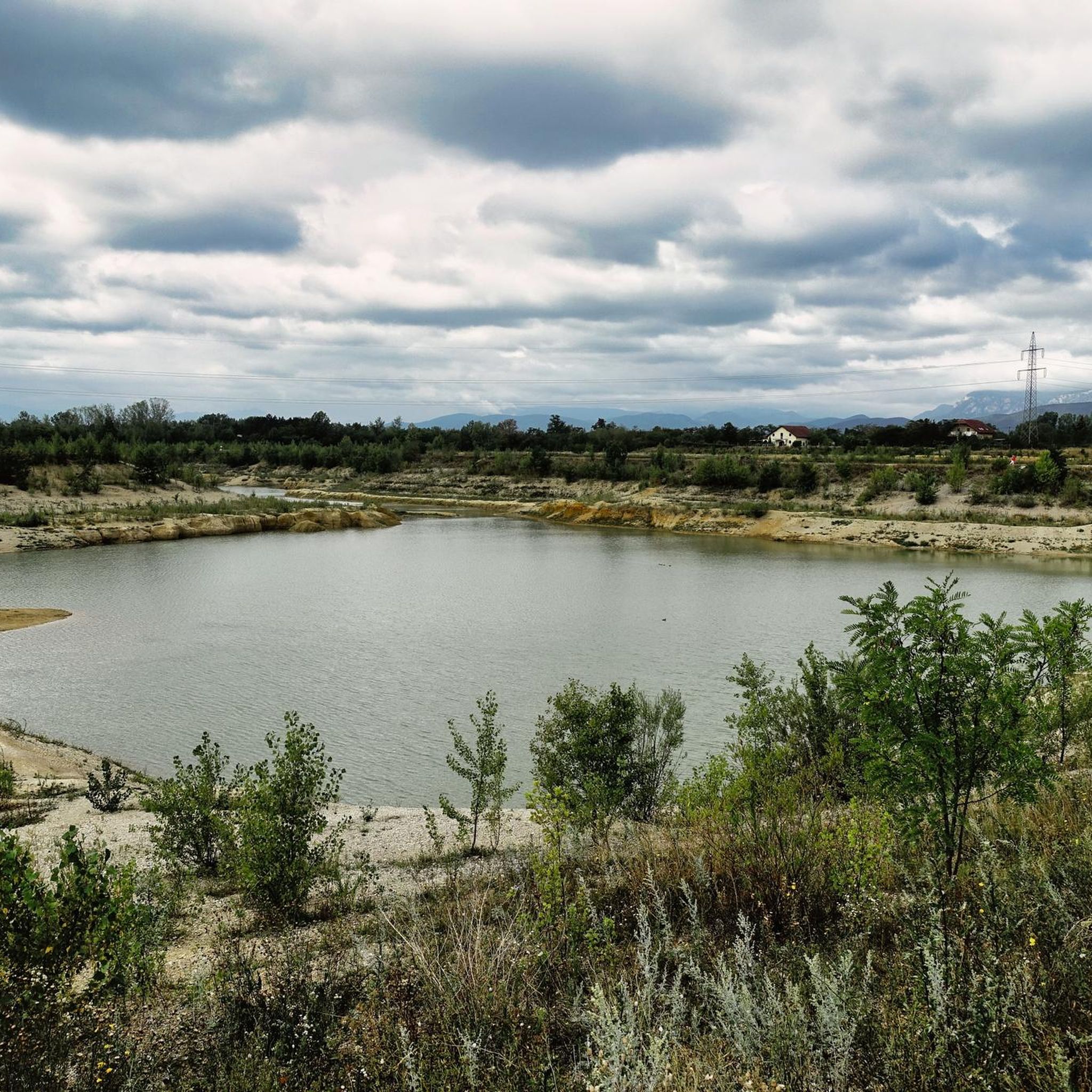
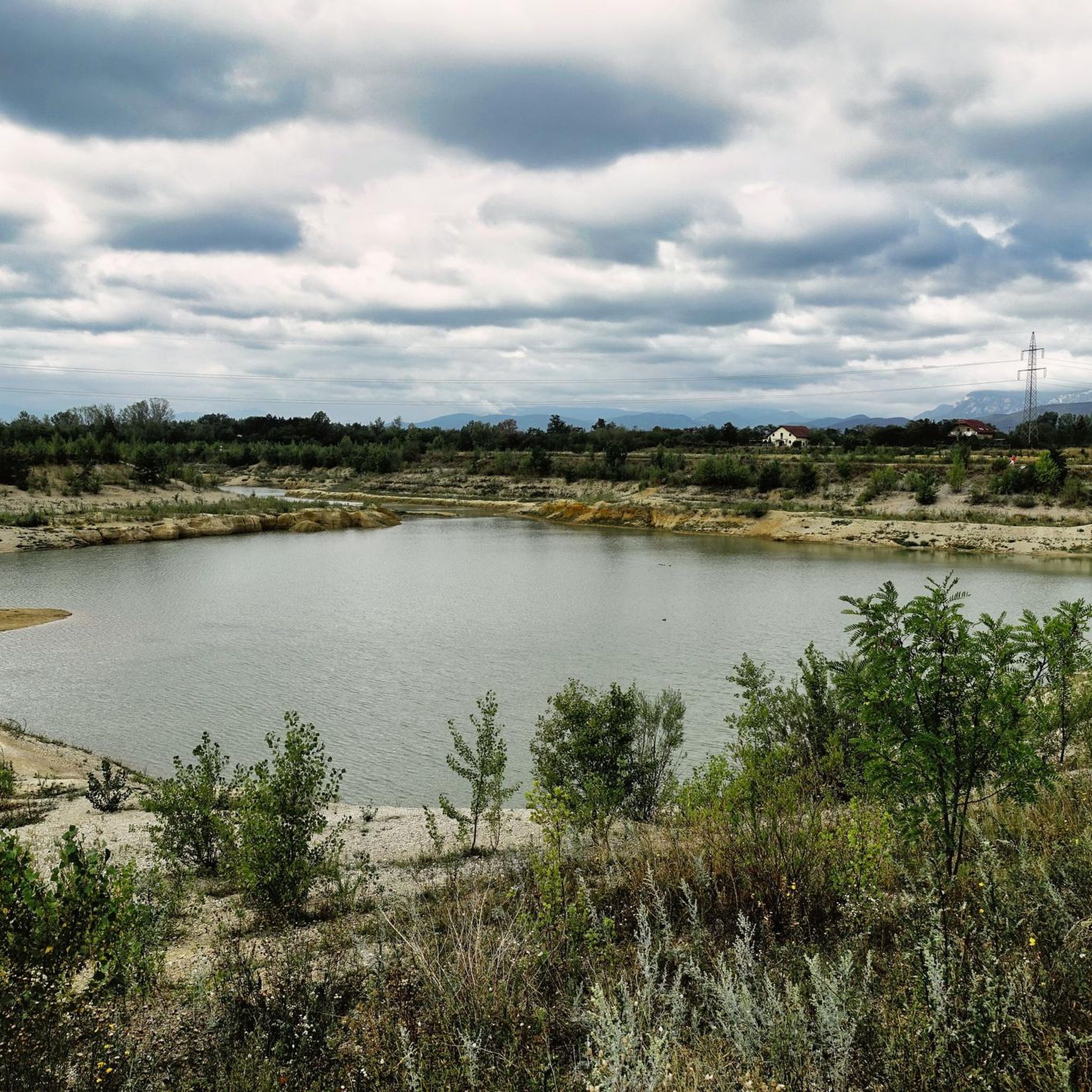
At the river junction, the Wiener Neustädter Canal crosses the Triesting using a historic aqueduct. Directly at this significant junction point, the Lower Austrian Thermenradweg and the Triestingau-Radweg (EuroVelo 9A) also meet. Today, this area is a popular excursion destination, combining the technical history of the former canal structure with nature-oriented cycling and hiking trails.
1
0

The Wiener Neustädter Canal is a true masterpiece of engineering from the early industrial age. It was originally intended to form a connection from Vienna to the Adriatic Sea: Ultimately, this was no longer necessary due to the invention and economic importance of the railway.
1
0

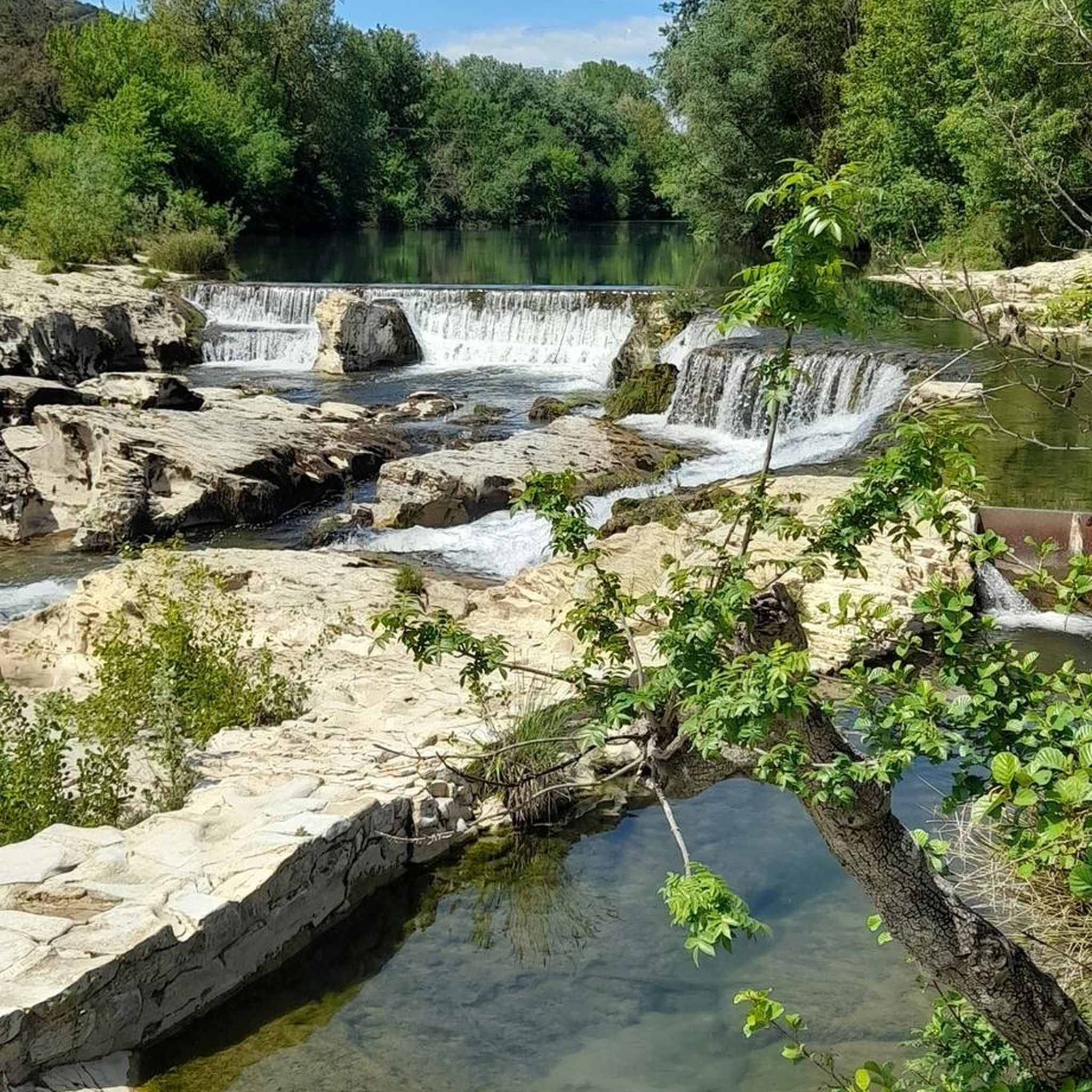
The Johannesbach Gorge, approximately 1 km long and up to 60 m deep, on the western edge of Würflach is a true natural gem and a popular destination – especially on hot summer days. The well-maintained trail, with numerous wooden walkways, steps, and bridges, leads through a wildly romantic gorge carved into the Wetterstein limestone by the Johannesbach stream over millennia. Along the way, you'll discover deep potholes, bowl-shaped depressions ("mills"), and, with a little attention, geological features such as the "Marientritt" (Marientritt). Two small caves – the Johannesbach Gorge Cave and the Klammwirt Cave – complete the experience. With a walk time of approximately 30 minutes, the gorge is also ideal for families with children. Those who like can dip their feet in the cool water or stop off at the Klammwirtin restaurant. The gorge is particularly atmospheric during the Advent market, when Austria's largest decorated Christmas tree is illuminated. If you want more, you can combine the gorge with hikes to the Schrattenstein castle ruins, along the Andreassteig or towards Grünbach.
6
0
The Hubertushaus on the Hohe Wand is a rustic mountain hut with a fantastic view and a cozy atmosphere. Located at 946 meters above sea level, it has been a popular destination for hikers and climbers for over 90 years. It can be reached via various trails, from easy hiking trails to challenging climbing routes. Those who stop here can enjoy the impressive landscape and fortify themselves with regional specialties - the vegetarian tarte flambée is particularly praised. When the weather is nice, the outdoor tables with a direct view of the valley invite you to linger.
5
1
The Hohe Wand Nature Park offers a spectacular viewing terrace with the Skywalk, which was built directly into the rock and gives visitors the feeling of floating over the abyss. The view stretches far across the Vienna Alps to Lake Neusiedl. Secured by iron bars, the platform is an impressive experience - but not for people with a fear of heights. The nature park is open all year round and, in addition to the Skywalk, offers numerous hiking trails, climbing routes, playgrounds and even a zoo, making it ideal for family outings. The atmosphere here is particularly unique early in the morning or at sunrise.
4
0

The Hohe Wand Nature Park is open daily (until 6 p.m. in summer, until 5 p.m. in winter). You get the feeling of floating on the viewing terrace built into the rocks. A great experience! Iron bars separate you from the abyss and offer a breathtaking view - into the distance and into the depths. Everything is safe, of course, but not recommended for people with a fear of heights. Further information can be found here: https://www.naturpark-hohewand.at
1
0

With a 30 minute walk, the trip is especially great for families with children, unfortunately almost no water
6
0

Very pleasant to ride, few cyclists in the lower part.
5
0
Frequently Asked Questions
What natural features can I explore around Bad Fischau-Brunn?
The region offers several impressive natural features. You can explore the wild and romantic Johannesbach Gorge with its wooden walkways and geological formations. The Naturpark Hohe Wand is home to the Red Deer Enclosure Hohe Wand and the panoramic Große Kanzel summit cross. Additionally, the Eisensteinhöhle is a natural monument featuring rich sinter and crystal formations.
Are there historical or cultural sites to visit in Bad Fischau-Brunn?
Yes, Bad Fischau-Brunn has a rich history. You can visit Schloss Fischau, a palace that hosts cultural events and art exhibitions. The Church of Bad Fischau-Brunn, dedicated to Saint Martin, dates back to 865 AD and features Romanesque outer walls and a rare well-preserved hall yard. The town also boasts beautiful residential houses from the Habsburg Monarchy, including Jugendstil architecture and the historic Villa Erzherzog Rainer.
What activities are available for families with children?
Families will find plenty to do. The Johannesbach Gorge offers an engaging 30-minute walk with stairs and bridges, perfect for kids. The Red Deer Enclosure Hohe Wand allows children to see and even feed deer, mouflons, and ibexes. Schloss Fischau also offers special activities for children, and the Elefantenspielplatz Bad Fischau is a dedicated playground.
What are the best viewpoints in the Bad Fischau-Brunn area?
For breathtaking views, head to the Große Kanzel summit cross on the Hohe Wand, which offers panoramic vistas of Schneeberg, Semmering, and the Wiener Becken. Another excellent spot is the Hubertus House, Hohe Wand, a rustic mountain hut at 946 meters above sea level with fantastic views.
When is the best time to visit the attractions in Bad Fischau-Brunn?
The region is enjoyable year-round. The Johannesbach Gorge is particularly enchanting during the Advent market when it features Austria's largest decorated Christmas tree. For outdoor activities like hiking and cycling, spring and autumn offer pleasant temperatures. The Fischauer Thermalbad is a great option for relaxation in any season.
Where can I relax and unwind in Bad Fischau-Brunn?
The Fischauer Thermalbad is an ideal place for relaxation. This romantic thermal bath features two swimming pools continuously fed by crystal-clear spring water at 21 degrees Celsius, surrounded by expansive sunbathing lawns. It also includes a modern sauna and wellness area, with the water's mineral components known for their invigorating effects.
What kind of hiking trails are available near Bad Fischau-Brunn?
Bad Fischau-Brunn is excellent for hikers, offering numerous well-maintained trails. You can find easy hikes like the Steinerner Stadl – Celtic Sacrificial Stone loop or the Eisenstein Cave – Fischauer Thermal Spa loop. For more moderate options, consider routes like the Forest Shrine, Bad Fischau – Größenberg Summit loop. Explore more options on the Hiking around Bad Fischau-Brunn guide.
Can I go cycling around Bad Fischau-Brunn?
Absolutely, the region is well-suited for cycling. There are diverse routes through picturesque parklands and pine forests. You can enjoy easy rides such as the View of the Achtersee loop or more moderate routes like the View of Hohe Wand – Fischauer Thermal Spa loop. Find detailed cycling routes in the Cycling around Bad Fischau-Brunn guide.
Are there opportunities for wildlife spotting?
Yes, the Red Deer Enclosure Hohe Wand in Naturpark Hohe Wand is a prime location for wildlife spotting. Here, you can observe a large herd of deer, as well as mouflons and ibexes in a natural setting.
What do visitors particularly enjoy about the attractions here?
Visitors frequently praise the stunning panoramic views from spots like the Große Kanzel summit cross and the cozy atmosphere and regional products at Hubertus House, Hohe Wand. The family-friendly nature of the Red Deer Enclosure Hohe Wand and the refreshing experience of the Johannesbach Gorge are also highly appreciated.
Are there any unique natural phenomena to see?
The Eisensteinhöhle is a unique natural monument, a 73-meter deep and 2300-meter long cave known for its rich sinter and crystal formations. Due to thermal spring influences, it maintains an unusually high temperature of 13 degrees Celsius, offering a distinct experience.
What cultural events or offerings are there in Bad Fischau-Brunn?
Beyond Schloss Fischau, which hosts cultural events and art exhibitions, local initiatives like "Kulturwerkstätte," "Blau-Gelbe Viertelsgalerie," and "Kulturvernetzung Industrieviertel" contribute to a vibrant cultural scene. These organizations offer workshops, exhibitions, readings, music evenings, and craft markets throughout the year.
Most popular routes around Bad Fischau-Brunn
Most popular attractions around Bad Fischau-Brunn

Get inspired with the komoot mobile app


Explore more
Still not found the Highlight you’re looking for? See guides of the top attractions in other regions:
