Top 20 Caves around Hohe Wand
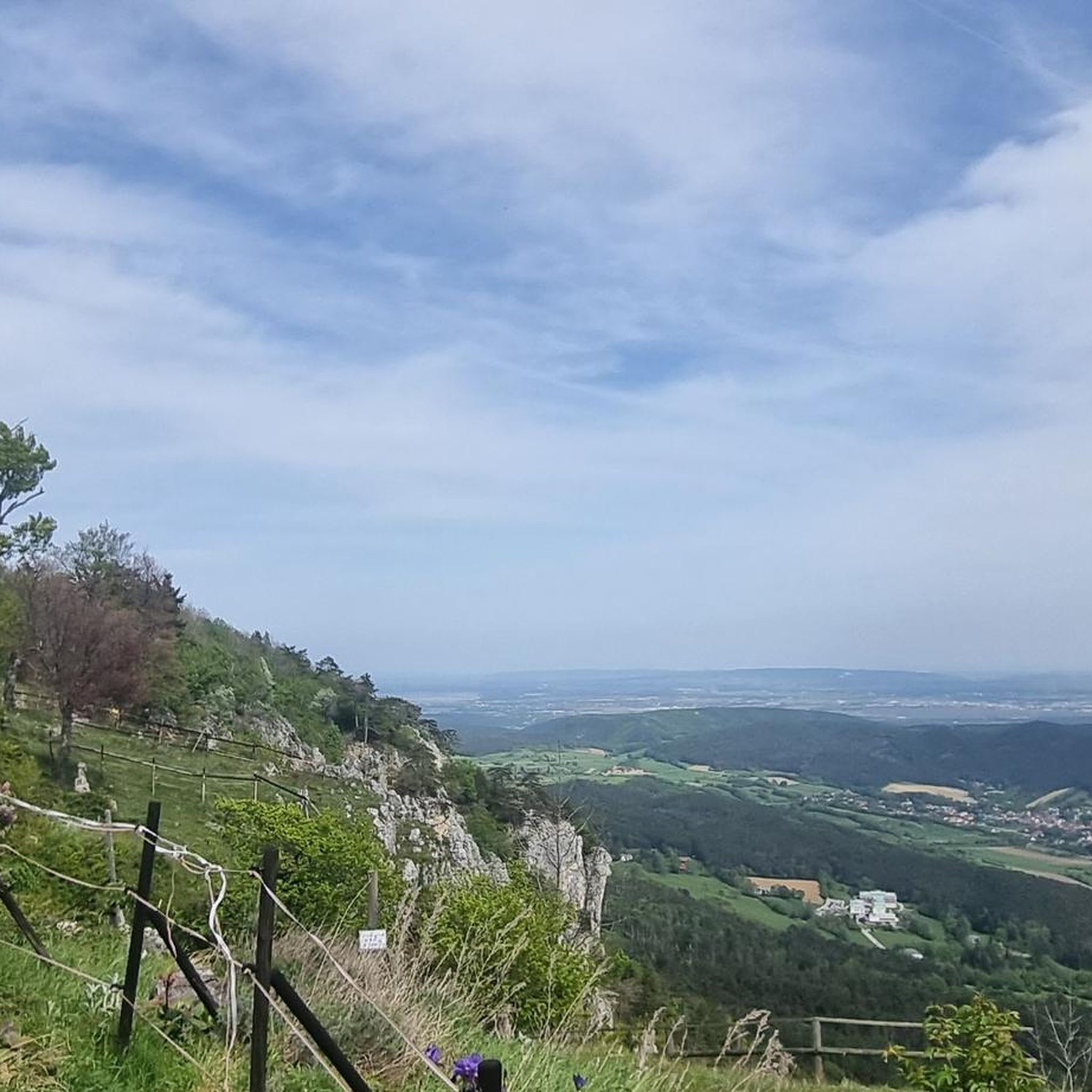
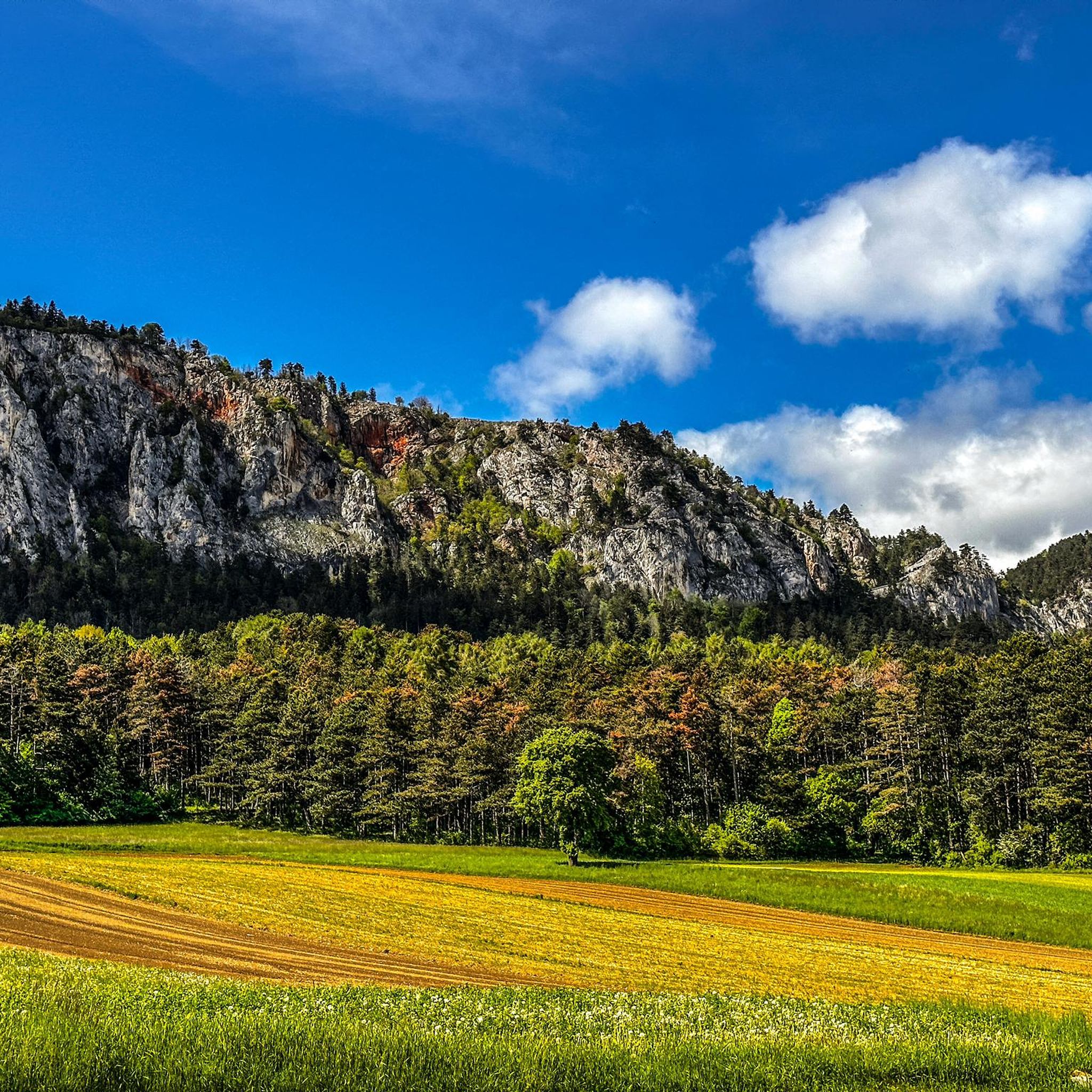
Best caves around Hohe Wand are found within the Hohe Wand region, a natural park in Lower Austria. This area is characterized by its rugged cliffs and diverse landscapes, offering a range of natural attractions. The caves provide a glimpse into geological formations and ancient history, making the region a point of interest for explorers. Many caves are accessible via marked hiking trails, integrating cave exploration with outdoor activity.
Best caves around Hohe Wand
- The most popular caves is Einhornhöhle (Unicorn Cave), a cave that is about 80 meters long and features stalactite formations. Archaeological finds indicate human presence from the Bronze Age and Pleistocene era.
- Another must-see spot is Eisenstein Cave, a cave with a shaft-like structure reaching a depth of 73 meters and extending for about 2 kilometers. Visitors can expect rich sinter and crystal formations, including a thermal spring at its deepest point.
- Visitors also love Höhlturm, a historical site that is a cave near Wöllersdorf. It is one of the largest caves in its area, with a length of 180 meters and a difference in altitude of 28 meters.
- Hohe Wand is known for show caves, natural rock bridges, and thermal caves. The region offers a variety of cave experiences, from guided tours through impressive formations to more challenging explorations.
- The caves around Hohe Wand are appreciated by the komoot community, with 5 highlights and more than 100 photos shared by users.
Last updated: June 22, 2026
Einhornhöhle (Unicorn Cave)
Highlight • Cave
More information is available at wieneralpen.at/urlaubszielen-in-den-wiener-alpen-discoveren/a-einhorn-tropfsteinhoehle.
Translated by Google •
Tip by

Höhlturm
Highlight • Historical Site
Source: routeyou.com/de-at/location/view/48091961/hohlturmhohle
Translated by Google •
Tip by

Sign up now to discover places like this
Get recommendations on the best single tracks, peaks, & plenty of other exciting outdoor places.
Sign up for free
Eisenstein Cave
Highlight • Cave
At a temperature of +13 degrees C and 100% humidity, warm clothing is not required. For children under 10 years and people with heart and circulatory problems, the cave visit is not recommended.
Translated by Google •
Tip by
Steinerner Stadl
Highlight • Natural Monument
Translated by Google •
Tip by
Frauenluckensteig (Hohe Wand)
Highlight • Climb
The steep entry wall (blue arrow) is overcome with the help of iron clamps and braces (B). Then follow a crossing (A) to the left for entry into the cave shaft. There is also the climbing book. A vertical, approximately 15 m high iron ladder (B) now leads through the shaft to the exit hole (B).
Iron ladder, treads, treads
Rock heavily smoothed in places
Approach to the wall:
From the sundial parking lot, follow the climbing lanes over the meadow to the Wandfußsteig. From there over the green marked Völlerin up to a striking slip-through. Shortly thereafter a trail branches off to the left, which soon leads to the entrance of the Frauenluckensteig.
Translated by Google •
Tip by
Sign up for free to discover even more caves around Hohe Wand.
Sign up for free
Already have an account?
Start today with a free account
Your next adventure awaits.
Login or Signup
Popular around Hohe Wand
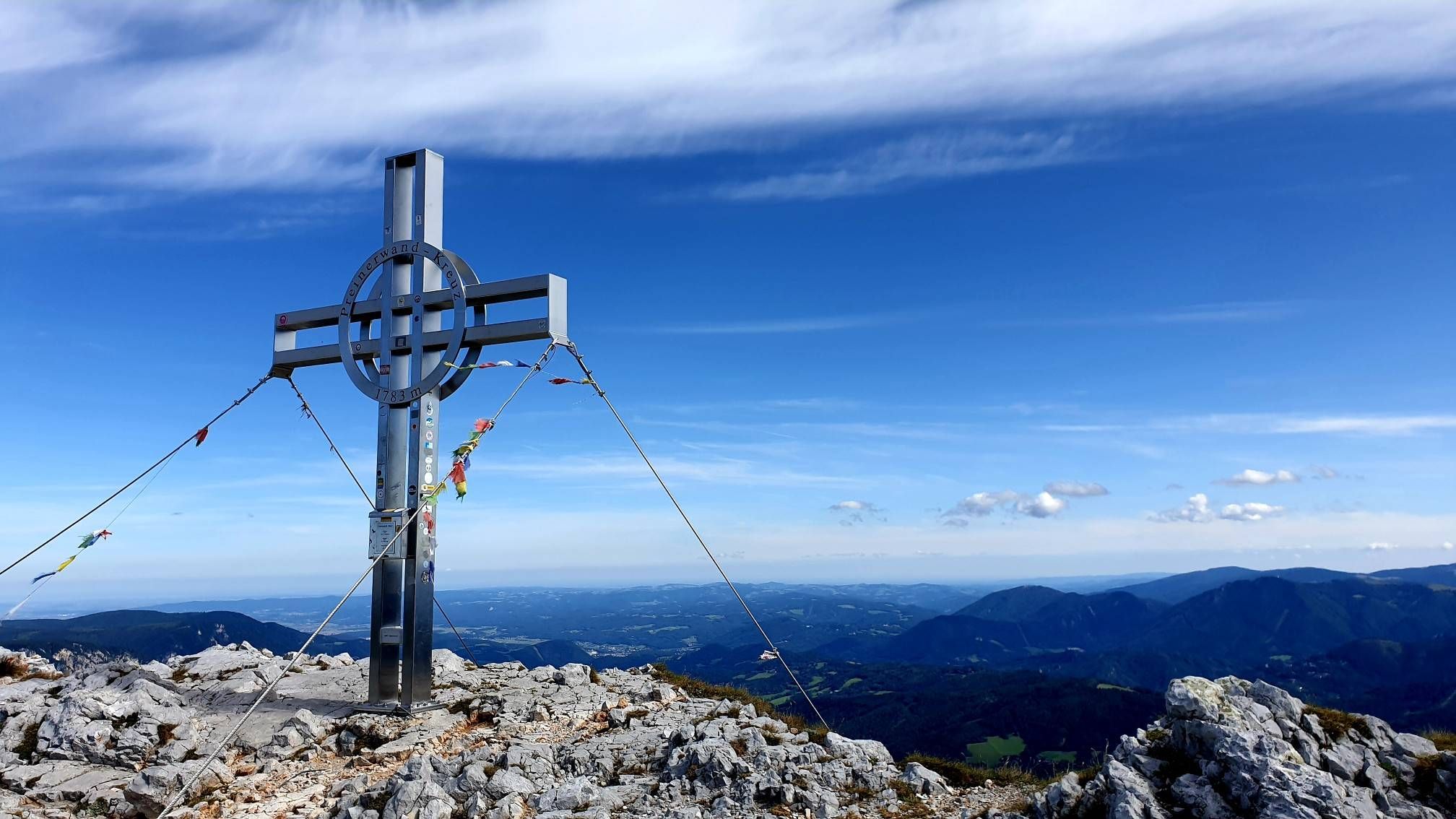
Alpine hiking on Vienna’s doorstep – Rax-Schneeberg Group Mountains
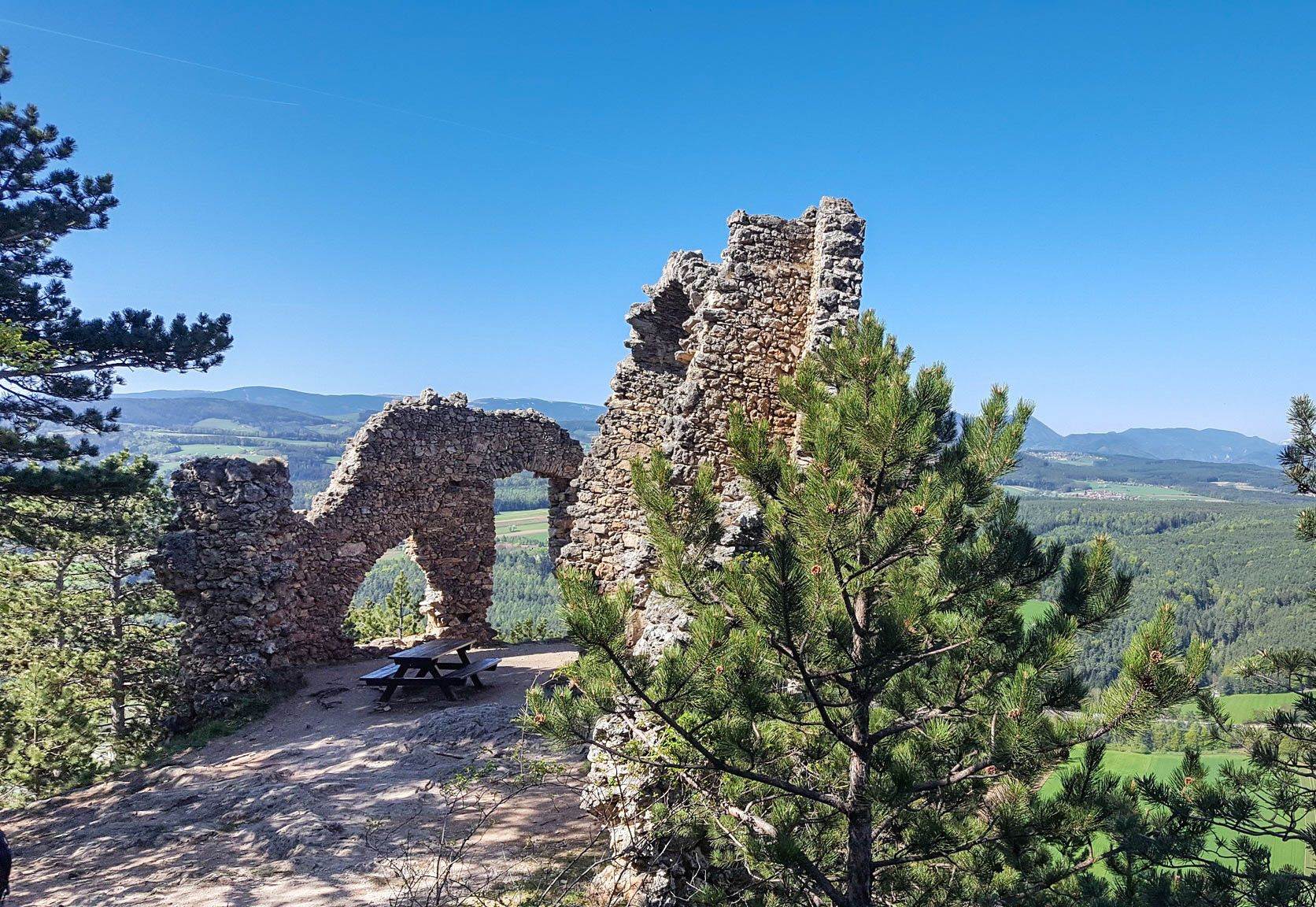
Family adventures in Vienna's local mountains
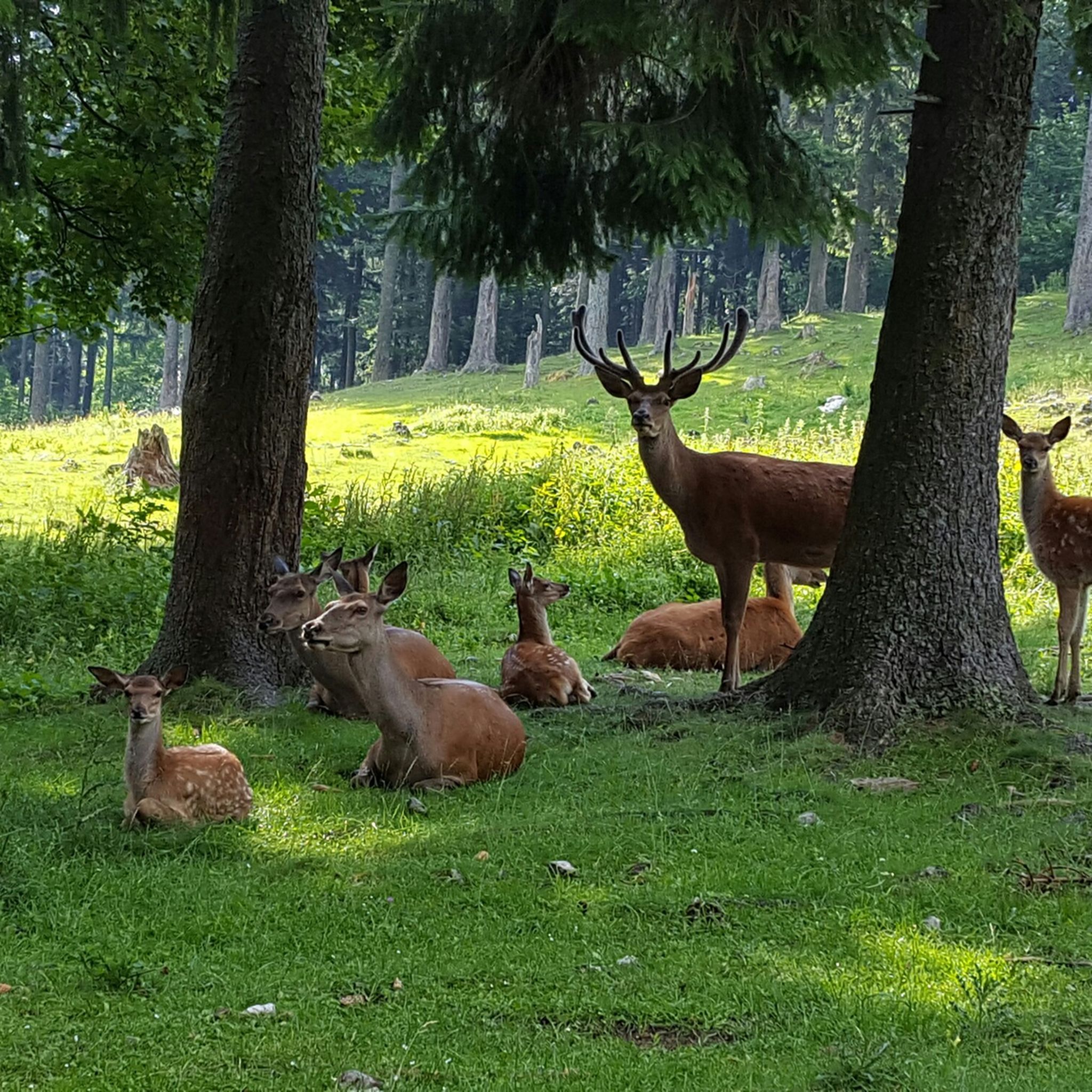
Hiking around Hohe Wand
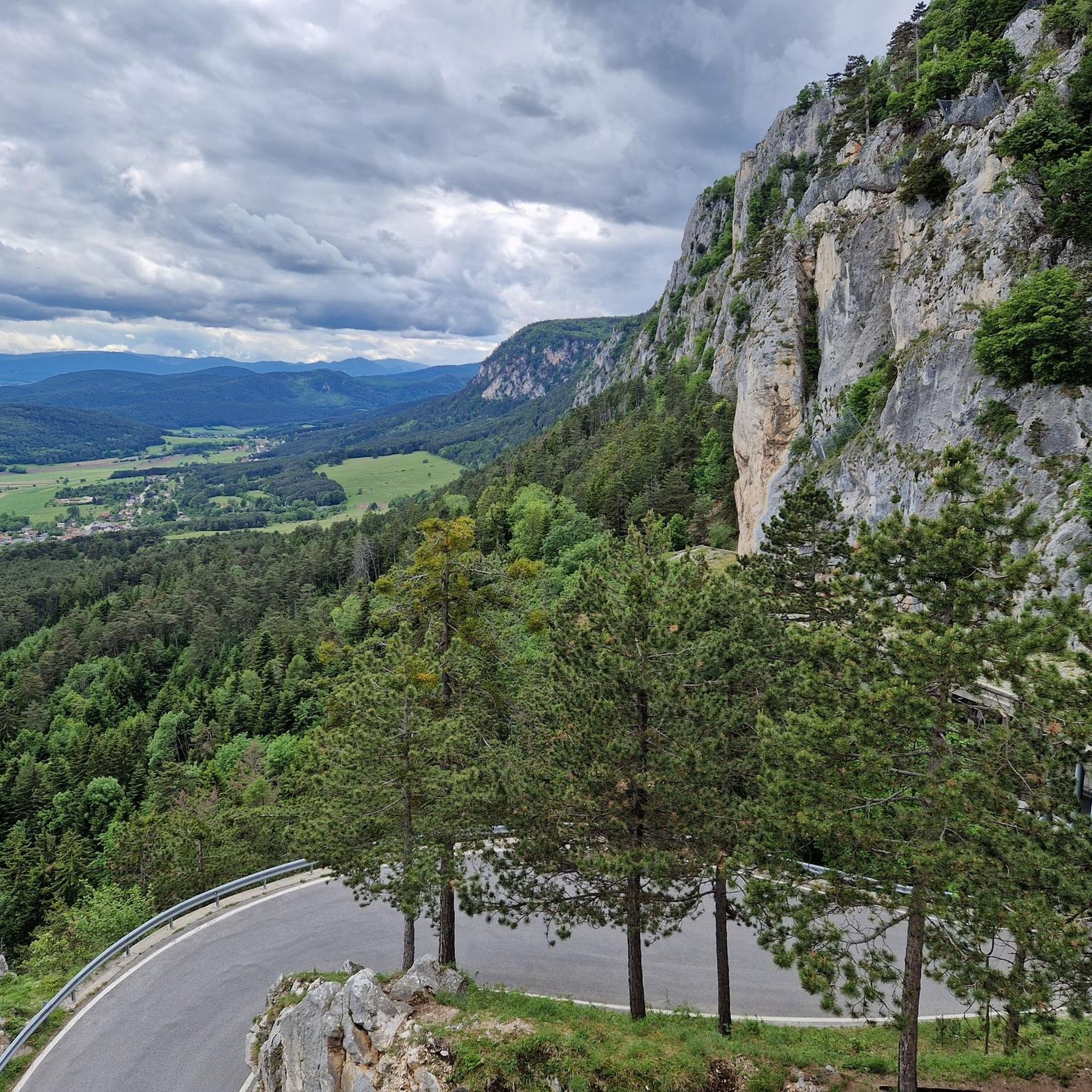
Road Cycling Routes around Hohe Wand
Cycling around Hohe Wand
Mountain Hikes around Hohe Wand
Running Trails around Hohe Wand
Gravel biking around Hohe Wand
MTB Trails around Hohe Wand


Tips from the Community

Inside the stone barn, remains of stone tools and ceramics have been found, and it is now assumed that this cave also served as a cult room from the Neolithic to the Iron Age (and possibly later). Its proximity to the Hoffmannshöhle suggests a resonance/connection.
1
0
The cave was discovered in 1927 by Otto Langer sen. and opened as a show cave in 1930. During World War II, the cave served as a place of refuge. In 1958, it was accessible again as a show cave. In 1964, the installations were modernized by Otto Langer jun.
0
0
In the cave there is a thermal spring, whose water temperature is indicated to be between 13 and 16.5 degrees Celsius.[1][2] The Eisensteinhöhle is located in a fault zone striking NNE-SSW and dipping at an average of 47°, directly at the edge of the Eastern Alps against the Vienna Basin and shows up to 5 superimposed gangways; its maximum horizontal extent is 147 m.
1
0
The panoramic trail with a beautiful circular view over the market town and magnificent views into the valley begins at the Höhlturm (a small ruin that served as an observation post for the Starhemberg ruin) and, after a steep, sweaty climb on beautiful forest paths, leads to Henninger, which is not directly on the hiking trail.
1
0

A super great place that you should see
0
0

The Unicorn Cave was closed and locked with a gate.
4
0

The Steinerne Stadl is a natural rock bridge that originates from a collapsed cave. This is also called a passage cave. Remains of stone tools and ceramics have been found inside the Steinerne Stadel and it is now assumed that this cave also served as a cult room from the Neolithic period to the Iron Age (and possibly later). Its proximity to the Hoffmannshöhle indicates a resonance/connection. In front of the cave you can find a free-standing stone with two deep, artificially created stone bowls. The position and arrangement of the bowls (at the top, in a free-standing stone, so very impractical for grinding grain - without protection from rainwater ...) and their shape give rise to mystical speculations about their use. Source: https://kultkraftplatz.com/steinerne-stadl-malleiten/
5
1
The Eisenstein Cave, whose entrances are located at 380 m above sea level, is the most important thermal cave on the western edge of the southern Vienna Basin (Fischau Mountains). The 73 m deep and around 2 km long, shaft-like cave is located on a fracture zone parallel to the slope (thermal line) in young tertiary breccia (sausage marble). The thermal spring at the deepest point of the cave has a temperature of around 15.5 °C. Collapsed blocks and corrosion forms characterize the fissures richly decorated with coral and popcorn sinter. Source: www.eisensteinhoehle.at/index.htm
7
0
Frequently Asked Questions
What types of caves can I explore in the Hohe Wand region?
The Hohe Wand region offers a variety of cave experiences, including show caves with impressive formations, natural rock bridges formed from collapsed caves, and unique thermal caves. You can find everything from easily accessible caves suitable for families to more challenging explorations.
Are there any family-friendly caves in the Hohe Wand area?
Yes, the Einhornhöhle (Unicorn Cave) near Dreistetten is particularly suitable for families. It's easily accessible via marked hiking trails, offers guided tours lasting about 20 minutes, and features stalactite formations and historical significance. Its moderate length makes it ideal for those new to caving.
What makes the Eisenstein Cave a unique experience?
The Eisenstein Cave in Bad Fischau-Brunn is unique due to its shaft-like structure, reaching a depth of 73 meters, and the presence of a thermal spring at its deepest point, maintaining a constant temperature of about 15.5 °C. It features rich sinter and crystal formations, and tours involve descending clay steps and iron ladders, offering a more adventurous experience. Visitors must be at least 10 years old and sure-footed.
What is the historical significance of the caves in Hohe Wand?
Many caves in the Hohe Wand region have historical significance. For instance, the Einhornhöhle has archaeological finds indicating human presence from the Bronze Age and Pleistocene era. The Steinerner Stadl, a natural rock bridge, is believed to have served as a cult room from the Neolithic period to the Iron Age, with stone tools and ceramics found within.
When is the best time to visit the caves around Hohe Wand?
The main show caves, such as the Einhornhöhle, are typically open from Easter to the end of September on Sundays and public holidays. The Eisenstein Cave usually offers tours from May to October on the first and third Sundays of the month. It's always advisable to check specific opening hours before your visit.
Are there any caves that require a certain level of physical fitness?
Yes, the Eisenstein Cave requires sure-footedness and physical fitness due to its challenging sections, including descending clay steps and four iron ladders. Similarly, the Frauenluckensteig (Hohe Wand) involves a via ferrata with an iron ladder through a vertical cave shaft, making it a challenging climb.
Can I find hiking trails that include cave exploration?
Absolutely. Many caves in the Hohe Wand region are accessible via marked hiking trails, integrating cave exploration with outdoor activity. For example, the Einhornhöhle is reached by a 20-minute hike from Dreistetten. You can find various hiking options, including easy, moderate, and difficult trails, in the region. Explore more hiking routes in the Hiking around Hohe Wand guide.
What kind of geological formations can I expect to see?
The caves around Hohe Wand are rich in geological wonders. You can observe stalactite and stalagmite formations, pearl sinter, and crystal formations. The Eisenstein Cave is particularly known for its extensive sinter and crystal formations, as well as unique pearl sinter deposits.
Is there parking or public transport access to the caves?
While specific parking details for each cave entrance vary, the region is generally accessible. For instance, the Einhornhöhle is near Dreistetten, which can be reached by public transport, followed by a short hike. For the Eisenstein Cave, advance telephone registration for tours is recommended, which can provide details on access.
Are there any less crowded cave options in the Hohe Wand region?
While the Einhornhöhle and Eisenstein Cave are the primary accessible show caves, other natural formations like the Steinerner Stadl offer a more secluded experience as a natural rock bridge from a collapsed cave. For those seeking less crowded spots, exploring the numerous hiking trails might lead to smaller, less frequented cave entrances or rock shelters.
What other outdoor activities can I combine with a cave visit?
The Hohe Wand region is excellent for combining cave visits with other outdoor activities. You can enjoy hiking on various trails, from easy to difficult, or explore road cycling routes. For hiking, check out the Hiking around Hohe Wand guide or the Easy hikes around Hohe Wand guide. If you prefer cycling, the Road Cycling Routes around Hohe Wand guide offers several options.
What is the Höhlturm and what can I expect there?
The Höhlturm is a historical site near Wöllersdorf, featuring a significant cave. With a length of 180 meters, it is one of the largest caves in its area. Visitors have noted it as a wonderful and large cave, with some even mentioning a picnic area inside, offering a unique blend of history and natural exploration.
Most popular routes around Hohe Wand
Most popular attractions around Hohe Wand

Get inspired with the komoot mobile app


Explore more
Extend your search for the best caves by checking out these guides of the top ones around Hohe Wand:
