Top 16 Caves around Sollenau
Best caves around Sollenau are located within the broader Wiener Neustadt District in Lower Austria, offering a range of underground experiences. This region is characterized by diverse geological formations, including historical cave dwellings and natural rock bridges. The caves provide insights into both natural processes and past human activity. These sites are accessible for exploration, showcasing the area's unique subterranean landscape.
Best caves around Sollenau
- The most popular caves is Höhlturm, a historical site and cave near Wöllersdorf. With…
Last updated: June 22, 2026
King's Cave
Highlight • Cave
Translated by Google •
Tip by

Höhlturm
Highlight • Historical Site
Translated by Google •
Tip by
Sign up now to discover places like this
Get recommendations on the best single tracks, peaks, & plenty of other exciting outdoor places.
Sign up for free
Eisenstein Cave
Highlight • Cave
Translated by Google •
Tip by

Steinerner Stadl
Highlight • Natural Monument
Translated by Google •
Tip by
Wilder Ofen Cave
Highlight • Cave
Translated by Google •
Tip by

Sign up for free to discover even more caves around Sollenau.
Sign up for free
Already have an account?
Start today with a free account
Your next adventure awaits.
Login or Signup
Popular around Sollenau
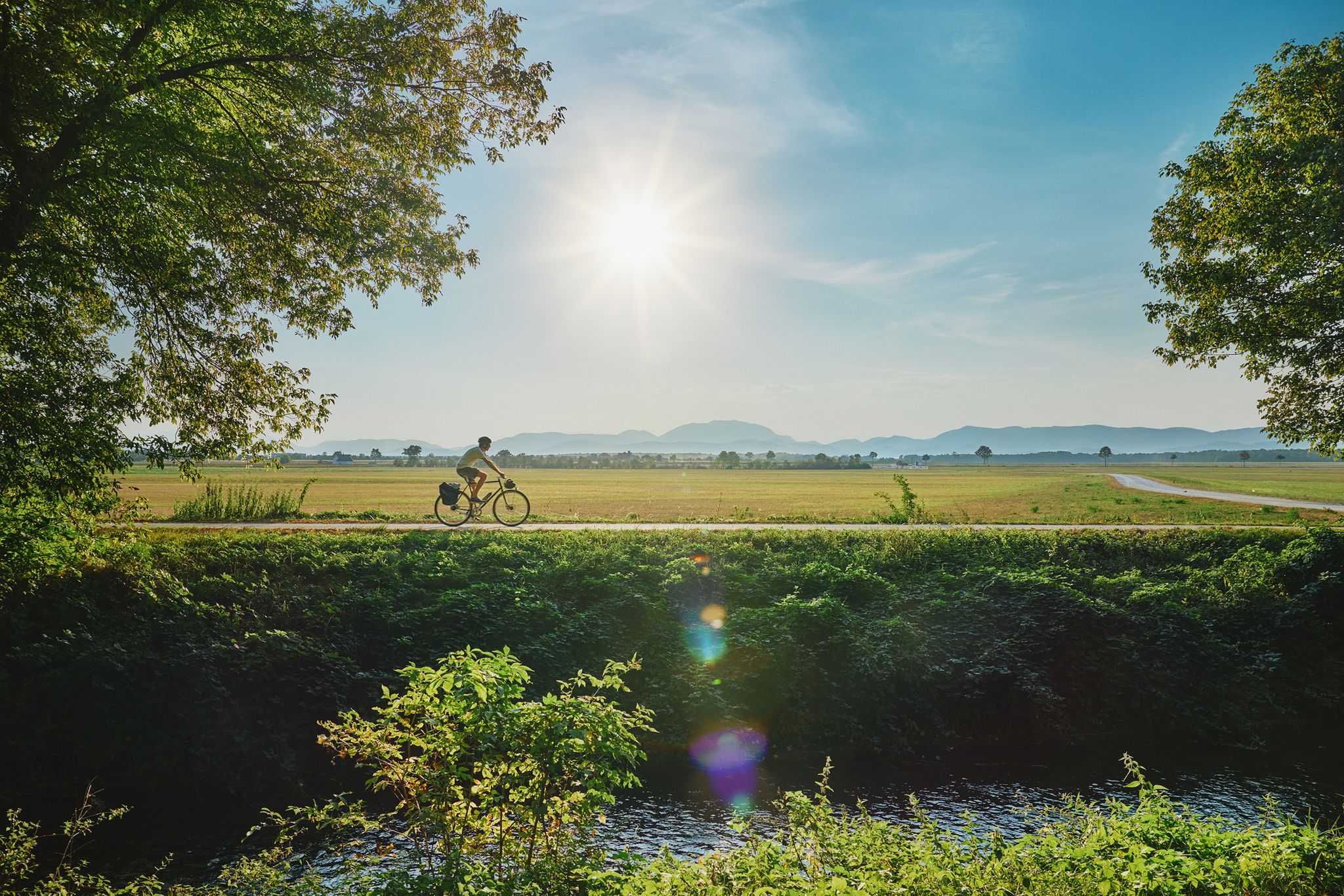
Superb cycling in the Vienna Alps – every day a new route
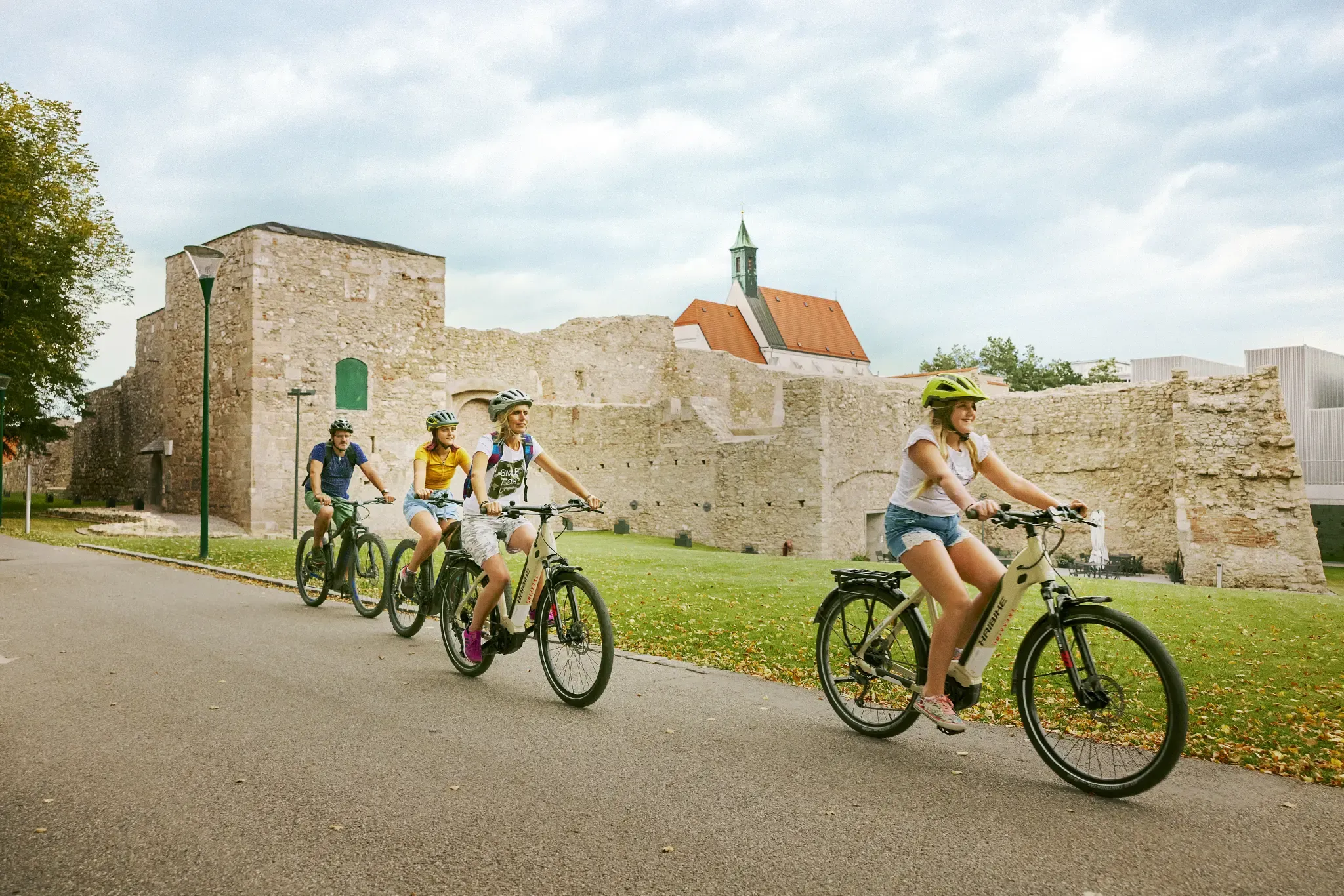
In all directions – bike rides out from Wiener Neustadt
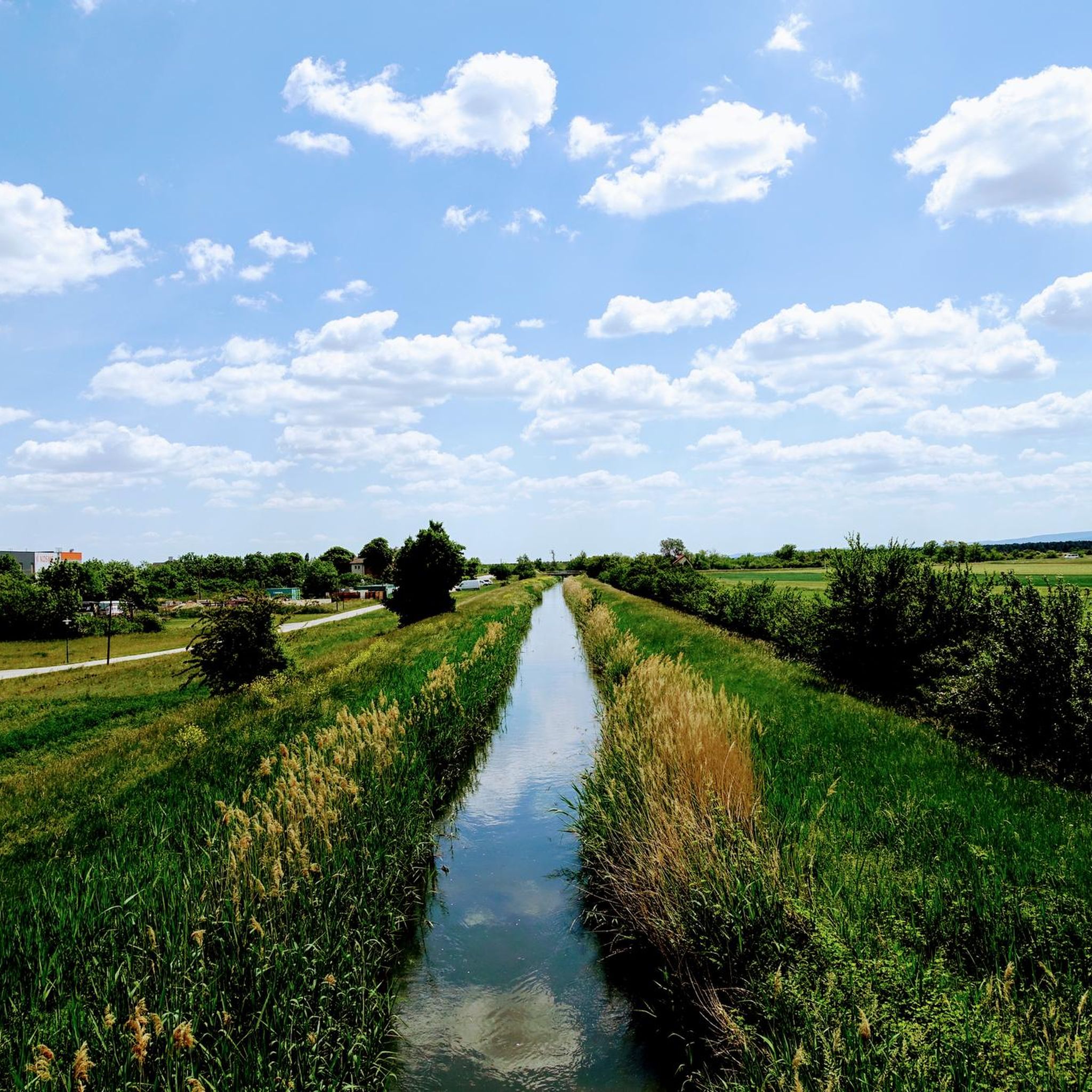
Cycling around Sollenau
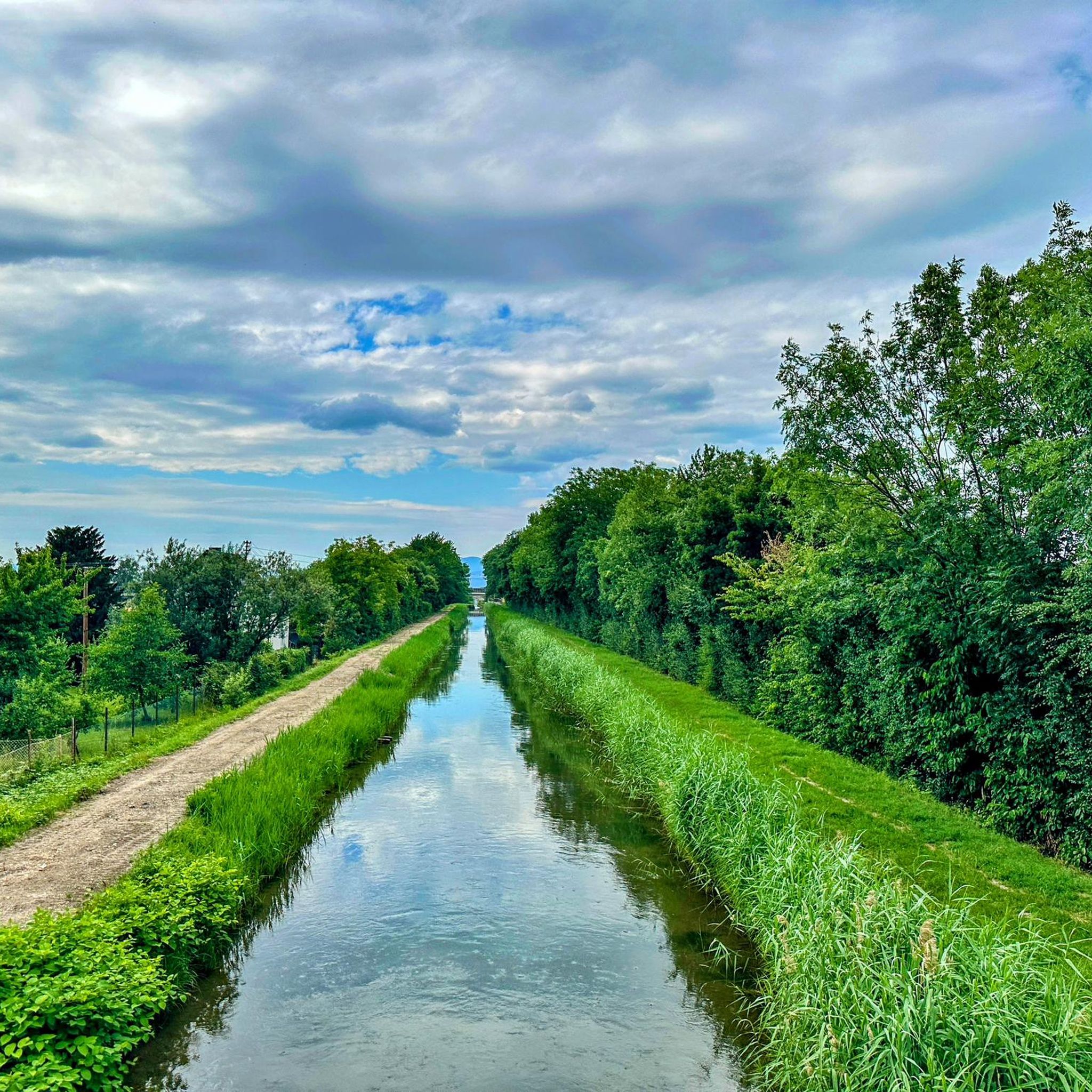
Road Cycling Routes around Sollenau
MTB Trails around Sollenau
Gravel biking around Sollenau
Running Trails around Sollenau
Hiking around Sollenau

Mountain Hikes around Sollenau


Tips from the Community

Inside the stone barn, remains of stone tools and ceramics have been found, and it is now assumed that this cave also served as a cult room from the Neolithic to the Iron Age (and possibly later). Its proximity to the Hoffmannshöhle suggests a resonance/connection.
1
0
In the cave there is a thermal spring, whose water temperature is indicated to be between 13 and 16.5 degrees Celsius.[1][2] The Eisensteinhöhle is located in a fault zone striking NNE-SSW and dipping at an average of 47°, directly at the edge of the Eastern Alps against the Vienna Basin and shows up to 5 superimposed gangways; its maximum horizontal extent is 147 m.
1
0
The people who lived in the Baden region around 3000 years ago were referred to as the "Baden culture" due to the sensational finds made around the so-called "Königshöhle" (King's Cave).
1
0
This is a former sand quarry for friction sand. Between the sand layers, there are sometimes large stones that are angular due to the rapid deposition at the time. The sandy material, also called "Gainfarner Dolmitsand", was formerly used as braking sand for the Vienna tram, and for brick production, etc.
0
0
The panoramic trail with a beautiful circular view over the market town and magnificent views into the valley begins at the Höhlturm (a small ruin that served as an observation post for the Starhemberg ruin) and, after a steep, sweaty climb on beautiful forest paths, leads to Henninger, which is not directly on the hiking trail.
1
0

A super great place that you should see
0
0

Unfortunately, part of the cave has collapsed, so entering the cave is prohibited.
0
0

Dolomite quarry with spectacular views of the Vöslauer "Grand Canyon"
0
0
Frequently Asked Questions
What are some of the most notable caves to explore near Sollenau?
The region around Sollenau offers a variety of interesting caves. Among the most popular are Höhlturm, a historical site near Wöllersdorf known for its size and archaeological findings, and King's Cave, a significant historical and natural monument. Another unique site is Steinerner Stadl, a natural rock bridge formed from a collapsed cave with archaeological importance.
Are there any historical caves or archaeological sites near Sollenau?
Yes, the area is rich in historical caves. King's Cave is particularly notable as the eponymous site for the Neolithic Baden culture in Austria, with findings dating back to the 12th century. The Höhlturmhöhle also has archaeological findings from the 12th to 20th centuries, indicating its long history of human interaction. Additionally, Steinerner Stadl, a natural rock bridge, is believed to have served as a cult room from the Neolithic period to the Iron Age.
Are there family-friendly caves or activities suitable for children near Sollenau?
While some caves require specific gear or experience, the Höhlturmhöhle near Wöllersdorf is relatively easy to access and offers a glimpse into local history and geology, making it suitable for families. For an adventurous experience that can be adapted for beginners and children (with proper safety equipment), the Frauenluckensteig on the Hohe Wand incorporates a distinctive cave feature within a via ferrata, leading to panoramic views from the Skywalk.
What kind of unique geological features can I find in the caves around Sollenau?
The region boasts diverse geological formations. The Steinerner Stadl is a unique natural rock bridge formed from a collapsed cave. The Eisenstein Cave is a significant thermal cave, characterized by its warm temperatures, 100% humidity, and formations like coral and popcorn sinter. The Höhlturmhöhle features an impressive 'Tanzsaal' (dance hall) with excavated round arches.
Are there caves near Sollenau suitable for experienced cavers seeking a challenge?
Yes, for experienced cavers, the Myralucke Cave on the Unterberg presents a significant challenge. It is an episodically active water cave requiring specialized equipment like diving gear and rubber dinghies to navigate its siphon sections. The Eisenstein Cave also offers a challenging guided tour, involving climbing over loamy steps and iron ladders in a 73-meter deep system.
Can I combine caving with other outdoor activities like climbing near Sollenau?
Absolutely. The Frauenluckensteig on the Hohe Wand is a popular via ferrata that integrates a cave feature, offering a unique combination of rock climbing and underground passage. For general outdoor activities, there are numerous hiking trails, cycling routes, and running trails around Sollenau that can be explored before or after visiting the caves.
What should I wear or bring for cave exploration near Sollenau?
For most accessible caves, comfortable clothing and sturdy shoes are recommended. For more challenging caves like the Eisenstein Cave, guided tours typically require helmets, overalls, boots, and a carbide lamp. Even in warmer months, caves maintain a cool temperature (e.g., +13°C in Eisenstein Cave), so a light jacket or warm layers are advisable. Always check specific requirements for each cave you plan to visit.
Are there any hidden or less-known caves around Sollenau?
The Finkenhaus Cave is mentioned as being hidden in the forest, a little off the path, offering a more secluded and less commercialized experience. It's marked with a cadastral number (1864/42) and appears as a wide rock niche with interesting geological features.
What is the best time to visit the caves near Sollenau?
Many caves maintain a consistent temperature year-round, making them suitable for exploration in various seasons. However, accessibility to some caves or their surrounding areas might be affected by weather conditions. For instance, the Myralucke Cave is an episodically active water cave, meaning its conditions can vary. Generally, spring to autumn offers pleasant weather for combining cave visits with outdoor activities like hiking or cycling in the region.
How can I get to the caves near Sollenau using public transport?
While Sollenau itself is a good starting point, specific public transport options to individual caves vary. For example, to reach the Höhlturmhöhle near Wöllersdorf, you would typically take public transport to Wöllersdorf and then proceed from there. For the Hohe Wand area, where the Frauenluckensteig is located, bus services might be available from nearby towns. It's recommended to check local bus and train schedules for the most up-to-date travel information to specific cave locations.
What do visitors enjoy most about the caves around Sollenau?
Visitors appreciate the diverse experiences offered by the caves. Many enjoy the historical significance and archaeological insights provided by sites like King's Cave and Höhlturm. The unique geological formations, such as the natural rock bridge of Steinerner Stadl or the thermal features of Eisenstein Cave, are also highly valued. For adventurous visitors, the combination of climbing and caving at Frauenluckensteig is a highlight.
Most popular routes around Sollenau
Most popular attractions around Sollenau

Get inspired with the komoot mobile app


Explore more
Extend your search for the best caves by checking out these guides of the top ones around Sollenau:
