Top 17 Castles around Lanzenkirchen
Best castles around Lanzenkirchen include historical sites such as Schloss Frohsdorf and the remnants of Burg Lanzenkirchen. The region features a mix of well-preserved Baroque architecture and archaeological sites, providing insights into centuries of Austrian history. Lanzenkirchen is situated in an area with varied terrain, offering opportunities to explore historical landmarks within a natural landscape. These sites contribute to the cultural significance of the area, attracting visitors interested in historical fortifications and architectural evolution.
Best castles around Lanzenkirchen
- The most…
Last updated: October 4, 2026
Türkensturz Ruins
Highlight • Castle
Translated by Google •
Tip by

Seebenstein Castle
Highlight • Castle
Translated by Google •
Tip by

Sign up now to discover places like this
Get recommendations on the best single tracks, peaks, & plenty of other exciting outdoor places.
Forchtenstein Castle
Highlight • Castle
Translated by Google •
Tip by

Theresian Military Academy, Wiener Neustadt
Highlight • Castle
Translated by Google •
Tip by
Eichbüchl Castle
Highlight • Castle
Translated by Google •
Tip by

Sign up for free to discover even more castles around Lanzenkirchen.
Already have an account?
Start today with a free account
Your next adventure awaits.
Popular around Lanzenkirchen
Superb cycling in the Vienna Alps – every day a new route
Ride & Relax – Mit dem Rad in den Wiener Alpen
Hiking around Lanzenkirchen
Cycling around Lanzenkirchen
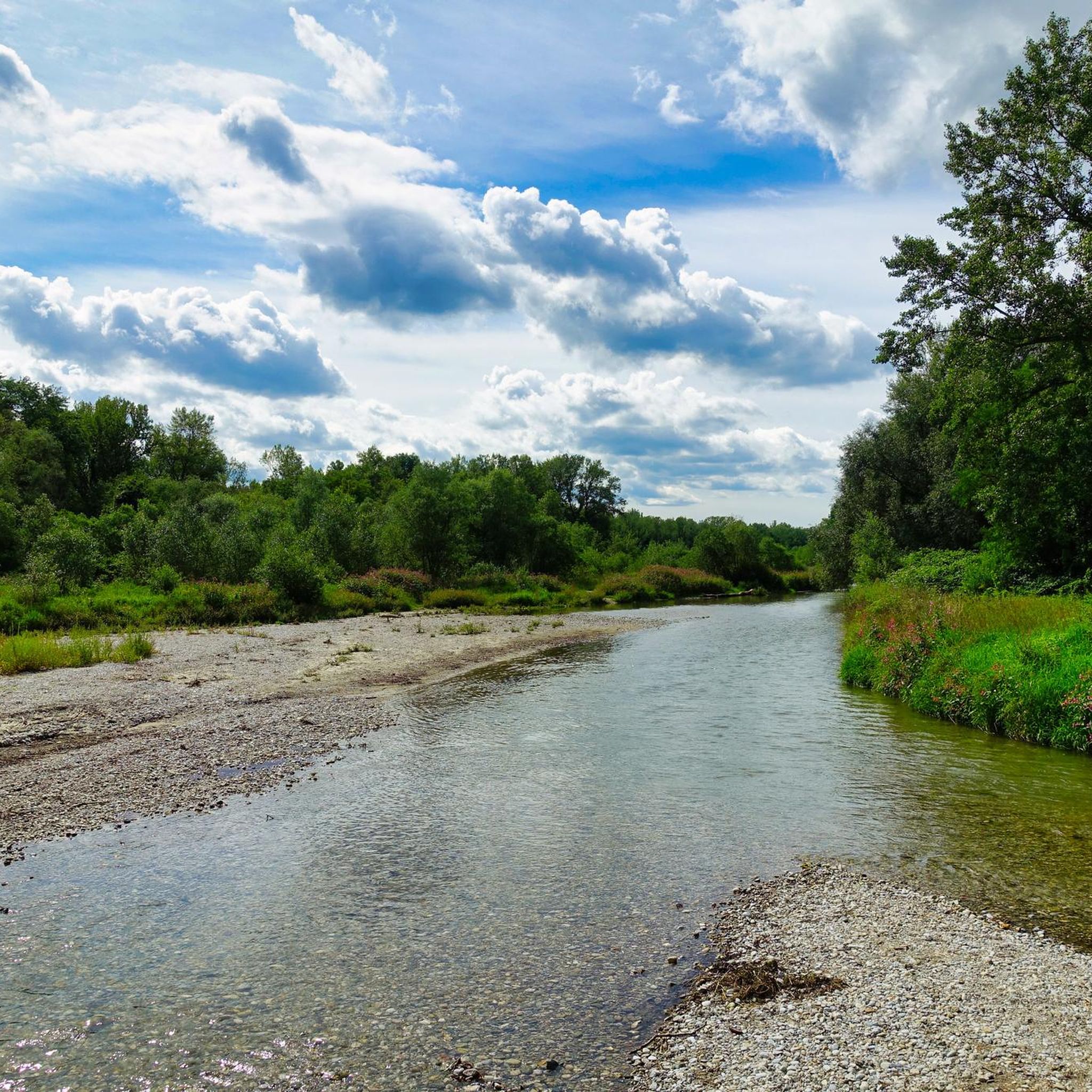
Running Trails around Lanzenkirchen
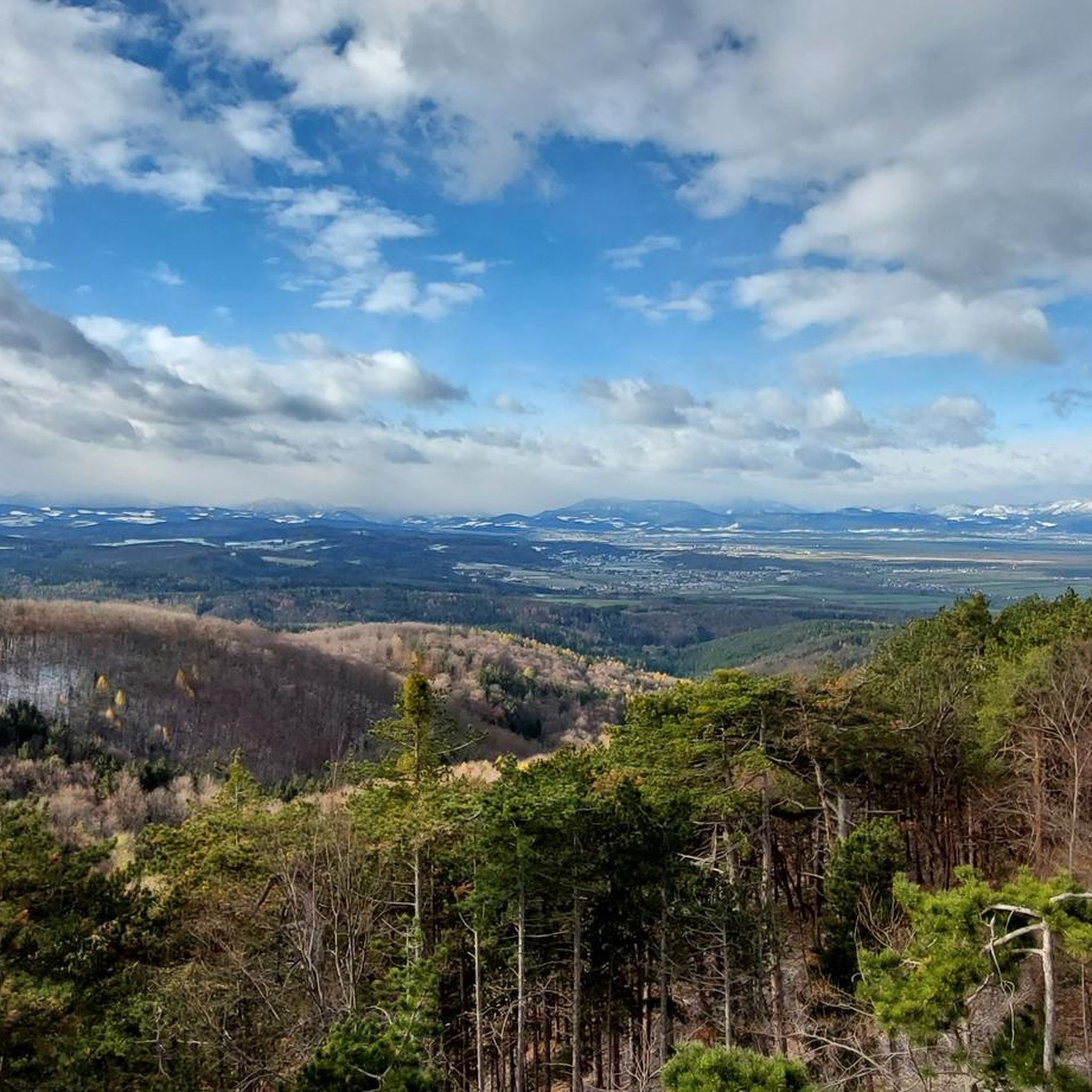
Road Cycling Routes around Lanzenkirchen
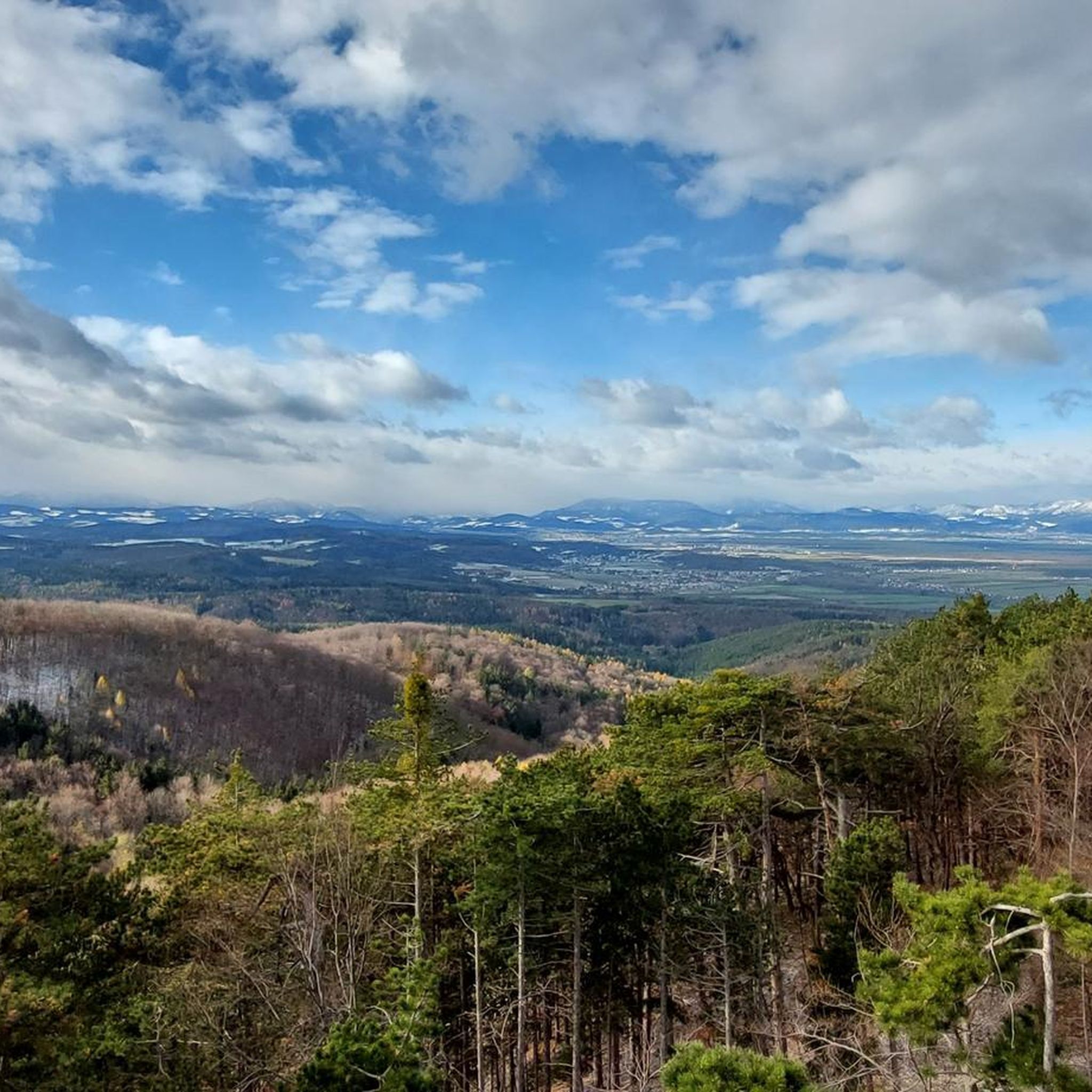
MTB Trails around Lanzenkirchen
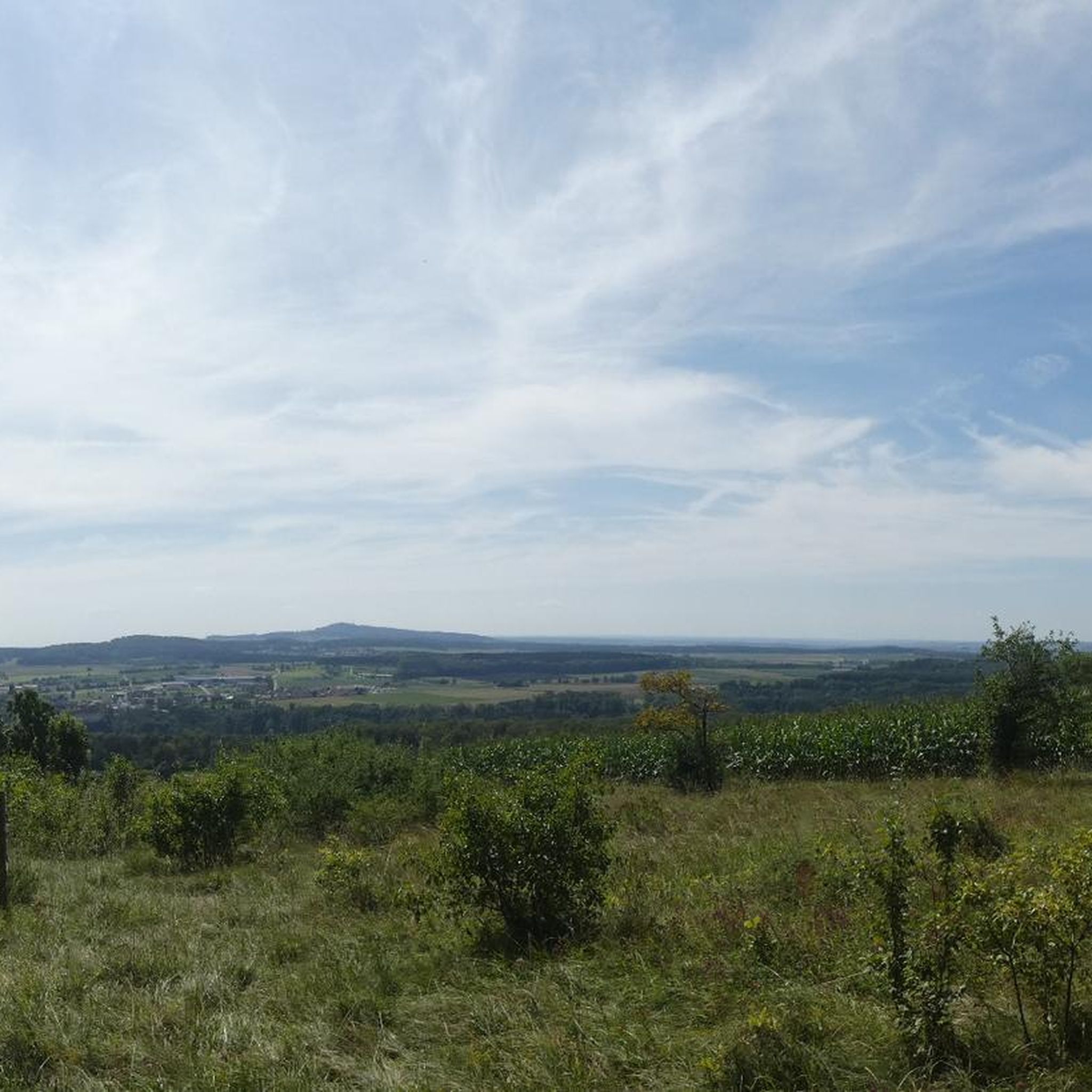
Gravel biking around Lanzenkirchen
Mountain Hikes around Lanzenkirchen

Tips from the Community

Founded in 1751 by Empress Maria Theresa, the educational institution is considered the world's oldest military academy still used for its original purpose. The historic Wiener Neustadt Castle, which previously served as the imperial residence of Frederick III and Maximilian I, among others, serves as the central campus. Today, the traditional institution, as part of the Austrian Armed Forces, is primarily dedicated to the in-depth training and further education of leaders and troop officers.
2
0

Schloss Eichbüchl (Aichbüchl) was probably built in the 14th century by the Lords of Vierdung. According to other sources in Wiener Neustadt, it was supposedly only built between 1558 and 1566. It is possible that a first castle was destroyed during the First Turkish Siege in 1529 and that the current castle was rebuilt slightly off to the side.
1
0
In September 1532, a Turkish army was decisively defeated near Enzesfeld-Fischau. Light Turkish horsemen (Akıncıs) were scattered into the Pittental valley. They are said to have been chased by enraged peasants over the rocks near Gleißenfeld and driven to their deaths - the "Türkensturz" (Turk's Fall). To commemorate this, Prince von und zu Liechtenstein had an artificial ruin erected here in 1824/25.
3
0
The castle was built about 50 years after the founding of the city in 1192 as a military base for the last Babenberg, Frederick II the Quarrelsome. Over the centuries, it was continuously expanded and used for new purposes. Emperor Frederick III had the castle fundamentally rebuilt, giving it its present appearance for the most part. For Emperor Frederick III and his son Maximilian I, Wiener Neustadt was an important imperial residence. Emperor Maximilian I was born and baptized in the castle in Wiener Neustadt and spent his youth years here. From here, the Holy Roman Empire was expanded. It reached such great dimensions that "the sun never set". After the death of Maximilian I.
2
0

The castle's history dates back to the 14th century, but it is shaped by the fateful days of April 1945. Commissioned by Stalin, Dr. Karl Renner spent twelve busy days at Eichbüchl Castle developing the basic structures of the Second Republic. At the same time, he prepared the formation of a provisional government, and as its Chancellor, he finally announced Austria's declaration of independence in Vienna on April 27, 1945. Eichbüchl Castle thus found its indelible place in the history books as the birthplace of the Second Republic. More on the history: https://de.wikipedia.org/wiki/Schloss_Eichb%C3%BCchl
0
1

The tower of the Turk's fall collapsed. With it, the crescent moon at the top also fell into the depths (the district papers reported). Now the crescent could be found. GLEISSENFELD (ts/e_peinsipp). The Turk's Fall is a landmark that can be seen from afar for the nature park and the hiking area with historical significance. But recently part of the ruin, which was artificially created over 200 years ago, collapsed. Parts of the boulders rolled through the forest to the hiking trails that began in the valley. Now the long-lost crescent that sat at the top of the Turk's Fall Tower could be handed over to the community again. Source: www.meinkreis.at/neunkirchen/c-lokales/tuerkenjagd-ruine-brueder-retteten-halbmond_a5996874
26
3

Beautiful castle complex, there are also interesting exhibitions to see.
5
0

Military academy a short walk from the main station. You can walk around the outside and it is beside a large park.
1
0
Frequently Asked Questions
What is the historical significance of Schloss Frohsdorf in Lanzenkirchen?
Schloss Frohsdorf is a significant heritage castle with roots tracing back to the 12th century. It was rebuilt in the Baroque style after 1683 and later incorporated classical elements. The castle served as a residence for various noble families, including Marie-Thérèse of France and Henri, Count of Chambord, showcasing its deep connections to European royalty. Today, it stands as a well-preserved monument offering insights into Austrian garden and architectural history.
Are there any older, less-preserved historical castle sites near Lanzenkirchen?
Yes, Burg Lanzenkirchen is an older, now ruined, water castle located on the southern bank of the Leitha river. Built in the first half of the 12th century, it fell into disrepair by the 16th century. While no standing masonry remains today, archaeological excavations have uncovered remnants from the 12th to 15th centuries, offering a tangible connection to the area's medieval past.
Which castles near Lanzenkirchen offer public access or guided tours?
Several castles in the area offer public access or tours. Seebenstein Castle provides guided tours to explore its courtyards and interiors. Forchtenstein Castle has a freely accessible courtyard, and guided tours are also available. For the Theresian Military Academy in Wiener Neustadt, guided tours are sometimes offered, especially during special events.
Are there family-friendly castles to visit around Lanzenkirchen?
Yes, both Seebenstein Castle and Forchtenstein Castle are considered family-friendly. They offer impressive historical settings that can be engaging for all ages. The Theresian Military Academy in Wiener Neustadt also hosts family-friendly events occasionally.
What kind of natural features or viewpoints can I find near the castles?
The region around Lanzenkirchen offers several natural features and viewpoints. The Türkensturz Ruins, for example, is a historical site that doubles as a wonderful vantage point, rewarding visitors with excellent views after a steep ascent. Seebenstein Castle and Forchtenstein Castle also offer impressive views of the surrounding landscapes and villages.
What outdoor activities can I do near the castles around Lanzenkirchen?
The area around Lanzenkirchen is excellent for outdoor activities. You can find various running trails, including moderate loops like the 'Scheibel Au Nature Reserve loop from Lanzenkirchen'. For more challenging adventures, there are mountain hikes, such as the 'Mountaineering loop from Gleißenfeld'. Additionally, gravel biking routes like the 'Akademiepark Wiener Neustadt – Leitha River in Lanzenkirchen loop' are available.
Are there hiking trails that incorporate castle visits?
Yes, many hiking routes in the region allow you to combine nature exploration with castle visits. For instance, the area around Türkensturz Ruins is popular with hikers. You can find various mountain hikes that pass by or offer views of historical sites, providing a blend of scenic beauty and historical discovery.
What is the best time of year to visit the castles in Lanzenkirchen?
The castles around Lanzenkirchen are generally pleasant to visit during spring, summer, and early autumn. These seasons offer milder weather, making it ideal for exploring castle grounds, gardens, and enjoying outdoor activities like hiking. Some castles, like Forchtenstein Castle, are open daily from March to early November, aligning with these favorable periods.
Are there any castles near Lanzenkirchen that are wheelchair accessible?
Information on specific wheelchair accessibility for all castles is limited. However, historical sites often present challenges due to their age and architecture. It is advisable to check directly with individual castle administrations for detailed accessibility information before planning your visit, especially for older structures like Seebenstein Castle or Forchtenstein Castle.
Can I bring my dog to the castles or on nearby trails?
While many outdoor trails in the Lanzenkirchen region are dog-friendly, policies for bringing dogs inside castle grounds or buildings vary. For example, the castle courtyard at Forchtenstein Castle is freely accessible, which might allow for dogs on a leash, but it's best to confirm with each specific castle regarding their pet policies before your visit.
Where can I find parking facilities when visiting castles in the Lanzenkirchen area?
Parking availability varies by castle. Larger, more popular sites like Forchtenstein Castle typically have designated parking areas for visitors. For other castles or ruins, parking might be available in nearby villages or designated trailheads. It's recommended to check specific visitor information for each castle you plan to visit.
What are some lesser-known historical sites or hidden gems near Lanzenkirchen's castles?
Beyond the prominent castles, the region holds other historical points of interest. Eichbüchl Castle, for instance, is a listed building often referred to as the birthplace of the Second Republic of Austria, due to events that took place there in 1945. While privately owned, its historical significance makes it a notable hidden gem.
Most popular routes around Lanzenkirchen
Most popular attractions around Lanzenkirchen

Get inspired with the komoot mobile app


Explore more
Looking for the best castles somewhere else? Discover other guides around Lanzenkirchen:
