Top 15 Castles around Gnadendorf
Best castles around Gnadendorf are situated in a region characterized by its natural landscape, including its location at the foot of Mount Buschberg and within the Leiser Berge Nature Park. The area features historical sites such as the St. John the Baptist parish church, known for its baroque interior. Archaeological discoveries, including a 10th-century Hungarian horse rider's grave, highlight the region's rich past. Gnadendorf offers a blend of natural beauty and historical significance for explorers.
Best castles around Gnadendorf
- The…
Last updated: June 24, 2026
MAMUZ Castle Asparn/Zaya
Highlight • Castle
Translated by Google •
Tip by

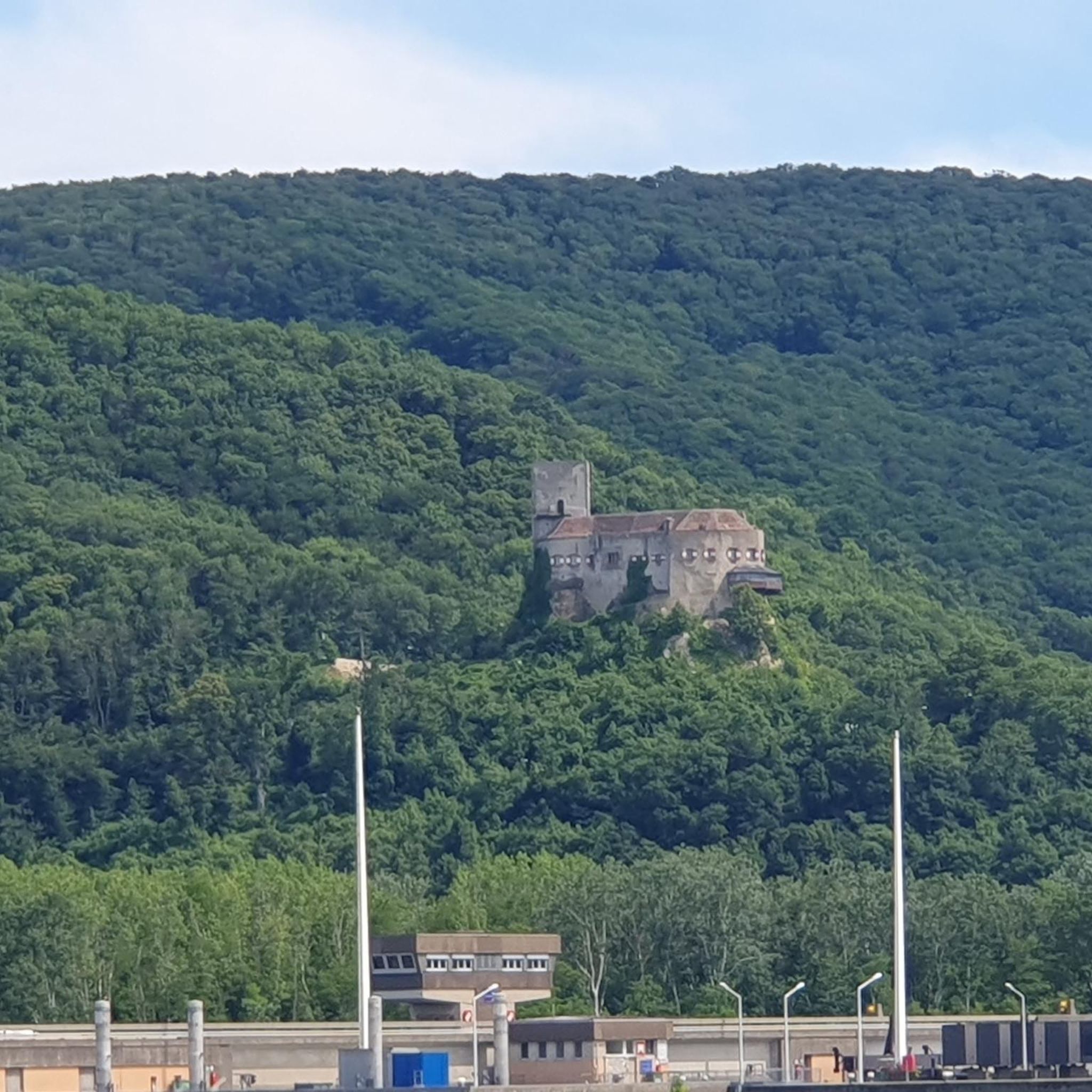
Hanselburg Ruins
Highlight • Castle
Translated by Google •
Tip by
Sign up now to discover places like this
Get recommendations on the best single tracks, peaks, & plenty of other exciting outdoor places.
Sign up for free
Ernstbrunn Castle
Highlight • Castle
Translated by Google •
Tip by

Loosdorf Castle
Highlight • Castle
The castle museum …
Translated by Google •
Tip by

Niederleis Castle
Highlight • Castle
Translated by Google •
Tip by

Sign up for free to discover even more castles around Gnadendorf.
Sign up for free
Already have an account?
Start today with a free account
Your next adventure awaits.
Login or Signup
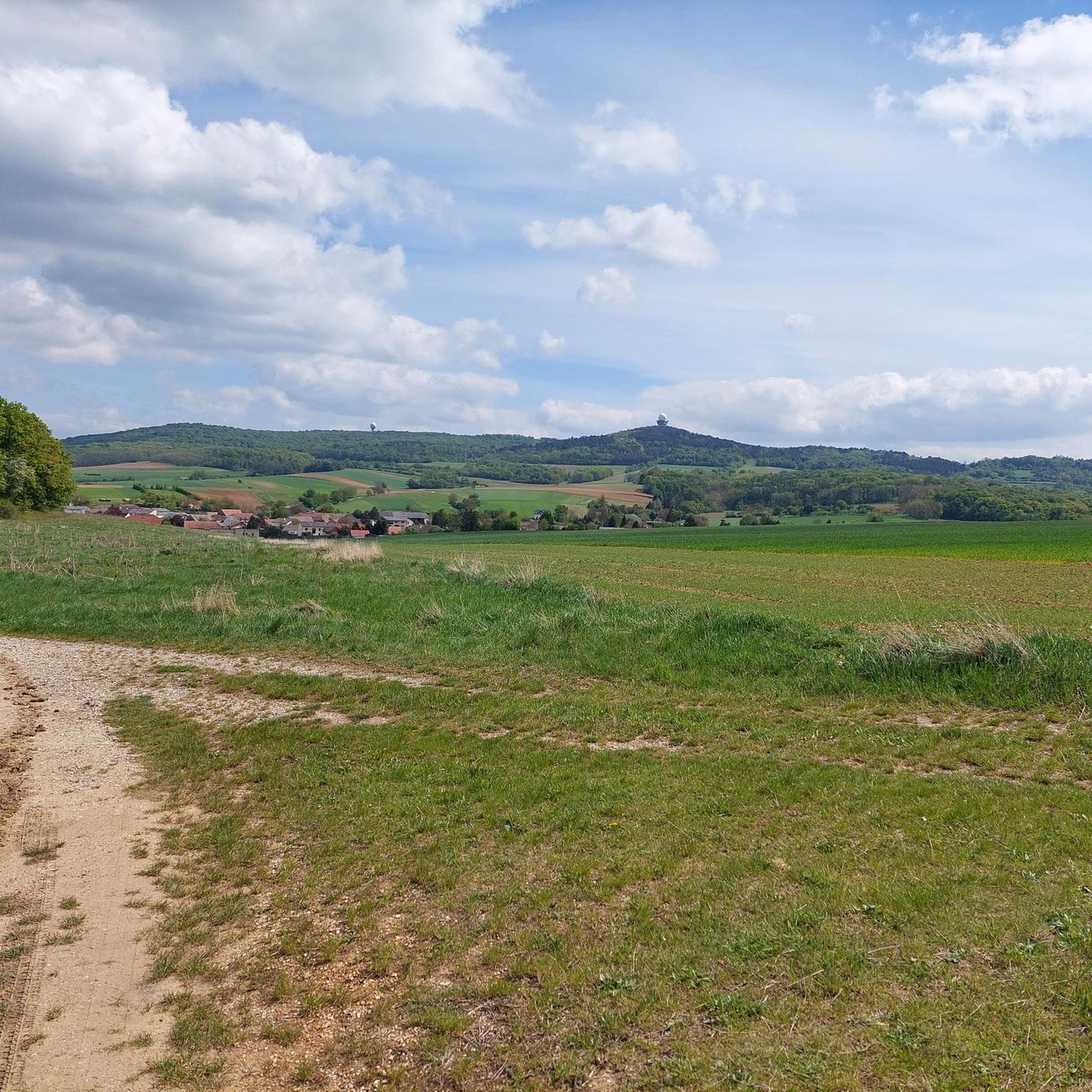
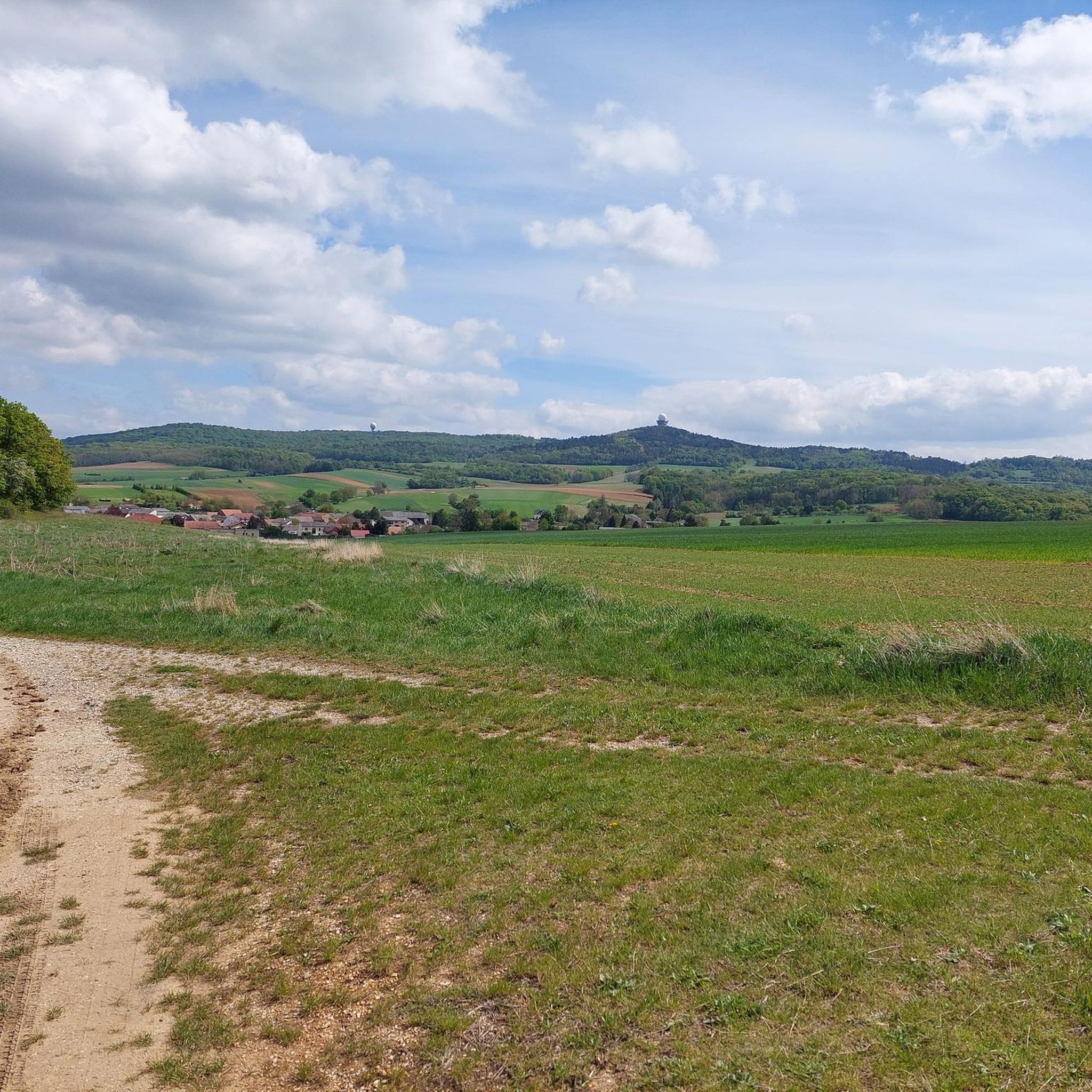
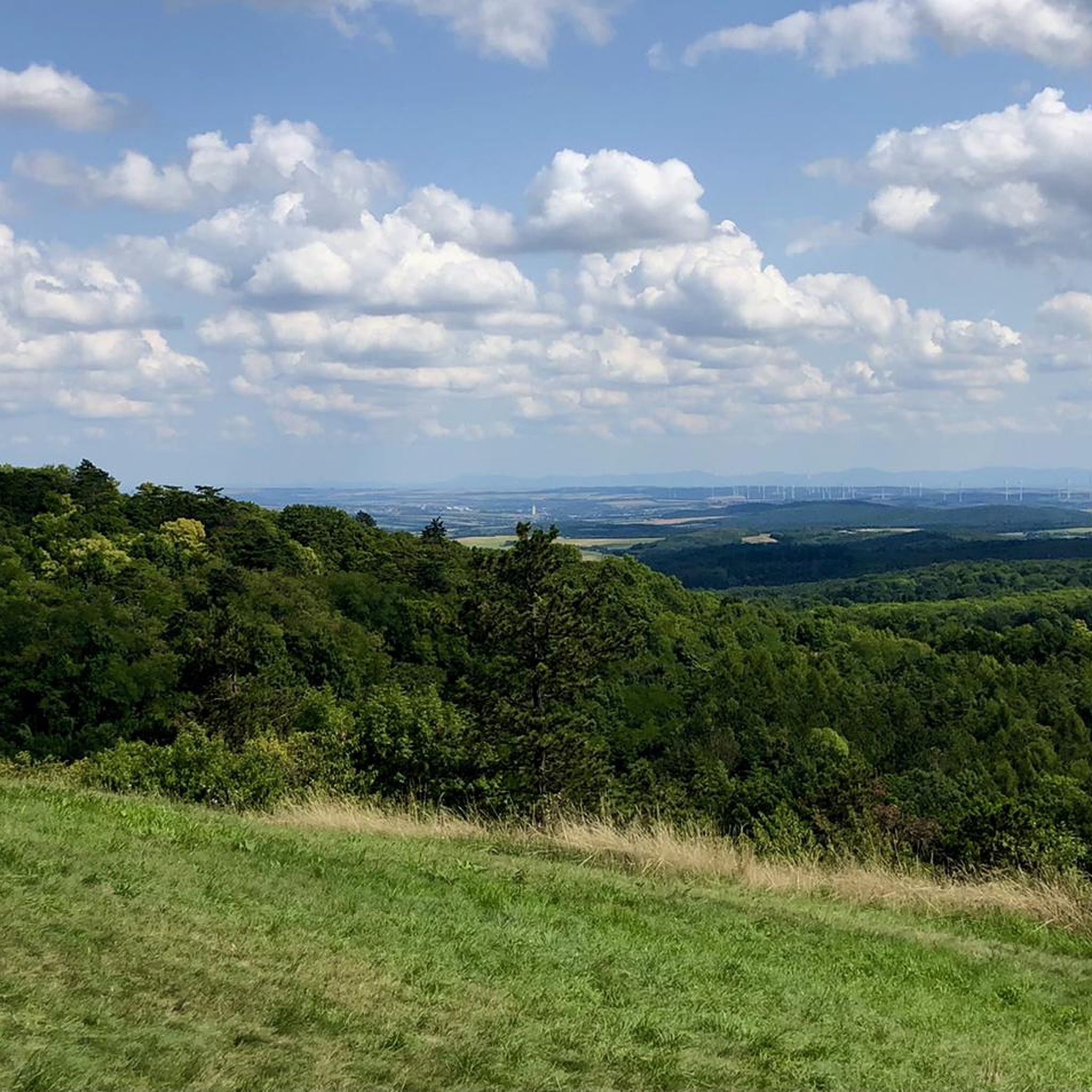
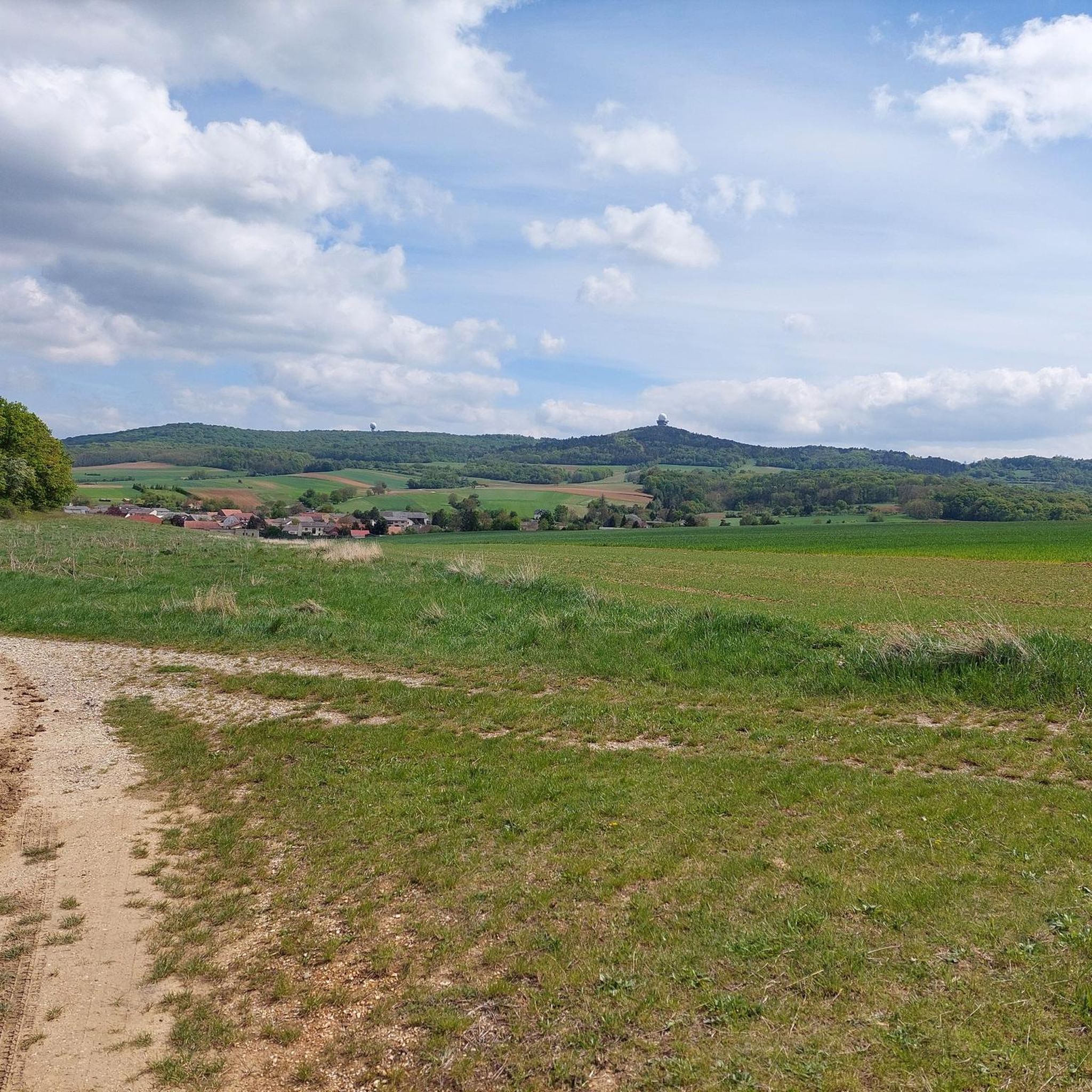
Tips from the Community

19th-century castle, still owned by the Princes Reuss, who still live there today.
0
0

Beautiful castle ruins, which were supposedly built as ruins from the start.
0
0

See a beautiful castle in the Weinviertel
0
0

Privately owned by the Schaffgotsch family. Since the 1980s, the castle has been extensively renovated and the historic moat has also been restored. Today the castle's knight's hall is a popular venue for concerts, wedding banquets and balls. The castle museum is also open to visitors by appointment. More about the story: https://de.wikipedia.org/wiki/Schloss_Niederleis
0
0
The Hanselburg is the artificial ruin of a hilltop castle. In 1800, Prince Johann I of Liechtenstein had the romantic artificial ruin built on the remains of an old local mountain complex as a hunting pavilion and snack bar.
0
0
The construction of the entire complex stretches from the 11th to the 18th century. Ernstbrunn Palace was the seat of the respective rulers of Ernstbrunn. The Reuss-Köstritz family has managed this castle for centuries. More about the story: https://de.wikipedia.org/wiki/Schloss_Ernstbrunn
0
0

Built by Prince Lichtenstein in the 18th century.
2
1

The castle is in the north of the village of Niederleis in the middle of a park and was formerly surrounded by a moat. https://de.wikipedia.org/wiki/Schloss_Niederleis
1
0
Frequently Asked Questions
What types of castles can I explore around Gnadendorf?
The area around Gnadendorf offers a diverse range of castles and historical sites. You can find romantic artificial ruins like the Hanselburg Ruins, historical fortifications such as the Ruins of Staatz Castle, and even castle-museums like MAMUZ Castle Asparn/Zaya, which combines history with interactive exhibitions.
Are there any family-friendly castles or activities near Gnadendorf?
Yes, MAMUZ Castle Asparn/Zaya is particularly family-friendly. It offers interactive exhibitions and an archaeological open-air area where visitors can experience 40,000 years of humanity through faithful replicas of ancient living environments and craft houses. They also offer workshops on old craft techniques like spear throwing, archery, and pottery.
Which castles offer the best views of the surrounding landscape?
For panoramic views, the Ruins of Staatz Castle are highly recommended. Situated on a limestone cliff, it provides an excellent vantage point over the area. On clear days, you can even see parts of the Czech Republic. The Hanselburg Ruins also offer scenic views from its wooded hill.
What historical significance do the castles around Gnadendorf hold?
The castles and ruins in this region reflect various periods of history. For instance, the Hanselburg Ruins were built in 1800 as a romantic artificial ruin and hunting pavilion by Prince Johann I of Liechtenstein. The Ruins of Staatz Castle date back to the 11th century, though it was destroyed in 1645 during the Thirty Years' War. MAMUZ Castle Asparn/Zaya focuses on presenting 40,000 years of human history through archaeological finds.
Are there hiking opportunities near the castles around Gnadendorf?
Yes, the region around Gnadendorf, including areas near some castles, offers various hiking opportunities. For example, a path leads from Loosdorf to the Hanselburg Ruins. The Staatzer Berg, where the Ruins of Staatz Castle are located, is also a popular spot for walks. You can find more hiking routes in the area, including easy hikes, by exploring the Easy hikes around Gnadendorf guide.
Can I find guided tours at any of the castle sites?
Yes, at the Staatz Castle Ruins and Staatzer Berg, regular guided hikes are offered from May to October, typically every Sunday at 3 p.m. These tours provide insights into the region's history. A Betty Bernstein family hike is also offered on the last Sunday of each month.
What is the best time of year to visit the castles near Gnadendorf?
The best time to visit is generally from spring to autumn (May to October) when the weather is pleasant for exploring ruins and enjoying outdoor activities. This period also aligns with the availability of guided hikes at sites like the Ruins of Staatz Castle. However, the Staatzer Berg and its ruins can be visited year-round.
Are there any cycling routes that pass by or near these castles?
Yes, the broader region around Gnadendorf offers various cycling opportunities. While not directly at every castle, you can find MTB and gravel biking routes in the area. For example, you can explore routes in the MTB Trails around Gnadendorf guide or the Gravel biking around Gnadendorf guide.
What amenities are available near the castles, such as cafes or accommodation?
While Gnadendorf itself is known for its natural landscape, specific amenities like cafes or accommodation directly adjacent to each castle ruin may vary. For example, the Hanslburger Rundwanderweg, which passes the Hanslburg Ruins, starts at Gasthaus Skrabal in Wultendorf, where you can find refreshments. For broader options, you would typically look to nearby towns and villages in the Weinviertel region.
Are the castles around Gnadendorf accessible by public transport?
Information on direct public transport to every specific castle ruin is limited. Many of these historical sites, especially ruins like Hanselburg, are located in more natural, wooded areas and may require a short walk or a private vehicle to reach. It's advisable to check local transport schedules for the nearest towns and plan accordingly.
What makes the Leiser Berge Nature Park, near Gnadendorf, special for visitors?
The Leiser Berge Nature Park, where Gnadendorf is located, is characterized by its rolling hills, forests, and unique geological features like the Staatzer cliff. It offers a blend of natural beauty and historical elements, providing opportunities for hiking, cycling, and enjoying scenic viewpoints. The park's landscape contributes to the overall experience of visiting the castles and ruins in the area.
Are there any other significant historical sites in the Gnadendorf area besides castles?
Yes, Gnadendorf and its immediate surroundings are rich in history beyond castles. The St. John the Baptist parish church is notable for its baroque interior and historical circular wall and moat. Archaeological discoveries, such as a 10th-century Hungarian horse rider's grave and 16th-century silver coins, highlight the region's ancient past. You can find more information about the municipality on lower-austria.info.
Most popular routes around Gnadendorf
Most popular attractions around Gnadendorf

Get inspired with the komoot mobile app


Explore more
Looking for the best castles somewhere else? Discover other guides around Gnadendorf:
