Attractions and Places To See around Drösing - Top 20
Attractions and places to see around Drösing offer a blend of historical sites, natural landscapes, and cultural experiences. Situated on the Morava River along the Slovakian border, the area is characterized by its floodplains, rolling hills, and expansive fields. Visitors can explore traditional village structures and significant landmarks. The region provides opportunities for outdoor activities and insights into local history.
Best attractions and places to see around Drösing
- The most popular attractions is Oil Derrick Installation and Petroleum Museum Neusiedl an der Zaya, a man-made monument that features an art installation of 7 old winding towers. This site also includes an oil museum from the 1980s, documenting the region's oil history.
- Another must-see spot is Palterndorf Watchtower, a historical site first mentioned in 1414. This largely original Gothic defense tower is considered a rarity, being the only one of its kind north of the Danube.
- Visitors also love Jedenspeigen Castle, a four-winged building from the 16th and 17th centuries. The castle houses a permanent exhibition about the Battle of Dürnkrut and Jedenspeigen.
- Drösing is known for its historical sites, castles, and natural features like the Morava River floodplains. The region offers a variety of attractions to see and explore, including cycling routes and opportunities for hiking.
- The attractions around Drösing are appreciated by the komoot community, with 18 upvotes and 5 photos shared by visitors.
Last updated: August 16, 2026
Dürnkrut Castle
Highlight • Castle
Translated by Google •
Tip by

Palterndorf Watchtower
Highlight • Historical Site
Open from April 1st to October 31st
Monday - Sunday 10 a.m. - 5 p.m.
Defense tower
The mighty defense tower that stands in the middle of Palterndorf is a wonderful stone witness of the Middle Ages.
The tower was first mentioned in a document in the Liechtenstein land register of 1414 ("... so there is a courtyard there, the tower is in place ...") and then belonged to the Liechtensteiners. It was part of an apparently fortified courtyard.
The defense tower was once enclosed by a wall and moat. The tower was built from rubble stones and has a wall thickness of over one meter, a base area of 8 by 8 meters and a height to the eaves of 14 meters.
The ground floor has a barrel vault and is accessible through a door that was added later. The original entrance to the tower is the high entry on the first floor. This could only be reached by a ladder, which provided better protection in an emergency, because the ladder could be pulled in and this made it difficult for the attackers to get into the tower. The legend tells that there was an underground escape route from the fortified tower to the fortified church. Originally, the tower should have had a fortified end.
The largely original Gothic village tower is an extraordinary rarity across the country and is the only one of its kind north of the Danube. It is a testimony to the home decor, storage and refuge in the Gothic era. This fact gives it special historical, artistic and cultural significance.
palterndorf-dobermannsdorf.riskommunal.net/system/web/video.aspx?detailonr=224947416
Source: palterndorf.at/Freizeit_Vereine/Tourismus/Wehreurm
Translated by Google •
Tip by

Sign up now to discover places like this
Get recommendations on the best single tracks, peaks, & plenty of other exciting outdoor places.
Sign up for free
Jedenspeigen Castle
Highlight • Castle
Translated by Google •
Tip by

Oil Derrick Installation and Petroleum Museum Neusiedl an der Zaya
Highlight • Monument
What's new: 7 old winding towers, which are now an art installation reminiscent of the old days when Neusiedl even had its own ski lift ...
The oil museum and the derrick installation are located on the exit from the village in the direction of Ortisei (museum if you register in advance at the municipal office).
Translated by Google •
Tip by

Hauskirchen Castle
Highlight • Castle
Story:
House churches were probably founded around 1100 by Hugo of Liechtenstein under the name "Hugeschirichen". It originally only consisted of a fortified building and a small church. In 1110 he also founded the associated parish. After 1142, Wichard von Stronsdorf from the Chadolde clan handed over the “Hugeschirchen” estate to Klosterneuburg Abbey. According to Dopsch, the name "Hugo" contained in the place name could be identical to Hugo I of Liechtenstein, who was wealthy in the area and appears in documents several times between 1120 and 1243.
Around 1200, Gerbirgis von Eibesthal gave the monastery new ownership of house churches in the form of three and a half peasant fiefs. In 1312 Hermann von Eibesthal sold local property to the duke. In 1319 a “Frewe von Hauskirchen” appeared. In 1590, splinter ownership of various noble families can already be identified, including: Liechtenstein, Fünfkirchen and Joseph Gröbl. Hans Nußkircher named himself after the place in 1590. In 1599 the property passed to Hans Reinhard Ehrenreiter, who probably built the castle around 1602/03. The castle can probably only be seen as an indirect successor to the older seat. In 1838 Hauskirchen belonged to the Knights of Gyra, and in 1846 it belonged to Liechtenstein again.
Translated by Google •
Tip by

Sign up for free to discover even more attractions around Drösing.
Sign up for free
Already have an account?
Start today with a free account
Your next adventure awaits.
Login or Signup

Tips from the Community


Hauskirchen Castle: This early Baroque castle, significantly altered over the centuries, originally formed a fortified complex together with the Hauskirchen parish church. Franz Anton Pilgram was involved in the planning of the elongated Baroque building of Prinzendorf Castle.
0
0

Renaissance castle with diorama of the battle of King Ottokar of Bohemia and Rudolf of Habsburg (1278), remarkable castle chapel and Sala Terrena; castle museum with a focus on "archaeology and paleontology".
2
0


The castle, a mighty two-story square building with a defensive moat, was mentioned in writing as early as 1296. Today, including the area in front of and around the castle, the cultural center of the community, where numerous interesting musical events take place every year. More about the story: https://de.wikipedia.org/wiki/Schloss_Jendenspeigen
0
0
The community bought the castle in 1960 and sold it in 1967. The castle is now owned by several families. Story: House churches were probably founded around 1100 by Hugo of Liechtenstein under the name "Hugeschirichen". It originally only consisted of a fortified building and a small church. In 1110 he also founded the associated parish. After 1142, Wichard von Stronsdorf from the Chadolde clan handed over the “Hugeschirchen” estate to Klosterneuburg Abbey. According to Dopsch, the name "Hugo" contained in the place name could be identical to Hugo I of Liechtenstein, who was wealthy in the area and appears in documents several times between 1120 and 1243. Around 1200, Gerbirgis von Eibesthal gave the monastery new ownership of house churches in the form of three and a half peasant fiefs. In 1312 Hermann von Eibesthal sold local property to the duke. In 1319 a “Frewe von Hauskirchen” appeared. In 1590, splinter ownership of various noble families can already be identified, including: Liechtenstein, Fünfkirchen and Joseph Gröbl. Hans Nußkircher named himself after the place in 1590. In 1599 the property passed to Hans Reinhard Ehrenreiter, who probably built the castle around 1602/03. The castle can probably only be seen as an indirect successor to the older seat. In 1838 Hauskirchen belonged to the Knights of Gyra, and in 1846 it belonged to Liechtenstein again.
0
0

The defense tower of Palterndorf is one of the highlights of the village. Unfortunately, he is in the middle of a property. It was not possible to tell whether it was freely accessible.
0
0
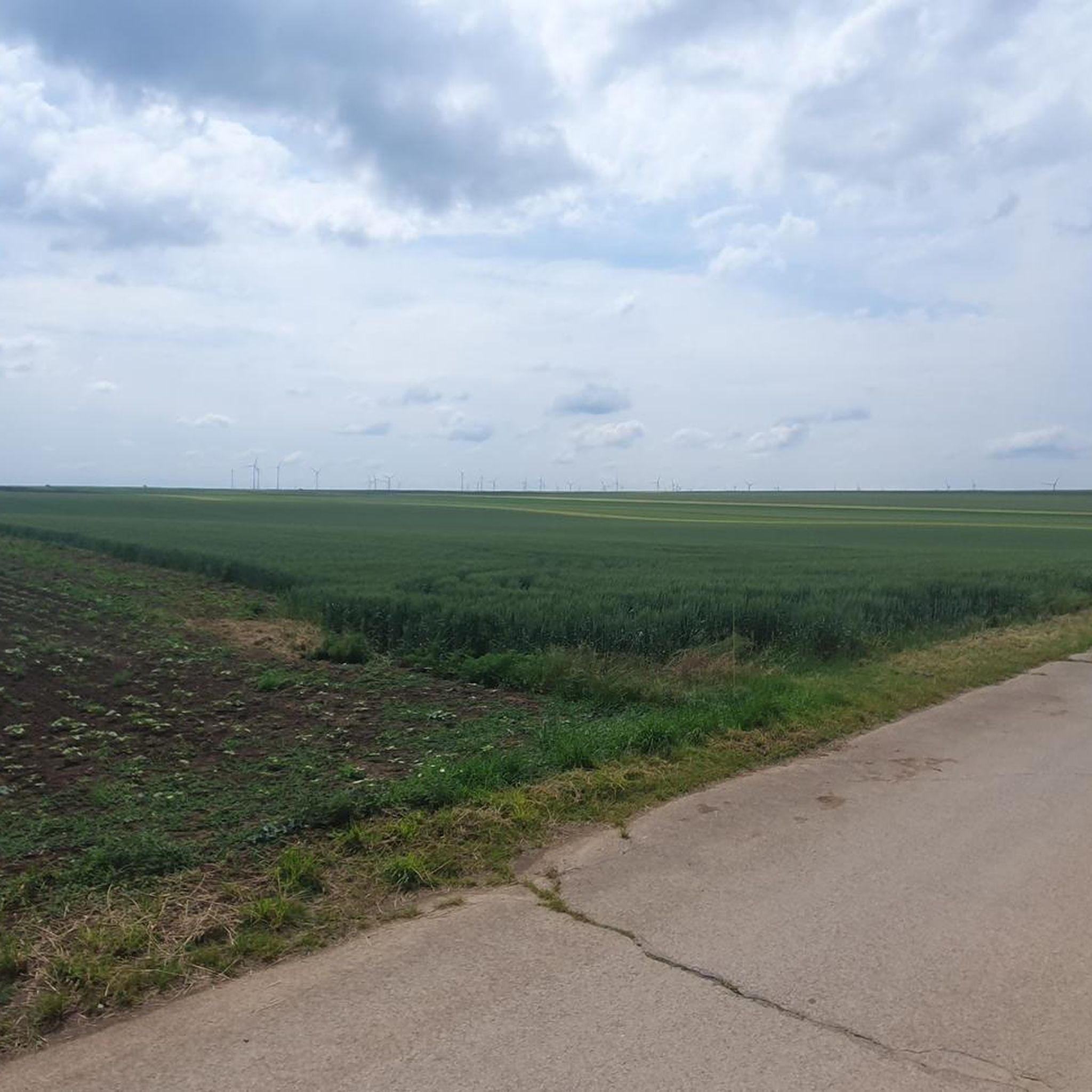
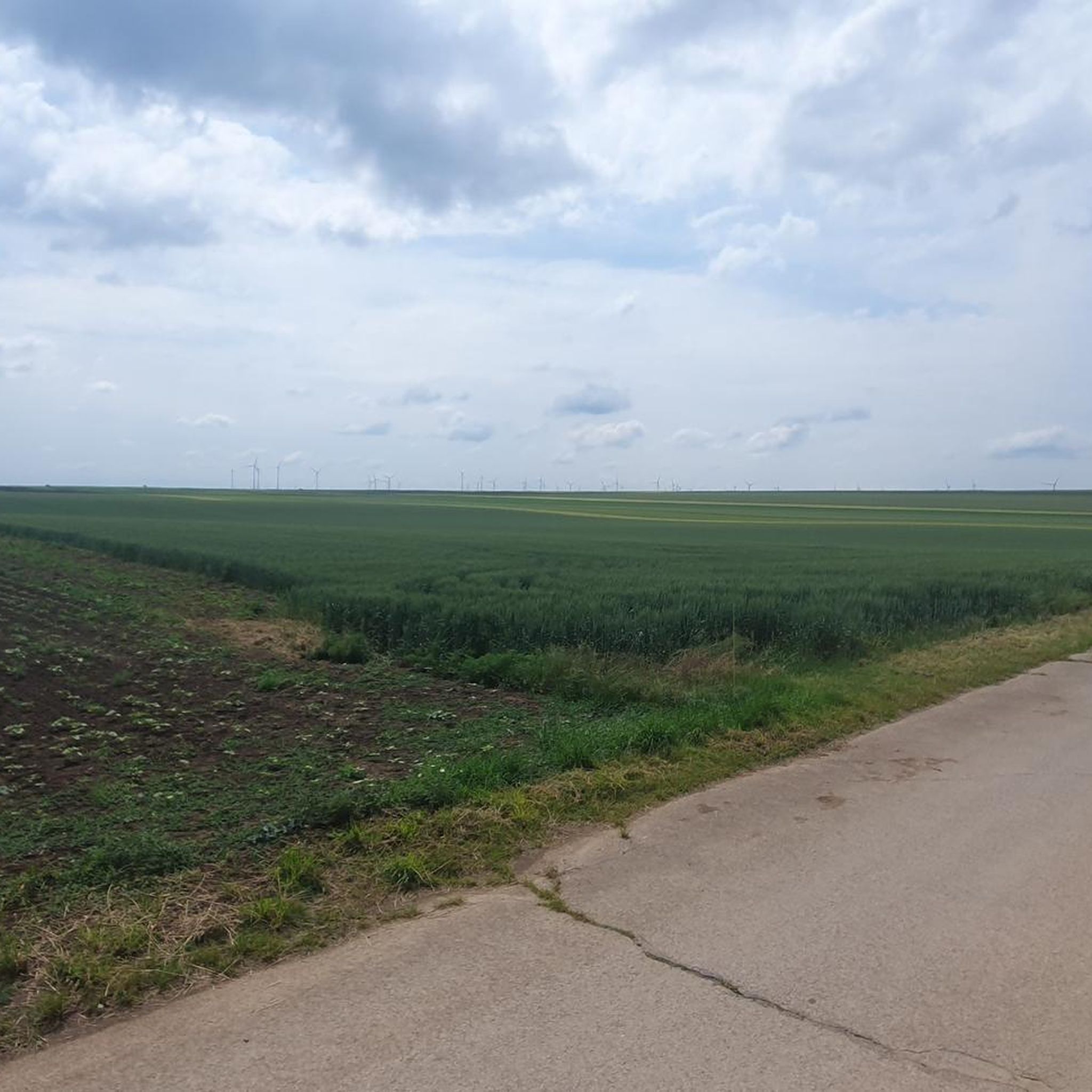
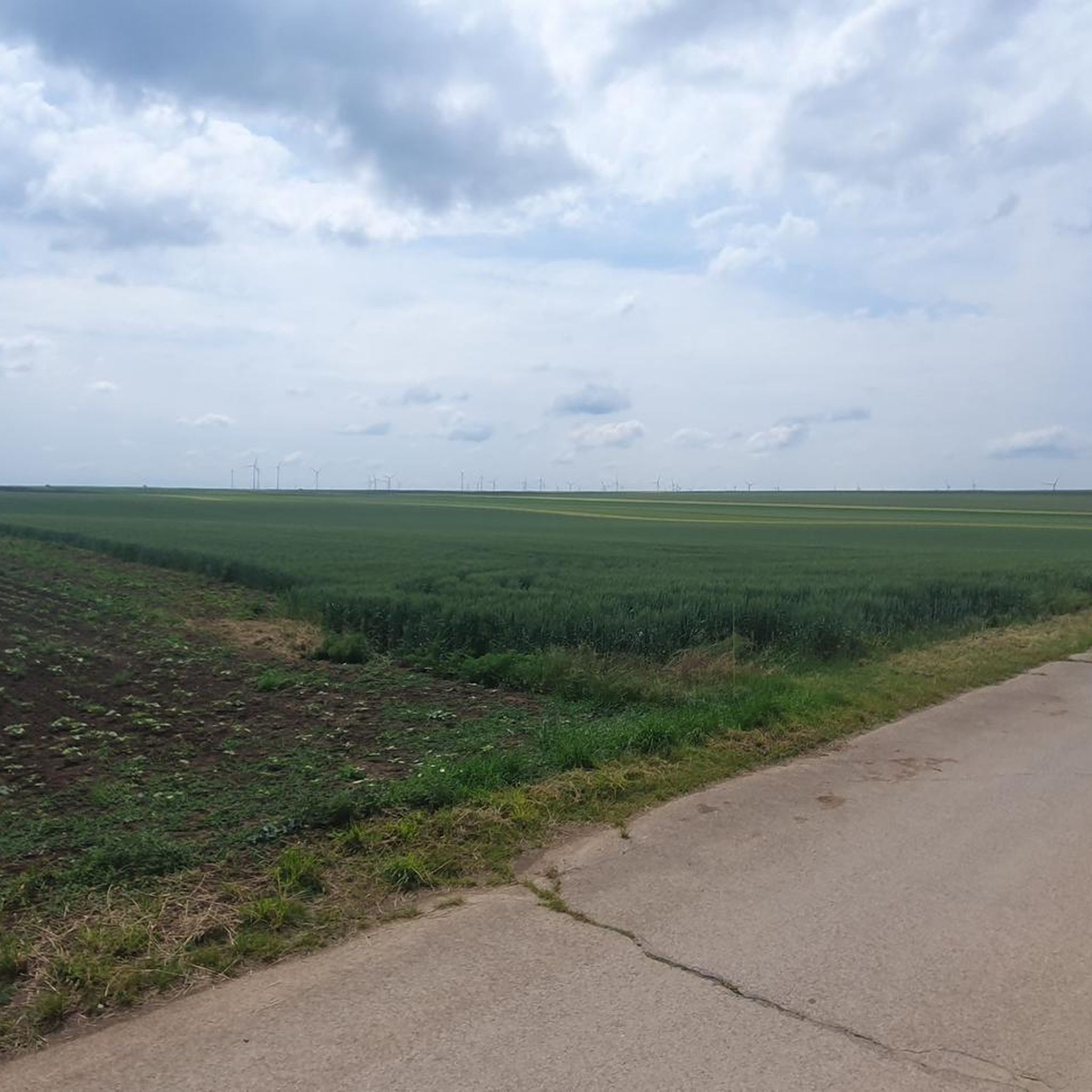
Until a few years ago, the last drilling rigs were still to be found in the Van Sickle oil field between Ortisei and Neusiedl. Richard Keith van Sickle Neusiedl / Zaya's oil fields made the community one of the richest oil communities in the Weinviertel. The outdoor swimming pool has survived to this day, the indoor swimming pool and the mini golf course unfortunately not, and only two exhibits of the petroleum nature trail are left in Neusiedl. This is what the oil museum from the 1980s still stands for. What's new: 7 old winding towers, which are now an art installation reminiscent of the old days when Neusiedl even had its own ski lift ... The oil museum and the derrick installation are located on the exit from the village in the direction of Ortisei (museum if you register in advance at the municipal office).
2
0
Frequently Asked Questions
What historical sites can I visit in and around Drösing?
Drösing and its surroundings are rich in history. You can explore the Palterndorf Watchtower, a rare Gothic defense tower dating back to 1414. Another significant site is Jedenspeigen Castle, a 16th-century building housing an exhibition about the Battle of Dürnkrut. Don't miss the Fortified Church of St. Laurentius in Drösing, with its Romanesque tower from the 13th century and Baroque structure from 1796. Nearby, you can also visit the impressive Hof Castle and the Falkenstein ruins.
Are there any notable churches or religious sites in Drösing?
Yes, the Fortified Church of St. Laurentius in Drösing is a significant landmark. Its parish was first mentioned in 1050, and while the current Baroque structure dates to 1796, it incorporates an older Romanesque defense tower from the late 13th century. Inside, you can admire an altarpiece by the renowned artist Kremser Schmidt.
What is the significance of the Holy Trinity Column in Drösing?
The Holy Trinity Column, located within Drösing, is recognized as a cultural heritage property. It stands as a testament to the town's historical and architectural value. You can find more information about similar heritage sites at worldheritagesite.org.
What natural attractions are there near Drösing?
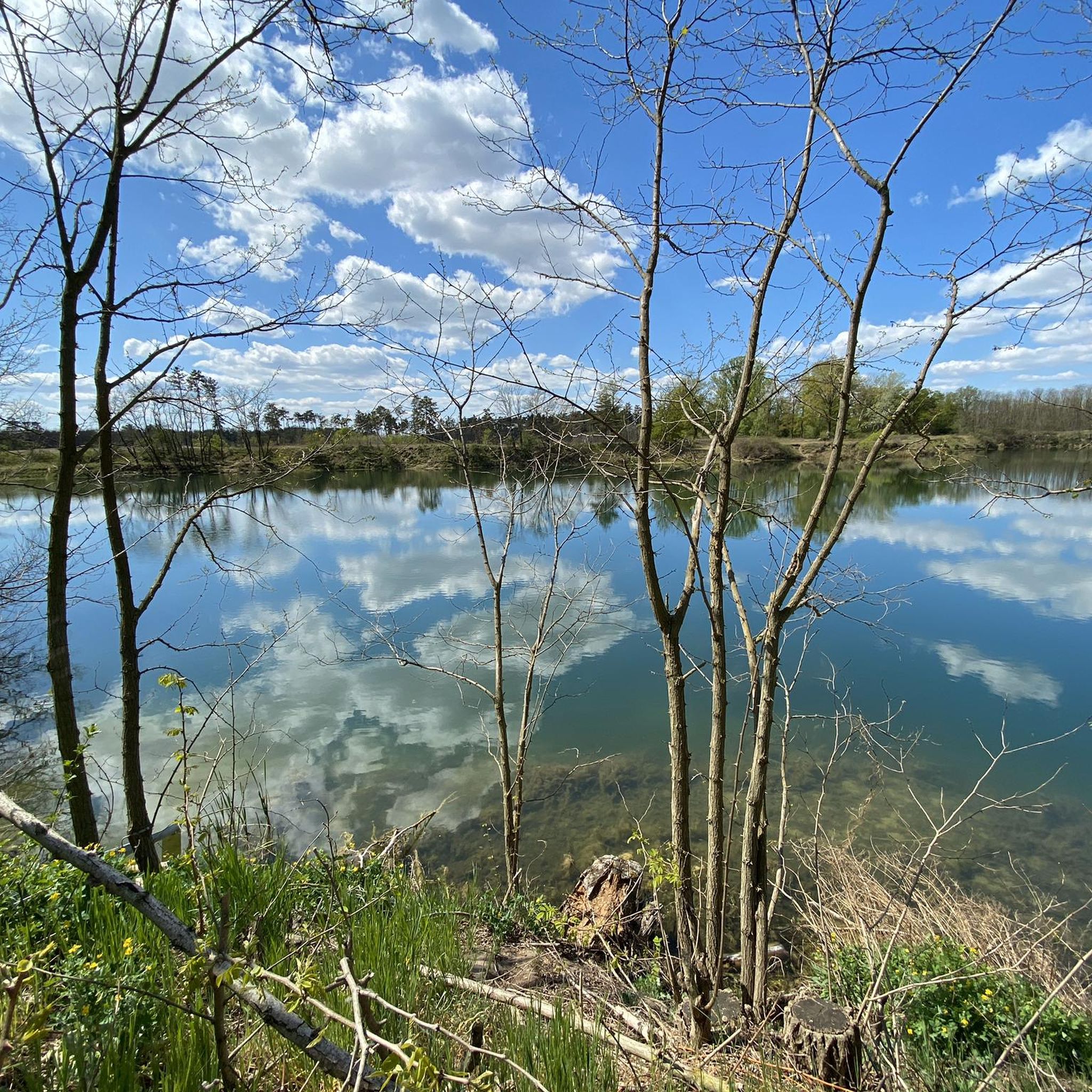
Drösing is nestled near the Morava River floodplains, an area known for its unique flora and fauna, offering a peaceful setting for nature enthusiasts. The floodplains are particularly rich in biodiversity, hosting various plant species like snowdrops and lily-of-the-valley, and many bird species such as white storks and eagles. The Beidesee, a quiet lake in Drösing, also provides a tranquil spot for relaxation.
Are there cycling routes available around Drösing?
Absolutely! Drösing is a hub for cycling enthusiasts. The international March Panorama Cycle Path and the Kamp-Thaya-March Cycle Path both pass through the area. These routes offer scenic rides through the historically significant border region. For more cycling options, explore the Cycling around Drösing guide.
Where can I go hiking near Drösing?
The region around Drösing offers various hiking opportunities. Notable destinations for hikers include the nearby Hof Castle and the Falkenstein ruins, which provide impressive views. You can find several hiking trails, including easy and moderate options, in the Hiking around Drösing guide.
Are there any easy hiking trails suitable for beginners in the Drösing area?
Yes, there are several easy hiking trails around Drösing. For example, the 'Johannes Chapel – Pestsäule Palterndorf loop from Palterndorf-Dobermannsdorf' is an easy 5 km route, and the 'Palterndorf Watchtower – Johannes Chapel loop from Palterndorf' is an easy 3.4 km trail. You can find more details and other easy routes in the Hiking around Drösing guide.
What kind of wildlife can be spotted in the Drösing region?
The Morava River floodplains near Drösing are a biodiversity hotspot. You can spot a variety of bird species, including white storks, kites, eagles, and common terns. The area is also home to various fish, amphibians like the tree frog, and mammals such as beavers and bats.
Are there family-friendly activities or attractions in Drösing?
Yes, several attractions are suitable for families. The Oil Derrick Installation and Petroleum Museum Neusiedl an der Zaya, with its art installation of old winding towers and oil museum, is a family-friendly historical site. The Jedenspeigen Castle also offers an engaging historical experience. Additionally, the natural areas like the Morava River floodplains provide opportunities for family walks and wildlife spotting.
Can I visit any castles or palaces in the vicinity of Drösing?
The region boasts several impressive castles and ruins. You can visit Jedenspeigen Castle, a four-winged building with a historical exhibition. Nearby, you'll find the historic Hauskirchen Castle, with a history dating back to around 1100. Further afield, but still accessible, are the magnificent Baroque Hof Castle and the medieval Falkenstein ruins, offering stunning views.
What is the best time of year to visit Drösing for outdoor activities?
The spring and autumn months are generally ideal for outdoor activities in Drösing. Spring brings blooming flora to the Morava River floodplains, while autumn offers pleasant temperatures and beautiful scenery for cycling and hiking. The biennial Willow Festival, held on Palm Sunday weekend, is also a cultural highlight if you plan your visit around it.
Are there any unique or hidden gems to discover near Drösing?
Beyond the well-known sites, Drösing itself is a typical 'Angerdorf' (village green village), and its district Waltersdorf is a 'Straßendorf' (street village), offering insights into traditional Austrian village planning. The Oil Derrick Installation and Petroleum Museum Neusiedl an der Zaya, with its unique art installation of old winding towers, is also a distinctive attraction.

Get inspired with the komoot mobile app


Explore more
Still not found the Highlight you’re looking for? See guides of the top attractions in other regions:
