Attractions and Places To See around Stanley - Top 11
Best attractions and places to see around Stanley offer a blend of historical landmarks, cultural sites, and natural features. As the capital of the Falkland Islands, Stanley serves as a central point for exploring the archipelago's history and diverse wildlife. The region features unique geological formations and significant historical monuments. Visitors can experience both the natural landscape and the cultural heritage of the area.
Best attractions and places to see around Stanley
- The most popular attractions is Dark Hollow Falls…
Last updated: June 23, 2026
Dark Hollow Falls
Highlight • Waterfall
Tip by

Rose River Falls
Highlight • Waterfall
Tip by

Sign up now to discover places like this
Get recommendations on the best single tracks, peaks, & plenty of other exciting outdoor places.
Sign up for free
Hawksbill Summit
Highlight • Summit
Tip by

Fishers Gap Overlook
Highlight • Viewpoint
Tip by

Byrd Visitor Center
Highlight • Rest Area
Translated by Google •
Tip by

Sign up for free to discover even more attractions around Stanley.
Sign up for free
Already have an account?
Start today with a free account
Your next adventure awaits.
Login or Signup
Popular around Stanley

Tips from the Community


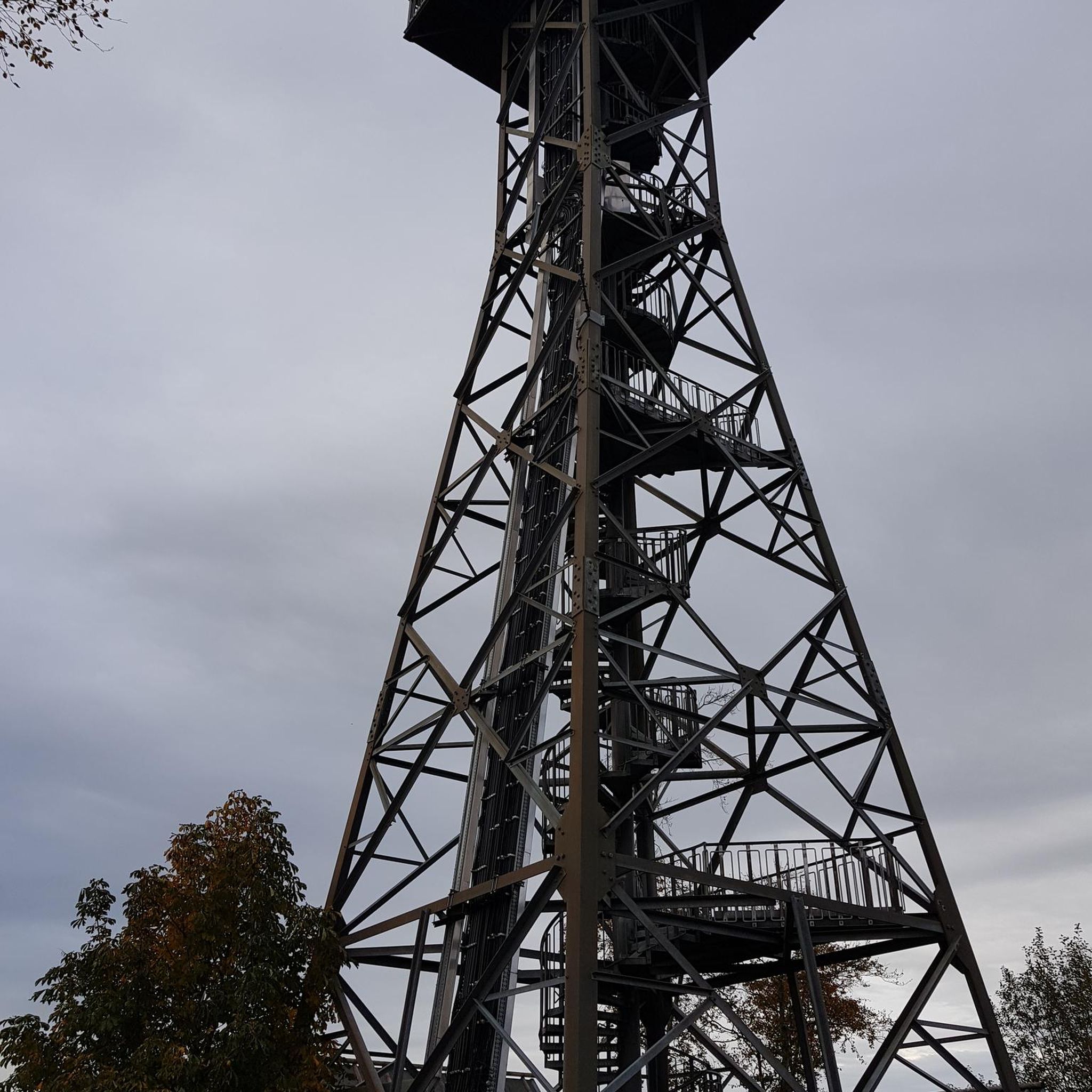
Hawksbill Summit in Shenandoah National Park offers stunning 360-degree views of the Shenandoah Valley, Blue Ridge Mountains, and Virginia Piedmont from its 4,050-foot elevation. As the park's highest point, it also marks the highest spot in Madison and Page counties. The north face drops 2,500 feet into Timber Hollow, the park’s largest elevation change. Hikers can also spot rare balsam fir trees at the summit. A stone observation platform, built by the National Park Service, enhances the experience's panoramic views.
1
0

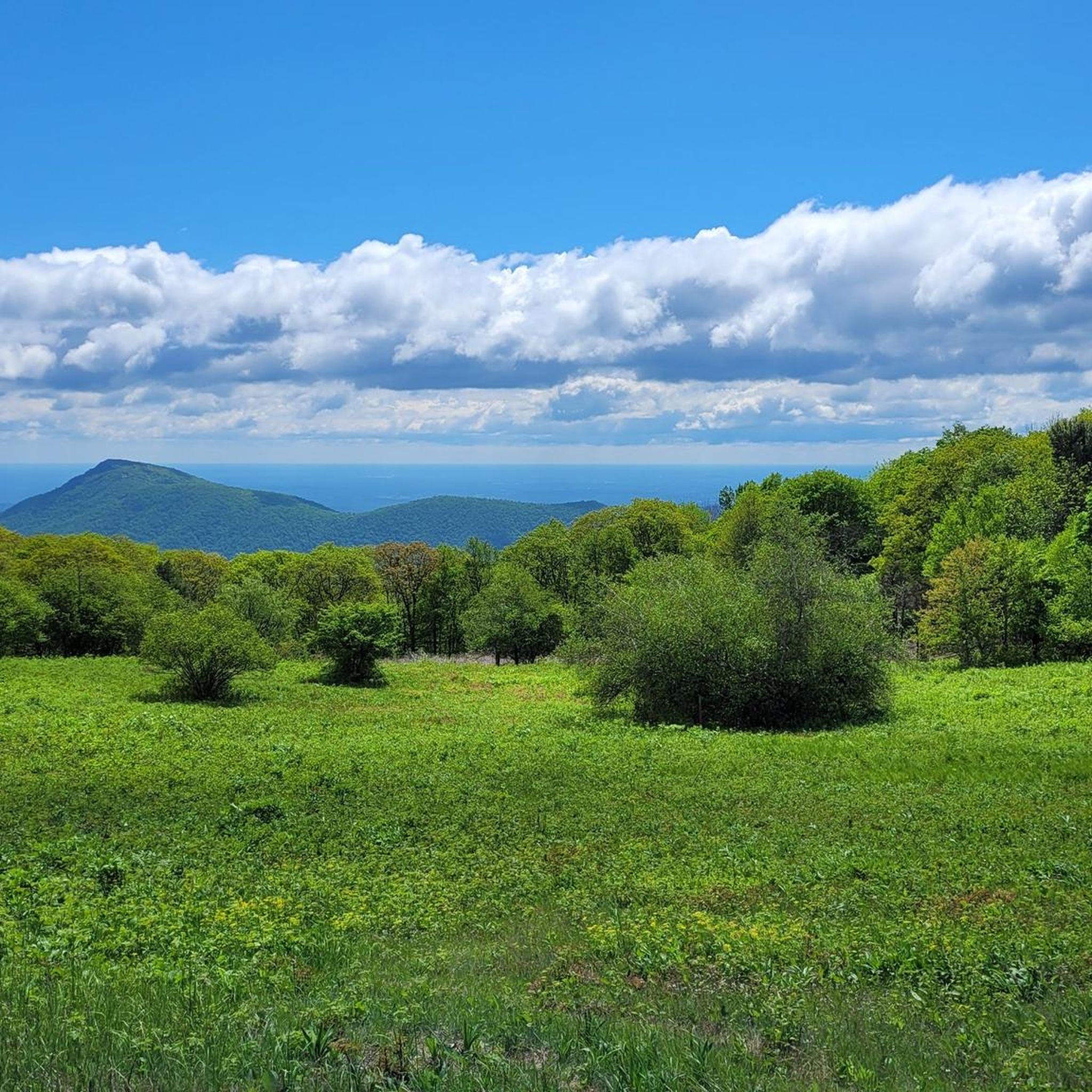
Fishers Gap is at an elevation of 3,070 feet and gives you a view of the Shenandoah Valley. There is a parking lot right near the viewpoint, so there is a good chance there will be other people enjoying the view with you.
0
0

If you'd like to park your bike for a while and take a walk on the Appalachian Trail, this is a great place to do it. You also get a really nice view of the Shenandoah Valley through a gap in the trees, with Massanutten Mountain and New Market Gap—the site of a famous Civil War battle—visible in the distance.
0
0

This waterfall is a site to see, that's for sure. Visited in late April and the trail was busy even with arriving around 9am. Parking lot in this part of the park for this trail was descent sized for the amount of visits it gets. The hike to the most scenic part of the falls was very quick paced as you are going down hill. It was quite lovely to look down at the bottom of the falls as you make your descent. However, because you are hiking through the mountains, some parts require you to have sturdy sure steps and may not be good on weak ankles. Recommend very good ankle support shoes for down hill hiking on this one. The falls can be crossed at the bottom but be careful as the rocks will be slippery. You can also continue on down this trail further past the end of the falls, if you chose to. The ascent back up to the parking lot is moderate, heck, strenuous if you are not used to up hill trekking. It's the least pleasurable thing about this hike.
0
0

Rose River Falls is considered one of the best waterfalls to see in Virginia's Shenandoah National Park. Due to its beauty and accessibility, it tends to attract a lot of visitors, particularly on weekends. To enjoy the falls in peace, arrive early before the crowds show up. During rainy season, the falls surge with enough water for swimming, though most people opt to picnic nearby and cool off by dipping their feet in the shallow waterfall pool. At any time of year, the waterfall provides a gorgeous nature backdrop for relaxation. Just keep in mind, during the summer, the waterfall may not be as impressive as it is the other seasons.
0
0

In the north is the actual visitor center, about 100m south is a lodge with a provisions and souvenir shop. There are also plenty of benches all around and some barbecue areas.
3
0
Small waterfall that, unlike the other waterfalls in the area, can be reached quite easily and quickly.
4
0
Frequently Asked Questions
What historical landmarks can I explore in Stanley?
Stanley is rich in history. You can visit the iconic Christ Church Cathedral, the southernmost Anglican cathedral in the world, and its adjacent Whalebone Arch, commemorating a century of British administration. The 1982 Liberation Memorial offers a poignant tribute to the Falklands War, while the haunting wreck of the Lady Elizabeth Shipwreck provides a unique photo opportunity in Whale Bone Cove. Don't miss the Cape Pembroke Lighthouse for historical context and panoramic views.
Where can I experience the unique wildlife around Stanley?
For wildlife enthusiasts, Gypsy Cove is a must-visit, home to a significant colony of Magellanic penguins and occasionally sea lions. Yorke Bay hosts a large colony of Gentoo penguins, offering close-up viewing. The Cape Pembroke Peninsula is excellent for spotting various seabirds, whales, dolphins, and sea lions, and even the Falklands' smallest bird, the Sedge Wren. You might also spot King Penguins and sea lions at Surf Bay.
Are there any cultural sites or museums in Stanley?
Yes, the Historic Dockyard Museum is a comprehensive site for understanding the natural, human, and maritime history of the Falkland Islands, featuring five themed galleries. You can also step back in time at Cartmell Cottage, one of Stanley's oldest buildings, offering a glimpse into local life from the 1850s to the 1970s. The Falkland Islands Totem Pole is a unique monument created by British troops.
What are the best viewpoints or scenic spots in the Stanley area?
The Cape Pembroke Lighthouse offers panoramic views from the easternmost point of the Falkland Islands. For unique geological formations, the Stone Runs, or 'rivers of rock,' provide a fascinating natural spectacle, especially impressive from above. Many coastal areas like Gypsy Cove and Yorke Bay also offer beautiful scenic backdrops with their white sand beaches and wildlife.
What is the best time of year to visit Stanley for attractions and wildlife?
The summer months (November to March) are generally considered the best time to visit Stanley. This period offers milder weather, longer daylight hours, and is prime season for wildlife viewing, especially for penguins and other seabirds, as they are most active during their breeding season.
Are there family-friendly attractions in Stanley?
Many of Stanley's attractions are suitable for families. Observing penguins at Gypsy Cove or Yorke Bay is a memorable experience for all ages. Exploring the Historic Dockyard Museum offers engaging exhibits, and a visit to the Whalebone Arch and Christ Church Cathedral provides an educational and historical outing.
Where can I find unique architectural sites in Stanley?
Beyond the Christ Church Cathedral, you can see the Jubilee Villas, built in 1887 to commemorate Queen Victoria's Golden Jubilee, showcasing British architectural styles. Historic buildings like Stanley House (1878) and Stanley Cottage (1844) also offer insights into the town's past.
What outdoor activities can I do near Stanley's attractions?
While the guide focuses on attractions, the surrounding area of Stanley offers opportunities for outdoor activities. You can enjoy walks along the coast at places like Gypsy Cove and Surf Bay, which are perfect for leisurely strolls and wildlife spotting. For more structured outdoor activities, you can explore various hiking trails around Stanley or even running trails.
Are there any unique geological features to see in Stanley?
Yes, the Falkland Islands are known for their unique Stone Runs. These fascinating geological formations are 'rivers of rock' that appear to cascade down hillsides, offering a distinctive natural spectacle that stands out in the landscape.
What is the significance of the 1982 Liberation Memorial?
The 1982 Liberation Memorial is a significant obelisk topped with a bronze statue of Britannia, overlooking Stanley Harbor. It serves as a solemn commemoration of all British forces involved in the 1982 Falklands War, bearing the inscription 'In memory of those who liberated us'.
Can I visit a lighthouse in Stanley?
Yes, the Cape Pembroke Lighthouse is located at the easternmost point of the Falkland Islands. It offers historical context and provides panoramic views of the surrounding area. Visitors can obtain the key from the museum to climb it for an enhanced experience.
Most popular routes around Stanley
Most popular attractions around Stanley

Get inspired with the komoot mobile app


Explore more
Still not found the Highlight you’re looking for? See guides of the top attractions in other regions:
