The best road cycling routes around Felsberg, Switzerland
4.4
(262)
8,806
riders
50
rides
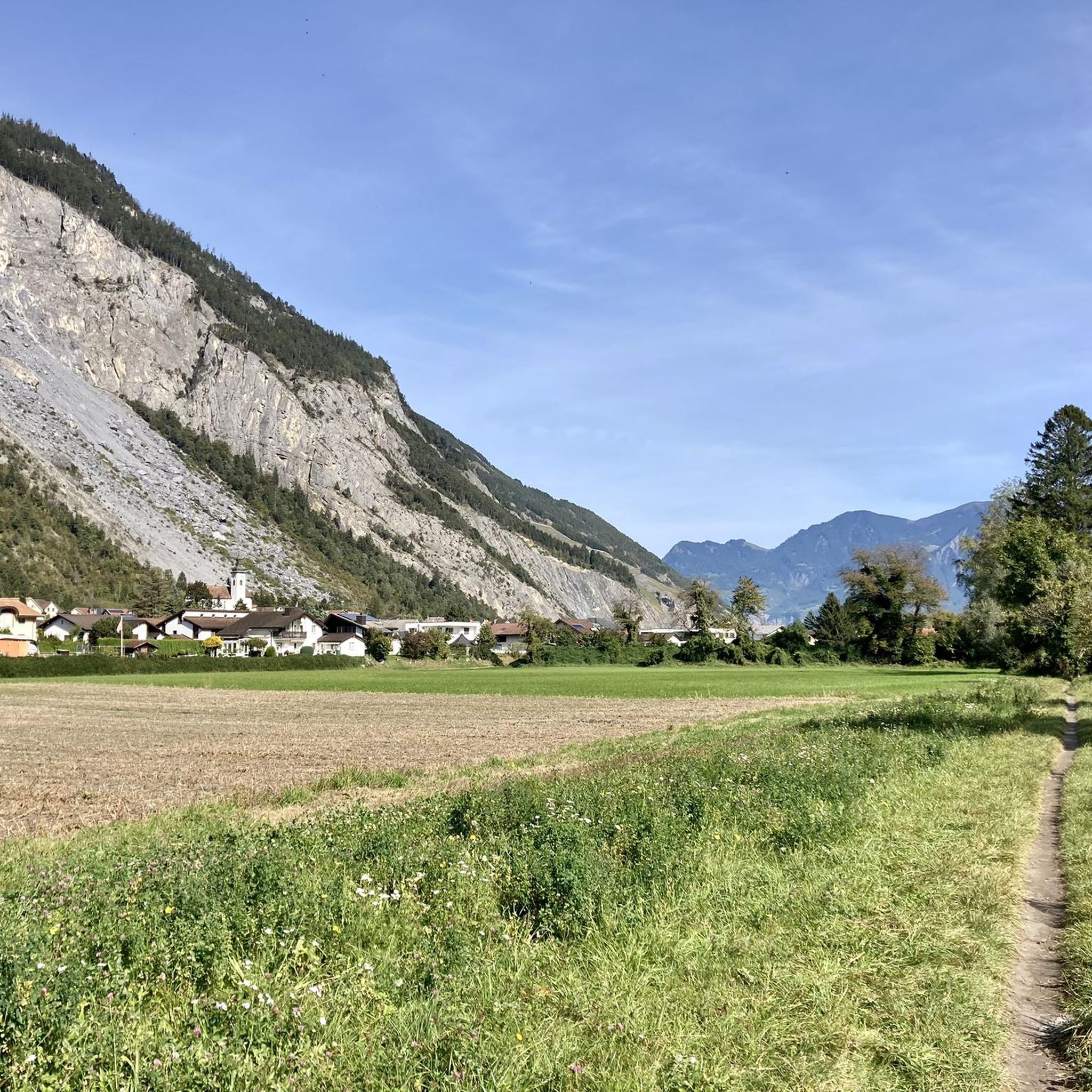
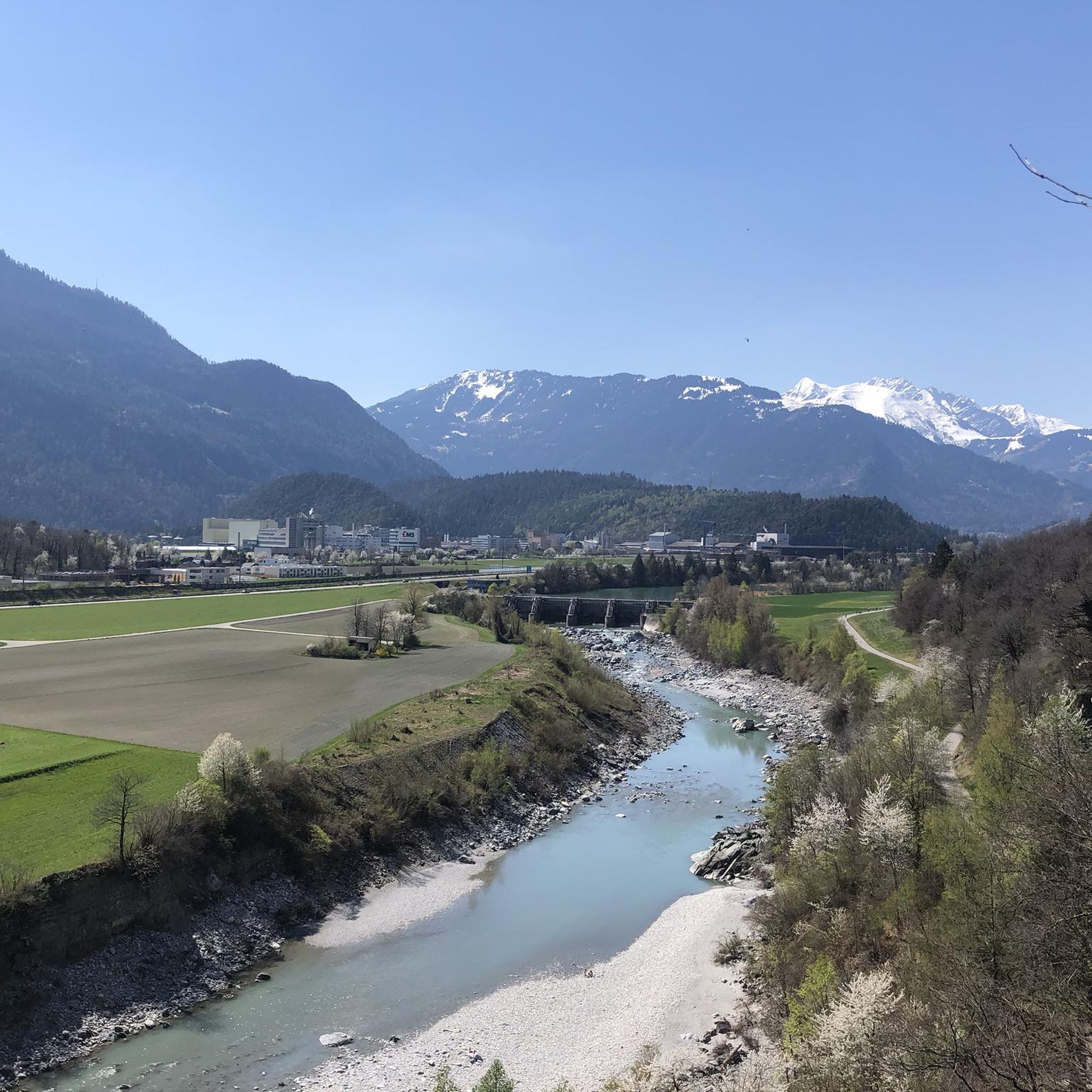
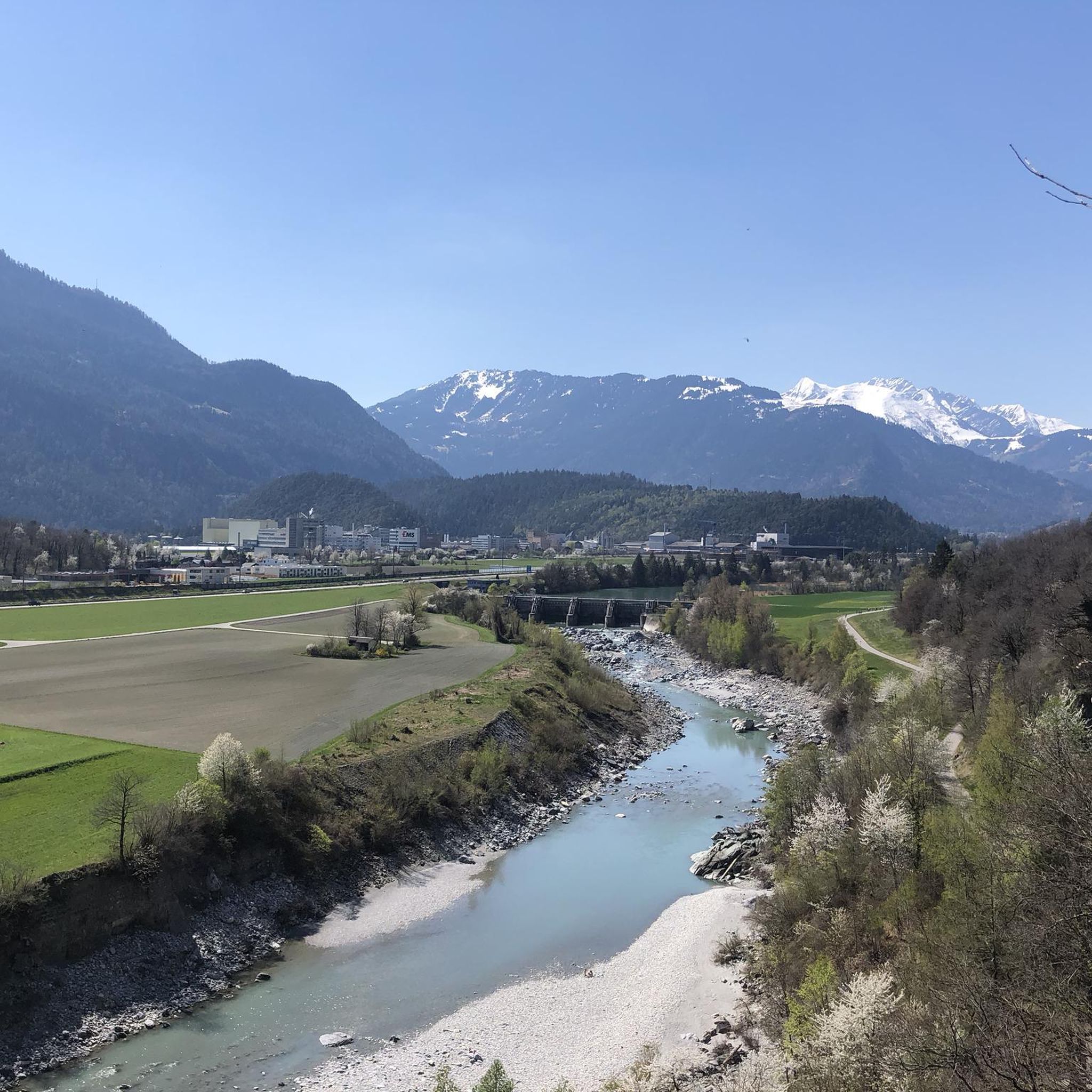
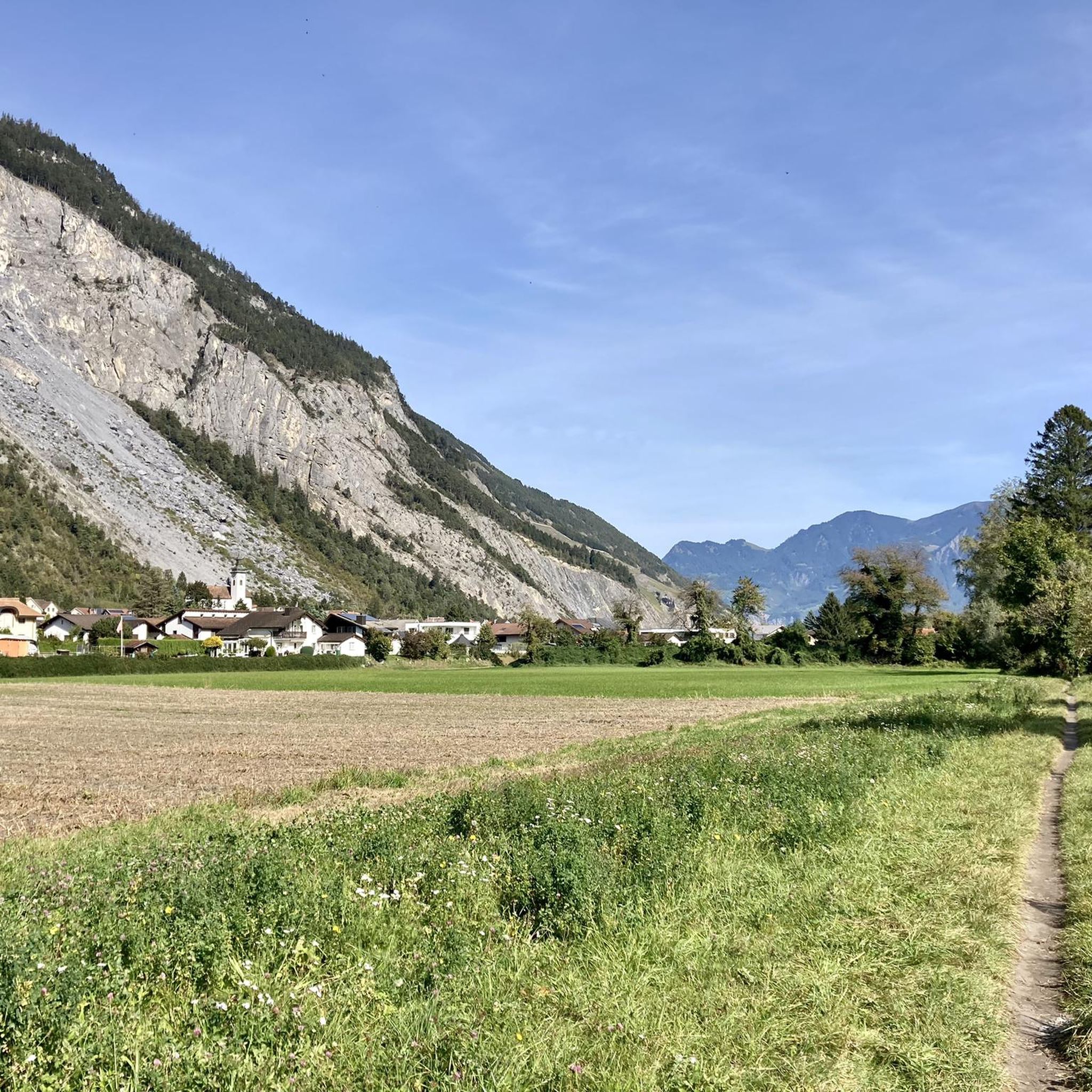
Road cycling around Felsberg, Switzerland, offers diverse terrain at the foot of Calanda mountain, providing access to both river valleys and significant mountain ascents. The region is characterized by the Rhine river flowing nearby, offering flatter sections, alongside paths leading up through the mountains for more strenuous rides. Cyclists can experience a mix of challenging climbs and scenic routes through forests and meadows. This area serves as a starting point for various road cycling experiences within the Graubünden canton.
Best road cycling routes around Felsberg, Switzerland
- The most popular road cycling route is Chur-Coira (Switzerland) – Bündner Herrschaft vineyards loop from Felsberg, a 34.6 miles (55.6 km) trail that takes 2 hours 18 minutes to complete. This moderate route explores the Bündner Herrschaft vineyards.
- Another top favourite among local road cyclists is Versam Climb – Versam Curves loop from Felsberg, a difficult 37.0 miles (59.6 km) path. This route features significant elevation gain and winding sections.
- Local road cyclists also love the View of Hohen Rätien Castle – Thusis loop from Felsberg, a 30.7 miles (49.4 km) trail leading through varied landscapes with views of Hohen Rätien Castle, often completed in about 2 hours 15 minutes.
- Road cycling around Felsberg, Switzerland is defined by its proximity to Calanda mountain, the Rhine river valleys, and challenging mountain ascents like those found on the Kunkelsstrasse. The network offers options for different ability levels, from moderate loops to difficult climbs.
- The routes in Felsberg, Switzerland are highly rated by the komoot community with an average score of 4.5 stars from over 180 reviews. More than 7,600 road cyclists have used komoot to explore Felsberg, Switzerland's varied terrain.
Last updated: October 11, 2026
4.5
(19)
576
riders
55.0km
02:19
380m
380m
Moderate road ride. Good fitness required. Mostly well-paved surfaces and easy to ride.
5.0
(7)
501
riders
59.5km
03:03
1,010m
1,010m
Hard road ride. Very good fitness required. Mostly well-paved surfaces and easy to ride.

4.3
(4)
284
riders
Hard road ride. Very good fitness required. Some segments of this route may be unpaved and difficult to ride.
4.5
(19)
586
riders
49.4km
02:16
560m
560m
Moderate road ride. Good fitness required. Mostly well-paved surfaces and easy to ride.
4.5
(2)
73
riders
Easy road ride. Great for any fitness level. Mostly well-paved surfaces and easy to ride.
Get access to more routes and recommendations from other explorers.
Already have an account?
Our route recommendations are based on thousands of hikes, rides, and runs completed by other people on komoot.
Start today with a free account
Your next adventure awaits.
Tips from the Community


Bad Ragaz is a beautiful, small town from which you can hike into the Tamina Gorge. https://de.wikipedia.org/wiki/Bad_Ragaz
0
0

The RhB Reichenau train station, with parking available, is very well suited as a starting point for bike or hiking tours through the wild Vorderrhein Gorge to Sagogn or Ilanz. Along the gorge, there are small RhB train stations, at Trin, Versam-Safien, or Valendas-Sagogn, for intermediate stops or return journeys back to Reichenau.
0
0

easy to drive and scenically spectacular
0
0

Saints Anne and Joachim are considered the parents of the Mother of God, whose birth this church celebrates. They are thus the grandparents of Jesus, but are not mentioned by name in the biblical writings of the New Testament. An exact date, in the historical or scientific sense, is not known for the various stages in the life of the Mother of God. However, the Feast of the Nativity of the Mother of God—one of Mary's numerous honorary titles—is celebrated on September 8th in many Christian denominations (Catholic, Anglican, Orthodox, and Armenian).
0
1

A place of power in a special class
0
0

Disentis is the largest town in Surselva and NOT Ilanz.
1
0

Parish Church of the Nativity of Mary, Rhäzüns The present-day landscape of Rhäzüns is largely shaped by the Catholic parish church of Nossadunna, located in the center of the village. The church tower rises high above the rooftops and is a landmark visible from afar. Although consecrated in 1701, the Baroque sacred building did not become a parish church until 1777. The floor plan shows an octagonal central structure with two side niches and a polygonal choir loft extended to the north. The tower is inserted into the eastern choir shoulder, and the sacristy is located in the western one. The parish of Rhäzüns always celebrates the patronal feast of the parish church of the Nativity of Mary on the first Sunday in September. However, if September 8th falls on a Sunday, the Solemnity is celebrated on September 8th. Mass begins at 10:00 a.m. All churches are open daily from 8:00 a.m. to 7:00 p.m. (Automatic door closing) Text / Source: Catholic Parish of 7403 Rhäzüns https://www.kirchgemeinde-rhaezuens.ch/kirchen/
15
0
Frequently Asked Questions
How many road cycling routes are available around Felsberg, Switzerland?
There are over 50 road cycling routes around Felsberg, Switzerland, catering to various skill levels. You'll find a good mix of easy, moderate, and difficult trails to explore.
What kind of terrain can I expect when road cycling in Felsberg?
The terrain around Felsberg offers a diverse experience, from flatter sections along the Rhine river through forests and meadows to challenging mountain ascents. You can expect a mix of river valleys, vineyard loops, and significant climbs, including routes that lead up towards the Calanda mountain.
Are there any easy or beginner-friendly road cycling routes in Felsberg?
Yes, Felsberg offers 12 easy road cycling routes, perfect for beginners or those looking for a relaxed ride. These routes often follow river valleys, providing scenic and less strenuous options.
Where can I find challenging road cycling climbs near Felsberg?
For challenging climbs, consider routes like the Versam Climb – Versam Curves loop from Felsberg, which features significant elevation gain. The Kunkelsstrasse, accessible from Tamins, is also known for its steep ascent, offering a test of endurance for dedicated cyclists.
What are some scenic viewpoints or landmarks I can see while road cycling in Felsberg?
Road cycling routes around Felsberg offer numerous scenic views and landmarks. You can enjoy views of Hohen Rätien Castle on routes like the View of Hohen Rätien Castle – Thusis loop from Felsberg. Other notable natural features in the broader region include the Dreibündenstein Monument at 2,156 meters, offering panoramic vistas, and the serene Cresta Lake.
What do other road cyclists enjoy most about road cycling in Felsberg, Switzerland?
The road cycling experience in Felsberg is highly rated by the komoot community, with an average score of 4.5 stars from over 180 reviews. Cyclists often praise the diverse terrain, from picturesque river valleys to challenging mountain ascents, and the well-maintained routes that offer stunning views of the Graubünden canton.
Are there any circular road cycling routes starting from Felsberg?
Yes, many routes around Felsberg are designed as loops. For example, the Chur-Coira (Switzerland) – Bündner Herrschaft vineyards loop from Felsberg is a popular moderate circular route exploring local vineyards. Another option is the View of Hohen Rätien Castle – View over the Rhine Gorge loop from Felsberg.
What is the best season for road cycling in Felsberg, Switzerland?
The best time for road cycling in Felsberg is typically from spring through autumn. During these seasons, the weather is generally favorable, and mountain passes are clear of snow, allowing access to the full range of routes, including higher elevations. Winter cycling is possible in lower valleys but can be limited by snow and ice at higher altitudes.
Can I find routes that offer views of the Rhine river or its confluence?
Absolutely. The Rhine river flows nearby, and many routes incorporate its picturesque banks. You can find routes that offer views of the Rhine Gorge, and for a unique natural sight, consider visiting the Confluence of the Vorderrhein and Hinterrhein, where the two main tributaries meet.
Are there any routes that pass by historical sites or castles?
Yes, several routes offer glimpses of historical sites. The View of Hohen Rätien Castle – Thusis loop from Felsberg is a great example, providing views of the impressive Hohen Rätien Castle. The Dreibündenstein Monument, a historical point at 2,156 meters, is also a significant landmark in the region.
What is the average elevation gain on road cycling routes around Felsberg?
The elevation gain varies significantly depending on the route. Moderate routes like the Chur-Coira (Switzerland) – Bündner Herrschaft vineyards loop from Felsberg have around 380 meters of elevation gain, while difficult routes such as the Versam Climb – Versam Curves loop from Felsberg can feature over 1,000 meters of ascent.
Most popular routes around Felsberg, Switzerland
Most popular attractions around Felsberg, Switzerland

Get inspired with the komoot mobile app


Explore more
Browse the best Road cycling routes in other regions.
