Top 20 Gorges around Arzl im Pitztal
Canyons around Arzl im Pitztal offer diverse natural landscapes within the Tyrolean Alps. The region features impressive gorges shaped by geological processes, providing both scenic walking paths and opportunities for exploring natural formations. These canyons are characterized by their rock formations, water features, and historical elements. The area's geography allows for varied experiences, from accessible trails to more challenging terrain.
Best canyons around Arzl im Pitztal
- The most popular canyons is Rosengarten Gorge, a gorge that features vertically rising…
Last updated: October 17, 2026
Rosengarten Gorge
Highlight (Segment) • Gorge
Translated by Google •
Tip by

Benni Raich Suspension Bridge
Highlight • Bridge
Translated by Google •
Tip by

Sign up now to discover places like this
Get recommendations on the best single tracks, peaks, & plenty of other exciting outdoor places.
Blue Grotto in Rosengarten Gorge
Highlight • Cave
Translated by Google •
Tip by

Bridge in the Rosengarten Gorge
Highlight • Bridge
Translated by Google •
Tip by

Bergl Houses at the Entrance to Rosengarten Gorge
Highlight • Structure
Translated by Google •
Tip by

Sign up for free to discover even more gorges around Arzl im Pitztal.
Already have an account?
Start today with a free account
Your next adventure awaits.
Popular around Arzl im Pitztal
Diving into mountain adventure in the Pitztal valley
Natur, Spaß und Erholung – Radtouren für Familien in Tirol
Cycling around Arzl im Pitztal
Road Cycling Routes around Arzl im Pitztal
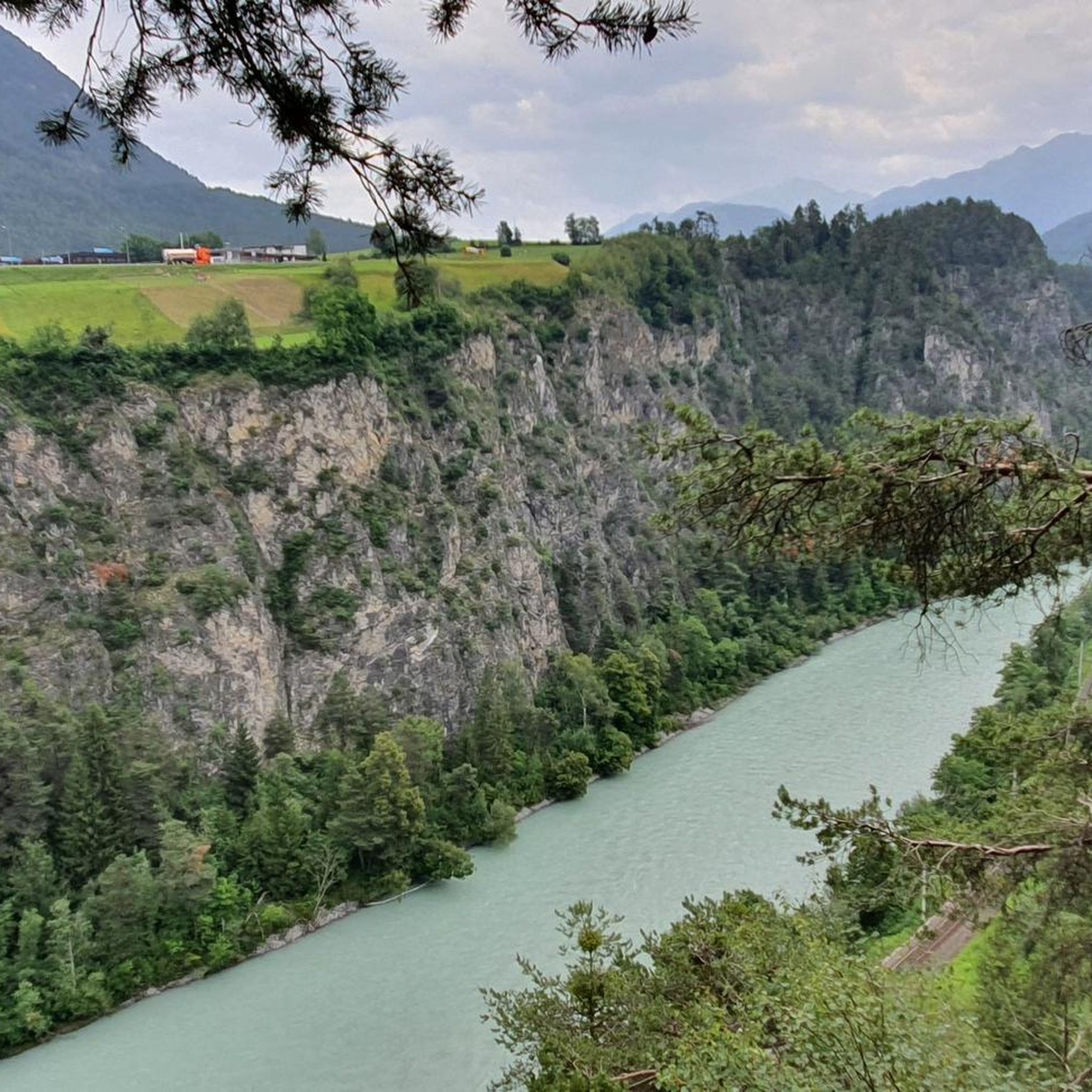
MTB Trails around Arzl im Pitztal
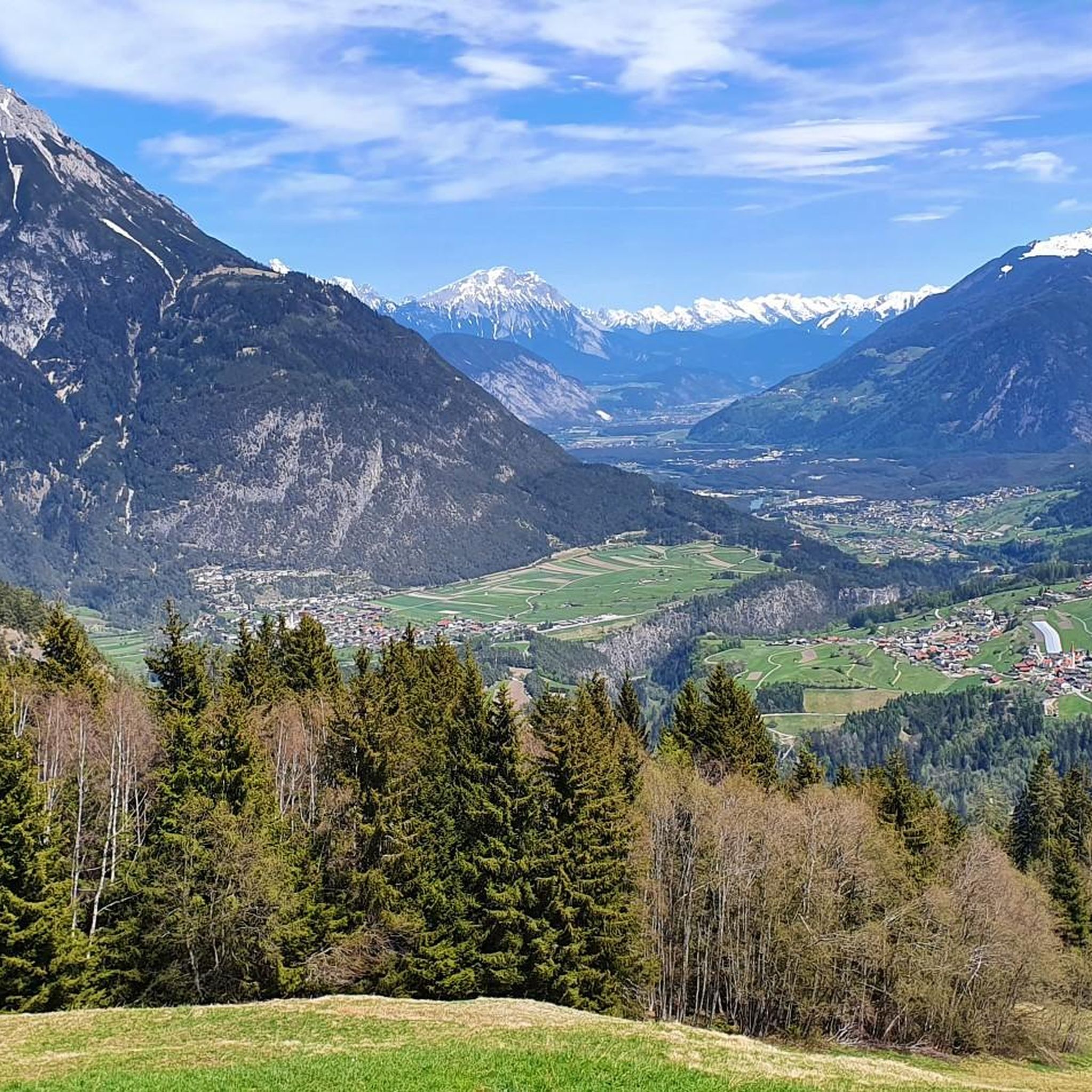
Hiking around Arzl im Pitztal

Gravel biking around Arzl im Pitztal
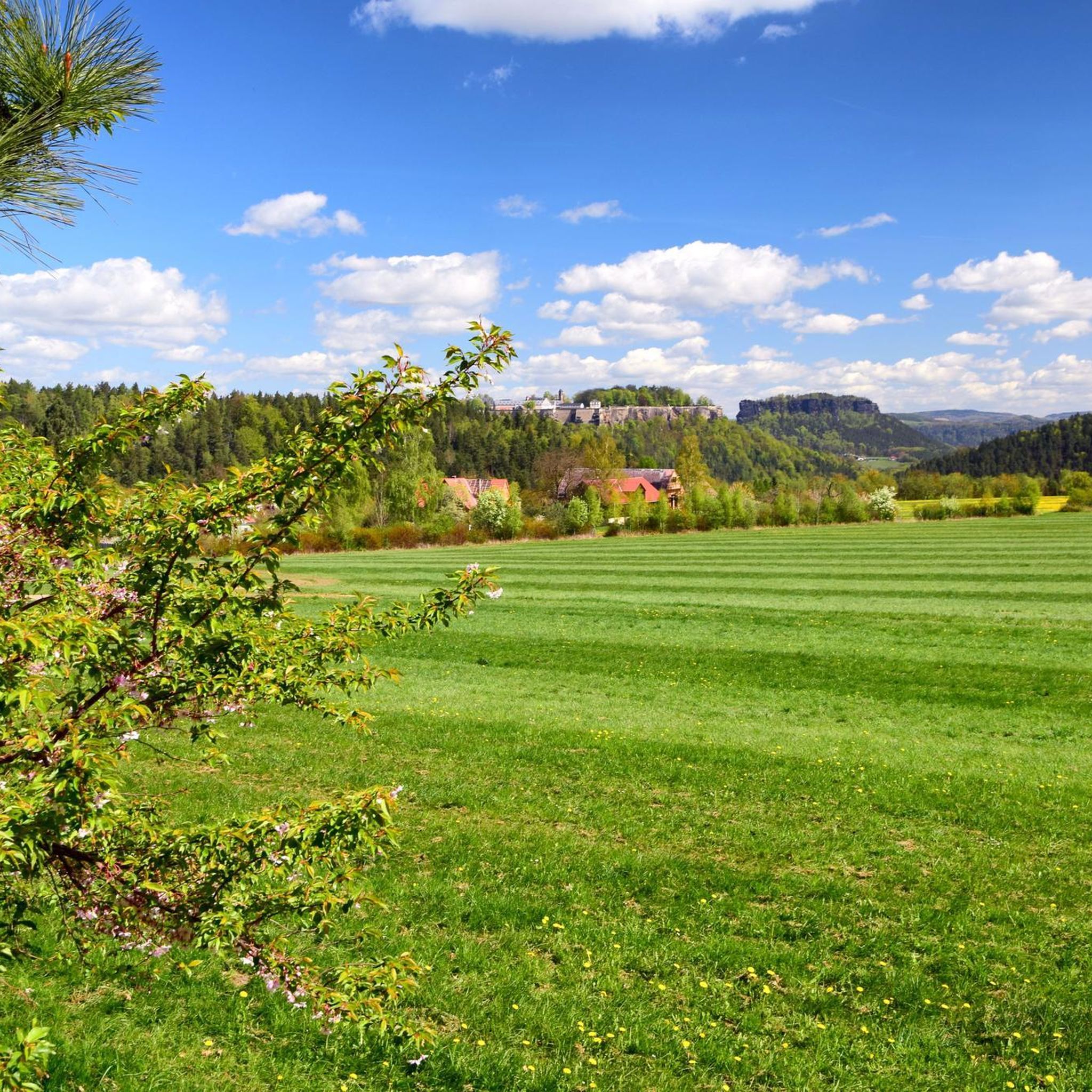
Mountain Hikes around Arzl im Pitztal
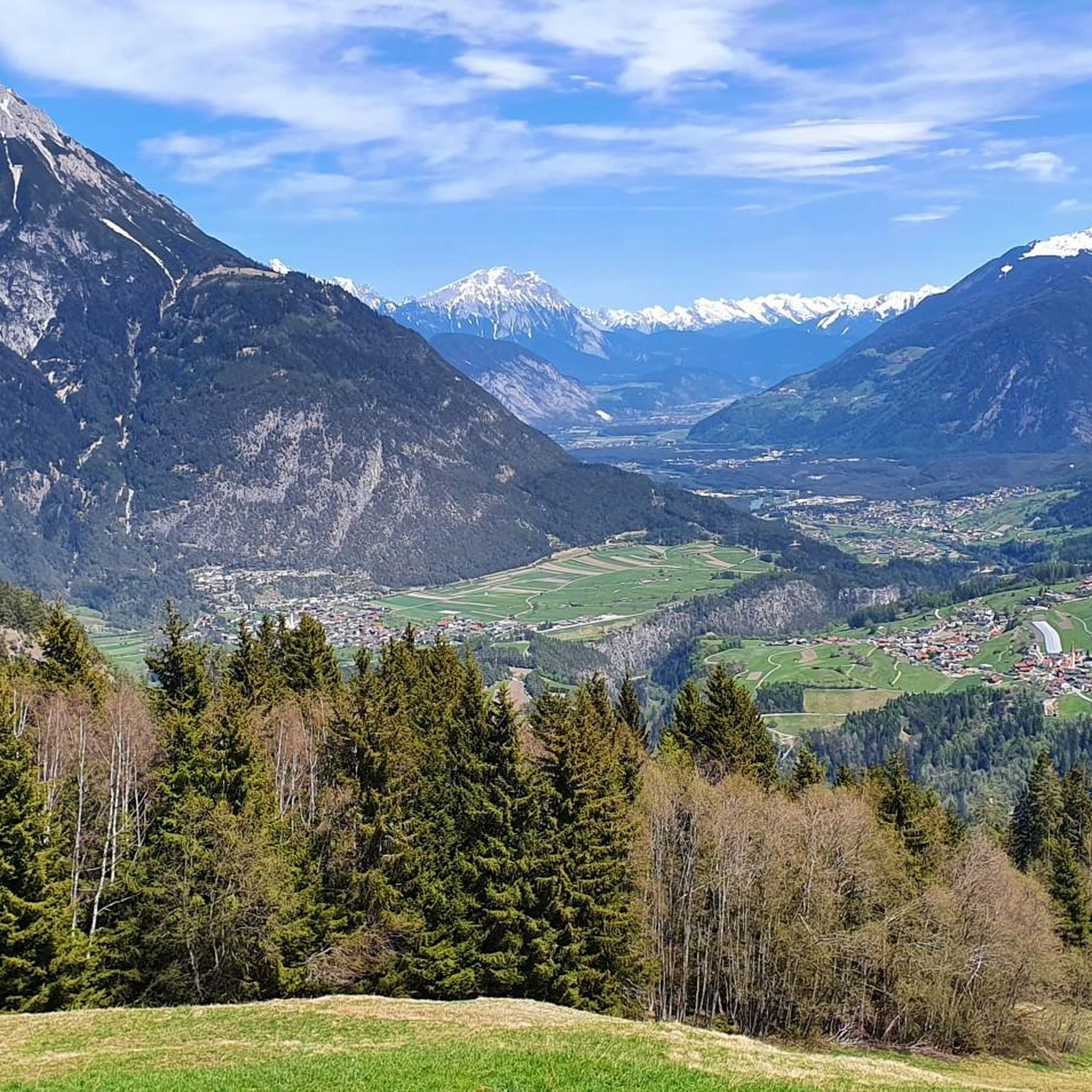
Running Trails around Arzl im Pitztal


Tips from the Community

Beautiful gorge with well-developed paths
0
0

Entrance to the Rosengarten Gorge with rock formations into which residential buildings have been integrated. Historically, these houses, built into the rock, served as homes and workplaces. Their origins are closely linked to the geological composition of the Bergl, formed by the Inn Valley glacier some 26,000 years ago. The use of the rock as an integral part of the buildings not only provided protection from the elements but also natural insulation. Today, the Bergl houses are an important cultural heritage site in Imst and a popular photo opportunity for visitors. They symbolize historic architecture and the impressive ability of people to adapt to their natural environment. A walk through this district provides a fascinating insight into the history and lifestyles of past generations.
6
0
Bridge over the Schinderbach with a wonderful view of the roaring mountain stream.
6
0

Very nice hiking trail again and again
0
1

Schinderbach / Rosengartenschlucht In the middle of Imst is the entrance to one of the most beautiful gorges in Austria and one of the most valuable biotopes in Tyrol. The Schinderbach roars through the 2 km long Rosengarten gorge - a spectacle that can be observed from the path that leads through the gorge. The Rosengartenschlucht is highly valued as one of the most valuable biotopes in Tyrol. It is also a treasure trove, especially for geologists, as millions of years of earth's history are reflected here. The Rosengartenschlucht begins at the Johanneskirche right in the city center of Imst. The gorge, which is bordered by a 100 m high rock wall, becomes increasingly narrower and leads to the Blue Grotto, a small cave in which silver-containing galena was searched for as early as Roman times. From the Blue Grotto you then reach Hoch-Imst and can either hike back to Imst via the Wetterkreuz or continue your tour with the Imster Bergbahnen and the Alpine Coaster Imst. Text / Source: Tirol.Tl https://www.tirol.tl/de/highlights/natur-landschaft/naturschauspiele/rosengartenschlucht/
14
1
The entrance to the Rosengartenschlucht The entrance to the Rosengartenschlucht is right in the center of the city and entry is free! Deep down there is the crystal clear, roaring water, vertically rising rock walls to the right and left, covered in mosses and ferns. ... Text / Source: Imst Tourism https://www.imst.at/urlaubserlebnisse/sommer/rosengartenschlucht
15
0

The Benni Raich suspension bridge, an impressive construction with an equally impressive view of the mountains in the distance as well as down into the gorge through which you recently hiked. The floor is opaque and easy to walk on, as is the railing halfway up, so you don't see too much for those who are afraid of heights. Everyone else can dare to step up to the railing and look down the 94m. At the ends there are information signs for anyone who visits the bridge for a supposedly not positive reason. Sad but important in my opinion! Tel: 142
3
1

The special thing about the Blue Grotto is the story of its creation: 2000 years ago, in Roman times, people were working diligently here and searching for silver-containing galena. The geologist Peter Gstrein suspects that the fire-setting method was already being used for mining in the first centuries after the birth of Christ; The rock's rock became brittle due to the heating and could therefore be chipped away more easily. This is how the Blue Grotto was created, which is probably unique in Tyrol. The blue grotto is located at the end of the Rosengartenschlucht just before the hiking trail arrives in Hoch-Imst. In the opposite direction from Hoch-Imst, the Blue Grotto can be reached in less than 10 minutes. Imst.at
5
0
Frequently Asked Questions
What are the main types of canyons and gorges to explore around Arzl im Pitztal?
The region around Arzl im Pitztal offers a mix of scenic gorges for walking and more adventurous canyons for activities like canyoning. Notable examples include the Rosengarten Gorge, known for its natural beauty and historical elements, and the Alpenrosenklamm and Auerklamm, which are popular for canyoning.
Are there any family-friendly canyoning options in Arzl im Pitztal?
Yes, for families, a Kids-Canyoning option is available in the Auerklamm. This experience features a 500-meter long canyon with crystal-clear water, small waterfalls, slides, and abseiling points up to 5 meters, making it suitable for children aged 5 and above with good swimming skills.
What historical features can I discover in the canyons of Arzl im Pitztal?
The Rosengarten Gorge is rich in history. You can visit the Blue Grotto in Rosengarten Gorge, where an information board explains its creation through Roman-era mining for silver-containing galena. Additionally, the Bergl Houses at the Entrance to Rosengarten Gorge showcase unique historical dwellings built directly into the rock formations, dating back approximately 26,000 years.
What are the difficulty levels for canyoning in the Alpenrosenklamm and Auerklamm?
The Alpenrosenklamm and the upper part of Auerklamm are generally considered easy-medium difficulty, suitable for those with some experience. These tours can involve abseiling up to 18 meters, jumps of 4 to 6 meters, and waterslides up to 15 meters. The lower part of Auerklamm offers a more challenging, medium-difficulty experience for 'adrenaline junkies,' with abseils up to 20 meters, jumps from cliffs up to 17 meters, and waterslides around 10 meters.
What natural attractions can I see in the Rosengarten Gorge?
The Rosengarten Gorge is a natural monument featuring vertically rising rock walls and crystal-clear water. It's considered one of Tyrol's valuable biotopes and reflects millions of years of earth's history. A key highlight is the Blue Grotto in Rosengarten Gorge, a unique cave formation within the gorge.
Are there any impressive bridges or viewpoints near the canyons?
Yes, the Benni Raich Suspension Bridge is a notable attraction. This pedestrian suspension bridge, 94 meters high, spans the Arzler Pitzeklamm and offers spectacular views of the gorge below. Another viewpoint is the Suspension bridge over the Schinderbach, which provides access to the Rosengarten Gorge and beautiful views of the mountain stream.
What outdoor activities can I do near the canyons around Arzl im Pitztal?
Beyond canyoning, the area offers diverse outdoor activities. You can find numerous hiking trails, including moderate routes like the Benni Raich Suspension Bridge – View of the Inn River loop from Arzl im Pitztal, or more challenging mountain hikes. Road cycling is also popular, with routes like the Inn Valley Cycle Path – Inntal Cycle Path Section Mils loop from Arzl im Pitztal available.
What should I know about accessibility and required gear for visiting Rosengarten Gorge?
The Rosengarten Gorge is generally suitable for visitors with sturdy shoes and good physical condition. Surefootedness is required, so it's not recommended for those with physical impairments. The entrance is conveniently located in the center of Imst, and admission is free. For canyoning activities in other gorges, professional guides and specialized equipment are essential for safety.
What makes the canyons around Arzl im Pitztal a special destination for visitors?
Visitors appreciate the canyons for their diverse experiences. The Rosengarten Gorge is valued for its natural beauty, geological significance, and historical insights into how people utilized rock formations. For adventure seekers, the Alpenrosenklamm and Auerklamm offer thrilling canyoning experiences ranging from family-friendly tours to challenging descents with high abseils and jumps, providing an exhilarating way to engage with the natural landscape.
What is the best time to visit the canyons for walking or canyoning?
While specific seasonal details for canyoning permits or conditions are not provided, generally, the warmer months from late spring to early autumn are ideal for outdoor activities in the Tyrolean Alps, including walking through gorges and participating in canyoning. Always check local conditions and tour operator availability for canyoning.
Can I bring my dog to the Rosengarten Gorge?
Yes, the Rosengarten Gorge is basically suitable for dogs, provided they are on a leash. However, sturdy shoes and good physical condition are required for both humans and their canine companions due to the terrain, and surefootedness is important.
Are there any specific geological features to look out for in the gorges?
The Rosengarten Gorge is a geological treasure, reflecting millions of years of earth's history. The gorge's rock formations were shaped by the Inn Valley Glacier approximately 26,000 years ago. The unique Blue Grotto in Rosengarten Gorge is also a result of geological processes combined with ancient mining activities.
Most popular routes around Arzl im Pitztal
Most popular attractions around Arzl im Pitztal

Get inspired with the komoot mobile app


Explore more
Already discovered everything in this region? See additional gorges around Arzl im Pitztal for your next adventure:
