Top 18 Castles around Thalheim bei Wels
Best castles around Thalheim bei Wels are primarily located in the surrounding Wels-Land district, offering a diverse landscape with historical significance. This region of Upper Austria provides opportunities to delve into centuries of regional history. Visitors can explore various architectural styles, from medieval fortifications to Baroque moated castles. Thalheim bei Wels itself features private residences like Schloss Aigenegg.
Best castles around Thalheim bei Wels
- The most popular castles is Wels Town Square, a settlement that forms the historical and…
Last updated: July 6, 2026
Wels Town Square
Highlight • Settlement
Translated by Google •
Tip by

Wels Castle
Highlight • Castle
Translated by Google •
Tip by

Sign up now to discover places like this
Get recommendations on the best single tracks, peaks, & plenty of other exciting outdoor places.
Sign up for free
Schloss Puchberg
Highlight • Castle
Translated by Google •
Tip by

Schloss Achleiten
Highlight • Castle
Translated by Google •
Tip by

Irnharting Castle
Highlight • Castle
Two damsels were riding out in 1329 and got lost in the woods west of Gunskirchen. They asked God for help and promised to build a small …
Translated by Google •
Tip by
Sign up for free to discover even more castles around Thalheim bei Wels.
Sign up for free
Already have an account?
Start today with a free account
Your next adventure awaits.
Login or Signup
Popular around Thalheim bei Wels
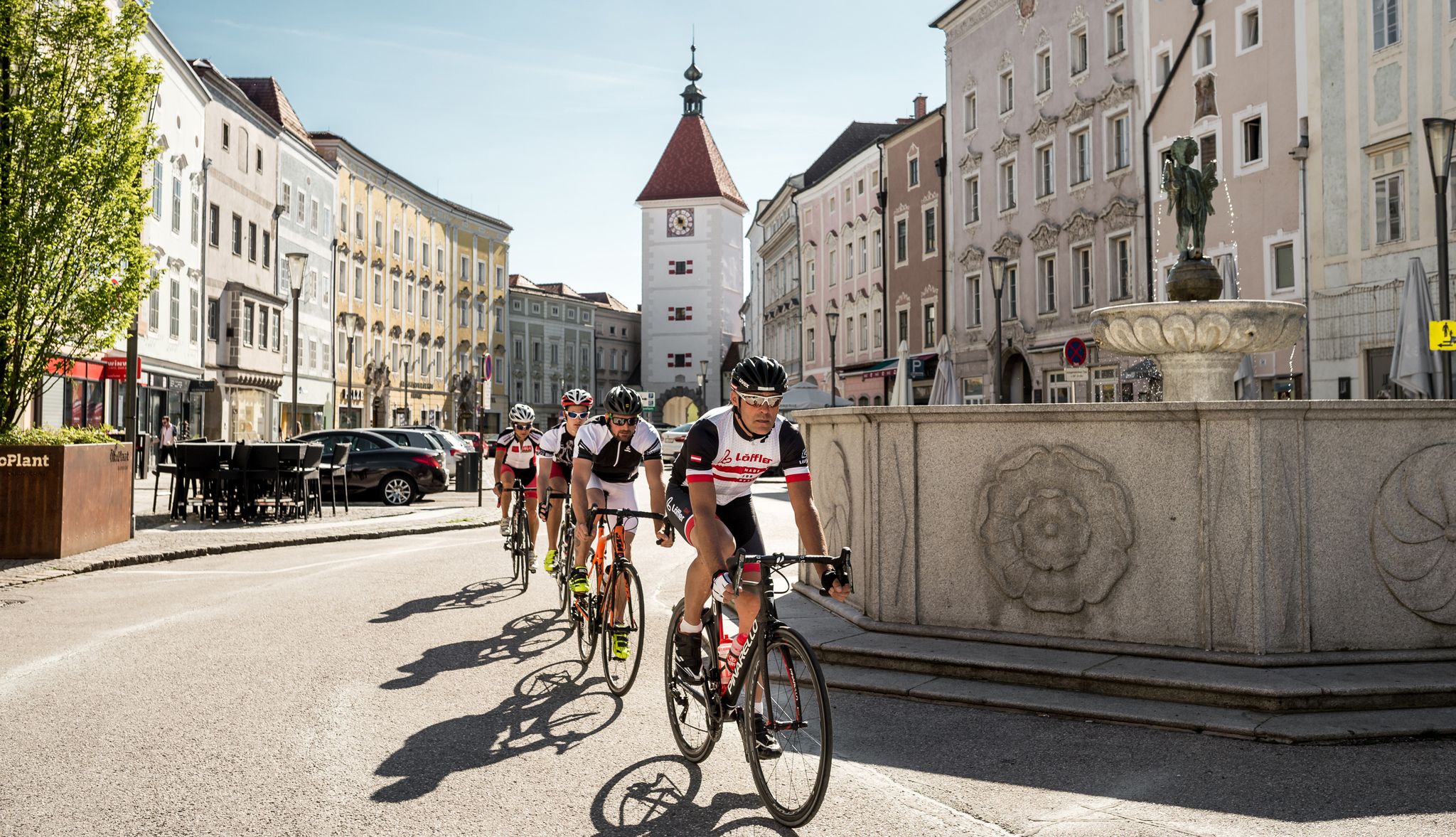
"Go where the locals go" — Road rides around Wels
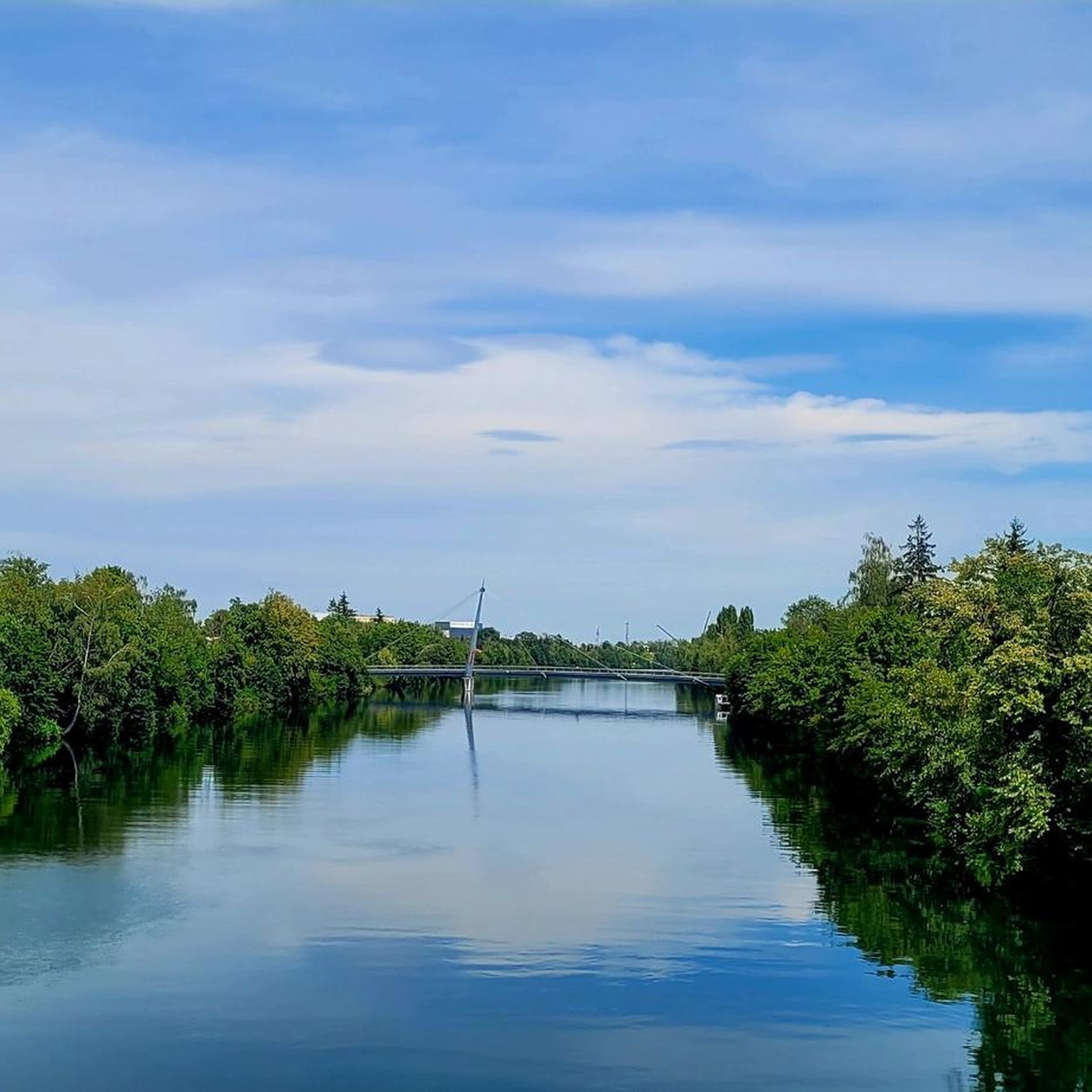
Running Trails around Thalheim bei Wels
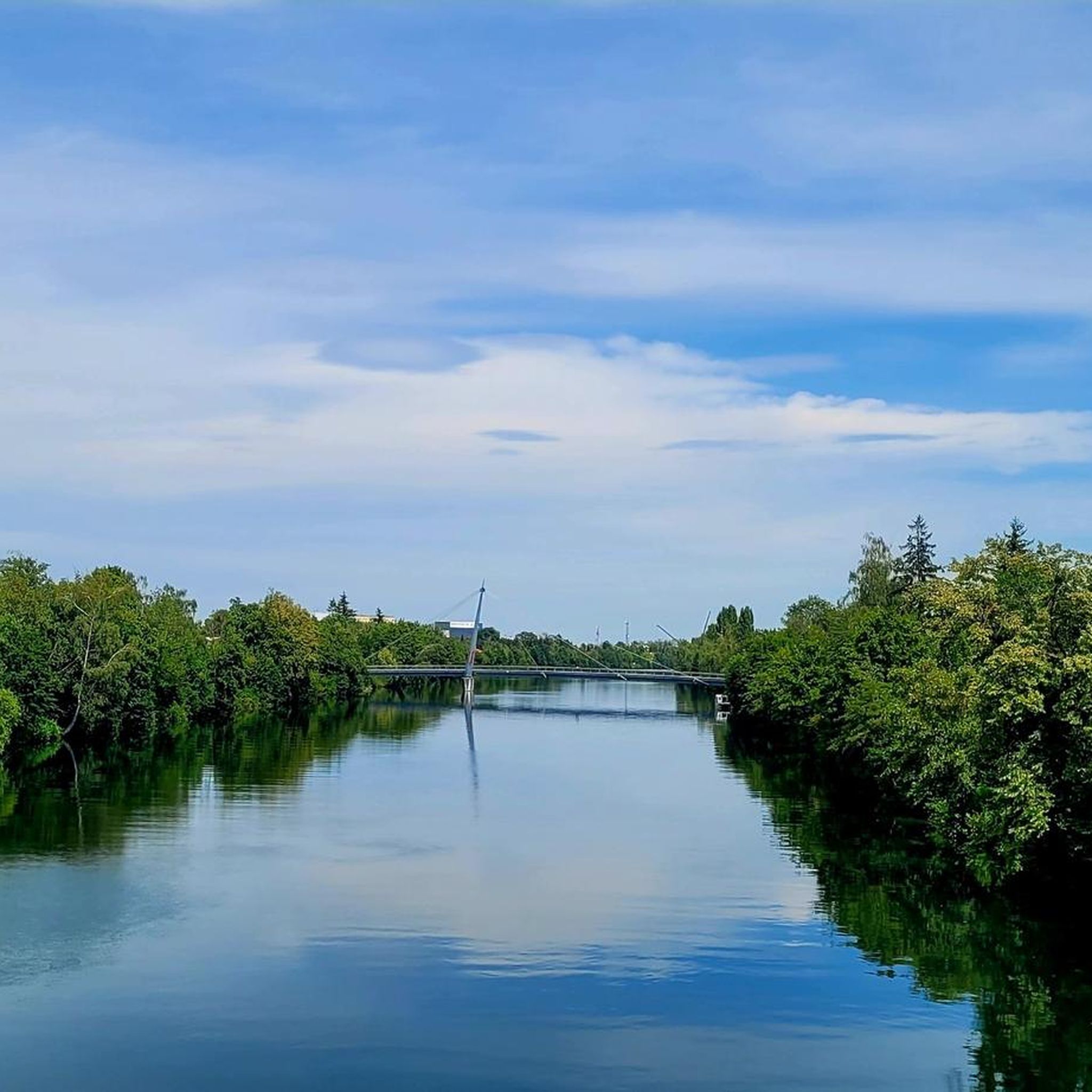
MTB Trails around Thalheim bei Wels
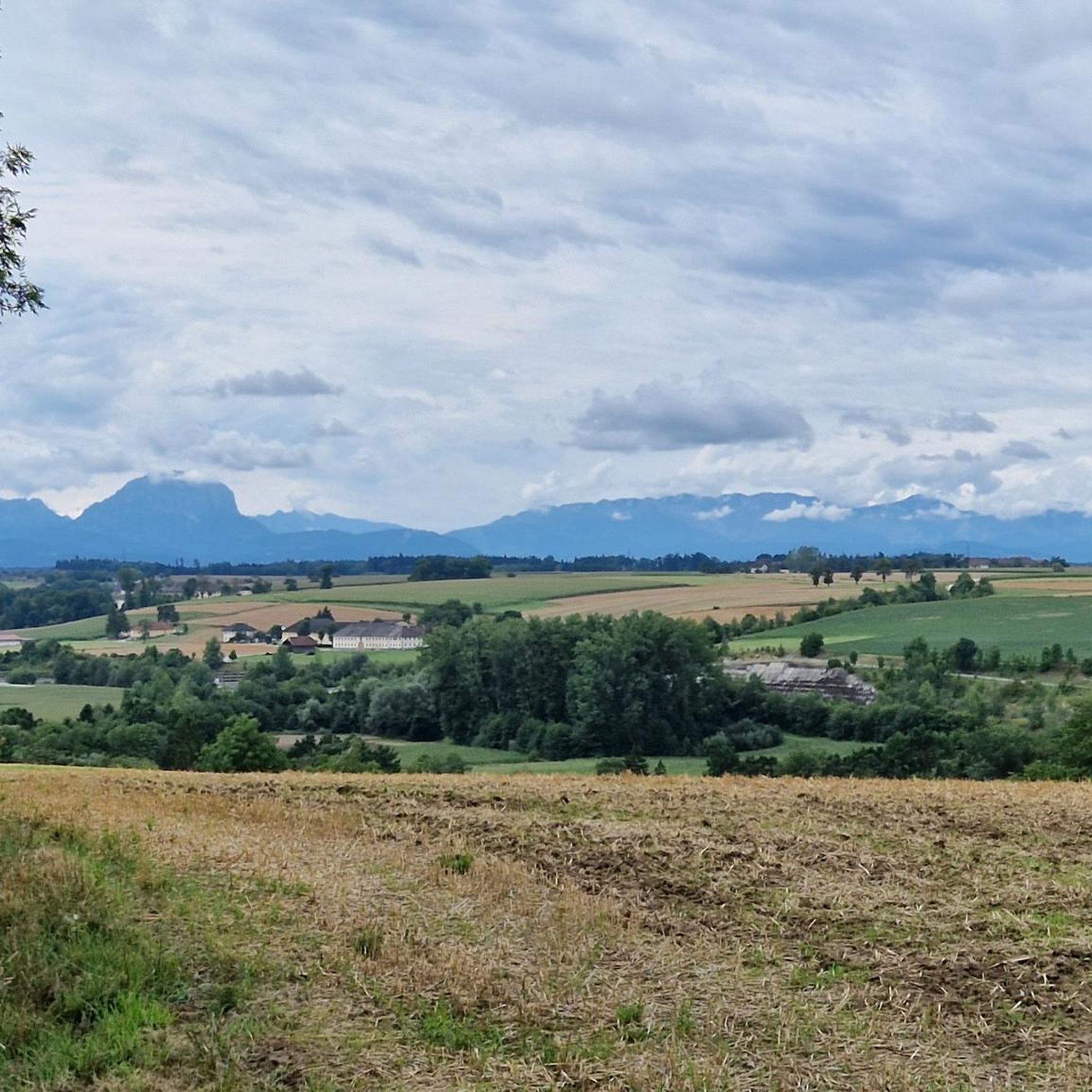
Cycling around Thalheim bei Wels
Road Cycling Routes around Thalheim bei Wels
Hiking around Thalheim bei Wels

Gravel biking around Thalheim bei Wels

Gravel biking around Thalheim bei Wels
Other adventures around Thalheim bei Wels

Tips from the Community

Wels Castle is essentially a medieval building. It was the residence of the emperor's stewards. The most significant event in its history was the death of Maximilian I, known as the Last Knight. The castle houses the Wels City History Museum. It showcases the city's history from Roman times to the 21st century through fascinating exhibits. There are also films for illustrative purposes. The museum is also easily accessible with a wheelchair or stroller.
6
1

Unfortunately, the position on Komoot is incorrect. The castle is located a good 6 km away near Rohr an der Krems, not on Linzer Straße next to Hall Castle in Bad Hall. Please correct this position, as otherwise the planning will be based on incorrect assumptions. The correct position would be 48.074749, 14.180378.
0
1

A pharmacy founded around 1600, which has been owned by the Fritsch-Richter family for over 100 years, has developed into an international healthcare services company (Richter Pharma AG), and the location at Stadtplatz 12 to 14 and Hafergasse 1 to 3 has become a 3,500 m2 inner-city center with a unique world of experience. You can find more information about the history of the pharmacy and the symbolism in the following text. Symbolism: The eagle is considered a symbol of heaven, the snake for the earth, the underworld or wisdom, among other things. The interplay of these symbols can be found in a wide variety of traditions and religions, from the Sumerians to the Maya and the Grail story. The Rod of Asclepius is a staff wrapped around a snake and is also known as a snake staff. Originally it was an attribute of Asclepius, the god of medicine in Greek mythology. Today it is the symbol of the medical and pharmaceutical profession. In Austria, pharmacists use the Aesculapius symbol and form the snake and staff into a large curved A. Can you spot the snake? Source: www.wels.at/welsmarketing/events/top-events/welser-weihnachtswelt/welser-lichterpfad/22-adler.html
5
3

Achleiten Castle is a private property and is not normally open to visitors. However, it attracts numerous guests every year in June when the well-known CDI Achleiten dressage tournament takes place on the grounds. During this event, the riding facility and part of the castle grounds are open to visitors, so that interested parties have access to the tournament areas.
0
1

Center of Wels The first houses were built in the 13th century
6
2

no or little car traffic, cycle path across the entire main square!!!, top
5
2

Wels Imperial Castle is a palace-like fortress located southeast of Wels's city center. Dating back to the Middle Ages, it was owned by the Babenbergs and the Habsburgs, among others. The building is now owned by the city and houses the Wels City Museum and the Museum of Expellees. Opening Hours Tuesday to Friday 10:00 a.m. to 5:00 p.m. | Saturday 2:00 p.m. to 5:00 p.m. Sunday and Public Holidays 10:00 a.m. to 4:00 p.m. The castle was first mentioned in 776 in connection with the Wels settlement "Castrum Uueles." The castle was originally a wooden structure with palisades and was only rebuilt from stone in the 12th or 13th century. At the end of the 12th century, it was pledged to Leopold VI of Babenberg, Duke of Austria, and was subsequently purchased by him in 1222. After the Babenbergs died out, the castle came into the possession of the Habsburgs. Under Emperor Maximilian I, who died there on January 12, 1519, the castle was rebuilt in the late Gothic style from 1508 to 1514. In 1653, the Holy Roman Emperor Ferdinand IV donated the castle to Prince Johann Weikhard von Auersperg. In 1865, the Auersperg family sold the castle to Ludwig Hinterschweiger, a Schmalz-seed producer who had the east wing added. Around 1900, it came into the possession of the Blaimschein family, and in 1937, the building was acquired by the city of Wels.
8
1
Frequently Asked Questions
What castles can I visit near Thalheim bei Wels?
While Schloss Aigenegg in Thalheim bei Wels is private, the surrounding Wels-Land district offers several notable castles. You can explore the historical Wels Castle, the picturesque moated Lichtenegg Castle, and Pollheim Castle in Wels. Bernau Castle in Fischlham is also a beautifully restored moated castle.
Are there any castles near Thalheim bei Wels that are particularly family-friendly?
Yes, Wels Castle, which houses an exciting city museum, is considered family-friendly. It offers a journey through 1000 years of history with exhibits, models, and audio-visual means. Lichtenegg Castle also has a family-friendly rating, though its interior now contains apartments, its grounds are pleasant to explore.
What kind of historical significance do the castles in this region have?
The castles around Thalheim bei Wels boast rich histories, often dating back to medieval times. For example, Pollheim Castle is deeply intertwined with the noble Polheimer family from 1237 and showcases Romanesque, Gothic, and Renaissance elements. Wels Castle was mentioned as early as 776 and was once owned by the Habsburgs. These sites offer insights into regional power, architecture, and daily life through centuries.
Can I visit Schloss Aigenegg in Thalheim bei Wels?
Schloss Aigenegg in Thalheim bei Wels is a private residential building and is not open to the public. However, its exterior and history as a monastic estate, brewery, and later a renovated castle make it an interesting point of interest to observe from afar.
What is the best time of year to visit castles near Thalheim bei Wels?
The spring and autumn months generally offer pleasant weather for exploring the castles and their grounds. Summer can also be enjoyable, though it might be busier. Winter visits are possible, but some outdoor areas or specific events might be limited by colder temperatures or snow.
Are there any castles near Wels that are wheelchair accessible?
While specific accessibility details for all castles vary, the Wels Town Square, which is a significant historical settlement often associated with the city's castle history, is listed as wheelchair accessible. For individual castles, it's advisable to check their specific accessibility information directly.
What outdoor activities can I do near these castles?
The region around Thalheim bei Wels offers various outdoor activities. You can find numerous cycling routes, such as those detailed in the Cycling around Thalheim bei Wels guide, or explore running trails like those in the Running Trails around Thalheim bei Wels guide. Mountain biking is also popular, with routes available in the MTB Trails around Thalheim bei Wels guide, often passing by scenic landscapes and historical sites.
Are there any castles that host events or special activities?
Yes, Bernau Castle in Fischlham is beautifully restored and frequently hosts atmospheric celebrations, including weddings, concerts, and fashion shows. Schloss Achleiten, while typically private, opens parts of its grounds to visitors annually for the CDI Achleiten dressage tournament.
What architectural styles can I expect to see in the castles around Thalheim bei Wels?
The castles in the region display a blend of architectural styles reflecting their long histories. You can see Romanesque, Gothic, and Renaissance elements, particularly at Pollheim Castle. Moated castles like Bernau Castle and Lichtenegg Castle often feature distinct 16th-century designs with later Baroque facades or renovations.
Are there any castles near Thalheim bei Wels that are dog-friendly?
While specific dog policies vary for castle interiors, many castle grounds and parks, such as the beautifully maintained park at Lichtenegg Castle, are generally accessible for dogs on a leash. It's always recommended to check individual castle regulations before your visit.
What do visitors enjoy most about the castles and historical sites in this area?
Visitors appreciate the rich history and diverse architecture of the castles. The opportunity to explore centuries-old structures, delve into regional history at places like Wels Castle, and enjoy the well-maintained grounds of castles like Lichtenegg Castle are frequently highlighted. The Wels Town Square is also highly regarded for its historical charm and vibrant atmosphere.
Most popular routes around Thalheim bei Wels
Most popular attractions around Thalheim bei Wels

Get inspired with the komoot mobile app


Explore more
Looking for the best castles somewhere else? Discover other guides around Thalheim bei Wels:
