The 20 Most Amazing Peaks in the United Kingdom
Best mountain peaks in the United Kingdom offer a diverse range of landscapes and challenges across Scotland, Wales, and England. The country's mountainous regions feature ancient volcanic formations, glacial valleys, and rugged terrain. These peaks provide extensive views and opportunities for outdoor activities, attracting many visitors annually. The United Kingdom's mountains are notable for their varied natural features and historical significance.
Best mountain peaks in the United Kingdom
- The most popular mountain peaks include Ben Nevis summit, a summit that is the highest point in the United Kingdom. It features a large, stony plateau and the ruins of an observatory.
- Another must-see spot is Snowdon Summit (Yr Wyddfa), a summit known for its jagged peak and dramatic landscapes carved by glaciers. It offers diverse outdoor activities within Snowdonia National Park.
- Visitors also love Old Man of Coniston summit, a summit in the Southern Fells. It is a popular fell with good paths exploring high tarns, lofty ridges, and historical remnants of mining.
- United Kingdom is known for summits, viewpoints, and natural monuments. These include ancient volcanoes, glacial formations, and craggy fells.
- The mountain peaks in the United Kingdom are appreciated by the komoot community, with more than 2800 highlights and over 1100 photos shared.
Last updated: October 9, 2026
Mam Tor
Highlight • Summit
Tip by

Hollins Cross
Highlight • Mountain Pass
Tip by
Sign up now to discover places like this
Get recommendations on the best single tracks, peaks, & plenty of other exciting outdoor places.
Old Man of Storr
Highlight • Climb
Translated by Google •
Tip by

Lose Hill Summit
Highlight • Viewpoint
Tip by
Arthur's Seat
Highlight • Summit
Tip by

Snowdon Summit (Yr Wyddfa)
Highlight • Summit
Its glory lies in the myriad routes to the summit. There's everything from the gentle inclines of the Llanberis path to the knife-edged arête of Crib Goch. The south side of the mountain is generally quieter, with the South Ridge in particular a fine route up. The Miners' and Pyg Tracks are straightforward, classic approaches that enter the incredible natural amphitheatre that holds Llyn Llydaw and Glaslyn.
To get the summit to yourself, rise early and avoid peak season.
Tip by
Kinder Low Trig Point
Highlight • Summit
Tip by
Ben Nevis summit
Highlight • Summit
Leaving the summit in poor visibility during winter poses significant dangers due to the cornices that form on the Ben's gullies. The safest way off is to walk on a bearing of 231 degrees for 492 feet (150 m) from the summit trig point. Then, walk on a bearing of 282 degrees to intercept the zig zags of the Pony Track.
Tip by
Old Man of Coniston summit
Highlight • Summit
Tip by

Catbells Summit
Highlight • Summit
Tip by
Sign up for free to discover even more peaks in the United Kingdom.
Already have an account?
Start today with a free account
Your next adventure awaits.
Popular around United Kingdom
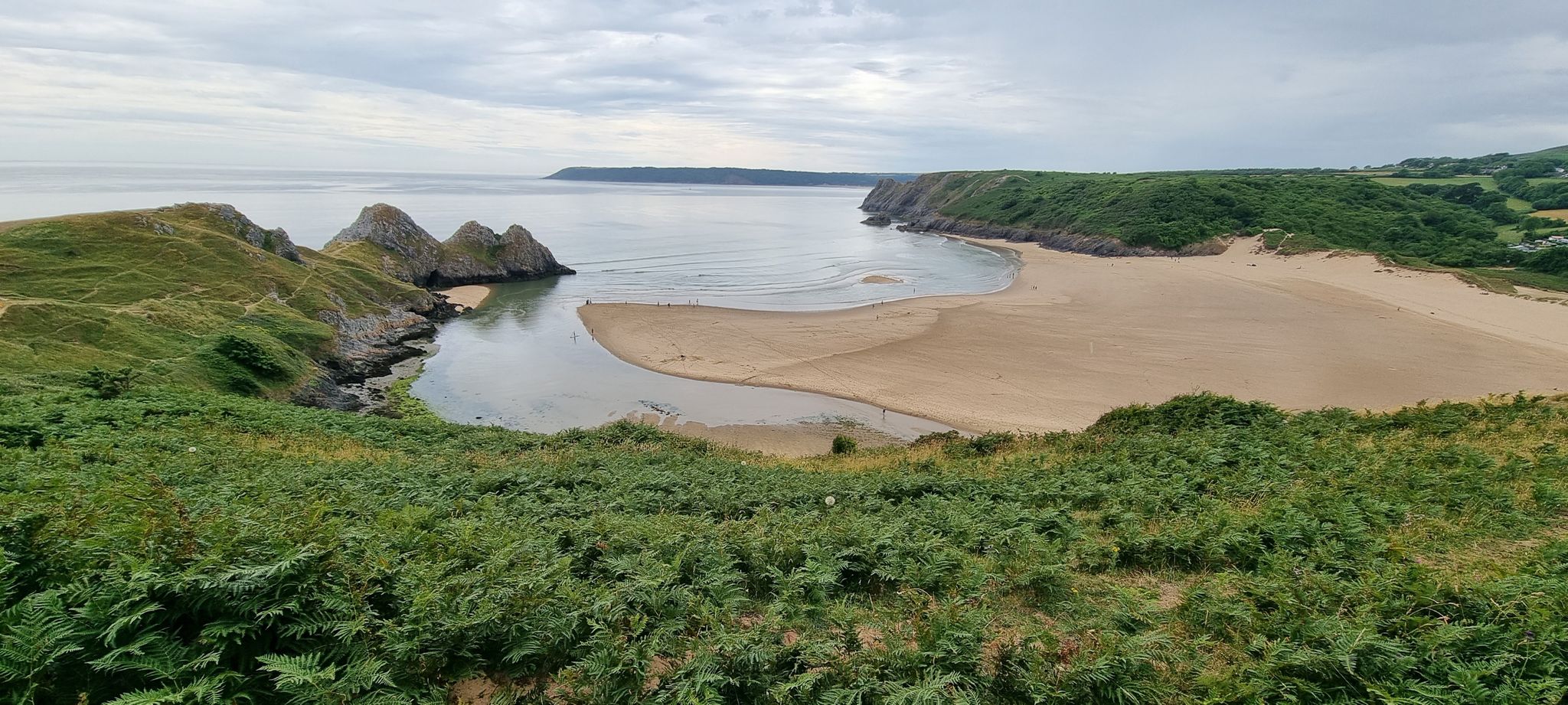
The Gower Edit — Love Trails with komoot
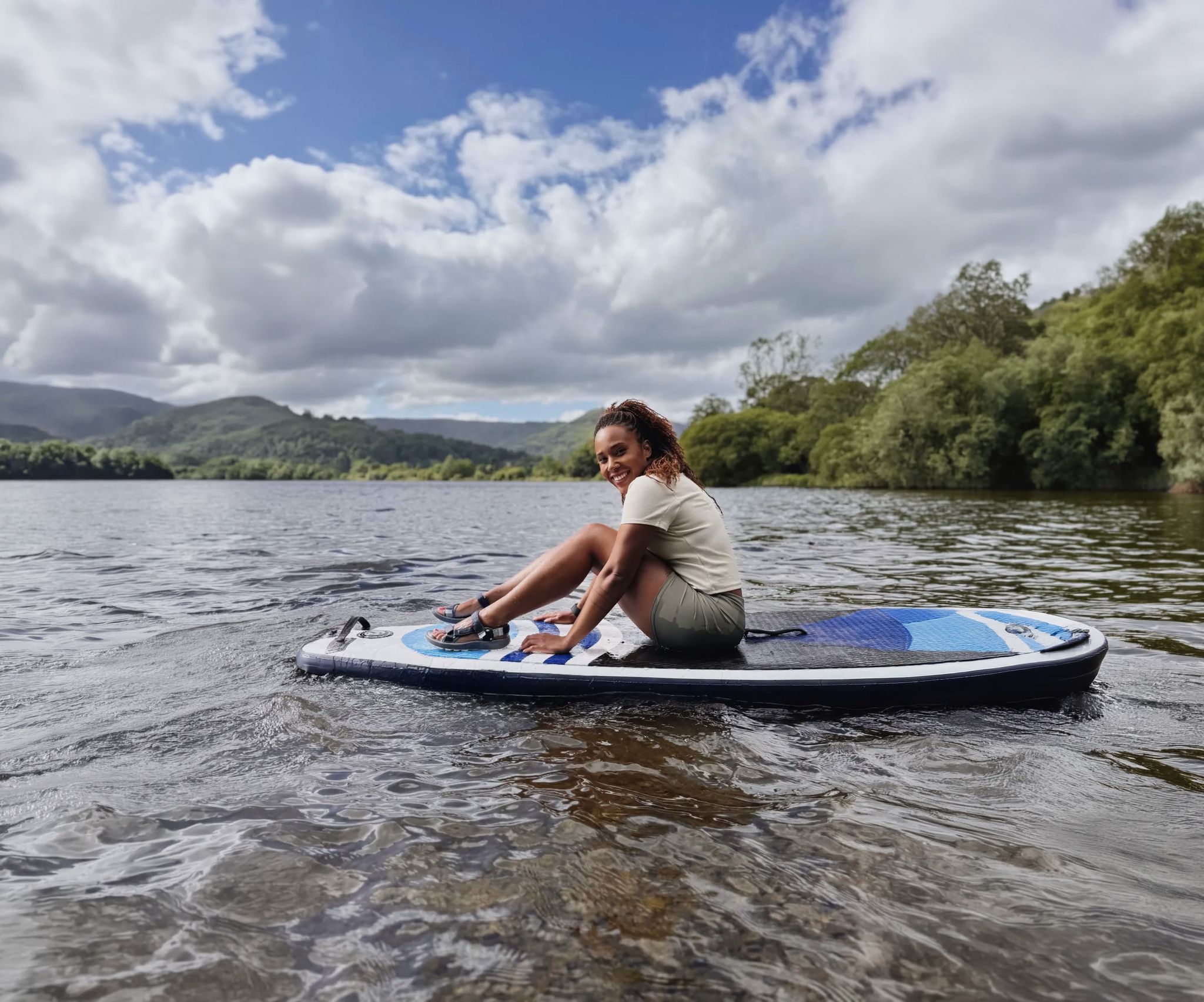
Scenic hikes to stand-up paddleboarding locations in the UK
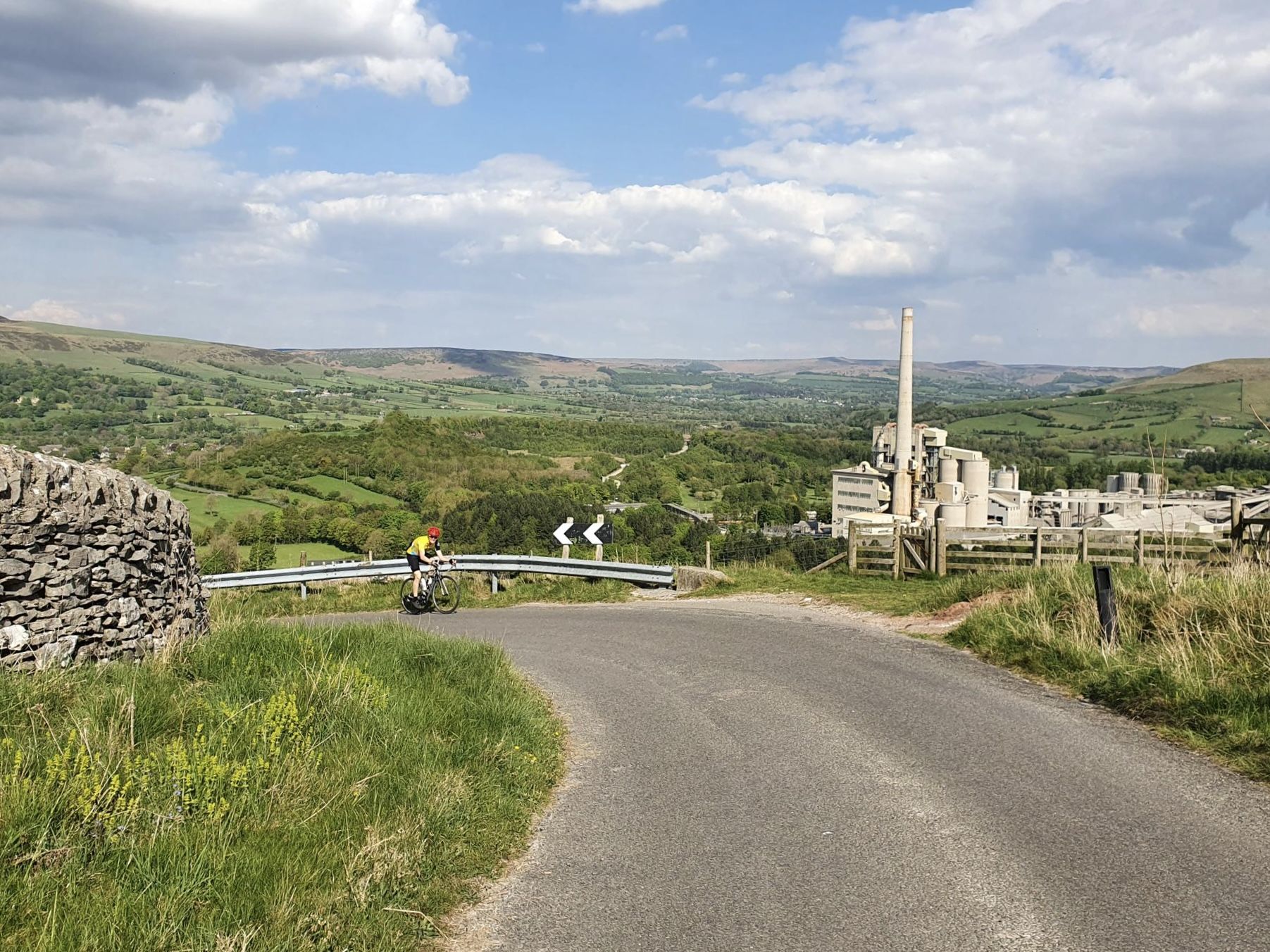
2025 Outdoor Connection event – epic cycling loops
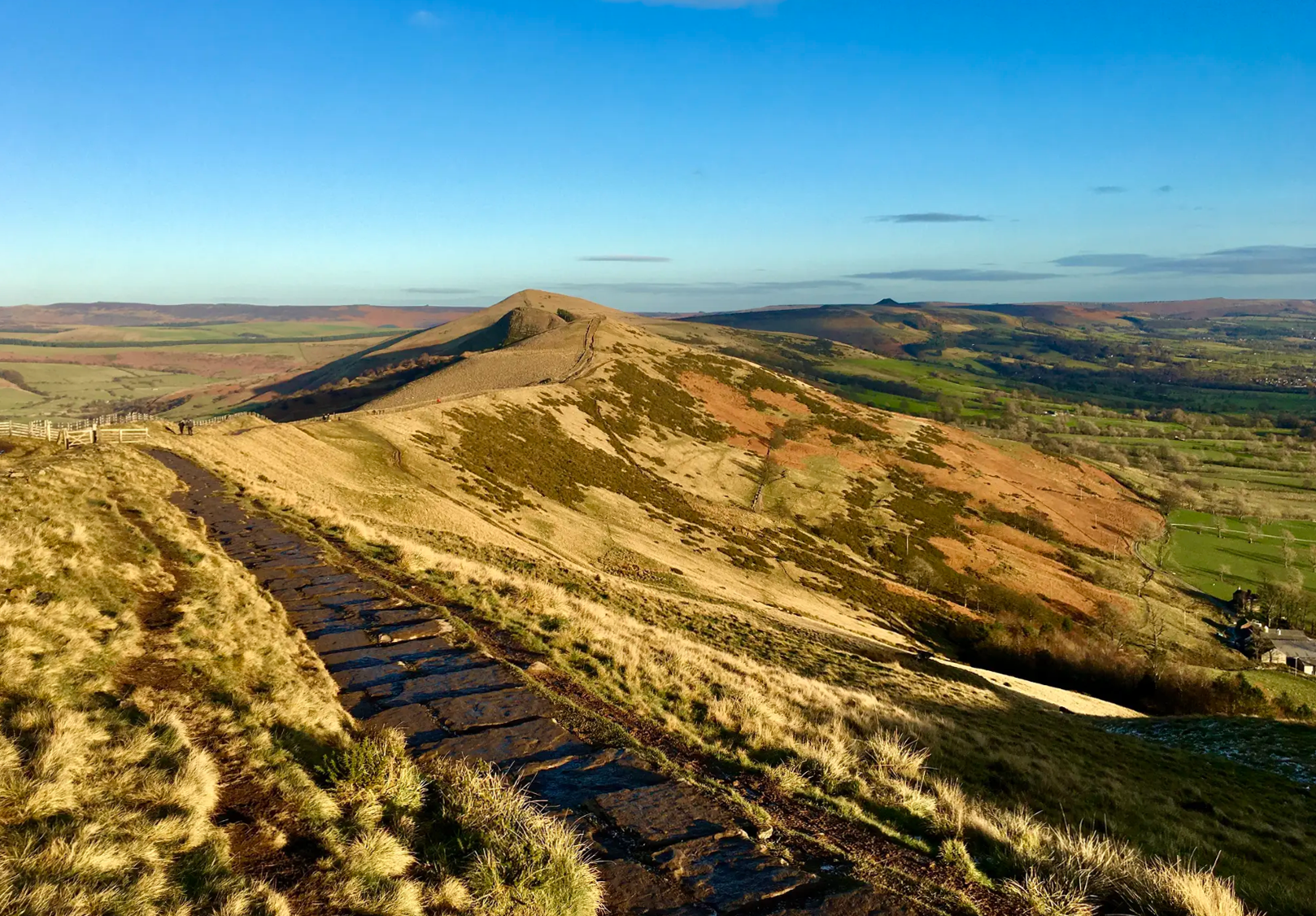
Glorious hikes and runs from the Outdoor Connection 2025 event
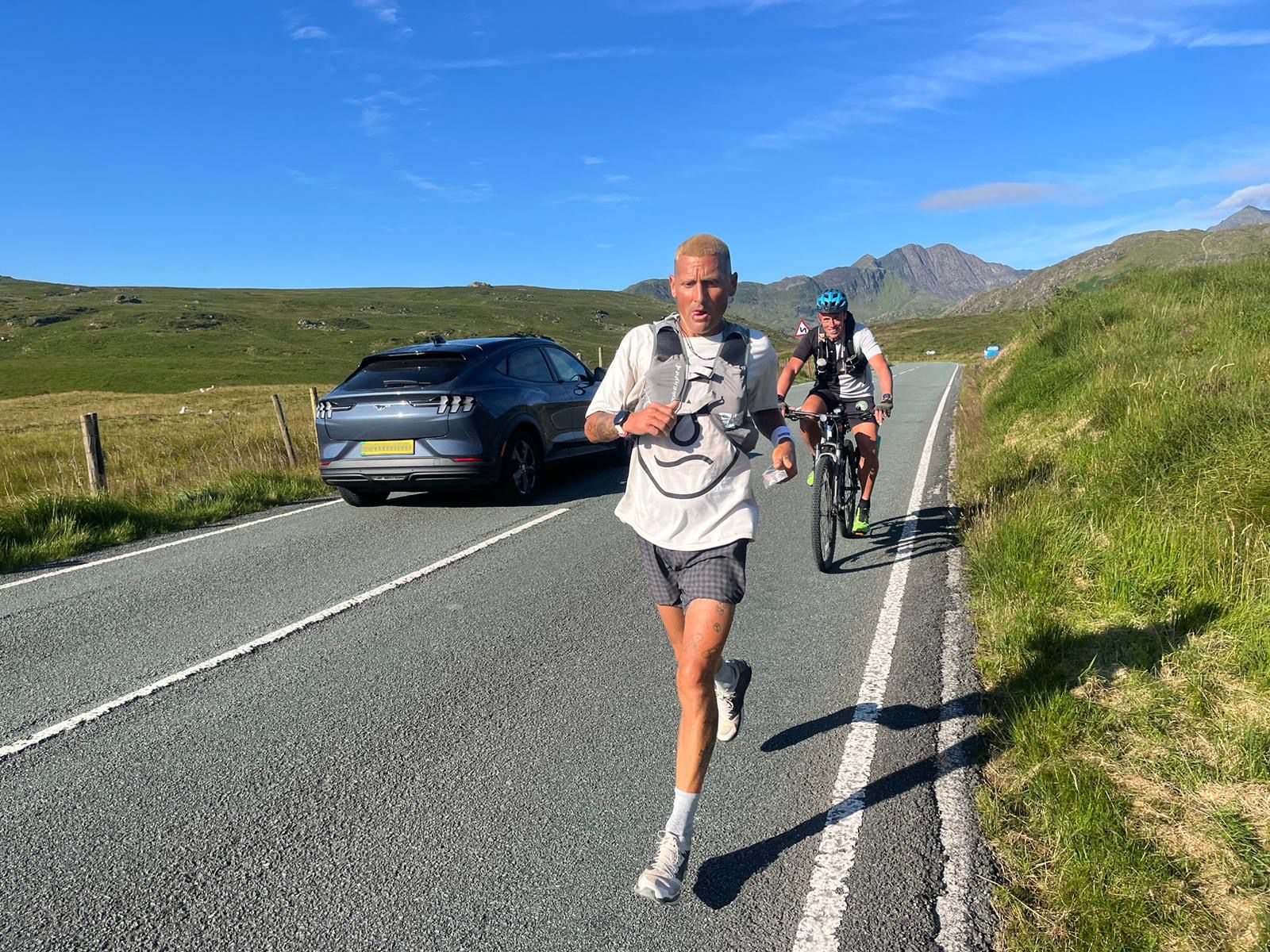
Supporting the National Three Peaks FKT in true Green Runners’ Style
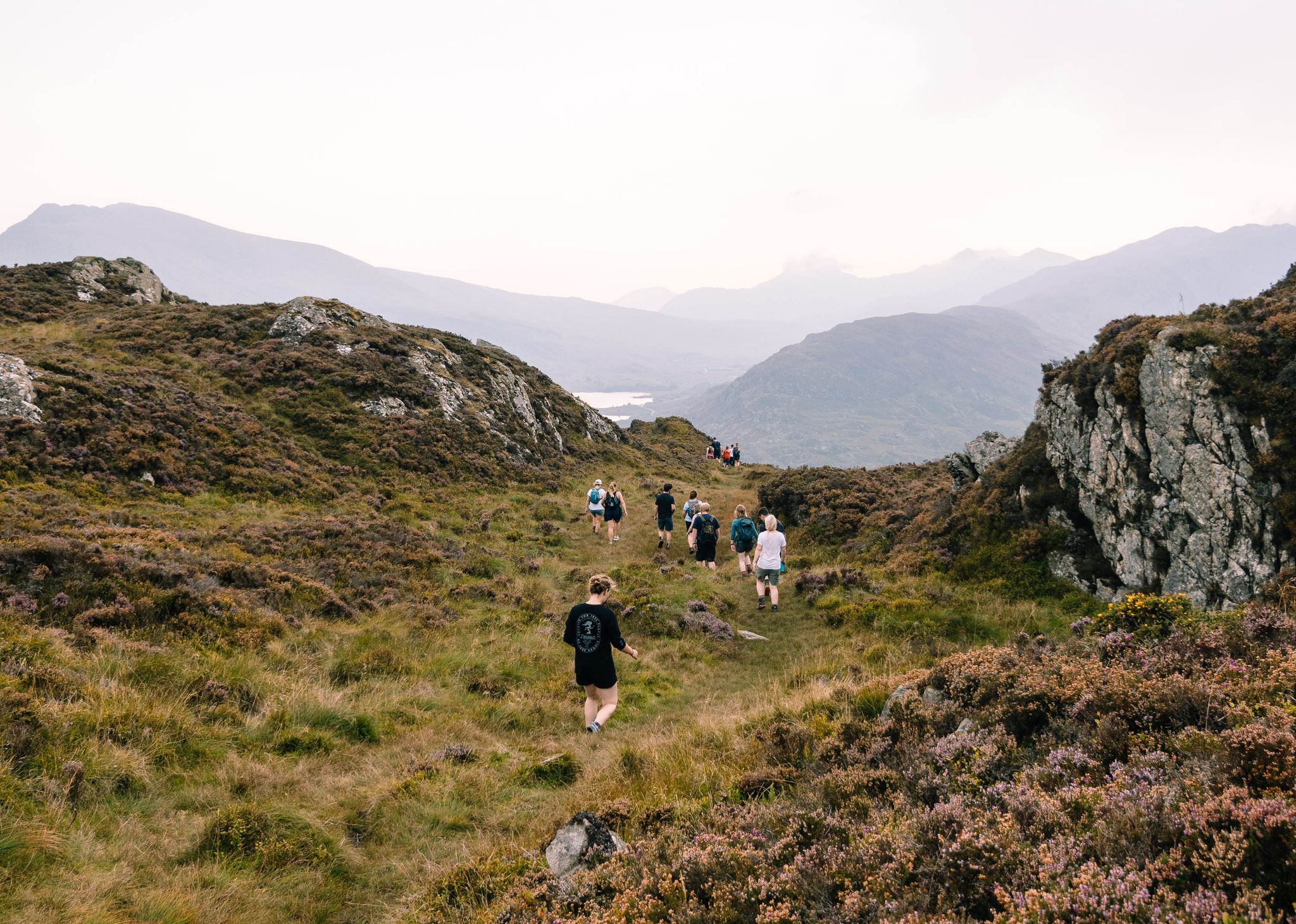
Connect with Nature – Purposeful Adventures in 2024
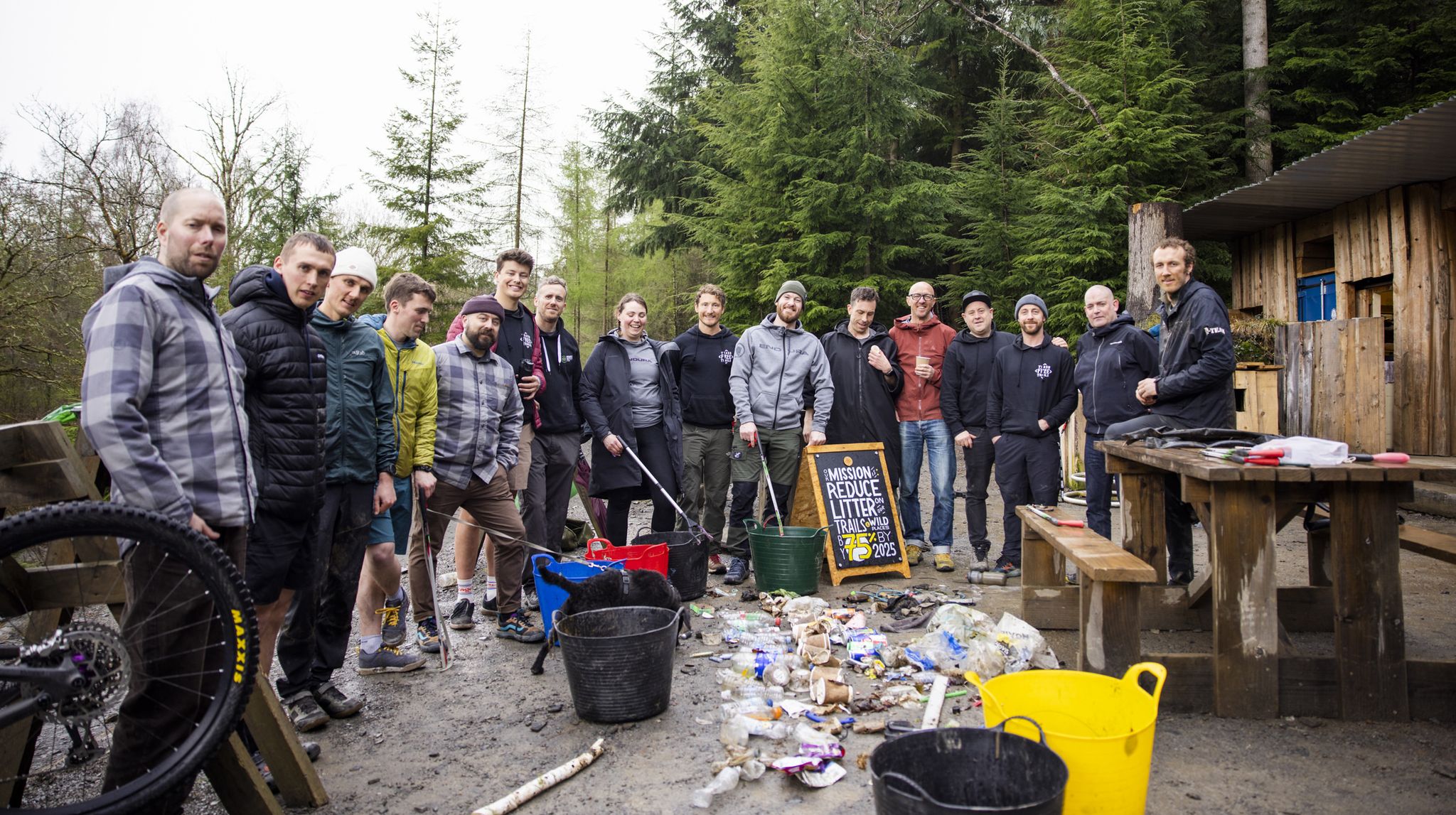
Adventures with a Purpose – our A-TEAMers’ best routes
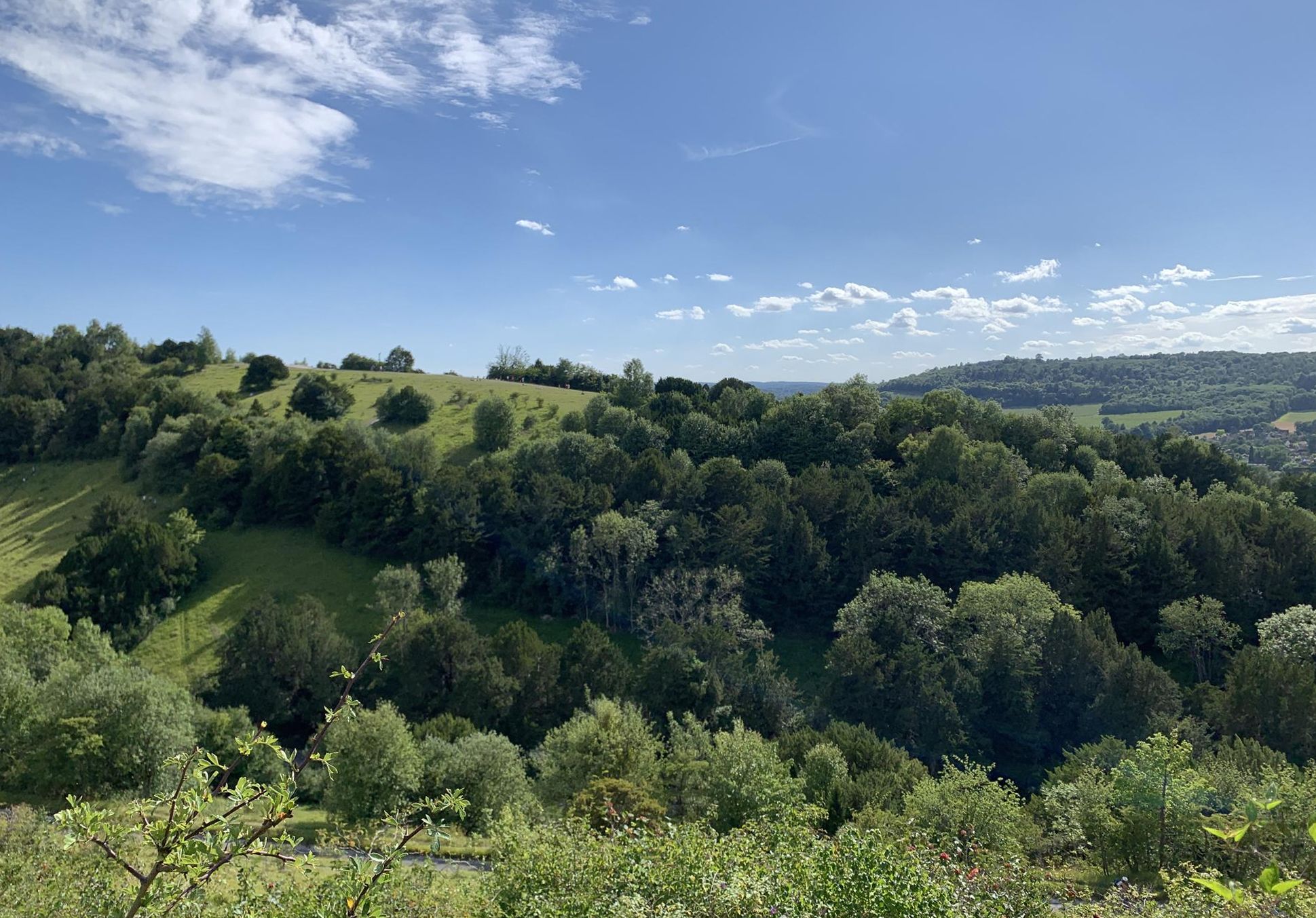
Multi-use magic in the Surrey Hills – Leith Hill Greenway
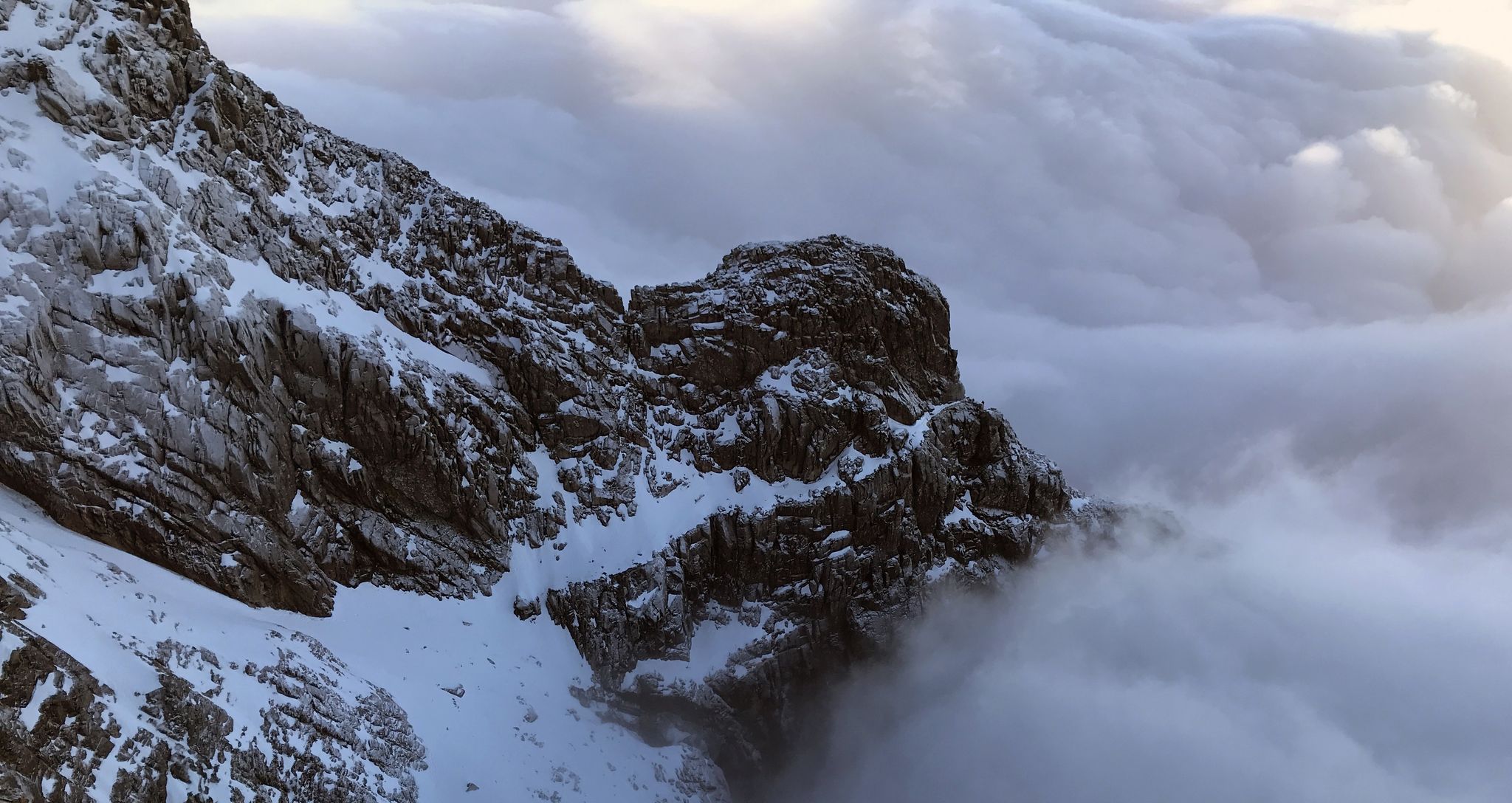
Ephemeral Lines – Stunning UK Winter Ridges
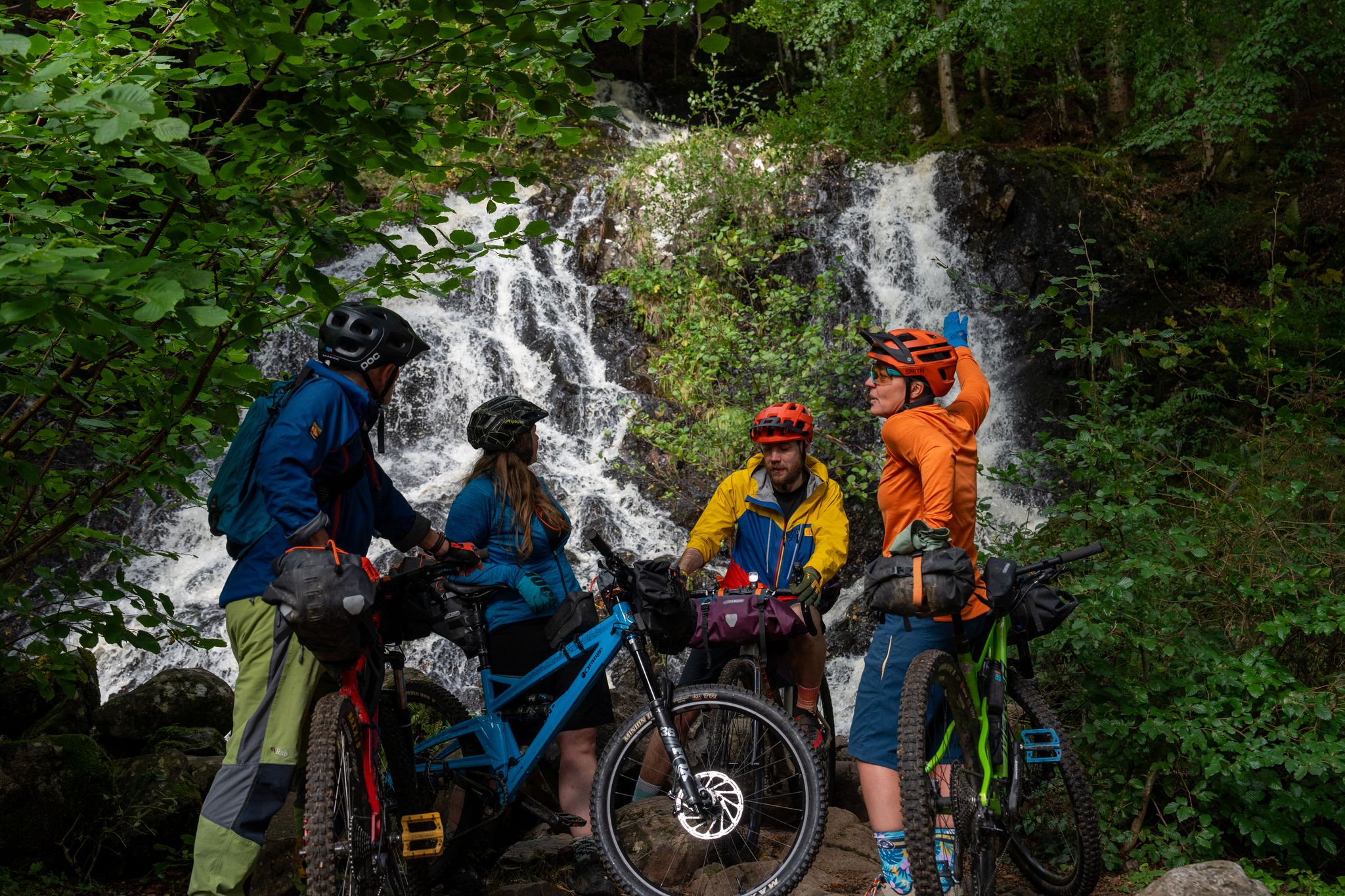
Purposeful Adventures from Comrie Croft
Other adventures in the United Kingdom


Tips from the Community

To describe this mountain, here is a quote: "Although cruelly scarred and disfigured by the quarries, the Old Man has retained a dignified bearing and still lifts his proud and venerable head to the sky. His tears flow quietly into Low Water and Goats Water, two beautiful mountain tarns, whence they eventually... find their way to Coniston Water, bathing his ancient feet." Alfred Wainwright, "A Pictorial Guide to the Lakeland Fells, Book Four: The Southern Fells"
5
0


The Old Man of Storr is one of the most famous and visited sights. It is a 55 meter high peak of basalt rock, the remnant of a 2.8 billion year old volcanic plug. The walk to the summit is suitable for most weather conditions, although on a wet day the path can become muddy and there is always a danger of falling rocks along the path at higher levels. The walk is approximately 3.8 kilometers long and takes an average of 1 hour and 15 minutes. It is advisable to bring suitable clothing for changes in the weather and wear sturdy footwear for the walk. Despite the site's popularity, it is still possible to enjoy the peace and quiet, especially if you visit early in the morning or late in the afternoon.
5
1

Quote: It is not clear where the name "Arthur's Seat" comes from. Some see it as a reference to the legendary King Arthur. In 1912, John Milne published a book on Gaelic place names in which he derived the name from "Suidhe Ard-Thir", which in English means something like "place on high ground". However, the word order here would be odd. The historian William Maitland put forward a different theory in the 18th century. According to him, the name would be "Àrd-na-Said", "height of arrows", a variant that was later changed to "Archer's Seat" and later "Arthur's Seat". (Text source: https://www.myhighlands.de/arthurs-seat-edinburgh/ )
6
0
The name "Snowdon" is first recorded in 1095 as Snawdune, and is derived from the Old English elements snaw and dun, meaning "hill of snow". The Welsh name for the mountain, Yr Wyddfa, is first recorded in Latin as Weddua vaur in 1284. This is probably an approximation of Pen y Wyddfa Fawr. The element gwyddfa in this context means "height, promontory", and also occurs in the Welsh name for the town of Mold, Yr Wyddgrug. Gwyddfa later developed the meaning "gravestone heap", and there is a legend that the giant Rhita is buried beneath the cairn on the summit of the mountain. According to one legend, the giant Rhita was slain and buried on the mountain by King Arthur, while another legend suggests that Rhita was killed by the giant Idris who lived on the mountain Cadair Idris. The mountain is also associated with other figures from Arthurian legend, a legendary Afanc (water monster) and the Tylwyth Teg (fairies). (Wikipedia)
12
1

Ben Nevis is Britain's highest mountain and arguably its greatest from a mountaineering perspective too. This is mostly down to its immense North Face, a treasure trove of ridges, buttresses and gullies that climbers have been testing themselves on for generations. Leaving the summit in poor visibility during winter poses significant dangers due to the cornices that form on the Ben's gullies. The safest way off is to walk on a bearing of 231 degrees for 492 feet (150 m) from the summit trig point. Then, walk on a bearing of 282 degrees to intercept the zig zags of the Pony Track.
2
0


A place I walk regularly, whether to start the great ridge toward Mam Tor, or coming back from that direction to head down into hope. A gradual gradient with stone steps so manageable in all weather, just very windy a lot of the time!
1
0
Frequently Asked Questions
Which mountain peaks in the UK offer the most challenging climbs?
For those seeking a significant challenge, Ben Nevis summit in Scotland, the UK's highest peak, presents a demanding ascent. Similarly, Snowdon Summit (Yr Wyddfa) in Wales offers various routes, including the challenging Crib Goch ridge. England's highest, Scafell Pike, also provides a formidable climb testing endurance and navigational skills.
Are there any family-friendly mountain walks in the United Kingdom?
Yes, several peaks are suitable for families. Catbells Summit in the Lake District is a popular choice, known for its fun terrain and spectacular views, making it a classic Lakeland outing for all ages. Mam Tor summit and trig point in the Peak District also offers options for shorter, family-friendly walks with enchanting views.
What kind of natural features can I expect to see on UK mountain peaks?
The UK's mountain peaks showcase diverse natural features. You'll find ancient volcanic formations, such as Arthur's Seat in Edinburgh, and landscapes carved by glaciers, like those around Snowdon Summit (Yr Wyddfa) with its jagged peaks and numerous small lakes. Other areas feature rugged, craggy terrain and summit boulder fields, such as Scafell Pike, and lofty ridges like those found near Old Man of Coniston summit.
Which mountain peaks offer the best panoramic views?
Many peaks provide extensive views. From Ben Nevis summit, on a clear day, you can see as far as Northern Ireland. Snowdon Summit (Yr Wyddfa) offers stunning panoramas that can stretch to Ireland. Scafell Pike provides rewarding views encompassing the Isle of Man, Scotland, and Wales. For breathtaking views over the Peak District, Mam Tor summit and trig point is an excellent choice, with views extending to Manchester in clear conditions.
Are there historical sites or unique landmarks on or near these peaks?
Yes, many peaks have historical significance. Ben Nevis summit features the ruins of an observatory that was continuously staffed in the late 19th century. Arthur's Seat is an ancient volcano with historical associations. The area around Old Man of Coniston summit reveals historical remnants of centuries of slate quarrying and copper mining.
What is the best time of year to visit the UK mountains for hiking?
The best time to visit UK mountains for hiking is generally from late spring to early autumn (May to September). During these months, the weather is typically milder, with longer daylight hours and less chance of snow at lower elevations. However, conditions can change rapidly in the mountains, so always be prepared for all weather, regardless of the season.
What outdoor activities can I do near the mountain peaks in the United Kingdom?
Beyond hiking, the regions around the UK's mountain peaks offer a variety of outdoor activities. You can find numerous cycling routes, including touring and road cycling options. For example, explore routes like the Monsal Trail or the Round the Island Cycle Route, as detailed in the Cycling in the United Kingdom guide. There are also many easy hikes, such as the Ystradfellte Four Waterfalls Walk, which you can find in the Easy hikes in the United Kingdom guide.
How accessible are the popular UK peaks by public transport?
Accessibility varies by peak. Snowdon, for instance, is well-served, with the Snowdon Mountain Railway offering an alternative way to reach the summit, and various paths starting from accessible points within Snowdonia National Park. Other popular areas like the Lake District and Scottish Highlands have public transport links to major towns, but reaching specific trailheads often requires further planning or local transport.
Are there less crowded alternatives to the most famous peaks?
While popular peaks can get busy, you can find quieter spots. For example, Lose Hill Summit, despite its proximity to Mam Tor, often has fewer visitors, allowing for a more tranquil experience. Exploring other fells in the Lake District or less-known routes up major mountains can also provide a more secluded adventure.
What should I know about parking and permits when visiting UK mountains?
Parking facilities are available near most popular trailheads, but they can fill up quickly, especially during peak season. It's advisable to arrive early or consider public transport where available. Generally, no specific permits are required for hiking most UK mountains, but always check local regulations for specific areas or protected lands. Some car parks may require payment.
What are some notable features of the Peak District mountains?
The Peak District mountains, such as Mam Tor summit and trig point and Kinder Low Trig Point, are known for their distinctive landscapes, including gritstone edges, rolling moorlands, and dramatic ridges like the Great Ridge connecting Mam Tor and Lose Hill. They offer a mix of challenging and accessible walks with stunning views over valleys and dales.
Can I bring my dog on mountain walks in the UK?
Many mountain trails in the UK are dog-friendly, but it's crucial to keep dogs under close control, especially in areas with livestock or ground-nesting birds. Always follow the Countryside Code, clean up after your dog, and be aware of any specific restrictions in national parks or nature reserves. Some routes, particularly those involving scrambling or steep ascents, may not be suitable for all dogs.
Most popular routes in the United Kingdom
Most popular attractions in the United Kingdom

Get inspired with the komoot mobile app


Didn’t find what you were looking for?
Discover United Kingdom’s best peaks and summits by region:
Explore more
See even more amazing summits in the United Kingdom with these guides:
