Attractions and Places To See in Peru - Top 20
Best attractions and places to see in Peru include a diverse range of historical sites, natural wonders, and cultural landmarks. This South American nation is characterized by its Andean peaks, Amazon rainforest, and Pacific coastline. It holds significant historical importance as the heart of the Inca Empire, with numerous ancient ruins and colonial cities. The country offers varied landscapes from high-altitude mountains to vast desert regions.
Best attractions and places to see in Peru
- The most popular attractions is Machu…
Last updated: July 6, 2026
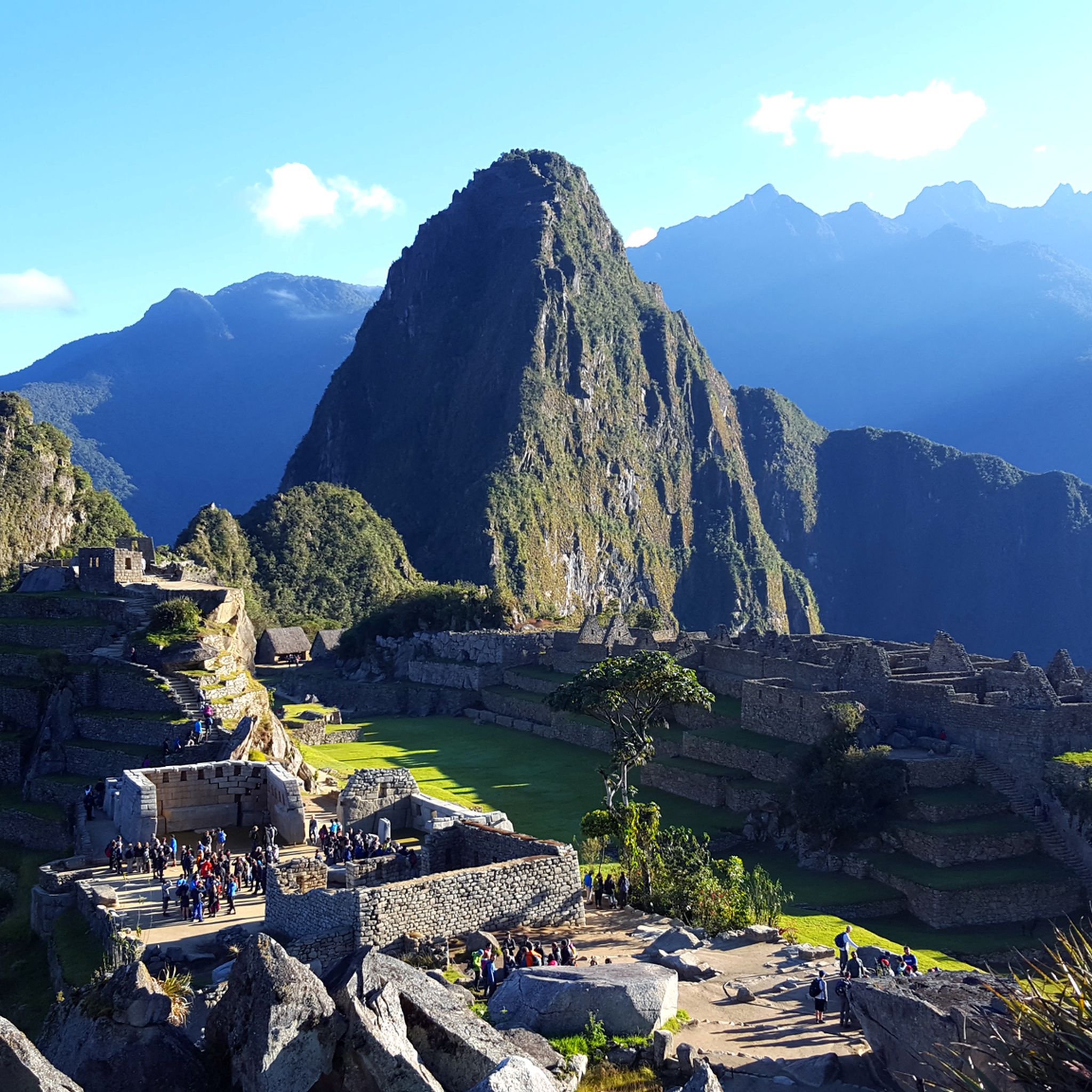
Machu Picchu
Highlight • Historical Site
Translated by Google •
Tip by

Plaza de Armas of Cusco
Highlight • Historical Site
Translated by Google •
Tip by

Sign up now to discover places like this
Get recommendations on the best single tracks, peaks, & plenty of other exciting outdoor places.
Sign up for free
Cusco Cathedral
Highlight • Religious Site
Translated by Google •
Tip by
Bridge of Sighs
Highlight • Bridge
Tip by

Rainbow Mountain (Vinicunca)
Highlight • Natural Monument
The strenuous climb to over 5000m is worth it. - exhausting not because of the steep - but because of the thin air. It is advisable …
Translated by Google •
Tip by

Lake Humantay
Highlight • Lake
Translated by Google •
Tip by
Hatun Rumiyoc Street and the Twelve-Angled Stone
Highlight • Historical Site
The wisdom of the Incas is reflected in numerous architectural monuments that have withstood the onslaught of time, …
Translated by Google •
Tip by
Qorikancha (Temple of the Sun)
Highlight • Historical Site
Tip by

Sacsayhuamán Archaeological Site
Highlight • Historical Site
Translated by Google •
Tip by
Arequipa's Plaza de Armas and Cathedral
Highlight • Historical Site
Translated by Google •
Tip by
Sign up for free to discover even more attractions in Peru.
Sign up for free
Already have an account?
Start today with a free account
Your next adventure awaits.
Login or Signup
Popular around Peru
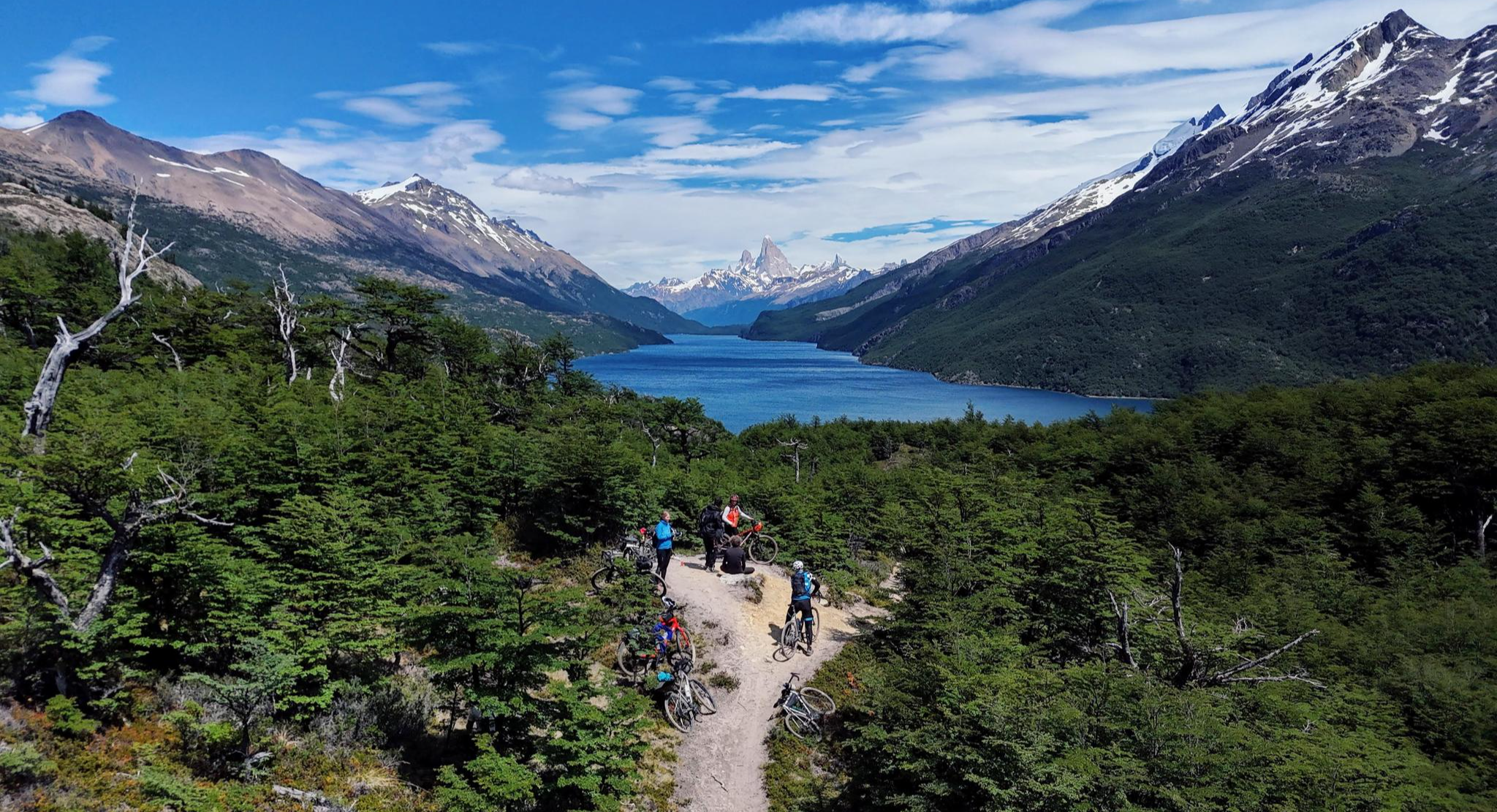
South American Epic — From Cartagena to Ushuaia
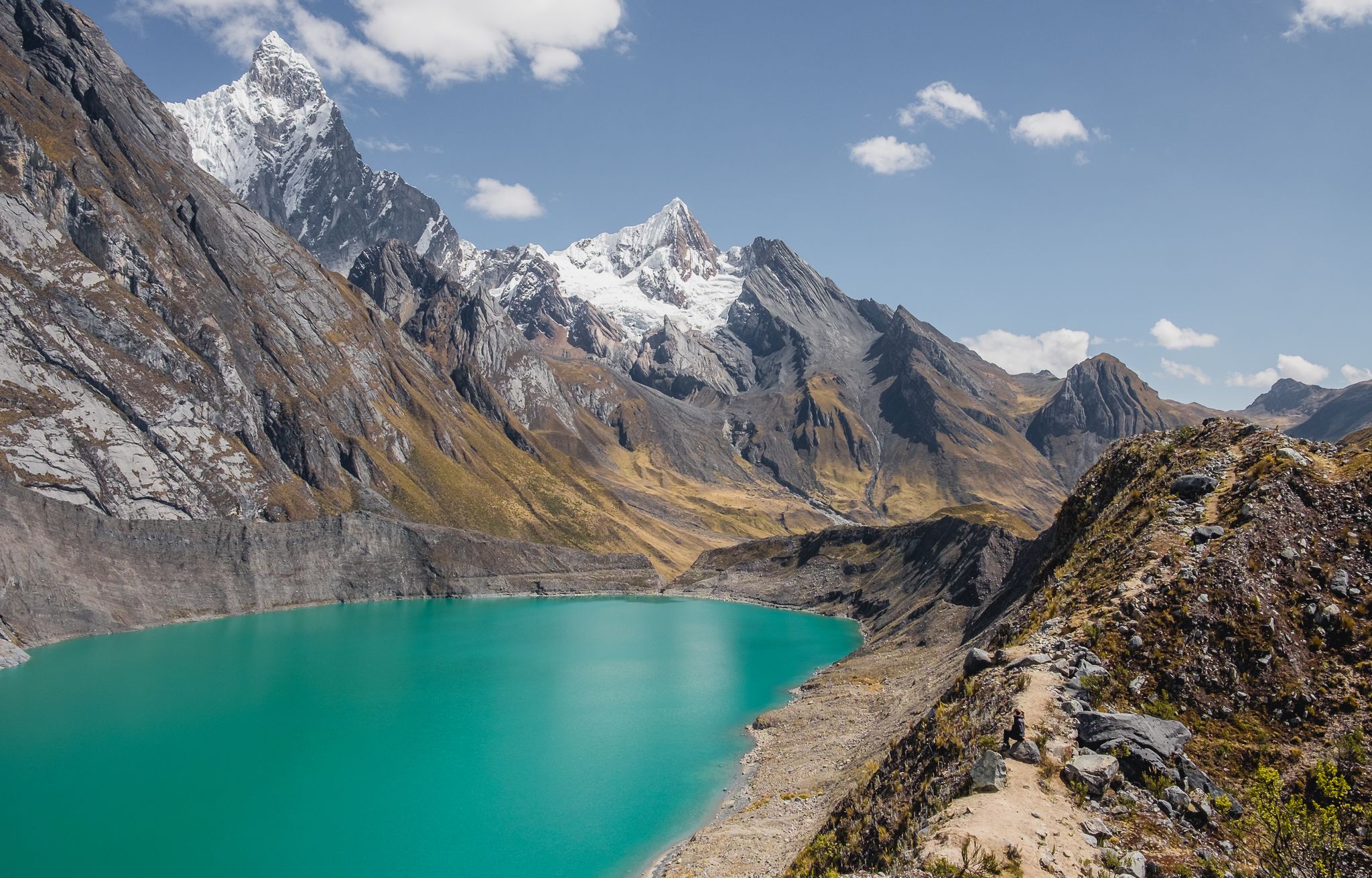
Breathtaking views on the Huayhuash Trek in Peru
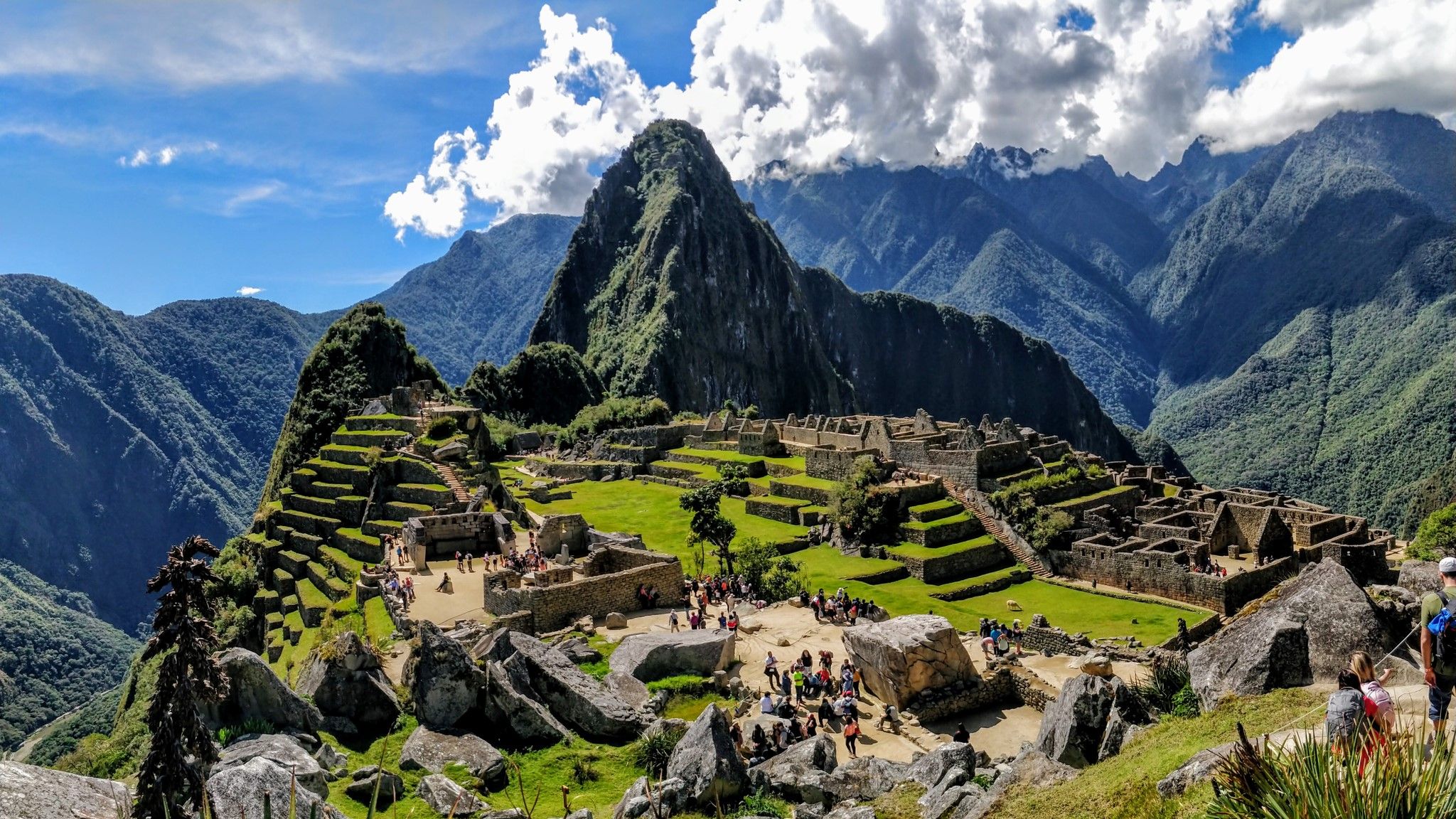
Between snowfields and jungles to Machu Picchu – Salkantay Trek
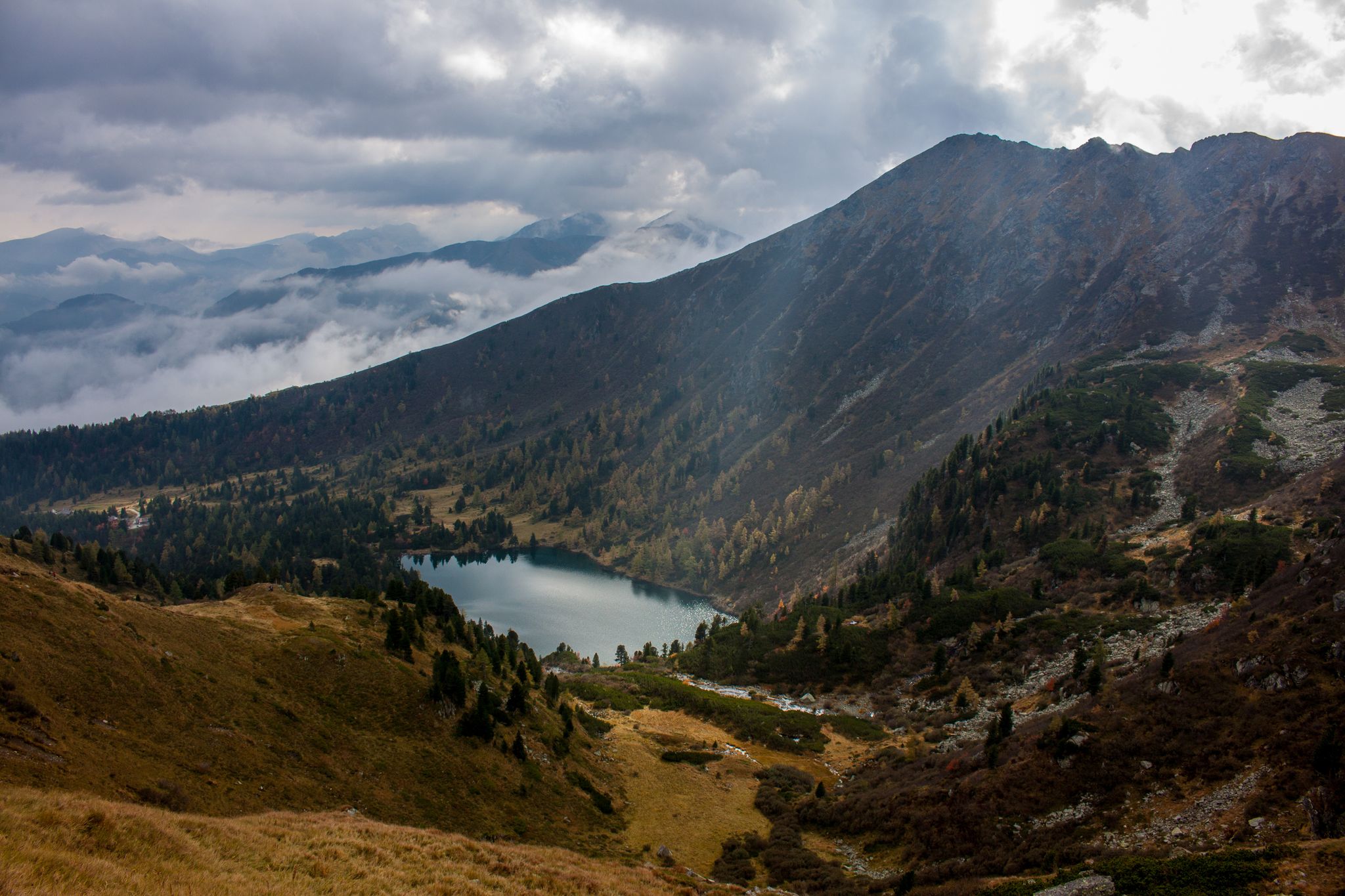
Berge mit unglaublichen Namen
Hiking in Peru
Running Trails in Peru
Cycling in Peru
MTB Trails in Peru
Road Cycling Routes in Peru

Mountain Hikes in Peru
Other adventures in Peru


Tips from the Community

Unfortunately, the bridge is currently being renovated and cannot be entered. (As of April 2026)
0
0

Even if you are no longer allowed to photograph inside the cathedral today (or precisely because of that), visiting it is a must for anyone visiting Cusco. Countless altars in various architectural styles and materials, the different patron saints, the silver monstrance, and of course the entire architecture are admirable. The supporting walls of the nave are built from stones of a nearby Inca temple. After an earthquake, the cathedral's roof was destroyed and rebuilt in the Gothic style.
1
0


Cost 70 soles to enter, only accepts cash payments. Only pay at the top of the hill not the sellers on the way.
1
0

At the heart of Cusco is Coricancha, the most important temple of the Inca Empire. Coricancha, also spelled Korikancha or Qorikancha, means "Golden Temple" in Quechua. This impressive Inca Temple of the Sun remains a key feature of the city for locals and tourists alike.
0
0
The fortress of “Sacsayhuamán” (in Quechua this means contented falcon) is one of the most important archaeological complexes of the Inca Empire and is located above the city, at the gates of Cusco. When you visit the complex, you will be amazed: one stone was placed on top of the other with the utmost precision and an impressive technique.
2
0

The view of the lagoon is beautiful. If you have already done hikes in Huaraz, the view is not so exciting. We also have to say that the hike up there was not very exciting. In the end it is just a steep climb until you get to the lagoon. If you want to see more hikes from Peru, you can find them in our Kommod profile and a summary of all Peru hikes will soon be available on our blog https://30tage-reisen.de
1
0
According to the chronicles, the most important social and religious activities were held in this space. Bullfights were even held. However, until 1868, the square was mainly the home of the city's merchants. After the earthquake (magnitude 9 on the Ritcher scale), a large part of the cathedral was damaged, as were the arches that surround the square. At that time, a process of beautification of the place began. The arcades were unified, the cathedral was improved and the merchants of the area were relocated.
9
0
Frequently Asked Questions
What historical sites can I explore in Peru beyond Machu Picchu?
Beyond the iconic Machu Picchu, Peru offers a wealth of historical sites. In Cusco, the former Inca capital, you can visit the Plaza de Armas of Cusco, surrounded by colonial buildings and churches like the Cusco Cathedral. Don't miss Qorikancha (Temple of the Sun), an important Inca temple, and the intricate stonework of Hatun Rumiyoc Street and the Twelve-Angled Stone. Other significant sites include the ancient city of Chan Chan near Trujillo, the pre-Inca citadel of Caral-Supe, and the massive fortress of Kuelap in the Amazonian cloud forest.
Are there any family-friendly attractions in Peru?
Yes, Peru has several family-friendly attractions. The Plaza de Armas of Cusco is a great place for families to explore, with its vibrant atmosphere and historical buildings. The Qorikancha (Temple of the Sun) and Hatun Rumiyoc Street in Cusco also offer engaging historical insights. In Arequipa, the Plaza de Armas and Cathedral are also considered family-friendly. Additionally, the coastal districts of Lima, like Miraflores, offer parks and ocean views suitable for families.
What natural wonders should I visit in Peru?
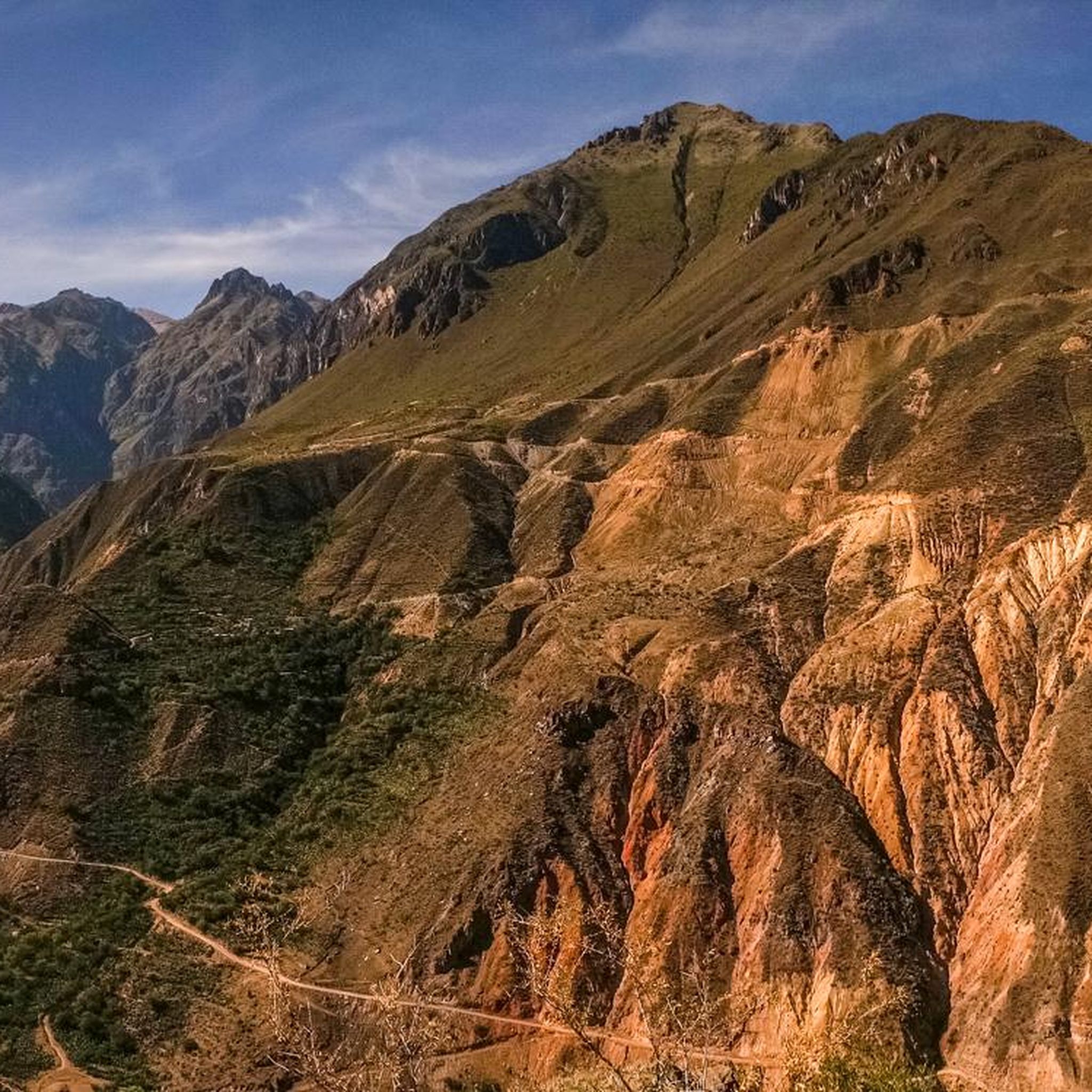
Peru is rich in natural wonders. The Rainbow Mountain (Vinicunca) is a geological marvel known for its strikingly multicolored layers. Near Cusco, Lake Humantay offers breathtaking turquoise waters amidst Andean peaks. Other notable natural features include the Colca Canyon, one of the world's deepest canyons, and Lake Titicaca, the highest navigable lake. The Amazon rainforest, covering more than half of Peru, is home to incredible biodiversity, while Huascarán National Park boasts snow-capped peaks and alpine lakes.
What are some popular hiking trails in Peru?
Peru is a hiker's paradise. While the Inca Trail to Machu Picchu is world-renowned, other popular options include the challenging trek to Rainbow Mountain (Vinicunca), which offers stunning views at over 5000 meters above sea level. The hike to Lake Humantay is another rewarding experience. For more options, you can explore various mountain hikes in the region, such as the Winikunka loop or the Laguna Churup trail, detailed in the Mountain Hikes in Peru guide.
Can I find challenging treks for experienced hikers in Peru?
Absolutely. Peru offers numerous challenging treks for experienced hikers. The hike to Rainbow Mountain (Vinicunca) is strenuous due to its high altitude (over 5000m) and requires good physical fitness and acclimatization. Huascarán National Park in the Cordillera Blanca is a prime destination for serious mountaineering and challenging alpine treks, featuring routes like the Nevado Chachani Summit loop. You can find more difficult routes, such as the Laguna Churup – Churup Waterfall loop, in the Mountain Hikes in Peru guide.
What is the best time of year to visit Peru for outdoor activities?
The best time to visit Peru for outdoor activities, especially hiking in the Andes, is generally during the dry season, which runs from May to October. During these months, you can expect clearer skies and less rainfall, making conditions more favorable for treks to sites like Machu Picchu, Rainbow Mountain, and the Colca Canyon. The wet season (November to April) can bring heavy rains, particularly in the highlands, which may affect trail conditions and visibility.
Are there any lesser-known historical sites worth visiting in Peru?
Beyond the major attractions, Peru holds several fascinating lesser-known historical sites. The Llactapata Ruins, for instance, offer a unique view of Machu Picchu from across the valley and provide insight into what Inca sites looked like before extensive restoration. Kuelap, a massive stone fortress built by the Chachapoyas culture, predates the Incas and is often compared to Machu Picchu in scale. The ancient archaeological site of Chavín de Huantar, a major religious center of the Chavín culture, is another significant but less-traveled destination.
Where can I experience Peruvian culture in Cusco?
Cusco, the former capital of the Inca Empire, is a vibrant hub for experiencing Peruvian culture. The Plaza de Armas of Cusco is the city's heart, bustling with activity and surrounded by impressive colonial architecture, including the Cusco Cathedral. You can explore the blend of Inca and Spanish heritage at Qorikancha (Temple of the Sun), where a Spanish church was built upon Inca foundations. Wandering through ancient streets like Hatun Rumiyoc Street, with its perfectly fitted Inca stonework, also offers a deep dive into the city's rich cultural tapestry.
What kind of wildlife can I expect to see in Peru?
Peru's diverse ecosystems support a wide array of wildlife. In the Andes, you might spot the majestic Andean condor soaring over the Colca Canyon. The Amazon rainforest, particularly areas like Tambopata National Reserve, is teeming with biodiversity, offering opportunities to see monkeys, jaguars, macaws, and even pink river dolphins. Along the Pacific coast, the Paracas National Reserve and Ballestas Islands are home to sea lions, Humboldt penguins, and numerous bird species.
What are some unique geological formations in Peru?
Peru is home to several unique geological formations. The most famous is the Rainbow Mountain (Vinicunca), known for its distinct multicolored layers created by mineral deposits. The Colca Canyon, one of the world's deepest, showcases dramatic geological forces. The Huacachina Oasis, a natural desert oasis surrounded by towering sand dunes, offers a striking contrast to the Andean landscapes. Additionally, the Nazca Lines, while man-made, are etched into the desert floor, creating enigmatic geoglyphs that interact uniquely with the natural landscape.
How can I explore the Sacred Valley?
The Sacred Valley of the Incas, located between Cusco and Machu Picchu, is best explored by visiting its charming towns and impressive Inca ruins. Key sites include Pisac, known for its market and ruins, and Ollantaytambo, with its massive fortress and terraces. Don't miss the unique circular agricultural terraces of Moray. Many tours from Cusco offer day trips or multi-day excursions through the valley, often combining visits to these sites with cultural experiences.
What are the options for cycling in Peru?
Peru offers diverse cycling opportunities, from road cycling to mountain biking. You can find various routes across the country, including scenic road cycling loops like 'La Molina Lagoon loop from San Borja Sur' or more challenging options such as 'Peruvian Hairless Dog – Pisac loop from Cuzco'. For mountain biking enthusiasts, trails like 'La Herradura Beach – View of Morro Solar loop from Santa Teresita' or 'Serpentine of Cieneguilla – Manchay Ascent loop' provide exciting adventures. More details on these and other routes can be found in the Road Cycling Routes in Peru and MTB Trails in Peru guides.
What do visitors enjoy the most about Machu Picchu?
Visitors consistently describe Machu Picchu as an extraordinary and incredibly impressive experience. They are often amazed by the advanced engineering of the 15th-century Inca citadel, with its gigantic walls, terraces, and ramps that seem to blend naturally into the rock cliffs. Many highlight the unforgettable moment of walking through the Sun Gate and seeing Machu Picchu spread out below. Despite the crowds, the sheer scale and historical significance of the site leave a lasting impression, with the natural beauty of its tropical mountain forest setting adding to its allure.
What is the 'White City' of Arequipa known for?
Arequipa is famously known as the 'White City' due to its stunning colonial buildings constructed from white volcanic sillar stone. Its historic center, a UNESCO World Heritage Site, boasts architectural gems. Key attractions include the magnificent Plaza de Armas and Cathedral, and the Santa Catalina Monastery, a vibrant walled city within a city. Arequipa also serves as a popular gateway for exploring the breathtaking Colca Canyon.
Are there any ancient pre-Inca sites in Peru?
Yes, Peru is home to several significant pre-Inca archaeological sites. The ancient city of Chan Chan, near Trujillo, is the largest adobe city in the ancient world and was the capital of the Chimú kingdom. Caral-Supe is considered the cradle of the oldest civilization in the Americas, with a citadel dating back approximately 5,000 years. Kuelap, a massive stone fortress in the Amazonian cloud forest, was built by the Chachapoyas culture centuries before the Incas. Additionally, Chavín de Huantar was a major religious and administrative center of the Chavín culture, known for its distinctive tenon heads.
Most popular attractions in Peru

Get inspired with the komoot mobile app


Didn’t find what you were looking for?
Are you keen on exploring more awesome places nearby? Browse our guides:
Explore more
Still not found the Highlight you’re looking for? See guides of the top attractions in other regions:
