Top 20 Waterfalls in the United States of America
Waterfalls in the United States of America are found across diverse landscapes, from towering mountain ranges to desert canyons and coastal cliffs. The country features a wide range of waterfall types, including powerful cascades, multi-tiered drops, and unique formations. These natural attractions are often situated within national parks and forests, providing access to varied natural environments. The geographic spread ensures a variety of experiences for visitors exploring the nation's natural beauty.
Best waterfalls in the United States of America
- The most popular waterfalls is Nevada Fall, a waterfall that is 594 feet high on the Merced River in Yosemite National Park. It is recognized by its "bent" shape, where water free-falls before hitting a steep slick-rock slope.
- Another must-see spot is Vernal Fall, a waterfall within Yosemite National Park. This 317-foot waterfall is a prominent feature, accessible via a trail that can be steep with rocky stairs.
- Visitors also love Waimoku Falls, a waterfall located in a natural monument. This waterfall is part of a trail that offers an intermediate hiking experience.
- United States is known for thundering giants, serene cascades, and waterfalls that flow directly into the ocean. These range from powerful, wide falls to multi-tiered drops and those with unique colors.
- The waterfalls in the United States of America are appreciated by the komoot community, with more than 40 highlights featuring photos and receiving more than 40 upvotes.
Last updated: October 23, 2026
Snoqualmie Falls
Highlight • Waterfall
The waterfall was probably the backdrop for the TV series "Twin Peaks"
Translated by Google •
Tip by

Vernal Fall
Highlight • Waterfall
Tip by

Sign up now to discover places like this
Get recommendations on the best single tracks, peaks, & plenty of other exciting outdoor places.
Nevada Fall
Highlight • Waterfall
Nevada Fall is a 594-foot (181 m) high waterfall on the Merced River in Yosemite National Park, California. It is located below the granite dome, Liberty Cap, at the west end of Little Yosemite Valley. The waterfall is widely recognized by its "bent" shape, in which the water free-falls for roughly the first third of its length to a steep slick-rock slope. This mid-fall impact of the water on the cliff face creates a turbulent, whitewater appearance in the fall and produces a great deal of mist which covers a wide radius, which led to its current name (Nevada is a Spanish word meaning "snowy"). Wikipedia.
Tip by

Mist Trail: Vernal & Nevada Falls, Yosemite
Highlight (Segment) • Waterfall
Tip by

Yosemite Falls Trail
Highlight (Segment) • Trail
Tip by
Marymere Falls
Highlight • Waterfall
Tip by
Waimoku Falls
Highlight • Waterfall
Translated by Google •
Tip by

The Mirage Hotel & Casino Waterfall
Highlight • Waterfall
The project cost 630 million US dollars. However, the MGM Group now earns over 10 billion dollars a year with its casinos.
Translated by Google •
Tip by

Dark Hollow Falls
Highlight • Waterfall
Tip by

Brandywine Falls
Highlight • Waterfall
Tip by

Sign up for free to discover even more waterfalls in the United States of America.
Already have an account?
Start today with a free account
Your next adventure awaits.
Popular around United States

Like in the movies – road trip through the USA's south
Grand Canyon to Mount Humphreys — a run, bike, run adventure
My Utah road trip: trail running and gravel riding in the mountains

Triathlon 360 – my journey around the world
John Muir Trail – Along the legendary trail through the magical Sierra Nevada
The Colorado Trail — Ten incredible days in the Rocky Mountains
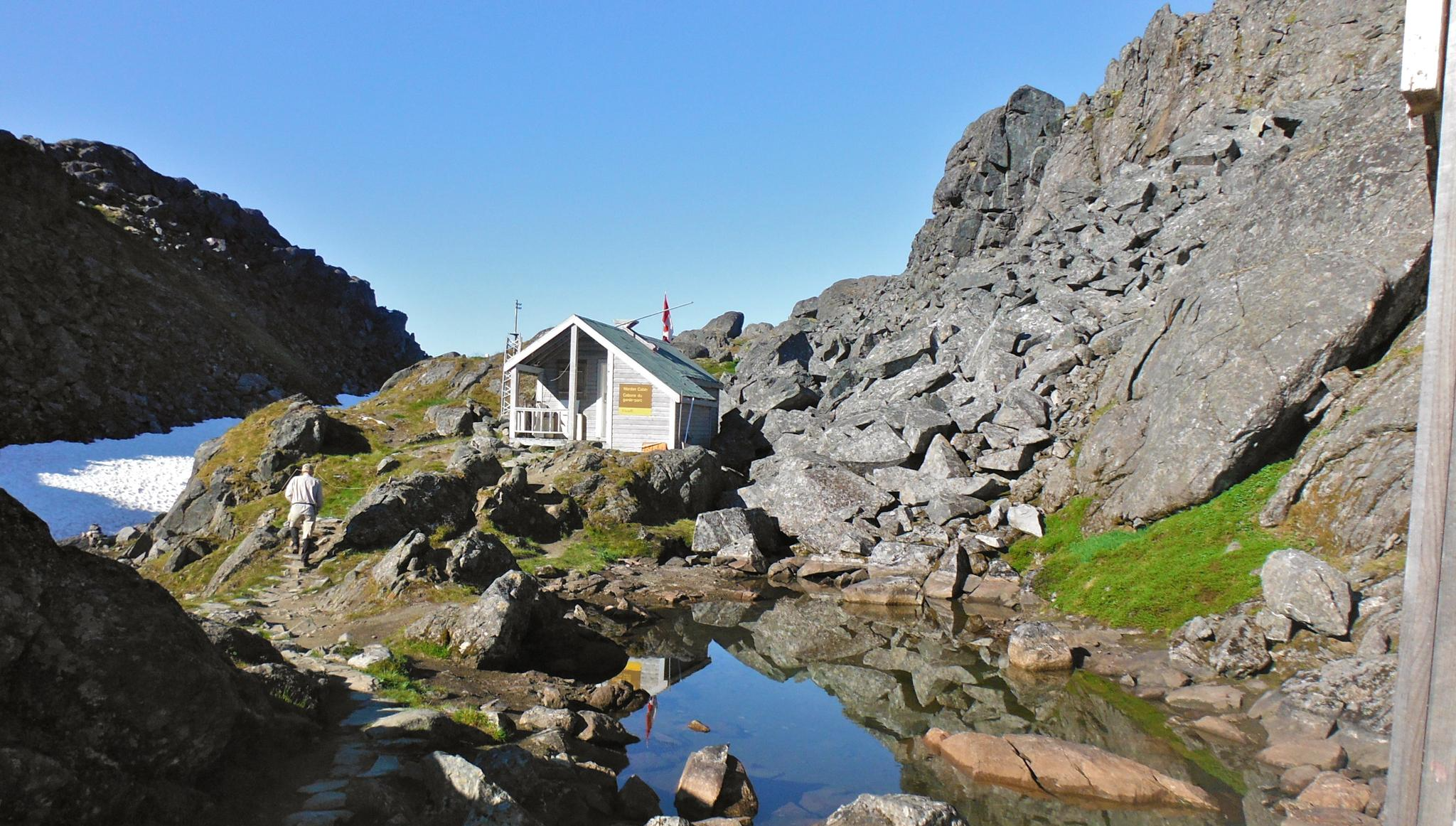
The Chilkoot Trail — Gold Rush history among soaring mountains
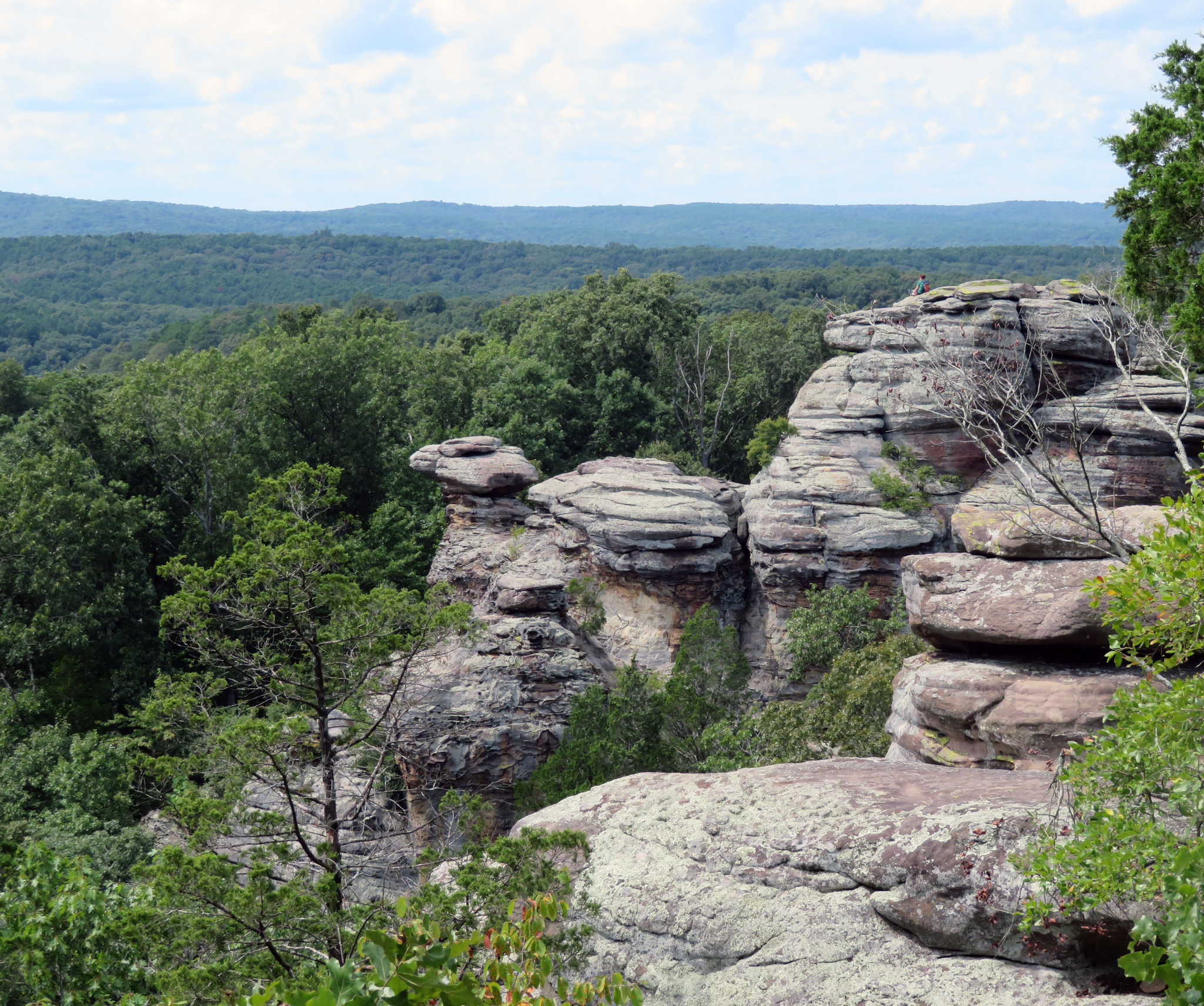
River to River Trail — A patchwork journey across Illinois
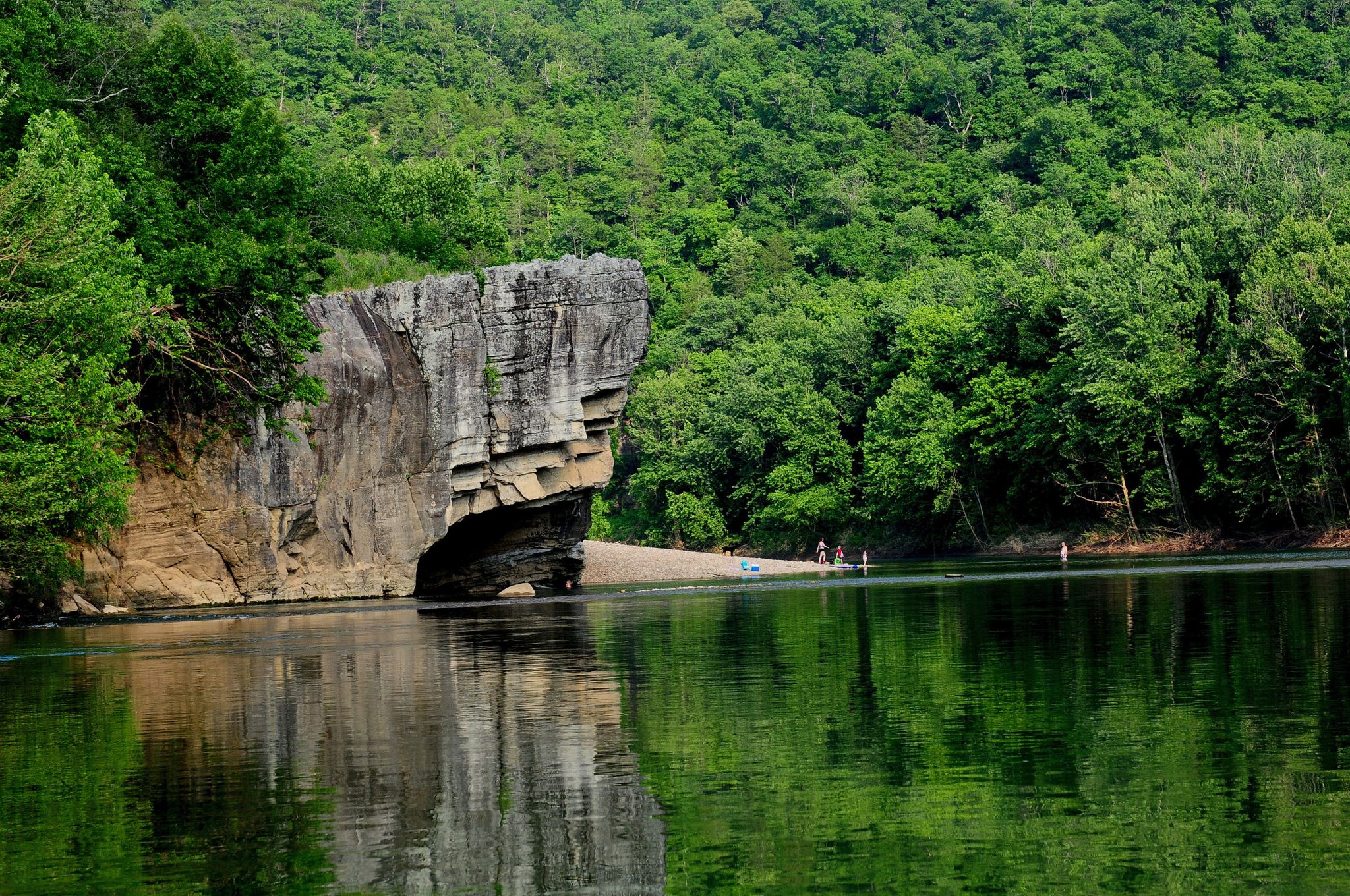
Ozark Highlands Trail: Falling Water Creek Trailhead to Dillard's Ferry — Hiking the Buffalo River corridor
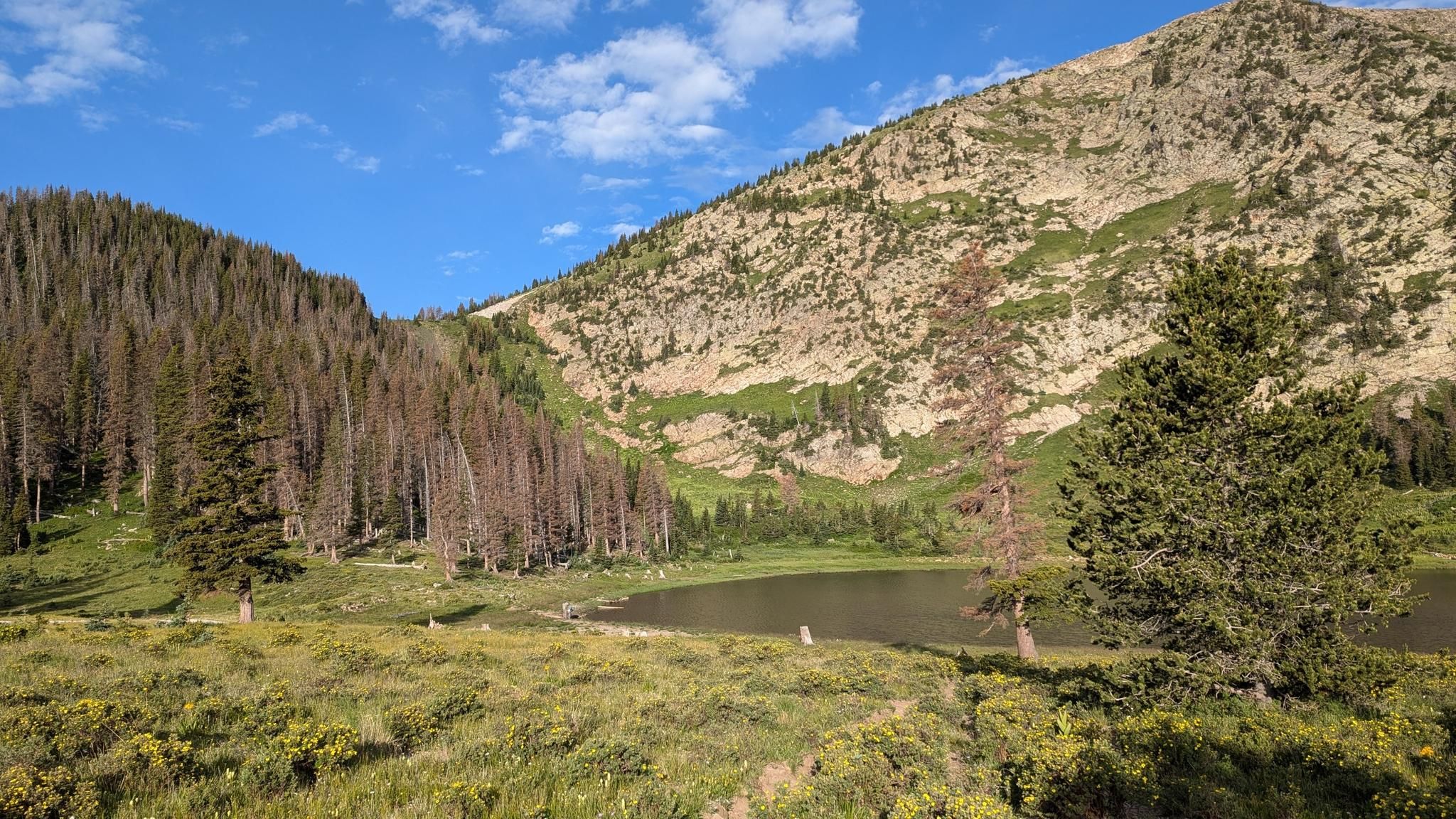
Santa Fe to Taos Thru-Hike — A journey across the Sangre de Cristo Mountains
Other adventures in the United States of America


Tips from the Community


The Mist Trail is much easier to hike uphill in early summer (snowmelt) than downhill because it becomes very slippery. Instead of returning the same way, it's recommended to head a little further upstream, turning right, onto the John Muir Trail—not only because of the slippery descent, but also because this leads to the best vantage point for Vernal Falls (marked on the map). Especially when the Merced River is full, the view is spectacular. The descent on the John Muir Trail is then much easier. Warning for photographers: During snowmelt, only take photos in the "splash zone" with a truly waterproof (submersible!) camera—and pack any other camera in a completely waterproof bag beforehand and only unpack it again at the top. Several careless camera owners have destroyed their equipment on this trail. I once heard a man at the top complaining about a broken Hasselblad – it was in his backpack, but obviously not completely waterproof. The fine mist penetrates everywhere, and even with a rain jacket, you end up wet like you've just taken a shower. On warm summer days, the trail is extremely crowded, with several thousand visitors on just a few kilometers of trail.
0
1

Brandywine Falls, Sagamore Hills, United States 🇺🇸 Brandywine Falls stands as a magnificent natural spectacle within the verdant embrace of Cuyahoga Valley National Park. This stunning waterfall, plunging over sixty feet, is a testament to the powerful forces of nature that have sculpted the landscape over millennia. The surrounding geological formations, rich in shale and sandstone, provide a dramatic backdrop to the cascading waters, creating a picturesque scene that captivates visitors throughout the year. The diverse flora and fauna of the park further enhance the experience, offering glimpses of wildlife amidst the tranquil beauty of the falls. The area around Brandywine Falls is steeped in history, with remnants of early industrial endeavors and the enduring legacy of the Ohio & Erie Canal. Trails winding through the park offer opportunities to explore this rich past, connecting visitors to the stories of those who lived and worked along these waterways. The interplay of natural beauty and historical significance makes a visit to Brandywine Falls not only a visual delight but also an educational journey, revealing layers of human and geological history within the park. For those seeking to immerse themselves in nature, Brandywine Falls provides an ideal escape. Multiple viewing platforms allow for various perspectives of the falls, ensuring that every visitor can find their perfect vantage point for admiration and photography. Beyond the immediate vicinity of the falls, the extensive trail network within Cuyahoga Valley National Park invites hikers, bikers, and nature enthusiasts to discover hidden gems and breathtaking vistas, making it a perfect destination for outdoor adventure and peaceful contemplation.
1
0

You get really wet when you go up the steps at Verna Fall
0
0

A remarkable natural spectacle, accessible via an easy hike, partly along wooden plank paths. Direct access is prohibited.
0
0

Marymere Falls is a waterfall near Lake Crescent inside Olympic National Park. It is reached via a 0.9-mile dirt trail that meanders through an old-growth forest of fir, cedar, hemlock, and alder trees. The trail includes two wooden bridges and leads to the 90.5-foot falls, fed by Falls Creek. The creek flows into the beautiful, milky blue waters of Barnes Creek, its color milky due to glacial flour.
0
0

Unfortunately, the Mirage closed its doors forever this week and had to make way for something new.
2
1
If there is a lot of water in the Merced River (early summer), then it is definitely worth taking the path from Vernal Falls up to the John Muir Trail, as marked on my route: The photo of the waterfall from there is, in my opinion, one of the most beautiful photos in the entire park. This return route is also recommended for another reason, especially at this time of year: The Mist Trail leads steeply down slippery, wet steps up to half a meter high - and is not pleasant to walk downhill, especially not at this time of year with a lot of water on it. If you really want to do the fog/rain hike, it is better to go uphill. In terms of photo opportunities, early summer is the best time of year in the entire park. Important: Always pack a rain jacket if you are going on a long tour: The weather can change (even contrary to the weather forecast) faster than you can walk back. I have seen people walk the entire route from Half Dome to the valley (around 4 hours) in shorts and a t-shirt in pouring rain, you should avoid that. PS: I did this hike in 2004, back then there was no (affordable) GPS - so the tracking data is fake, the photos and the paths are not. Just in case someone stumbles across the GPS coordinates that correspond exactly to the Komoot map.
0
0
Frequently Asked Questions
Are there family-friendly waterfalls in the United States?
Yes, many waterfalls across the United States are suitable for families. For instance, Snoqualmie Falls in Washington is a popular family-friendly destination. In Olympic National Park, Marymere Falls offers an easy, picturesque walk through a mossy rainforest that's enjoyable for all ages. Multnomah Falls in Oregon also features an accessible viewing bridge and a historic lodge at its base, making it very convenient for families.
What are some unique waterfall experiences in the United States?
The United States offers several unique waterfall experiences. At Dry Falls in North Carolina, you can walk behind the waterfall and stay mostly dry due to its overhanging bluff. McWay Falls in California's Big Sur is a rare sight, as it cascades directly onto a hidden beach and into the Pacific Ocean. For a truly distinct visual, Arizona's Grand Falls, also known as 'Chocolate Falls,' turns a muddy brown during heavy flows, offering a striking contrast to typical waterfalls.
What natural features can I expect to see around waterfalls in the United States?
Waterfalls in the United States are often set within diverse natural environments. You can find them amidst dense forests, like Marymere Falls in a rainforest setting. Many are part of larger natural monuments or offer stunning viewpoints, such as Dark Hollow Falls. The dramatic basalt cliffs of Shoshone Falls in Idaho and the vibrant canyon walls surrounding the Lower Falls of the Yellowstone River showcase the geological diversity.
What outdoor activities can I do near waterfalls in the United States?
Many waterfalls are located in areas rich with outdoor activities. Near waterfalls in the United States, you can find various cycling and running routes. For road cycling, explore options like the Alpine Dam Loop or Marin Headlands Loop. If you prefer running, trails such as the Venice Beach Boardwalk or the Chicago Lakefront Trail are available. For more general cycling, consider routes like the Yosemite Valley Loop Trail. You can find more details on these activities in the Road Cycling Routes, Running Trails, and Cycling in the United States of America guides.
Are there challenging hikes to waterfalls in the United States?
Yes, for those seeking a challenge, there are strenuous hikes to waterfalls. The Yosemite Falls Trail is a challenging historical trail that can take six to eight hours round trip, offering breathtaking views of Yosemite Falls and the valley. Similarly, the hike to the top of Yosemite Falls is a strenuous 7.2-mile round trip. Accessing Havasu Falls in Arizona also requires a long hike, mule ride, or helicopter, adding to its adventurous appeal.
What is the best time to visit waterfalls in the United States?
The best time to visit waterfalls often depends on the region and the specific waterfall. Many waterfalls, especially those fed by snowmelt like Yosemite Falls, experience peak flow between April and June. Shoshone Falls in Idaho is most impressive during its peak flow in spring. Burney Falls in California, however, maintains a consistent flow year-round thanks to underground springs. Grand Falls in Arizona is best visited after monsoon rains or snowmelt in early spring for its 'chocolate' appearance.
Which waterfalls are known for their historical or cultural significance?
Some waterfalls carry significant historical or cultural importance. Shoshone Falls in Idaho holds cultural significance for the Shoshone people. The Yosemite Falls Trail is one of Yosemite's oldest historic trails. Multnomah Falls in Oregon features a historic lodge at its base, adding to its charm. President Theodore Roosevelt once called Burney Falls the 'Eighth Wonder of the World,' highlighting its historical recognition.
Can I find waterfalls that are wheelchair accessible in the United States?
While many trails to waterfalls can be rugged, some locations offer wheelchair-accessible viewing options. The Mirage Hotel & Casino Waterfall in Las Vegas, for example, is listed as wheelchair accessible. Multnomah Falls in Oregon also provides an accessible viewing bridge, allowing visitors to experience the falls up close without navigating difficult terrain.
What do visitors enjoy most about waterfalls in the United States?
Visitors frequently enjoy the sheer power and beauty of the waterfalls, often experiencing a refreshing mist and even rainbows. The thunderous roar and spray of falls like Vernal Fall are highly appreciated. The stunning views from trails, such as those leading to Nevada Fall, are also a major draw. The unique settings, from rainforests to desert canyons, and the opportunity for memorable photos are also highlights for many.
Are there waterfalls in the United States that are less accessible but offer unique views?
Yes, some of the tallest waterfalls in the U.S. are quite remote. Olo'upena Falls and Pu'uka'oku Falls, both on Molokai, Hawaii, are believed to be the tallest in the country but are largely inaccessible by land, typically requiring a chartered helicopter or boat to view. Colonial Creek Falls in Washington, the tallest in the continental U.S., is also difficult to access due to its remote location in North Cascades National Park and reliance on glacial runoff.
Where can I find waterfalls that are part of longer hiking trails?
Many waterfalls are integrated into longer hiking experiences. The Mist Trail in Yosemite National Park connects to the long-distance John Muir Trail and allows close access to Vernal Fall and Nevada Fall. Waimoku Falls is also part of a trail that offers an intermediate hiking experience. For those wanting to explore further, the Barnes Creek Trail extends deeper into the rainforest beyond Marymere Falls.
Most popular routes in the United States of America
Most popular attractions in the United States of America

Get inspired with the komoot mobile app


Didn’t find what you were looking for?
Looking for more great places nearby? See even more amazing waterfalls in the United States of America with these guides per region:
Explore more
Happy to travel a little further afield? Then browse these guides for the best waterfalls in the United States of America:
