The best walks and hikes in the Ethiopian Highlands
4.3
(5)
90
hikers
7
hikes
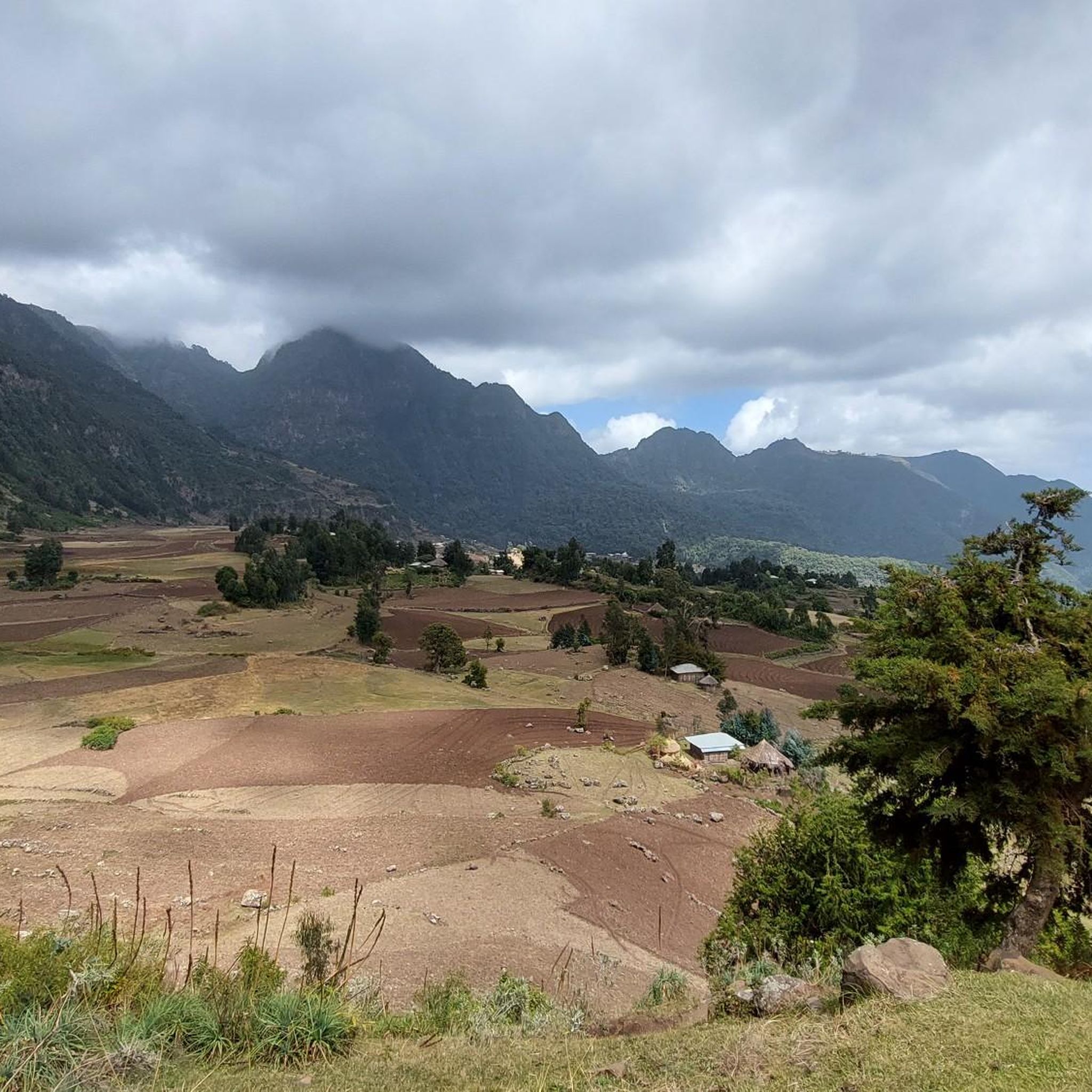
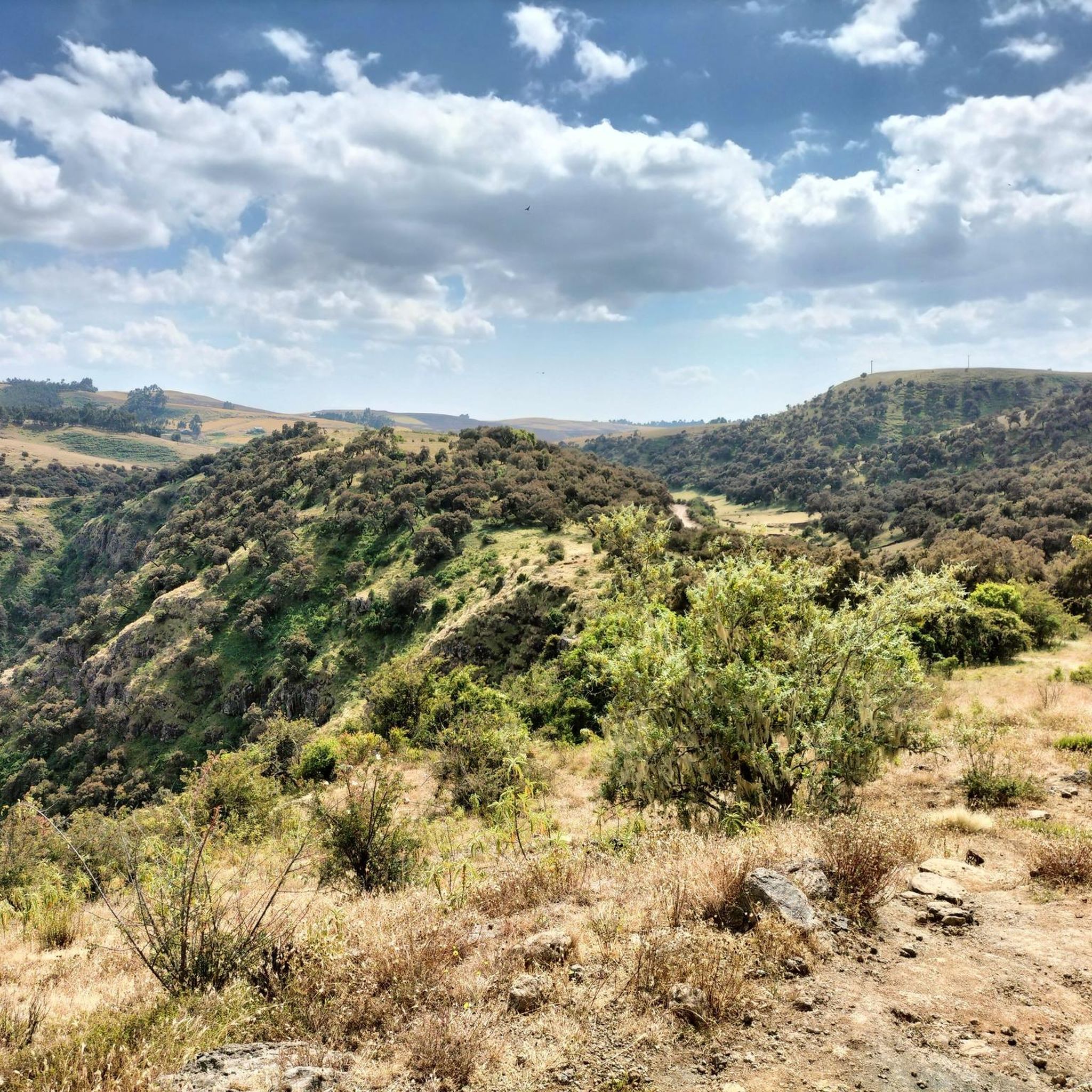
Hiking in the Ethiopian Highlands offers diverse terrain, characterized by high plateaus, deep river valleys, and dramatic mountain ranges. The region features significant elevation changes, with routes often traversing volcanic landscapes and ancient rock formations. Hikers can explore areas with unique geological features and varied ecosystems. This makes the Ethiopian Highlands a destination for those seeking challenging treks and scenic walks.
Best hiking trails in the Ethiopian Highlands
- The most popular hiking route is Entoto City View – View of…
Last updated: July 5, 2026
4.0
(1)
36
hikers
14.4km
04:24
500m
500m
Moderate hike. Good fitness required. Easily-accessible paths. Suitable for all skill levels.
5.0
(1)
23
hikers
6.42km
02:24
390m
390m
Moderate hike. Good fitness required. Easily-accessible paths. Suitable for all skill levels.

Sign up for free
4.0
(1)
6
hikers
6.91km
02:06
240m
240m
Moderate hike. Good fitness required. Easily-accessible paths. Suitable for all skill levels.
12
hikers
5.19km
01:31
150m
150m
Easy hike. Great for any fitness level. Easily-accessible paths. Suitable for all skill levels.
3
hikers
Moderate hike. Good fitness required. Easily-accessible paths. Suitable for all skill levels.
4.0
(2)
9
hikers
9.45km
03:51
770m
770m
Moderate hike. Good fitness required. Easily-accessible paths. Suitable for all skill levels.
1
hikers
5.07km
01:33
60m
60m
Moderate hike. Great for any fitness level. Mostly accessible paths. Sure-footedness required.
Our route recommendations are based on thousands of hikes, rides, and runs completed by other people on komoot.
Start today with a free account
Your next adventure awaits.
Login or Signup
Other adventures in the Ethiopian Highlands


Tips from the Community

For safety and local development reasons, I would strongly recommend using a local guide for this tour. Bring small bills for the sherpas and treats for the village children. As Alex says, it's a sacred place for Ethiopian Orthodox Christians.
0
0

Unfortunately no round path so you have to return at some point
0
0
Make sure to come on a day with clear view
0
0

Within walking distance of Maryam Korkor is the rarely used Church of Daniel Korkor. It is perched on a paralyzing precipice, offers amazing views and has beautiful paintings. Entry is only possible with the permission of the priest, this should be clarified in the village.
0
0
It is a short walk from Mariam Church to this beautiful viewpoint overlooking Addis Ababa.
4
0
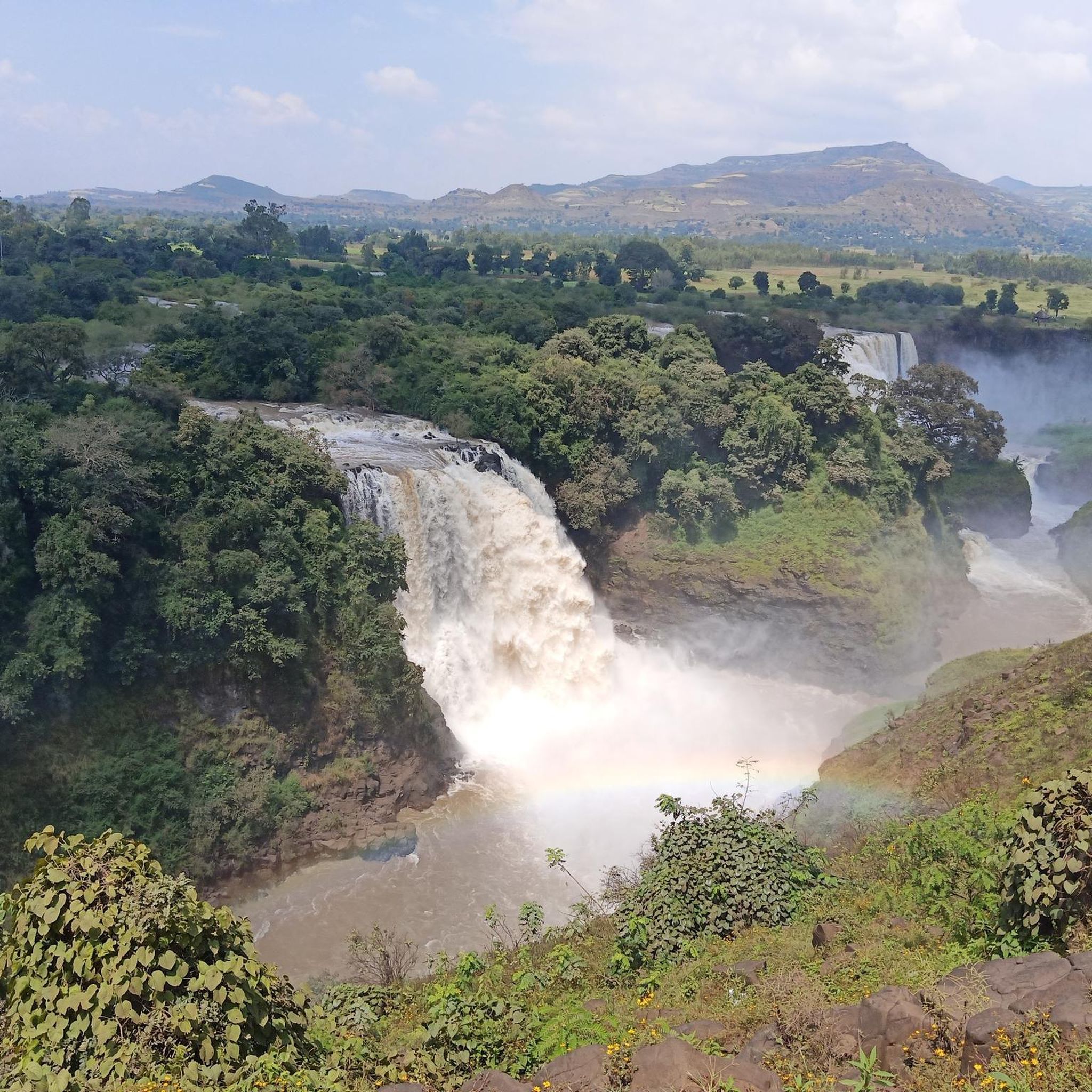
When I was here for the first time in 2004 there was no waterfall, the hydroelectric power station only let a small amount of water run through, it wasn't a trickle anymore. But on the way on the circular route we met many friendly children who were selling homemade little things, not pushy at all.
3
0

Absolute highlight on the tour! The two churches are guarded by a priest and a sister up here on the mountain.
0
0
Entry is only possible with the approval of the priest. It is advisable to hire someone in the valley to inform the priest of the arrival. Otherwise the climb is in vain!
0
0
Frequently Asked Questions
How many hiking trails are available in the Ethiopian Highlands?
The Ethiopian Highlands offer a diverse network of over 7 hiking trails. These routes vary in difficulty and length, providing options for different experience levels.
What is the best time of year to go hiking in the Ethiopian Highlands?
The best time to hike in the Ethiopian Highlands is generally during the dry season, which runs from October to May. During these months, the weather is typically clearer and more stable, making for better trail conditions and views. The rainy season, from June to September, can make some trails muddy and challenging.
What kind of terrain can I expect when hiking in the Ethiopian Highlands?
Hiking in the Ethiopian Highlands features diverse terrain, including high-altitude plateaus, deep river valleys, and dramatic mountain ranges. You'll often traverse volcanic landscapes and ancient rock formations, with significant elevation changes. The region offers varied ecosystems and unique geological features.
Are there easy hiking trails suitable for beginners in the Ethiopian Highlands?
Yes, there are easy options available. For instance, the Entoto City View loop from Gulale is an easy 3.2-mile (5.2 km) trail that takes approximately 1 hour 31 minutes to complete, offering accessible views.
Do I need permits to hike in the Ethiopian Highlands?
For certain areas, especially within national parks like the Simien Mountains, permits are required. It's advisable to check specific requirements for your chosen trekking area in advance, as regulations can vary and may involve local guides or scouts.
What kind of wildlife can I expect to see while hiking?
The Ethiopian Highlands are renowned for their unique wildlife. Hikers often have the chance to spot endemic species such as the Gelada baboon. You can find large groups of them in areas like the Simien Mountains National Park, with highlights such as Gelada Baboons in Simien Mountains National Park and Gelada herd in Simien Mountains National Park.
Are there any unique geological features to explore?
Absolutely. The region is characterized by its volcanic origins and dramatic landscapes. You can explore areas like Wenchi Crater Lake, or visit the Portuguese Bridge and Waterfalls, which showcase impressive natural formations.
What cultural or historical sites can I visit near the trails?
The Ethiopian Highlands are rich in history and culture. Near some trails, you can find ancient religious sites and historical landmarks. Notable examples include the Ura Kidane Mehret monastery, the Debre Berhan Selassie Church, and Fasilides' Bath, offering insights into the region's heritage.
Are there multi-day hiking options in the Ethiopian Highlands?
Yes, the Ethiopian Highlands are a prime destination for multi-day treks, particularly in areas like the Simien Mountains and Bale Mountains National Parks. These longer expeditions often require careful planning, including guides, porters, and camping equipment, to fully experience the remote and stunning landscapes.
Are there circular routes available for hiking?
Many trails in the Ethiopian Highlands are designed as loops, allowing you to start and end at the same point. Examples include the Entoto City View – View of Addis Ababa loop from Kuskoam and the Lake Wenchi – Wenchi Crater Lake viewpoint loop from Lake Wenchi.
What do other hikers say about the trails in the Ethiopian Highlands?
The trails in the Ethiopian Highlands are highly rated by the komoot community, with an average score of 4.0 stars from over 4 reviews. Hikers often praise the dramatic mountain vistas, unique geological features, and the opportunity to experience diverse ecosystems.
What should I pack for a hike in the Ethiopian Highlands?
Given the high altitude and varied terrain, it's essential to pack layers of clothing suitable for changing weather conditions, including warm layers for evenings and early mornings. Sturdy hiking boots, rain gear, sun protection, a first-aid kit, and sufficient water are also highly recommended. For multi-day treks, camping gear and food supplies will be necessary.
Most popular routes in the Ethiopian Highlands
Most popular attractions in the Ethiopian Highlands

Get inspired with the komoot mobile app


