Top 20 Natural Monuments in Canada
Best natural monuments in Canada showcase a diverse range of geological features and ecological significance across its vast landscapes. These sites include powerful waterfalls, ancient forests, and unique rock formations shaped by natural forces. Canada's natural monuments provide opportunities to observe varied ecosystems and impressive landforms.
Best natural monuments in Canada
- The most popular natural monuments is Lake Louise, a lake known for its glacier-fed turquoise waters. It is known as the most visited mountain lake in the world. …
Last updated: September 29, 2026
Lake Louise
Highlight • Lake
Tip by

Athabasca Falls
Highlight • Waterfall
Tip by

Sign up now to discover places like this
Get recommendations on the best single tracks, peaks, & plenty of other exciting outdoor places.
Lake Agnes Tea House
Highlight • Mountain Hut
Tip by

Siwash Rock (Slhx̱í7lsh)
Highlight • Natural Monument
Tip by

Johnston Canyon Waterfalls
Highlight • Waterfall
Tip by

Lynn Canyon
Highlight • Gorge
Tip by

View of Horseshoe Falls (Canadian Side)
Highlight • Waterfall
Translated by Google •
Tip by

Maligne Canyon trailhead
Highlight • Canyon
Translated by Google •
Tip by

Fifth Lake, Valley of the Five Lakes
Highlight • Lake
Translated by Google •
Tip by

Niagara Falls
Highlight • Waterfall
Translated by Google •
Tip by

Sign up for free to discover even more natural monuments in Canada.
Already have an account?
Start today with a free account
Your next adventure awaits.
Popular around Canada

Bedtime Adventure Stories for Grown Ups
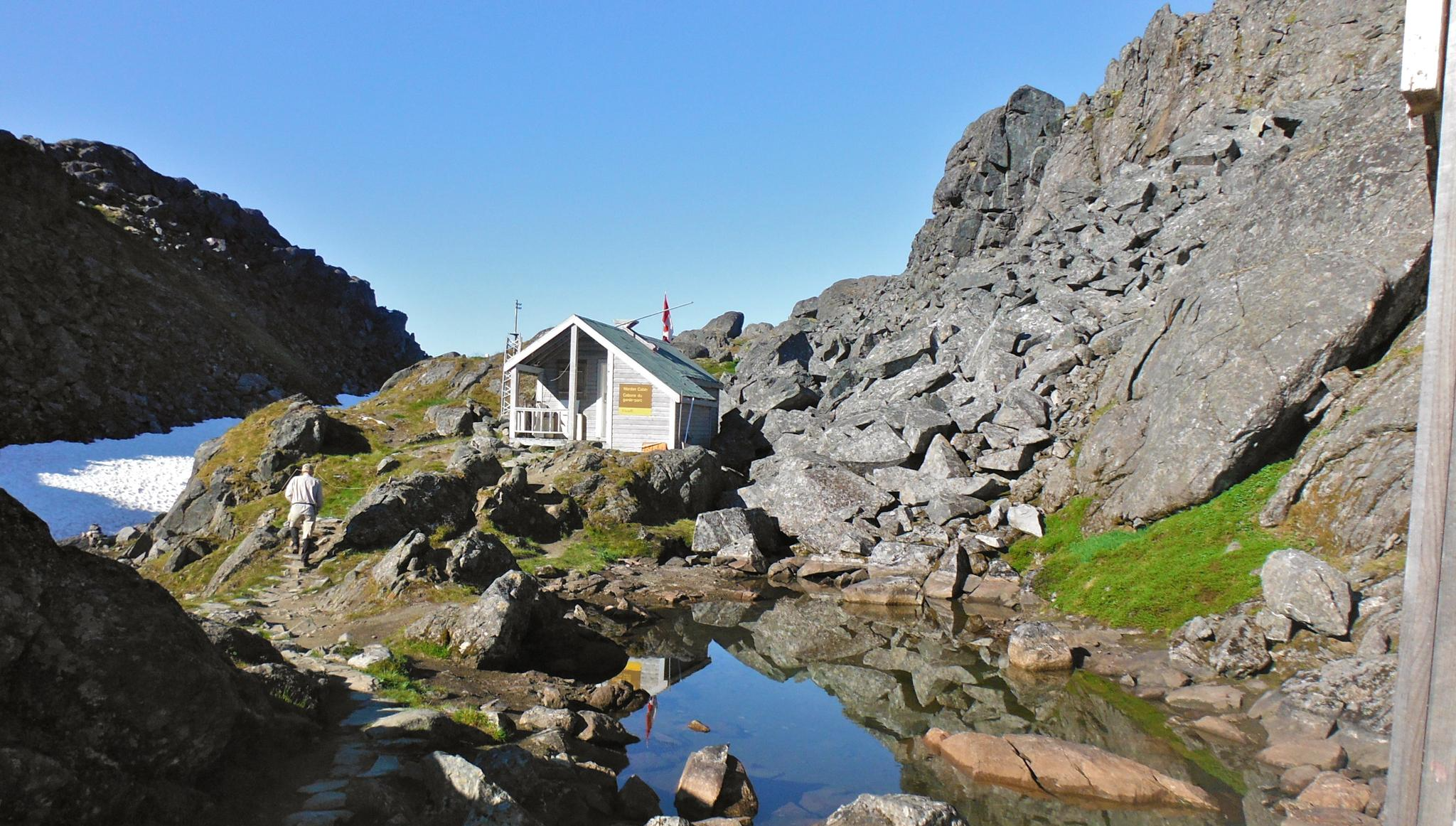
The Chilkoot Trail — Gold Rush history among soaring mountains
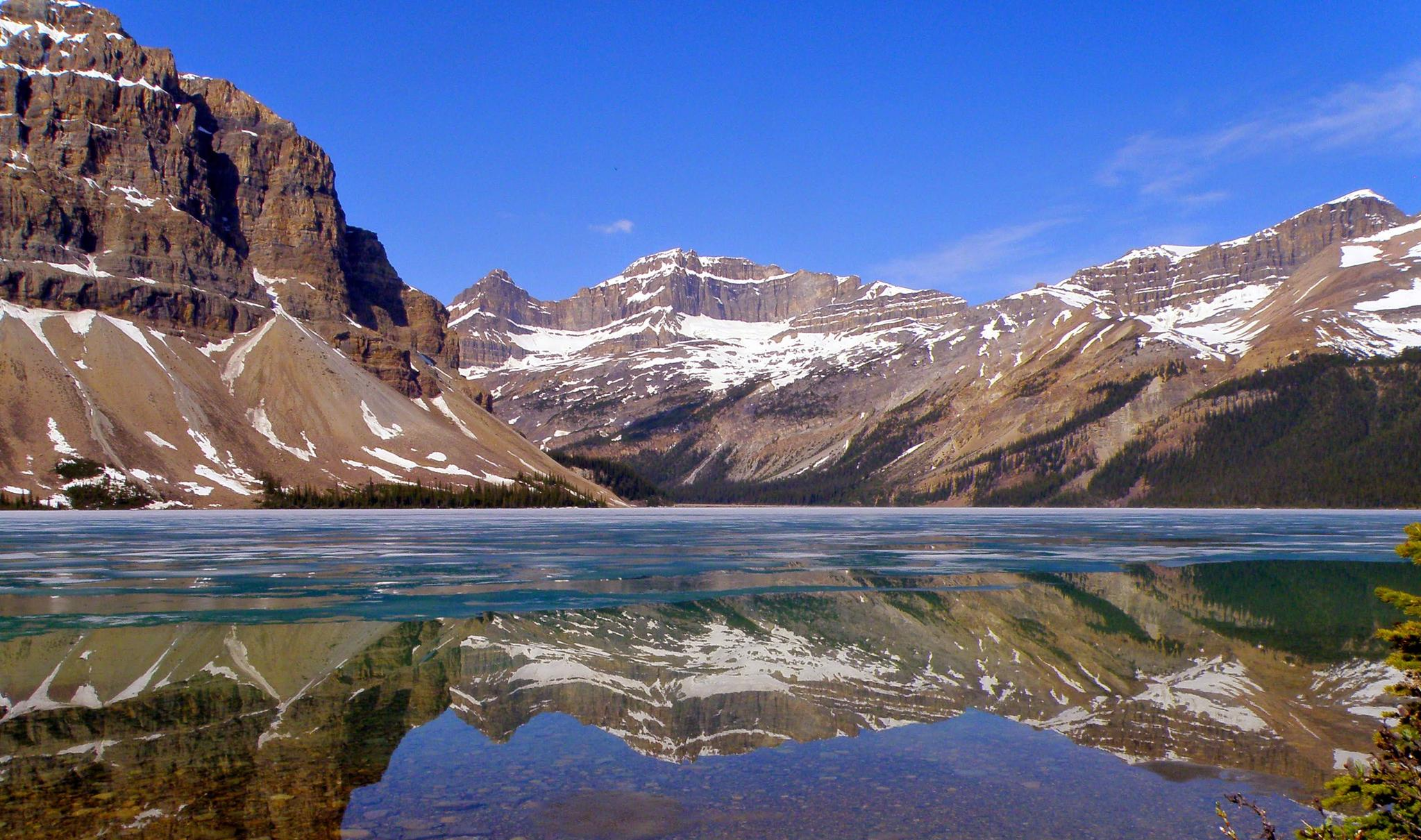
Great Divide Mountain Bike Route — Cycling the spine of a continent
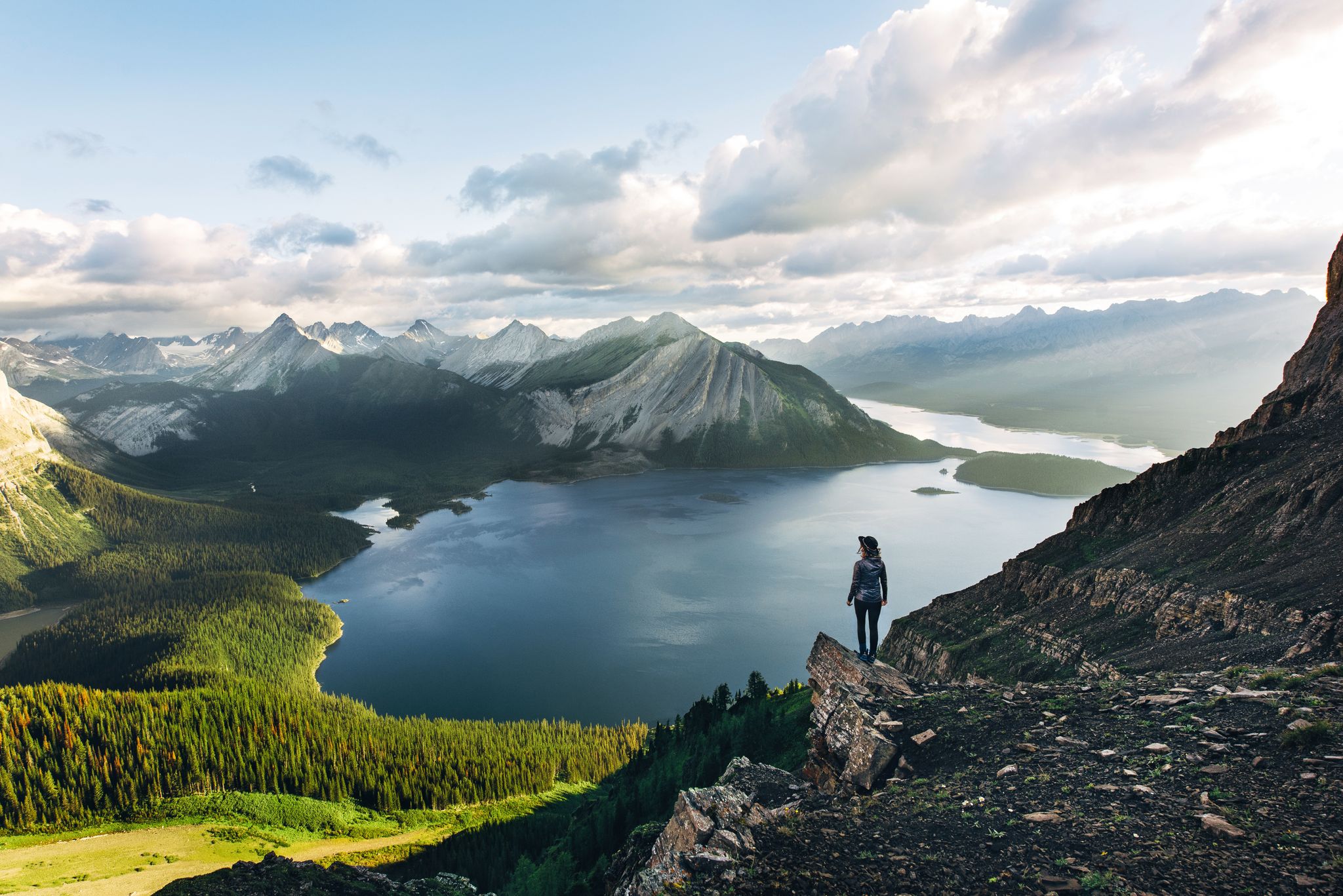
Long-distance hiking in Canada – between mountains and coast
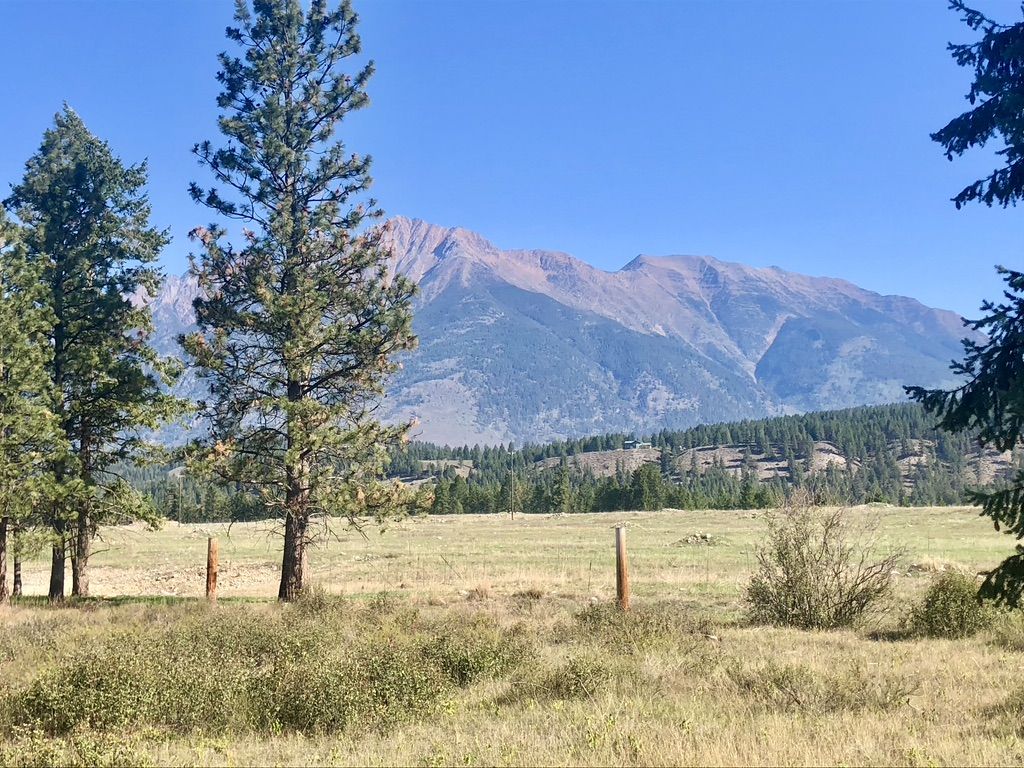
Cross Canada Ride — heading east for 6,800km

Pacific Crest Trail from Mexico to Canada – 4,200 kilometres of wilderness
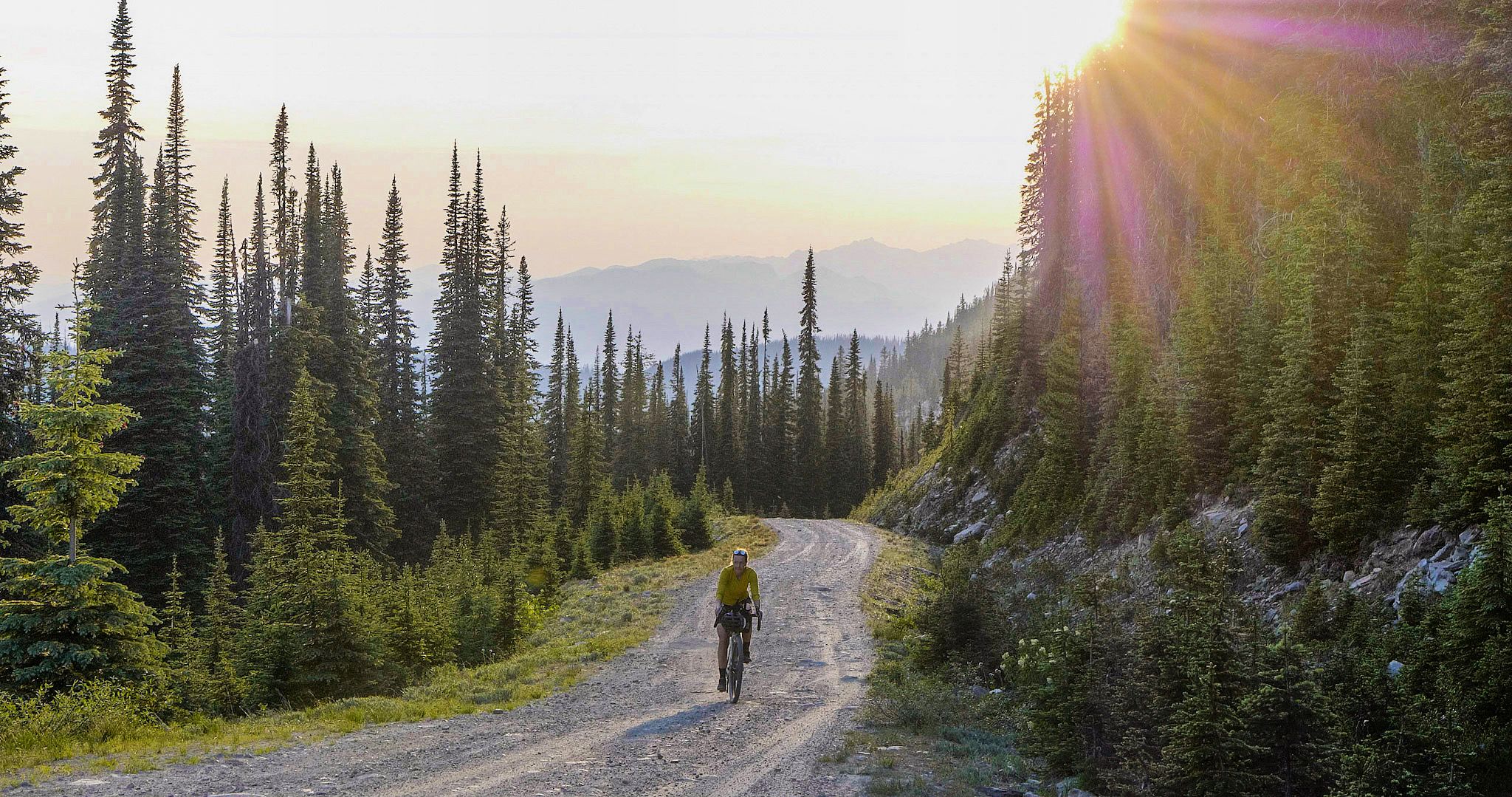
BC Epic 1000
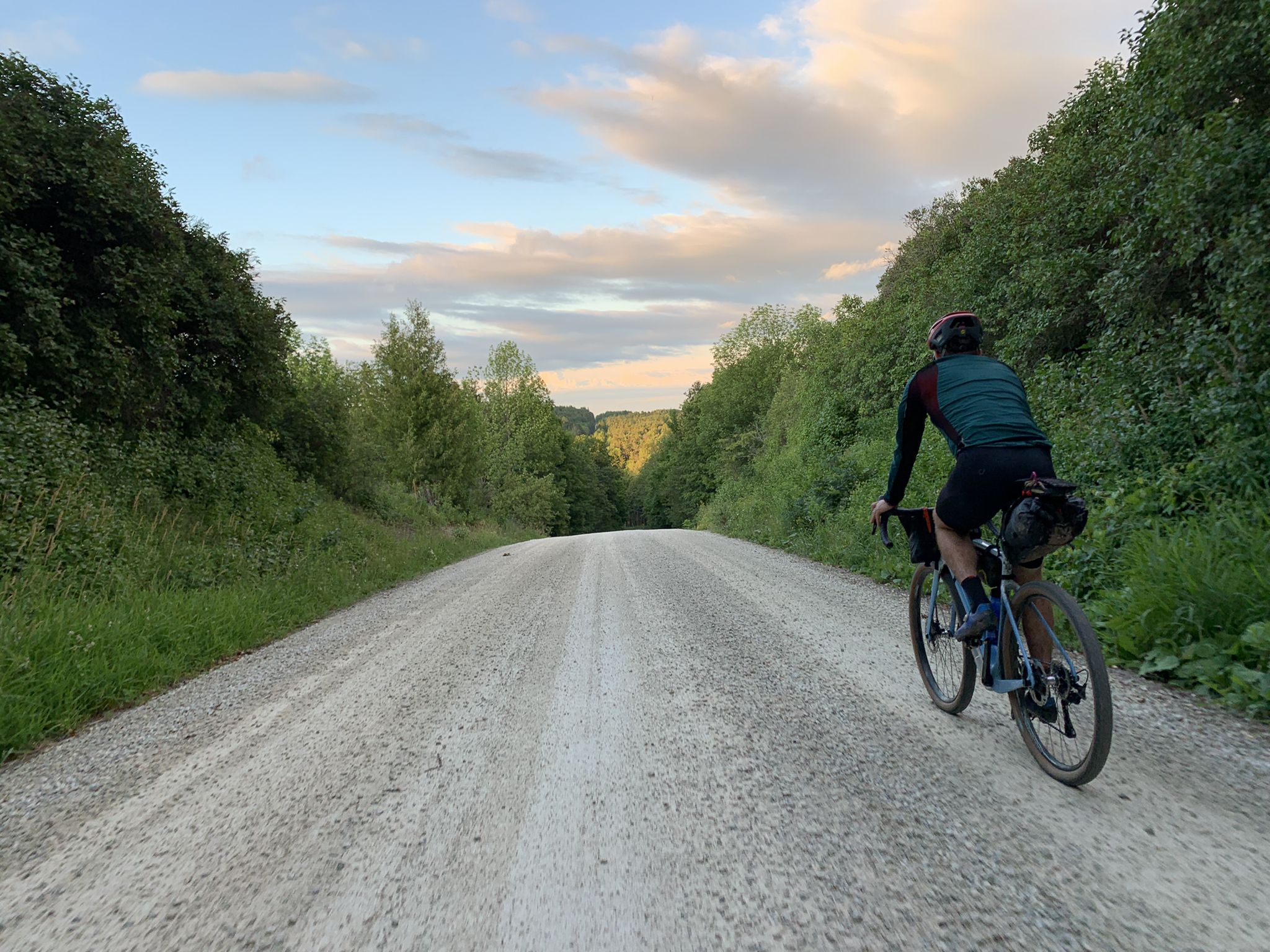
BT700 — Bikepacking Ontario over three days

Around the World in 80 Days
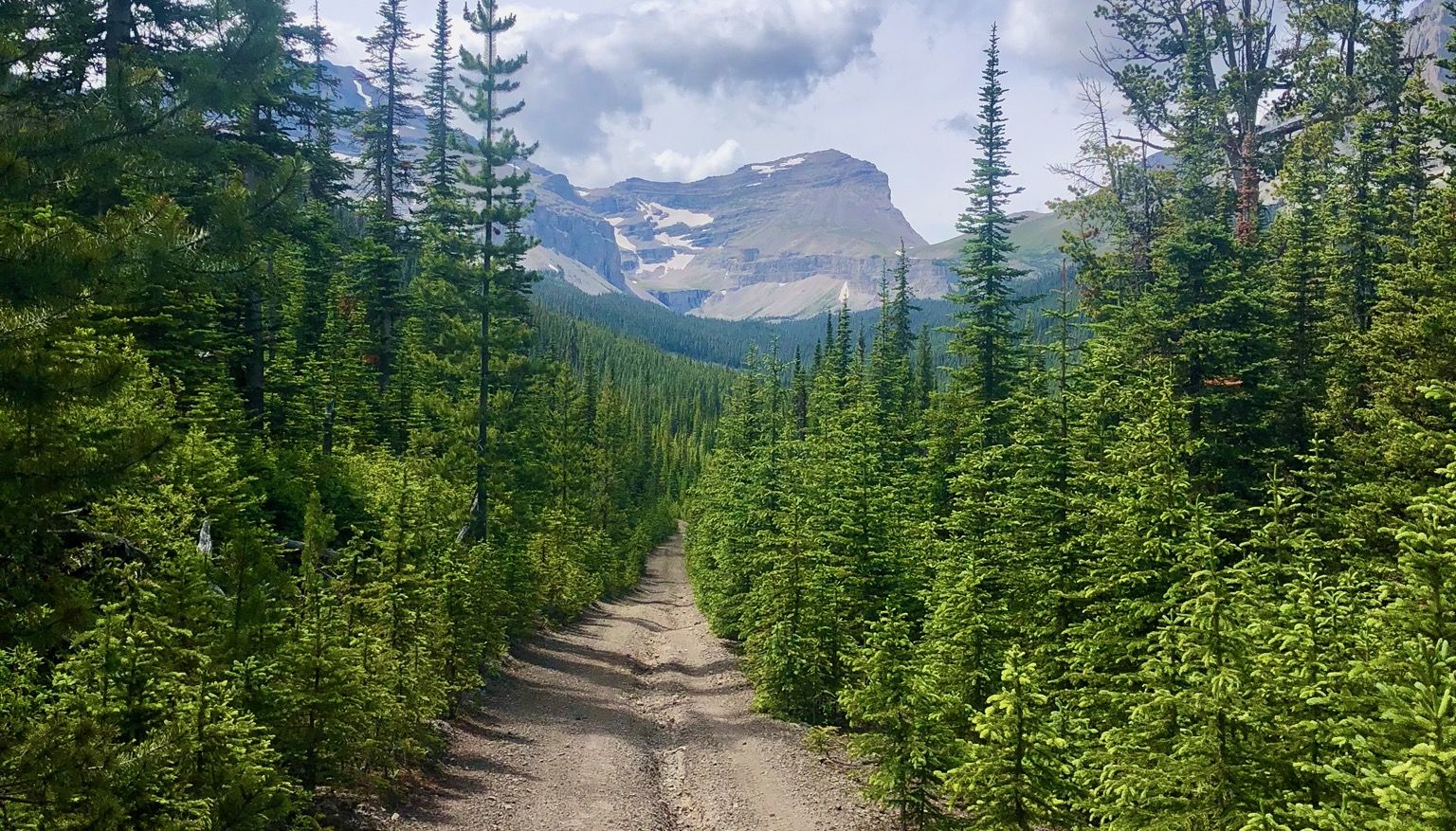
Run the Rockies – mountain range fastpack #5
Other adventures in Canada


Tips from the Community

Nice information centre about the area.
3
0
A really beautiful place to walk.
3
0

One of Canada's most famous locations, Lake Louise (known in the Stoney Nakoda language as Ho-run-num-nay, meaning “Lake of the Little Fishes”) shines with its glacier-fed turquoise waters. The lake serves as a base for hiking, summer canoeing, and winter skiing. With limited parking and shuttle options required during peak season, planning ahead will turn a visit into a memorable encounter with one of the Rockies’ most iconic landscapes. As others have mentioned, it does get very busy, so arriving early is a great way to beat the crowds and enjoy a bit of solitude along the shoreline.
3
0

I have done this at the end of July. While it is as everybody describes, easy to the lower falls and not super hard to the upper falls, it was extremely crowded and it felt more like cattle drive up there. I suggest do this very early in the morning or evening there is probably less traffic.
0
0

The Ecology Centre in Lynn Canyon Park has existed since 1971 and is managed by the District of North Vancouver’s Parks Department. It serves as both a museum and information centre, also providing educational opportunities about nature and the environment to the public. https://ecologycentre.ca/ecology-centre/
3
0
Lynn Canyon Park is located in a temperate rainforest. The public park is open year-round and is managed by the District of North Vancouver. Admission is free, however, parking at the Lynn Canyon Ecology Centre is subject to a fee during the months of March through October - $3 per hour. The Lynn Canyon Suspension Bridge is the park's main attraction. To the north there are two considerably larger nature reserves, the Lynn Headwaters Regional Park in the upper Lynn Valley and the Lower Seymour Conservation Reserve in the valley of the Seymour River. https://ecologycentre.ca/park-history/
3
0

Delicious tea, sandwiches, and soup. A wonderful place to recover from the climb.
1
0

The view of the falls is world-famous. The view of the Horseshoe Falls is certainly the more spectacular. Recommended in both summer and winter. In winter, the freezing spray creates an incredible world! However, the entire spectacle is a tourist magnet at any time of year.
2
0
Frequently Asked Questions
What unique geological features can be found among Canada's natural monuments?
Canada's natural monuments showcase an incredible diversity of geological features. You can witness the immense power of water at Niagara Falls, explore the unique badlands and hoodoos of Dinosaur Provincial Park, or marvel at the
Are there family-friendly natural monuments in Canada?
Yes, many of Canada's natural monuments are excellent for families. For example, Lake Louise offers stunning views and opportunities for canoeing, while the paved, stroller-friendly trail at Johnston Canyon Waterfalls makes it accessible for all ages. Lynn Canyon also provides family-friendly trails and facilities.
When is the best time to visit Canada's natural monuments?
The best time to visit largely depends on the monument and desired activities. Summer (June to September) is ideal for hiking, canoeing, and enjoying warmer weather at places like Lake Louise and the Canadian Rockies. However, some sites like Niagara Falls offer a uniquely beautiful experience in winter, with freezing spray creating an icy wonderland. Always check specific monument conditions.
What outdoor activities can I do near these natural monuments?
Near many of Canada's natural monuments, you'll find a wealth of outdoor activities. For instance, the areas around the Canadian Rockies offer extensive opportunities for mountain biking, with routes like 'Braggin' Rights & Merlin View Loop' and 'Goat Creek Trail'. You can explore these and more on the MTB Trails in Canada guide. Hiking is also very popular, with options ranging from easy walks to challenging mountain ascents.
Are there hiking trails near Canada's natural monuments?
Absolutely! Many natural monuments are surrounded by excellent hiking opportunities. For easy walks, consider trails like 'Wild Pacific Trail: Lighthouse Loop' or the 'Johnston Canyon Waterfalls – Upper Johnston Falls loop'. More challenging mountain hikes, such as the 'Lake Agnes Teahouse loop' or 'Bald Hills loop', can be found near sites in the Rockies. You can find detailed information on these and other routes in the Easy hikes in Canada guide and the Mountain Hikes in Canada guide.
What do visitors enjoy most about Canada's natural monuments?
Visitors frequently express awe at the sheer scale and beauty of Canada's natural monuments. The 'breathtaking sight' and 'great natural spectacle' of Niagara Falls are often highlighted. Many appreciate the 'glacier-fed turquoise waters' of Lake Louise and the 'breathtaking canyon' experience at Maligne Canyon. The tranquility of ancient forests like Cathedral Grove also leaves a lasting impression.
Which natural monuments in Canada offer accessible or easy trails?
For those seeking accessible or easy trails, Johnston Canyon Waterfalls is a great choice, featuring a paved, stroller-friendly path to the lower falls. Lake Louise also has accessible shoreline paths. Many viewpoints, such as the View of Horseshoe Falls (Canadian Side), are designed for easy access, allowing everyone to enjoy the natural beauty.
Are there amenities like cafes near natural monuments in the Canadian Rockies?
Yes, in popular areas like the Canadian Rockies, you can often find amenities. For example, the Lake Agnes Tea House is a well-known spot near Lake Louise, offering refreshments after a hike. While not every monument will have direct facilities, major tourist hubs nearby typically provide cafes, restaurants, and accommodation.
What should I wear when visiting Canada's natural monuments in winter?
When visiting Canada's natural monuments in winter, it's crucial to dress in warm layers. This includes thermal base layers, insulating mid-layers (fleece or down), and a waterproof and windproof outer shell. Warm hats, gloves or mittens, and waterproof, insulated boots with good grip are essential, especially for icy conditions at places like Niagara Falls or trails in the Rockies.
What should I know about parking and access at Canada's natural monuments?
Parking and access can vary significantly. Popular sites like Lake Louise often have limited parking and may require shuttle options during peak season, so planning ahead is crucial. Other remote locations, such as Nahanni National Park Reserve, might require specialized travel arrangements. Always check the specific monument's official website for current access rules, parking availability, and any required permits or reservations.
Are there any lesser-known natural monuments worth visiting in Canada?
While the guide highlights popular spots, Canada has many hidden gems. For instance, Siwash Rock (Slhx̱í7lsh) in Vancouver offers a unique cultural and natural landmark. The remote Nahanni National Park Reserve, with its dramatic waterfalls and unique geological formations, provides a truly wild experience for those seeking adventure beyond the main tourist trails.
Can I visit Canada's natural monuments during the winter season?
Yes, many natural monuments remain accessible and offer unique experiences in winter. Niagara Falls transforms into an icy spectacle, and the Canadian Rockies provide opportunities for skiing, snowshoeing, and ice walks. However, some remote areas or higher-elevation trails may be closed or require specialized equipment and expertise due to snow and ice conditions. Always check local advisories.
What kind of wildlife can I expect to see near Canada's natural monuments?
Canada's natural monuments are often home to diverse wildlife. In the Canadian Rockies, near sites like Lake Louise, you might spot elk, deer, bighorn sheep, and even bears (grizzly and black bears). Remote areas like Nahanni National Park Reserve are known for grizzly bears and caribou. Coastal monuments might offer opportunities for marine wildlife viewing. Always maintain a safe distance and never feed wild animals.
Most popular routes in Canada
Most popular attractions in Canada

Get inspired with the komoot mobile app


Didn’t find what you were looking for?
Find even more amazing natural monuments in Canada by checking out the top Highlights region by region:
Explore more
Extend your search for the best caves by checking out these guides of the top ones in Canada:
