Top 20 Waterfalls in Canada
Waterfalls in Canada are abundant, showcasing diverse geological formations across vast landscapes. The country's varied terrain, from the Rocky Mountains to the Canadian Shield, contributes to a wide array of cascades, plunges, and torrents. These natural features are often found within national and provincial parks, making them accessible points of interest for outdoor enthusiasts. Canada's waterfalls are significant natural landmarks, shaped by glacial activity and powerful river systems.
Best waterfalls in Canada
- The most popular waterfalls is Niagara Falls,…
Last updated: September 27, 2026
Athabasca Falls
Highlight • Waterfall
Tip by

Johnston Canyon Waterfalls
Highlight • Waterfall
Tip by

Sign up now to discover places like this
Get recommendations on the best single tracks, peaks, & plenty of other exciting outdoor places.
View of Horseshoe Falls (Canadian Side)
Highlight • Waterfall
Translated by Google •
Tip by

Maligne Canyon trailhead
Highlight • Canyon
Translated by Google •
Tip by

Niagara Falls
Highlight • Waterfall
Translated by Google •
Tip by

Wapta Falls
Highlight • Waterfall
Translated by Google •
Tip by

Nairn Falls
Highlight • Waterfall
Translated by Google •
Tip by

Brandywine Falls
Highlight • Waterfall
Tip by

Shannon Falls
Highlight • Waterfall
Tip by

Bridal Veil Falls (Niagara Falls)
Highlight • Waterfall
Translated by Google •
Tip by

Sign up for free to discover even more waterfalls in Canada.
Already have an account?
Start today with a free account
Your next adventure awaits.
Popular around Canada
Bedtime Adventure Stories for Grown Ups
The Chilkoot Trail — Gold Rush history among soaring mountains
Great Divide Mountain Bike Route — Cycling the spine of a continent
Long-distance hiking in Canada – between mountains and coast
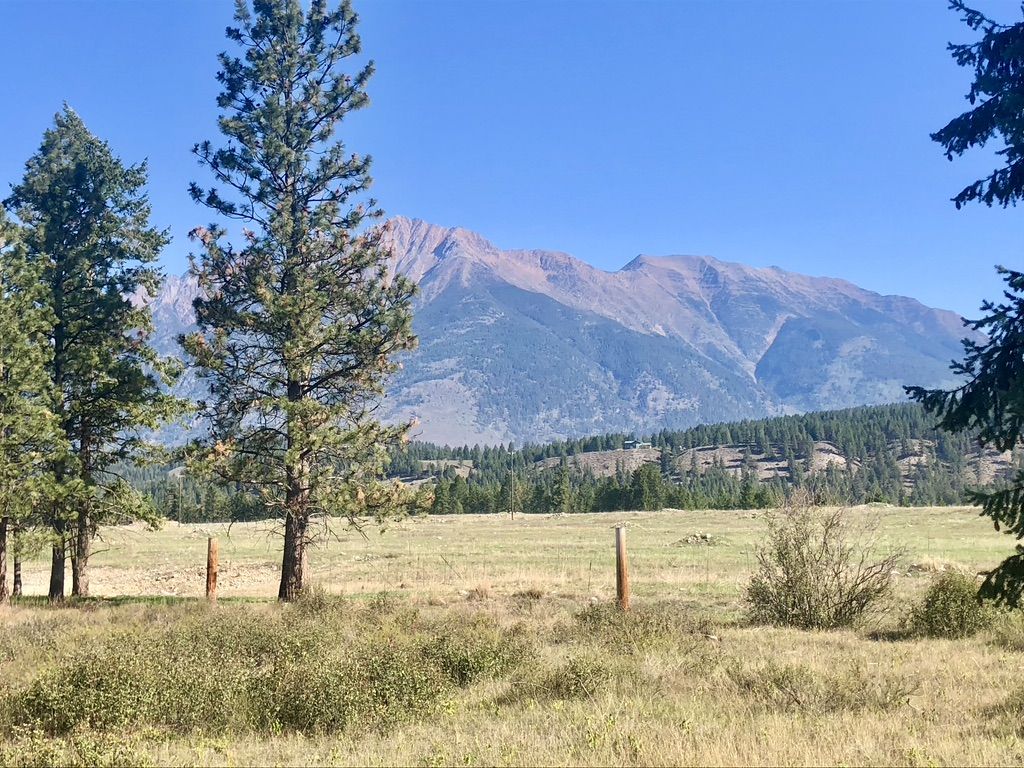
Cross Canada Ride — heading east for 6,800km

Pacific Crest Trail from Mexico to Canada – 4,200 kilometres of wilderness
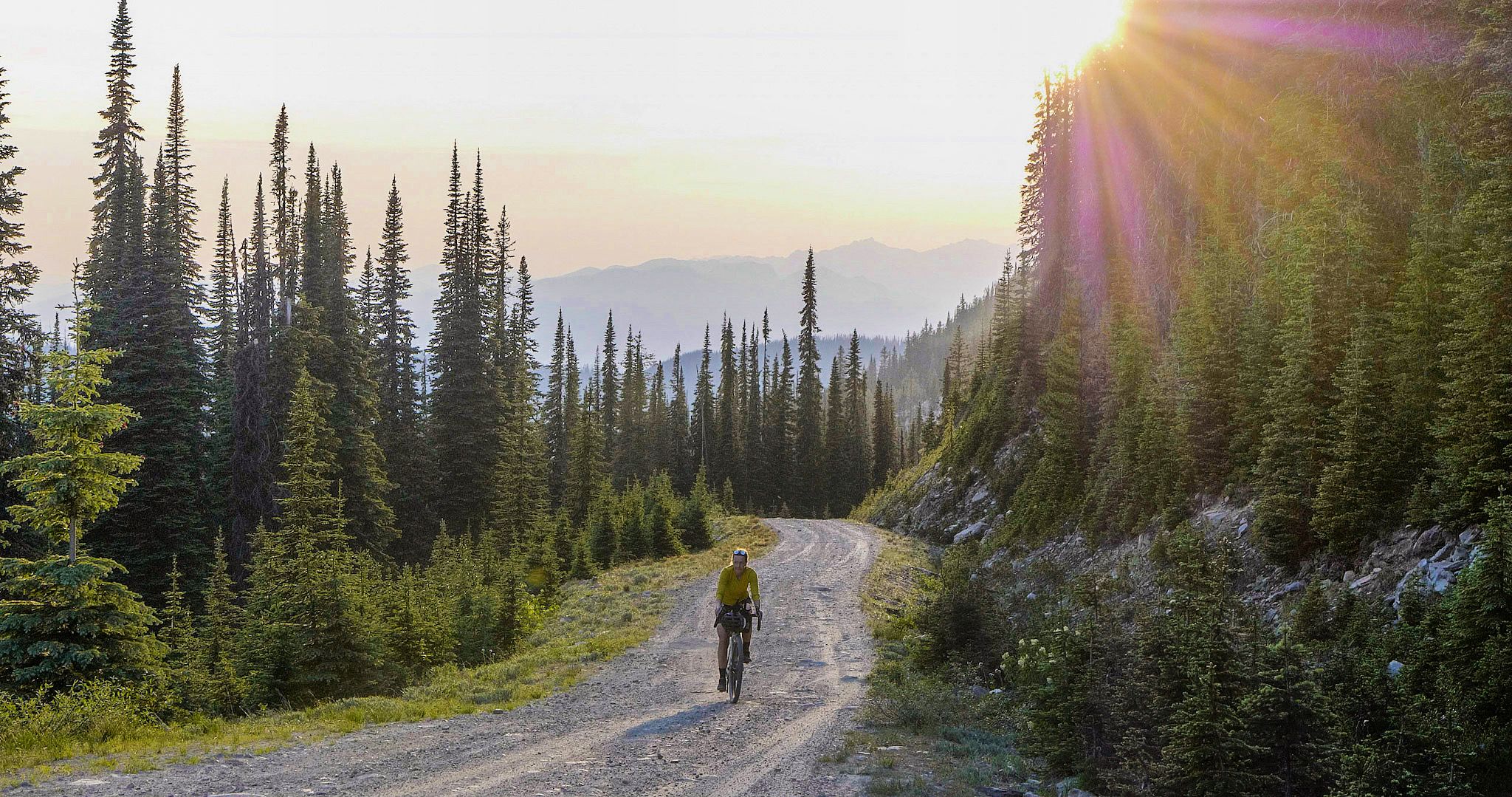
BC Epic 1000
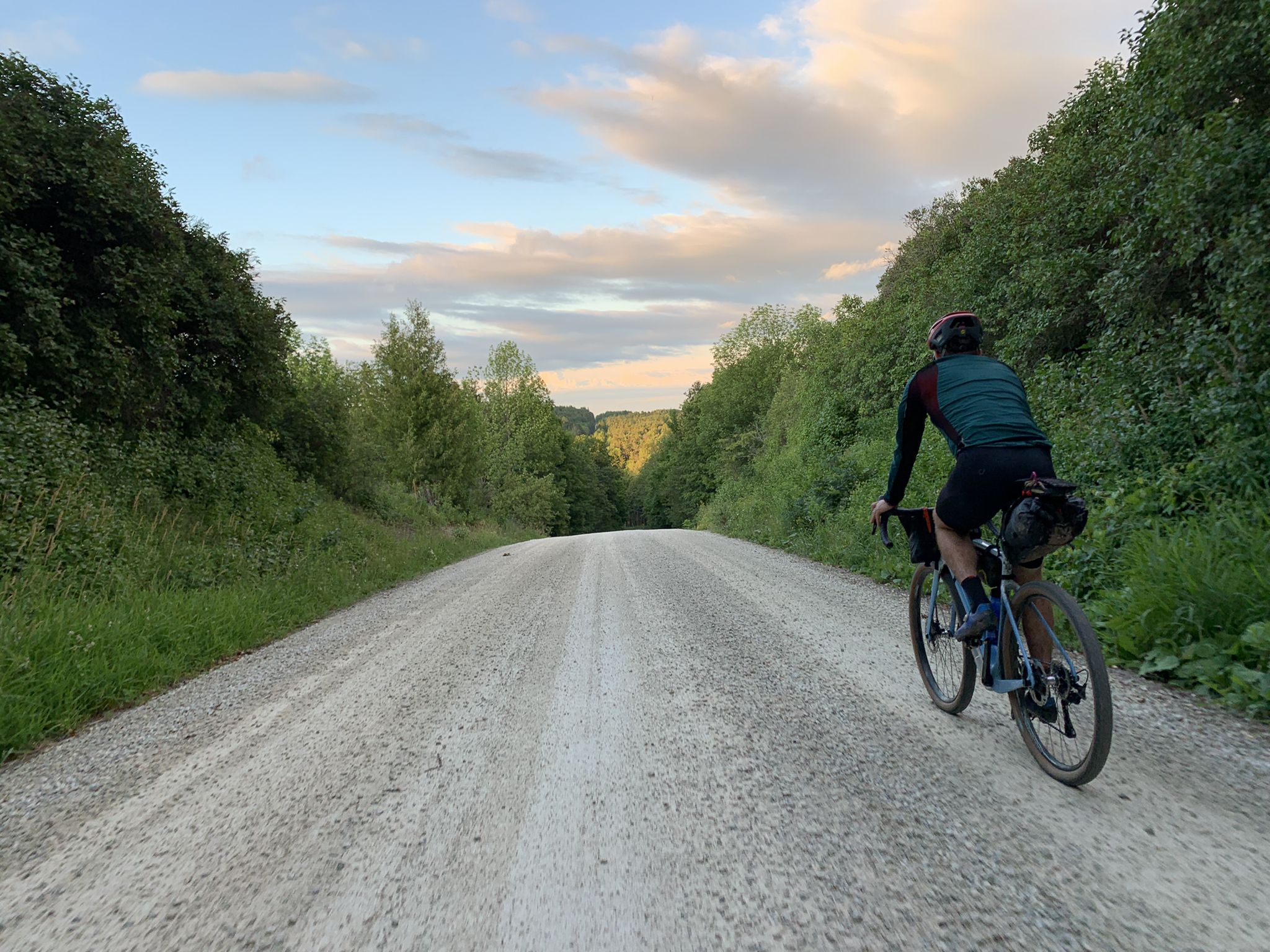
BT700 — Bikepacking Ontario over three days
Around the World in 80 Days
Run the Rockies – mountain range fastpack #5
Other adventures in Canada


Tips from the Community


Incredible location with views of Horseshoe Falls to your right and American Falls to your left, across the Niagara River. Also, enjoy views of the lower Niagara River and see boats from the US and Canadian sides offering tours close to the falls.
2
0

A few kilometers before the town of Pemberton, the Green River cascades down a gorge to form Nairn Falls. Access to the falls is via Highway 99, about 25 km east of Whistler. From the large parking lot, the falls are reached after 1,500 meters on a beautiful, almost level forest trail. The water cascades approximately 36 meters into the gorge in two stages. https://www.worldwaterfalldatabase.com/waterfall/Nairn-Falls-2062 Nairn Falls are popular and attract numerous visitors, partly due to the convenient location of the parking lot directly on Highway 99. https://bcparks.ca/nairn-falls-park/
2
1

absolutely worth seeing, great spray
0
0

I have done this at the end of July. While it is as everybody describes, easy to the lower falls and not super hard to the upper falls, it was extremely crowded and it felt more like cattle drive up there. I suggest do this very early in the morning or evening there is probably less traffic.
0
0
From the southern vantage point of Brandywine Falls, you have a magnificent view of Daisy Lake Reservoir and Black Tusk Mountain in the Garibaldi Ranges of the Coast Mountains. The Daisy Lake Reservoir was created in 1926 after the construction of the Cheakamus Dam; the dam was replaced in 1984. The reservoir is part of the Cheakamus Hydroelectric Power Plant on the Squamish River. https://www.bchydro.com/energy-in-bc/operations/transmission-reservoir-data/previous-reservoir-elevations/lower-mainland/daisy_lake_dsy.html
0
0

The view of the falls is world-famous. The view of the Horseshoe Falls is certainly the more spectacular. Recommended in both summer and winter. In winter, the freezing spray creates an incredible world! However, the entire spectacle is a tourist magnet at any time of year.
2
0

Frequently Asked Questions
What are some popular waterfall trails in Canada?
Canada offers numerous popular waterfall trails. For an impressive natural monument with vantage points both above and below the falls, consider the hike to Wapta Falls. Another favorite is the Johnston Canyon Waterfalls trail, which leads to both lower and upper falls and is suitable for inexperienced hikers, though it can be crowded. You can find more options for waterfall hikes in Canada on komoot.
Are there family-friendly waterfalls in Canada?
Yes, many waterfalls in Canada are family-friendly. Johnston Canyon Waterfalls, for instance, has a paved, stroller-friendly trail up to the Lower Falls. Other family-friendly options include Nairn Falls, Brandywine Falls, and Shannon Falls, all offering accessible viewpoints and trails.
When is the best time to visit waterfalls in Canada?
The best time to visit waterfalls in Canada generally depends on the specific falls. For maximum flow, late spring is often ideal due to melting snow, as seen with Takakkaw Falls and Helmcken Falls. However, some waterfalls like Niagara Falls offer a breathtaking spectacle year-round, with winter providing an incredible world of freezing spray and ice formations.
Can I visit waterfalls in Canada during winter?
Yes, many waterfalls in Canada can be visited in winter, offering a unique and often stunning experience. Niagara Falls, for example, transforms into a frozen wonderland. Montmorency Falls sees an impressive ice cone form at its base, attracting ice climbers. Helmcken Falls also forms a monstrous ice cone in winter. Always check local conditions and accessibility before planning a winter visit.
What unique geological features can I observe at Canadian waterfalls?
Canadian waterfalls showcase diverse geological features. Athabasca Falls in Jasper National Park is renowned for how the powerful Athabasca River has carved a narrow, twisting canyon with boiling rapids and striking potholes through limestone bedrock. Maligne Canyon, also in Jasper, features a breathtaking gorge with swirls, waterfalls, ice, and rocks, where the Maligne River has cut up to 50 meters deep into the rock.
Are there accessible waterfalls for visitors with limited mobility?
While specific accessibility details vary, many popular waterfalls offer accessible viewing areas. For instance, the trail to the Lower Falls at Johnston Canyon Waterfalls is paved and stroller-friendly. Niagara Falls also provides numerous accessible viewpoints, including the View of Horseshoe Falls (Canadian Side). It's always recommended to check the specific park or attraction's accessibility information beforehand.
What outdoor activities can I do near Canadian waterfalls?
Near Canadian waterfalls, you can enjoy a variety of outdoor activities. Hiking is very popular, with trails ranging from easy to moderate, such as those found in the Waterfall hikes in Canada guide. For example, the Elk Falls via Millennium Trail loop is an easy hike. You can also find easy hikes in general, like the Grassi Lake Trail. Additionally, some regions offer gravel biking opportunities, with routes like the Seymour Demonstration Forest loop available in the Gravel biking in Canada guide.
Are there less crowded waterfalls to experience nature?
While popular spots can get busy, Canada has many less crowded waterfalls where you can enjoy nature. Kakabeka Falls, west of Thunder Bay, offers a more natural and less touristy experience compared to Niagara. Virginia Falls in Nahanni National Park Reserve is remote, primarily accessed by floatplane or multi-day expeditions, making it a truly wild and less crowded destination for adventurous travelers.
What makes Niagara Falls so famous?
Niagara Falls is globally famous not for its height, but for its immense volume and power. Comprising three waterfalls, with the Horseshoe Falls being the largest, it has an average annual flow rate of 2,400 cubic meters per second, making it the most powerful waterfall in North America by flow rate. Its sheer scale and accessibility from the Canadian side contribute to its iconic status. You can learn more about its history and geology on Wikipedia.
How do waterfalls in British Columbia compare to those in other regions?
British Columbia is home to some of Canada's highest and most dramatic waterfalls. Helmcken Falls plunges 141 meters into a canyon, making it Canada's fourth-tallest. Takakkaw Falls is Canada's second-highest at 373 meters. Shannon Falls tumbles 337 meters over granite cliffs. While other regions boast powerful falls like Niagara or unique geological formations like Athabasca Falls, BC stands out for its towering plunges often set within rugged mountain and forest landscapes.
What do visitors enjoy most about Canadian waterfalls?
Visitors consistently enjoy the breathtaking sights and the powerful natural spectacle of Canadian waterfalls. Many describe the experience as having a high 'experience value.' For instance, the View of Horseshoe Falls (Canadian Side) is considered a 'breathtaking sight' and 'absolutely worth seeing.' The unique formations, like the ice cones in winter, also draw significant admiration.
Are there any waterfalls near Quebec City?
Yes, Montmorency Falls is a prominent waterfall located a short drive from Quebec City. Standing 84 meters tall, it is higher than Niagara Falls. Visitors can enjoy views from trails, a cliffside rail car, or a suspension bridge that crosses its crest. In winter, an impressive ice cone forms at its base.
Most popular routes in Canada
Most popular attractions in Canada

Get inspired with the komoot mobile app


Didn’t find what you were looking for?
Looking for more great places nearby? See even more amazing waterfalls in Canada with these guides per region:
Explore more
Happy to travel a little further afield? Then browse these guides for the best waterfalls in Canada:
