Top 20 Waterfalls in Norway
Waterfalls in Norway are a prominent feature of the country's landscape, shaped by glacial terrain, steep mountains, and deep valleys. The region is home to some of the world's highest waterfalls, often set against dramatic fjord backdrops. These natural formations offer diverse experiences, from powerful cascades to multi-tiered drops. Norway's geography provides an ideal environment for numerous waterfalls, making them a significant natural attraction.
Best waterfalls in Norway
- The most popular waterfalls is Vøringsfossen Waterfall, a waterfall that plunges 183 meters, with a 145-meter free-fall section. A viewing platform and sky bridge offer perspectives of the falls and the Måbødalen valley.
- Another must-see spot is Kleivafossen, a waterfall with a bridge that allows visitors to stand directly in the spray. This waterfall is easily accessible and offers a photo opportunity.
- Visitors also love Storseter Falls, a waterfall where it is possible to walk behind the curtain of water. This 30-meter high waterfall is reachable via an intermediate hike and provides views of the fjord.
- Norway is known for its powerful cascades, multi-tiered falls, and waterfalls accessible by hiking or viewing platforms. The variety of waterfalls includes those in remote valleys and others integrated into scenic train routes, offering diverse experiences for exploration.
- The waterfalls in Norway are appreciated by the komoot community, with 579 upvotes and 522 photos shared across 402 highlights.
Last updated: October 9, 2026
Vøringsfossen Waterfall
Highlight • Waterfall
Translated by Google •
Tip by

Storfossen Waterfall (Geiranger)
Highlight • Waterfall
Otherwise super nice and worth a 'climb'
Translated by Google •
Tip by

Sign up now to discover places like this
Get recommendations on the best single tracks, peaks, & plenty of other exciting outdoor places.
Geirangerfossen Waterfall
Highlight • Waterfall
Translated by Google •
Tip by

Storseter Falls
Highlight • Waterfall
Translated by Google •
Tip by

Kleivafossen
Highlight • Waterfall
Breathtaking – you're standing right in the spray of the waterfall!
Translated by Google •
Tip by

Tveitafossen
Highlight • Waterfall
Showing Translation
Tip by

Nyastølsfossen
Highlight • Waterfall
Tip by

Storsæterfossen (Behind the Falls)
Highlight • Waterfall
Translated by Google •
Tip by

Trollkyrka - First Cave with underground waterfall
Highlight • Cave
Be sure to pack warm clothing and a flashlight to enter the cave.
Surefootedness Required!!
Translated by Google •
Tip by

Brekkefossen Waterfall
Highlight • Waterfall
Showing Translation
Tip by

Sign up for free to discover even more waterfalls in Norway.
Already have an account?
Start today with a free account
Your next adventure awaits.
Popular around Norway
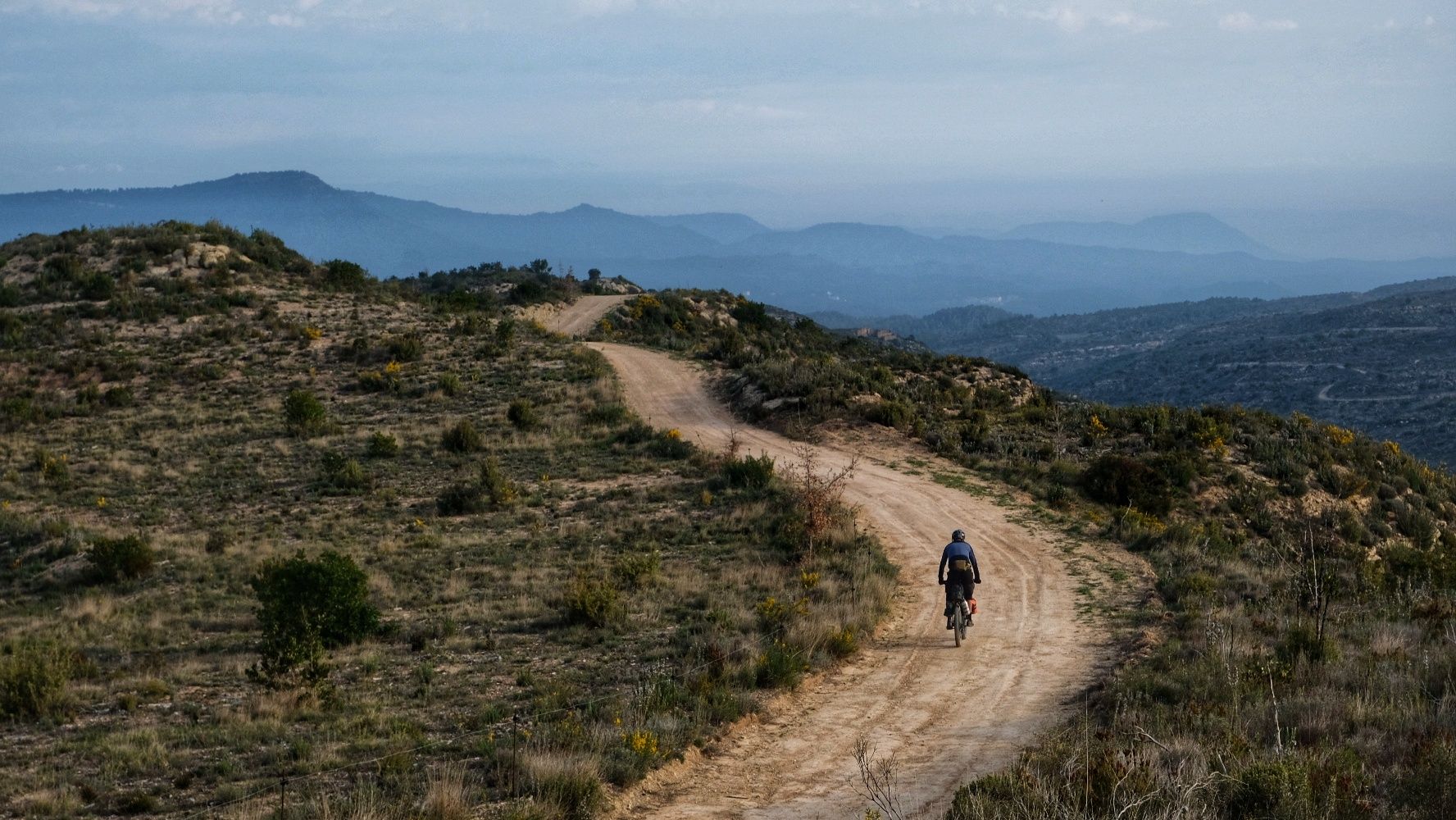
European Divide Trail — 7,600 km across the continent
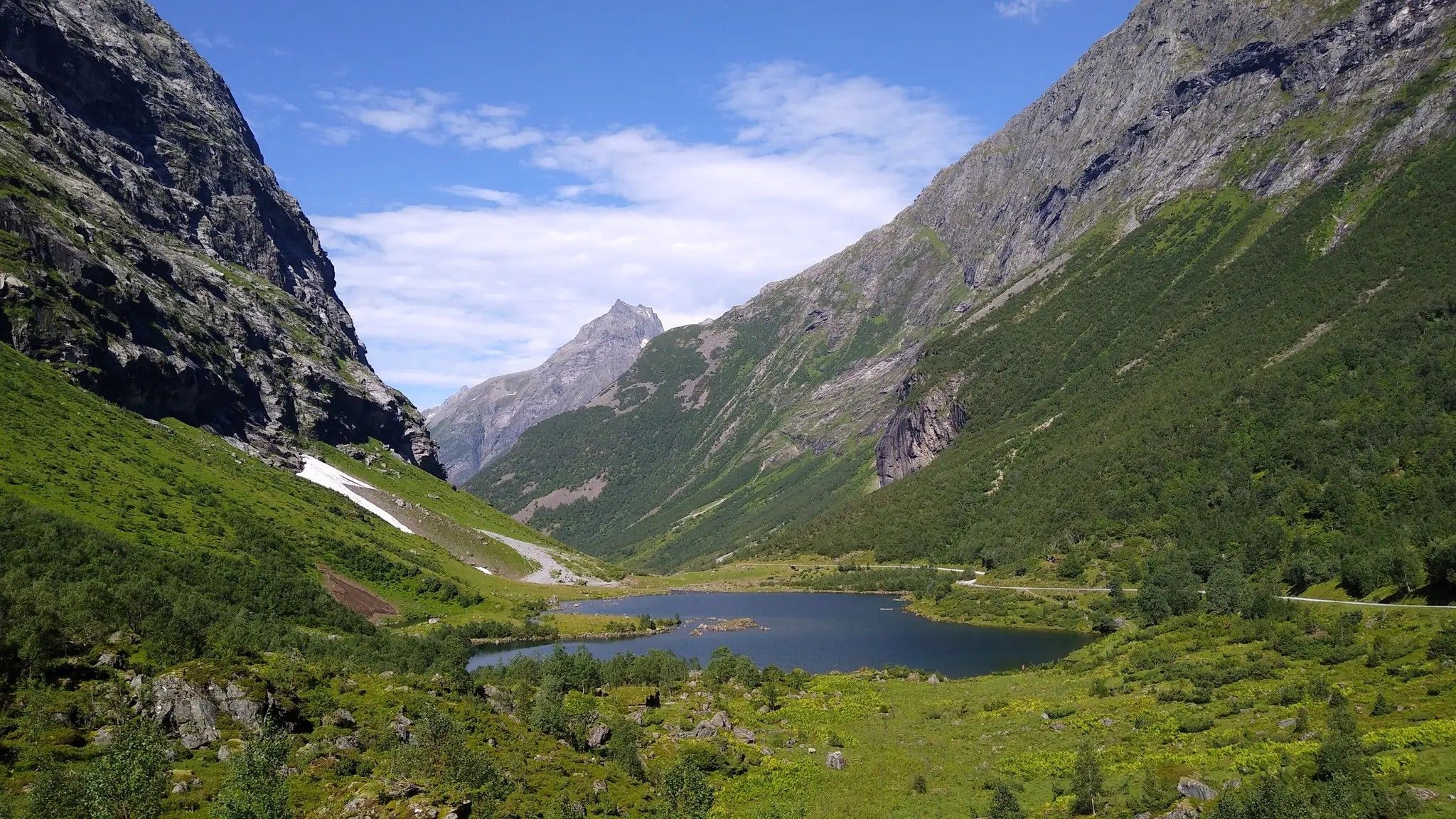
Hjørundfjorden Rundt — exploring the ancient Sunnmøre Alps
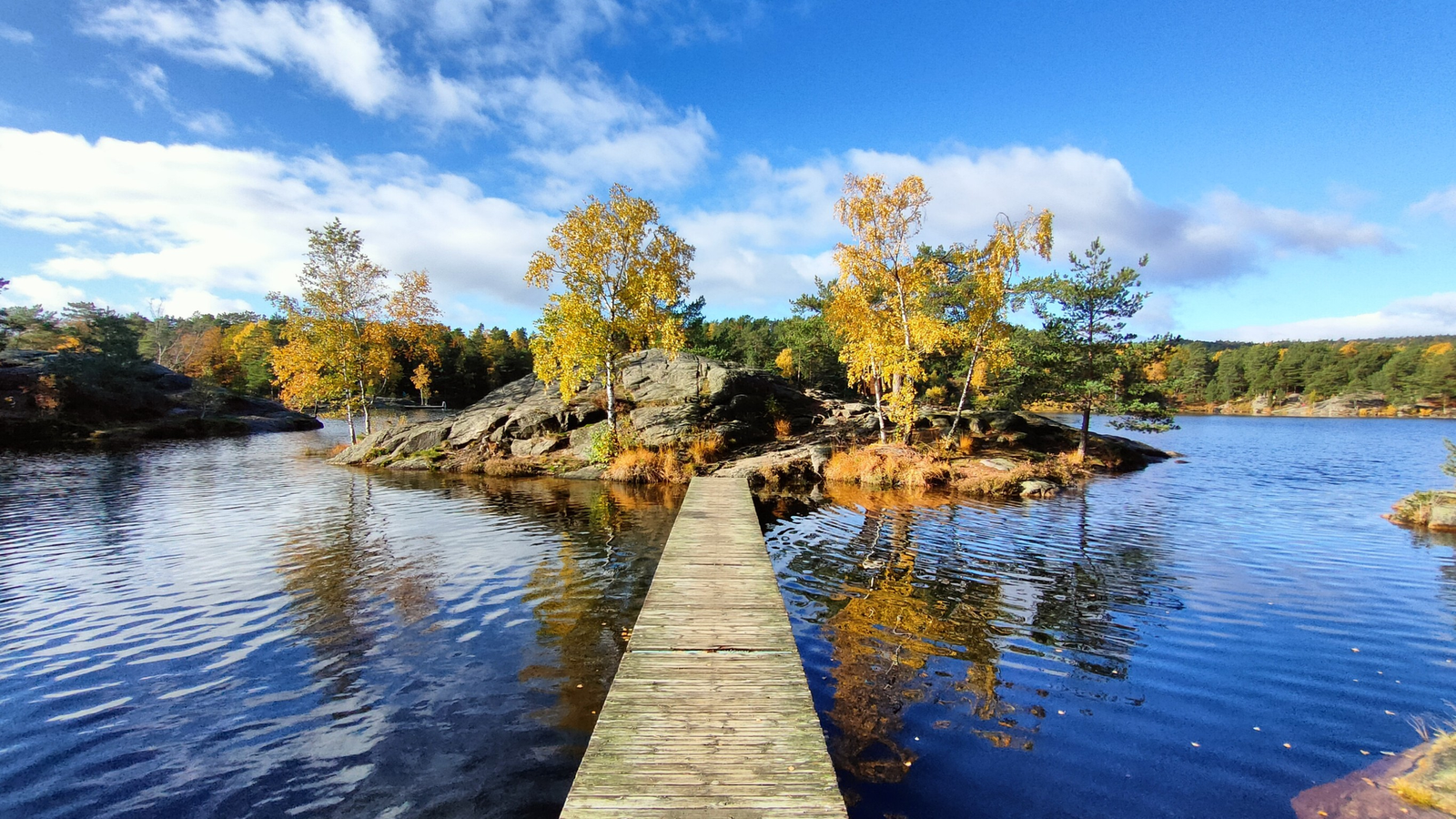
The Child Wanderer Path – Kvinesdal to Landvik
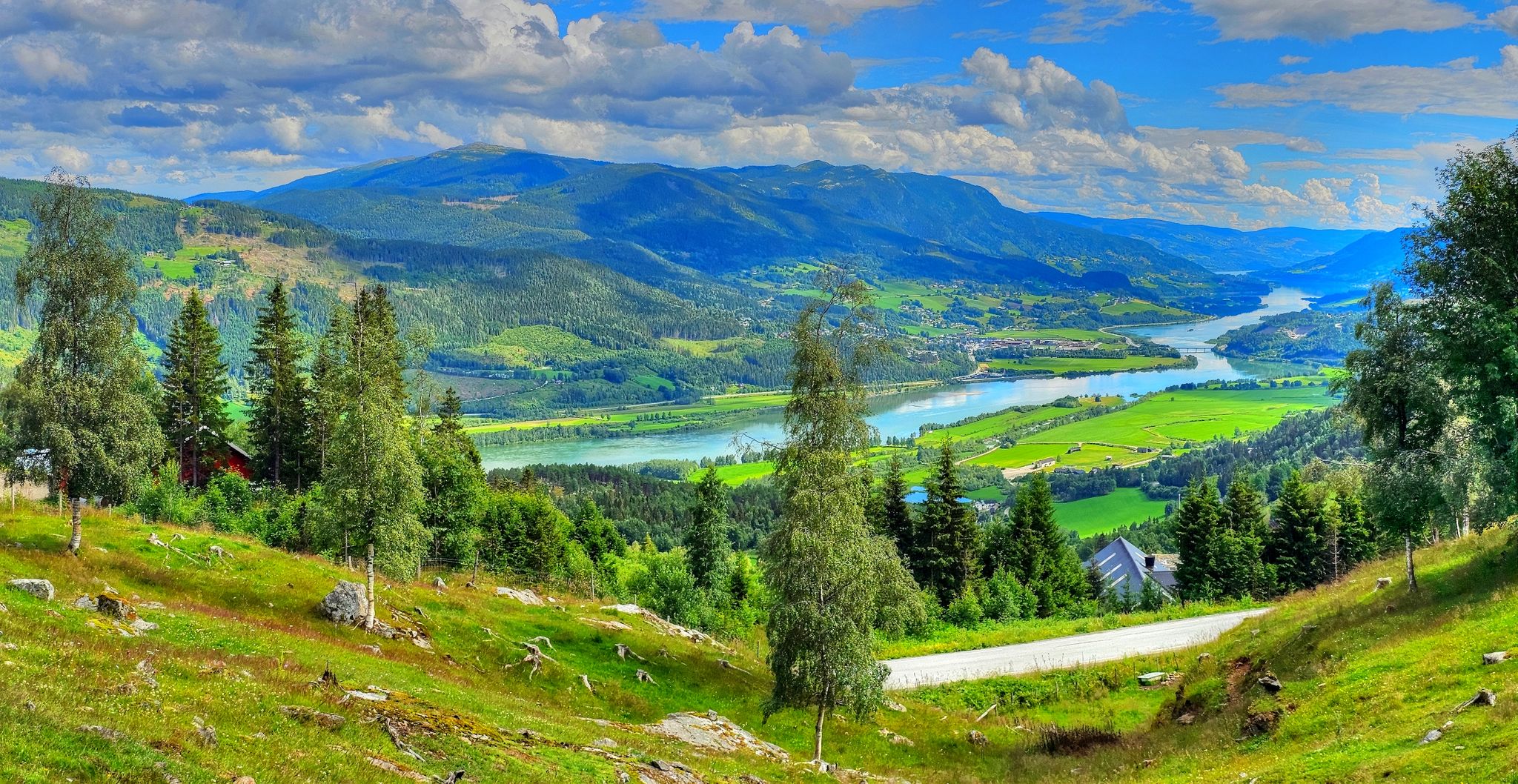
Pilgrim Route – An epic journey across Norway
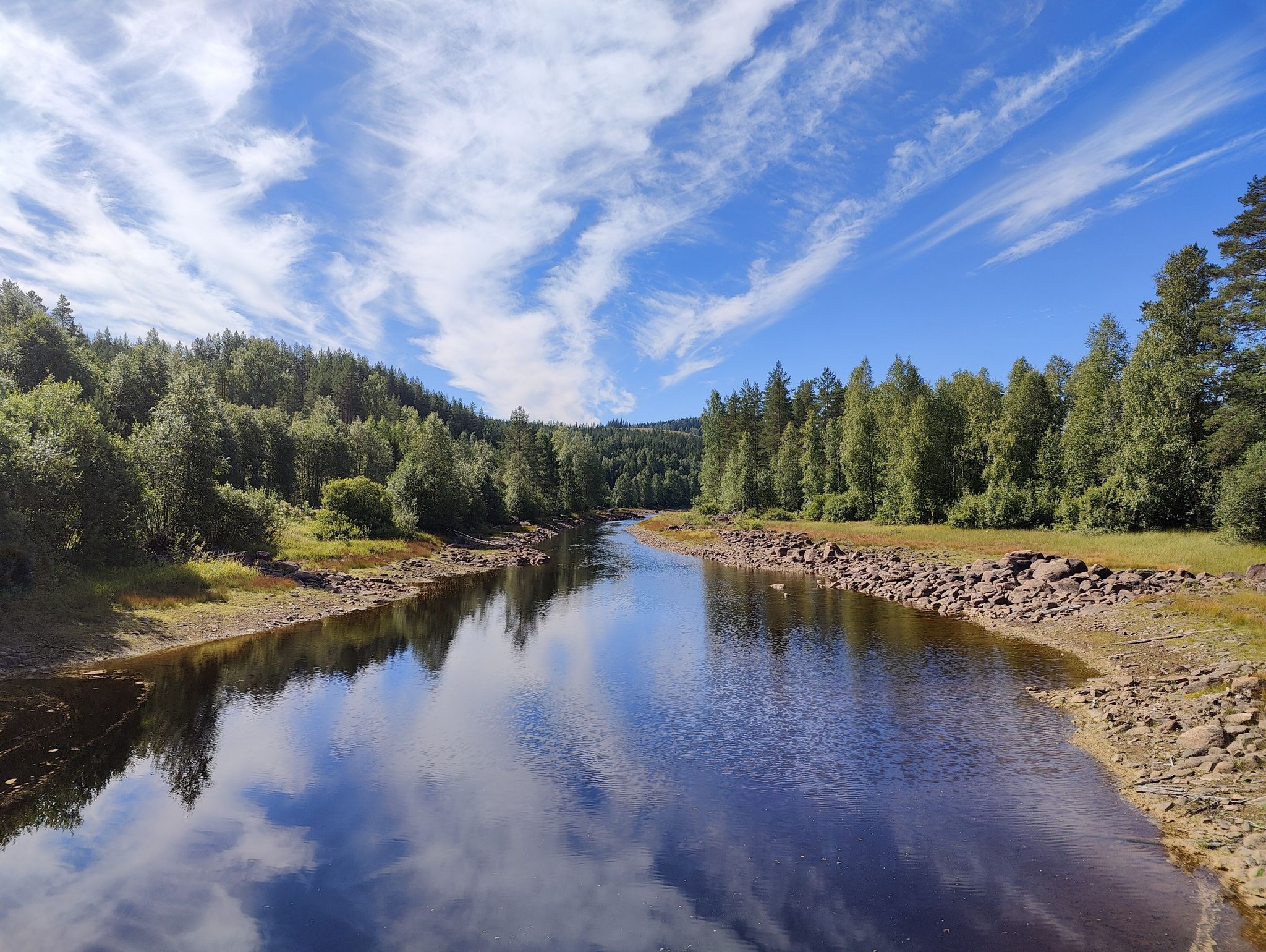
Finnskogleden – Hiking the Beautiful and Historic Forest of the Finns
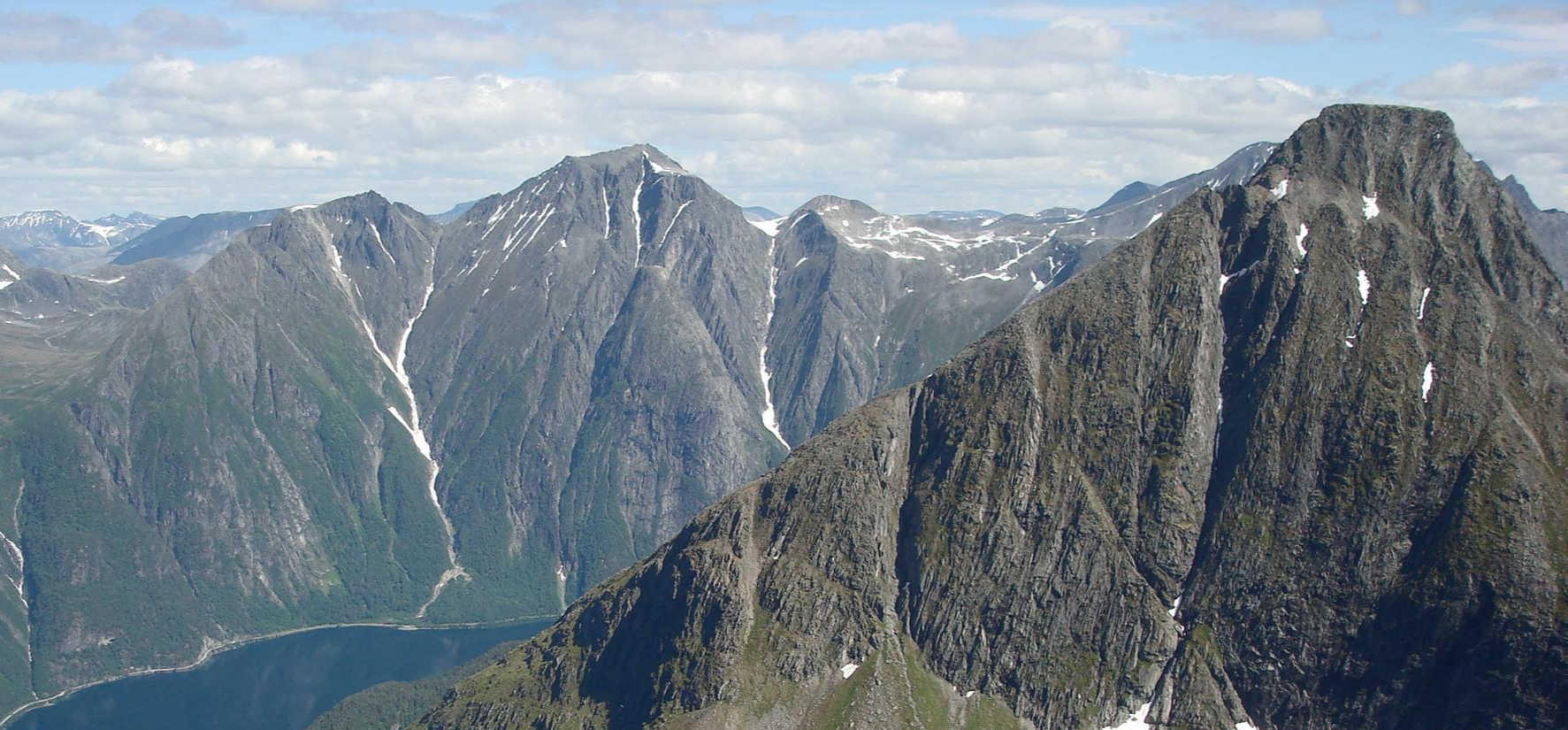
SignaTUR Romsdalstien – From the fjord to majestic mountains
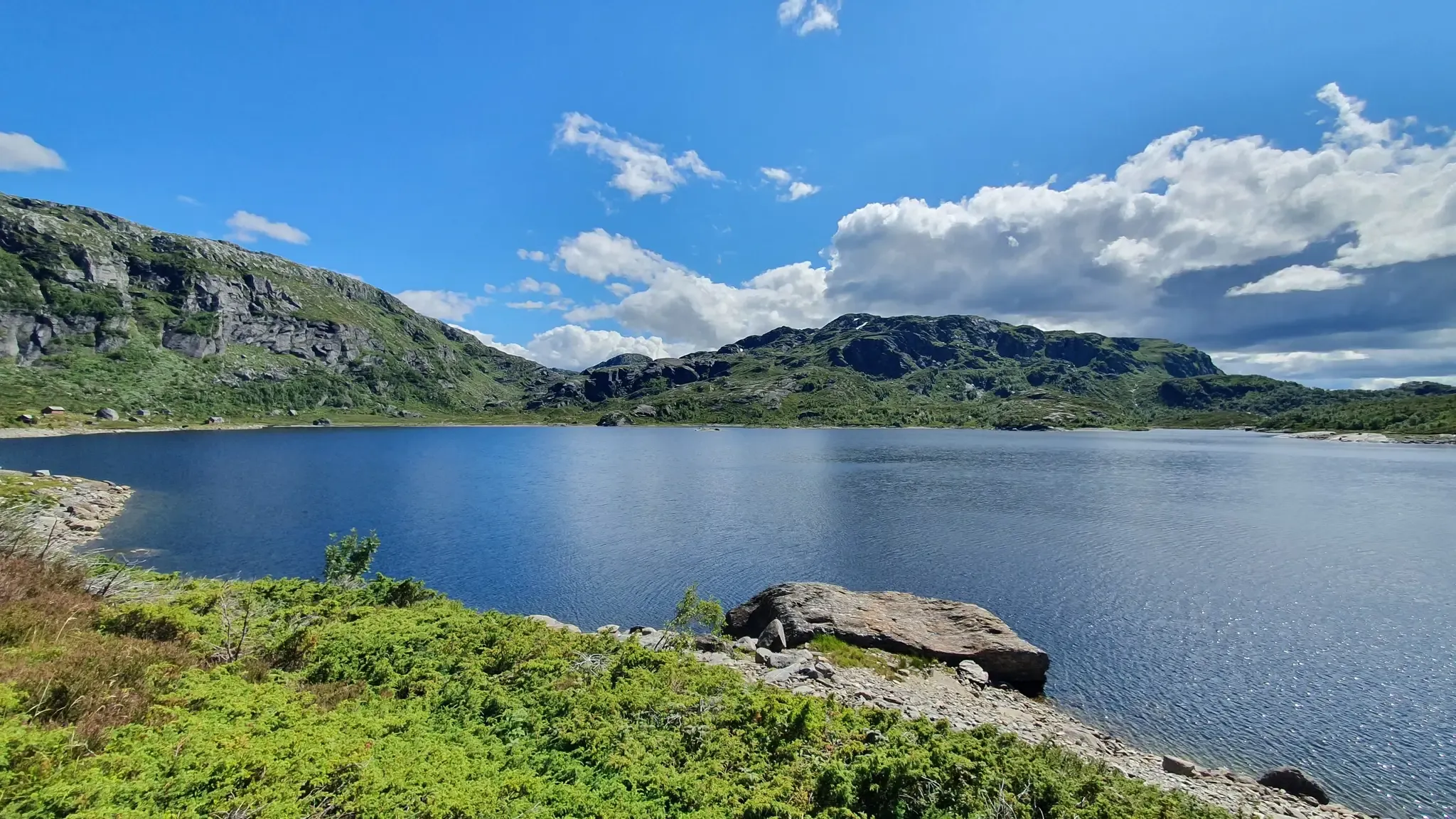
SignaTUR Gullruta i Etnefjellene – Trekking Norway's Golden Route
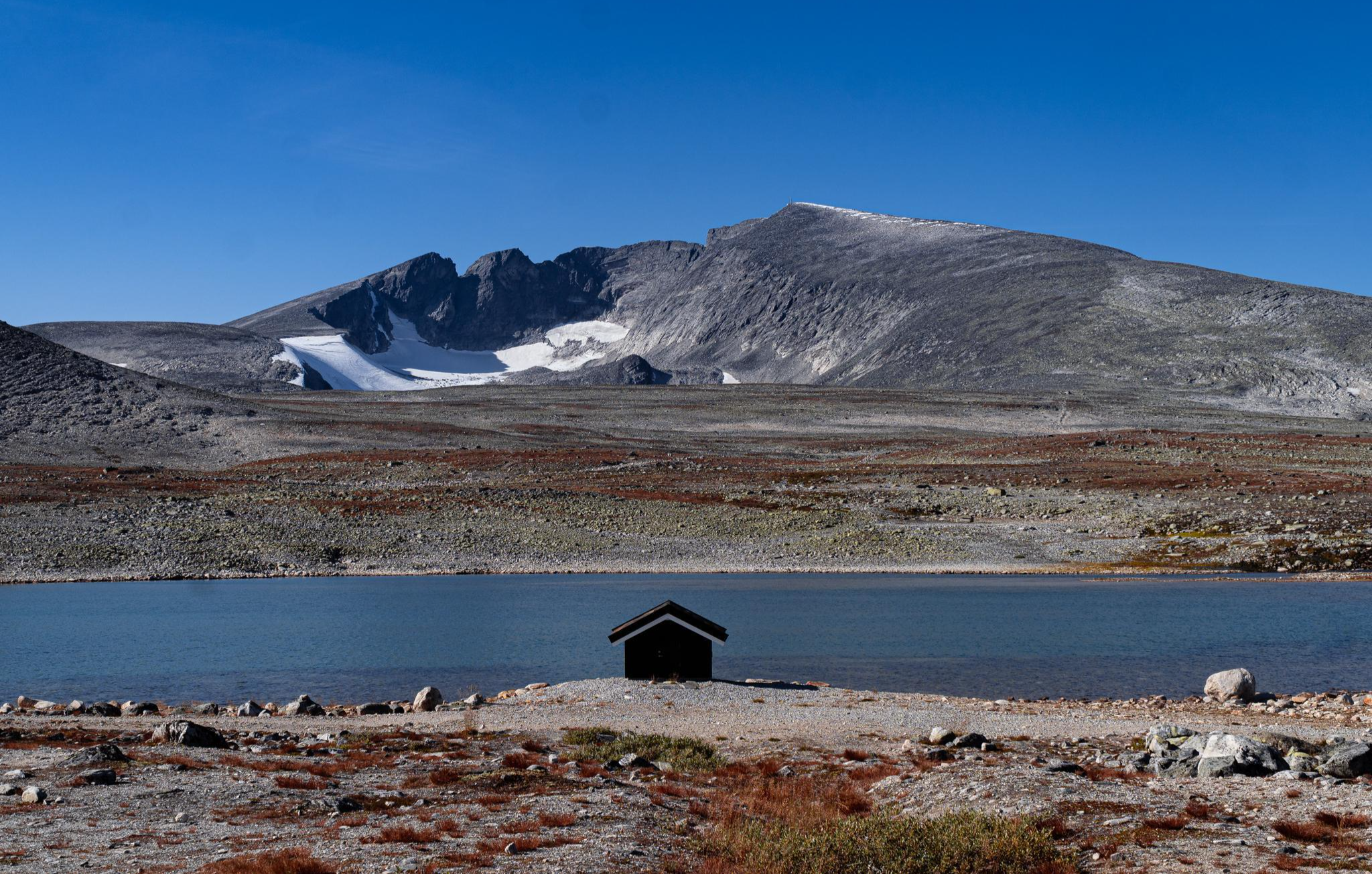
SignaTUR SAGA – Reindeer, wild trails and mighty peaks
SignaTUR Omveien – Vast wilds, epic peaks and deep valleys
SignaTUR i Tafjordfjella – Into Møre og Romsdal's mountainous wilds
Other adventures in Norway


Tips from the Community

Non-slip footwear is highly recommended in wet weather!
4
0

the first beautiful waterfall you encounter on this tour.
0
0

The waterfall and rapids in the heart of Geiranger are truly impressive and well worth a visit. A meticulously constructed path with a non-slip metal grating allows you to get very close to the roaring water. The highlight is the walkway that extends directly over the large waterfall. Note: Due to the many steps, the path is definitely not wheelchair accessible. Furthermore, the grating poses a risk of injury to dogs' paws; it's best to keep your four-legged friend away from this path.
3
0
The hike to Storsæterfossen is definitely worthwhile and shouldn't be missed if you want to explore the Geirangerfjord. The waterfall is very impressive and offers the rare opportunity to walk behind it and experience it up close. But be careful: The path behind the waterfall is very slippery in places! However, there are ropes provided for support.
3
0
The opportunity to admire Storsæterfossen from behind or below, experiencing it with all your senses, is an impressive attraction that shouldn't be missed when exploring the Geirangerfjord. However, caution and sure footing are required, as the path leading under the roaring waterfall is quite slippery in places! Feel free to hold onto the provided ropes!
4
0

Nyastølsfossen is a thundering waterfall and the second of four major falls on the hike up through Husedalen. It plunges down a 115 meter drop, a hugely impressive sight.
1
0

The waterfall is easily accessible via a gravel road.
0
0

The Tveitafossen has a flow rate of 10 000 liters/sec. It's incredible. It is the first of four waterfalls on this hike, so be sure to keep going. Wear good shoes and pack a picnic.
2
0
Frequently Asked Questions
What is the best time of year to visit Norway's waterfalls?
The best time to witness the full power of Norway's waterfalls is typically in May and June. During these months, snowmelt from the mountains significantly increases the water flow, making the cascades particularly impressive. Some waterfalls, like Mardalsfossen, are only fully visible and flowing from June to mid-August due to hydroelectric power regulation.
Are there any waterfalls in Norway where you can walk behind the water?
Yes, Norway offers a unique experience at waterfalls like Storseter Falls, where you can walk behind the curtain of water. Similarly, Steinsdalsfossen is distinctive for allowing visitors to pass behind its flow without getting wet, offering a rare and intimate perspective.
Which waterfalls in Norway are easily accessible for families or those seeking an easy visit?
Many waterfalls in Norway are family-friendly and easily accessible. Kleivafossen is easily accessible and allows visitors to stand directly in the spray from a bridge. Kjosfossen is another highly convenient option, located along the famous Flåm Railway, which makes a dedicated stop for passengers to view it.
What kind of natural features can I expect to see around Norway's waterfalls?
Norway's waterfalls are often set against dramatic fjord landscapes, steep mountains, and deep valleys. You can expect to see features like gorges, viewing platforms, and lush greenery. Some areas, like Åmotan, feature a convergence of multiple rivers and waterfalls within a single gorge, creating a stunning mosaic of water and rock.
Are there opportunities for hiking near Norway's waterfalls?
Absolutely. Many of Norway's waterfalls are best experienced via scenic hiking trails. For example, Storseter Falls is reachable via an intermediate hike, offering great views of the fjord. Vettisfossen, one of Norway's highest unregulated waterfalls, requires a hike to reach, providing a tranquil, off-the-beaten-path experience. You can find various hiking options in the region, including easy hikes and more challenging routes.
How can I reach some of Norway's famous waterfalls by public transport?
While many waterfalls are accessible by car, some can be reached via public transport or integrated into scenic journeys. Kjosfossen, for instance, is directly accessible by the Flåm Railway, which stops specifically for visitors to view the falls. For other locations, consider checking local bus services or fjord cruises, which often provide views of waterfalls like the Seven Sisters in Geirangerfjord.
Are there any waterfalls that offer unique viewing experiences or platforms?
Yes, Vøringsfossen Waterfall is renowned for its viewing platform and sky bridge constructed above the drop, offering a thrilling perspective into the Måbødalen valley. Kleivafossen also offers a unique experience with a bridge that places you directly in the waterfall's spray.
What do visitors particularly enjoy about Norway's waterfalls?
Visitors often highlight the sheer power and beauty of the cascades, the dramatic fjord backdrops, and the unique experiences offered, such as walking behind the water or standing on thrilling viewing platforms. The opportunity for stunning photography, especially at sunrise or in misty conditions, is also frequently mentioned. The variety of experiences, from easily accessible falls to those requiring a hike, is also appreciated.
Are there any challenging waterfall hikes for experienced trekkers?
Yes, for those seeking a challenge, some waterfalls require more demanding hikes. The path to Nyastølsfossen, for example, involves a path over rocks that can be steep, but the reward is a thundering 115-meter drop. Mardalsfossen, one of Europe's highest, is accessible via a scenic 45-minute hike in a remote valley.
What should I wear when hiking to waterfalls in Norway?
When hiking to waterfalls in Norway, it's advisable to wear good, waterproof hiking shoes, as paths can be wet and rocky. Layered clothing is recommended to adapt to changing weather conditions, and a waterproof jacket is essential, especially if you plan to get close to the spray of the falls. Even in summer, temperatures can be cool, particularly at higher elevations.
Are there any waterfalls near Bergen that are worth visiting?
While the guide focuses on Norway broadly, the region around Bergen is known for its beautiful waterfalls. Steinsdalsfossen, located near Norheimsund, is a popular choice and is distinctive for allowing visitors to walk behind the water. For more options and day trips from Bergen, you might find additional information on local tourism sites like visitbergen.com.
What makes Vøringsfossen a popular waterfall to visit?
Vøringsfossen Waterfall is one of Norway's most iconic waterfalls, plunging 183 meters with a 145-meter free-fall section. Its popularity stems from its dramatic setting in the Måbødalen valley, enhanced by modern viewing platforms and a sky bridge that offer spectacular, thrilling perspectives. It's also easily accessible by car via Route 7, making it a convenient stop for many travelers.
Can I find less crowded or 'hidden' waterfalls in Norway?
While popular waterfalls attract many visitors, Norway's vast landscape offers numerous lesser-known gems. Exploring areas like the Utladalen Landscape Protection Area, home to Vettisfossen, can lead to more tranquil, off-the-beaten-path experiences. Additionally, regions like Sunndal, with its Åmotan cluster of waterfalls, provide opportunities to explore stunning natural beauty away from the main tourist routes.
Most popular routes in Norway
Most popular attractions in Norway

Get inspired with the komoot mobile app


Didn’t find what you were looking for?
Looking for more great places nearby? See even more amazing waterfalls in Norway with these guides per region:
Explore more
Happy to travel a little further afield? Then browse these guides for the best waterfalls in Norway:
