The best cycling routes around Esterwegen
4.5
(161)
734
riders
49
rides
Touring cycling around Esterwegen is characterized by its unique raised bog landscapes, green meadows, and extensive network of cycle paths. The region, often called "the Green Island in the moor," features the Esterweger Dose, one of Europe's largest raised bog areas, alongside forests, heaths, and the Ems river landscape. These flat to gently undulating terrains provide varied and scenic routes suitable for touring cyclists.
Best touring cycling routes around Esterwegen
- The most popular touring cycling route is Esterweger Dose Moor…
Last updated: October 15, 2026
4.4
(55)
159
riders
Moderate bike ride. Good fitness required. Mostly paved surfaces. Suitable for all skill levels.
4.4
(20)
85
riders
23.9km
01:26
60m
60m
Easy bike ride. Great for any fitness level. Mostly paved surfaces. Suitable for all skill levels.

4.9
(12)
61
riders
Hard bike ride. Great for any fitness level. You may need to push your bike for some segments of this route.
4.4
(5)
13
riders
Moderate bike ride. Good fitness required. Mostly paved surfaces. Suitable for all skill levels.
4.3
(3)
12
riders
34.8km
02:07
50m
50m
Moderate bike ride. Good fitness required. Mostly paved surfaces. Suitable for all skill levels.
Get access to more routes and recommendations from other explorers.
Already have an account?
Our route recommendations are based on thousands of hikes, rides, and runs completed by other people on komoot.
Start today with a free account
Your next adventure awaits.
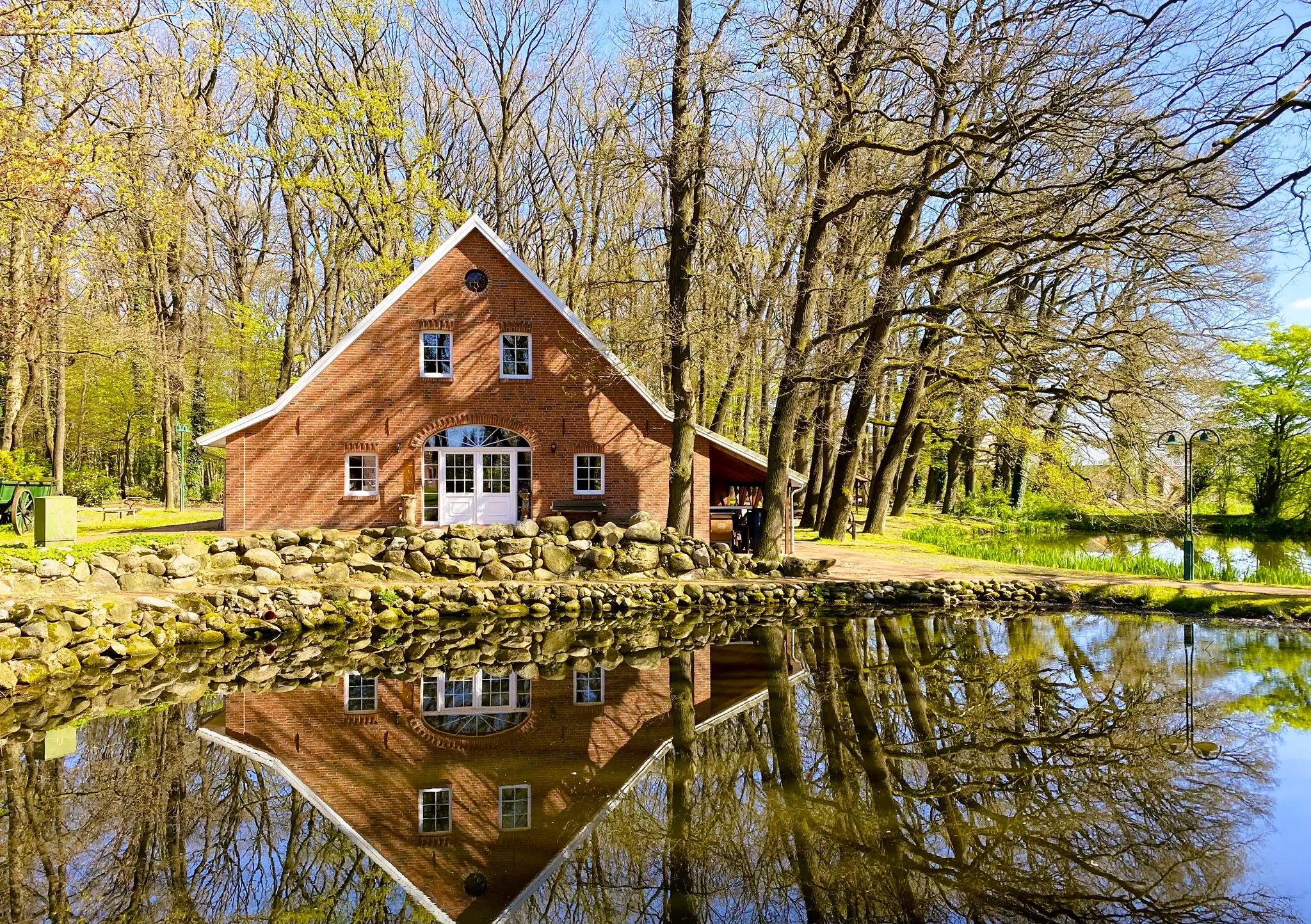
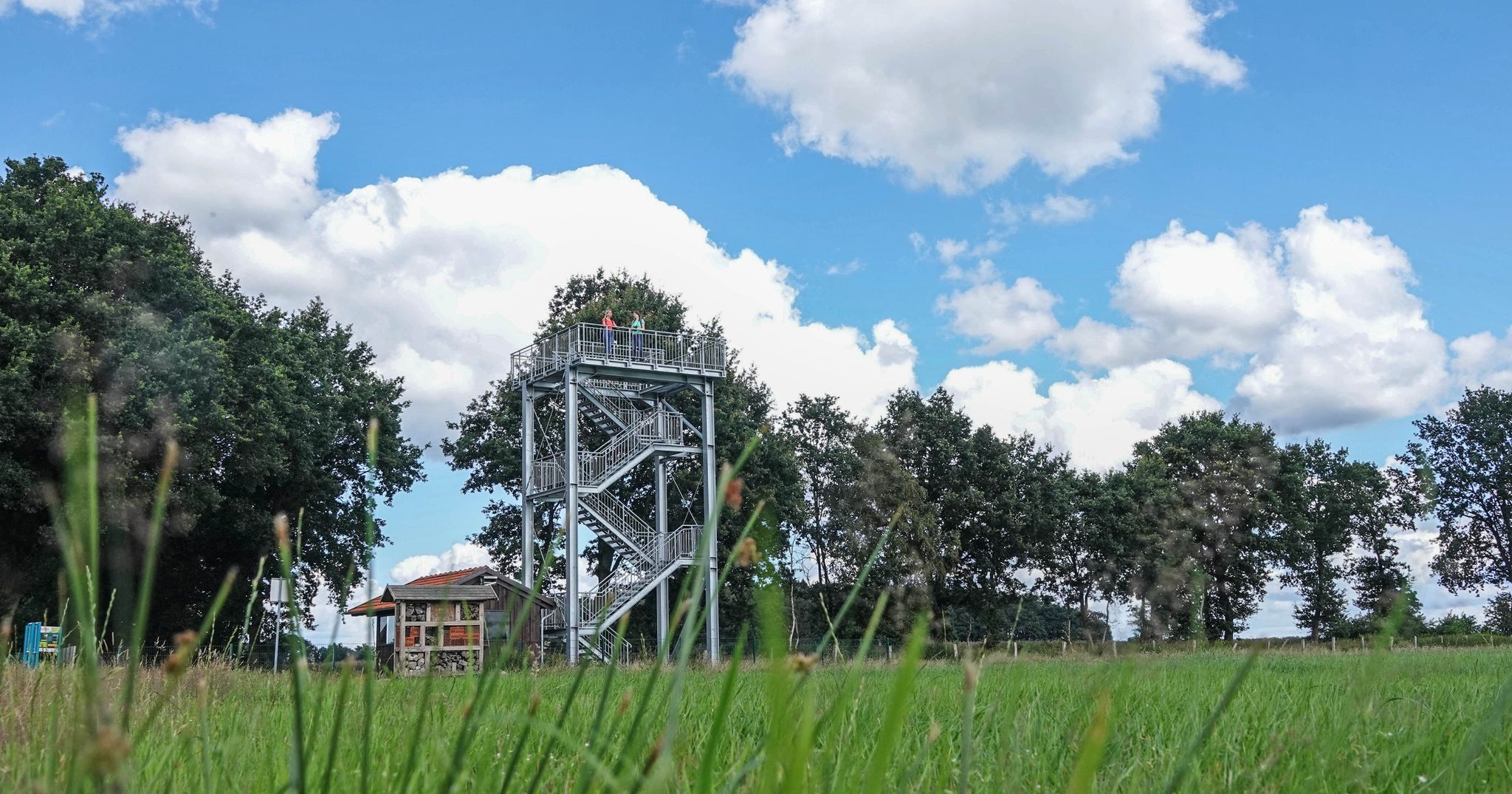
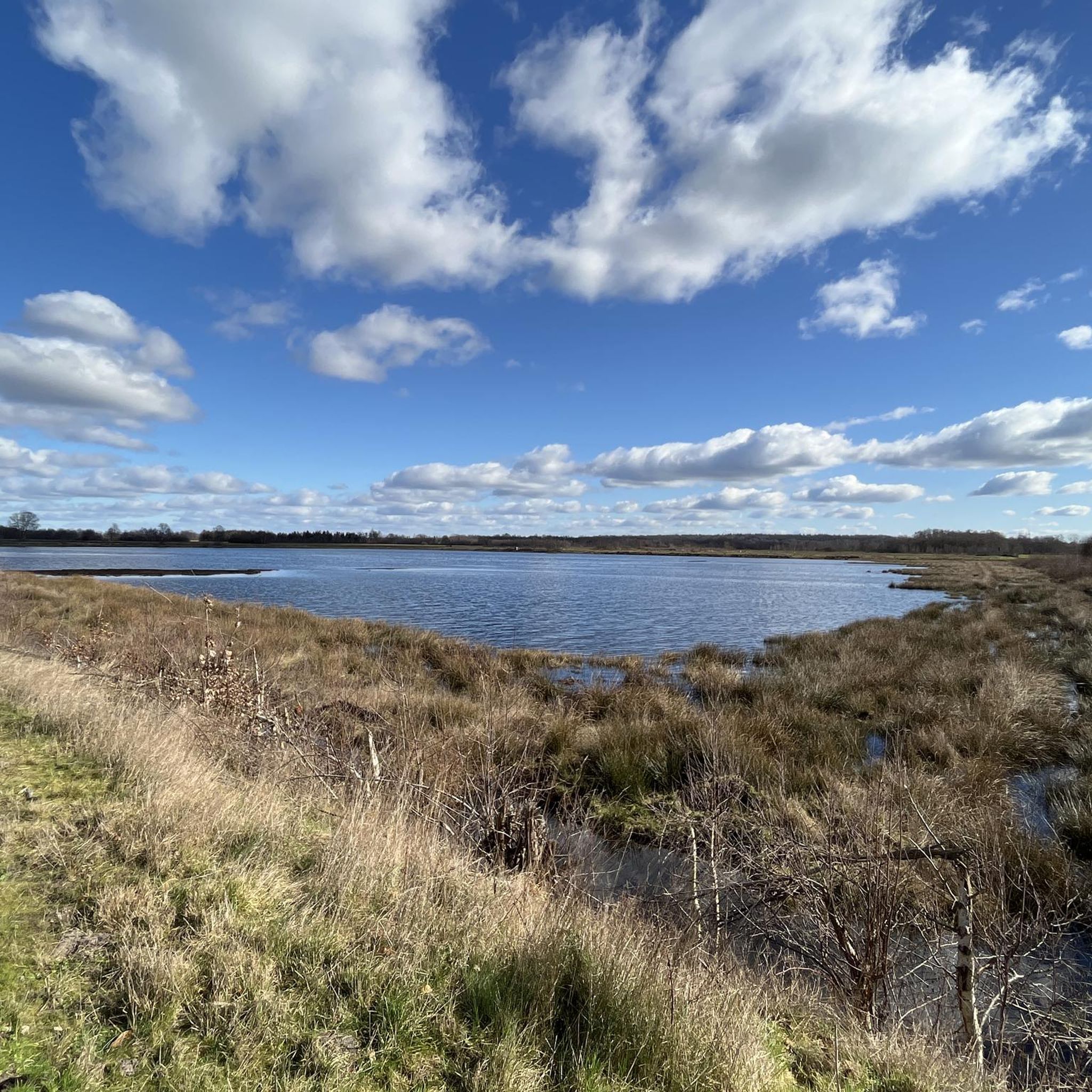
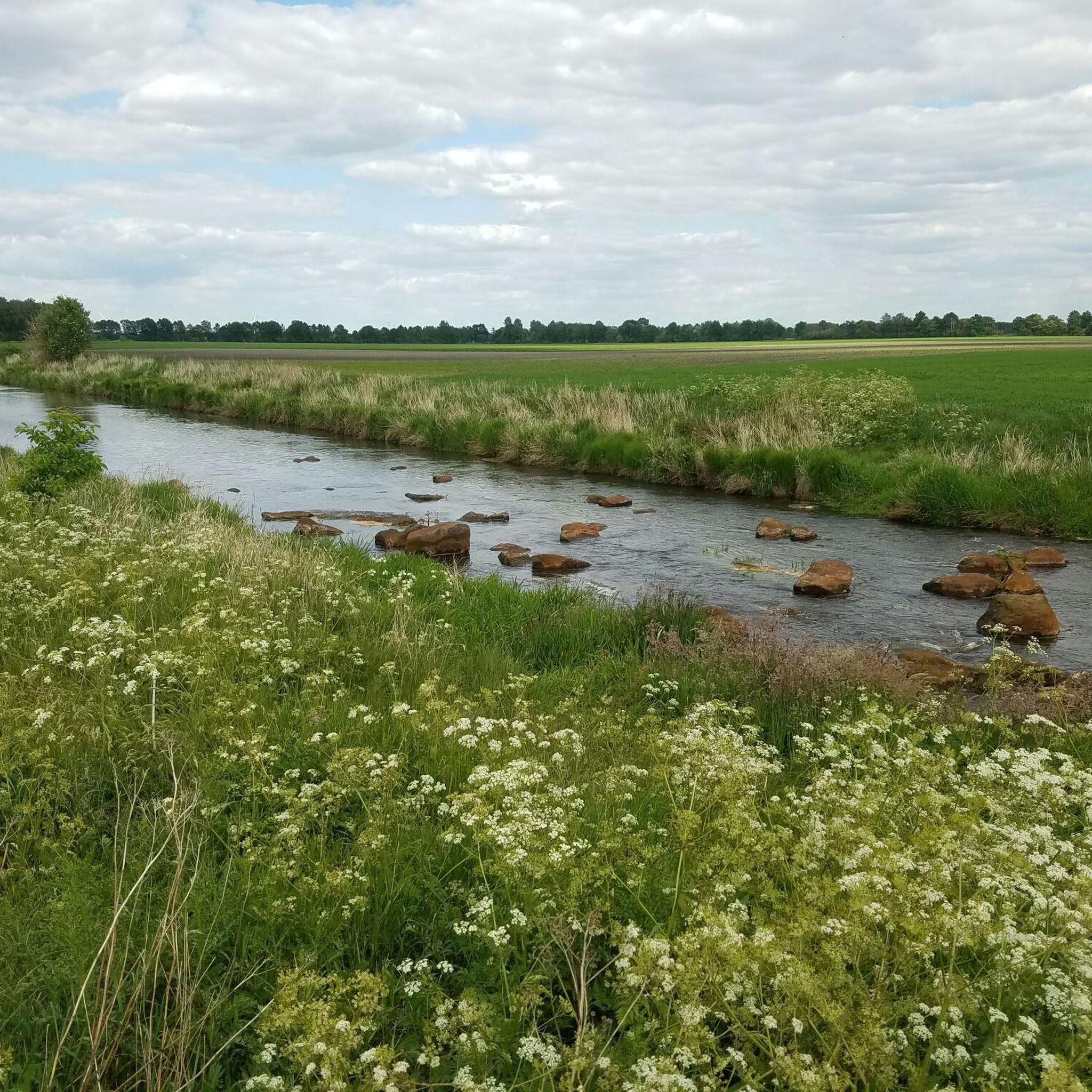
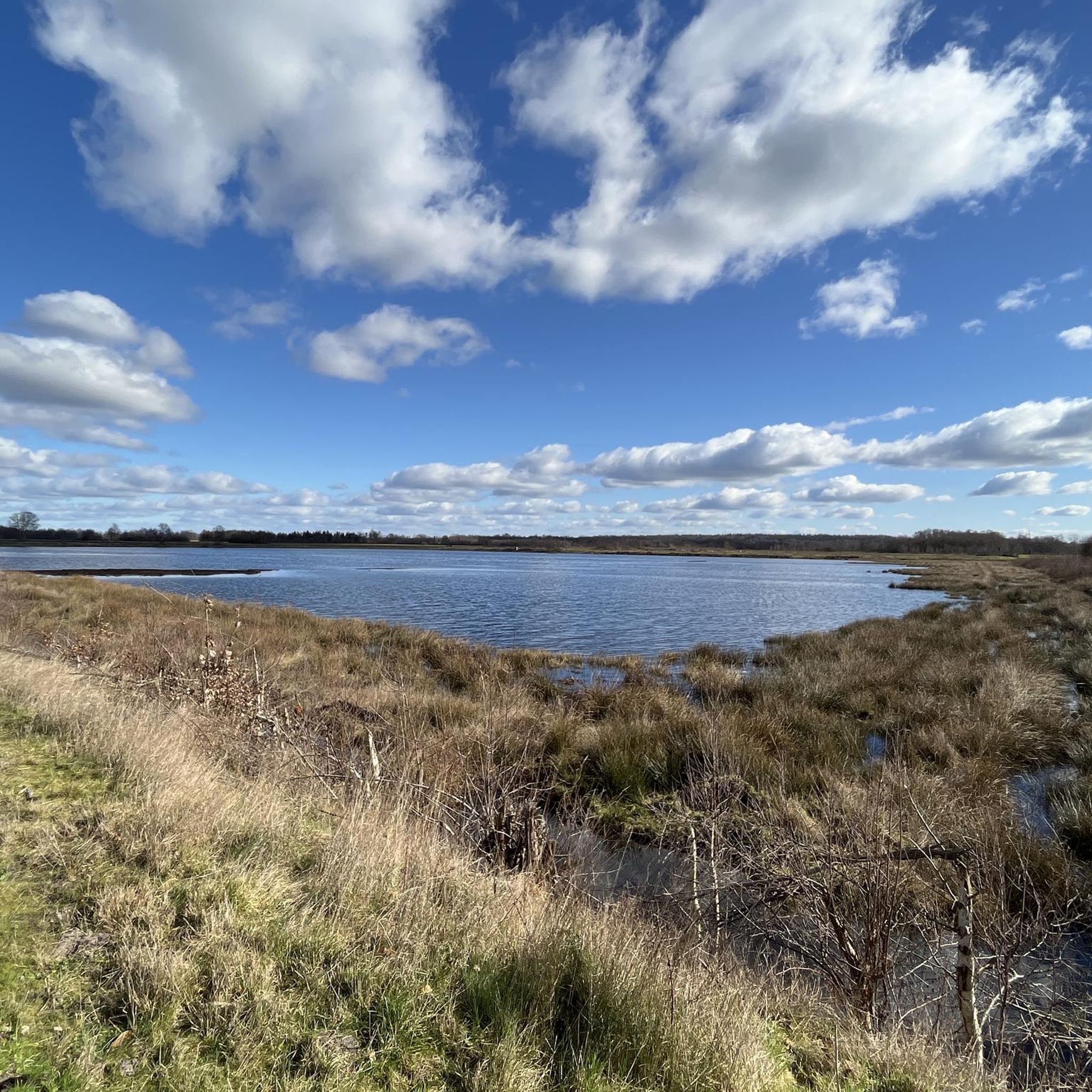
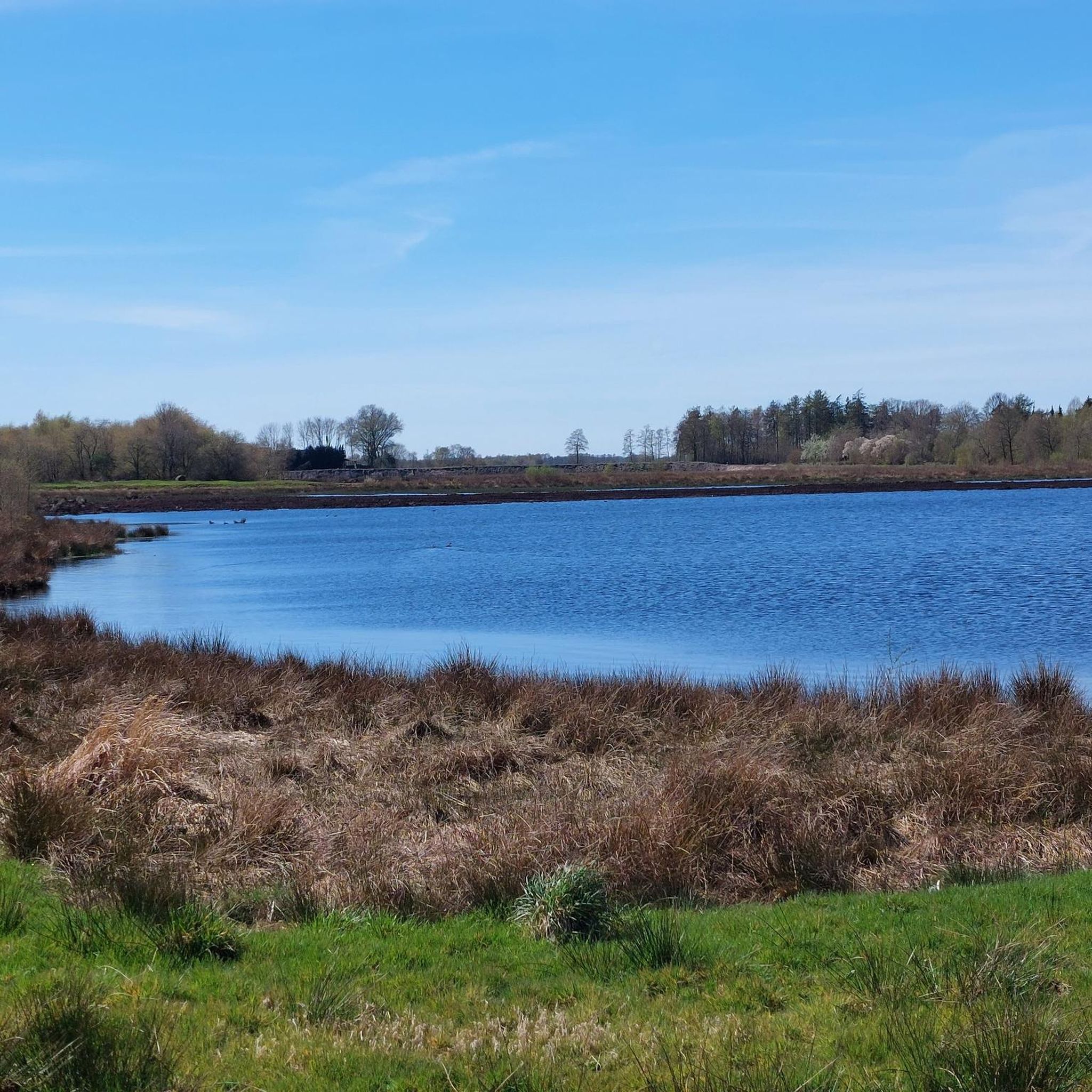


Tips from the Community

Beautiful view at sunset.
1
0

The 35.8 km gravel loop runs along the towers. This agricultural road is NOT to be used and is closed off!!! The Jammertalstrasse should be approached from Langholt.
0
0

Funnily enough, the HL is now located at the Strenge company. It produces a wide range of soils and substrates. In the postwar period, black peat was highly valued as a fuel. In 1949, around 400,000 tons of fuel peat were extracted from the East Frisian moorlands, and the majority was produced using powerful machines. These machines operated in the moorlands, particularly around Ostrhauderfehn, from early spring to late summer. The compressed peat was transported from the moor in the fall by narrow-gauge railway and then loaded onto ships. A special peat loading station was set up over the canal of the 1st Südwieke, where the peat could be efficiently loaded onto ships. A narrow bridge made it possible to push the loaded peat piles onto the bridge, and up to 25 tons of peat could be loaded within a very short time. Not only peat ships were loaded, but also simple barges with a low carrying capacity. These barges were often unmotorized and had to be towed for miles. One or more people pulled the vessel with a rope, while the boatman steered the boat with a long pole at the stern.
3
0
Each mast is mounted on an approximately 3-meter-high ceramic insulator that can withstand a load of 4,000 tons and insulates voltages of up to 250 kV. The masts are each secured by nine guy wires at three levels, each offset by 120 degrees. Four masts form a common antenna that requires no overhead connection. The antenna is fed via coaxial cables to the tuning stations, where the power is adjusted and fed into the mast. It is worth noting that the antenna structure does not have a pronounced directional pattern, as it is smaller than the wavelength of 12.82 km at the current frequency of the DHO38. For inspection and maintenance work, there is a worm-gear-driven elevator and a ladder inside the masts. The elevator can transport up to three people and ensures safety through mandatory safety harnesses.
1
0
Superlatives The naval radio station is one of the tallest military structures in Western Europe and, at 352.8 meters, the second tallest structure in Germany, visible from over 30 kilometers away. The transmitter is located near Saterland-Ramsloh in the Cloppenburg district (Lower Saxony). The borders of the two districts of Cloppenburg and Leer run through the naval radio station site. Five antennas are located in East Frisia, and three are located in Cloppenburg. The site is surrounded by a 12-km-long, continuously monitored fence. A naval radio station with eight identical umbrella antennas mounted on 352.8-meter-high tubular steel masts. These masts have a diameter of 2.20 meters and wall thicknesses of 8 to 13 mm, depending on local loads.
1
0
The Nazis and their henchmen established not just one, but a total of 15 concentration, penal, and prisoner-of-war camps in the Emsland region. 12 of these are located in the present-day Emsland district, and three are in the Grafschaft Bentheim district. Thousands of people were imprisoned in the camps, including numerous "political prisoners" who hindered the Nazis' efforts to enforce their rule.
3
0
Camp I Börgermoor was one of the early concentration camps in the Emsland region and played a significant role during the Nazi era. From June 1933 onward, political opponents were imprisoned here and forced to perform forced labor in moorland cultivation. Wolfgang Langhoff describes his experiences and the origins of the famous song in his book "The Moor Soldiers." The prison conditions were inhumane, and the prisoners were brutally treated not only by the SS, but later also by other guards. The forced labor and the poor living conditions of the prisoners were inhumane. As in many places in Nazi Germany, the prisoners were deployed in factories critical to the war effort. The precarious food supply led to countless tragedies and deaths.
3
0

These and numerous other bridges, along with the canal, adorn Papenburg's city center.
3
0
Frequently Asked Questions
How many touring cycling routes are available in Esterwegen?
Esterwegen offers a diverse network of touring cycling routes. There are over 45 routes available, with the majority being easy to moderate, making them suitable for various skill levels.
What is the best time of year to go touring cycling in Esterwegen?
The best time for touring cycling in Esterwegen is generally from spring to early autumn. During these seasons, the weather is mild, and the unique raised bog landscapes, meadows, and forests are at their most vibrant. This allows for comfortable exploration of the region's natural beauty.
What is the typical terrain like for touring cycling around Esterwegen?
The terrain around Esterwegen is characterized by flat to gently undulating landscapes. You'll primarily cycle through green raised bog meadows, moors, and forests, with some routes following the beautiful river landscape of the Ems. The region is known for its well-developed cycle paths, making for a smooth riding experience.
Are there easy touring cycling routes suitable for beginners in Esterwegen?
Yes, Esterwegen is very welcoming for beginners and casual cyclists. Out of the available routes, 36 are classified as easy. A great option is the Esterwegen Village Square – Esterwegen loop from Esterwegen, which is a pleasant 15.2-mile (24.4 km) path through the local village and surrounding green areas.
Are there any challenging touring cycling routes in Esterwegen?
While Esterwegen is largely flat, there are a few routes that offer a bit more challenge, often due to their length. There are 2 routes classified as difficult. For a moderate challenge, consider the Esterweger Dose Moor – Landing stage on the Küstenkanal loop from Esterwegen, a 29.2-mile (47.0 km) trail offering expansive views of the significant Esterweger Dose raised bog.
Are there family-friendly touring cycling routes in Esterwegen?
Absolutely. Many of Esterwegen's routes are flat and well-maintained, making them ideal for families. The region's focus on nature and recreational areas like Lake Erika, which features an adventure playground, also adds to its family appeal. Look for the 'easy' rated routes for the most family-friendly options.
Can I bring my dog on touring cycling routes in Esterwegen?
Generally, dogs are welcome on cycling routes in Esterwegen, especially on the extensive network of paths through natural areas. However, it's always advisable to keep your dog on a leash, particularly in nature reserves like the Esterweger Dose, to protect wildlife. Ensure you carry water for your pet and clean up after them.
What natural features can I expect to see while cycling in Esterwegen?
Esterwegen, known as 'the Green Island in the moor,' offers unique natural features. You'll encounter the vast Esterweger Dose nature reserve, one of Europe's largest raised bog areas, with its distinctive flora and fauna. The region also features green raised bog meadows, forests, heaths, and the scenic river landscape of the Ems. The Wetland Habitat at Erikasee – Forest Sports Trail loop from Lattensberg/Cundastraße is a great route to experience wetland habitats.
Are there any historical landmarks or attractions along the cycling routes?
Yes, Esterwegen offers a blend of natural beauty and historical sites. You can visit the Esterwegen Memorial, a European memorial site, or the historic Hanekamp Windmill and Scharrel Local History Museum. The Moor Information Trail also provides insights into the region's history and ecology. For more information on the memorial, you can visit niedersachsen-tourism.com.
Are there any circular touring cycling routes in Esterwegen?
Many of the touring cycling routes in Esterwegen are designed as loops, allowing you to start and end at the same point. A notable example is the 100 km 'Moorerlebnisroute' (Moor Experience Route) which circles the Esterweger Dose. Shorter options include the Esterwegen Memorial – Coastal Canal loop from Esterwegen, which is a moderate 34.7-mile (34.7 km) route.
Where can I find parking for touring cycling routes in Esterwegen?
Parking is generally available at various starting points for cycling routes in and around Esterwegen. Look for designated parking areas in the village center, near popular attractions like Lake Erika Recreation Area, or at trailheads. Many routes are accessible from public parking spaces.
Is Esterwegen accessible by public transport for cyclists?
Esterwegen has public transport connections, primarily by bus, which can help you reach the area. While direct train access might require connecting services, local buses often have facilities for transporting bicycles or can get you close to popular cycling starting points. It's advisable to check local bus schedules and bike transport policies in advance.
What do other touring cyclists enjoy most about cycling in Esterwegen?
The touring cycling routes in Esterwegen are highly rated by the komoot community, with an average score of 4.39 stars from over 130 reviews. Cyclists frequently praise the unique and expansive raised bog landscapes, the well-maintained and extensive network of cycle paths, and the peaceful, natural environment that makes for a relaxing ride.
Most popular routes around Esterwegen
Most popular attractions around Esterwegen

Get inspired with the komoot mobile app


Explore more
Browse the best Cycling routes in other regions.
