Top 20 Castles in Serbia
Best castles in Serbia offer a glimpse into the nation's rich history, with many strategically located along rivers and in picturesque landscapes. These historical sites showcase diverse architectural styles and turbulent pasts. Serbia's terrain, from river valleys to mountainous regions, provides varied settings for these ancient fortifications. The country's position at the crossroads of empires has resulted in a unique collection of castles and fortresses.
Best castles in Serbia
- The most popular castles is Golubac Fortress, a castle that…
Last updated: October 17, 2026
Despot's Gate and Dizdar Tower, Belgrade Fortress
Highlight • Castle
Translated by Google •
Tip by

Petrovaradin Fortress Clock Tower
Highlight • Monument
Translated by Google •
Tip by

Sign up now to discover places like this
Get recommendations on the best single tracks, peaks, & plenty of other exciting outdoor places.
Zindan Gate
Highlight • Castle
Translated by Google •
Tip by
Belgrade Military Museum
Highlight • Historical Site
Tip by

Belgrade Fortress (Kalemegdan)
Highlight • Castle
With its universities, colleges and scientific institutions, Belgrade is the educational centre and, with …
Translated by Google •
Tip by

Golubac Fortress
Highlight • Castle
Translated by Google •
Tip by

Old & New Palace 🏰 Stari/Novi Dvor, Pioneers Park Belgrade
Highlight • Historical Site
Tip by

Sahat Gate & Tower 🏰 Belgrade Fortress
Highlight • Castle
Tip by
View of the Petrovaradin Fortress
Highlight • Viewpoint
Translated by Google •
Tip by

Ram Fortress
Highlight • Castle
Tip by

Sign up for free to discover even more castles in Serbia.
Already have an account?
Start today with a free account
Your next adventure awaits.
Popular around Serbia
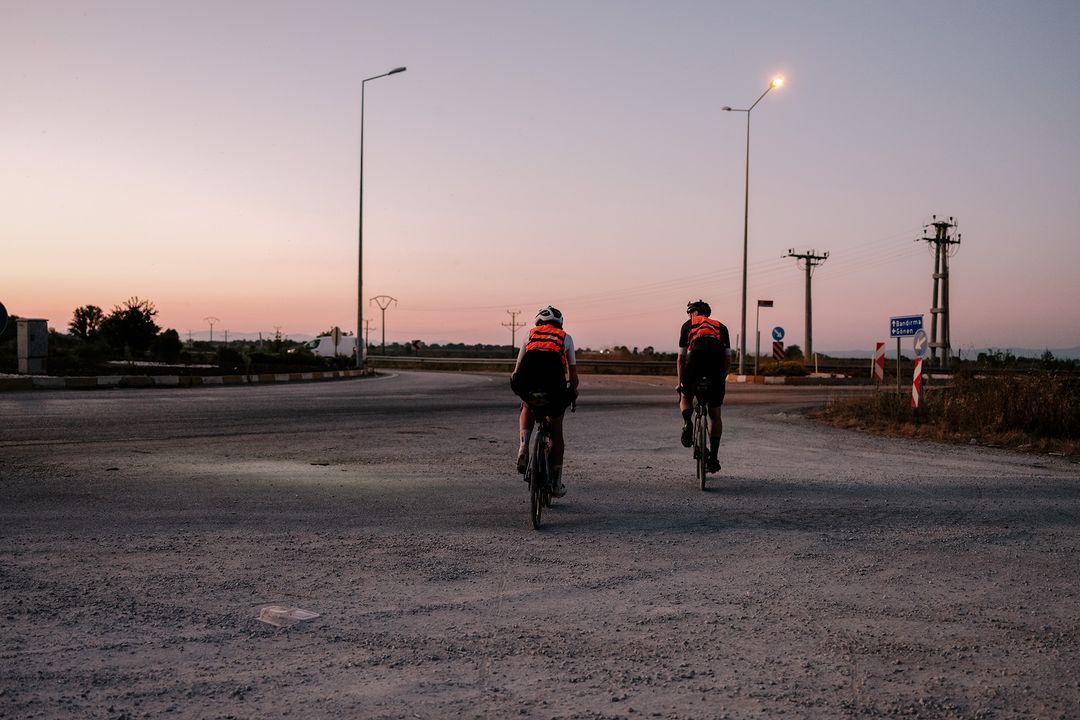
Transcontinental Race No10: crossing Europe from France to Turkey
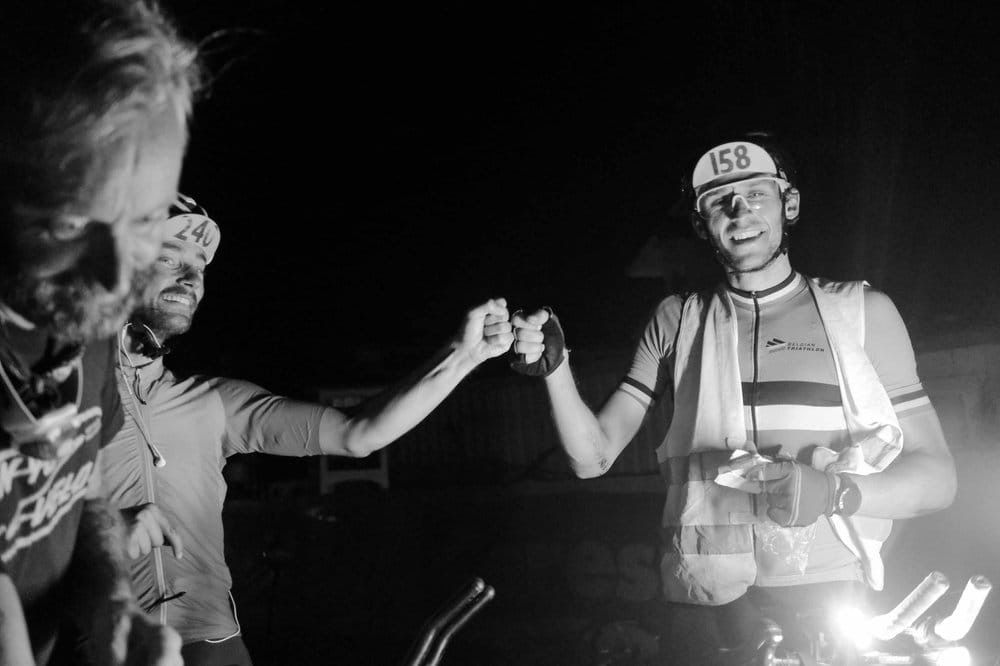
TCR No. 8 — racing across Europe
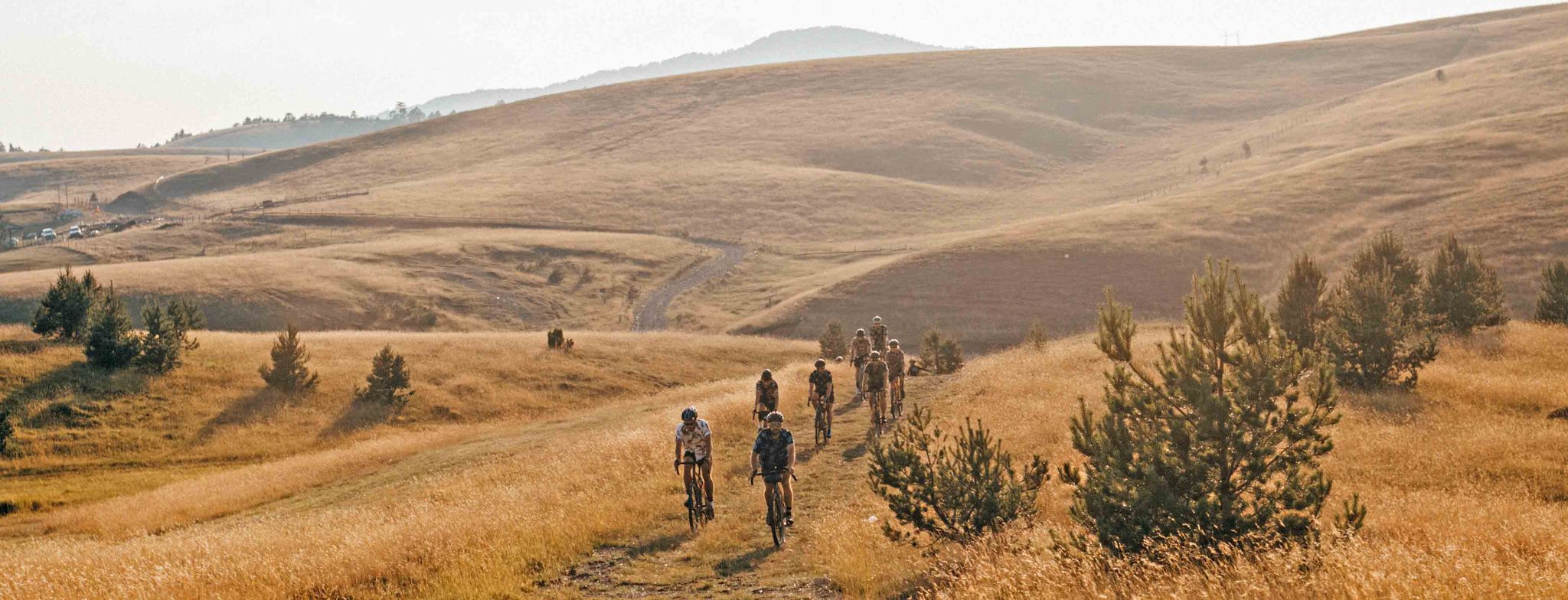
5 days of gravel adventure in Serbia — Serbia Upside Down
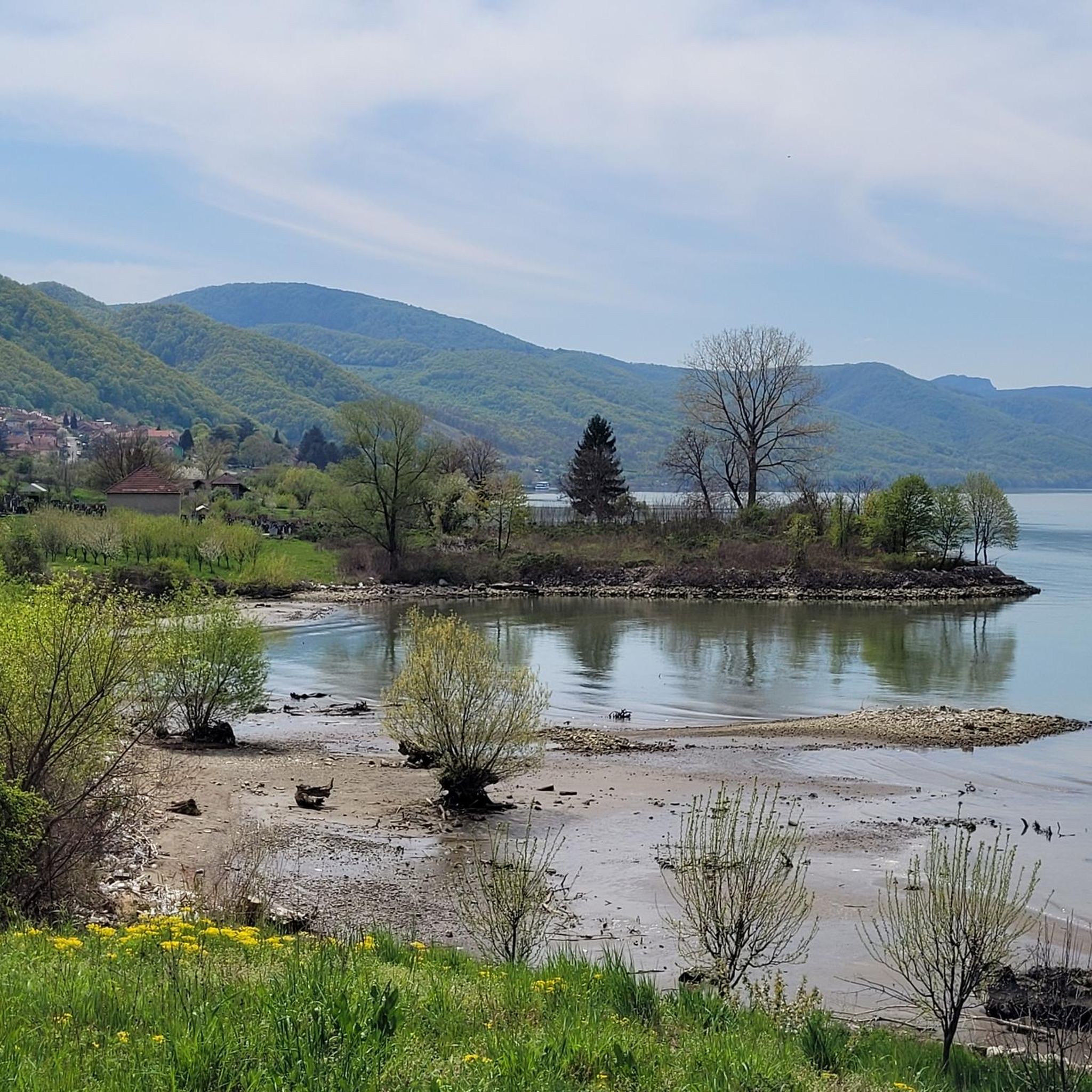
Hiking in Serbia
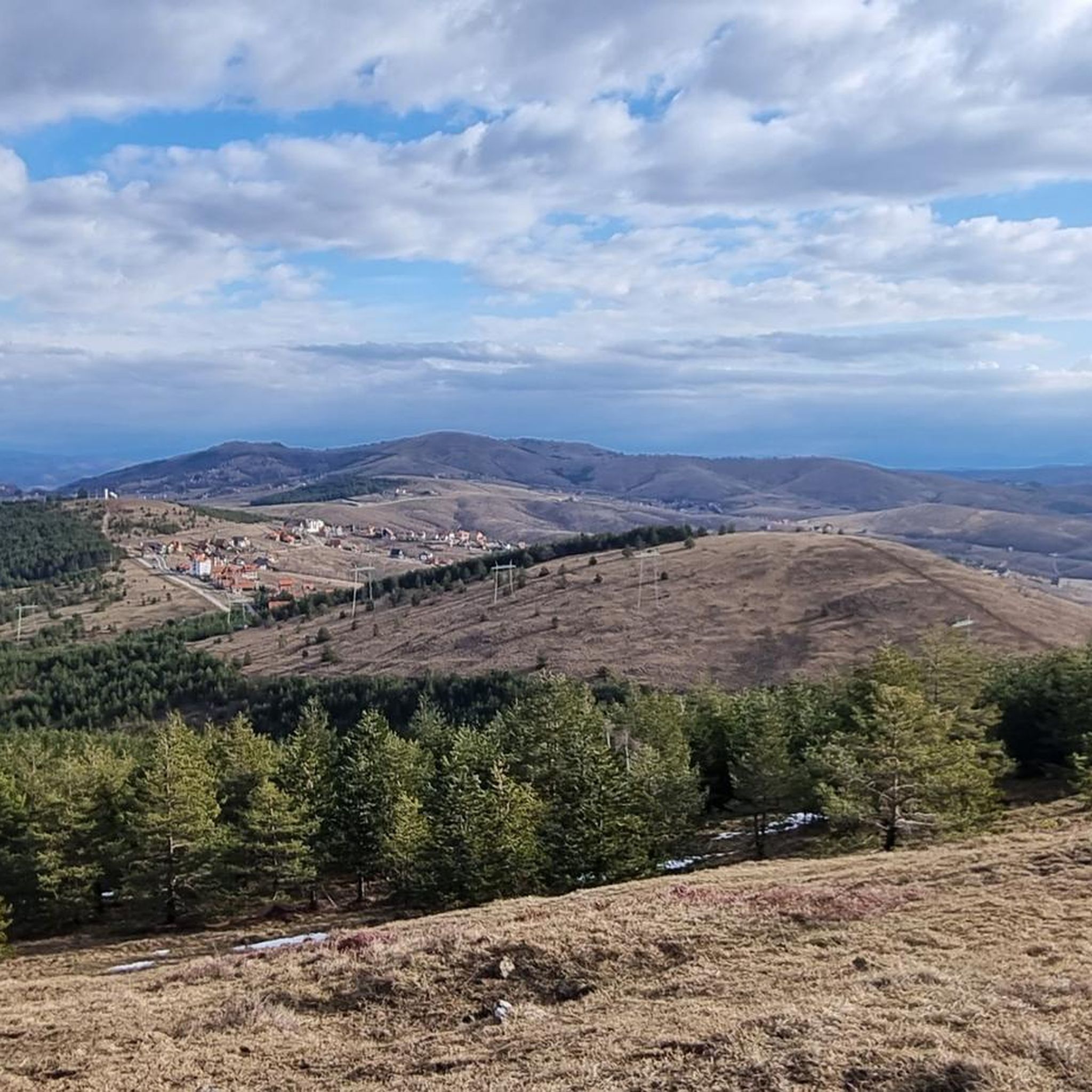
Running Trails in Serbia
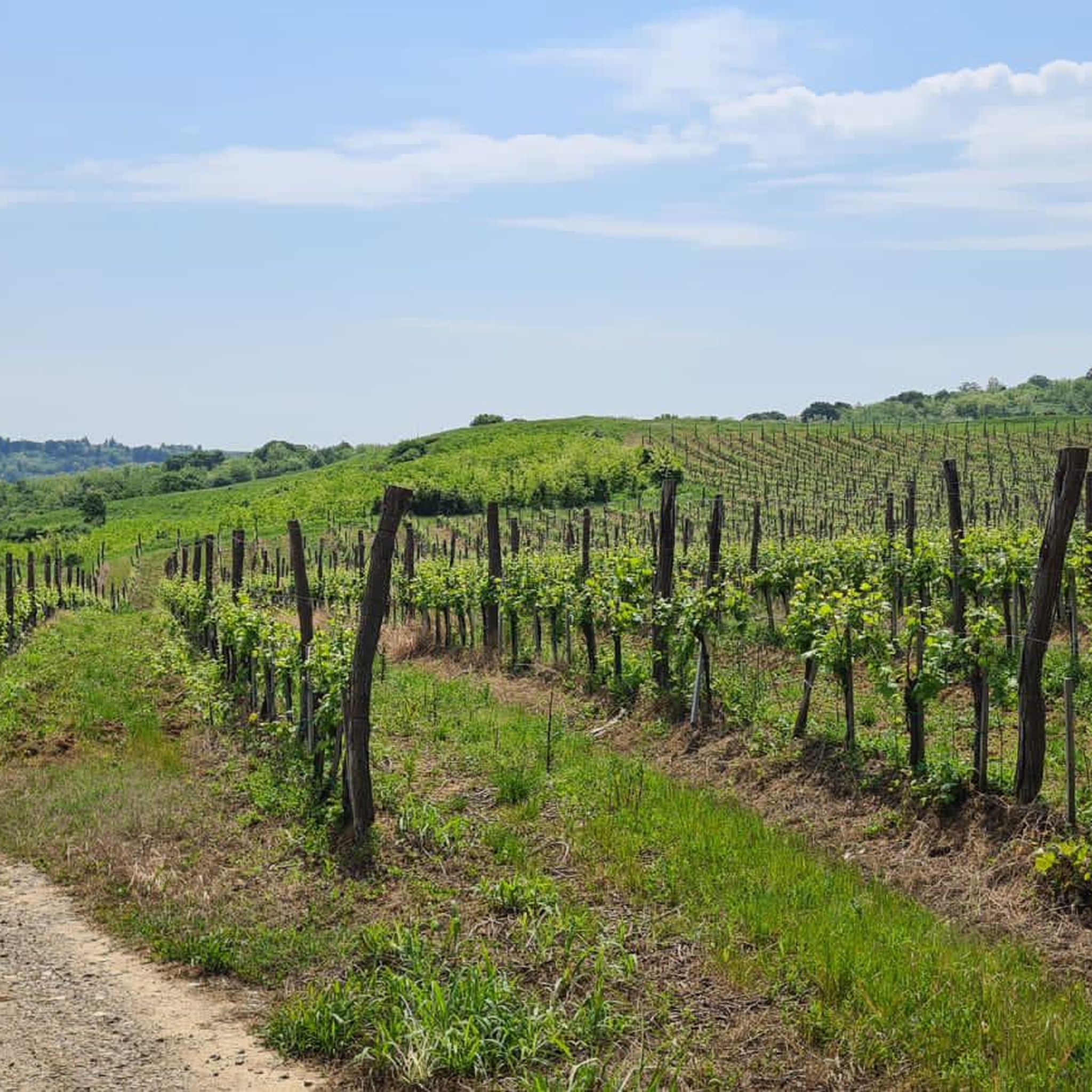
Road Cycling Routes in Serbia
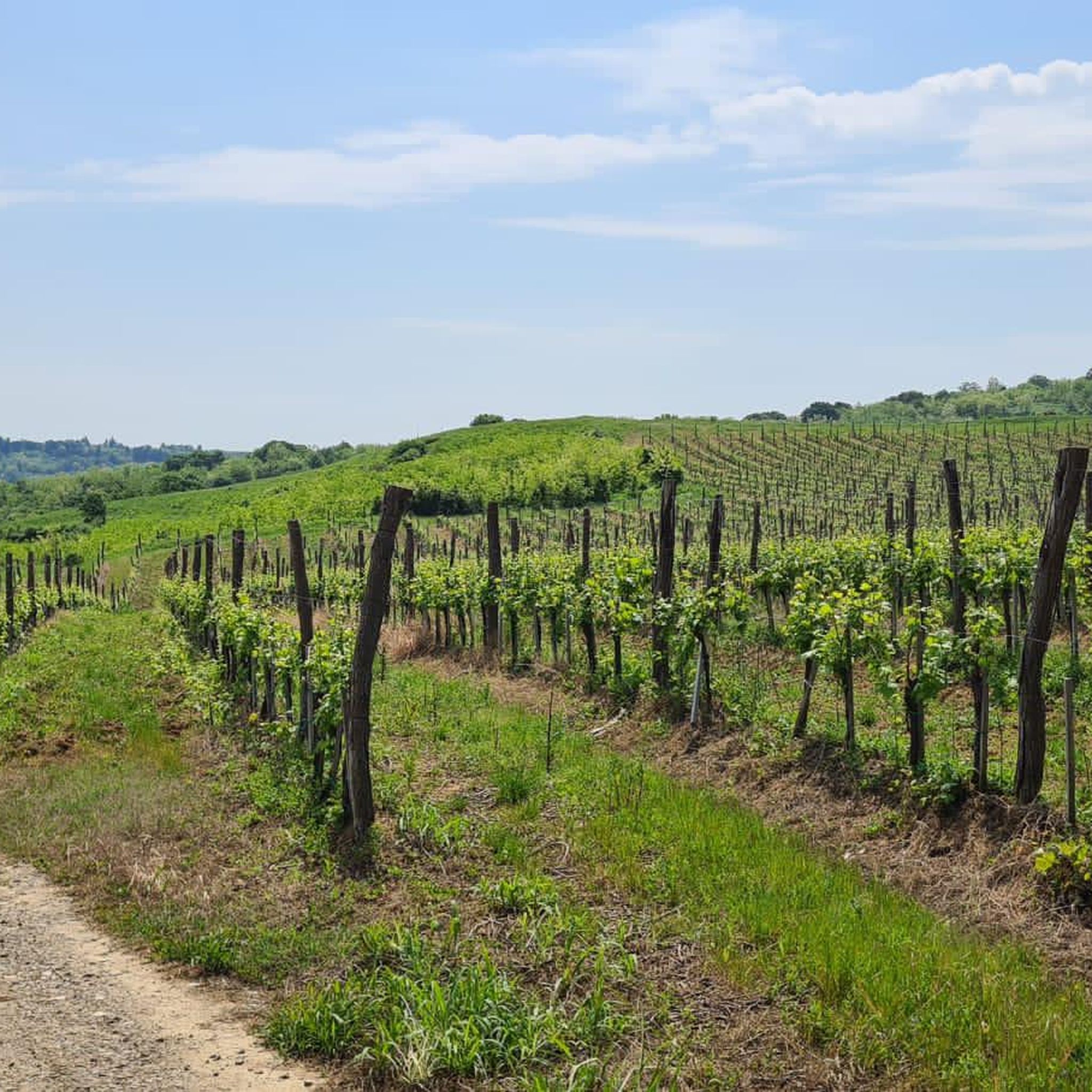
Cycling in Serbia
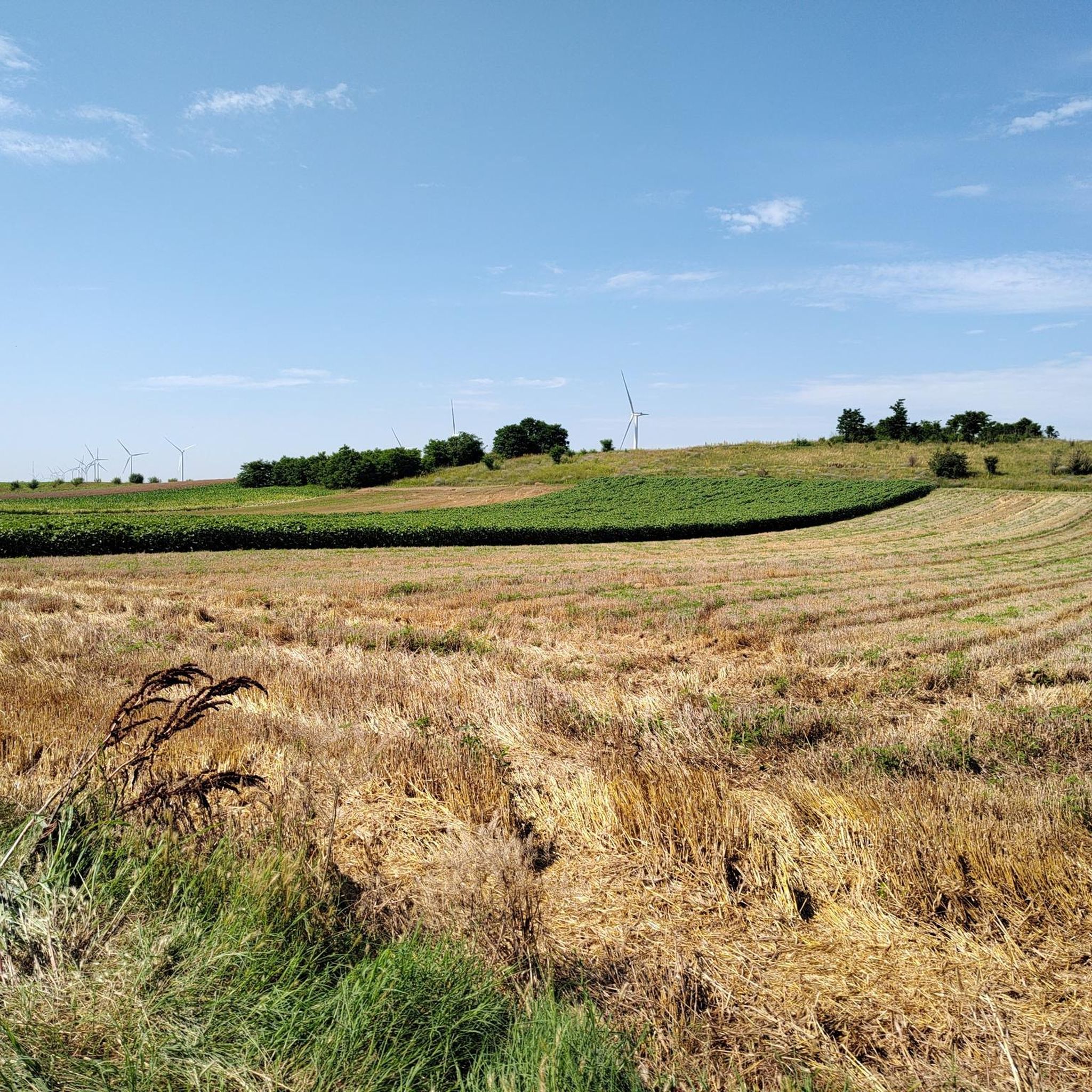
MTB Trails in Serbia

Mountain Hikes in Serbia

Gravel biking in Serbia


Tips from the Community

Goosebumps at the sight of the military exhibition… shocking and fascinating…
0
0
Extensive fortress complex. There is much to see and discover. Access to the popular pedestrian zone with cafes and restaurants.
0
0

You can spend a lot of time here. There are wonderful views of the Danube and the city, and it's free.
0
0

Nice spot for a break, nice view on the Danube. There is a nice corner shop at the top to top-up the water and goods.
0
0

Golubac Fortress is one of the most important medieval fortresses on the Danube. It is also called Kolumbatz or Taubenburg.
0
0

The Petrovaradin Fortress, also known as the "Gibraltar on the Danube," is one of the largest and most impressive military fortifications in this part of Europe. The Habsburg authorities began constructing the fortress in 1692, after the Ottoman Empire was permanently expelled from these territories during the Great Turkish War (1683-1699). The construction of the fortress lasted nearly a century (1692-1780) and it covers an area of 112 hectares, with a system of underground tunnels extending 16 kilometers beneath it. Archaeological research has shown that the area of today's fortress has been continuously inhabited since the Paleolithic era. During the Roman period, the first military fortification known as "Cusum" was established here. During World War II, the Petrovaradin Fortress was an important military stronghold for the NDH (Independent State of Croatia). It housed several Croatian Home Guard institutions, including the Artillery School and the Air Force Regiment. Throughout the war, several thousand Ustashe and Home Guards were stationed here. In September 1944, just before the liberation of the country, and following Tito’s call to join the National Liberation War, many Home Guards and their officers joined the partisans in Fruška Gora and entered the ranks of the newly formed Vojvodina brigades. From the Petrovaradin Fortress and other military strongholds in Srem, 2,500 Home Guards and 115 officers joined the partisans. During the retreat in October 1944, Ustaše and German units attempted to blow up the railway tunnel under the Petrovaradin Fortress. The destruction was halted by an Italian prisoner of war, Gildo Pesapane, who was working on placing dynamite in the fortress's tunnels. Knowing the occupiers' ultimate intention, he cut the wires and prevented the explosion of 30 tons of explosives, which would have certainly caused enormous damage and destruction. Gildo Pesapane remained in Petrovaradin after the war, where he married and had a daughter. [This site is part of the Liberation Routes cycling tour "The Danube to Victory Route" (58km)] https://www.komoot.com/tour/1933369594?share_token=aRc7kQYJ01cywoOlRPXzWvplRxrDI3K22D17Rs90xCFiVo5TvF&ref=wtd
0
0

The Kalemegdan. A fortress from ancient times with various designers and rulers over the eras. A force at the confluence of the Sava and the Danube.
1
0

Part of the fortifications that rise above Belgrade and from which you can see the mouth of the Sava. A tourist magnet!
1
0
Frequently Asked Questions
What is the historical significance of castles and fortresses in Serbia?
Serbia's castles and fortresses are vital historical monuments, reflecting the nation's rich and turbulent past. Strategically located along rivers and in picturesque landscapes, they showcase diverse architectural styles from Roman, Byzantine, Ottoman, and Austrian influences. These sites, like the Belgrade Fortress (Kalemegdan) and Smederevo Fortress, served as military strongholds, temporary capitals, and cultural hubs, offering a deep dive into Serbia's medieval and later history.
Are there family-friendly castles to visit in Serbia?
Yes, many Serbian castles are suitable for families. The Belgrade Fortress (Kalemegdan) is a sprawling complex with parks, museums like the Belgrade Military Museum, and plenty of space to explore. Petrovaradin Fortress also offers a vast area with stunning views and cultural events. These sites often have open grounds and accessible areas that children can enjoy.
Which castles offer the best scenic views or natural surroundings?
For breathtaking scenic views, Golubac Fortress is unparalleled, perched dramatically at the entrance to the Iron Gates gorge on the Danube. Maglič Fortress in the picturesque Ibar valley also provides fantastic views over green hills. The Belgrade Fortress (Kalemegdan) offers panoramic views of Belgrade and the confluence of the Sava and Danube rivers.
What is the best time of year to visit castles in Serbia?
The best time to visit castles in Serbia is generally during the spring (April-June) and autumn (September-October) when the weather is mild and pleasant for exploring. Summer (July-August) can be hot, but it's also when many cultural events and festivals are held at sites like Petrovaradin Fortress and Smederevo Fortress. Winter visits are possible, but some areas might be less accessible, and the weather can be cold.
How can I reach Serbian castles using public transport?
Many major castles, especially those in or near cities, are accessible by public transport. For instance, the Belgrade Fortress (Kalemegdan) is centrally located in Belgrade and easily reached by city buses or trams. Petrovaradin Fortress in Novi Sad is also well-connected. For more remote fortresses like Golubac or Maglič, public transport might require a combination of bus and then a local taxi or a longer walk, so planning ahead is recommended.
Are there opportunities for hiking or other outdoor activities near Serbian castles?
Yes, many castles are situated in regions offering excellent outdoor activities. For example, Golubac Fortress is located within Đerdap National Park, providing opportunities for hiking and exploring the Iron Gates gorge. The area around Maglič Fortress in the Ibar valley is also great for hiking. You can find various hiking and gravel biking routes across Serbia, including those near historical sites, by exploring guides like Hiking in Serbia or Gravel biking in Serbia.
Do any Serbian castles have unique architectural features or stories?
Absolutely. Petrovaradin Fortress is famous for its Clock Tower with reversed hands, designed for boatmen on the Danube. Smederevo Fortress is one of the largest lowland fortresses in Europe, with a unique triangular plan and 25 massive towers. The Despot's Gate and Dizdar Tower, Belgrade Fortress, is one of the few fully preserved medieval gates of the Belgrade Fortress, showcasing its layered history.
Which castles are easily accessible from Belgrade?
The most accessible fortress from Belgrade is the Belgrade Fortress (Kalemegdan) itself, located within the city. Other fortresses relatively close to Belgrade include Smederevo Fortress, which is a short drive away, and Ram Fortress, also on the Danube, offering a pleasant day trip. Petrovaradin Fortress in Novi Sad is also easily reachable from Belgrade by car or bus.
Can I find accommodation or dining options near these historical sites?
Yes, most popular castle sites have nearby amenities. In cities like Belgrade and Novi Sad, you'll find a wide range of hotels, guesthouses, cafes, and restaurants near the fortresses. Even near more remote sites like Golubac Fortress, there are often local guesthouses, restaurants, or small hotels. Some historical castles in the Vojvodina region, such as Fantast Castle and Ečka Castle, have even been converted into luxury hotels.
What are some lesser-known or 'hidden gem' castles in Serbia?
While not entirely hidden, Maglič Fortress in the Ibar valley is less crowded than the major Danube fortresses and offers an authentic ruin experience with fantastic views. Sokograd Castle Ruins, though poorly preserved, are noted for their spectacular location and view, making them a rewarding visit for those seeking a more adventurous exploration.
Are Serbian castles generally accessible for visitors with mobility concerns?
Accessibility varies significantly among Serbian castles. Large, open complexes like the Belgrade Fortress (Kalemegdan) and Petrovaradin Fortress have many areas that are relatively flat and accessible. However, medieval fortresses often involve uneven terrain, stairs, and steep climbs to reach towers or upper sections, which may pose challenges for visitors with mobility concerns. It's advisable to check specific site information before visiting.
What do visitors enjoy most about Serbia's castles?
Visitors frequently praise the impressive historical significance and the stunning views offered by Serbia's castles. The thick walls and diverse towers of Golubac Fortress, with its views of the Danube, are particularly appreciated. The well-preserved gates and historical depth of sites like Zindan Gate within the Belgrade Fortress complex also receive high acclaim for their historical insights.
Most popular routes in Serbia
Most popular attractions in Serbia

Get inspired with the komoot mobile app


Didn’t find what you were looking for?
Explore Serbia’s best castles region by region:
Explore more
Looking for the best castles somewhere else? Discover other guides in Serbia:
