Attractions and Places To See in Serbia - Top 20
Best attractions and places to see in Serbia include a diverse range of historical, cultural, and natural sites. The country features significant landmarks such as medieval fortresses and monasteries, alongside major cities like Belgrade and Novi Sad. Serbia's landscape is characterized by dramatic river canyons, national parks, and unique geological formations. These elements combine to offer varied experiences for visitors exploring its rich heritage and natural beauty.
Best attractions and places to see in Serbia
- The most popular attractions is Despot's Gate and Dizdar Tower, Belgrade Fortress, a castle that is one of the few fully preserved gates of the Belgrade Fortress. Located in Kalemegdan Park, it offers historical insight into the city's defenses.
- Another must-see spot is Beli Majdan (White Quarry) — Rakovac Cave, a cave and natural monument. This unique cave complex was formed by granite quarrying, with 4-meter-high galleries supported by stone pillars.
- Visitors also love Church of Saint Sava, a religious building and one of the largest Orthodox churches in the world. Its mosaics cover 15,000 square meters, making it a significant architectural and cultural landmark in Belgrade.
- Serbia is known for its historical sites, natural landscapes, and significant religious architecture. These include ancient Roman ruins, medieval fortresses, and vast national parks offering diverse outdoor activities.
- The attractions in Serbia are appreciated by the komoot community, with over 110 upvotes and 15 photos shared by visitors.
Last updated: October 9, 2026
Ada Bridge
Highlight • Bridge
Tip by

Despot's Gate and Dizdar Tower, Belgrade Fortress
Highlight • Castle
Translated by Google •
Tip by

Sign up now to discover places like this
Get recommendations on the best single tracks, peaks, & plenty of other exciting outdoor places.
Zemun Riverside Promenade
Highlight • Trail
Translated by Google •
Tip by

Pobednik (The Victor) Monument, Belgrade Fortress
Highlight • Monument
Tip by

Church of Saint Sava
Highlight • Religious Site
One of the largest Orthodox churches in the world is a must-see when visiting Belgrade. The mosaics of the Sava Cathedral, including a copy of the depiction of the Mother of God from Hagia Sophia in Constantinople (now Istanbul), cover a total of 15,000 square meters - the largest mosaic depiction in the world.
The first construction work was carried out between 1935 and 1941, before the World War and Yugoslav socialism caused a long break. The Balkan War also caused a halt to construction, meaning that construction of the cathedral was only completed in 2017.
Translated by Google •
Tip by
Branko's Bridge
Highlight • Bridge
Translated by Google •
Tip by

Monument to Freedom (Spomenik Slobode)
Highlight • Monument
As an important communication center, Iriški Venac was under the armed control of the occupiers throughout the war and was only liberated in October 1944 by the units of the 7th Vojvodina Brigade.
The monument known as "Freedom", dedicated to the fallen fighters and the National Liberation Movement (NOP) of Vojvodina, is one of the first more representative monuments erected in the territory of Vojvodina, and it is also among the most impressive monuments erected in the first decade after liberation across the entire territory of Yugoslavia.
Even though Iriški Venac was not of major importance for the Fruška Gora partisans, it was chosen for the location of this monument, being the tourist and traffic center of the mountain. It was unveiled on July 7th, 1951, on the 10th anniversary of the Uprising in Serbia, in the presence of around 100,000 citizens.
The author of the monument is the renowned sculptor Sreten Stojanović. "Freedom" belongs to the group of figurative-architectural monuments. The monument is built of Belovac stone and paved with Motajnica granite. The total height of the monument is 36 meters, and the figure of a woman - the personification of the ideal of freedom - at the top of the obelisk is 7 meters high.
By some accounts, the figure of the woman is oriented towards Bosnia, because that is where most of the partisans from Srem and the entire Vojvodina province went to combat. In front of the obelisk, on a high pedestal, there is a composition made up of six figures, symbolizing the people of Srem and Vojvodina who rose up in revolt. The base of the monument is framed by a bronze relief 50 meters long, which, through several chronological and thematic units, presents the development and course of the People's Liberation Struggle (NOB) in the area of Srem. Among other things, the relief depicts the entry and terror of the occupiers, the beginning of the uprising, the cooperation between the common people and the partisans, armed conflicts with the occupiers, and the final victory.
[This site is part of the Liberation Routes Hiking Tour "The Liberation Walk" (6km)]
komoot.com/tour/1881448190?share_token=aQX2irH9OHv16zbghqkWFCaaumiVA4C634I6ri4nXXDKLs8eSK&ref=wtd
Tip by

Beli Majdan (White Quarry) — Rakovac Cave
Highlight • Cave
During World War II, the "Beli Majdan" cave was used as a common hideout for the local population of the village of Rakovac and workers of the Rakovac quarry during raids organized by the occupiers.
This was also the case during the Great Enemy Offensive on Fruška Gora on August 28, 1942. Those who hid in the „Beli Majdan“ remained safe, whereas 58 workers from the Rakovac quarry were arrested.
The director of the Rakovac quarry, Ing. Josip Suić, intervened and managed to liberate 32 workers, but the rest were sent to the internment camp in Sremska Mitrovica, where most of them were killed.
[This site is part of the Liberation Routes Hiking Tour "The Liberation Walk" (6km)]
Tour: komoot.com/tour/1881448190?share_token=aQX2irH9OHv16zbghqkWFCaaumiVA4C634I6ri4nXXDKLs8eSK&ref=wtd
Tip by
Moskva Hotel, Belgrade
Highlight • Monument
Translated by Google •
Tip by

National Assembly of Serbia
Highlight • Monument
Translated by Google •
Tip by
Sign up for free to discover even more attractions in Serbia.
Already have an account?
Start today with a free account
Your next adventure awaits.
Popular around Serbia
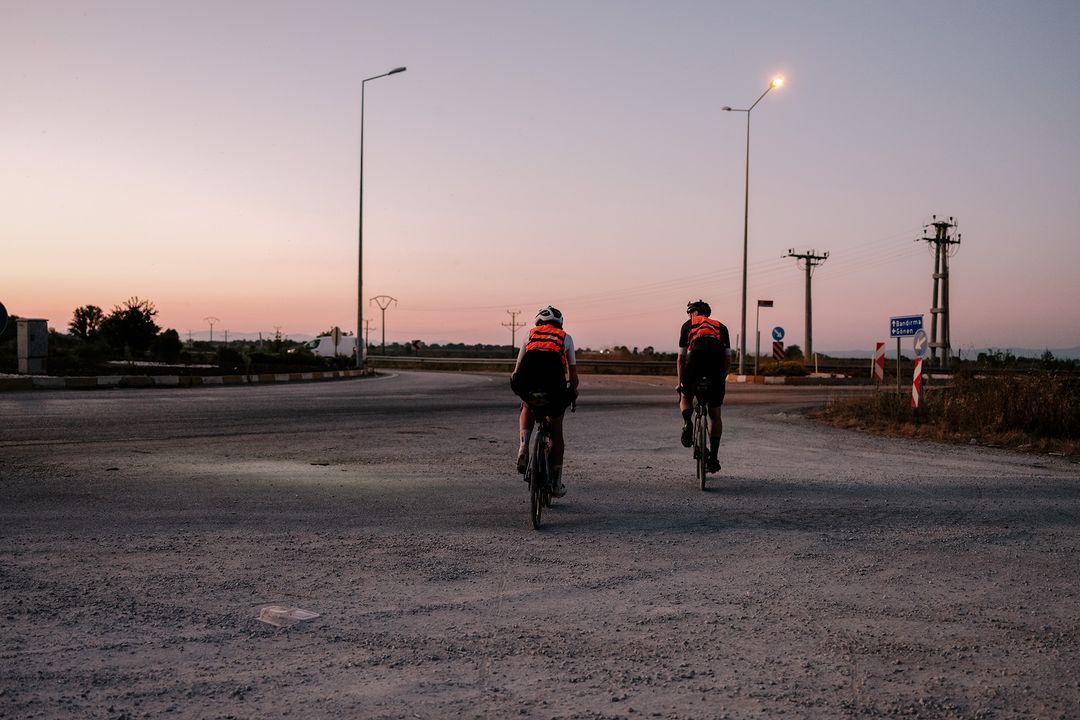
Transcontinental Race No10: crossing Europe from France to Turkey
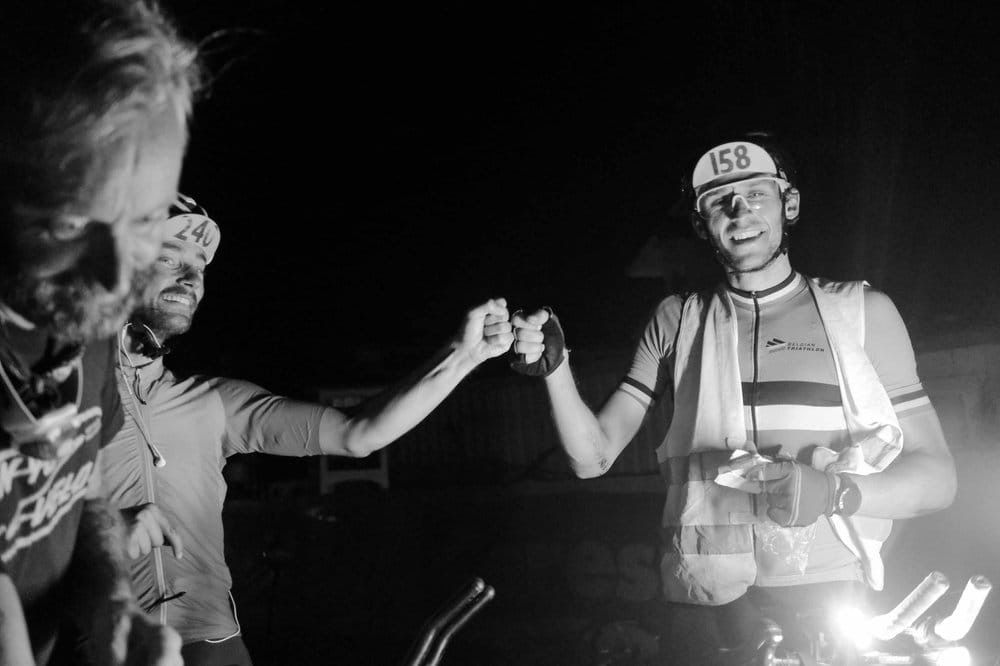
TCR No. 8 — racing across Europe
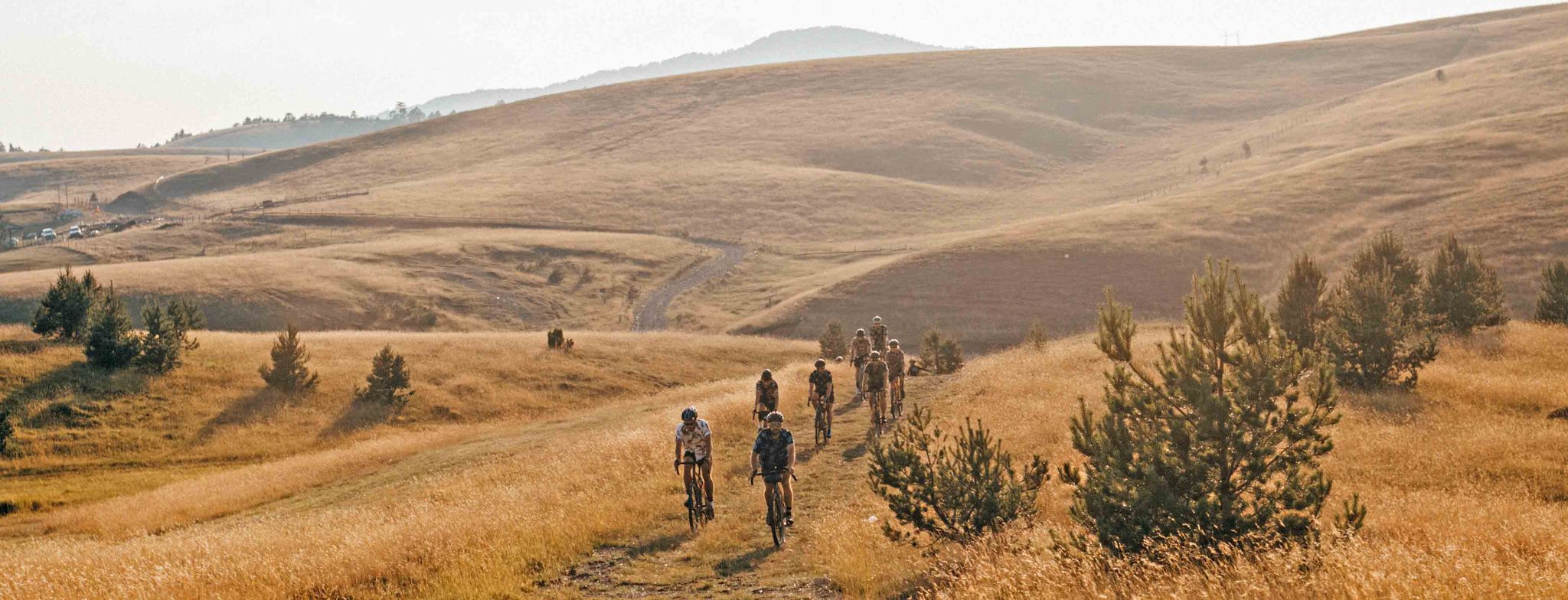
5 days of gravel adventure in Serbia — Serbia Upside Down
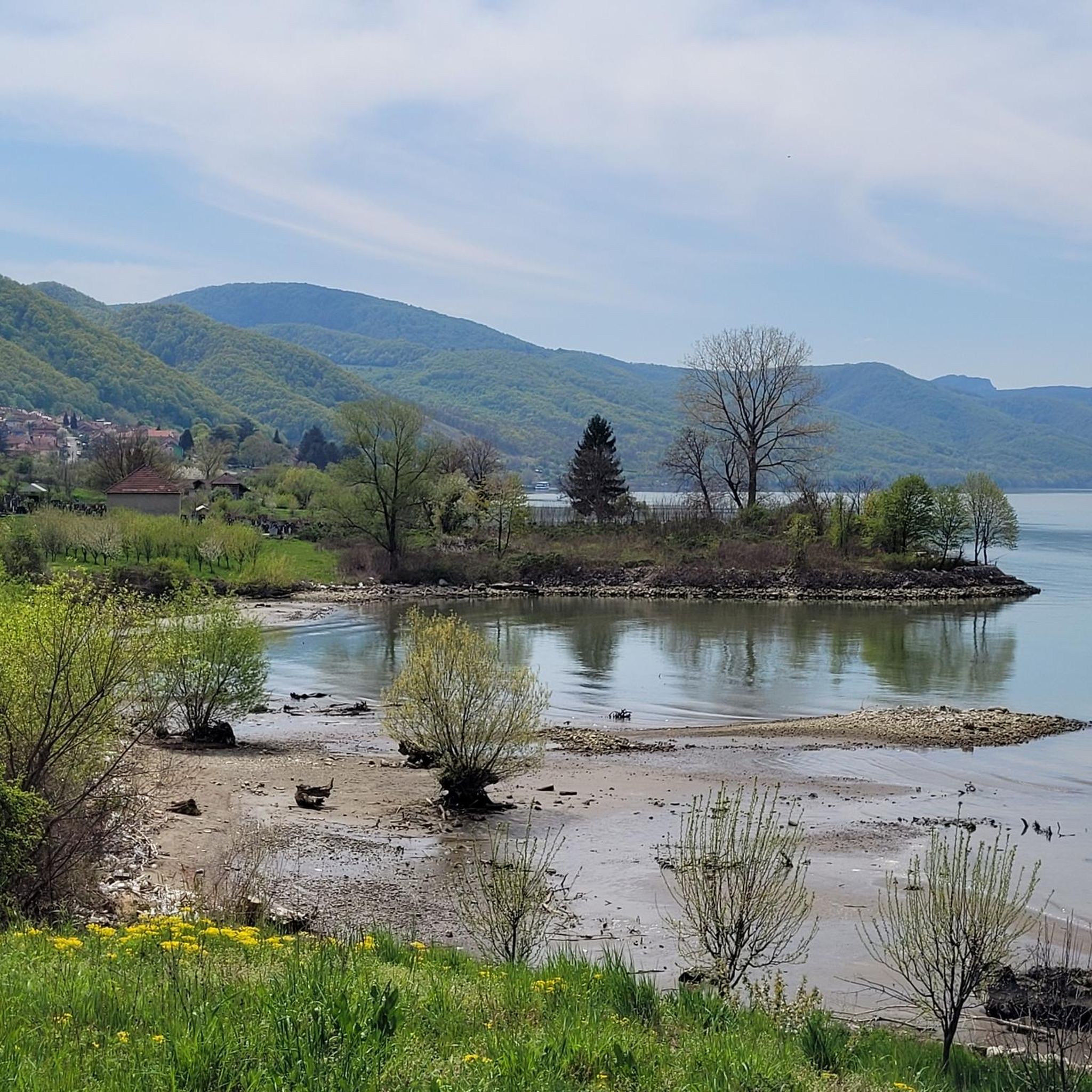
Hiking in Serbia
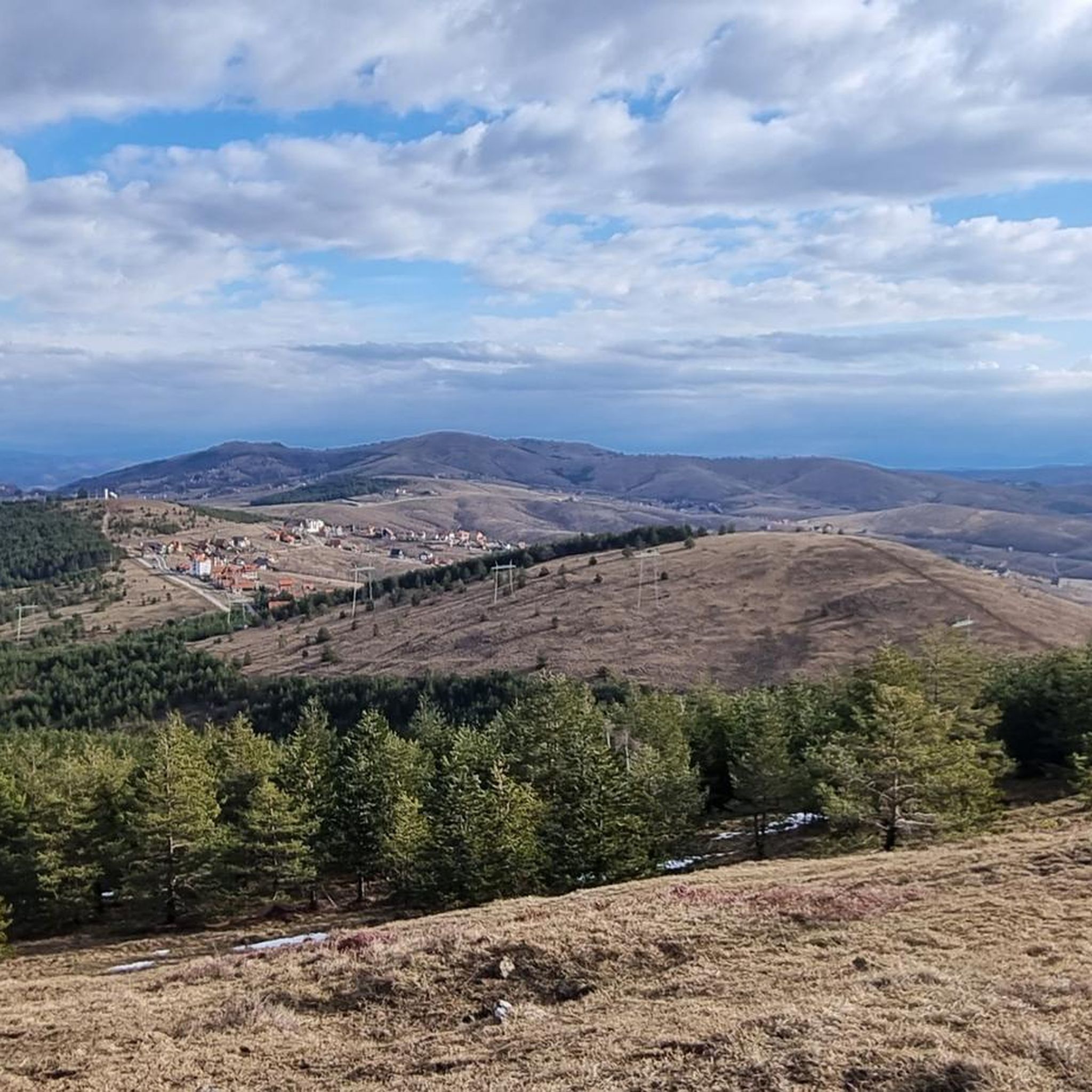
Running Trails in Serbia
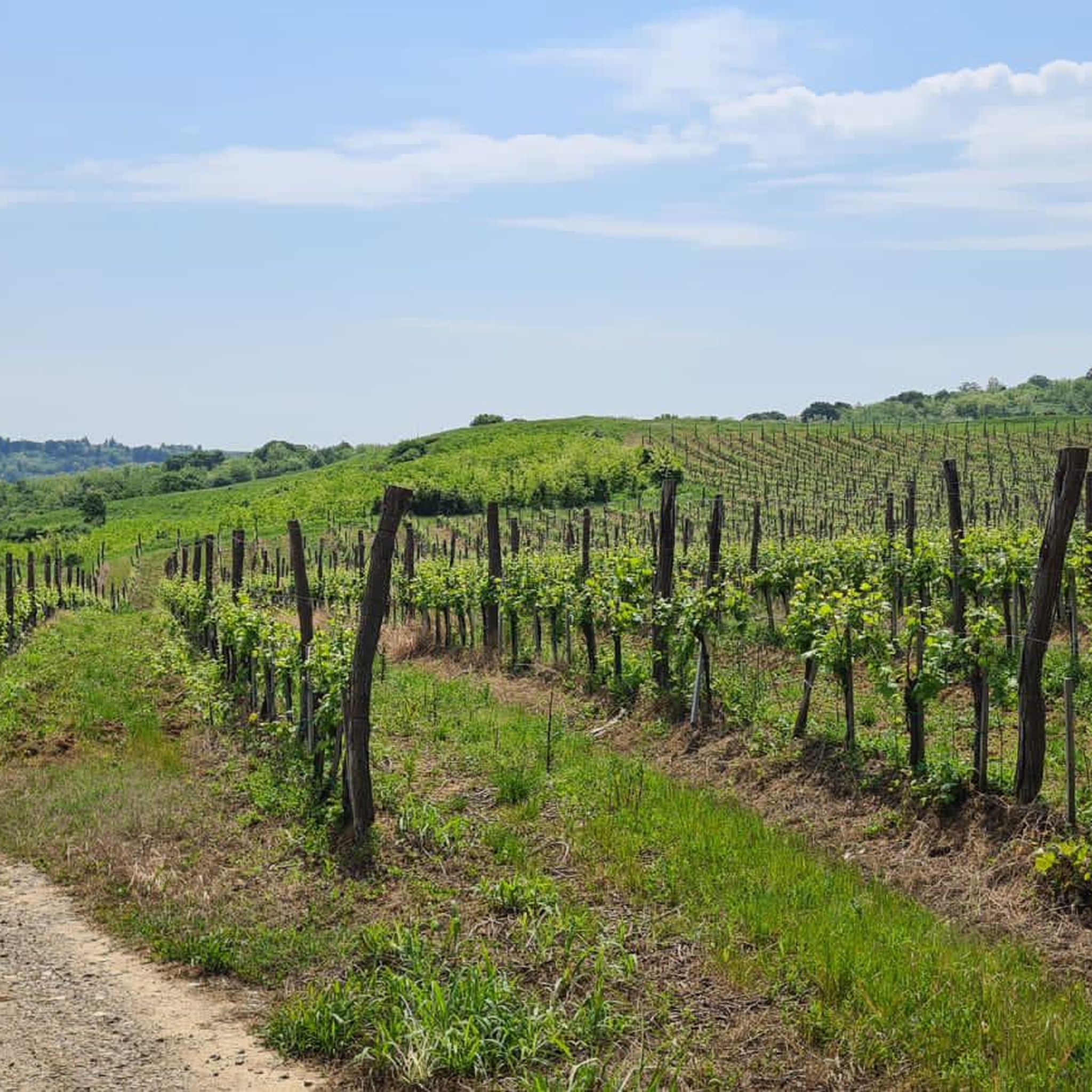
Road Cycling Routes in Serbia
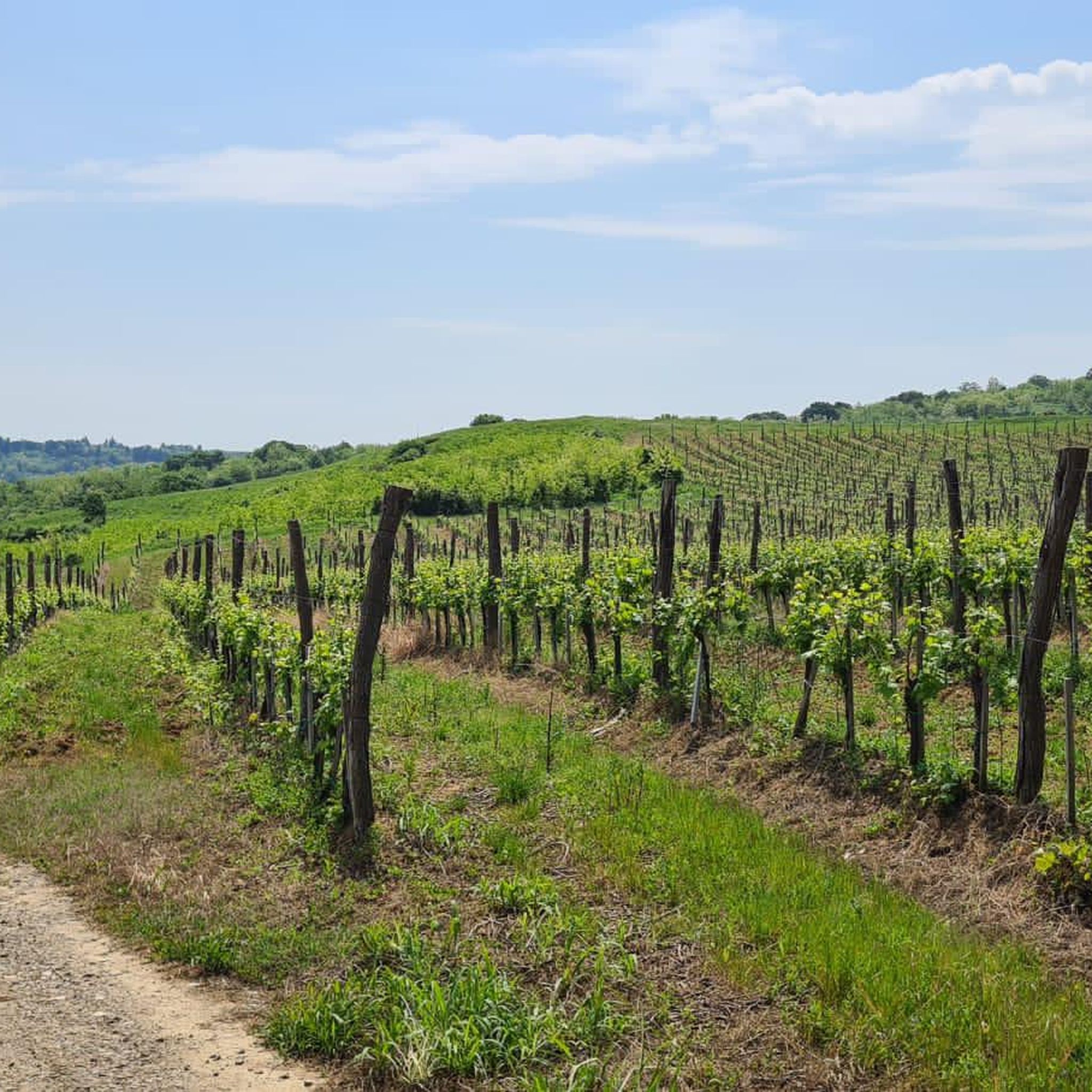
Cycling in Serbia
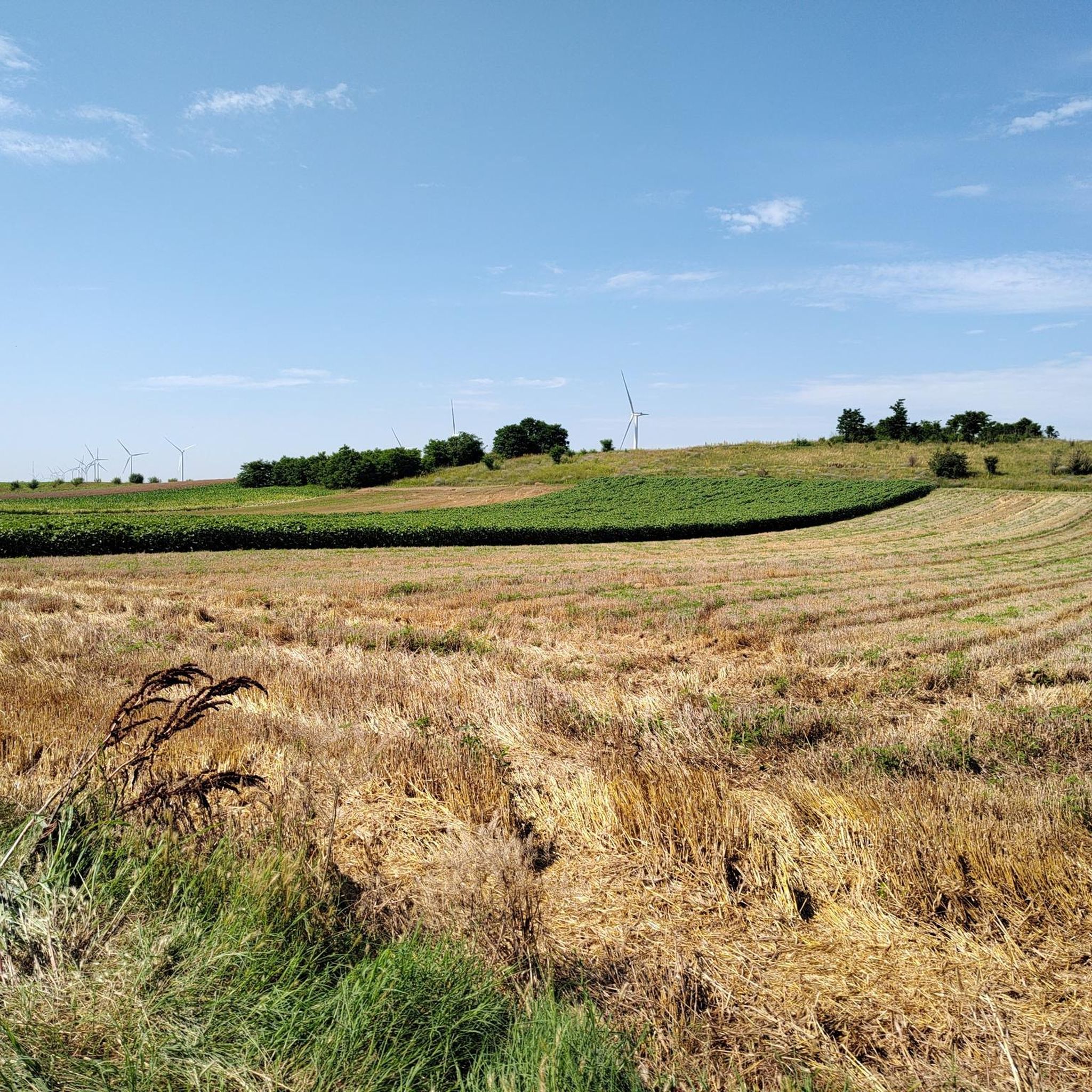
MTB Trails in Serbia

Mountain Hikes in Serbia

Gravel biking in Serbia


Tips from the Community

Extensive fortress complex. There is much to see and discover. Access to the popular pedestrian zone with cafes and restaurants.
0
0


Walkways are asymmetrical: the southern one is much better, wider and has little potholes, while the northern one is awful.
0
0

The view from the Branko bridge to the confluence of the Sava and the Danube and temes-class river monitor "Sava".
0
0


"Beli Majdan" (which means "White Quarry"), also known as the Rakovac Cave, is a stone quarry where granite stone was likely dug, probably since the Middle Ages, and used as building blocks for the nearby Rakovac Monastery, houses in the Rakovac village, as well as for tombstones at the local graveyard. By digging out granite blocks, a unique cave complex was formed, with 4-meter-high galleries supported by stone pillars. During World War II, the "Beli Majdan" cave was used as a common hideout for the local population of the village of Rakovac and workers of the Rakovac quarry during raids organized by the occupiers. This was also the case during the Great Enemy Offensive on Fruška Gora on August 28, 1942. Those who hid in the „Beli Majdan“ remained safe, whereas 58 workers from the Rakovac quarry were arrested. The director of the Rakovac quarry, Ing. Josip Suić, intervened and managed to liberate 32 workers, but the rest were sent to the internment camp in Sremska Mitrovica, where most of them were killed. [This site is part of the Liberation Routes Hiking Tour "The Liberation Walk" (6km)] Tour: https://www.komoot.com/tour/1881448190?share_token=aQX2irH9OHv16zbghqkWFCaaumiVA4C634I6ri4nXXDKLs8eSK&ref=wtd
1
0
Frequently Asked Questions
What historical sites should I visit in Serbia?
Serbia is rich in history. In Belgrade, explore the Despot's Gate and Dizdar Tower, Belgrade Fortress, a significant medieval stronghold. The Church of Saint Sava is another must-see, being one of the largest Orthodox churches globally. Beyond the capital, consider the UNESCO World Heritage site of Gamzigrad (Felix Romuliana), an ancient Roman imperial palace, or the impressive Petrovaradin Fortress in Novi Sad. The Studenica Monastery is also a prime example of Serbian medieval culture and art.
Are there any family-friendly attractions in Serbia?
Yes, many attractions in Serbia are suitable for families. The Belgrade Fortress, with its vast grounds and historical structures, offers plenty to explore. The Zemun Riverside Promenade is also a pleasant spot for a family stroll. For a unique experience, visit Drvengrad, a traditional village built by a filmmaker, or enjoy the urban oasis of Ada Ciganlija in Belgrade, which offers various outdoor activities.
What natural wonders can I explore in Serbia?
Serbia boasts stunning natural landscapes. The Uvac Canyon is famous for its dramatic river meanders and Griffon vultures. Tara National Park offers dense forests and the Drina River Canyon, with breathtaking viewpoints like Banjska Stena. Don't miss Đerdap National Park, home to the 'Iron Gates' gorge, or the unique geological formations of Devil's Town (Đavolja Varoš) with its earth towers. The Beli Majdan (White Quarry) — Rakovac Cave is also a fascinating natural monument formed by granite quarrying.
Where can I find unique geological features in Serbia?
For unique geological formations, Devil's Town (Đavolja Varoš) is a must-see, featuring over 200 naturally formed earth towers. The Uvac Canyon's dramatic river meanders are another spectacular sight. You can also visit the Vratna Gates (Prerasti Vratne), enormous natural stone bridges, or the pyramid-shaped Mt. Rtanj, shrouded in myths. The Beli Majdan (White Quarry) — Rakovac Cave offers a unique cave complex formed by human activity within a natural setting.
What outdoor activities are available near attractions in Serbia?
Many attractions are close to excellent outdoor activity routes. For hiking, consider routes in Fruška Gora National Park, such as the 'The Liberation Walk' which includes the Beli Majdan (White Quarry) — Rakovac Cave. You can find various mountain hikes in Serbia, including challenging trails to Midžor Peak or easier options around Ada Ciganlija. For cycling, explore gravel biking routes in areas like Fruška Gora or near Tara National Park.
Are there any accessible attractions for wheelchair users in Serbia?
Yes, some attractions offer wheelchair accessibility. The Ada Bridge in Belgrade has a separate bike path that is also wheelchair accessible. The Moskva Hotel and the National Museum in Belgrade are also noted as wheelchair accessible. It's always advisable to check specific venue details for the most up-to-date accessibility information.
What are some hidden gems or less-known places to visit in Serbia?
Beyond the main tourist spots, consider visiting the Krupaj Spring (Krupajsko vrelo), a fairy tale-like oasis with vibrant blue waters. The Veliki Buk Waterfall (Lisine waterfall) is one of Serbia's most impressive tufa waterfalls. For a unique cultural experience, explore Sremski Karlovci, a charming Baroque town known for its wineries, or the iconic House on the Drina, a wooden house perched on a rock in the river.
What are the best day trips from Belgrade for nature lovers?
From Belgrade, you can easily access several natural attractions for a day trip. Fruška Gora National Park, often called the 'jewel of Serbia,' is home to diverse ecosystems and monasteries, offering great hiking opportunities. The Avala Tower, while man-made, is surrounded by nature and provides excellent city vistas. For an easy hike, consider the Ada Ciganlija Beach loop, an urban escape with a serene lake.
Where can I experience Serbian culture and traditions?
To immerse yourself in Serbian culture, visit the Church of St. George in Oplenac, famous for its mosaics and connections to the royal Karađorđević family. The bohemian quarter of Skadarlija in Belgrade offers a glimpse into traditional Serbian life with its restaurants and music. Sremski Karlovci is a historic town known for its Baroque architecture and wineries, reflecting a rich cultural heritage. The Studenica and Žiča Monasteries are also crucial sites for understanding Serbian Orthodox culture and art.
What do visitors enjoy most about attractions in Serbia?
Visitors frequently praise the rich history and stunning natural beauty of Serbia's attractions. Many appreciate the panoramic views from sites like the Belgrade Fortress and the Pobednik (The Victor) Monument. The intricate mosaics of the Church of Saint Sava are also a highlight for many. The unique geological formations and opportunities for outdoor activities in national parks are also highly valued by the komoot community.
Are there any significant monuments commemorating historical events in Serbia?
Yes, Serbia has several important monuments. The Monument to Freedom (Spomenik Slobode) on Fruška Gora commemorates fallen fighters and the National Liberation Movement of Vojvodina during WWII. In Belgrade, the Pobednik (The Victor) Monument at the Belgrade Fortress symbolizes Serbia's victories. The Šumarice Memorial Park in Kragujevac is a poignant site dedicated to victims of World War II.
Can I find any Roman ruins or sites in Serbia?
Absolutely. Serbia has a significant Roman heritage. The most prominent site is Gamzigrad (Felix Romuliana), a UNESCO World Heritage site featuring a 4th-century Roman imperial palace complex built by Emperor Galerius. This site offers a deep dive into the region's Roman past and imperial architecture.
Most popular routes in Serbia
Most popular attractions in Serbia

Get inspired with the komoot mobile app


Didn’t find what you were looking for?
Are you keen on exploring more awesome places nearby? Browse our guides:
Explore more
Still not found the Highlight you’re looking for? See guides of the top attractions in other regions:
