Attractions and Places To See in Ethiopia - Top 20
Best attractions and places to see in Ethiopia encompass a diverse range of historical sites, cultural landscapes, and natural wonders. The country features ancient civilizations, unique ecosystems, and significant religious landmarks. Visitors can explore environments from dramatic mountain ranges to ancient rock-hewn churches and vibrant cultural towns. Ethiopia offers a rich tapestry of experiences for those interested in history, culture, and nature.
Best attractions and places to see in Ethiopia
- The most popular attractions is View of Addis Ababa,…
Last updated: July 6, 2026
Ura Kidane Mehret
Highlight • Religious Site
Translated by Google •
Tip by

Rock-Hewn Churches of Lalibela
Highlight • Religious Site
Translated by Google •
Tip by

Sign up now to discover places like this
Get recommendations on the best single tracks, peaks, & plenty of other exciting outdoor places.
Sign up for free
Debre Berhan Selassie Church
Highlight • Religious Site
Translated by Google •
Tip by
Portuguese Bridge and Waterfalls
Highlight • Bridge
Translated by Google •
Tip by

Fasilides' Bath
Highlight • Historical Site
Translated by Google •
Tip by
Ras Dashen
Highlight • Summit
Translated by Google •
Tip by
Fasil Ghebbi Fortress, Gondar
Highlight • Castle
In the 17th century, the town was the residence of the …
Translated by Google •
Tip by
Gelada Baboons in Simien Mountains National Park
Highlight • Natural Monument
Translated by Google •
Tip by
Ambiko
Highlight • Mountain Hut
Translated by Google •
Tip by
View of Addis Ababa
Highlight • Viewpoint
Translated by Google •
Tip by
Sign up for free to discover even more attractions in Ethiopia.
Sign up for free
Already have an account?
Start today with a free account
Your next adventure awaits.
Login or Signup


Tips from the Community

The TV series »Schätze der Welt – Erbe der Menschheit«, which I can wholeheartedly recommend, shows in short segments of fifteen minutes each special sites from all continents and eras, which have been “honoured” by UNESCO with the special status of World Heritage. One episode also documents the exciting history of the rock-hewn churches of Lalibela. If you are interested, this episode (in German) is available in the ARD media library at =>> https://www.ardmediathek.de/video/schaetze-der-welt/lalibela-aethiopien-folge-203/swr/Y3JpZDovL3N3ci5kZS83MDI1OTc0
1
0

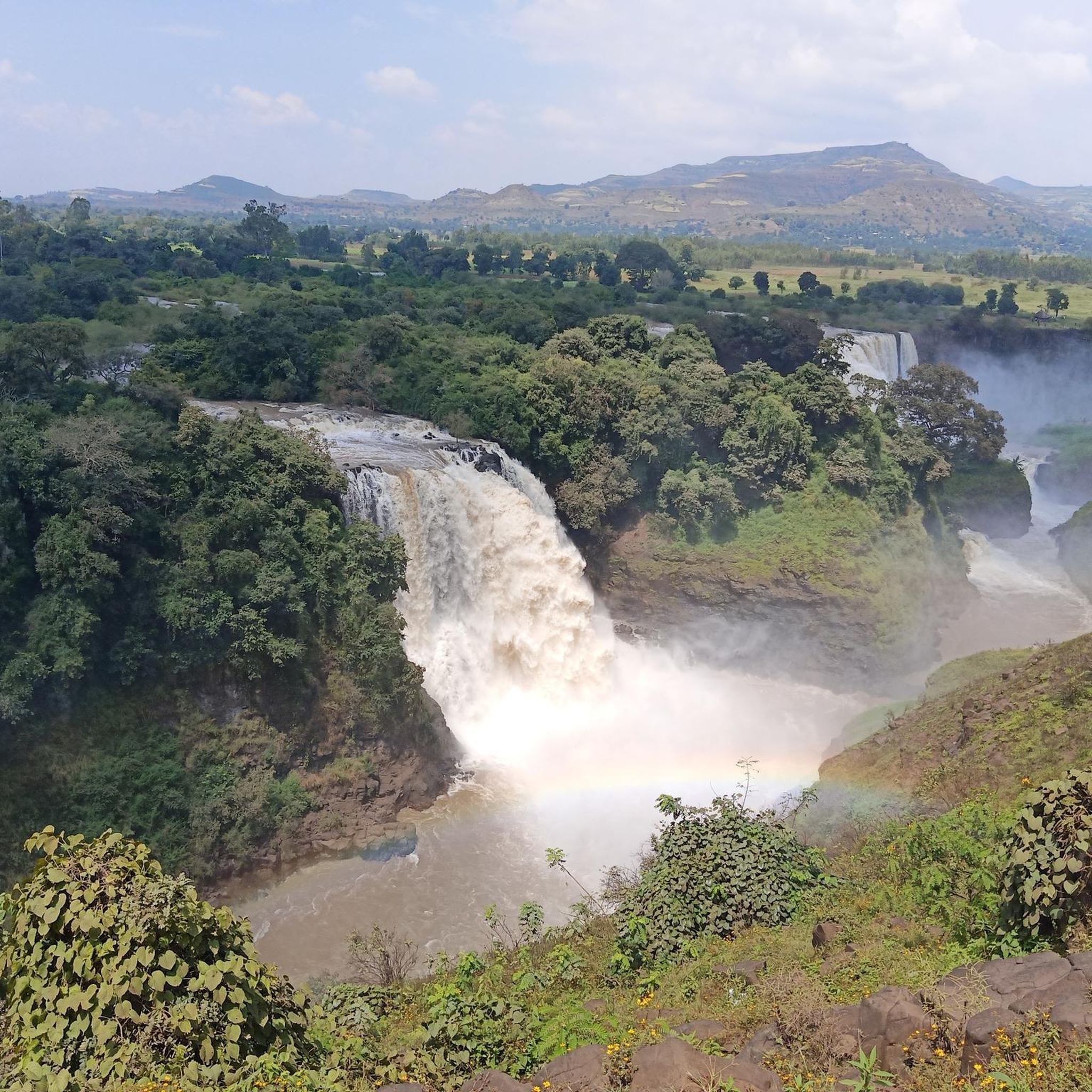
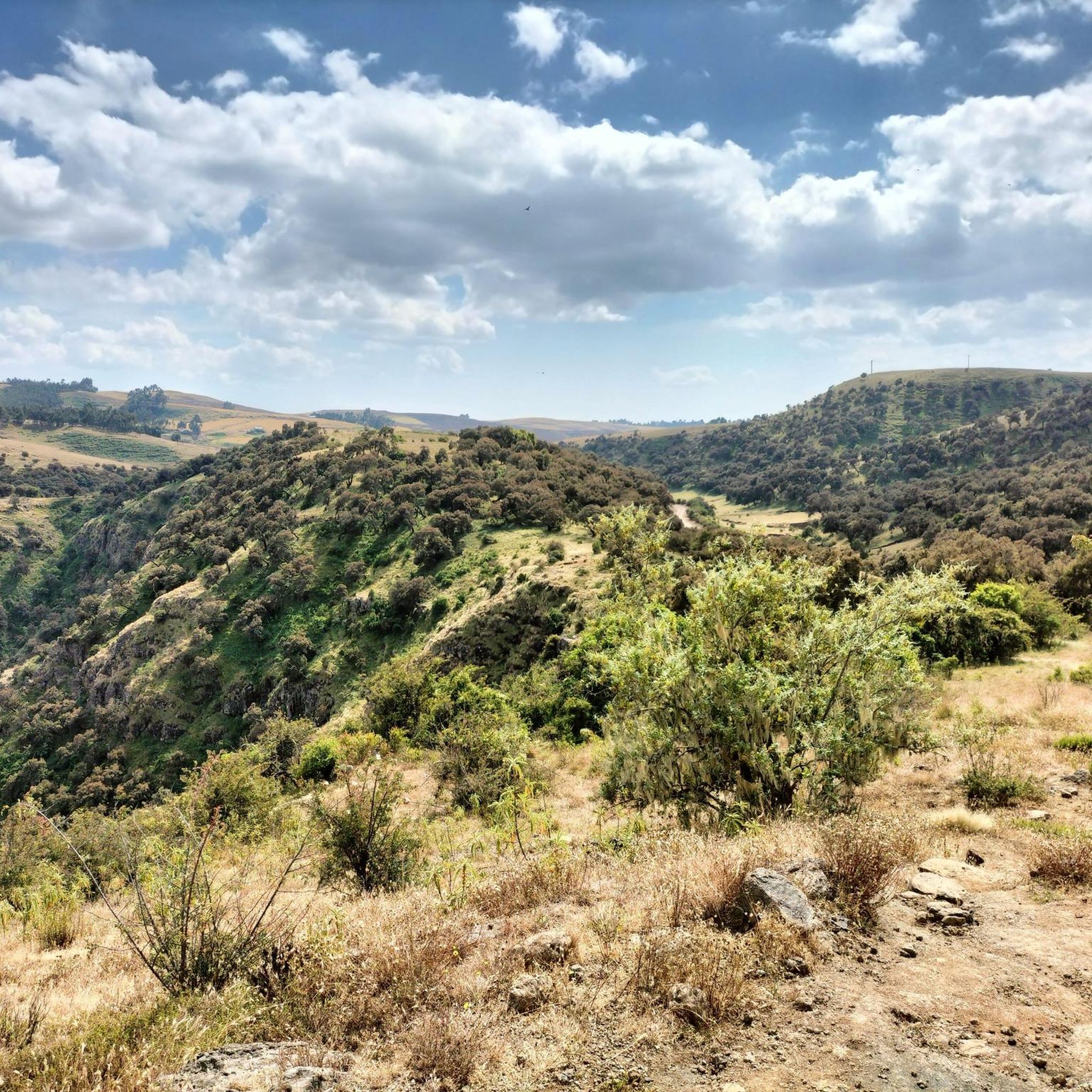
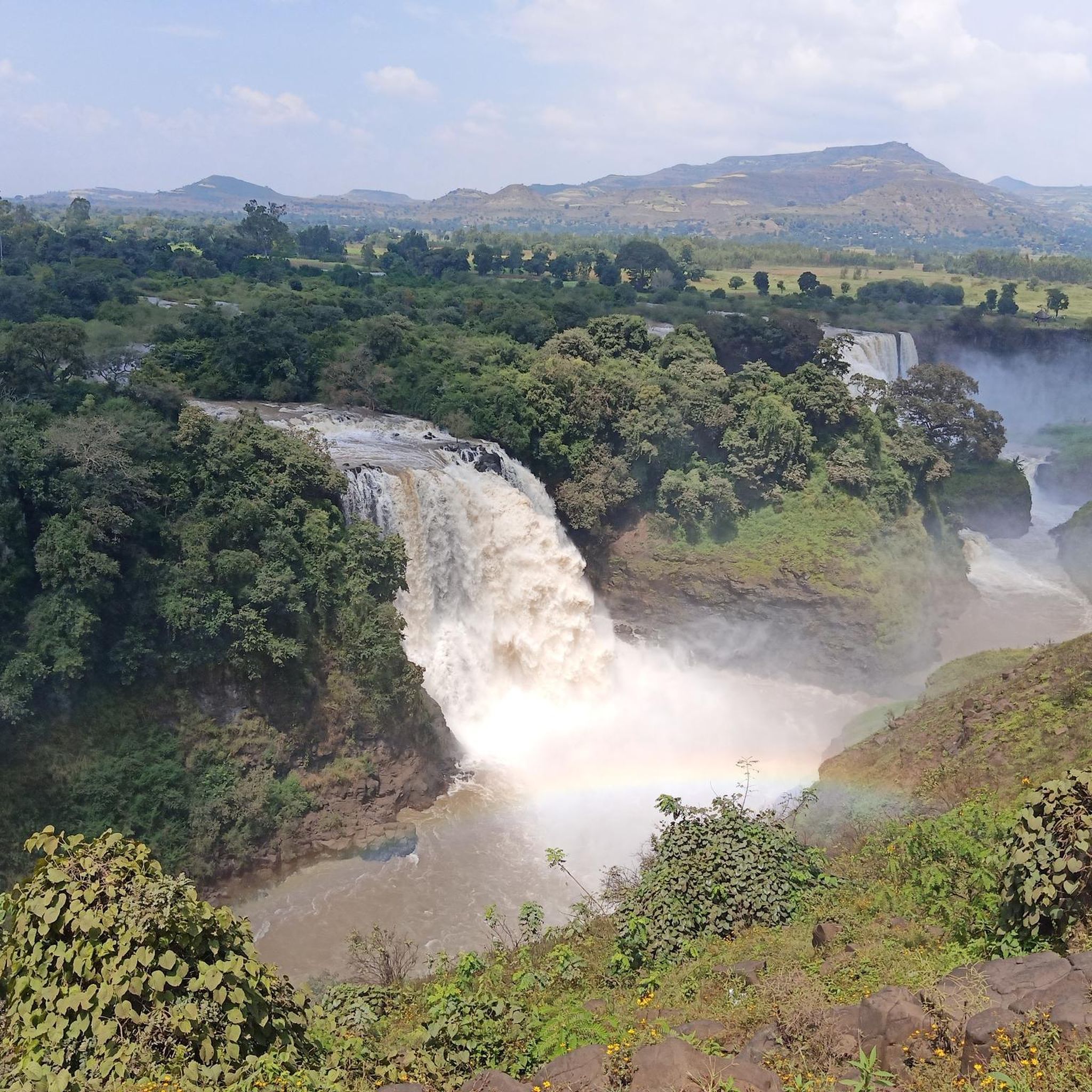
The landscape here changes dramatically depending on the season, but the gorge is also impressive in late summer (February), even though there are no waterfalls then. There's also a good place to eat at the starting point, and the cook is very friendly.
0
0

Make sure to come on a day with clear view
0
0

A short hike leads from the car park (4WD road!) to the Portuguese bridge and some waterfalls. There is also a magnificent view towards the Blue Nile Gorge. There is also unique vegetation and if you are lucky you can even see raccoon baboons. Ideal as a day trip from Addis Ababa, combined with the Debre Libanos monastery.
0
0

Fasil Ghebbi is a fortress town in the Gonder region of Ethiopia and is a UNESCO World Heritage Site. In the 17th century, the town was the residence of the Ethiopian Emperor Fasilidas, who built a residence here for the rainy season. His successors continued to expand the town and palace. Plan of Fasil Gebi The town lies at an altitude of 2208 m and is surrounded by a 900 m long fortress wall. It includes palaces, churches, monasteries and other public and private buildings. The architecture shows Hindu and Arabic influences, and later also Baroque elements introduced by Jesuit missionaries. After the capital was moved to Debre Tabor in the middle of the 19th century, Fasil Ghebbi was damaged by an attack by followers of the Mahdi in 1881 and by British air raids in 1941. More information: https://de.wikipedia.org/wiki/Fasil_Ghebbi
2
0
Not far from Gondar lies the Debre Berhan Selassie monastery, which is decorated with beautiful and unique wall paintings from 1694. Debre Berhan Selassie translates as "Monastery of the Trinity on the Mountain of Light" and was founded by Emperor Iyasu around 1700. It is impressive and surprising at the same time how extensively the paintings are in the anteroom accessible to visitors. Winged angel heads even look down on visitors from the wooden monastery ceiling. The famous ceiling paintings and wall paintings are among the most precious in Ethiopian iconography. The life of Christ and Mary is presented in great detail on the side walls. Furthermore, all kinds of saints such as Saint Michael or George with the dragon are depicted. The walls are filled with scenes from the New and Old Testaments. Inside the monastery, everything is completely painted, so that there is not a single empty space on the walls. Debre Berhan Selassie is probably the most beautiful monastery church in Gondar. As the only place of worship that survived the invasion of the dervishes, this jewel has been declared a World Heritage Site by UNESCO.
1
0
The rock churches of Lalibela in Ethiopia are eleven churches, each carved out of the surrounding rock formation as a monolith around the year 1250. Their construction was originally attributed to Emperor Lalibela, who wanted to build a "New Jerusalem" in the 12th century after Muslim conquests brought Christian pilgrimages to the Holy Land to a standstill. The holy city of Lalibela experienced its heyday after the fall of the Aksum Empire. The churches are located in the central Ethiopian highlands in the urban area of the growing town of Lalibela. They still serve their original purpose and are visited by Ethiopian Orthodox pilgrims. The church buildings have been listed as a UNESCO World Heritage Site since 1978. More information: https://de.wikipedia.org/wiki/Felsenkirchen_von_Lalibela
1
0
Frequently Asked Questions
What are the most significant historical and cultural sites to visit in Ethiopia?
Ethiopia is rich in history and culture. You can explore the ancient rock-hewn churches of Lalibela, a UNESCO World Heritage Site, or visit Aksum, the former capital of the Aksumite Empire, known for its towering obelisks and ancient tombs. Another must-see is Fasil Ghebbi Fortress in Gondar, a 17th-century fortress city that served as the residence of Ethiopian emperors. Don't miss Ura Kidane Mehret, a monastery featuring beautifully painted frescoes.
Where can I experience Ethiopia's unique natural landscapes and wildlife?
For dramatic natural beauty and unique wildlife, head to Simien Mountains National Park, home to the endemic Walia ibex and large groups of Gelada Baboons. The Danakil Depression offers a surreal landscape of salt flats and volcanic fields, while Bale Mountains National Park is known for its diverse ecosystems and endemic species like the Ethiopian wolf. You can also visit the impressive Blue Nile Falls or the Rift Valley Lakes for birdlife and water activities.
Are there family-friendly attractions in Ethiopia?
Yes, Ethiopia offers several family-friendly attractions. Fasilides' Bath in Gondar is a historical site that can be interesting for families. In Addis Ababa, the View of Addis Ababa offers panoramic city views, accessible via a short walk from Mariam Church. The National Museum of Ethiopia, housing the fossil 'Lucy,' is also a great educational stop for all ages.
What is the best time to visit Ethiopia for outdoor activities like hiking?
The best time to visit Ethiopia for hiking and other outdoor activities is generally during the dry season, which runs from October to May. This period offers clearer skies and more comfortable temperatures, especially for trekking in areas like the Simien Mountains or Bale Mountains National Park. The rainy season (June to September) can make some trails challenging.
What kind of outdoor activities and routes can I find near Ethiopia's attractions?
Ethiopia offers diverse outdoor activities. You can find various cycling routes, including challenging road cycling options around Addis Ababa, such as the 'Shegole ring road exit – Kuskuam Taitu Bitul School loop'. For runners, there are trails like the 'Entoto – Hyena View loop' near Addis Ababa. Explore more options on our guides for Road Cycling Routes in Ethiopia, Running Trails in Ethiopia, and Cycling in Ethiopia.
Where can I find accommodation when visiting national parks like Simien Mountains?
When visiting Simien Mountains National Park, you can find accommodation options like Simien Lodge, which is known as the highest lodge in Africa and offers a comfortable base for exploring the park. There are also huts like Ambiko available for trekkers.
What are some unique cultural experiences available in Ethiopia?
Ethiopia offers profound cultural experiences. The Lower Omo Valley is renowned for its incredible cultural diversity, home to numerous indigenous tribes like the Hamer, Mursi, and Karo, each with unique customs. Visiting Harar Jugol, a fortified historic city, allows you to immerse yourself in a living museum with ancient walls, vibrant markets, and numerous mosques, considered the fourth holiest city of Islam.
Are there any challenging climbs or summits for experienced adventurers?
Yes, for experienced adventurers, Ethiopia offers challenging climbs. Ras Dashen, located in the Simien Mountains, is Ethiopia's highest peak and presents a significant challenge for climbers. Additionally, accessing the rock-hewn church of Abuna Yemata Guh in East Tigray requires a challenging climb up a cliff face.
What are some of the ancient archaeological sites in Ethiopia?
Ethiopia is home to several ancient archaeological sites. Tiya features a collection of ancient stelae, some over 30 feet tall, adorned with intricate carvings. The Yeha Temple, possibly the oldest standing building in Ethiopia dating back to around 700 BC, offers insights into the region's earliest religions and contains Judaic artifacts.
What do visitors enjoy most about the attractions in Ethiopia?
Visitors frequently praise the unique historical and religious significance of sites like the rock-hewn churches of Lalibela and the ancient city of Aksum. The dramatic natural beauty of the Simien Mountains and the surreal landscapes of the Danakil Depression are also highly appreciated. Many find the opportunity to observe wildlife like the Gelada baboons in their natural habitat to be a memorable experience.
Can I find any UNESCO World Heritage Sites in Ethiopia?
Ethiopia proudly hosts nine UNESCO World Heritage Sites. These include the Lalibela Rock-Hewn Churches, the ancient city of Aksum, the fortified historic town of Fasil Ghebbi in Gondar, Harar Jugol, Simien Mountains National Park, and the Konso Cultural Landscape. These sites highlight the country's rich heritage and diverse appeal.
What should I pack for a trip to the Danakil Depression?
Given the extremely hot and surreal environment of the Danakil Depression, it's crucial to pack light, breathable clothing, sturdy closed-toe shoes, a wide-brimmed hat, sunglasses, and plenty of sunscreen. Hydration is key, so bring a reusable water bottle. A headlamp or flashlight is also recommended for exploring at night or in darker areas.
Most popular routes in Ethiopia
Most popular attractions in Ethiopia

Get inspired with the komoot mobile app


Didn’t find what you were looking for?
Are you keen on exploring more awesome places nearby? Browse our guides:
Explore more
Still not found the Highlight you’re looking for? See guides of the top attractions in other regions:
