The best walks and hikes around Erlensee
4.6
(253)
977
hikers
79
hikes
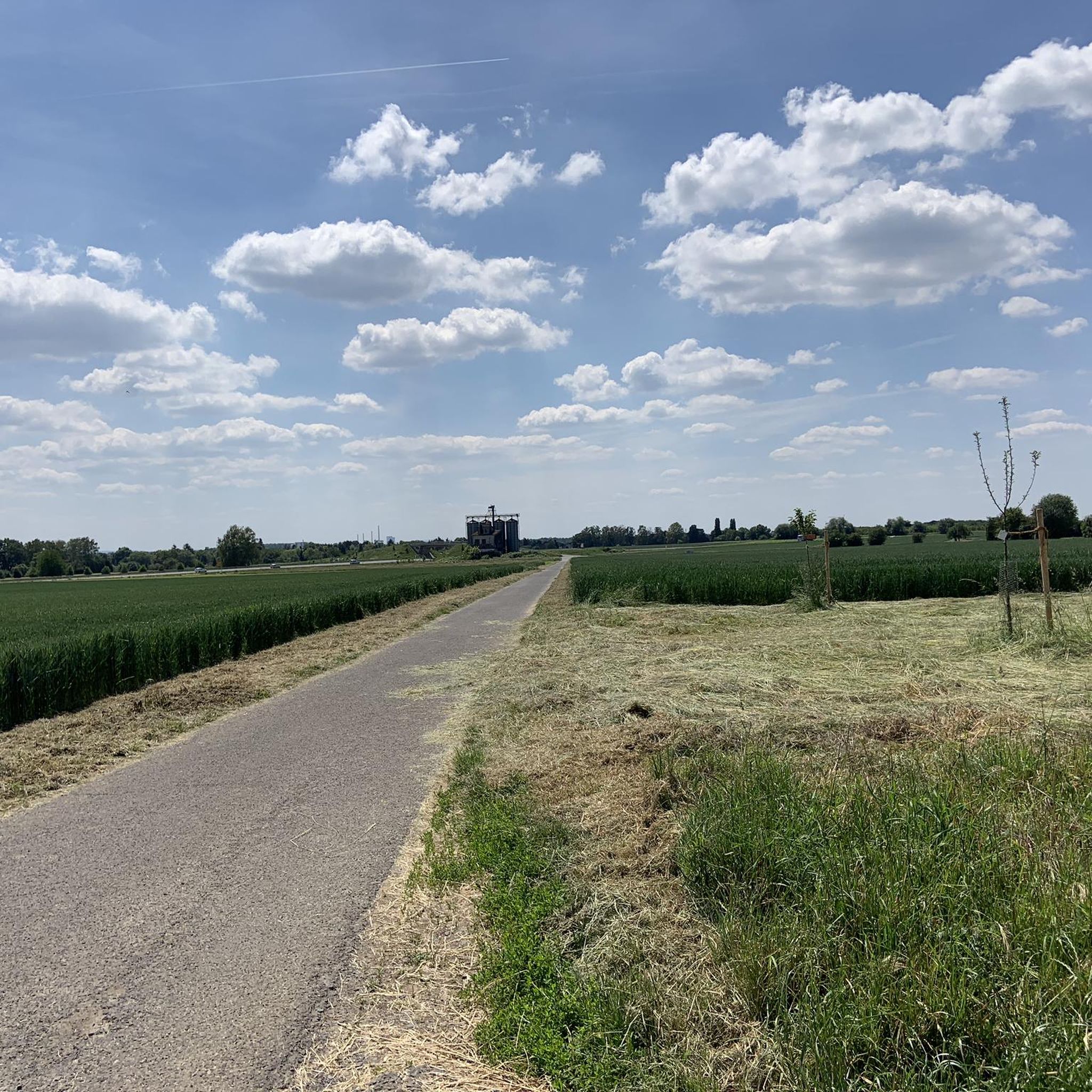
Hiking around Erlensee offers diverse natural landscapes, characterized by meadows, forests, and lakes within Germany's Spessart region. The area features a network of trails winding through woodlands, alongside streams, and over gentle hills. The Kinzig River is a prominent natural feature, with paths available along its banks. This geographical setting provides varied terrain for outdoor exploration.
Best hiking trails around Erlensee
- The most popular hiking route is Erlensee Mill – Kinzig River in the Bulau loop from Weideswiesen-Oberwald bei Erlensee…
Last updated: July 1, 2026
4.4
(46)
121
hikers
Moderate hike. Good fitness required. Easily-accessible paths. Suitable for all skill levels.
4.9
(38)
150
hikers
Easy hike. Great for any fitness level. Easily-accessible paths. Suitable for all skill levels.

Sign up for free
4.8
(11)
34
hikers
4.25km
01:05
10m
10m
Easy hike. Great for any fitness level. Easily-accessible paths. Suitable for all skill levels.
4.4
(8)
26
hikers
Easy hike. Great for any fitness level. Easily-accessible paths. Suitable for all skill levels.
4.9
(10)
52
hikers
Easy hike. Great for any fitness level. Easily-accessible paths. Suitable for all skill levels.
Get access to more routes and recommendations from other explorers.
Sign up for free
Already have an account?
Our route recommendations are based on thousands of hikes, rides, and runs completed by other people on komoot.
Start today with a free account
Your next adventure awaits.
Login or Signup
Other adventures around Erlensee

Tips from the Community

Here you can switch off well while hiking or cycling
0
0

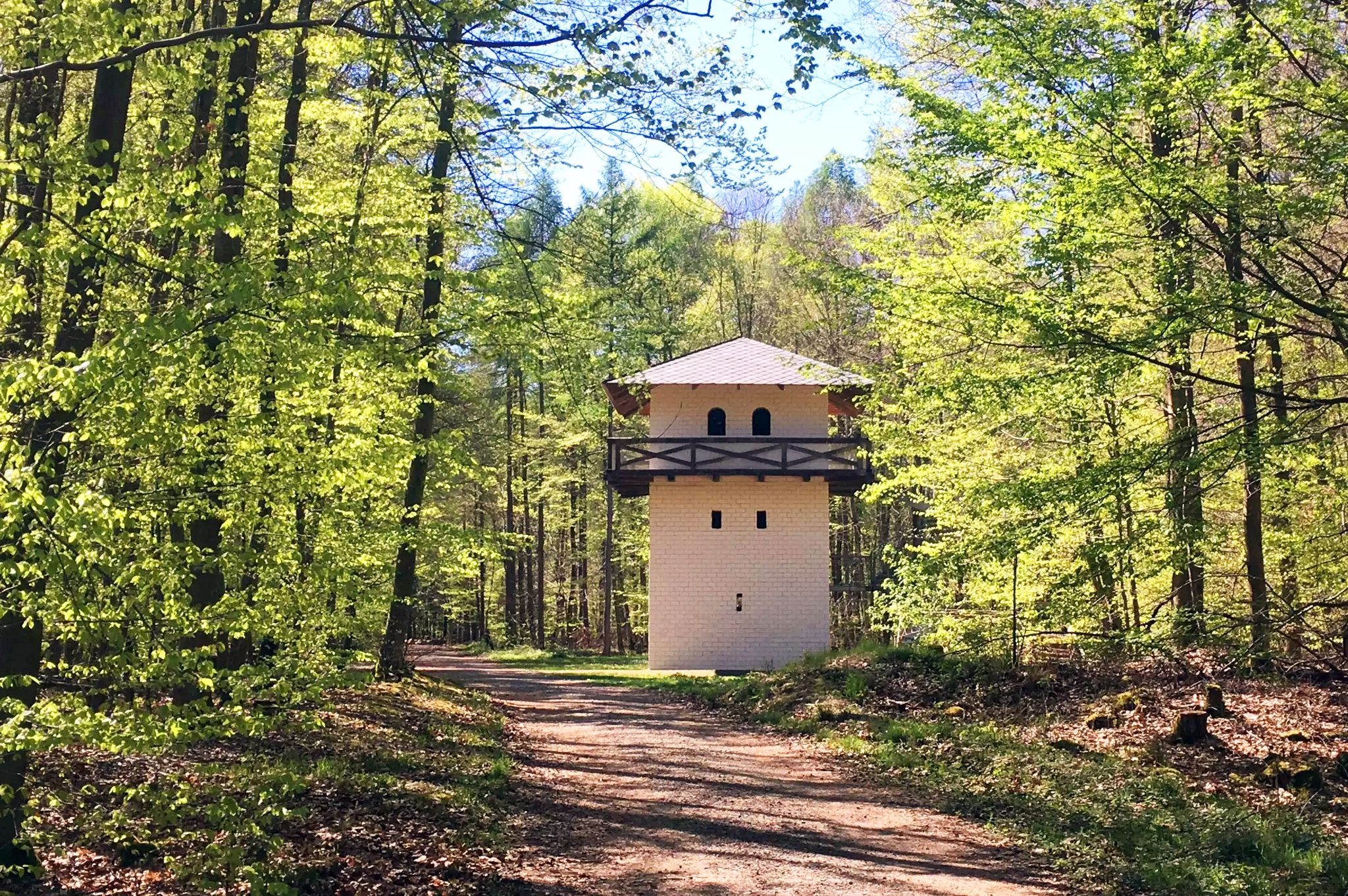
In the area of Erlensee, there are some clear signs that the Romans once lived here.
1
0
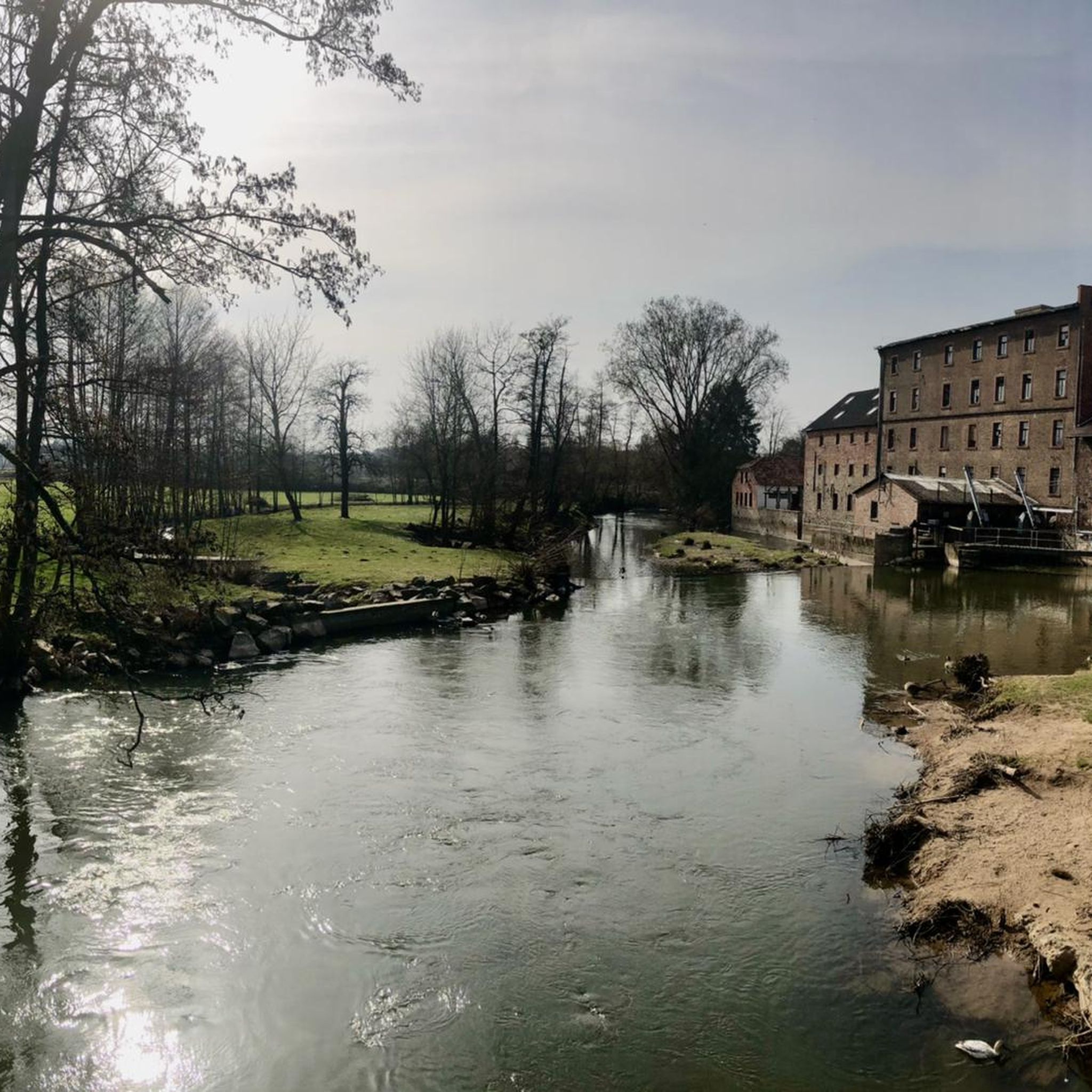
Directly at the Rückinger Brücke over the Kinzig, a rest area with a table and benches has been set up.
1
0
Wild garlic also grows here in large areas.
1
0

The Kinzig is a river approximately 86 kilometers long. It rises in Sterbfritz, flows southwest through the Main-Kinzig district of Hesse, and flows into the Main from the right in Hanau. The Kinzig is a second-order river in low mountain ranges. It overcomes an elevation of 301 meters and has a bed gradient of 3.5 per thousand. The Kinzig's catchment area covers 1,058 square kilometers, and the calculated mean discharge (MQ) at the mouth of the Kinzig is 10.97 cubic meters per second. The Kinzig was first documented in 796 as "iuxta fluvium Kincihen." In 815, the name was written as "Chinzicha," around 900 as "Kincicha"/"Kinzicham," in 1364 as "Kinzige," in 1584 as "Kintzig," in 1607 as "Bintz," in 1681 as "Kintz," in 1716 as "Kins," in 1769 as "Kinzing," and in 1802 as "Kinzig." In the river's headwaters, there was the now-defunct village of Kinzig, mentioned in 815 as "Chirizichheimero." The village and river were often confused by monastery scribes at that time with "Chizzicha" (now Bad Kissingen), both of which were described as being located in the Saalegau. The name presumably derives from the ancient Celtic *ku̯anti̯o- meaning "flat hill, valley." The name was therefore derived from the mountainous region from which the Kinzig flows. Source: Wikipedia
1
0
The Kinzig is a river approximately 86 kilometers long. It rises in Sterbfritz, flows southwest through the Main-Kinzig district of Hesse, and flows into the Main from the right in Hanau. The Kinzig is a second-order river in low mountain ranges. It overcomes an elevation of 301 meters and has a bed gradient of 3.5 per thousand. The Kinzig's catchment area covers 1,058 square kilometers, and the calculated mean discharge (MQ) at the mouth of the Kinzig is 10.97 cubic meters per second. The Kinzig was first documented in 796 as "iuxta fluvium Kincihen." In 815, the name was written as "Chinzicha," around 900 as "Kincicha"/"Kinzicham," in 1364 as "Kinzige," in 1584 as "Kintzig," in 1607 as "Bintz," in 1681 as "Kintz," in 1716 as "Kins," in 1769 as "Kinzing," and in 1802 as "Kinzig." In the river's headwaters, there was the now-defunct village of Kinzig, mentioned in 815 as "Chirizichheimero." The village and river were often confused by monastery scribes at that time with "Chizzicha" (now Bad Kissingen), both of which were described as being located in the Saalegau. The name presumably derives from the ancient Celtic *ku̯anti̯o- meaning "flat hill, valley." The name was therefore derived from the mountainous region from which the Kinzig flows. Source: Wikipedia
1
0
The Kinzig is a river approximately 86 kilometers long. It rises in Sterbfritz, flows southwest through the Main-Kinzig district of Hesse, and flows into the Main from the right in Hanau. The Kinzig is a second-order river in low mountain ranges. It overcomes an elevation of 301 meters and has a bed gradient of 3.5 per thousand. The Kinzig's catchment area covers 1,058 square kilometers, and the calculated mean discharge (MQ) at the mouth of the Kinzig is 10.97 cubic meters per second. The Kinzig was first documented in 796 as "iuxta fluvium Kincihen." In 815, the name was written as "Chinzicha," around 900 as "Kincicha"/"Kinzicham," in 1364 as "Kinzige," in 1584 as "Kintzig," in 1607 as "Bintz," in 1681 as "Kintz," in 1716 as "Kins," in 1769 as "Kinzing," and in 1802 as "Kinzig." In the river's headwaters, there was the now-defunct village of Kinzig, mentioned in 815 as "Chirizichheimero." The village and river were often confused by monastery scribes at that time with "Chizzicha" (now Bad Kissingen), both of which were described as being located in the Saalegau. The name presumably derives from the ancient Celtic *ku̯anti̯o- meaning "flat hill, valley." The name was therefore derived from the mountainous region from which the Kinzig flows. Source: Wikipedia
1
0

Frequently Asked Questions
How many hiking trails are available in Erlensee?
Erlensee offers a wide network of over 70 hiking trails. These routes traverse diverse landscapes, including dense forests, open meadows, and paths along the Kinzig River, catering to various skill levels.
Are there easy hiking options suitable for beginners or casual walkers?
Yes, Erlensee has numerous easy trails. Over 50 routes are classified as easy, perfect for a relaxed stroll. A good example is the Evangelical Church, Rückingen loop from Weideswiesen-Oberwald bei Erlensee, which is an easy 2.6 miles (4.1 km) path offering a gentle walk through local surroundings.
What kind of landscapes can I expect to see while hiking in Erlensee?
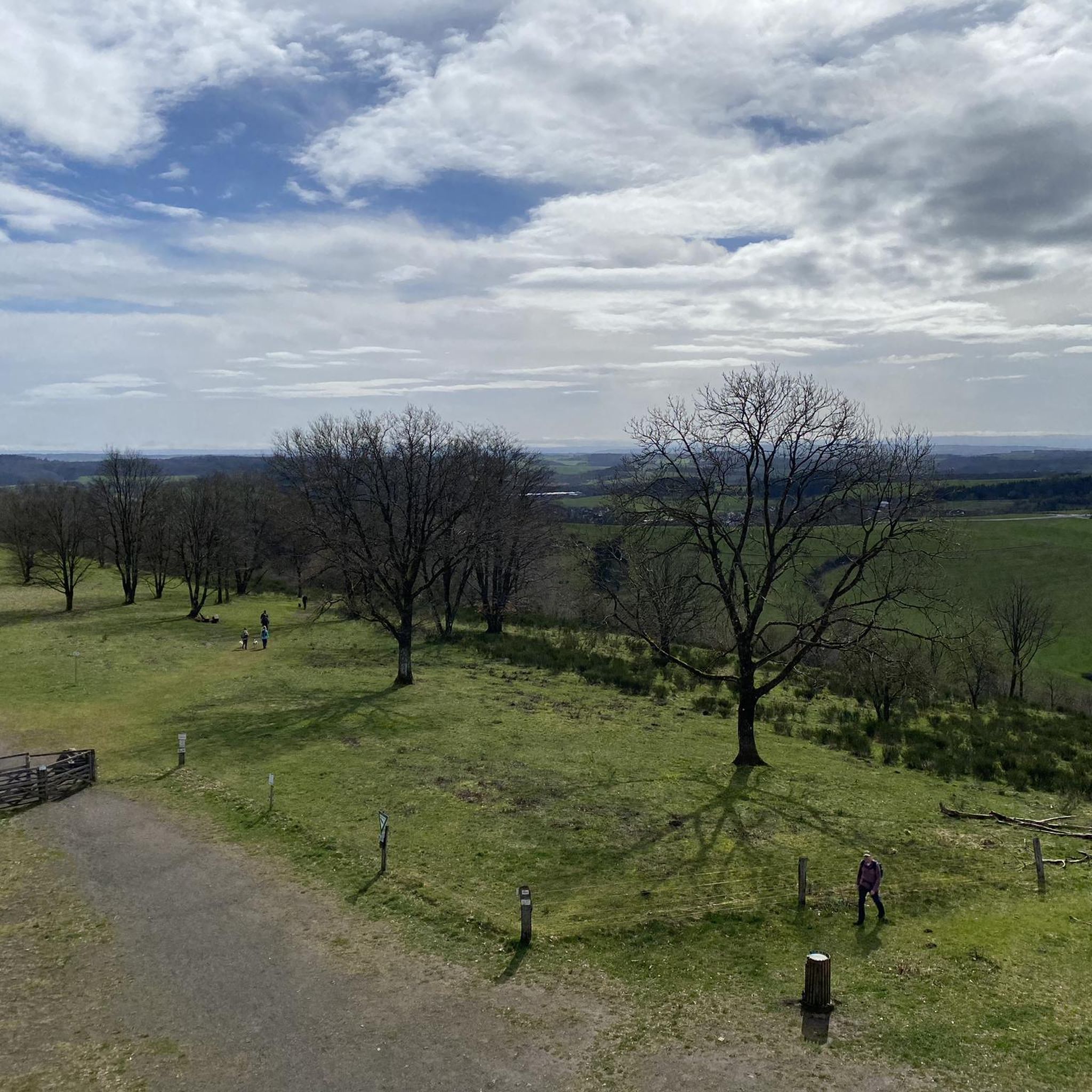
Erlensee's landscape is characterized by its rich natural heritage, including extensive forests, tranquil meadows, and the prominent Kinzig River. You'll find trails winding through woodlands, alongside streams, and over gentle hills, offering varied scenery. The area is also part of the picturesque Spessart region.
Are there any circular hiking routes in Erlensee?
Yes, many of the trails in Erlensee are designed as circular routes, allowing you to start and end at the same point. The Kleinkastell Langendiebach loop from Langendiebach is a popular 4.7 miles (7.6 km) circular trail that takes you through historical sites and natural areas.
Can I bring my dog on the hiking trails in Erlensee?
Generally, dogs are welcome on the hiking trails in Erlensee. It's always recommended to keep your dog on a leash, especially in nature reserves or areas with wildlife, to ensure their safety and respect for other hikers and the environment.
Are there family-friendly hiking trails in Erlensee?
Erlensee offers several family-friendly options. The 'Animal Trail' is a unique feature, allowing families to observe native animals in enclosures and learn about their habitats. Many of the easy, shorter loops are also ideal for families with children.
What is the best time of year to go hiking in Erlensee?
Spring and autumn are particularly recommended for hiking in Erlensee. During these seasons, the landscape transforms with vibrant flower meadows in spring and golden deciduous forests in autumn, coupled with pleasant temperatures, enhancing the overall hiking experience.
Are there any historical sites or landmarks to see along the trails?
Yes, Erlensee is rich in history. The area is connected to longer historical routes like the Eastern Limes hiking trail, which follows a portion of the Upper German-Raetian Limes, a UNESCO World Heritage site. You can also explore sites like the Wilhelmsbad State Park in Hanau, which is a historical site nearby.
What do other hikers enjoy most about hiking in Erlensee?
The komoot community highly rates the hiking experience in Erlensee, with an average score of 4.6 stars from over 200 reviews. Hikers often praise the diverse terrain, the tranquility of the woodlands, and the well-maintained paths along the Kinzig River. Many appreciate the variety of routes suitable for different fitness levels.
Are there any trails that offer views of lakes or water features?
Yes, the name Erlensee itself, meaning 'Alder Lake,' hints at its natural water features. While the main lake is a central point, you can find trails that lead past other water bodies. For example, the Oberwaldsee near Dietesheim is a beautiful lake highlight in the vicinity.
Is there public transport access to the hiking trailheads in Erlensee?
Erlensee is generally well-connected within the region. While specific public transport stops for every trailhead might vary, local bus services often connect to key areas within the town, from where many trails are accessible. It's advisable to check local bus schedules for the most convenient access points.
Where can I find parking for hiking trails in Erlensee?
Many popular trailheads and recreational areas in Erlensee offer designated parking facilities. For instance, routes starting from areas like Weideswiesen-Oberwald bei Erlensee or Langendiebach typically have parking options nearby, making it convenient for hikers arriving by car.
Most popular attractions around Erlensee

Get inspired with the komoot mobile app


Explore more
Browse the best Hikes in other regions.
