The best cycling routes around Oatfield
4.6
(246)
2,078
riders
146
rides
Touring cycling routes around Oatfield are integrated into a regional network of multi-use trails within the Portland metropolitan area. The landscape features proximity to the Willamette River and Johnson Creek, offering routes that follow waterways and pass through parks and residential areas. Unique natural features include the Giant Sequoias of Oatfield Ridge and volcanic formations like Mount Tabor, providing varied terrain for cyclists.
Best touring cycling routes around Oatfield
- The most popular touring cycling route is Trolley Trail Loop,…
Last updated: June 28, 2026
4.4
(9)
29
riders
31.3km
01:30
180m
180m
Moderate bike ride. Good fitness required. Mostly paved surfaces. Suitable for all skill levels.
4.3
(3)
52
riders
46.0km
02:44
210m
210m
Moderate bike ride. Good fitness required. Mostly paved surfaces. Suitable for all skill levels.

Sign up for free
4.3
(4)
10
riders
28.9km
01:44
200m
200m
Moderate bike ride. Good fitness required. Mostly paved surfaces. Suitable for all skill levels.
5.0
(1)
22
riders
25.4km
01:32
210m
210m
Moderate bike ride. Good fitness required. Mostly paved surfaces. Suitable for all skill levels.
19
riders
81.9km
04:47
370m
370m
Moderate bike ride. Good fitness required. Mostly paved surfaces. Suitable for all skill levels.
Get access to more routes and recommendations from other explorers.
Sign up for free
Already have an account?
Our route recommendations are based on thousands of hikes, rides, and runs completed by other people on komoot.
Start today with a free account
Your next adventure awaits.
Login or Signup
Tips from the Community


The Broadway Bridge was built in 1913. It was originally black, but was repainted red in 1963.
1
0

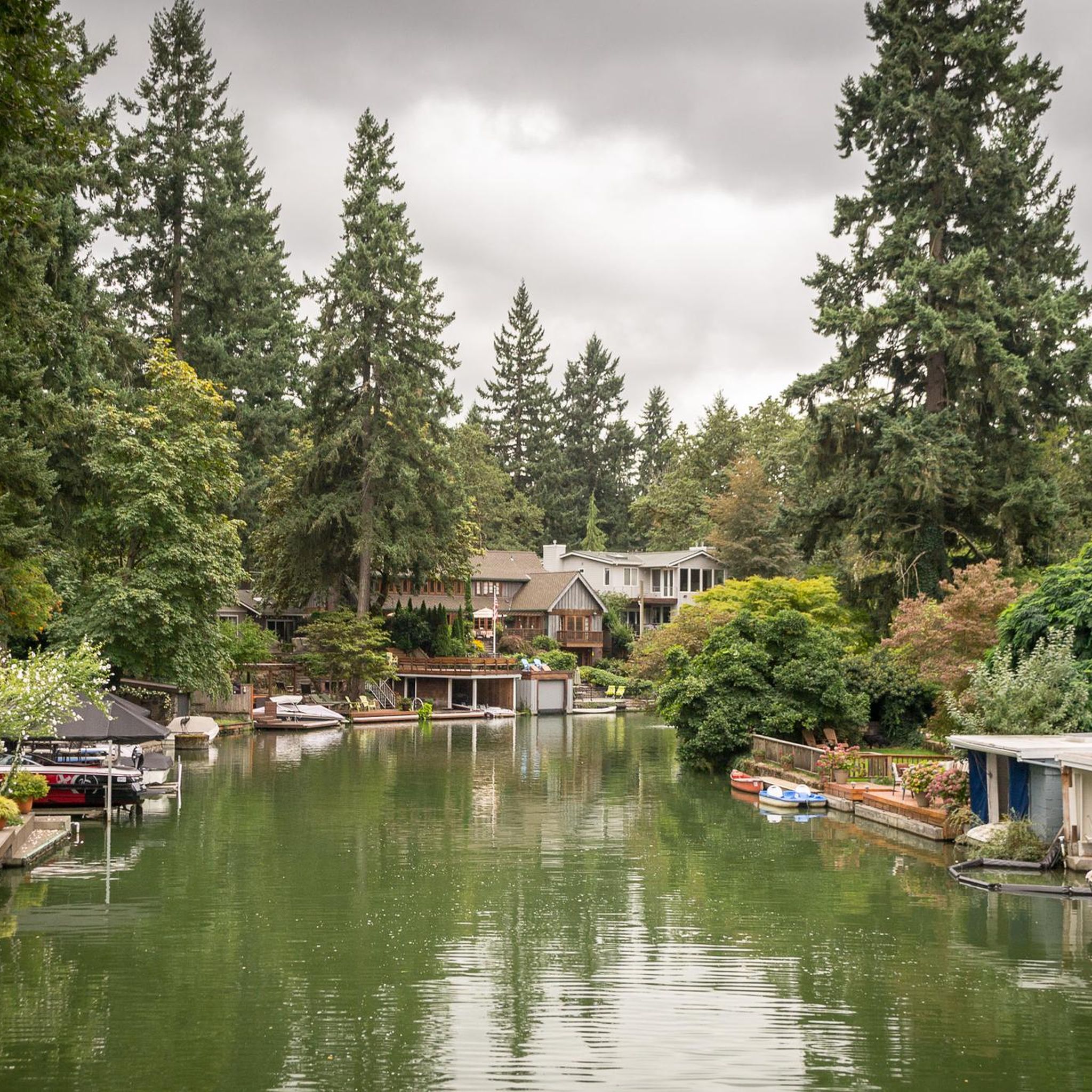
The Willamette River stretches over 255 miles from Cottage Grove in the southern Willamette Valley to Portland, where it meets the Columbia River. The Multnomah Channel branches off near Sauvie Island before joining the Columbia. The Willamette River Greenway offers a few open green spaces along the riverbanks, some with boat launches and basic amenities. Bikers also pass through preserved areas for native wildlife and with scenic views. This trail is a popular destination for biking, walking, and running along its shared paths.
0
0
Oaks Bottom Wildlife Refuge sits on the east bank of the Willamette River. This 163-acre refuge is home to meadows, marshes, wetlands, and forests. There are over 175 bird species, like bald eagles and peregrine falcons, as well as river otters and deer. The Springwater Corridor Trail, great for a bike ride. Established in 1988, Oaks Bottom is Portland’s first wildlife refuge and plays an important role in habitat preservation and environmental education.
1
0
The Springwater Corridor forms part of Portland's 40-mile Loop trail system, extending from downtown Portland to the town of Boring. The paved trail follows the Willamette River and Johnson Creek, passing through neighborhoods, parks, wetlands, and industrial zones. With connections to Portland's light rail and city buses, the trail offers convenient access and stops at Beggars-Tick Wildlife Refuge, Leach Botanical Garden, and Powell Butte Nature Park. The trail, built on a former railroad corridor, opened in 1996 after Portland obtained the rail line in 1990.
0
0

The Clackamas River gets its name from the Clackamas people who have lived in the area for hundreds of generations. Though much of the river's course has been developed 47 of its 83 miles are designated as NWSRS (National Wild and Scenic River System)
0
0
The Eastbank Esplanade was brought about by the 1996 Willamette Valley Flood. After that flood washed out the existing !-5 bike bypass and new path was needed and the Eastbank Esplanade was born.
0
0
The 40 Mile Loop isn't a single loop trail, and isn't even limited to 40 miles. The original proposal for the trail was 40 miles but it now encompasses a planned network of over 140 miles of interconnected trails. This section along the river is particularly scenic with great views of the river.
0
0
Frequently Asked Questions
How many touring cycling routes are available around Oatfield?
Oatfield offers a comprehensive network for touring cyclists, with over 140 routes available. These routes cater to various skill levels, including easy, moderate, and challenging options.
Are there easy touring cycling routes suitable for beginners or families?
Yes, Oatfield provides a good selection of easy touring cycling routes. There are 41 easy routes, many of which are part of multi-use trails like the Trolley Trail, offering car-free sections and passing through parks. A great option is the Eastbank Esplanade – Springwater Corridor loop from Milwaukie/Main Street, which is 16.6 miles long and follows the Willamette River.
What are some scenic touring cycling routes in Oatfield?
Many routes in Oatfield offer scenic views, often following the Willamette River and Johnson Creek. The area is also known for the Giant Sequoias of Oatfield Ridge, which create a unique natural aesthetic. Routes like the Springwater Corridor – Willamette River loop from Southeast Park Avenue take you through diverse landscapes including neighborhoods, parks, and wetlands.
What do other touring cyclists enjoy most about cycling in Oatfield?
The touring cycling routes around Oatfield are highly rated by the komoot community, with an average score of 4.6 stars from over 240 reviews. Cyclists often praise the well-integrated regional network of multi-use trails, the proximity to natural features like rivers and parks, and the variety of routes suitable for different abilities.
Are there challenging touring cycling routes for experienced cyclists?
Yes, for those seeking more challenging rides, Oatfield and the broader Clackamas County offer options. There are 21 difficult touring cycling routes available. While specific routes are not listed here, these often involve more significant elevation changes and longer distances, such as those found in the challenging Cascading Rivers Scenic Bikeway in Clackamas County.
Are there circular touring cycling routes around Oatfield?
Many of the touring cycling routes in Oatfield are designed as loops, providing a convenient way to start and end your ride in the same location. An example is the Trolley Trail Loop, which is 19.5 miles long and includes car-free sections.
What attractions can I see along the touring cycling routes?
Along the touring cycling routes, you can encounter various natural and urban attractions. You might pass by the Willamette River waterfront, offering scenic views, or explore parks like Milwaukie Bay Park. Other nearby natural highlights include the Clackamas River and Mount Talbert Nature Park.
How long do the touring cycling routes typically take to complete?
The duration of touring cycling routes in Oatfield varies significantly. For instance, the Trolley Trail Loop typically takes about 1 hour 29 minutes, while the longer Springwater Corridor – Willamette River loop from Southeast Park Avenue can take around 2 hours 44 minutes. There are routes ranging from shorter, easy rides to longer, more challenging excursions.
Are there less crowded touring cycling routes in the Oatfield area?
While popular trails like the Springwater Corridor can see significant use, exploring routes slightly off the main thoroughfares or during off-peak hours can offer a quieter experience. The broader Clackamas County also has a variety of road cycling routes that might be less frequented than the multi-use paths closer to urban centers.
What is the best time of year for touring cycling in Oatfield?
The Portland metropolitan area, including Oatfield, generally offers pleasant cycling conditions from spring through fall. Summers are typically warm and dry, while spring and autumn provide cooler temperatures and vibrant scenery. Winter cycling is possible, but be prepared for rain and potentially cooler temperatures.
Are there touring cycling routes accessible by public transport in Oatfield?
Oatfield's location within the Portland metropolitan area means many routes, especially those connecting to the larger regional network like the Springwater Corridor, are often accessible via public transport. Cyclists can utilize dedicated cycleways and smooth paved paths that link to transit hubs, making it convenient to reach starting points without a car.
Where can I find parking for touring cycling routes in Oatfield?
Many parks and trailheads within the Oatfield area and surrounding communities like Milwaukie and Gladstone offer parking facilities. For example, Milwaukie Bay Park and Cross Memorial Park, which are near popular cycling routes, typically have parking available for visitors.
Are there any hidden gem touring cycling routes in Oatfield?
While the main trails are well-known, exploring the quieter residential streets and greenways that connect to the larger network can reveal charming, less-trafficked paths. The area's historical roots, such as Oatfield Road itself, which was an early Native American trail, hint at many local discoveries beyond the main routes.
Most popular routes around Oatfield
Most popular attractions around Oatfield

Get inspired with the komoot mobile app


Explore more
Browse the best Cycling routes in other regions.
