Top 20 Lakes around Klaus
Lakes around Klaus, Austria, are found in two distinct regions: Vorarlberg and Upper Austria. The area in Vorarlberg, near Feldkirch, features smaller, ecologically significant lakes. In Upper Austria, the Klaus Reservoir is a prominent body of water. These locations offer diverse natural settings for outdoor activities.
Best lakes around Klaus
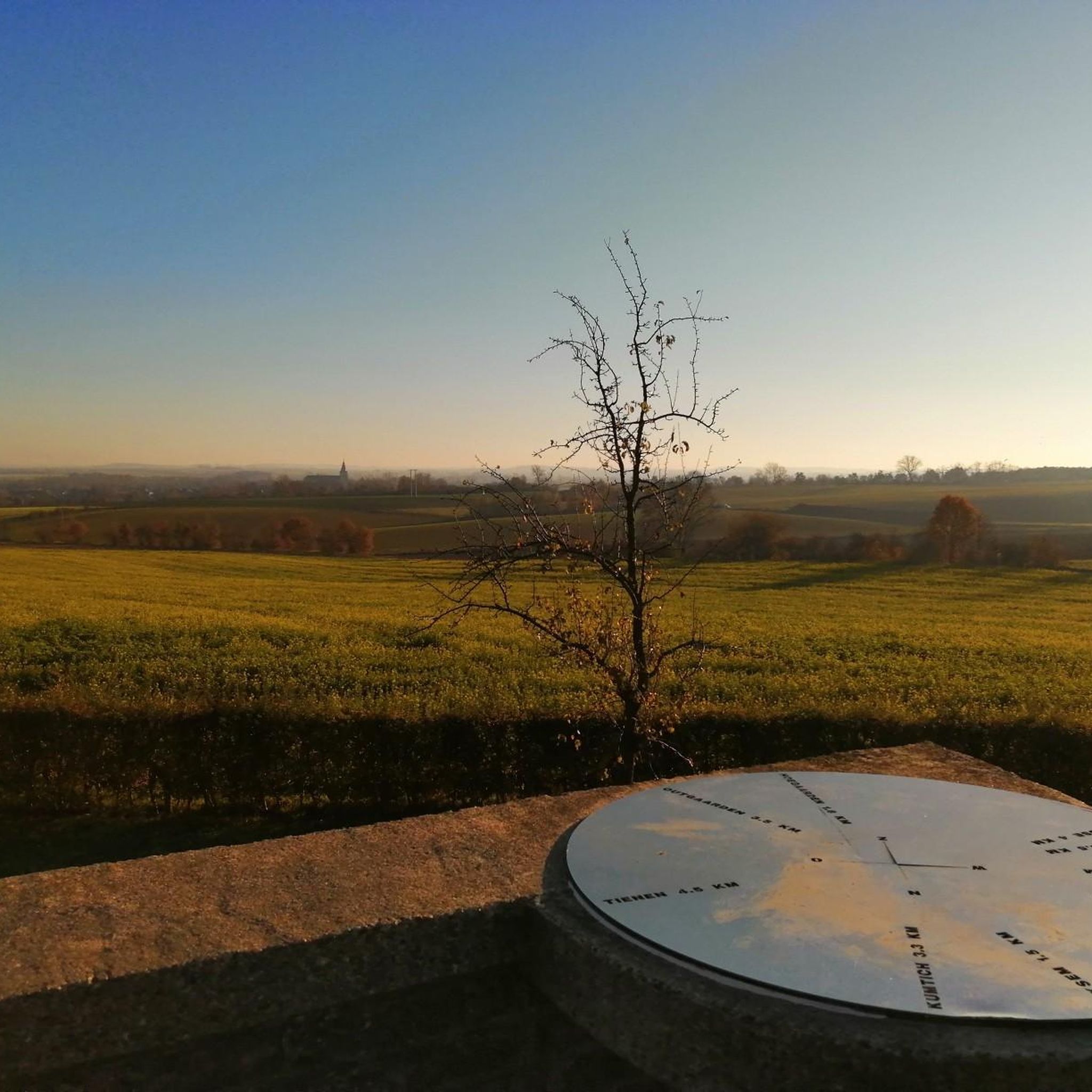
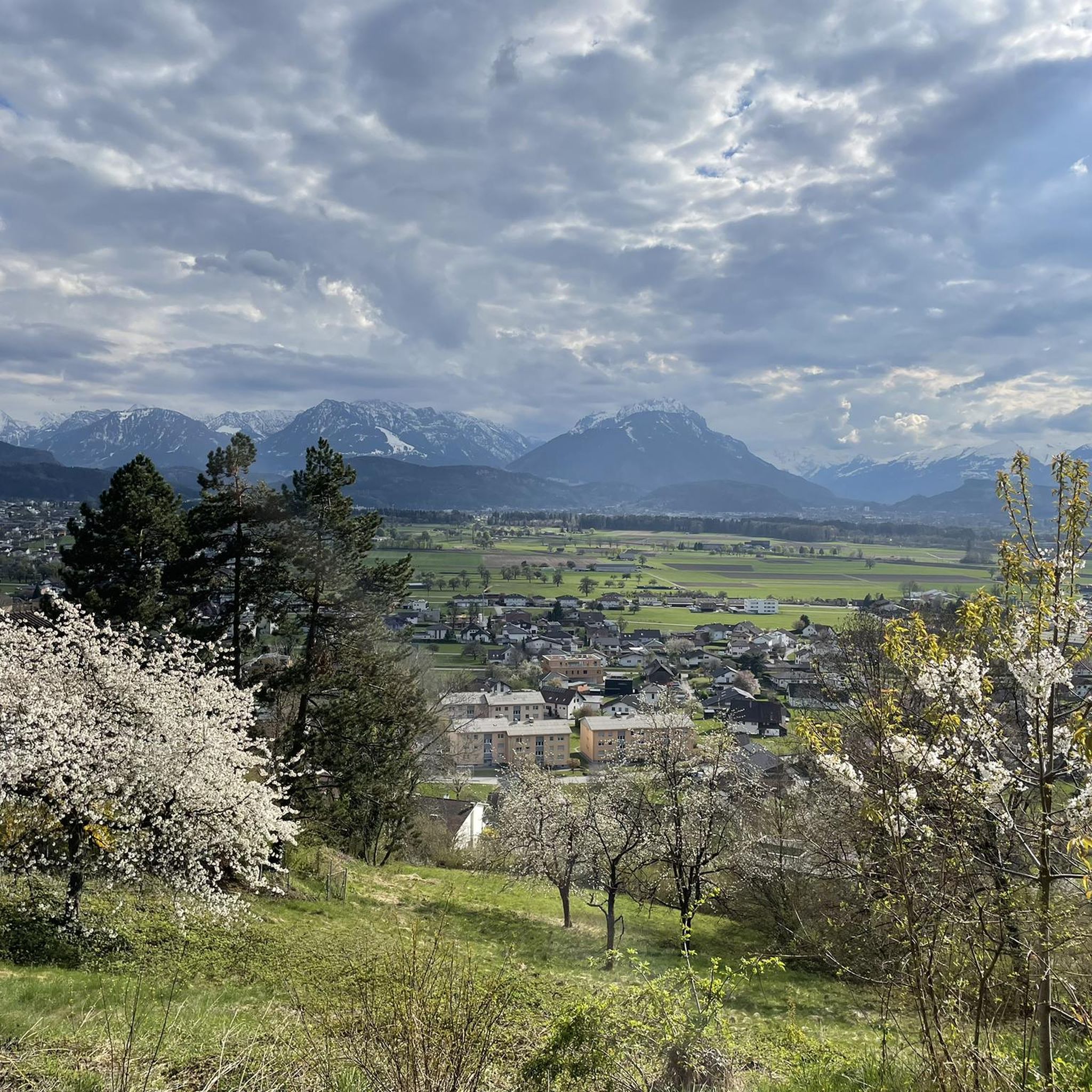
- The most popular lakes is Gsohlalpe View of the Rhine Valley and Lake Constance, a viewpoint that offers expansive views of the Rhine Valley and Lake Constance. This location…
Last updated: July 1, 2026
Schwarzer See (Satteins)
Highlight • Lake
The Black Lake is located in the municipality of Satteins,
The body of water is located in the immediate vicinity of the municipal border between Satteins and …
Translated by Google •
Tip by

Wichenstein Lake
Highlight • Lake
The Wichensteiner See is located in the municipality of Oberriet at the eastern foot of the Semelenberg. A clay pit operated on the area of the present …
Translated by Google •
Tip by
Sign up now to discover places like this
Get recommendations on the best single tracks, peaks, & plenty of other exciting outdoor places.
Sign up for free
Wichenstein Lake Observation Platform
Highlight • Viewpoint
The Wichensteinsee is located in the municipality of Oberriet at the eastern foot of the Semelenberg. A clay pit was operated on the area of today's lake …
Translated by Google •
Tip by
Alter Rhein Nature Trail
Highlight • Trail
Translated by Google •
Tip by

Gsohlalpe View of the Rhine Valley and Lake Constance
Highlight • Viewpoint
You can come here via Hohenems-Schuttannen, Dornbirn-Schuttannen-Wilder Mann, Ebnit and Götzis-Millrütte. Unfortunately, sometimes quite steep.
Translated by Google •
Tip by

Sign up for free to discover even more lakes around Klaus.
Sign up for free
Already have an account?
Start today with a free account
Your next adventure awaits.
Login or Signup
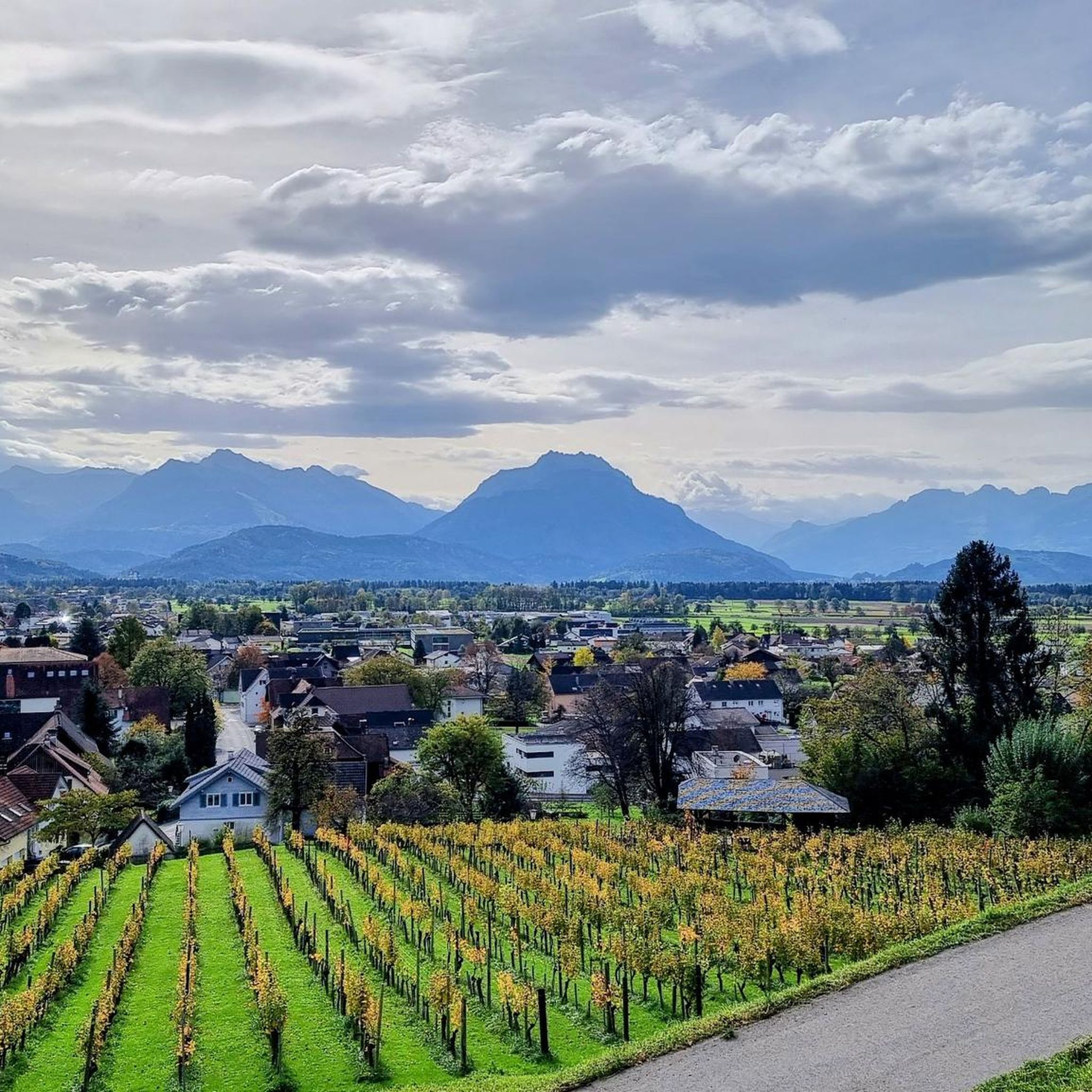
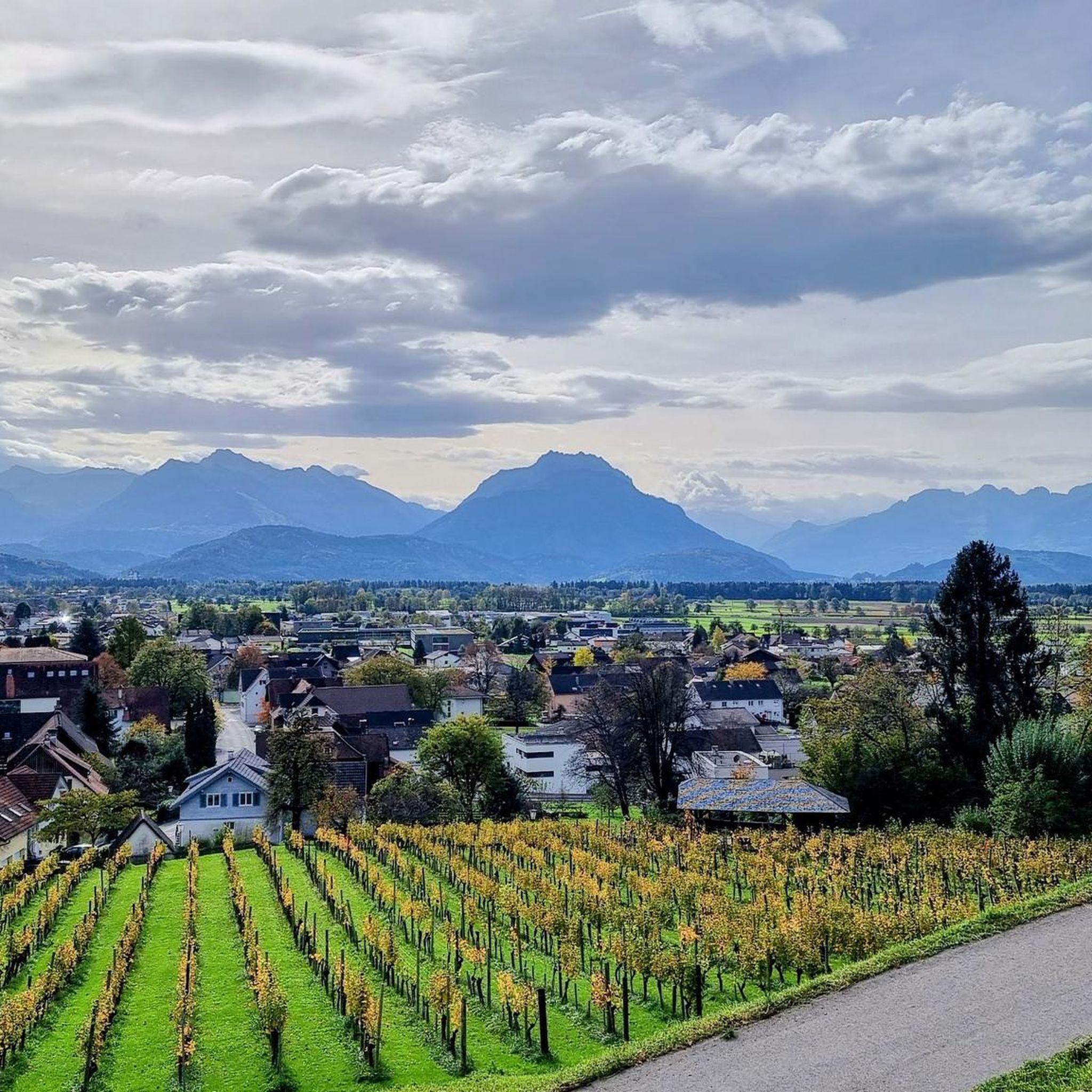
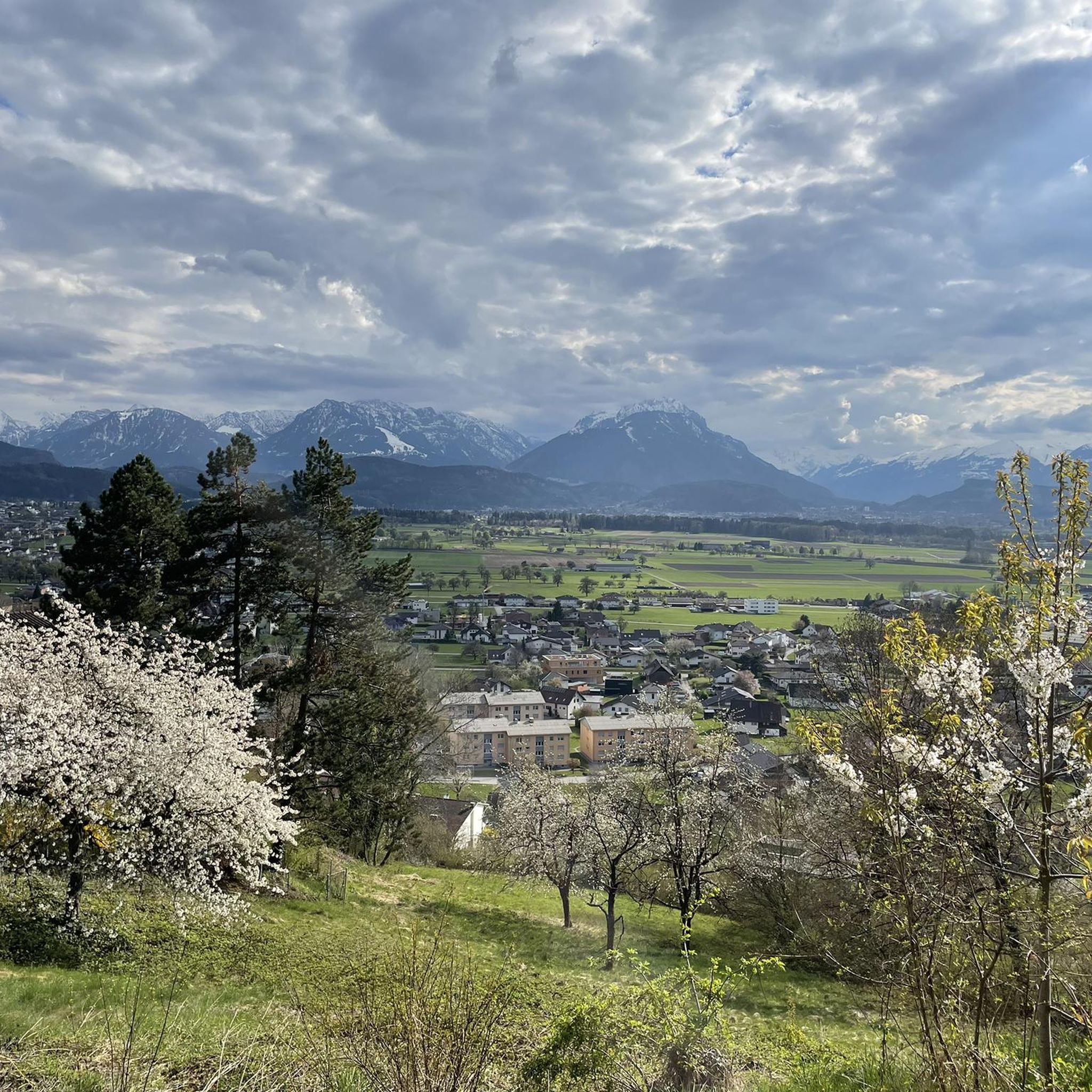
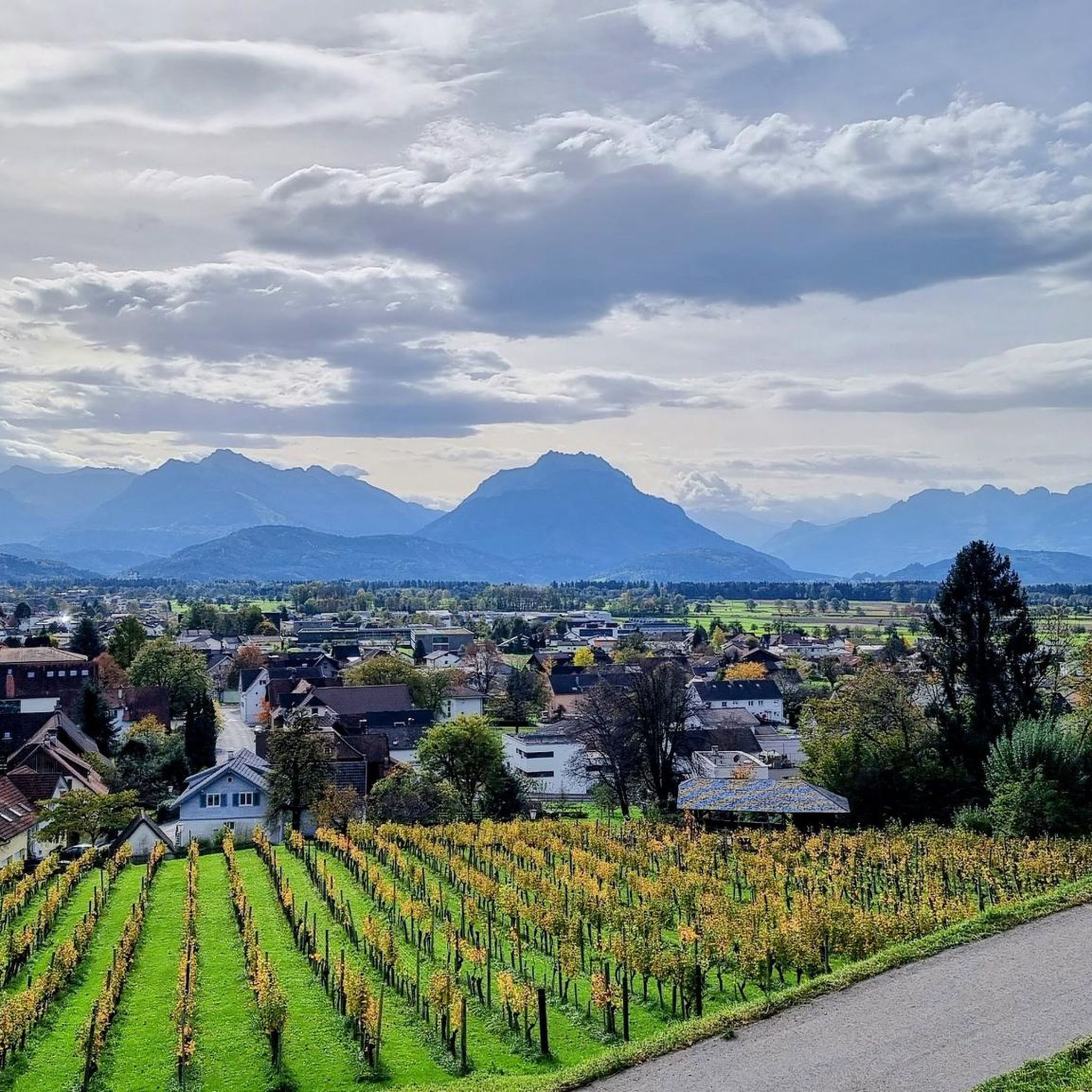
Tips from the Community

Many cycle paths, little traffic, interesting areas!
0
0

Wichenstein Nature Reserve, Oberriet The extensive Wichenstein Nature Reserve, with its biotope and set against the backdrop of an imposing limestone cliff, is an important nesting site for forest, hedge, and water birds. This wetland also provides a habitat for many insects, frogs, and amphibians. Wichenstein, with its over 20 hectares of land, is considered a reserve of supra-regional importance. It offers a place of peace and relaxation. A fire pit is located in the immediate vicinity of the pond. Text / Source: Municipality of Oberriet https://www.oberriet.ch/natur/7484
13
3
Wichenstein Nature Reserve, Oberriet The extensive Wichenstein Nature Reserve, with its biotope and set against the backdrop of an imposing limestone cliff, is an important nesting site for forest, hedge, and water birds. This wetland also provides a habitat for many insects, frogs, and amphibians. Wichenstein, with its over 20 hectares of land, is considered a reserve of supra-regional importance. It offers a place of peace and relaxation. A fire pit is located in the immediate vicinity of the pond. Text / Source: Municipality of Oberriet https://www.oberriet.ch/natur/7484
14
0
Wichensteiner See, Oberriet The Wichensteiner See is located in the municipality of Oberriet at the eastern foot of the Semelenberg. A clay pit operated on the area of the present lake from 1830 to 1972. The lake lies at an elevation of 420 meters above sea level and has a maximum depth of approximately 5.5 meters. It is divided into a smaller northern basin and a larger southern basin. The area was acquired by the municipality of Oberriet in 1976 and declared a nature reserve in 1982. East of the lake lies the "Grube Loo" (Loo Pit) – also a former clay pit – which, together with the Wichensteiner See, is a fen of regional importance and an amphibian spawning area of national importance. The lake is fed, in addition to underground springs, by the Wichensteinerbach stream, which drains the northern foot of the Semelenberg. The outflow structure leads into the Aubach stream. Text / Source: Canton of St. Gallen, Office for Environment and Energy https://www.sg.ch/content/dam/sgch/umwelt-natur/wasser/seen-und-weiher/02-01--gew%C3%A4sserqualit%C3%A4t-seen/kleinseen-und-weiher/Wichtensteiner%20See%20Oberriet.pdf
15
0

Beautiful platform for bird watching and nature watching.
8
0

Beautiful place, ideal for a stopover....
0
0

Nice little trail with water on the left and right. Best to ride in the evening or in winter/autumn. In summer there are lots of bathers.
0
0

A great place to watch birds at any time of the year.
3
1
Frequently Asked Questions
What are the most popular lakes and viewpoints around Klaus?
Visitors frequently enjoy the scenic vistas from Gsohlalpe View of the Rhine Valley and Lake Constance. For a natural experience, Wichenstein Lake is highly regarded as a nature reserve, and Schwarzer See (Satteins) offers a serene walking path.
Are there family-friendly lakes near Klaus?
Yes, several lakes are great for families. The Klaus Reservoir in Upper Austria features a natural bathing area with a sandy beach, sunbathing lawns, and a spacious playground. Wichenstein Lake in Vorarlberg is also family-friendly, offering an observation platform for birdwatching, and Schwarzer See (Satteins) has a pleasant walking path suitable for all ages.
What kind of natural features can I expect to see around the lakes in Klaus?
The region offers diverse natural features. In Vorarlberg, you'll find ecologically significant wetlands and nature reserves like Wichenstein Lake, which is an important nesting site for various bird species. The Klaus Reservoir in Upper Austria is nestled between steep conglomerate walls and boasts excellent water quality, supporting a rich aquatic ecosystem.
Are there opportunities for birdwatching near Klaus?
Absolutely. Wichenstein Lake in Vorarlberg is a designated nature reserve and a crucial nesting site for forest, hedge, and water birds. There's even an observation platform specifically for bird and nature watching.
Can I go fishing in the lakes around Klaus?
Yes, fishing is a popular activity. The Klaus Reservoir in Upper Austria is well-known for its excellent water quality and is home to salmonids, offering opportunities for fishing from a boat or the shore. Faller Lake (Schnifner Weiher) in Vorarlberg is also regularly stocked with fish by a local fishing club.
What outdoor activities can I do near the lakes in Klaus?
Beyond enjoying the lakes themselves, you can explore numerous outdoor activities. There are extensive hiking trails, mountain biking routes, and cycling paths throughout the region. The Klaus Reservoir also offers boat hire and kayak schools.
Are there any easy walks or hiking trails around the lakes?
Yes, for easy walks, a small walking path leads around Schwarzer See (Satteins), offering a serene natural setting. The Alter Rhein Nature Trail also provides a pleasant path with views of the river and nearby lakes. For more options, explore the hiking guide for Klaus.
Can I swim in the lakes near Klaus?
The Klaus Reservoir in Upper Austria features a natural bathing area that is freely accessible year-round. It includes a sandy beach and bathing bays perfect for swimming. For other lakes, it's advisable to check local regulations regarding swimming.
What do visitors enjoy most about the lakes around Klaus?
Visitors appreciate the diverse experiences offered by the lakes. Many enjoy the peaceful natural settings, the ecological significance of places like Wichenstein Lake for birdwatching, and the recreational opportunities at the Klaus Reservoir, including swimming and fishing. The expansive views from spots like Gsohlalpe are also highly valued.
Is there a specific lake known for its history or unique past?
Yes, Wichenstein Lake has a unique history. It was originally a clay pit that operated from 1830 to 1972 before being acquired by the municipality and declared a nature reserve in 1982. This transformation from industrial site to ecological haven makes it particularly interesting.
Are there any cafes or restaurants near the lakes?
While specific cafes directly on every lake shore are not detailed, the area around Schwarzer See (Satteins) is known to have a 'Beizle' serving regional cuisine, making it a good spot for a stopover. The Gsohlalpe Viewpoint also features an alpine hut with a restaurant.
What is the best time to visit the Klaus Reservoir for swimming and family activities?
The natural bathing area at the Klaus Reservoir is freely accessible year-round. However, for swimming and enjoying the sandy beach and playground, the warmer months from late spring through early autumn would be ideal. You can find more details about the natural bathing area at steyr-nationalpark.at.
Most popular routes around Klaus
Most popular attractions around Klaus

Get inspired with the komoot mobile app


Explore more
Still not found your perfect lake around Klaus? Check out the guides of these regions to see even more beautiful places.
