Top 14 Castles around Puchberg am Schneeberg
Best castles around Puchberg am Schneeberg are situated in a region characterized by its mountainous landscape, notably near the Schneeberg massif. This area offers a blend of natural beauty and historical significance, with several medieval structures dotting the hills. The castles and ruins provide insights into the region's past and often feature panoramic views. Visitors can explore these sites, which are integrated into the local hiking and cultural offerings.
Best castles around Puchberg am Schneeberg
- The most popular castles is…
Last updated: October 11, 2026
Schrattenstein Castle Ruins
Highlight • Castle
Translated by Google •
Tip by

Losenheim castle ruins
Highlight • Castle
Translated by Google •
Tip by

Sign up now to discover places like this
Get recommendations on the best single tracks, peaks, & plenty of other exciting outdoor places.
Ruins of Klamm Castle
Highlight • Castle
Translated by Google •
Tip by

Reichenau an der Rax Castle
Highlight • Castle
These property rights were sold …
Translated by Google •
Tip by
Schloss Gloggnitz
Highlight • Castle
Translated by Google •
Tip by
Sign up for free to discover even more castles around Puchberg am Schneeberg.
Already have an account?
Start today with a free account
Your next adventure awaits.
Popular around Puchberg am Schneeberg
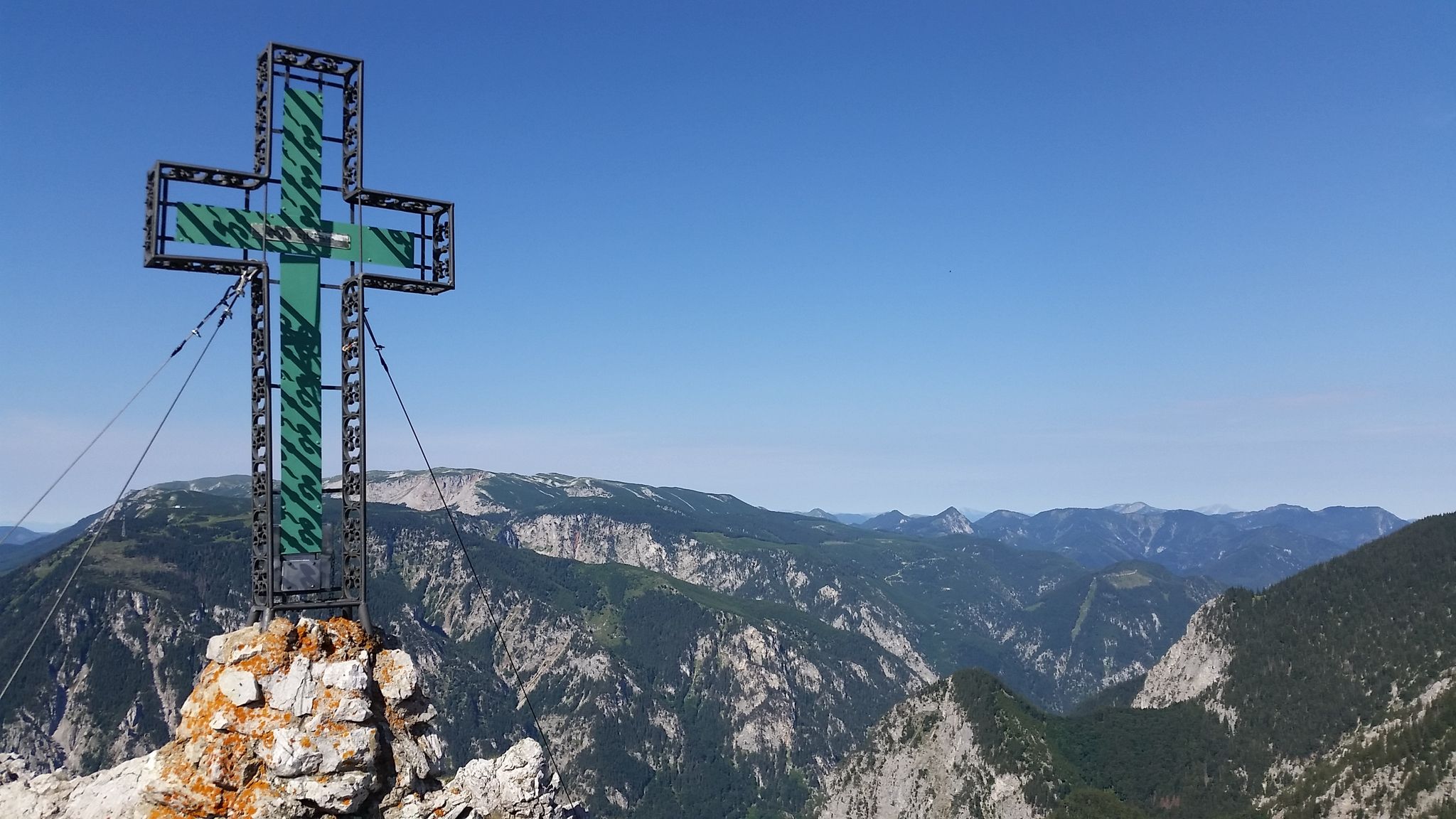
Viennese Alpenbogen – Lower Austria's most beautiful peaks
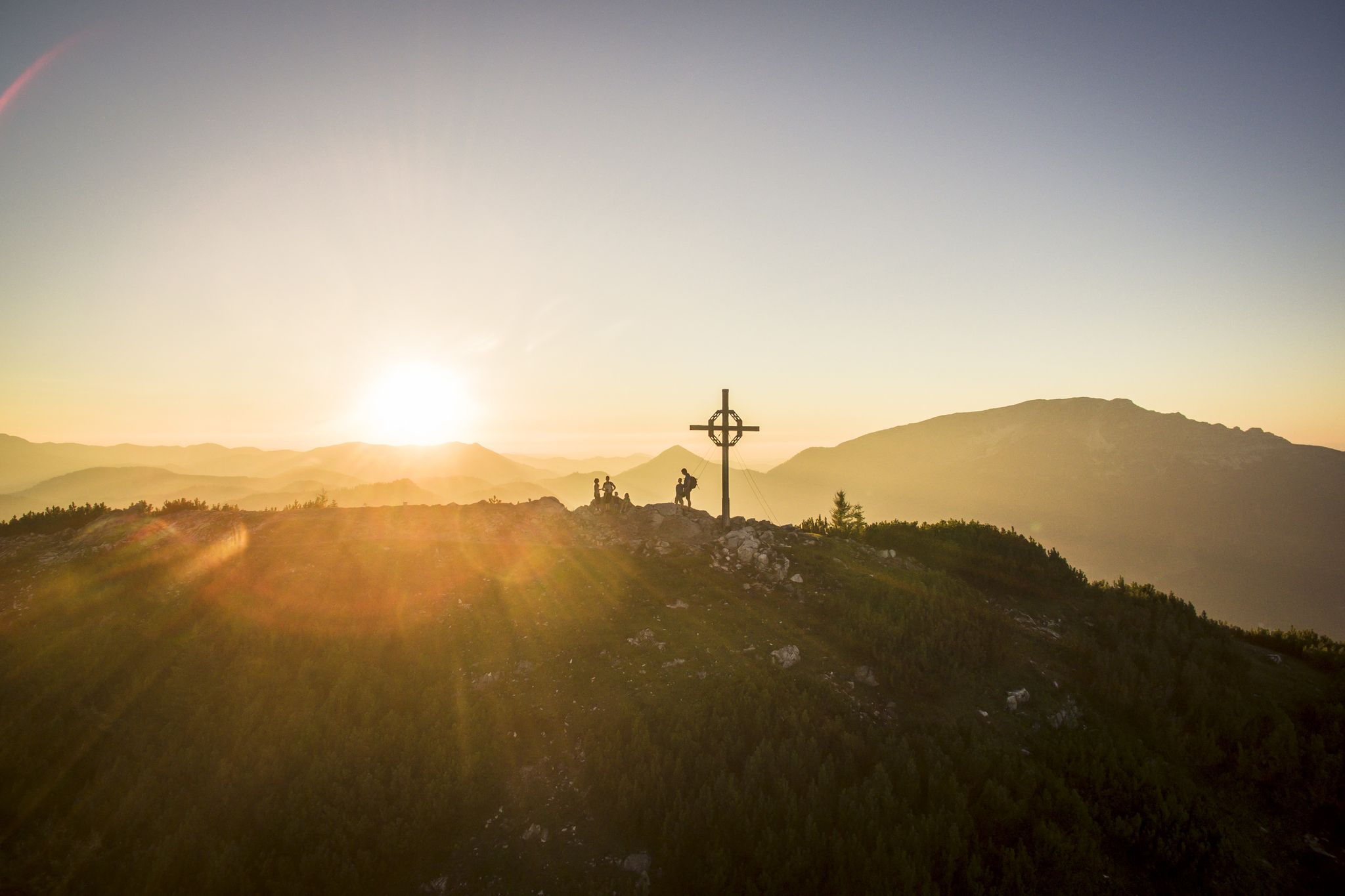
Hiking with a view – certified hiking villages in Lower Austria
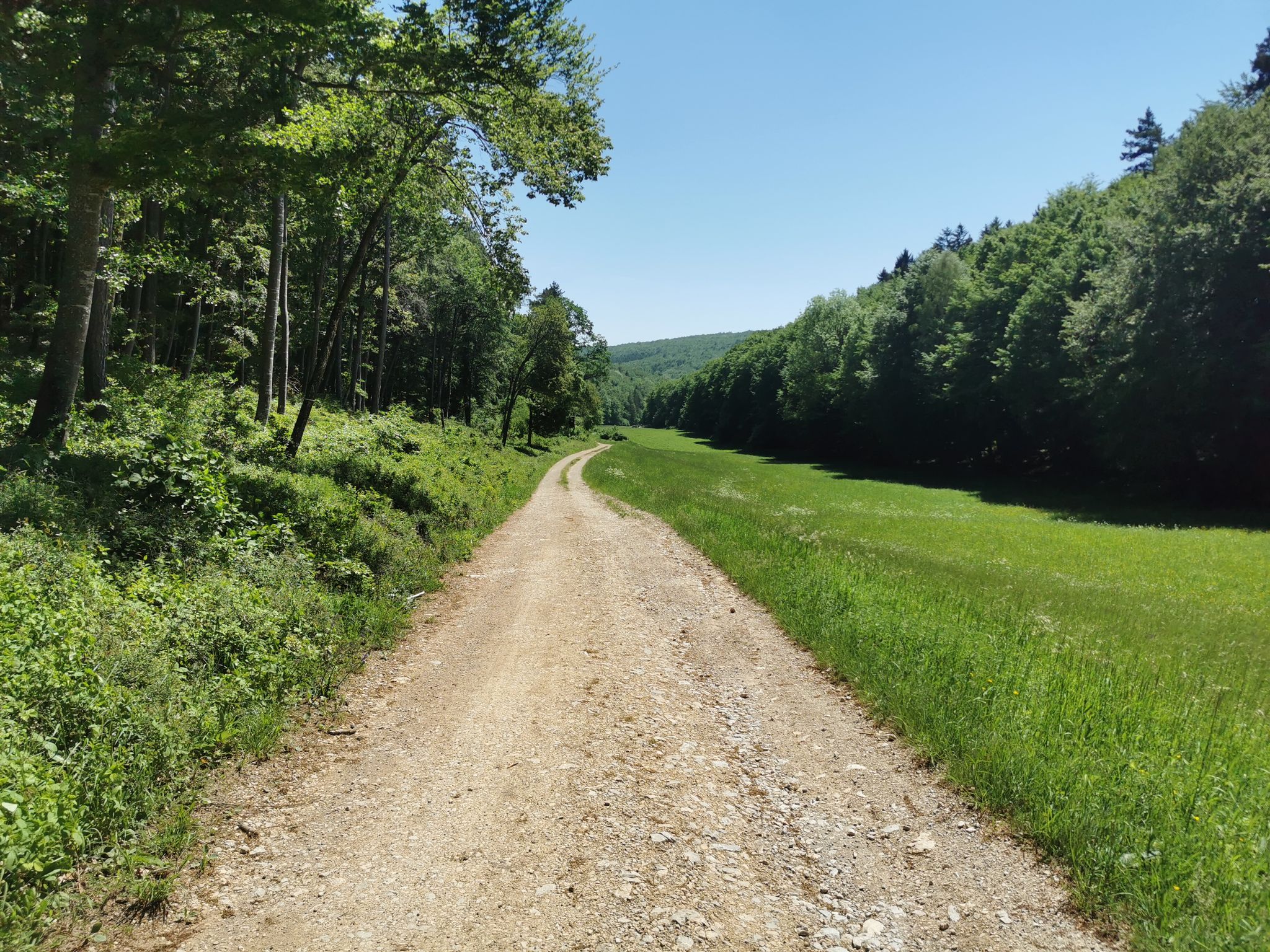
Hills and valleys – gravel bike tours in the Vienna Woods
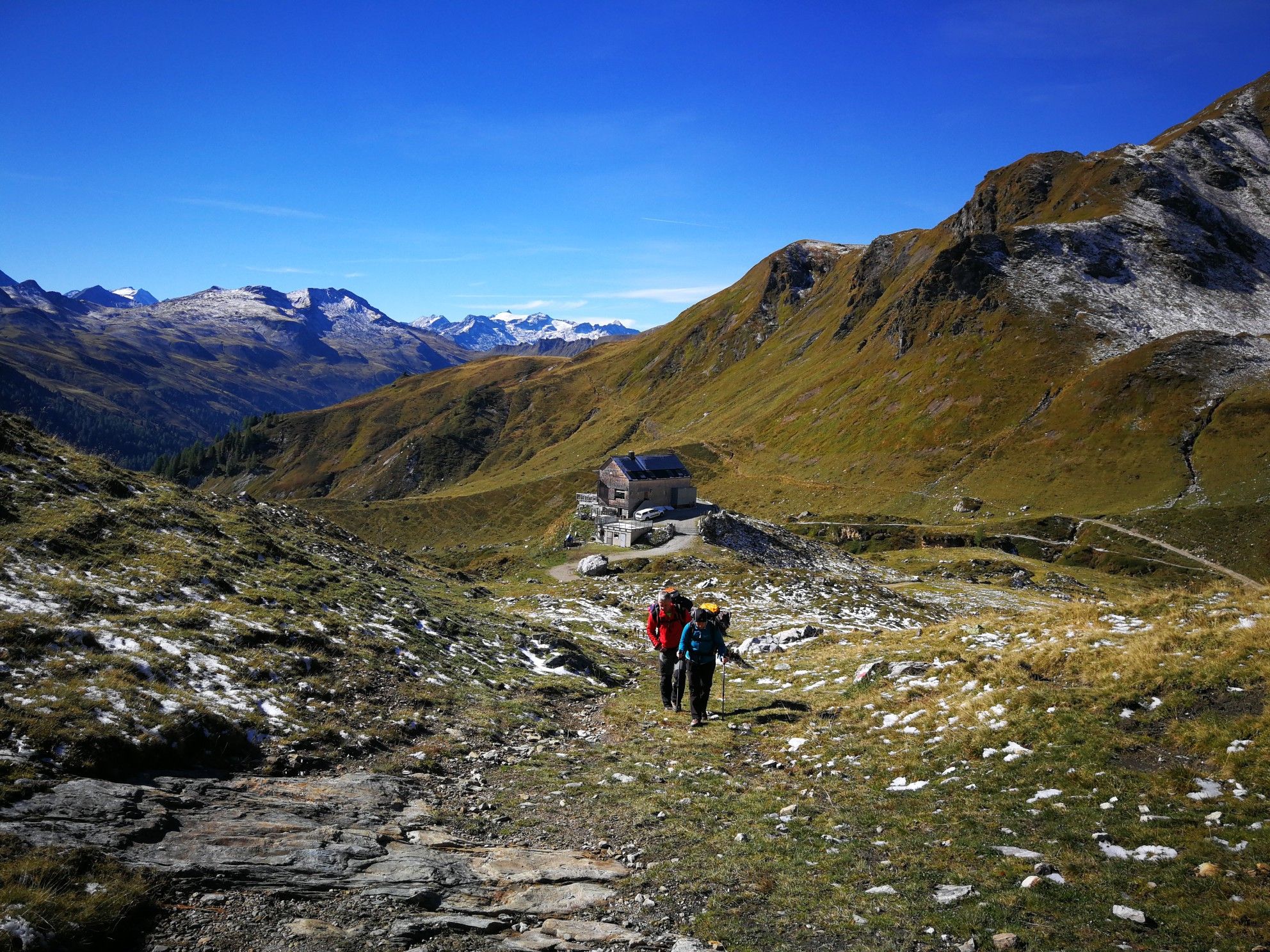
Lower Austria to Carinthia — our favourite huts in Austria
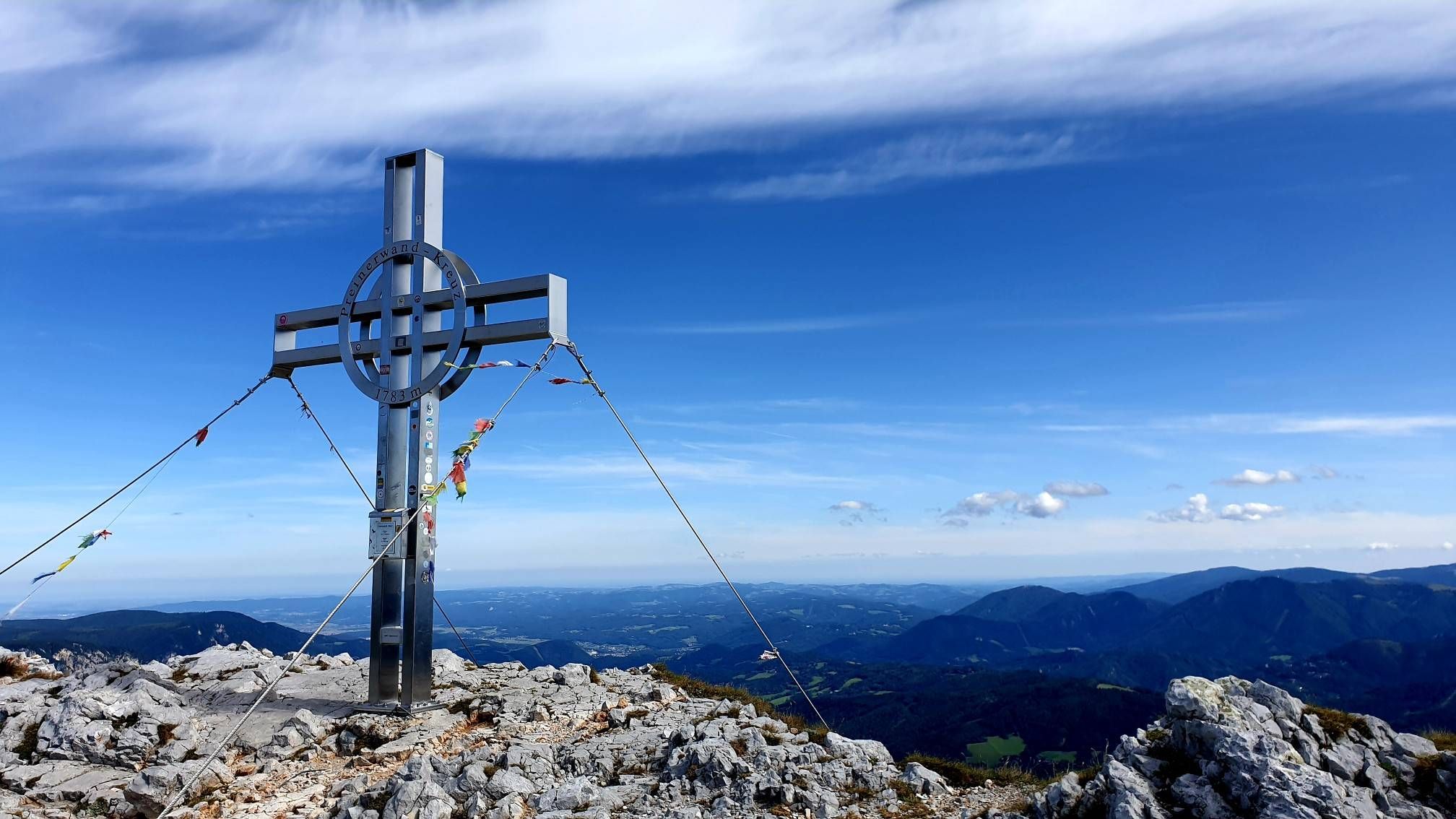
Alpine hiking on Vienna’s doorstep – Rax-Schneeberg Group Mountains
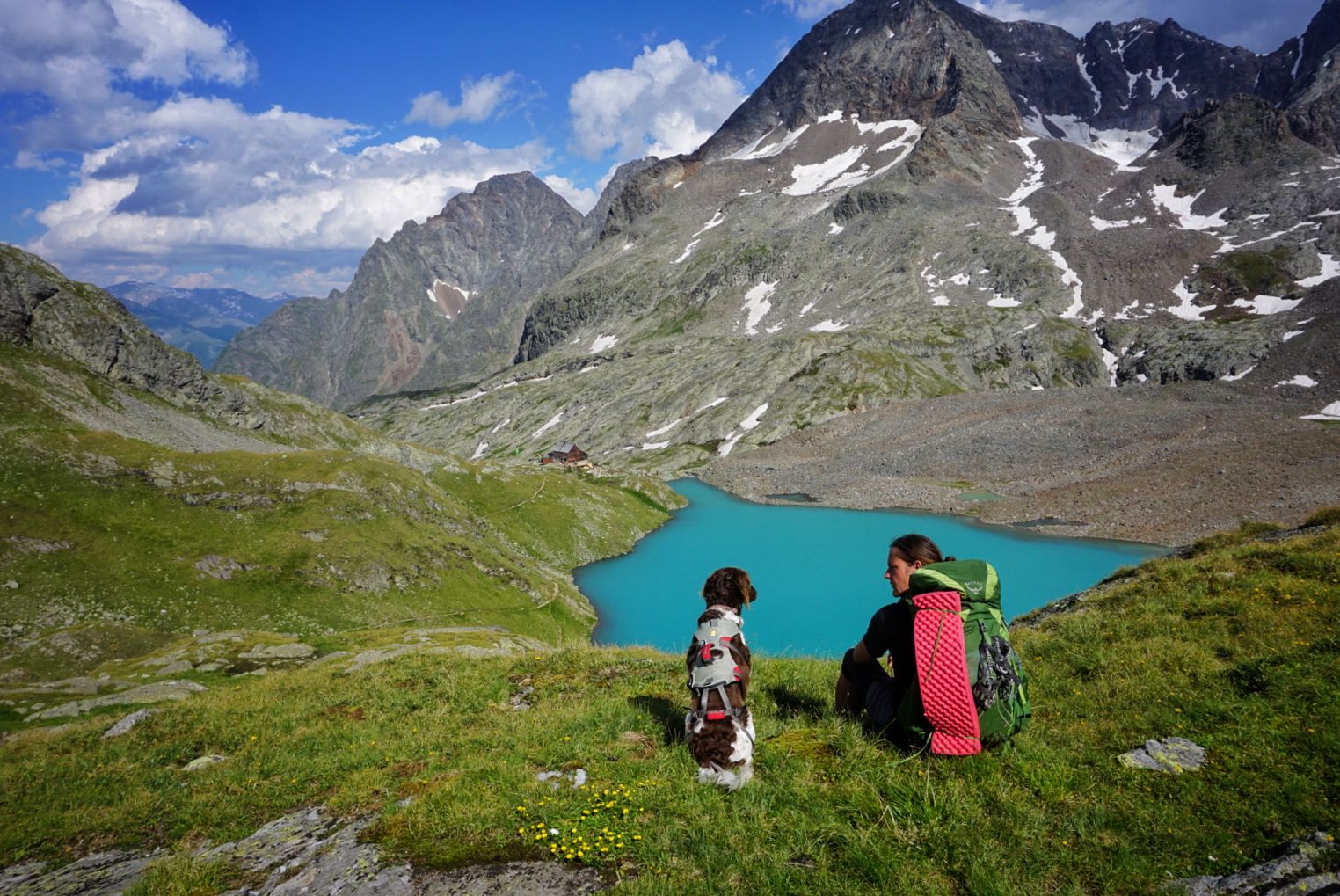
An alpine adventure – from east to west through Austria
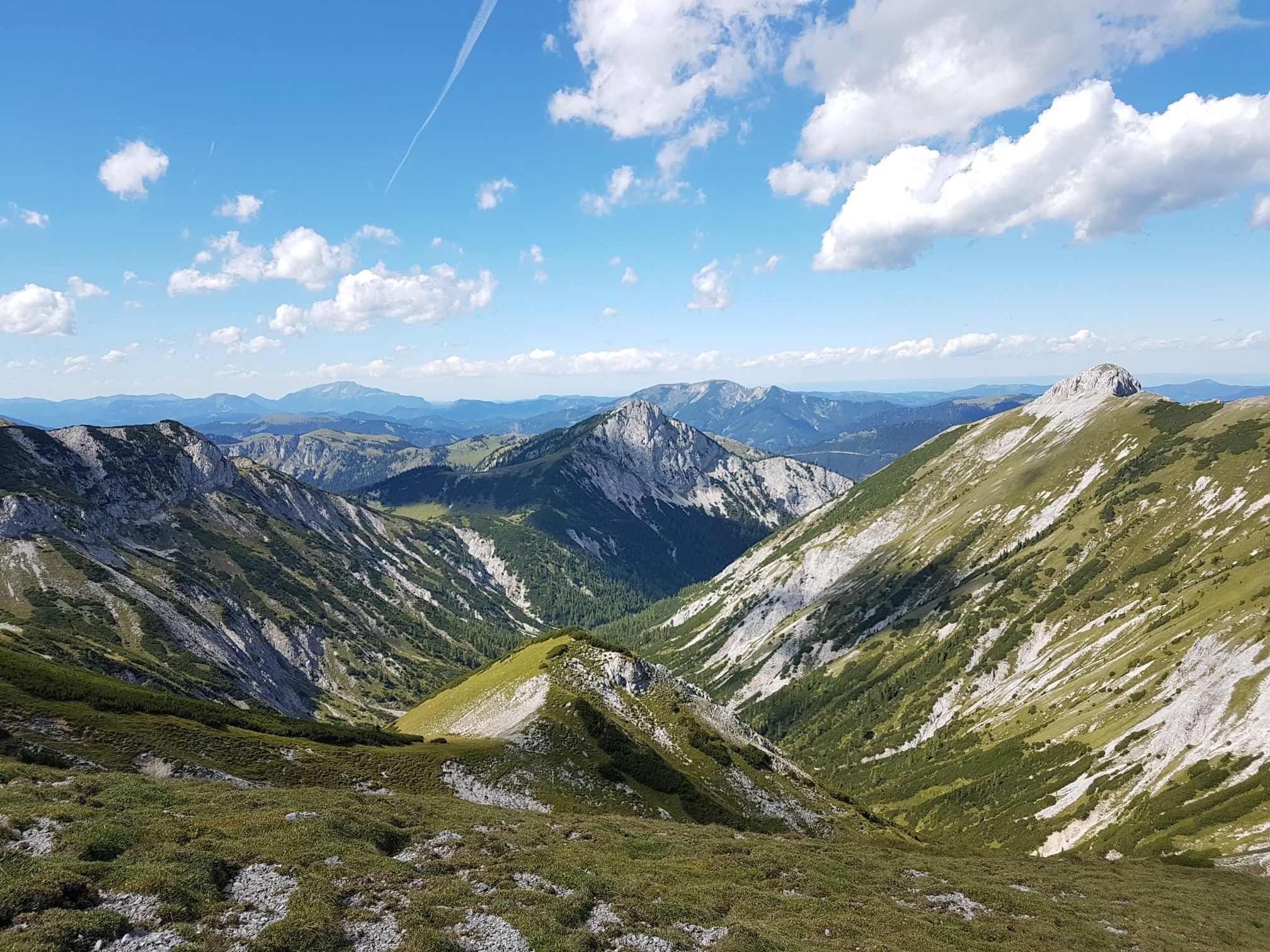
Out of town, up the mountain – Vienna's backyard
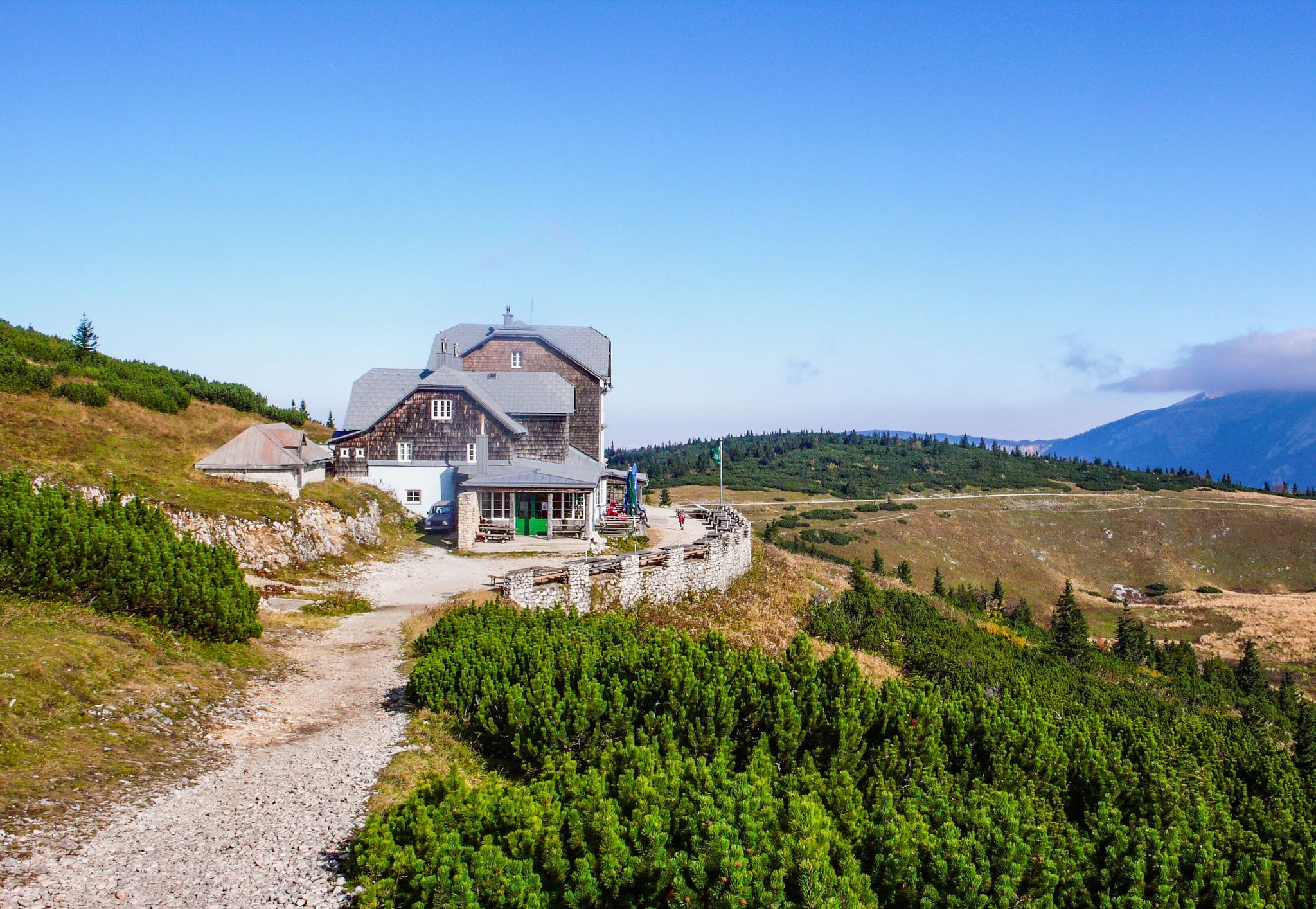
Hut fun in Austria’s Schneebergland
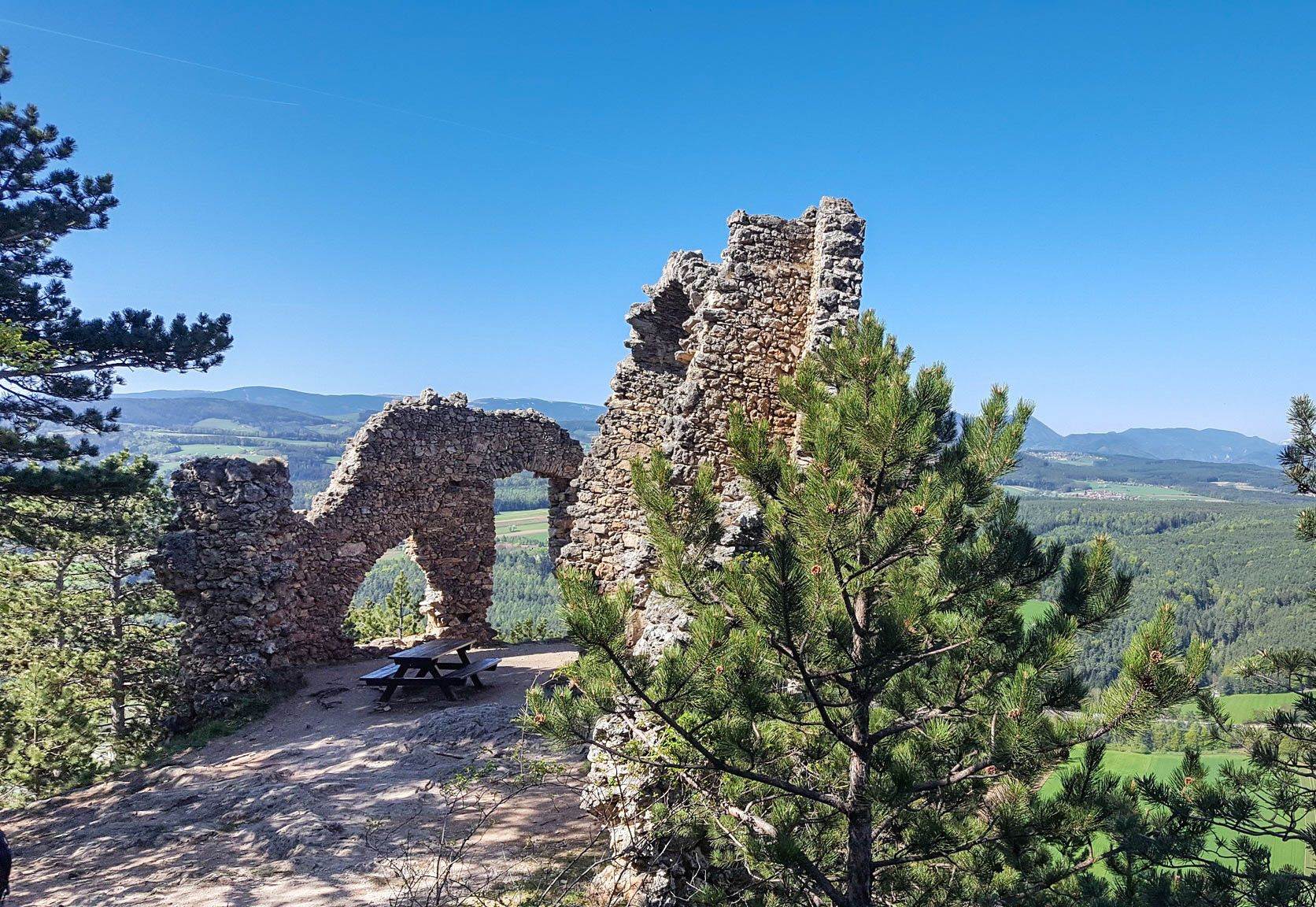
Family adventures in Vienna's local mountains
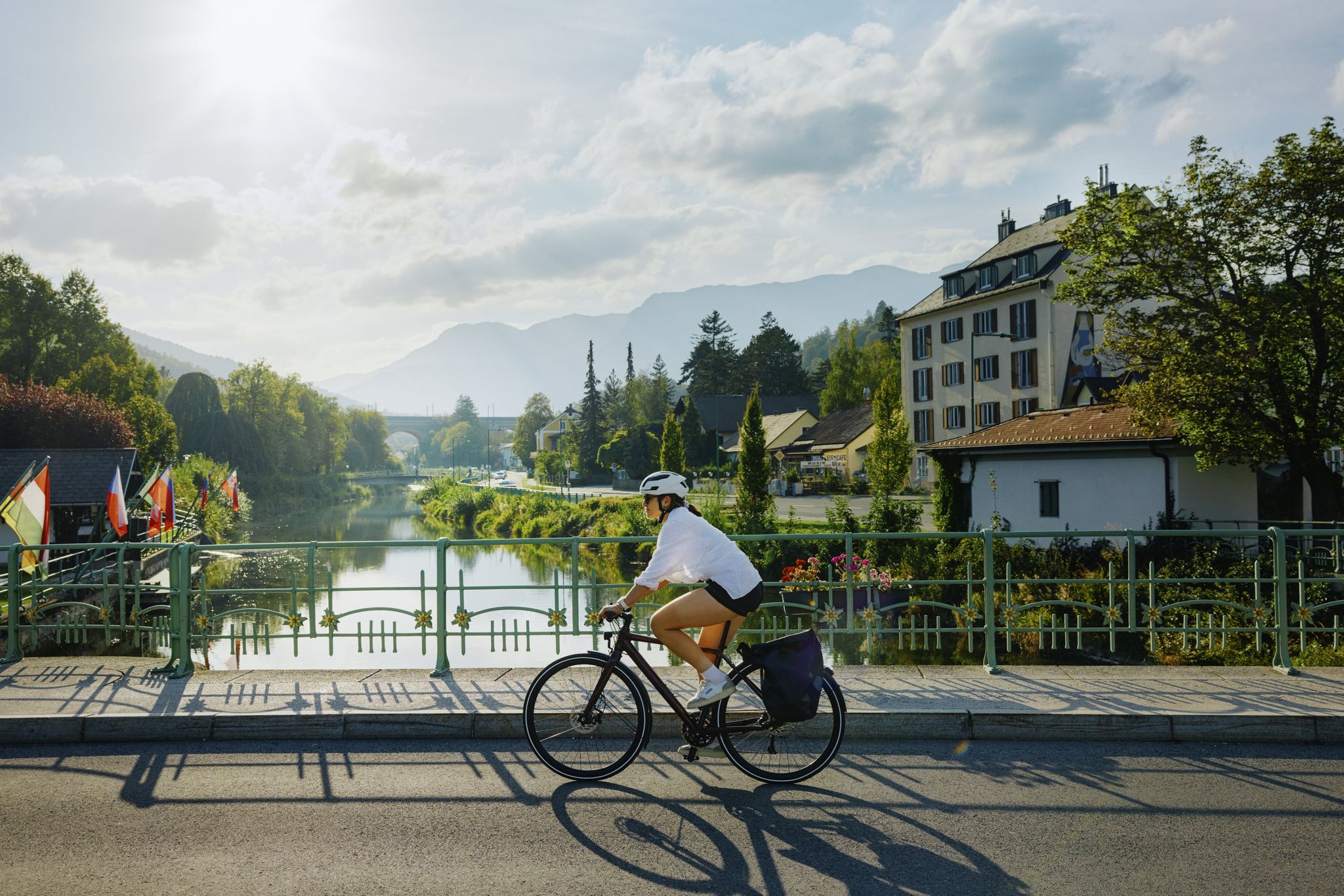
Ride & Relax – Mit dem Rad in den Wiener Alpen
Other adventures around Puchberg am Schneeberg


Tips from the Community

In the year 1182, in a deed by Margrave Otakar IV of Styria (also Ottokar), a certain "Chalhoch de Stratensteine" is attested, confirming the freedoms of Seckau Abbey, dedicated by his father. Two years later, his son "Ortolf" also appears in documents. Both names are characteristic of the Lords of Schrattenstein.
3
0
Around 1130, an Ortolfus de Clamma was mentioned in a document. In 1339, Hermann II. von Klamm-Pitten sold the castle to Dukes Albrecht, Friedrich, Leopold, and Otto. The castle was probably in the possession of the von Rappach family (noble family) until the beginning of the 15th century.
2
0
In 1094, the Benedictine monastery of Vornbach was elevated to an abbey. To the east, the donation of territories in the Neunkirchen-Pitten-Gloggnitz area to the Benedictines enabled the founding of a Vornbach filial monastery in Gloggnitz. After the completion of the new Christ the King Church (1962) near the town center, the monastery church became the former parish church.
2
0
Reichenau Castle in Reichenau an der Rax was first mentioned in a document in 1256. Today it is used for exhibitions, concerts, and seminars.
1
0

Gloggnitz Castle has shaped the townscape of Gloggnitz for centuries. The former Benedictine abbey impresses visitors with its historic courtyard and tranquil location on the edge of the town center. Today, the castle serves as a cultural and event venue, blending history with vibrant community life.
6
0

Beautiful, well-preserved castle with castle café
2
0

After centuries of decay, the ruins were painstakingly restored thanks to the dedication of Dr. Karl Leitner and today shine in their historic splendor. On the grounds, you'll find remnants of walls, towers with viewing platforms, and insights into the lives of former lords. Further information and fascinating background information on the castle's history can be found on the website of the Friends of Losenheim Castle Ruins Association: http://burgruine-losenheim.at/.
2
0

It's always nice to see such big old houses.
0
0
Frequently Asked Questions
What are some of the most popular castles to visit around Puchberg am Schneeberg?
Among the most popular are the Schrattenstein Castle Ruins, known for their magnificent views, and the Losenheim castle ruins, which have undergone painstaking restoration. Visitors also appreciate the historical significance of the Ruins of Klamm Castle.
What historical significance do the castles in Puchberg am Schneeberg hold?
The castles in the region, such as the Ruins of Klamm Castle, often date back to the early 12th or 13th century, serving as frontier fortresses or noble residences. They offer a tangible link to the Middle Ages and the region's past, with some, like the Puchberg Castle ruins, having their age determined through dendrochronological investigations.
Are there guided tours available for any of the castle ruins?
Yes, for the Puchberg Castle ruins, the "historia vivens 1300" association offers expert guided tours for groups and special programs for school classes by prior arrangement. Following extensive restoration, the castle can now be viewed from the inside. Appointments can be made by phone, and tours can also be arranged in conjunction with the Schneeberg Museum. For Losenheim castle ruins, groups of 5 or more can visit by prior arrangement.
What outdoor activities can I do near these castles?
The area around Puchberg am Schneeberg offers various outdoor activities. You can find numerous running trails, road cycling routes, and mountain biking trails. Many of these routes incorporate scenic views and historical sites, making them ideal for combining outdoor adventure with cultural exploration.
Are there family-friendly castles around Puchberg am Schneeberg?
Yes, Reichenau an der Rax Castle is noted as family-friendly. The Puchberg Castle ruins also offer educational programs for school classes, suggesting a family-oriented approach to history. Many ruins, like Losenheim castle ruins, provide an engaging experience for all ages to explore ancient walls and learn about the past.
What is the best time of year to visit the castles in Puchberg am Schneeberg?
The region's mountainous landscape and outdoor activities suggest that spring, summer, and early autumn are ideal for visiting, offering pleasant weather for exploring the ruins and combining visits with hiking or cycling. Winter can also be beautiful, but access to some ruins or trails might be affected by snow.
Are there hiking trails that lead directly to the castle ruins?
Many of the castle ruins, such as the Schrattenstein Castle Ruins and the Puchberg Castle ruins, are situated on hills or rocky outcrops, making them popular destinations for hikers. The Schrattenstein Castle Ruins are a worthwhile detour for hikers and can be the destination for a circular hike through the Johannesbach Gorge or from the Andreassteig Trail.
What amenities are available near the castle ruins in Puchberg am Schneeberg?
Puchberg am Schneeberg itself offers various amenities. Near Schloss Gloggnitz, there is a restaurant within the castle grounds. For other ruins, you'll find cafes, pubs, and accommodation options in the nearby towns and villages, including Puchberg am Schneeberg, which can be found through local tourist information or online resources like Visit A City.
Can I visit the castles with my dog?
While specific dog regulations for each ruin are not always explicitly stated, many outdoor areas and hiking trails in the Puchberg am Schneeberg region are dog-friendly. It's generally advisable to keep dogs on a leash, especially in historical sites or areas with other visitors. Always check local signage upon arrival.
Which castles have undergone significant restoration efforts?
The Losenheim castle ruins have undergone painstaking restoration thanks to dedicated efforts, now showcasing remnants of walls and towers with viewing platforms. Similarly, the Puchberg Castle ruins have seen extensive restoration, allowing visitors to view the castle from the inside.
How can I get to the castle ruins using public transport?
Puchberg am Schneeberg is accessible by public transport. From the town, local buses or walking trails can lead to the castle ruins. For specific routes and schedules, it's best to check local transport information or resources like Wikipedia for general transport links to the area.
What do visitors enjoy most about the castles around Puchberg am Schneeberg?
Visitors particularly enjoy the panoramic views offered by many of the castle ruins, such as the Schrattenstein Castle Ruins. The historical atmosphere, the opportunity to explore ancient walls, and the integration of these sites into beautiful hiking landscapes are also highly appreciated. The komoot community has shared over 550 photos and given more than 200 upvotes for these castles.
Most popular routes around Puchberg am Schneeberg
Most popular attractions around Puchberg am Schneeberg

Get inspired with the komoot mobile app


Explore more
Looking for the best castles somewhere else? Discover other guides around Puchberg am Schneeberg:
