Top 20 Castles around Rankweil
Best castles around Rankweil are found in Austria's westernmost state of Vorarlberg, a region characterized by its mountainous terrain and the Rhine Valley. This market town and its surroundings feature a fortified basilica, along with numerous historically rich castle ruins and well-preserved fortresses. These sites provide insight into the region's medieval past, offering historical, architectural, and scenic value. The area's elevated positions often provide extensive views over the surrounding landscape.
Best castles around Rankweil
- The most popular castles is Alt-Ems…
Last updated: June 22, 2026
Alt-Ems Castle Ruins
Highlight • Castle
Translated by Google •
Tip by

Schattenburg Castle
Highlight • Castle
The Schattenburg towers over the city and was the seat of the Counts of Montfort until the end of the 14th century. The keep, the highest part …
Translated by Google •
Tip by

Sign up now to discover places like this
Get recommendations on the best single tracks, peaks, & plenty of other exciting outdoor places.
Sign up for free
Untere Burg Schellenberg
Highlight • Castle
Translated by Google •
Tip by
Tosters Castle Ruins
Highlight • Castle
There is a very interesting assumption about Tostner Castle that it was a large, unfinished castle complex, of which only the ring wall, dating …
Translated by Google •
Tip by
Obere Burg Schellenberg
Highlight • Castle
There are two castle ruins in Schellenberg, the so-called Upper Castle being a very popular tourist destination and accessible after a short …
Translated by Google •
Tip by
Sign up for free to discover even more castles around Rankweil.
Sign up for free
Already have an account?
Start today with a free account
Your next adventure awaits.
Login or Signup
Popular around Rankweil
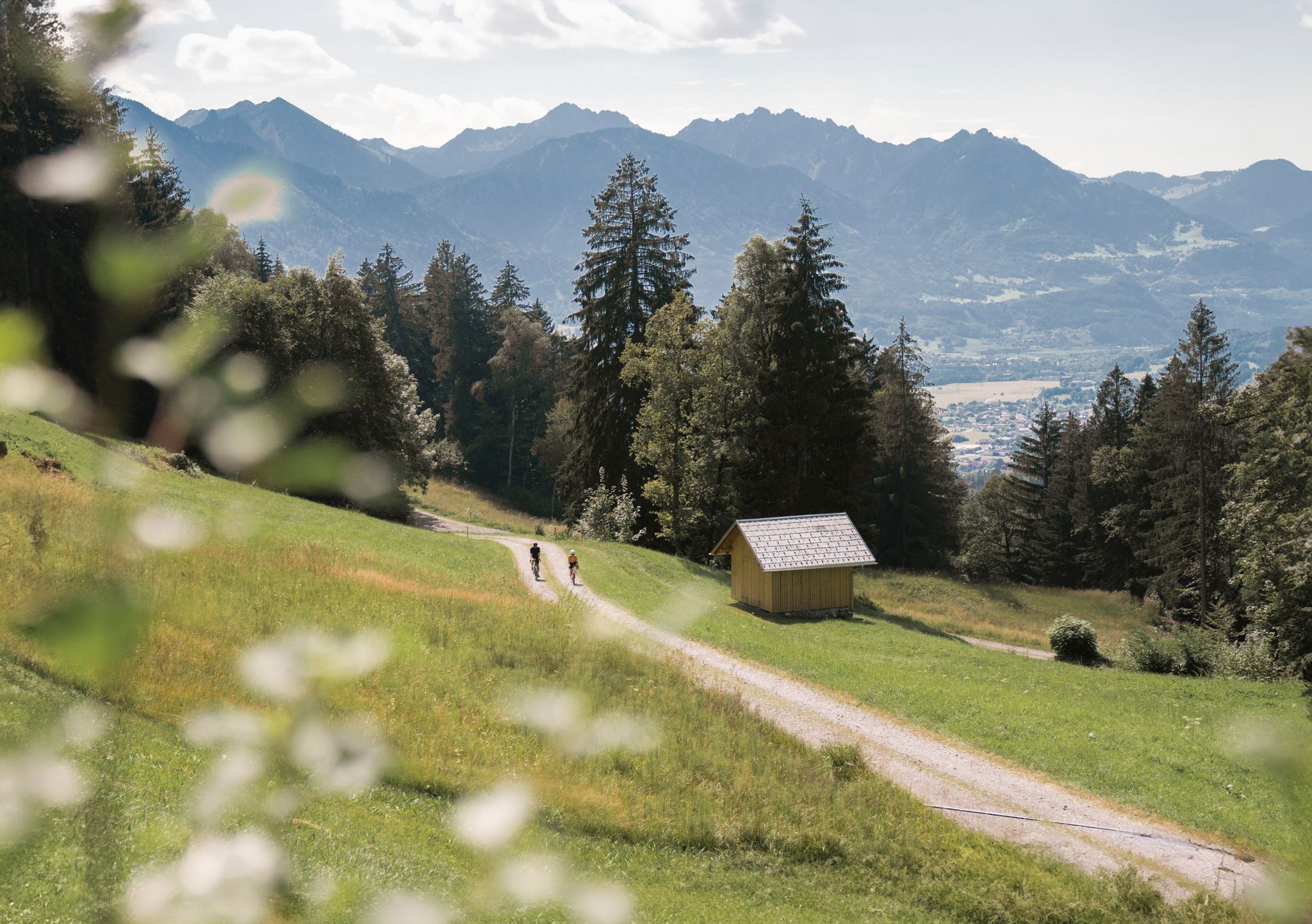
Discover Vorarlberg by gravel bike – twelve superb Tours
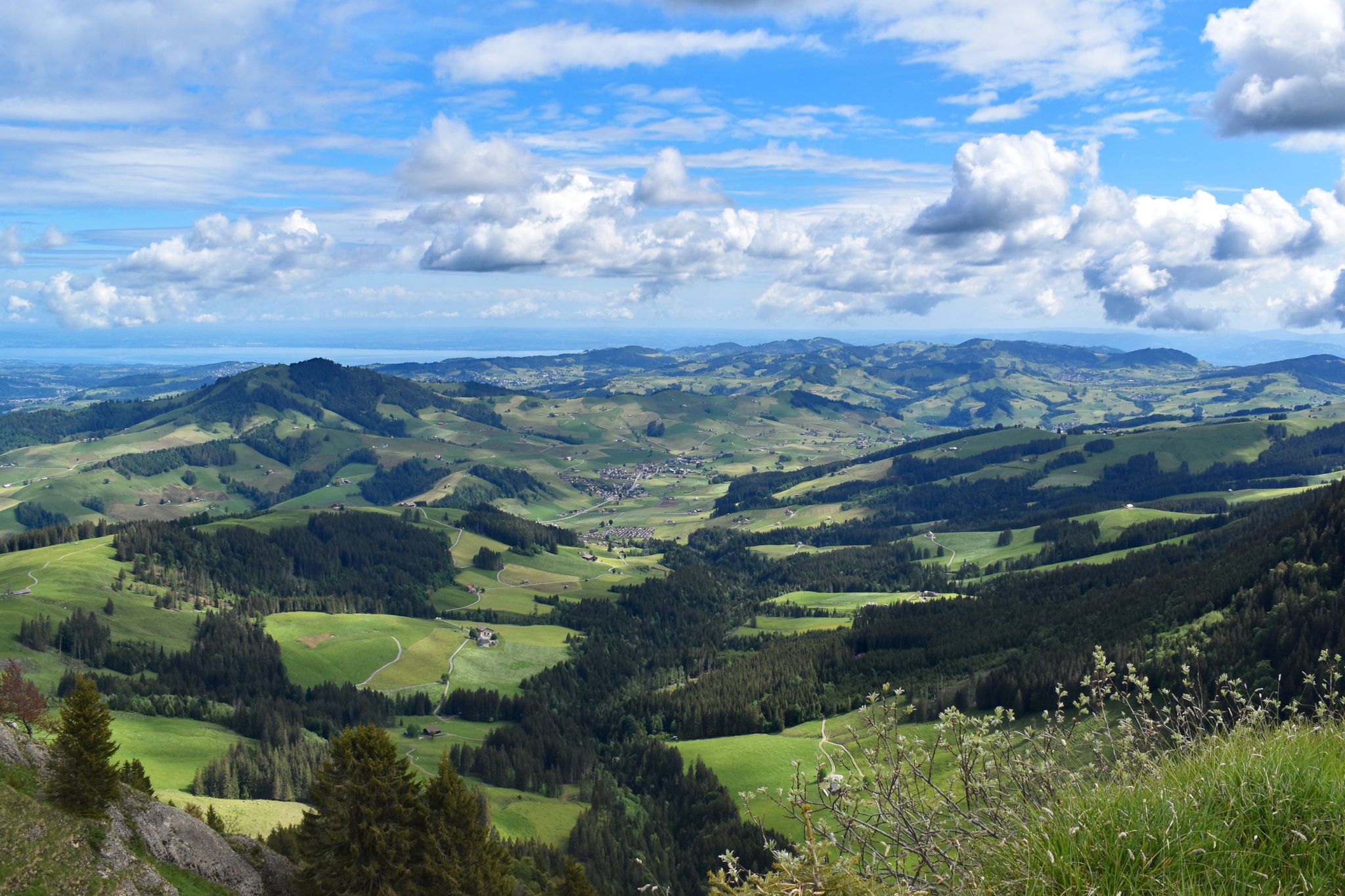
Appenzeller Weg – pilgrimage routes from Austria to Switzerland
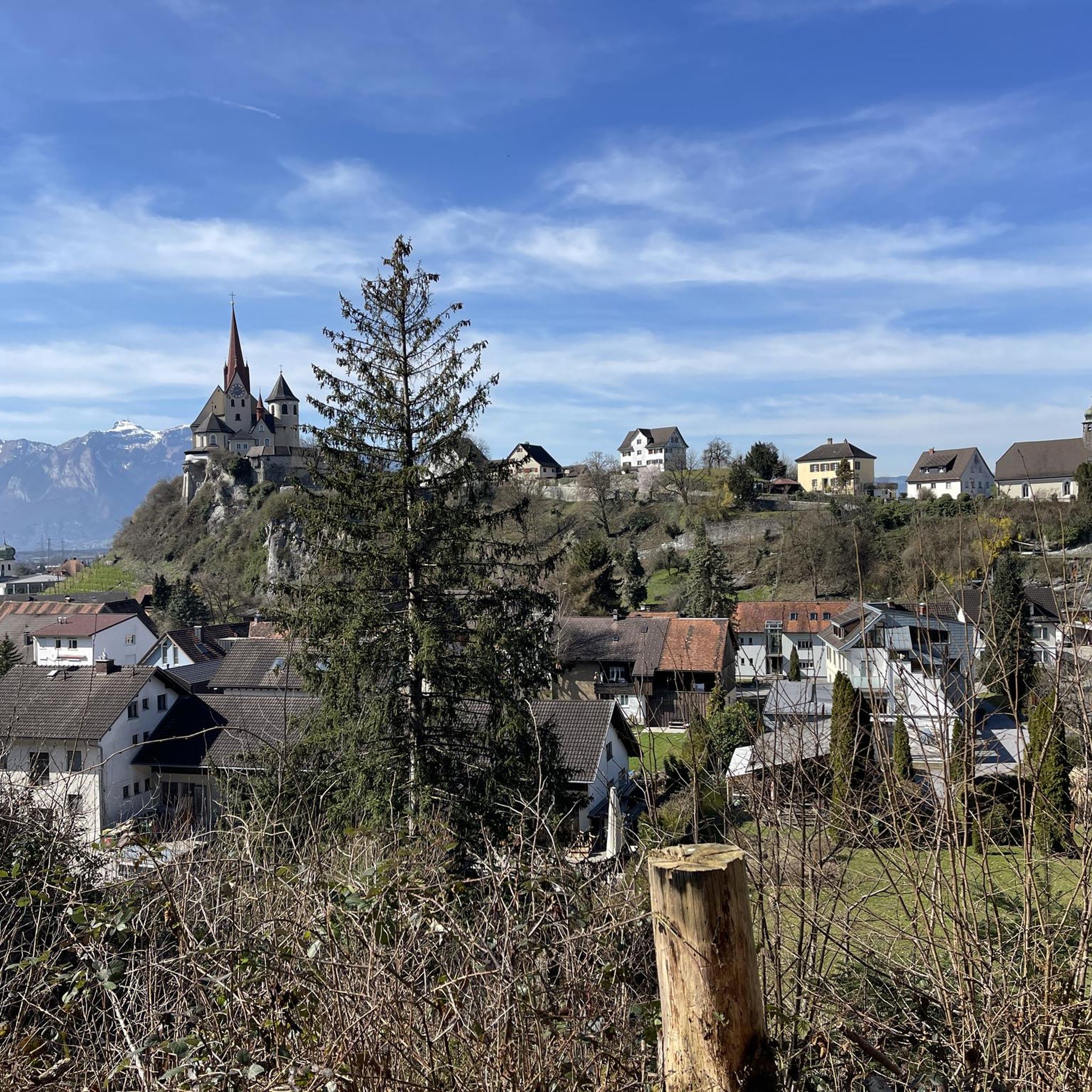
Cycling around Rankweil
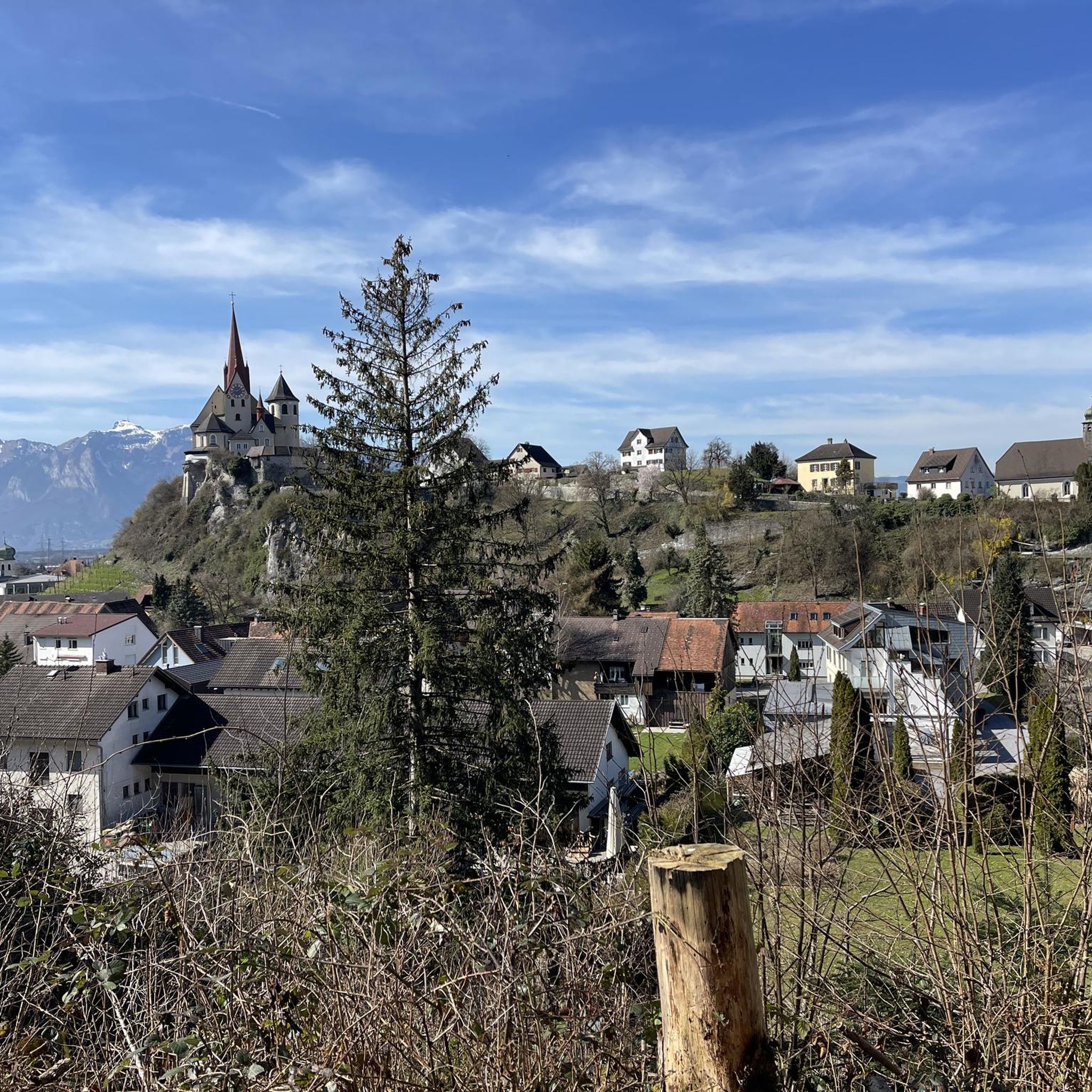
MTB Trails around Rankweil
Hiking around Rankweil
Road Cycling Routes around Rankweil

Gravel biking around Rankweil
Mountain Hikes around Rankweil
Running Trails around Rankweil


Tips from the Community

Upper Castle, Schellenberg / Castle Ruins in Schellenberg There are two castle ruins in Schellenberg, the so-called Upper Castle being a very popular tourist destination and accessible after a short walk. The upper and larger complex in the Hinterschloss district of Schellenberg was built from 1200 onwards and already possessed all the important elements of a medieval castle. The Upper Castle was first mentioned in a document dated January 10, 1348. The Lower Castle was built around 1250 as a smaller complex and only reached its final form and size after 1350. The first documented mention of this castle dates back to 1317. Presumably, both castles had been uninhabited since the 16th century and gradually fell into disrepair. Prince Franz Josef II donated the heavily overgrown ruins to the Historical Society in 1956, which subsequently had them researched and preserved. Text / Source: Liechtenstein Marketing / Official Tourism Website of the Principality of Liechtenstein https://tourismus.li/lie/ort/Burgruinen%20in%20Schellenberg/
14
0
The Construction History of Tostner Castle There is a very interesting assumption about Tostner Castle that it was a large, unfinished castle complex, of which only the ring wall, dating from the end of the 12th century/beginning of the 13th century, was built. The present keep, gatehouse, and palace (possibly also outbuildings) were built into these in the second half of the 13th century. This theory is supported primarily by the truly remarkable placement of the palace, which was placed right above the ring wall and occupies a remarkable position within the castle complex. During the Appenzell Wars, which raged heavily in this region, Tostner Castle was also severely damaged in 1405, but was rebuilt after 1408. The very spacious, yet sparsely built castle complex, was abandoned before 1616 and has since fallen into disrepair. The keep was restored in 1938/39, and extensive renovations followed in 1974 and 1980. Text / Source: Tosters Castle Ruins Tourist Information, Schlossergasse 8, A-6800 Feldkirch http://www.burgenkunde.at/vorarlberg/vbg_Burgruine_Tosters/vbg_Burgruine_Tosters.htm
13
0


Well preserved and worth a visit, from here the rock band path is also recommended.
8
1

Great castle ruins with a tower visible from far away.
3
1
Smaller than the other ruins, but also definitely worth seeing, especially the bread oven.
4
2

Beautiful, well-kept castle ruins on the rocky path. The ideal place for a relaxing break. 🥰
9
2

Frequently Asked Questions
What are some of the most historically significant castles in the Rankweil region?
The region boasts several sites of historical importance. The Rankweil Basilica, a fortified church, has origins dating back to 700 AD and showcases Romanesque and Gothic styles. Schattenburg Castle in Feldkirch is one of Central Europe's best-preserved medieval fortresses, housing a museum. The Alt-Ems Castle Ruins were once among the largest castle complexes in Central Europe, offering a glimpse into monumental medieval architecture.
Are there any family-friendly castles to visit near Rankweil?
Yes, several castles offer engaging experiences for families. Schattenburg Castle in Feldkirch features an extensive museum and a restaurant known for its 'giant schnitzel,' making it a fun outing. The Tosters Castle Ruins are also considered family-friendly, offering an accessible hilltop ruin with a visible tower.
Which castles offer the best panoramic views of the Rhine Valley?
Many castles in the region are strategically located for impressive views. The Alt-Ems Castle Ruins, situated at 740 meters above sea level, provide extensive views over the Rhine Valley. Schattenburg Castle's keep serves as a viewing platform with panoramic vistas over Feldkirch and the surrounding area. Additionally, Untere Burg Schellenberg is located about 150 meters above the Rhine Valley, offering scenic perspectives.
Can I combine a castle visit with outdoor activities like hiking or cycling?
Absolutely! Many castles are accessible via scenic trails. For instance, the Alt-Ems Castle Ruins are part of an intermediate trail. The area around Rankweil is also excellent for cycling. You can find various routes, including gravel biking and road cycling, that pass by or near historical sites. Explore options like the MTB Trails around Rankweil or Road Cycling Routes around Rankweil for more ideas.
What unique architectural features can be found among the castles in this region?
The castles around Rankweil showcase diverse architectural styles. The Rankweil Basilica is a fortified church with a blend of Romanesque and Gothic elements, including defensive walls and battlements. Schattenburg Castle is a remarkably preserved medieval fortress with a 13th-century keep. Neu-Ems Castle (Schloss Glopper) exemplifies Gothic architecture with later modifications, featuring a keep-like bulwark and residential palace sections.
Are there any castle ruins that are particularly extensive or offer a sense of past grandeur?
The Alt-Ems Castle Ruins are a prime example. Once one of the largest castle complexes in Central Europe, its sheer scale, even in ruins, provides a vivid impression of its former glory. It was an extensive 800-meter-long complex with multiple gates and rooms. The Welsch-Ramschwag Castle Ruins also offer a sense of history, having been destroyed during the Appenzell War in 1405.
What do visitors typically enjoy most about the castles near Rankweil?
Visitors frequently appreciate the historical depth and scenic beauty. Many highlights, like the Alt-Ems Castle Ruins, are praised for their 'fabulous view.' The well-preserved nature of sites like Schattenburg Castle, with its museum and inn, makes it 'always worth a visit.' The combination of exploring ancient structures and enjoying panoramic landscapes is a common highlight.
Is it possible to reach these castles using public transport?
While specific public transport details for each castle vary, the region around Rankweil is generally well-connected. For castles like Schattenburg Castle in Feldkirch, public transport options to the nearby city are usually available, often followed by a short walk. For more remote ruins, a combination of public transport and hiking might be necessary. It's advisable to check local transport schedules for specific routes.
Are there any castles that are particularly suitable for a short, easy walk?
For an easier walk, the Tosters Castle Ruins offer a pleasant experience. It's a hilltop ruin that is generally accessible and provides a glimpse into history without requiring an overly strenuous hike. The Rankweil Basilica is also centrally located and easily accessible within the town.
What kind of historical events are associated with the castles in the Rankweil area?
The castles in this region have witnessed significant historical events. Many, like the Tosters Castle Ruins and Welsch-Ramschwag Castle Ruins, were damaged or destroyed during the Appenzell War in the early 15th century. Schattenburg Castle served as the seat of the powerful Counts of Montfort. The Rankweil Basilica has been a site of continuous religious and historical significance for over 1,300 years, including its role as a pilgrimage destination.
Are there opportunities for mountain biking near the castles?
Yes, the region offers mountain biking opportunities. While not directly adjacent to every castle, you can find various MTB trails in the broader area around Rankweil that allow you to explore the natural landscape. For detailed routes and difficulty levels, refer to the MTB Trails around Rankweil guide.
Most popular routes around Rankweil
Most popular attractions around Rankweil

Get inspired with the komoot mobile app


Explore more
Looking for the best castles somewhere else? Discover other guides around Rankweil:
