Top 20 Castles around Dürnstein
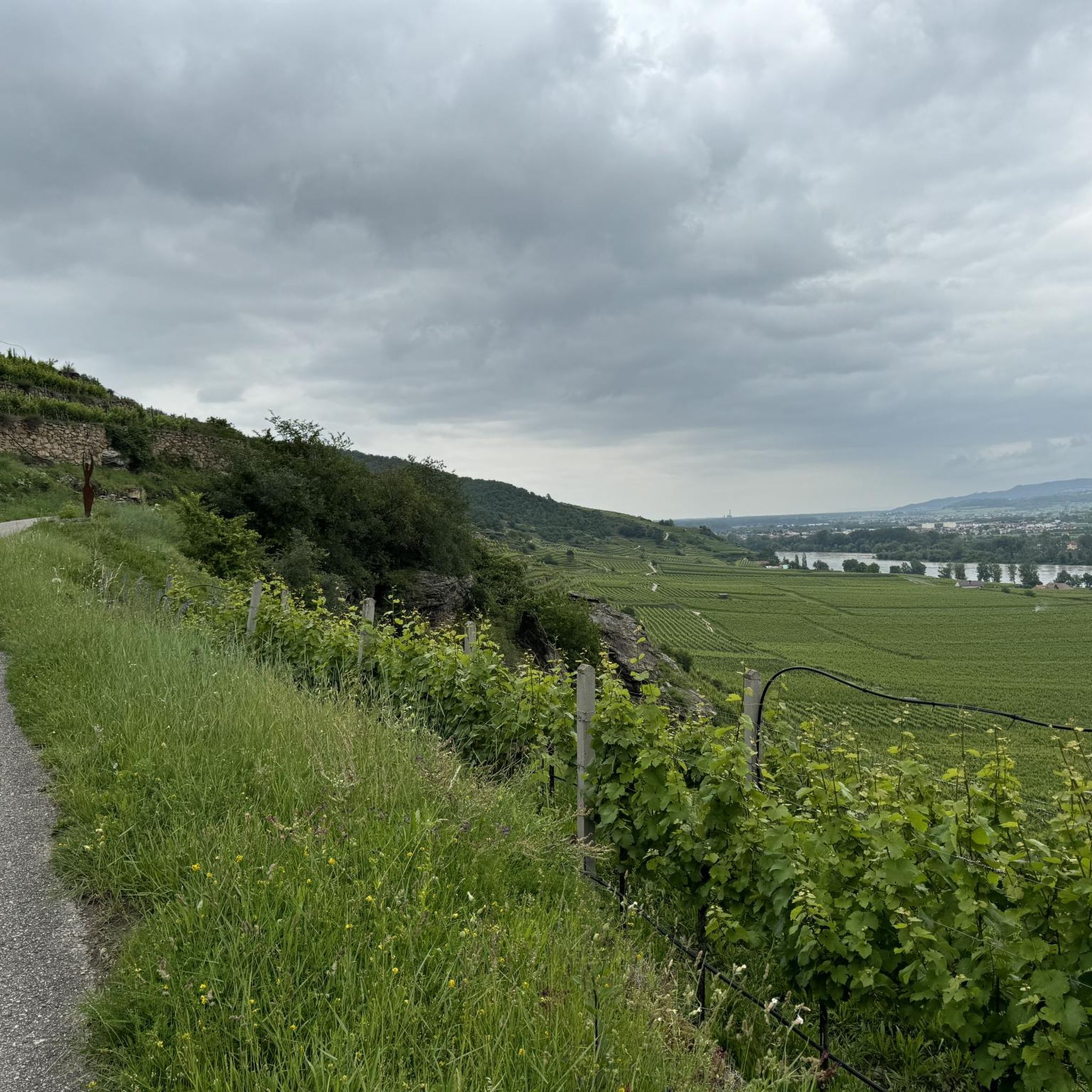
Best castles around Dürnstein are found in the Wachau Valley, a region characterized by its terraced vineyards and the Danube River. This area is historically significant, notably for its medieval fortifications. The castles here offer insights into centuries of history and provide views of the surrounding landscape.
Best castles around Dürnstein
- The most popular castles is Dürnstein Castle Ruins, a castle that was built in the 12th century. It is known for the imprisonment of King Richard the Lionheart from December 1192 to March 1193.
- Another must-see spot is Hinterhaus Castle Ruins, a castle first mentioned in 1243. Visitors can enjoy views of the Danube valley and the Spitzer Graben from this well-preserved ruin.
- Visitors also love Senftenberg Castle Ruins, a castle dating back to the 11th century. This large ruin features an observation tower and offers views of the Krems Valley.
- Dürnstein is known for medieval castle ruins and historical sites. The region offers a variety of fortifications to explore, each with its own historical narrative.
- The castles around Dürnstein are appreciated by the komoot community, with over 1000 upvotes and more than 1100 photos shared.
Last updated: October 4, 2026
Dürnstein Castle Ruins
Highlight • Castle
Translated by Google •
Tip by

Dürnstein Old Town
Highlight • Historical Site
Showing Translation
Tip by

Sign up now to discover places like this
Get recommendations on the best single tracks, peaks, & plenty of other exciting outdoor places.
View of historic Dürnstein
Highlight • Historical Site
Translated by Google •
Tip by

View of Dürnstein
Highlight • Viewpoint
Translated by Google •
Tip by
Hinterhaus Castle Ruins
Highlight • Castle
From here you can enjoy a wonderful view of the Danube valley and the "Spitzer Graben".
Translated by Google •
Tip by

Sign up for free to discover even more castles around Dürnstein.
Already have an account?
Start today with a free account
Your next adventure awaits.
Tips from the Community

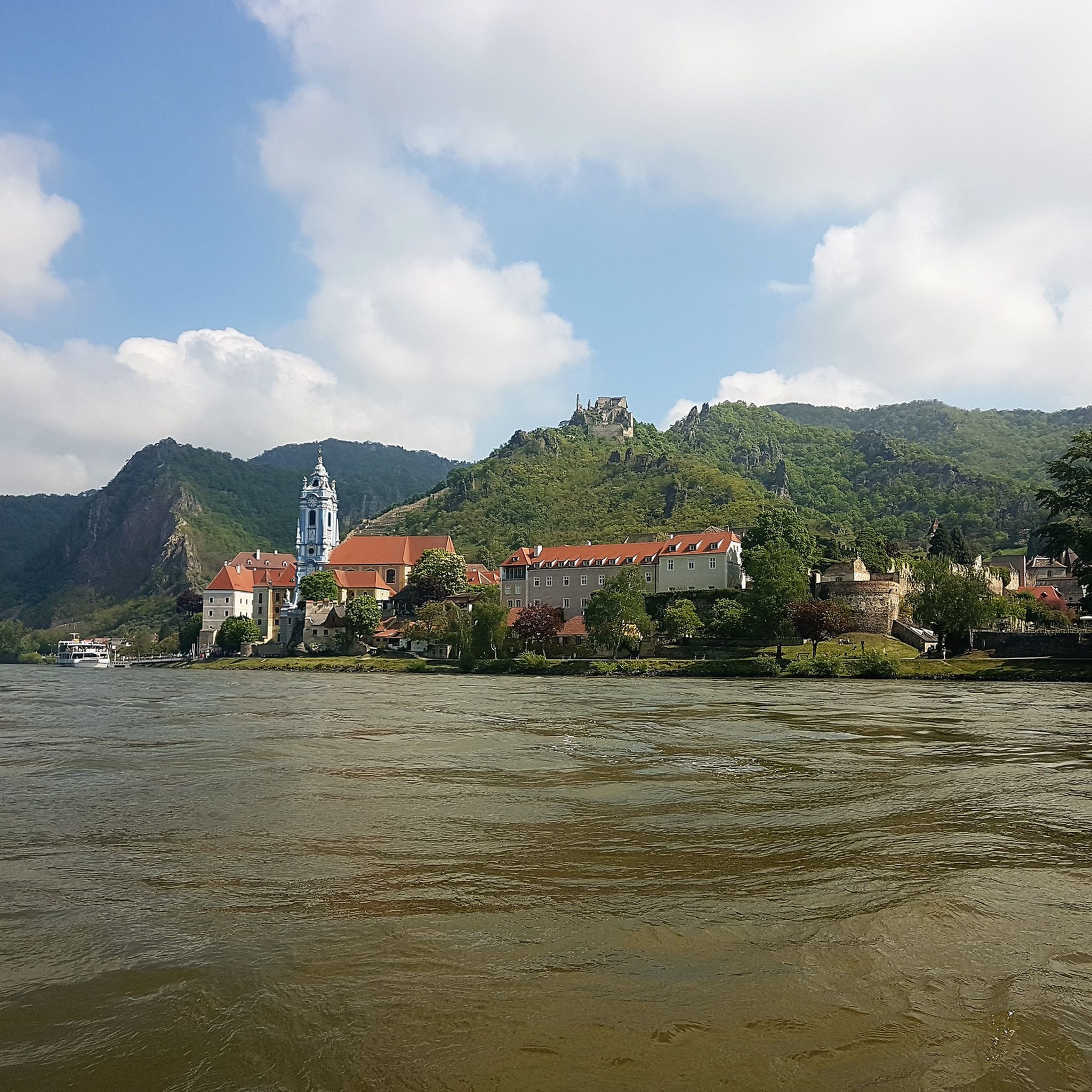
Dürnstein is a small old town with many tourists.
0
0

The view from Dürnstein Castle is breathtakingly beautiful!
8
0


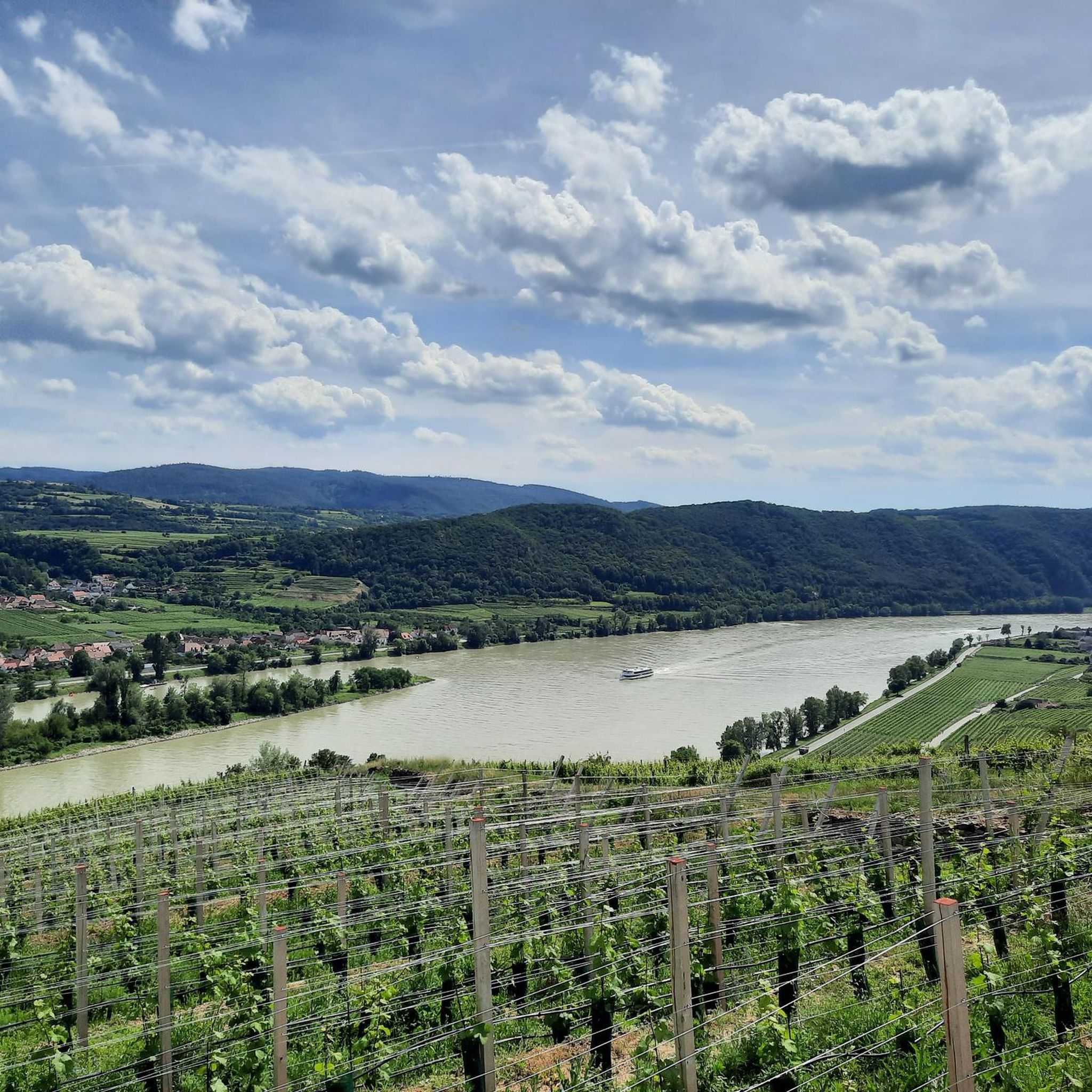
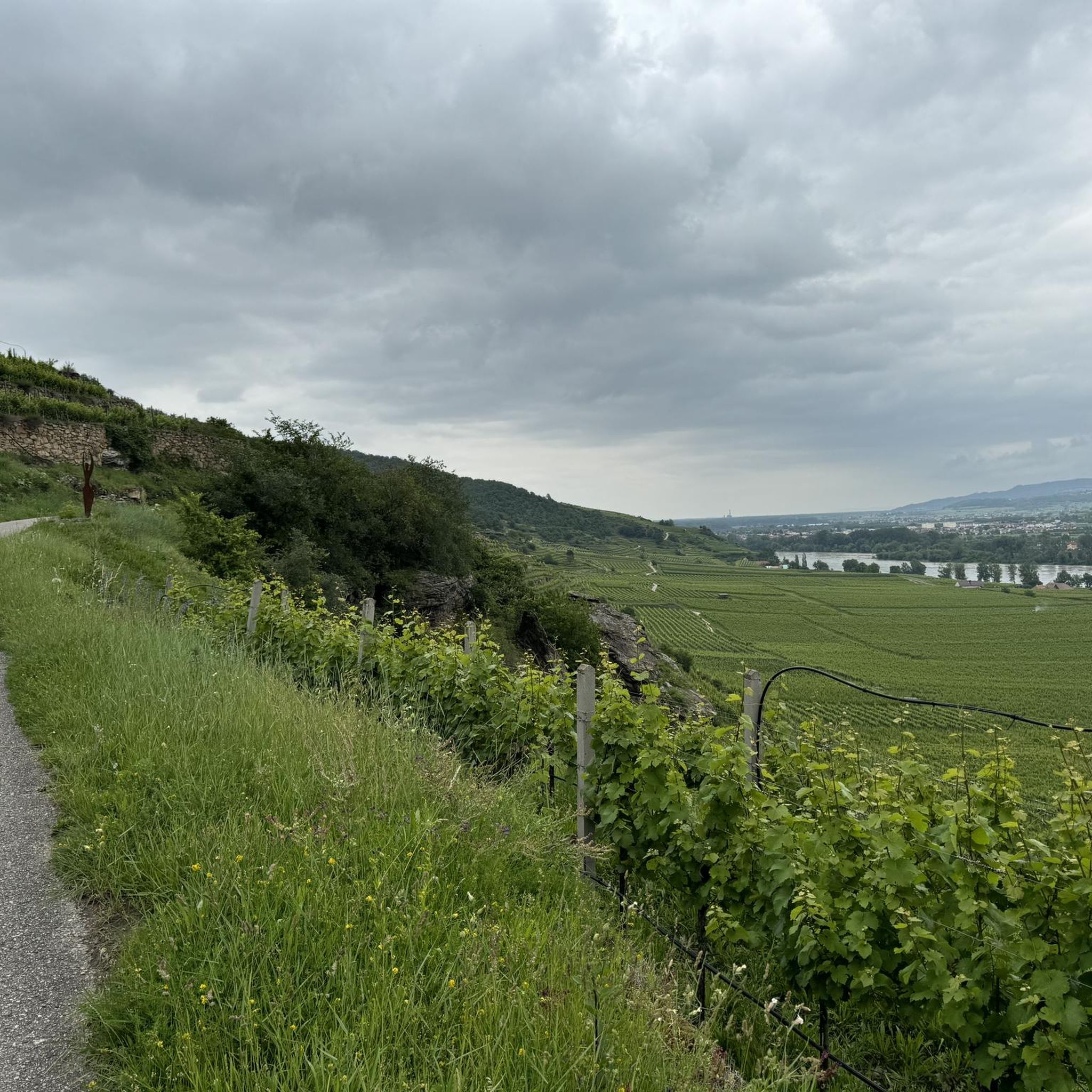
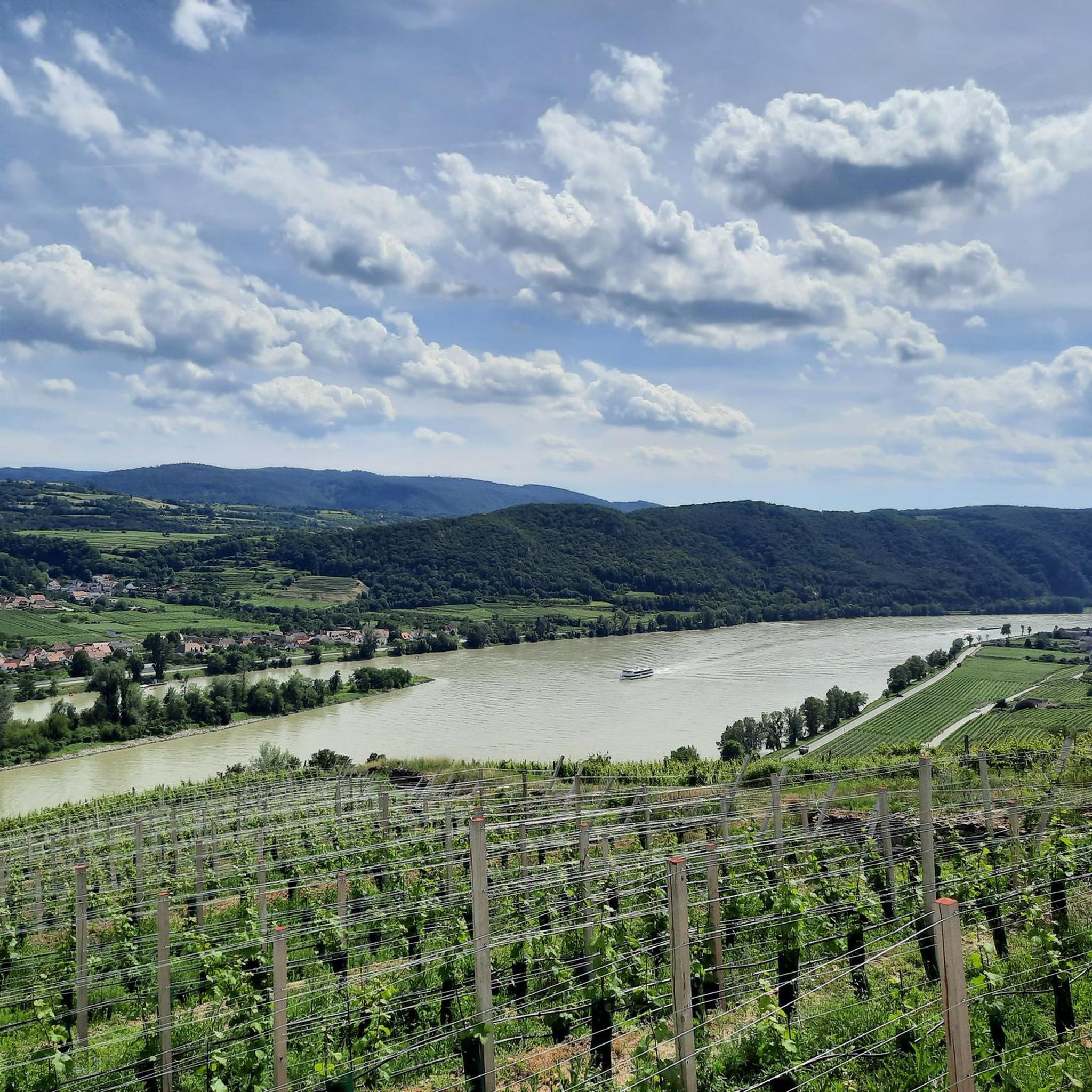
I find the southern side of the Wachau much more pleasant and beautifully laid out as a cycle path. You cycle through beautiful orchards and vineyards and small villages, and on top of that you have fantastic views of the northern slopes of the Wachau.
5
0

From Dürnstein-Oberloiben, the bus to Krems/Melk runs hourly. Dürnstein, a Wachau village with hourly bus connections to Krems/Melk, is historically closely linked to the Kuenringers. The place gained fame through the imprisonment of King Richard the Lionheart (1192/1193), whose ransom contributed to prosperity and development.
3
1

In 1192, Richard the Lionheart was imprisoned in the castle by the Habsburgs because of an insult during the Third Crusade and was released after paying a very high ransom.
3
0

Dürnstein is simply beautiful
4
0

Dürnstein is worth a visit
3
0
Frequently Asked Questions
Which castles around Dürnstein are most popular with visitors?
The most popular castle is the Dürnstein Castle Ruins, famous for its history with Richard the Lionheart and breathtaking views. Other highly-rated ruins include Hinterhaus Castle Ruins, offering views of the Danube valley, and Senftenberg Castle Ruins with its observation tower overlooking the Krems Valley.
What is the historical significance of Dürnstein Castle Ruins?
The Dürnstein Castle Ruins are most famous as one of the places where King Richard I of England, Richard the Lionheart, was imprisoned from December 1192 to March 1193 during his return from the Third Crusade. This event significantly shaped the region, as the substantial ransom paid for his release was used to strengthen local cities.
Are there hiking trails to the Dürnstein Castle Ruins?
Yes, the Dürnstein Castle Ruins are freely accessible via well-maintained hiking paths. You can choose an easier route from the Kremser Gate or a slightly steeper path from the old town. The ascent typically takes 20-25 minutes and is part of the Wachau World Heritage Trail. For more hiking options, explore the routes in the Hiking around Dürnstein guide.
What kind of views can I expect from the castles?
From the Dürnstein Castle Ruins, you'll get spectacular panoramic views of the winding Danube River, the terraced vineyards of the Wachau Valley, and the charming town of Dürnstein below. Hinterhaus Castle Ruins offers wonderful views of the Danube valley and the Spitzer Graben, while Senftenberg Castle Ruins provides great views of the Krems Valley.
Are the castle ruins around Dürnstein family-friendly?
Many of the castle ruins, including the Dürnstein Castle Ruins, are suitable for families. The hike up to Dürnstein Castle is rewarding for children, and the Dürnstein Old Town itself is considered family-friendly with its historical charm. Always consider the difficulty of specific trails when planning with younger children.
Can I bring my dog to the castle ruins?
Generally, dogs are welcome on the hiking trails leading to the castle ruins in the Dürnstein area, including the Dürnstein Castle Ruins. It's always advisable to keep them on a leash and ensure they are comfortable with the terrain, as some paths can be steep.
What is the best time of year to visit the castles in Dürnstein?
The Dürnstein Castle Ruins are freely accessible all year round. Many visitors recommend visiting around sunset for golden light and magnificent vistas. Spring and autumn offer pleasant temperatures for hiking, while summer provides longer daylight hours. Visiting in winter can offer a unique, quieter experience, but be prepared for potentially colder weather and icy paths.
Are there other outdoor activities near the castles in Dürnstein?
Beyond exploring the castles, the Dürnstein area offers a variety of outdoor activities. You can find numerous hiking trails, including moderate and difficult options like the 'Dürnstein Pulpit – Vogelbergsteig Ridge Trail loop'. For cyclists, there are gravel biking routes such as the 'Wachau Vineyards Route'. Running enthusiasts can also find trails like the 'Mautern Bridge – Dürnstein Old Town loop'. Explore more options in the Hiking around Dürnstein, Gravel biking around Dürnstein, and Running Trails around Dürnstein guides.
Where can I find food and drinks near the Dürnstein castles?
The charming Dürnstein Old Town, located directly below the Dürnstein Castle Ruins, offers a selection of cafes, pubs, and restaurants. You'll find options to refresh yourself after your castle explorations.
Is there parking available near the Dürnstein Castle Ruins?
Parking is available in and around the town of Dürnstein. From the town, you can easily access the hiking paths leading up to the Dürnstein Castle Ruins. Specific parking information can often be found on local tourism websites.
What makes Hinterhaus Castle Ruins worth visiting?
The Hinterhaus Castle Ruins, first mentioned in 1243, are notable for their well-preserved structure and strategic location on a rocky ridge. Visitors appreciate the wonderful views of the Danube valley and the Spitzer Graben from this site.
Are there any castles that are not open to the public?
Yes, the Rehberg Castle Ruins, while historically significant and nice to see from the outside, are not open to the public. However, the outer bailey and church area are freely accessible.
Most popular routes around Dürnstein
Most popular attractions around Dürnstein

Get inspired with the komoot mobile app


Explore more
Looking for the best castles somewhere else? Discover other guides around Dürnstein:
