The 20 Most Amazing Peaks around Faak am See
Best mountain peaks around Faak am See are found in Finkenstein am Faaker See, a region in Carinthia, Austria. This area provides a diverse landscape of mountains, lakes, and valleys. The peaks offer various experiences, from challenging ascents to family-friendly routes. The region is characterized by its natural features and serves as a meeting point for multiple countries at some summits.
Best mountain peaks around Faak am See
- The most popular mountain peaks is Three-Country Point (Peč / Ofen /…
Last updated: October 9, 2026
Corner of the three States
Highlight • Summit
Showing Translation
Tip by

Three-Country Point (Peč / Ofen / Monte Forno) Summit
Highlight • Summit
Translated by Google •
Tip by

Sign up now to discover places like this
Get recommendations on the best single tracks, peaks, & plenty of other exciting outdoor places.
Dobratsch Summit
Highlight • Summit
Translated by Google •
Tip by

Mittagskogel summit cross
Highlight • Summit
Translated by Google •
Tip by

Ferlacher Spitze Summit
Highlight • Summit
Translated by Google •
Tip by

Sign up for free to discover even more peaks around Faak am See.
Already have an account?
Start today with a free account
Your next adventure awaits.
Popular around Finkenstein am Faaker See
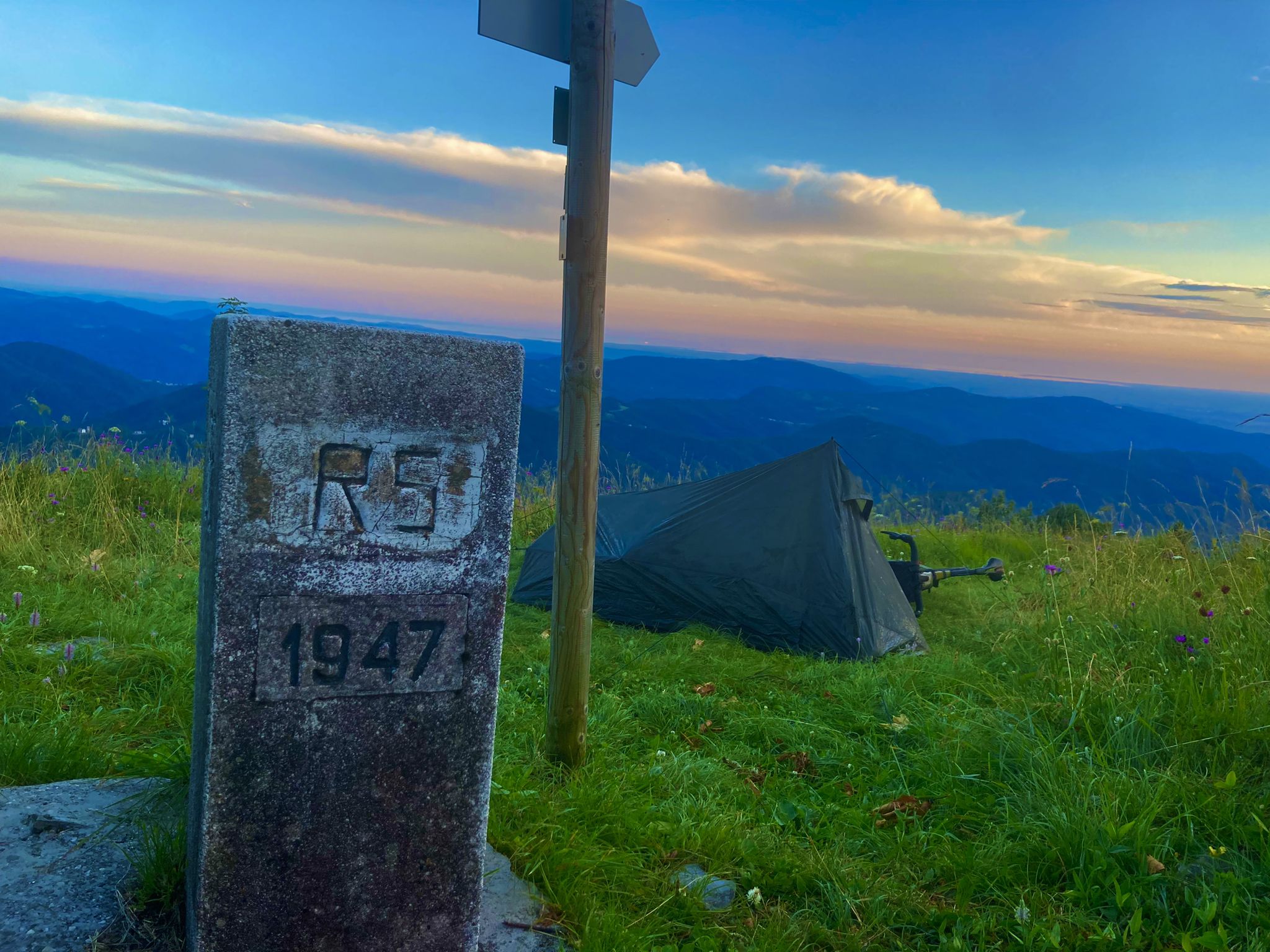
From Bavaria to the Adriatic - My Bikepacking Adventure to Croatia 2023
Southern Alpine Trail – Styrian vineyards and the Carnic Alps in Austria
Alpe-Adria-Trail: My long-distance hike from the glacier to the sea
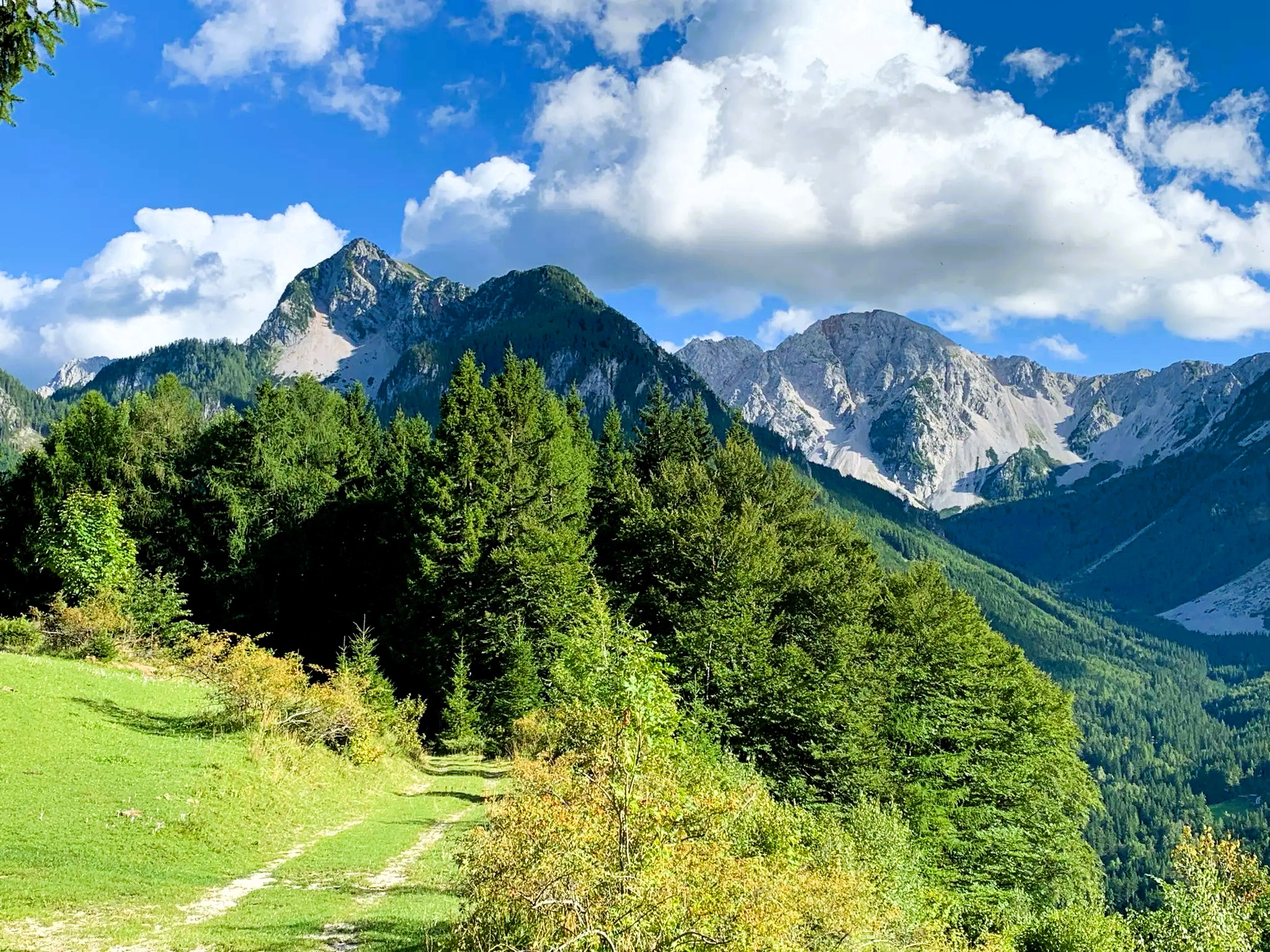
Hiking at Wörthersee – varied trails between lakes and peaks
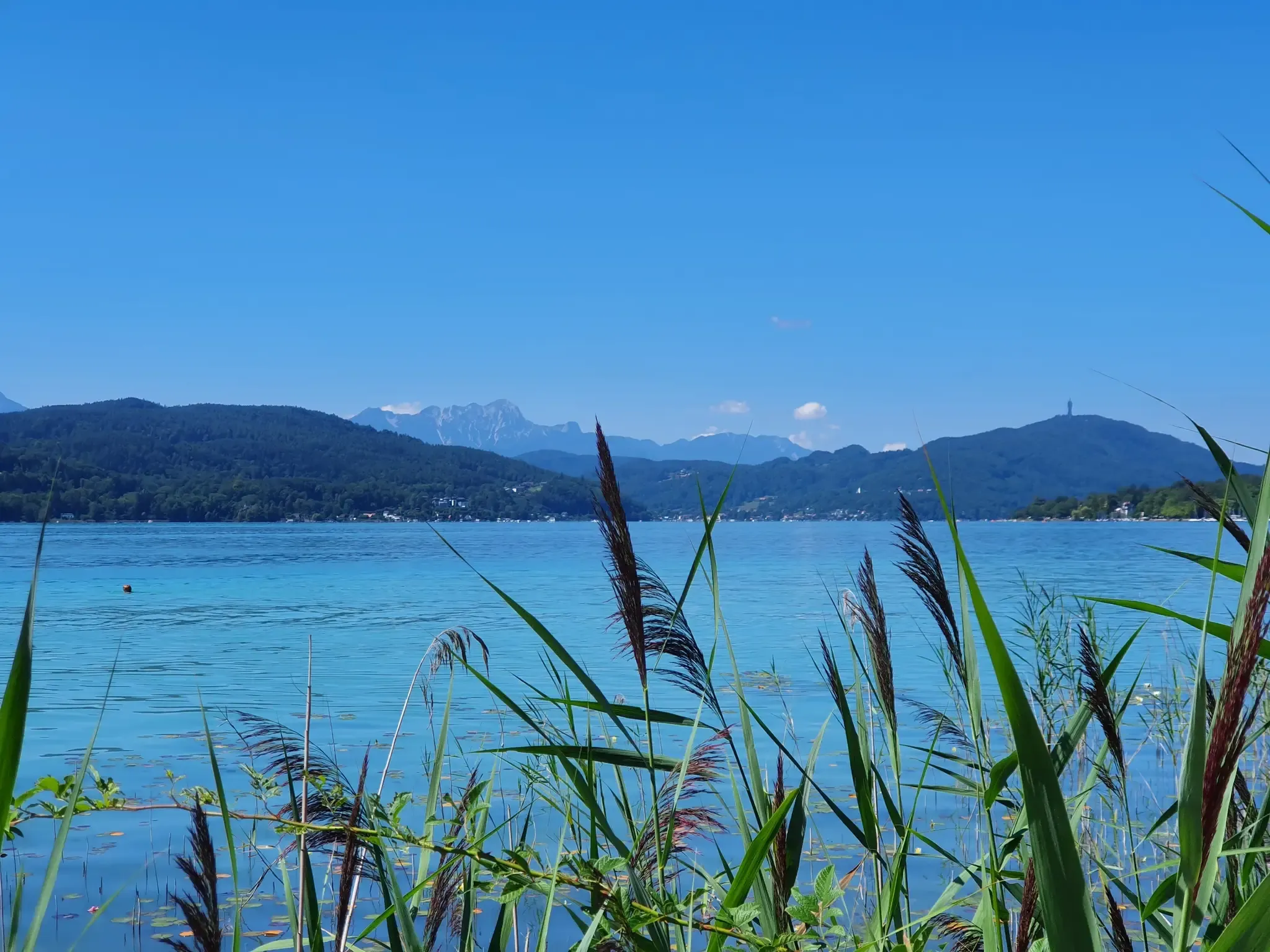
Dreamy rides around Wörthersee for leisure cyclists and gravel enthusiasts
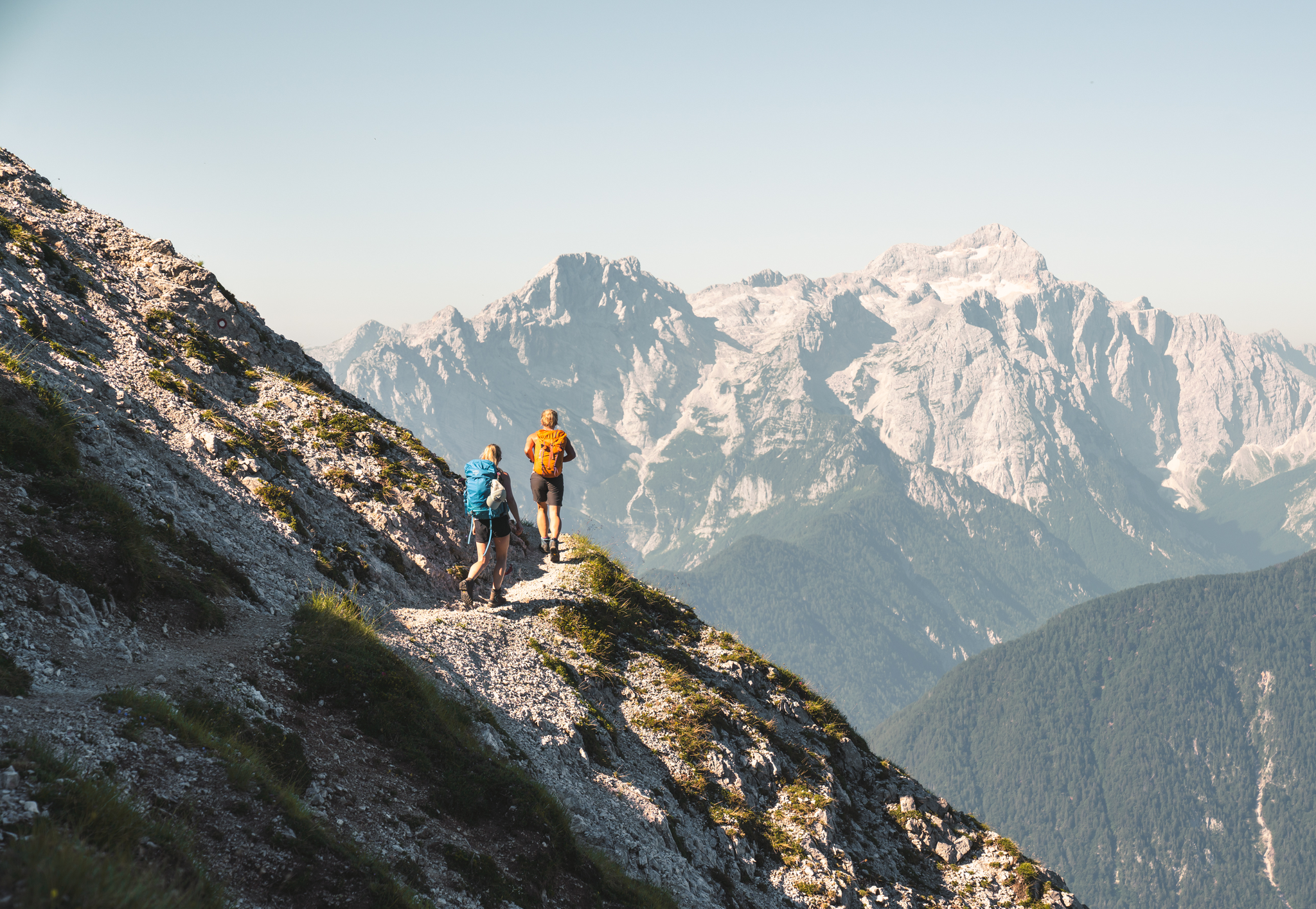
Sunny adventures on the Southern Alps Panorama Trail
BUCKETRIDE Festival 2026
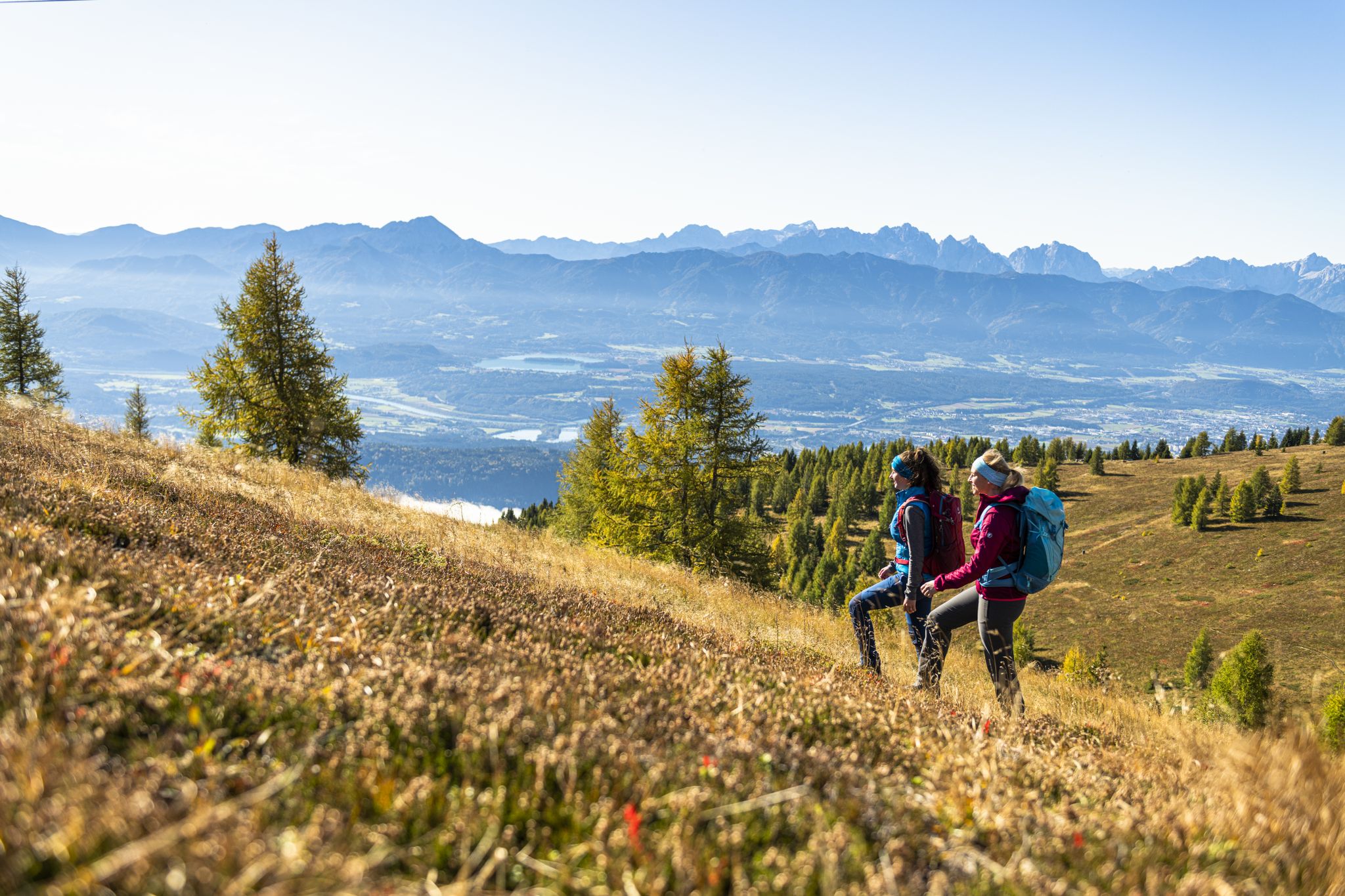
Autumnal mountain hut treks in the Villach region
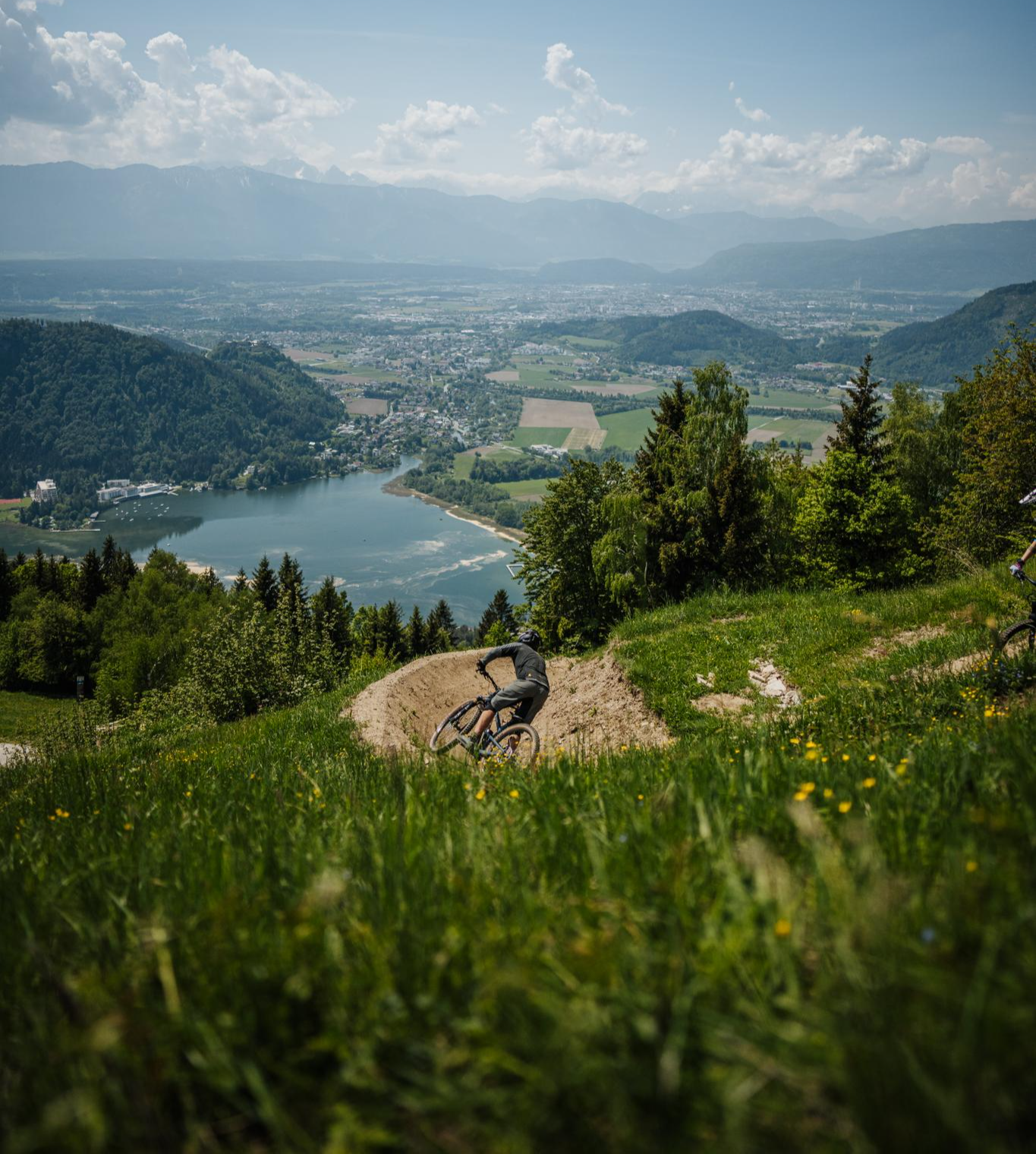
Trail action in Villach – start your MTB adventure now
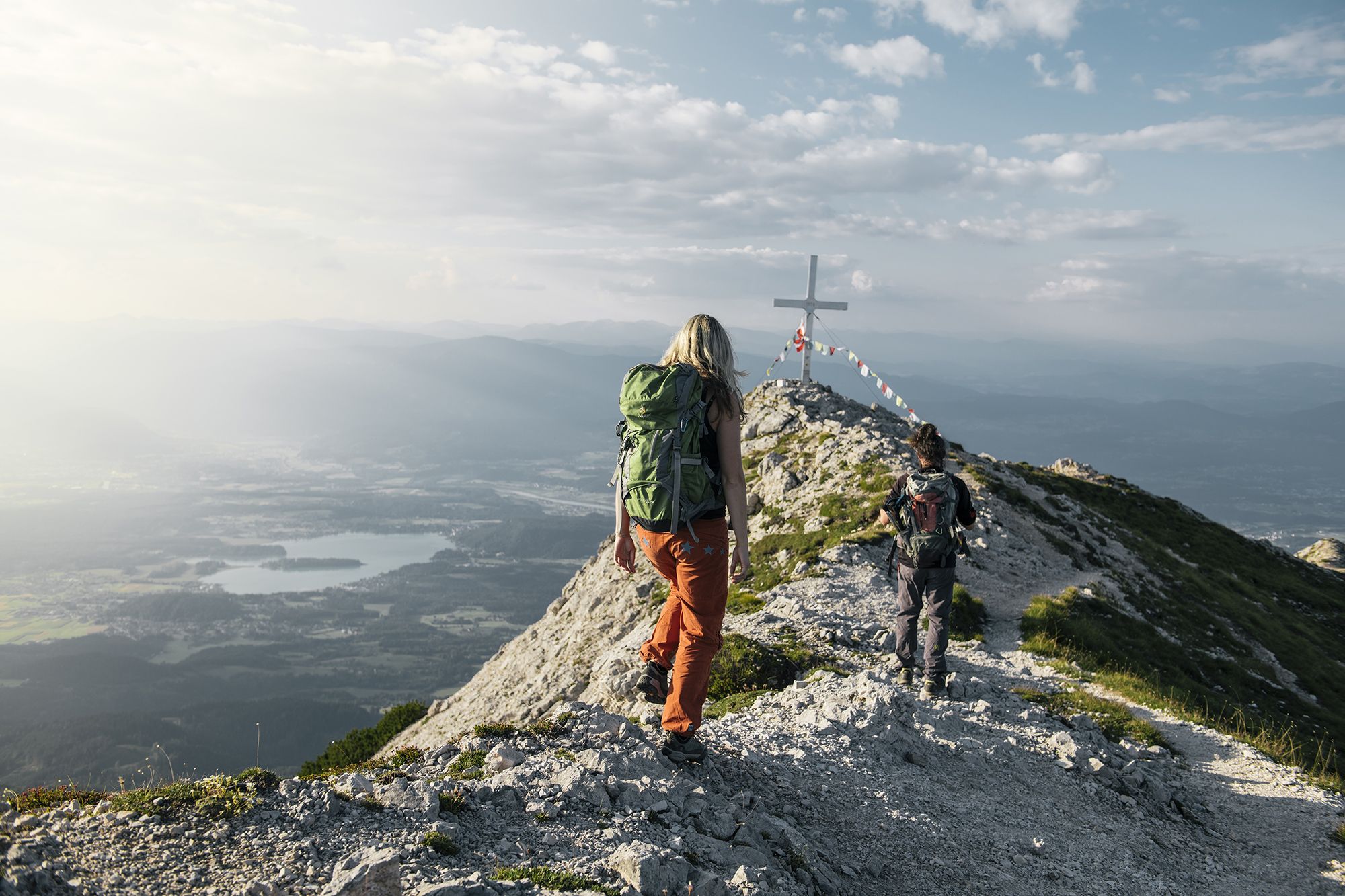
Hike to the most beautiful views around Villach in Austria
Other adventures around Faak am See


Tips from the Community

beautiful moderate summit tour with 2 stops
0
0

Great views and a great MTB approach from Slovenia. MTB descents towards Austria are apparently not permitted.
0
0

The very conceptual name is both complete and true to the program. A great opportunity to stand high up at a "three-state junction" and look down on their countries.
0
0

The route to the summit of the Dobratsch, starting point at the Rosstratte car park, can be done in several ways. The easiest, however, is to follow the "normal" route. This should also be possible for inexperienced and not particularly well-equipped people. Good footwear is a must, however, as the path is partly made of coarse gravel and can be slippery, especially when going downhill. It is around 4.5 km with an elevation difference of around 450 m. The effort is definitely worth it, the view from the summit cross is fantastic.
3
0

...After mining on the Dobratsch was no longer profitable in the 1980s, the idea arose to create a new usage concept for the area. This idea received additional momentum in 1997, when Villach was awarded the title of "1st Alpine Town of the Year". The topics of "protected areas close to the city" and "sustainable use" came into focus. In the 1990s, there was still a ski area on the Villacher Alpe. Artificial snowmaking was not possible due to drinking water protection. So alternative ideas were needed. The "Nature Park" project was born. And on September 24, 2002, the Dobratsch was recognized by the state government as the first nature park in Carinthia. The Dobratsch Nature Park includes the nature and landscape conservation areas of Dobratsch, Schütt and Warmbad Villach. (https://www.villacher-alpenstrasse.at/de/naturerlebnis-villach/naturpark-dobratsch)
2
0
Villach's local mountain & unique natural jewel The Dobratsch stands like a rock in the surf in the middle of the Carinthian lake landscape. The people of Villach love and value their local mountain, which is also called the Villacher Alpe, as a local recreation area. No wonder: where else can you be in the high mountains within 20 minutes of the city? In addition, the mountain range is an important drinking and thermal water reservoir in the region, but also an ancient alpine pasture area and pilgrimage destination. For centuries, nature and culture have gone hand in hand on and around the Dobratsch. One of several reasons that led to the dedication of the Dobratsch Nature Park. But what is a nature park and what role does the Villach Alpine Road play in experiencing the nature park?...
2
0

Here you can only go up using your legs, so it's not so crowded 😊. It's definitely worth it for the view
2
0

Meeting point of three nations Italy, Slovenia and Austria.
0
0
Frequently Asked Questions
What are some of the most popular mountain peaks around Faak am See?
The region offers several popular peaks. The Three-Country Point (Peč / Ofen / Monte Forno) Summit is highly regarded for its unique location at the intersection of three national borders (Austria, Italy, and Slovenia) and its panoramic views. Another favorite is the Mittagskogel summit cross, known for its challenging ascent and extensive views across the Karawanks. The Ferlacher Spitze Summit also offers fantastic views of Lake Faak and the Mittagskogel.
Which mountain peaks are suitable for families or beginners?
For families and beginners, the Dreiländereck (Three Countries Corner) is an excellent choice, as it can be comfortably reached by chairlift and offers breathtaking views. The Gerlitzen Alpe is also highly recommended for hiking with children, providing impressive views of Carinthia's lake world. The Ferlacher Spitze Summit presents an easier alternative to more challenging peaks, with routes through varied landscapes.
Are there challenging mountain climbs for experienced hikers in the area?
Yes, for experienced hikers seeking a challenge, the Mittagskogel (2,145 m) is often referred to as the 'king of the Karawank mountain range.' Its ascent is demanding and involves partially difficult terrain, but rewards with a fantastic panoramic view. Dobratsch (Villacher Alp) (2,167 m), the highest peak in the immediate vicinity, also offers well-marked hiking trails to its summit with expansive views.
What kind of views can I expect from the mountain peaks in this region?
From the mountain peaks around Finkenstein am Faaker See, you can expect grandiose panoramas. Views often include Lake Faaker See, the Rosental valley, Lake Wörthersee, the Hohe Tauern, and the Julian Alps with Mount Triglav. Depending on the peak, you might also see the rugged mountains of Italy and Slovenia, and Carinthia's stunning lake world.
Are there any mountain peaks with historical significance?
Yes, the Kathreinkogel Archaeological Site and Church is notable for its rich history. Findings from the 12th/11th century BC, including a prehistoric vertical loom, have been discovered here. The site features a Gothic church and archaeological findings dating back to the 7th millennium BC, with traces of Mesolithic hunters and Celtic settlements.
What is the best time of year to hike the mountain peaks around Faak am See?
The best time for hiking the mountain peaks around Faak am See is generally during the warmer months, from late spring to early autumn. This period offers more stable weather conditions and accessible trails. For high-altitude peaks like Mittagskogel and Dobratsch, summer and early autumn are ideal to avoid snow and ice.
Beyond hiking, what other outdoor activities can I do near these mountain peaks?
Besides hiking, the region offers diverse outdoor activities. Kanzianiberg, while not a traditional hiking peak, is one of Austria's oldest and best climbing parks, with nearly 400 routes for all skill levels. You can also find numerous routes for cycling and running. For example, there are routes like the 'Faaker See Tour Nr. 20' for cycling and various running trails around Lake Faak. You can explore more options on the Cycling around Faak am See and Running Trails around Faak am See guide pages.
Are there mountain huts or cafes available on or near the hiking trails?
Yes, some peaks and trails offer facilities. The Dreiländereck has the Dreiländereck hut for a short break and hiking rest. Routes to the Ferlacher Spitze Summit are described as having two stops, suggesting places for refreshments. It's always advisable to check specific trail information for hut availability before starting your hike.
Are there specific hiking routes near these mountain peaks?
Yes, there are many hiking routes. For instance, near the Mittagskogel, you can find routes like the 'Normal route to the Mittagskogel' and the 'Mallestiger Mittagskogel Trail.' The Hiking around Faak am See guide page provides more details on various trails, including those around the peaks.
Is it possible to reach any of the peaks by chairlift?
Yes, the Dreiländereck (Three Countries Corner) is considered a very family-friendly option because it can be reached comfortably by chairlift, allowing visitors to enjoy the summit views without a strenuous climb.
What makes the Kanzianiberg unique among the peaks in the region?
Kanzianiberg stands out as it's not a traditional hiking peak but rather one of Austria's oldest and best climbing parks. It features nearly 400 routes with varying difficulty levels (from 3 to 10), along with numerous practice courses, making it suitable for beginners, advanced climbers, and children. A circular route around Kanzianiberg is also available for hikers.
Most popular routes around Faak am See
Most popular attractions around Faak am See

Get inspired with the komoot mobile app


Explore more
See even more amazing summits around Faak am See with these guides:
