Top 20 Castles around Stromberg
Castles around Stromberg offer a glimpse into the region's rich history and provide scenic viewpoints over the surrounding landscape. This area, known for its historical significance, features several notable castle sites. Visitors can explore various landmarks, from ancient ruins to restored fortresses. The blend of historical architecture and natural beauty makes it a destination for those interested in cultural heritage and outdoor exploration.
Best castles around Stromberg
- The most popular castles is Rheinstein Castle, a castle that was purchased…
Last updated: October 9, 2026
View of Burg Reichenstein
Highlight • Castle
Translated by Google •
Tip by

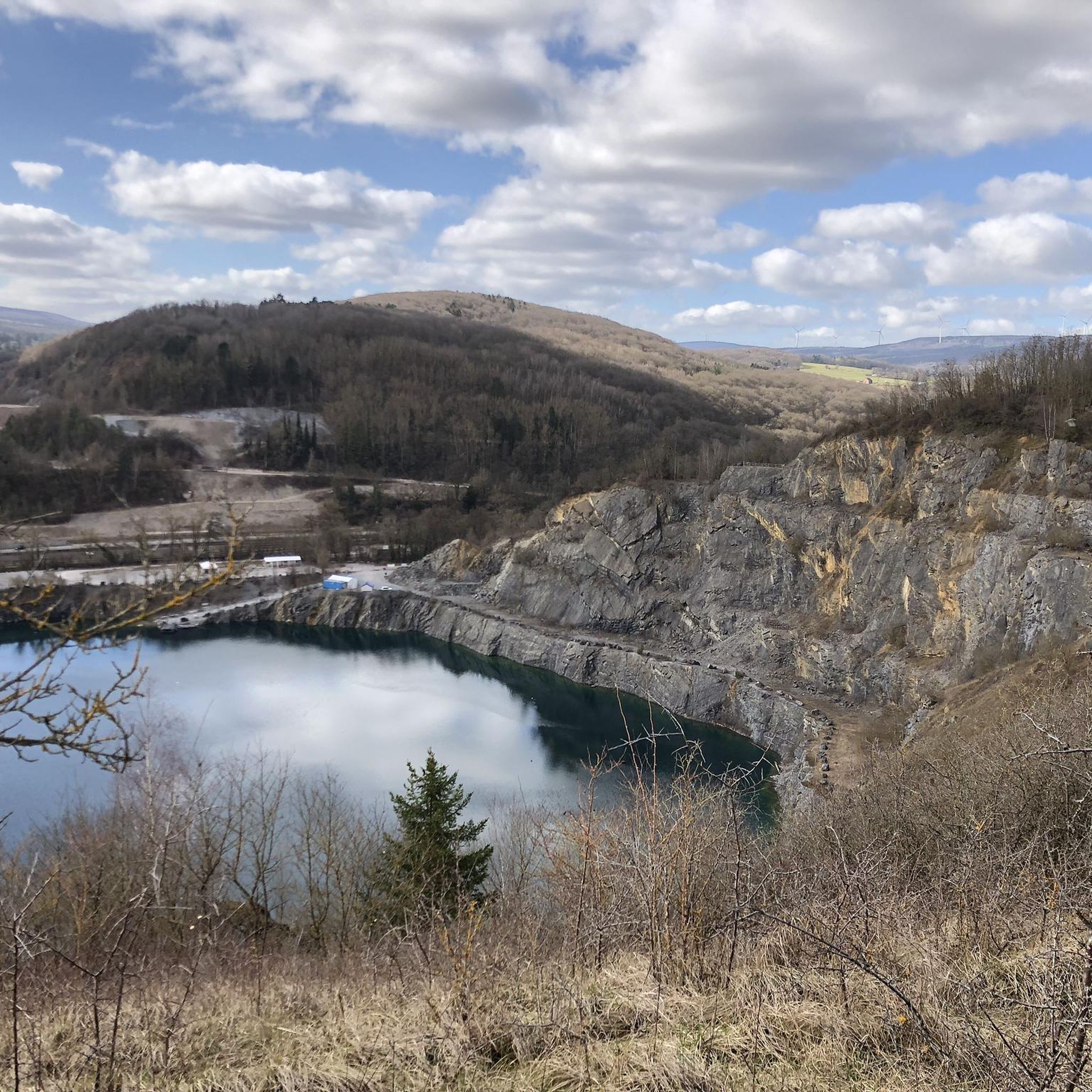
Rossel Ruins
Highlight • Castle
Showing Translation
Tip by

Sign up now to discover places like this
Get recommendations on the best single tracks, peaks, & plenty of other exciting outdoor places.
Rheinstein Castle
Highlight • Castle
Translated by Google •
Tip by

View of Rheinstein Castle and the Rhine from the Kleine Bastei
Highlight • Viewpoint
Translated by Google •
Tip by

Rhine-Nahe-Eck
Highlight • Viewpoint
Binger Loch, Mouse Tower, Ehrenfels Castle, Niederwald Monument,... and much more can be seen here 👌😎
Translated by Google •
Tip by

Sign up for free to discover even more castles around Stromberg.
Already have an account?
Start today with a free account
Your next adventure awaits.
Tips from the Community

The first documented mention of the hilltop castle dates back to 1213, when the Imperial Abbey of Kornelimünster near Aachen appointed Philipp III von Bolanden as "castellanus" and governor. Experts partly doubt or reject the first conquest in 1253. What is certain is the siege, conquest and destruction by King Rudolph of Habsburg in 1282. The castle was banned from being rebuilt. From 1290 onwards, the ruins were owned by the Counts Palatine, who gave them up in favour of the Electorate of Mainz in 1344. A new building was then quickly constructed. A double ring wall enclosed a rectangular residential tower and an inner courtyard of the main castle. A forecourt was located to the north. In 1397, after the Pope had appointed John II of Nassau Archbishop of Mainz, ignoring the election of the Mainz Cathedral Chapter the previous year, Archbishop Gottfried von Leiningen, elected in 1396, barricaded himself in the castle. Only after tough negotiations did he give up the bishop's seat and was instead given the office of provost of Mainz Cathedral. His concession prevented another attack on the castle and possible further destruction. The castle had been left to decay since the 16th century. The remains were blown up in 1689 during the War of the Palatinate Succession. In 1834 Franz Wilhelm von Barfus bought the ruins and converted a tower into his residence. His heirs sold the castle to Baron von Rehfuß in 1877 and he sold it to Consul Chosodowsky in 1889. The castle was given its current appearance by Baron Nikolaus von Kirsch-Puricelli, a wealthy industrialist and owner of the Rheinböllerhütte. From 1899 to 1902, Kirsch-Puricelli had the castle rebuilt into a neo-Gothic residential castle in the Tudor style according to plans by the Regensburg architect Strebel. Additional residential buildings and an observation tower were built on the site of the outer castle. Reichenstein was the last castle in the Upper Middle Rhine Valley to be rebuilt in the spirit of Rhine Romanticism. After the castle was sold by the family in the 1990s, media entrepreneur Lambert Lensing-Wolff, a descendant of the Kirsch-Puricelli family, acquired Reichenstein Castle in 2014 as a weekend residence and also runs a museum and a hotel with a restaurant here.
5
0

Beautiful view from the bike path up to the castle
7
1

Great view of the castle which is still well preserved.
4
0

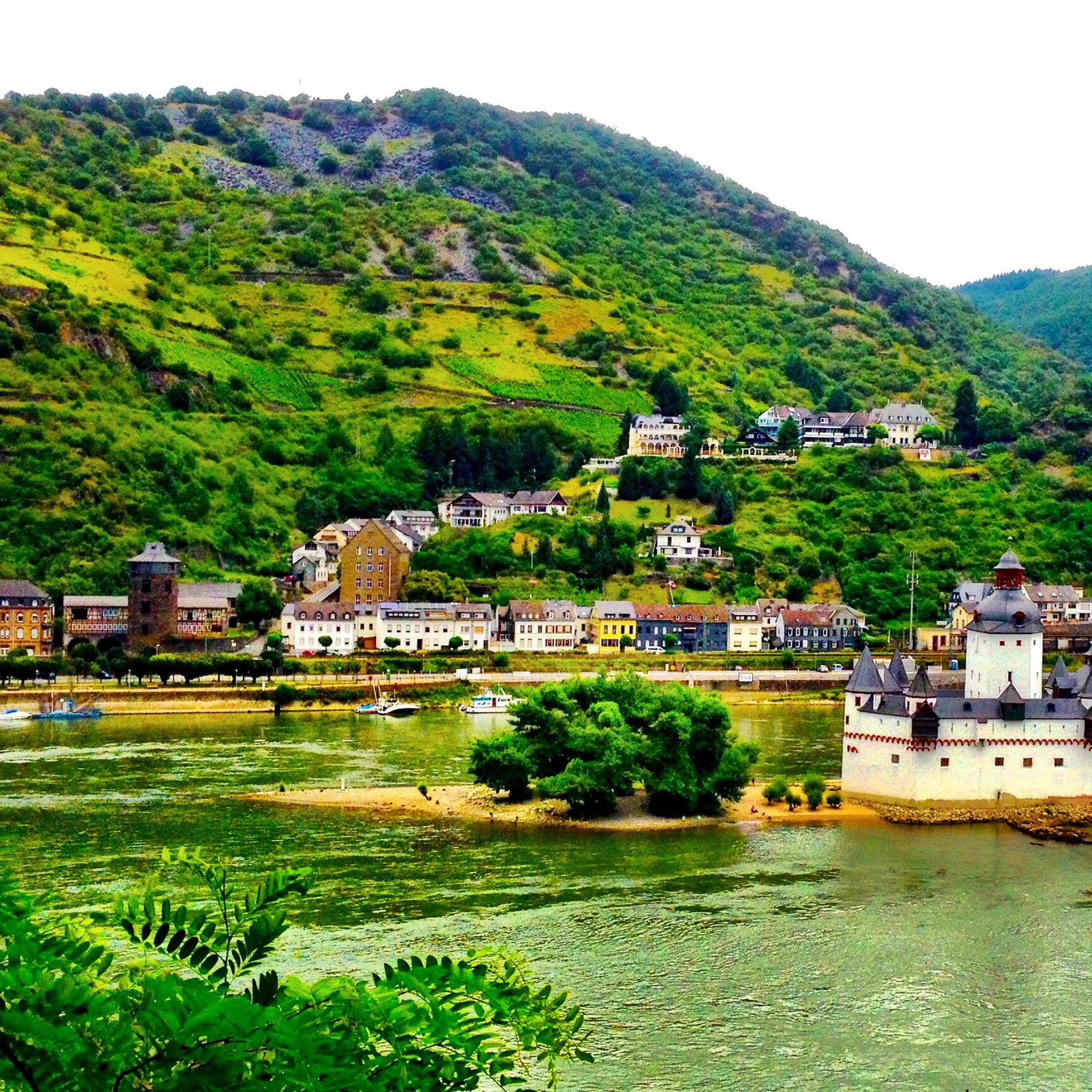
The castle has its origins in the early 14th century. With its towers and battlements, it really looks like you would imagine a medieval castle to be - a fairytale view directly over the Rhine.
10
0

Always nice to stand here and look at the beginning of the Middle Rhine Valley.
2
0

Well-deserved sight after 124 km Naheradweg. (From the source in Selbach, Saarland)👍
2
1

A very impressive castle complex. Reichenstein Castle, also known as Falkenburg, is a castle in the UNESCO World Heritage Upper Middle Rhine Valley. It stands on a ledge on the eastern slope of the Binger Forest above the Rhineland-Palatinate municipality of Trechtingshausen.
8
0

from the castle battlements you always have a great view of the Rhine
15
0
Frequently Asked Questions
What historical significance do the castles around Stromberg hold?
The castles around Stromberg are rich in history, reflecting centuries of regional power and conflict. For instance, the Rheinstein Castle was purchased and reconstructed by Prince Frederick of Prussia in 1823, preserving its romanticized medieval form. In Münsterland, the Stromberg Castle Ruin is known as the only hilltop castle in the region, with parts dating back to its founding attributed to Charlemagne. Meanwhile, Stromburg Castle in Rhineland-Palatinate, first mentioned in 1056, has been destroyed and rebuilt multiple times, showcasing its turbulent past.
Where can I find the best scenic views of the Rhine and surrounding valleys?
Several castle sites offer breathtaking views. From the Rossel Ruins, you can enjoy a wonderful panorama of the Nahe estuary and the Binger Loch. The View of Burg Reichenstein provides an excellent vantage point overlooking the former Raubburg Reichenstein. Additionally, the Rheinstein Castle offers picturesque views from its walls and towers down to the Rhine Valley. In Münsterland, the Stromberg Castle Ruin provides spectacular views of the Münsterland park landscape.
Are there any ancient ruins to explore near Stromberg?
Yes, there are significant ruins to explore. The Stromberg Castle Ruin in Münsterland, though largely demolished, still features parts of its circular wall, a castle mansion, and the 15th-century Paulus Tower. In Rhineland-Palatinate, the Alte Stromburg, rediscovered in the mid-1980s, offers impressive archaeological remnants with walls up to 2.5 meters thick, showcasing its defensive character despite partial destruction from quarrying.
What outdoor activities can I combine with a castle visit around Stromberg?
The region around Stromberg is excellent for combining castle visits with outdoor activities. You can find numerous hiking trails, including easy and moderate options. For example, the 'Michel's Vitality Tour' and various 'Stromberg Gorge' loops are popular. There are also gravel biking routes, such as the 'View of Rheinstein Castle' loop. You can explore more options on the Hiking around Stromberg and Gravel biking around Stromberg guide pages.
Are there family-friendly castles to visit around Stromberg?
Yes, several castles are considered family-friendly. The Rossel Ruins are a popular destination for families, offering beautiful views. Rheinstein Castle is also categorized as family-friendly, providing a museum and restaurant experience. The Stromberg Castle Ruin in Münsterland is a diverse excursion destination suitable for all ages, blending history and scenic beauty.
What is the best time to visit the castles around Stromberg?
The best time to visit depends on your interests. Spring (April) is beautiful in Münsterland, known for the plum blossoms around the Stromberg Castle Ruin. Autumn (September) offers the 'golden blue' plum harvest season. Generally, warmer months are ideal for combining castle visits with outdoor activities like hiking. Winter walks can also be charming, offering a different perspective of the historical sites.
Can I find easy hiking trails near the castles for beginners?
Absolutely. There are several easy hiking trails suitable for beginners near the castles. For instance, the 'Stromberg Gorge' loop from Stromberg is available in an easy 3.7 km version. Another easy option is the 'Stromburg Castle – Stromberg Gorge' loop. You can find more details on the Easy hikes around Stromberg guide page.
Are there any castles with unique modern uses or features?
Yes, Stromburg Castle in Rhineland-Palatinate stands out for its modern adaptation. Between 1977 and 1981, parts of the ruins were restored and adapted for gastronomic use. Since 1994, it has housed gourmet restaurants and includes a rustic tower room and the Stromburg Hotel, offering a unique experience of dining or staying in a historic castle. You can find more information about Stromburg Castle on rlp-tourismus.com.
Is there a pilgrimage site among the castles in the Stromberg region?
Yes, the Gothic Church of the Holy Cross, located at the highest point of the former Stromberg Castle complex in Münsterland, is a significant pilgrimage site. Consecrated in 1344, it houses the 'Holy Cross of Stromberg,' a precious Byzantine crucifix from 1080-1100, which contains a particle of the cross, making it an important religious destination.
What do visitors enjoy most about the castles around Stromberg?
Visitors particularly enjoy the blend of rich history, impressive architecture, and stunning natural scenery. The panoramic views from sites like the Rossel Ruins and Rheinstein Castle are highly praised. Many appreciate the opportunity to explore ancient ruins and well-preserved fortresses, often combining their visits with hiking or other outdoor activities in the picturesque surroundings.
Are there any castles that offer accommodation or dining options?
Yes, Rheinstein Castle features an adjoining restaurant and also offers accommodation options for those wishing to extend their stay. Stromburg Castle in Rhineland-Palatinate has been adapted to include gourmet restaurants and the Stromburg Hotel, providing a unique opportunity to dine or stay within a historic castle setting.
What are some notable historical figures associated with the castles?
Stromburg Castle in Rhineland-Palatinate is notable as the home and birthplace of Hans Michael Elias von Obentraut (1574-1625), a renowned cavalry leader of the Thirty Years' War, often referred to as the 'German Michel'. In Münsterland, the founding of the Stromberg Castle Ruin is legendarily attributed to Charlemagne, highlighting its ancient roots.
Most popular routes around Stromberg
Most popular attractions around Stromberg

Get inspired with the komoot mobile app


Explore more
Looking for the best castles somewhere else? Discover other guides around Stromberg:
