Top 20 Caves around Schnaittach
Best caves around Schnaittach are found in the surrounding region, particularly within the Schwarzach Gorge, which features notable cave-like formations and natural attractions. This area is characterized by its sandstone cliffs and the erosive action of the Schwarzach River, creating unique geological features. Beyond the immediate vicinity, the broader Franconian Switzerland area is known for impressive dripstone caves and historical sites. The landscape offers a blend of natural geological wonders and historical significance.
Best caves around Schnaittach
- The most popular…
Last updated: June 22, 2026
View from Glatzenstein
Highlight • Viewpoint
Translated by Google •
Tip by

Klauskirche Cave
Highlight • Cave
Translated by Google •
Tip by
Sign up now to discover places like this
Get recommendations on the best single tracks, peaks, & plenty of other exciting outdoor places.
Sign up for free
Hexentor Rock Arch
Highlight • Natural Monument
Translated by Google •
Tip by
Wasserstein Gate
Highlight • Natural Monument
Especially when the sun is falling through the gate and the trees
Translated by Google •
Tip by

Peter's Cave
Highlight • Cave
Translated by Google •
Tip by

Sign up for free to discover even more caves around Schnaittach.
Sign up for free
Already have an account?
Start today with a free account
Your next adventure awaits.
Login or Signup
Popular around Schnaittach
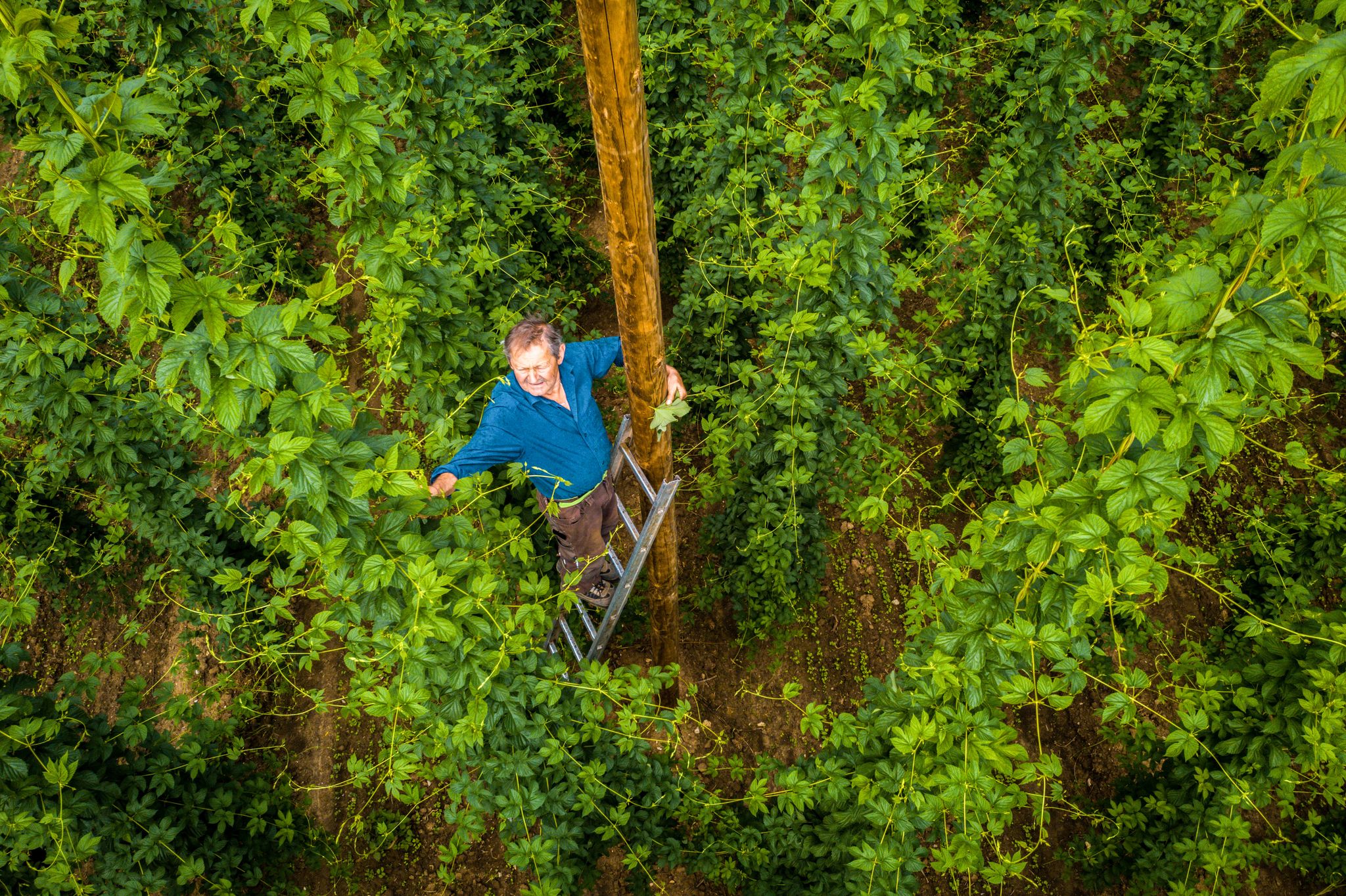
Hop Weeks in the Nürnberger Land – Hiking Trails Full of Delight
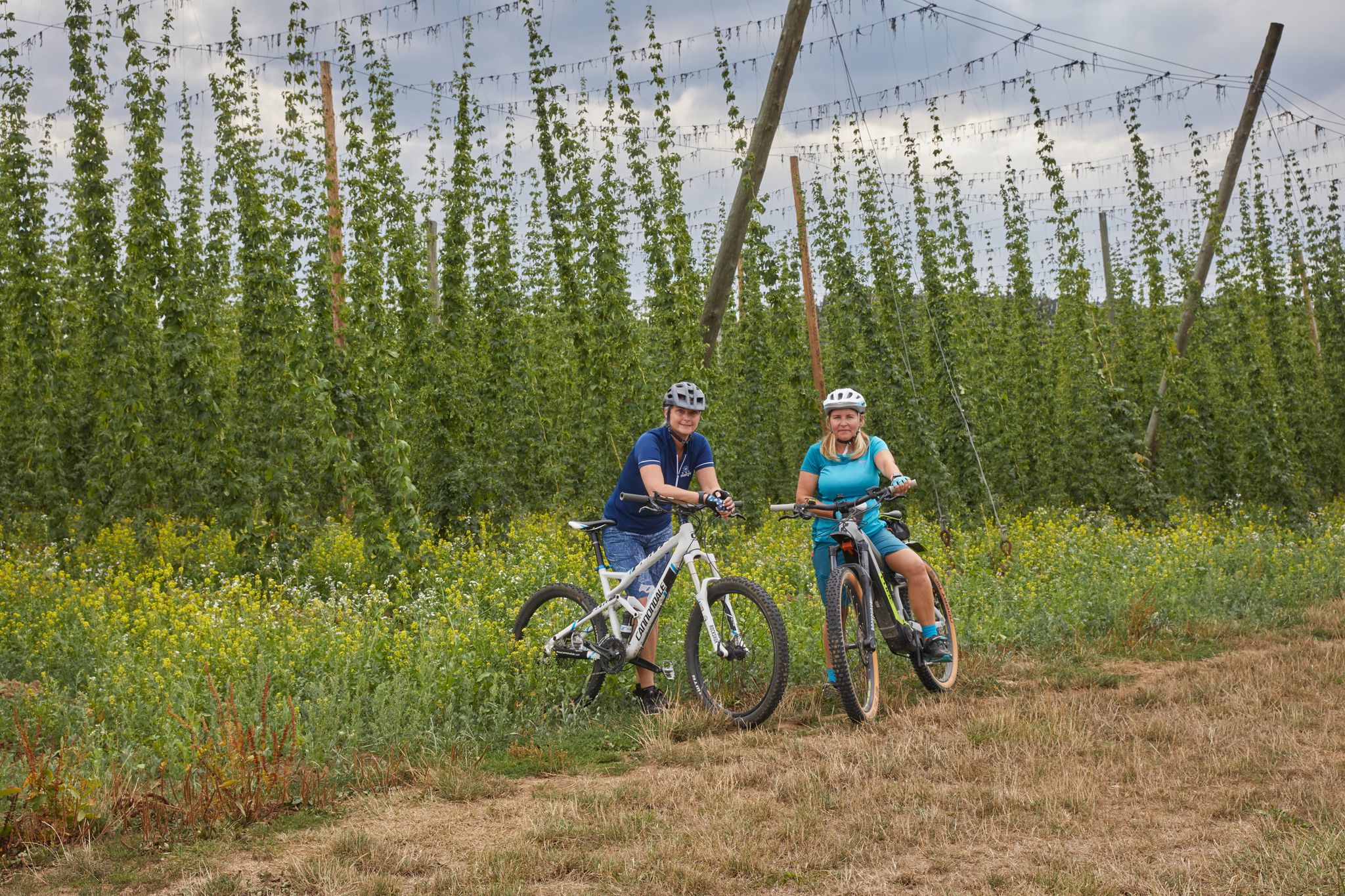
Cycling to the Hop Weeks in the Nuremberg Region
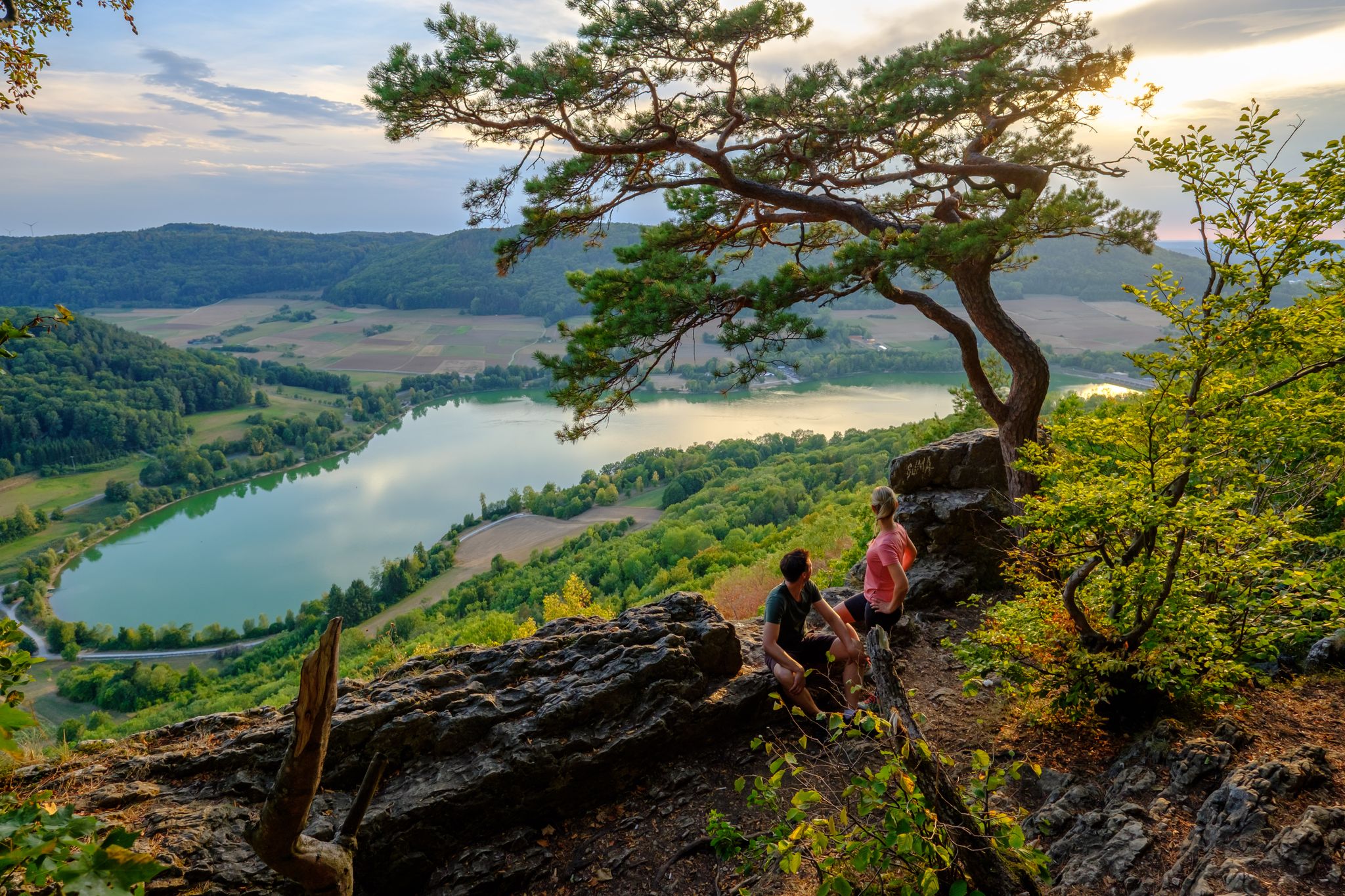
High up on the SevenSummits in the Nuremberg region
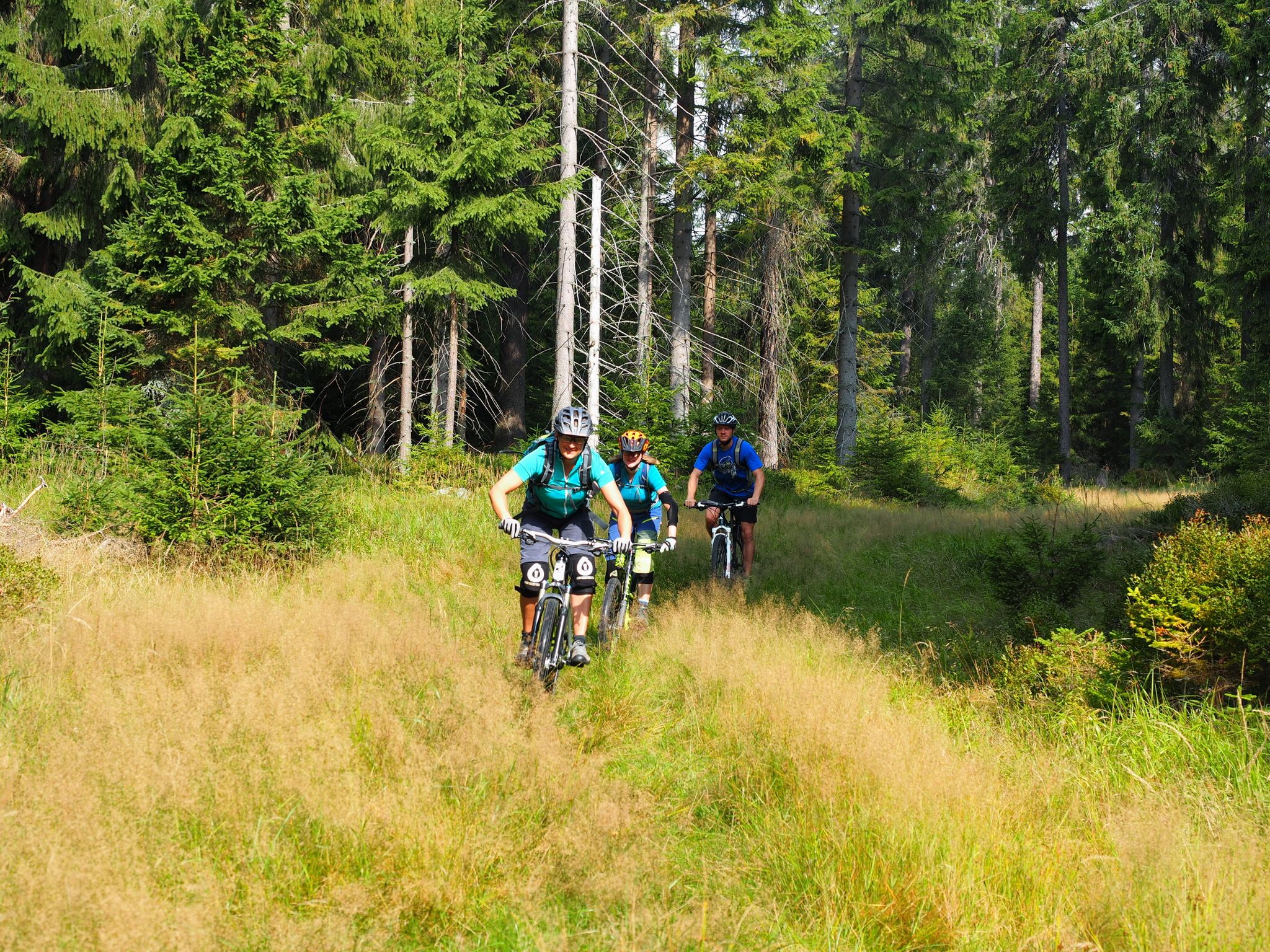
The best bike Tours around Nuremberg – MTB microadventures with the VGN
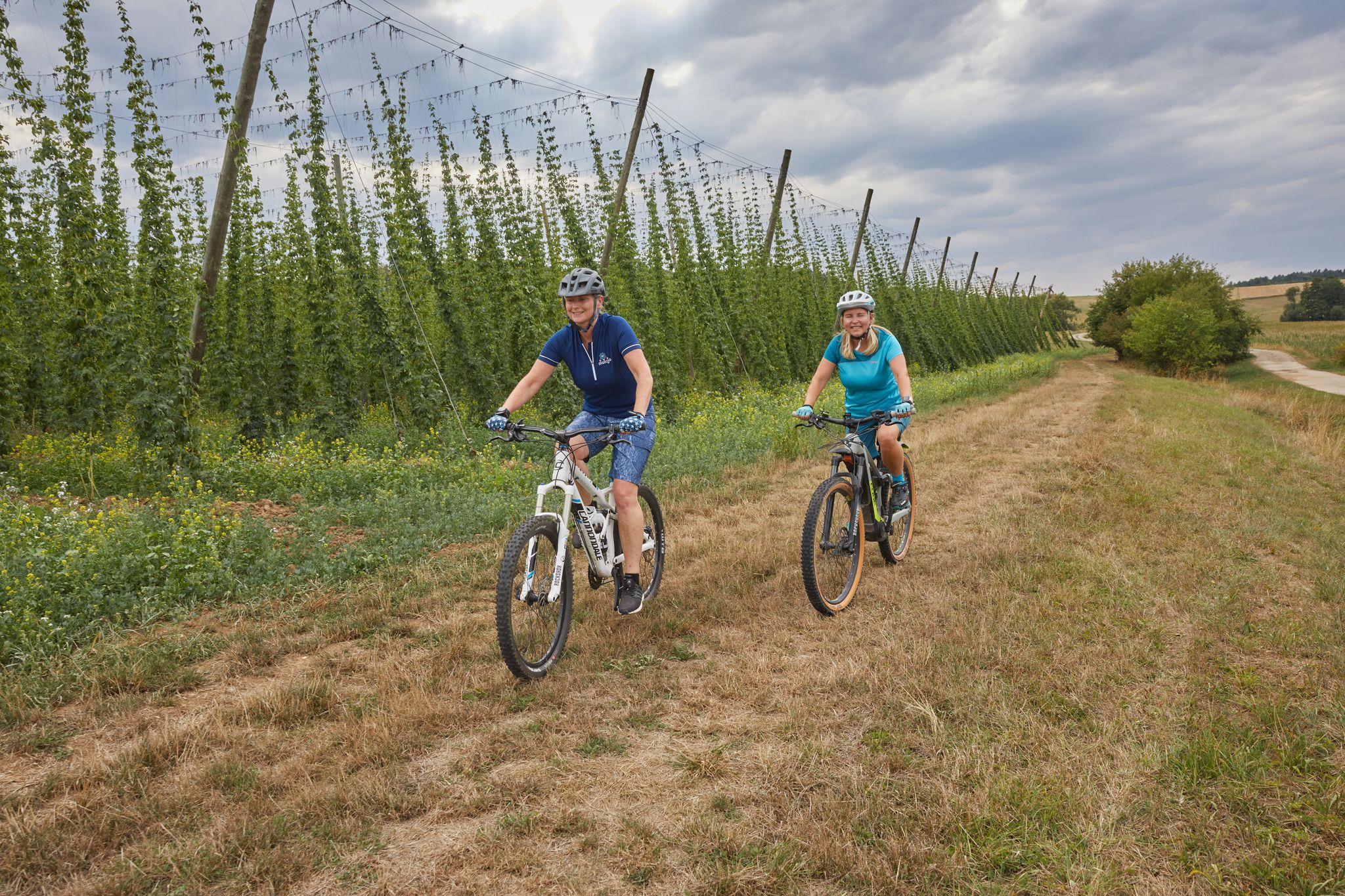
Explore the Nuremberg Land with all your senses – Sensory Cycle Path
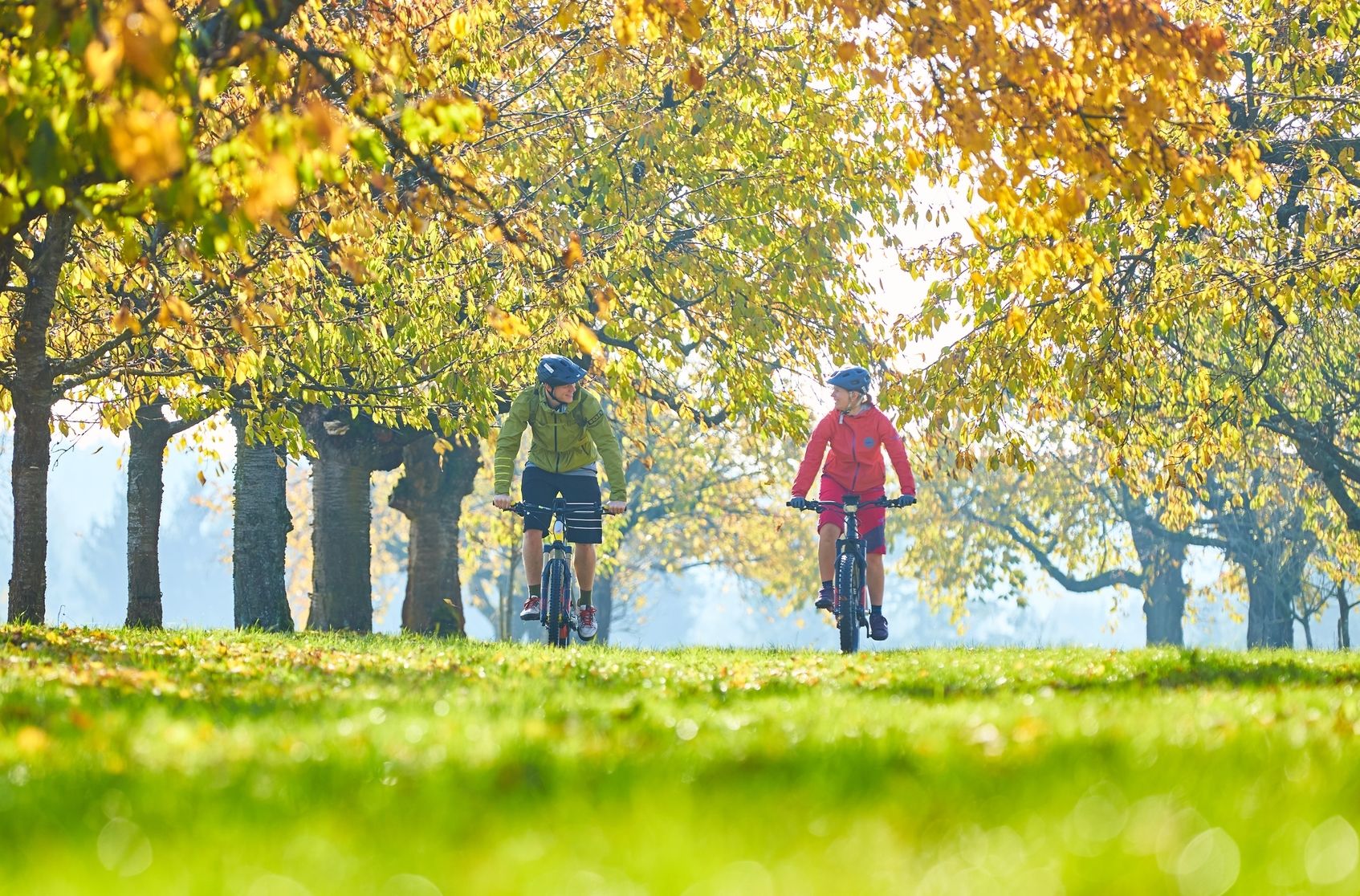
Get ready to explore — e-biking in Germany’s Nuremberg Region
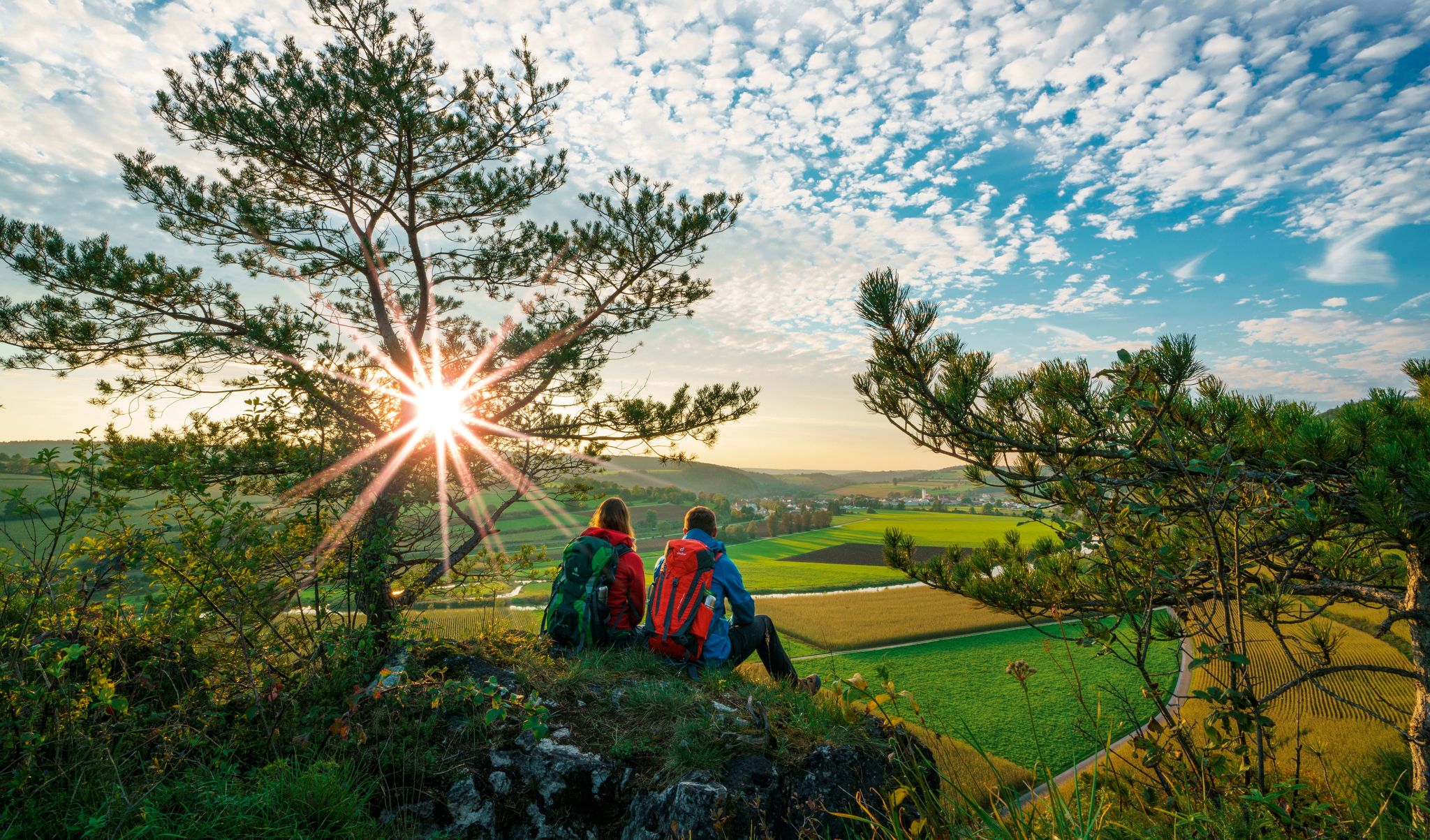
The Franconian Trail – A Diverse Hiking Dream Across 24 Stages
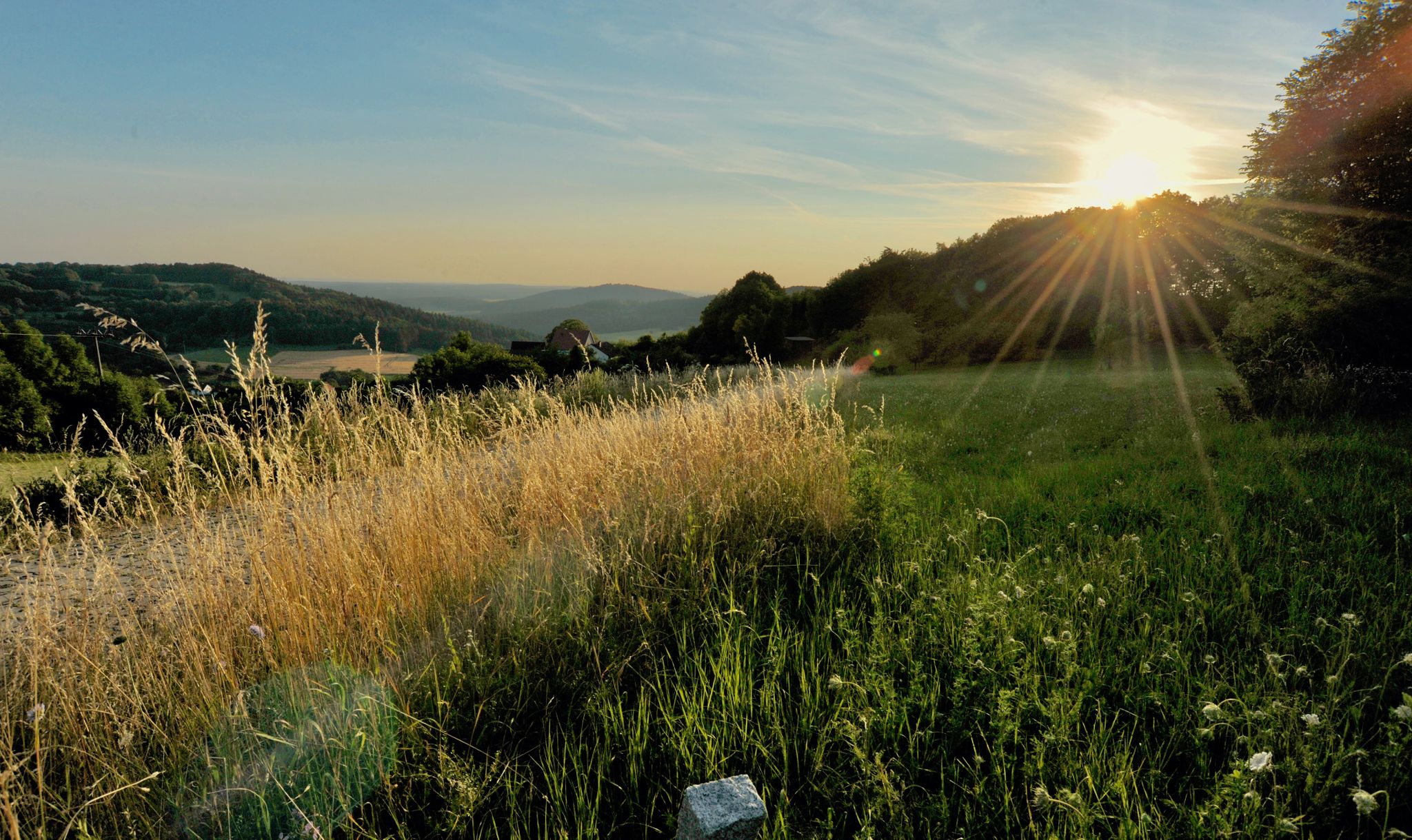
Hiking quiet paths through the Nürnberger Land in Bavaria
The most beautiful cycle paths through the Nuremberg Land
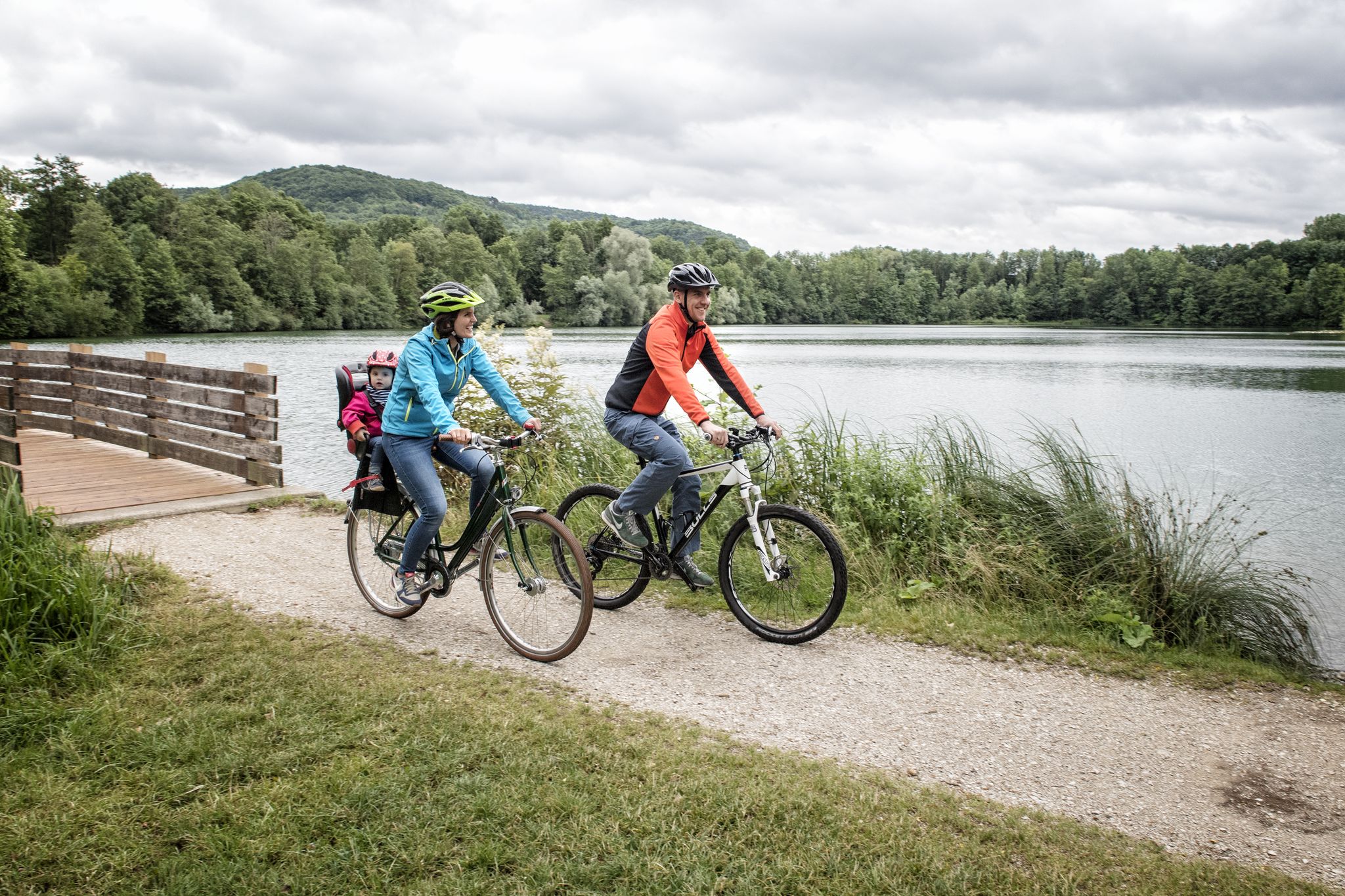
Incredible cycling in the Nuremberg region
Other adventures around Schnaittach


Tips from the Community

The “Klauskirche” The name “Klauskirche” has become established for the passage cave that dominates the rocky reef of the Klauskirchenberg. Actually, this name refers to the entire hallway. Formerly, scientifically proven but missing, there was a “St. Nicholas Chapel” (see Georg Kolbmann, 1973: Betzensteiner historical images”). It is assumed that this chapel is the namesake of the field name “Klauskirchenberg”. The “Klauskirche” is a 32 meter long passage cave. It is built in the reef dolomite of the Upper Malm. The mighty dolomite reefs formed in the Jurassic Sea around 150 million years ago. The weathering process began as the land mass rose and the sea retreated. During the Quaternary karstification phase (within the last 2.4 million years) the cave was formed by leaching of a vertically dipping fissure. This gap is still clearly visible in the ceiling area of the cave. The cave formation took place in what was then the groundwater area. As a result of the progressive deepening of the valley, the “Klauskirche” is now above the karst water level. Source: information board
6
0

Impressive natural monument! The passage cave is an absolute highlight on a hike in this beautiful area.
4
0
The Hexentor is an almost circular rock breakthrough - great to look at.
7
1

Very impressive, quiet quiet place, Here you can see again how beautiful our nature is
5
0
Very impressive when you walk through the Klauskirche.. Definitely worth a visit
5
0
Grandiose cave with a small "lake" inside. Definitely take a flashlight with you. From the end of October to the beginning of April, the cave serves as a roost for the bats.
4
0

Very impressive approx. 30m long passage through the rock 🪨
4
0
About 30m long and a spectacular example of what nature offers us !!!! Easy to reach and admire via stairs, the Klauskirche in Betzenstein is a wonderful photo motif and somehow also a mystical place 👍
6
0
Frequently Asked Questions
What types of caves and formations can I explore around Schnaittach?
The region around Schnaittach offers a variety of cave-like formations. In the immediate vicinity, particularly within the Schwarzach Gorge, you'll find natural rock arches like the Hexentor Rock Arch, accessible ground-level caves such as Peter's Cave, and deep rock gates like the Wasserstein Gate. Further afield in Franconian Switzerland, impressive dripstone caves with stalactites and stalagmites are prominent.
What are the main natural attractions within the Schwarzach Gorge near Schnaittach?
The Schwarzach Gorge, a designated nature reserve, features several notable cave-like formations. These include the Gustav Adolf Cave, known for its historical marker, Karl's Cave (Karlshöhle), a large washout formed by the river, and the Teufelskirche (Devil's Church) — Waterfall and Cave, which offers a more adventurous experience with tunnels and a small waterfall.
Are there any impressive show caves further afield from Schnaittach?
Yes, the broader Franconian Switzerland area is home to several renowned show caves. These include the Teufelshöhle (Devil's Cave) near Pottenstein, the largest karst cave in the region with massive stalactites, and the Binghöhle Cave near Streitberg, celebrated for its diverse and close-up dripstone formations. The Sophienhöhle Cave near Rabenstein and the König-Otto-Tropfsteinhöhle Cave in the Upper Palatinate also offer spectacular geological features.
Are there family-friendly caves or cave-like formations suitable for children?
Many of the formations in the Schwarzach Gorge are considered family-friendly, such as the Gustav Adolf Cave and Karl's Cave, offering engaging outdoor experiences. Peter's Cave is also easily accessible and doable with children. For a more structured experience, show caves like Teufelshöhle and Binghöhle often have guided tours suitable for families, though they require a longer drive.
Do any caves around Schnaittach have historical significance?
Yes, several caves and formations have historical ties. The Gustav Adolf Cave in the Schwarzach Gorge is marked by a memorial plaque commemorating a visit by King Gustav II Adolf of Sweden in 1632. The Wasserstein Gate was likely a refuge for Stone Age hunters, evidenced by finds. The Sophienhöhle Cave near Rabenstein has prehistoric pottery finds and houses one of the most complete cave bear skeletons worldwide.
When is the best time to visit the caves and the Schwarzach Gorge?
The Schwarzach Gorge and its outdoor formations are generally best visited during spring, summer, and autumn for pleasant hiking conditions. However, some caves, like Peter's Cave, are closed from the end of October to March to protect hibernating bats. Show caves like Binghöhle maintain a constant temperature of 9°C, making them a refreshing escape in summer and a mild retreat in winter.
What should I wear when exploring caves and gorges in the region?
For exploring the Schwarzach Gorge and its formations, suitable footwear is recommended due to potentially muddy and uneven terrain, especially at the Teufelskirche (Devil's Church). If you plan to enter caves like Peter's Cave, a flashlight is advisable. For show caves, a light jacket is often comfortable due to the constant cool temperatures inside.
Are there hiking trails that incorporate caves or rock formations near Schnaittach?
Yes, the Schwarzach Gorge is crisscrossed with hiking trails that lead past formations like the Gustav Adolf Cave, Karl's Cave, and the Teufelskirche. The area around the Klauskirche Cave also offers a unique passage through the rock. Many routes in the region, including those found in the Easy hikes around Schnaittach guide, incorporate these natural wonders.
What other outdoor activities can I find near the caves around Schnaittach?
Beyond cave exploration, the region offers diverse outdoor activities. You can find various hiking opportunities, including mountain hikes and easy hikes. For cyclists, there are numerous MTB trails around Schnaittach, allowing you to explore the scenic landscapes by bike.
What unique geological features can be observed in the caves around Schnaittach?
The region showcases diverse geological features. The Schwarzach Gorge is known for its impressive sandstone cliffs and erosive formations like Karl's Cave. The Wasserstein Gate is a 12-meter deep rock gate formed from Jurassic sediments. Further away, show caves like Teufelshöhle and Binghöhle feature spectacular stalactites, stalagmites, sinter pools, and unique eccentriques (stalactites growing in all directions).
Are there any viewpoints near the caves offering scenic vistas?
Yes, several locations combine cave exploration with scenic views. The View from Glatzenstein offers a wonderful panorama over the Nuremberg area, with a prehistoric cave located below the lookout rock. The Klauskirche Cave is also situated in an area with viewpoints, providing a mystical experience alongside impressive rock formations.
Most popular routes around Schnaittach
Most popular attractions around Schnaittach

Get inspired with the komoot mobile app


Explore more
Extend your search for the best caves by checking out these guides of the top ones around Schnaittach:
