Attractions and Places To See around Schopfheim - Top 20
Attractions and places to see around Schopfheim include a blend of historical landmarks and natural landscapes. The town is situated in the Wiesental valley, near the Wiese River, offering access to the Southern Black Forest region. Its historic town center features traditional architecture and reflects its past as the oldest town in the Wiesental. The area provides opportunities to explore historic sites, river activities, and panoramic views.
Best attractions and places to see around Schopfheim
- The most popular attractions is…
Last updated: October 9, 2026
Hohe-Möhr-Turm
Highlight • Monument
Translated by Google •
Tip by

Todtmoos waterfalls
Highlight • Waterfall
Translated by Google •
Tip by

Sign up now to discover places like this
Get recommendations on the best single tracks, peaks, & plenty of other exciting outdoor places.
Old Rhine Bridge, Rheinfelden
Highlight • Bridge
The old Rhine Bridge is a Rhine and border crossing between the two Rheinfelden. Crossing is only permitted for pedestrians, bicycles, mopeds, …
Translated by Google •
Tip by

Rötteln Castle
Highlight • Castle
Showing Translation
Tip by
Rhine Cycle Route Wallbach–Bad Säckingen
Highlight (Segment) • Cycleway
Translated by Google •
Tip by

Sign up for free to discover even more attractions around Schopfheim.
Already have an account?
Start today with a free account
Your next adventure awaits.
Popular around Schopfheim
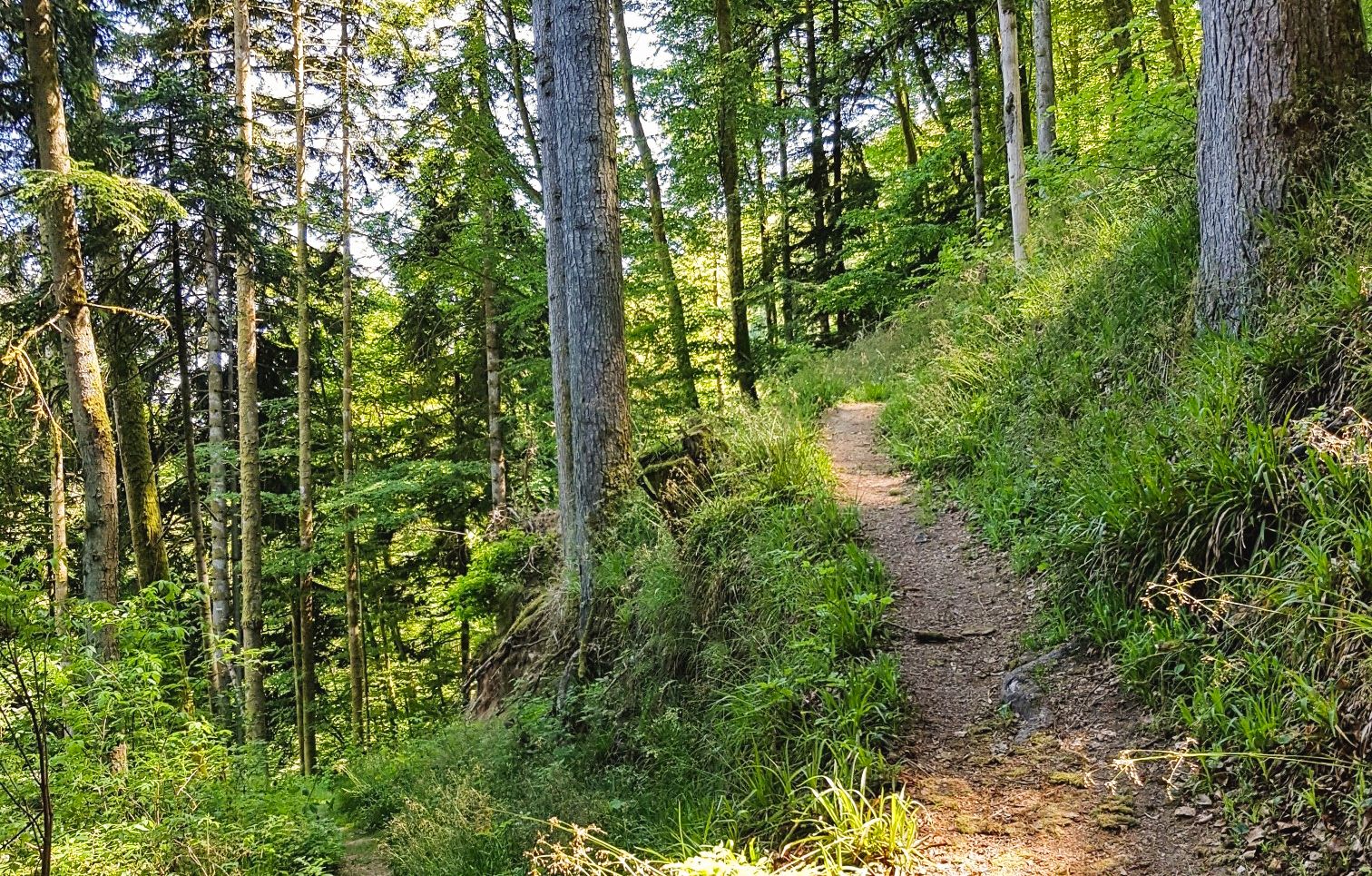
Hotzenwald Querweg trail – two stages in the southern Black Forest
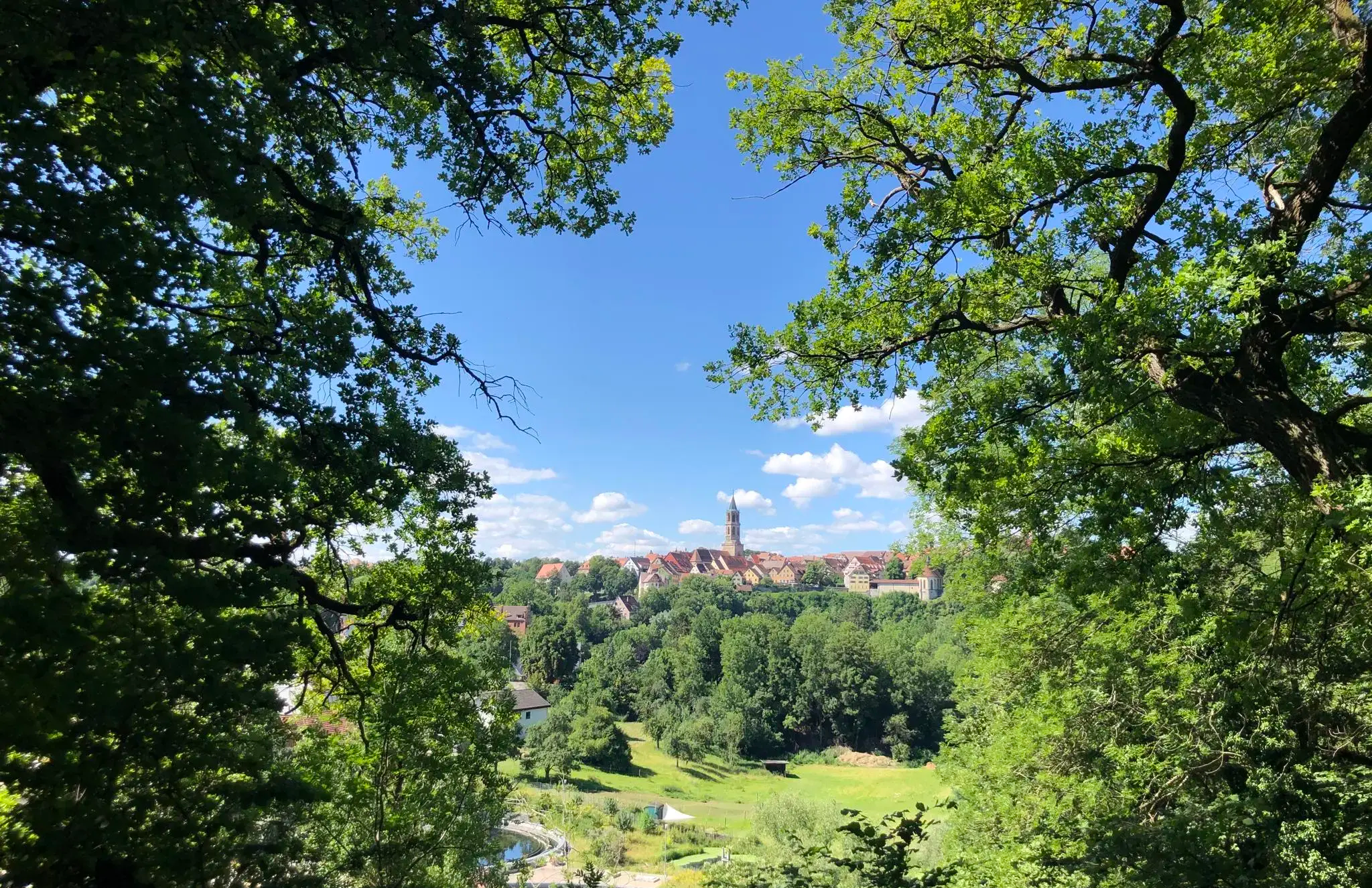
Vom Altstadtrand ins Grüne – Schwarzwälder Städte neu entdecken
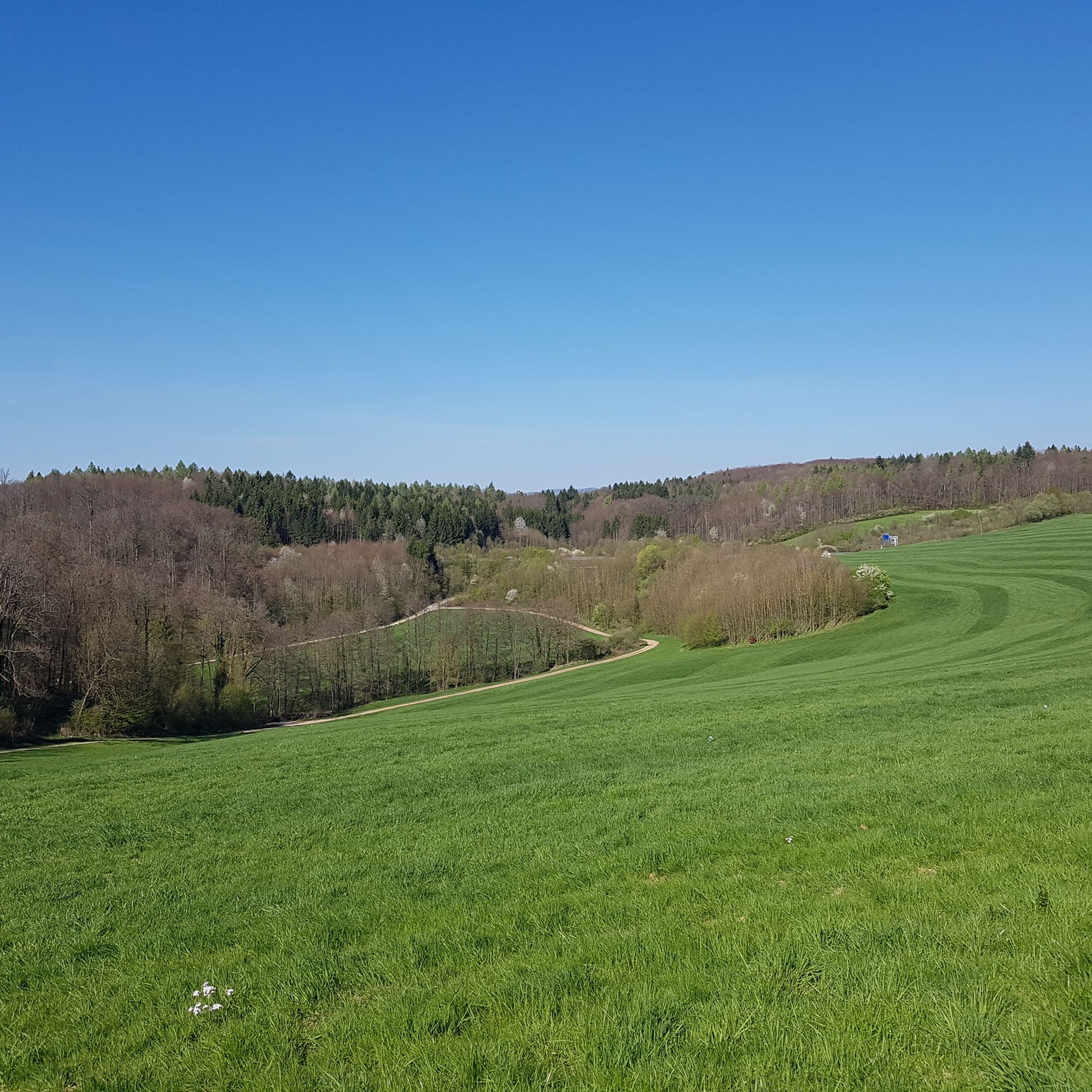
Hiking around Schopfheim
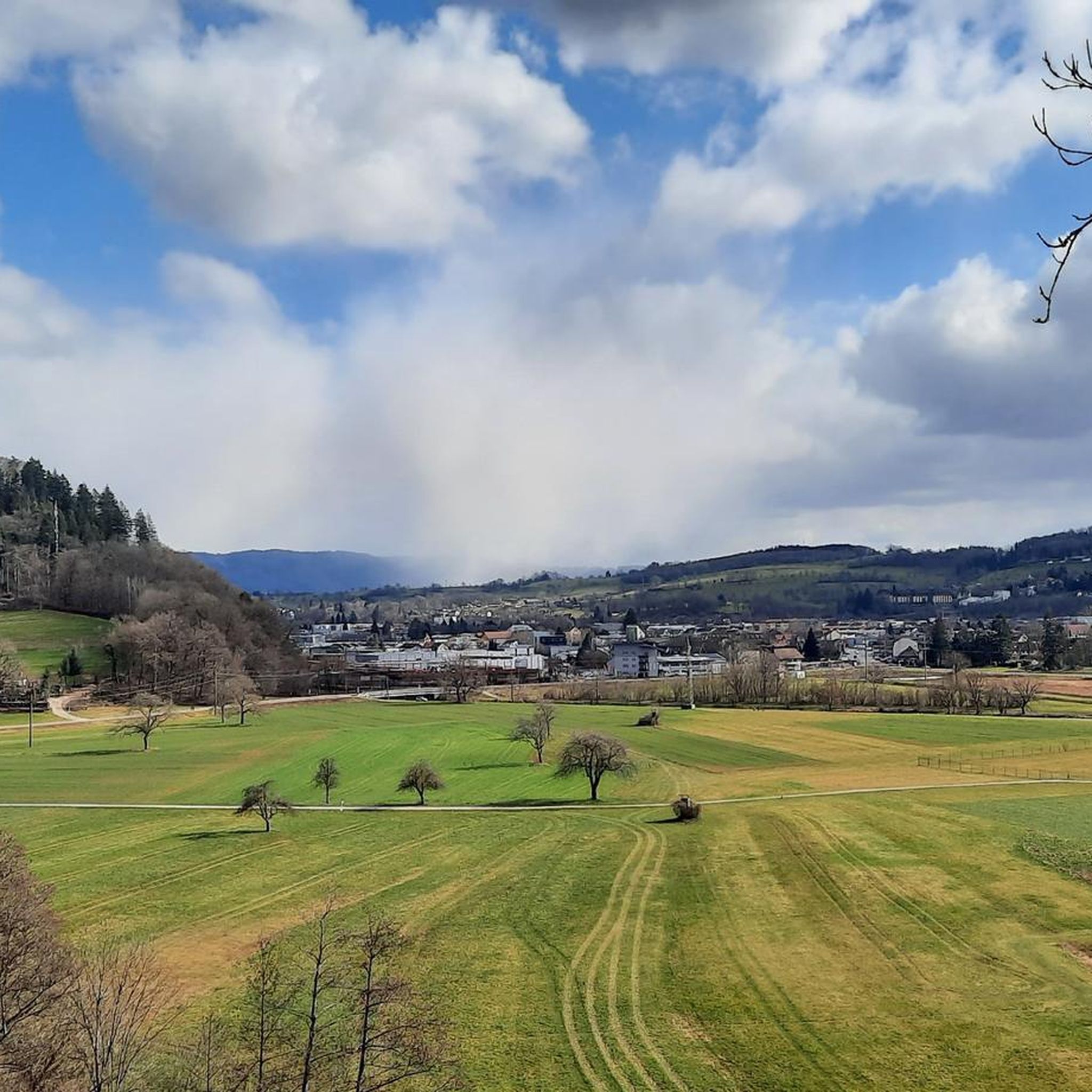
Cycling around Schopfheim
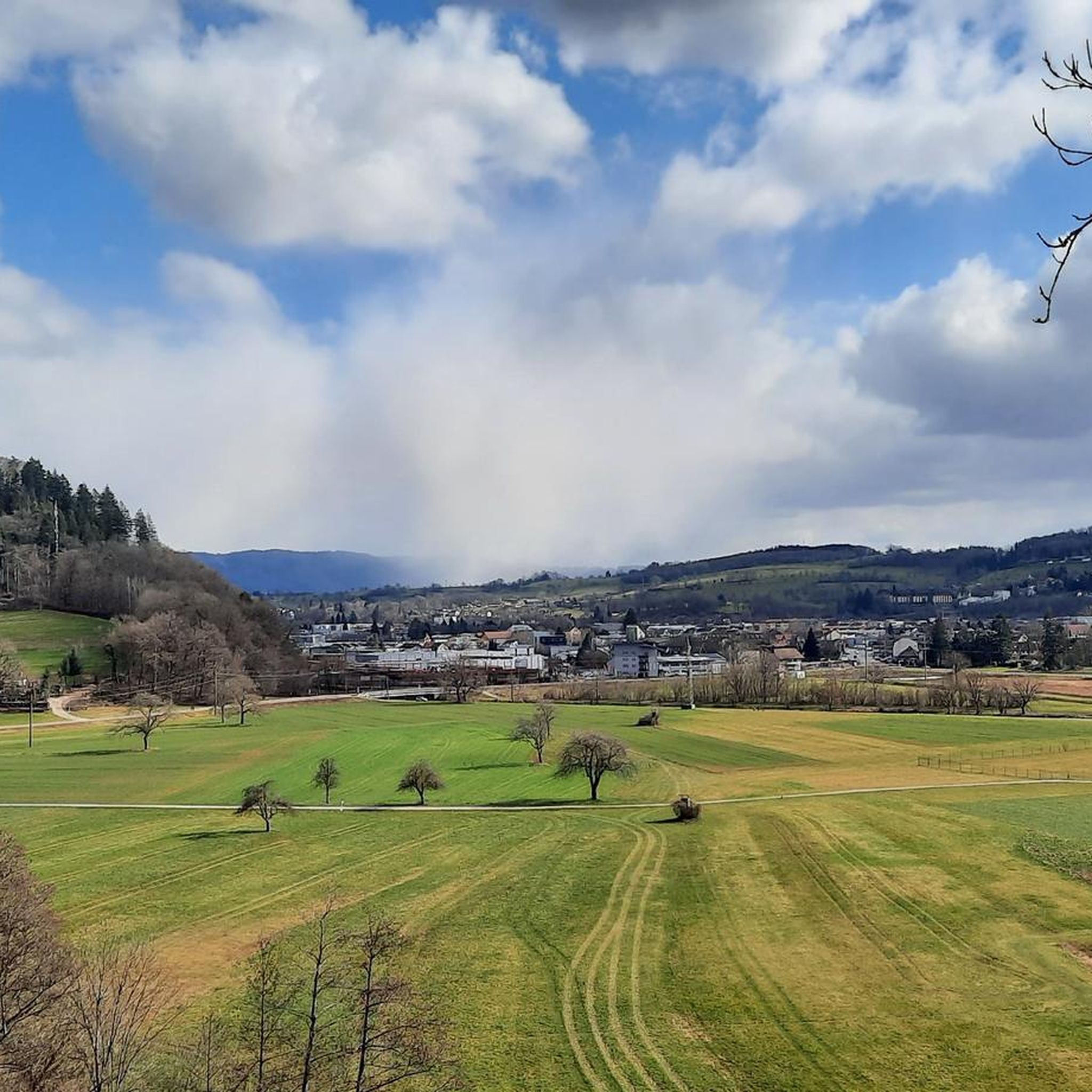
Road Cycling Routes around Schopfheim
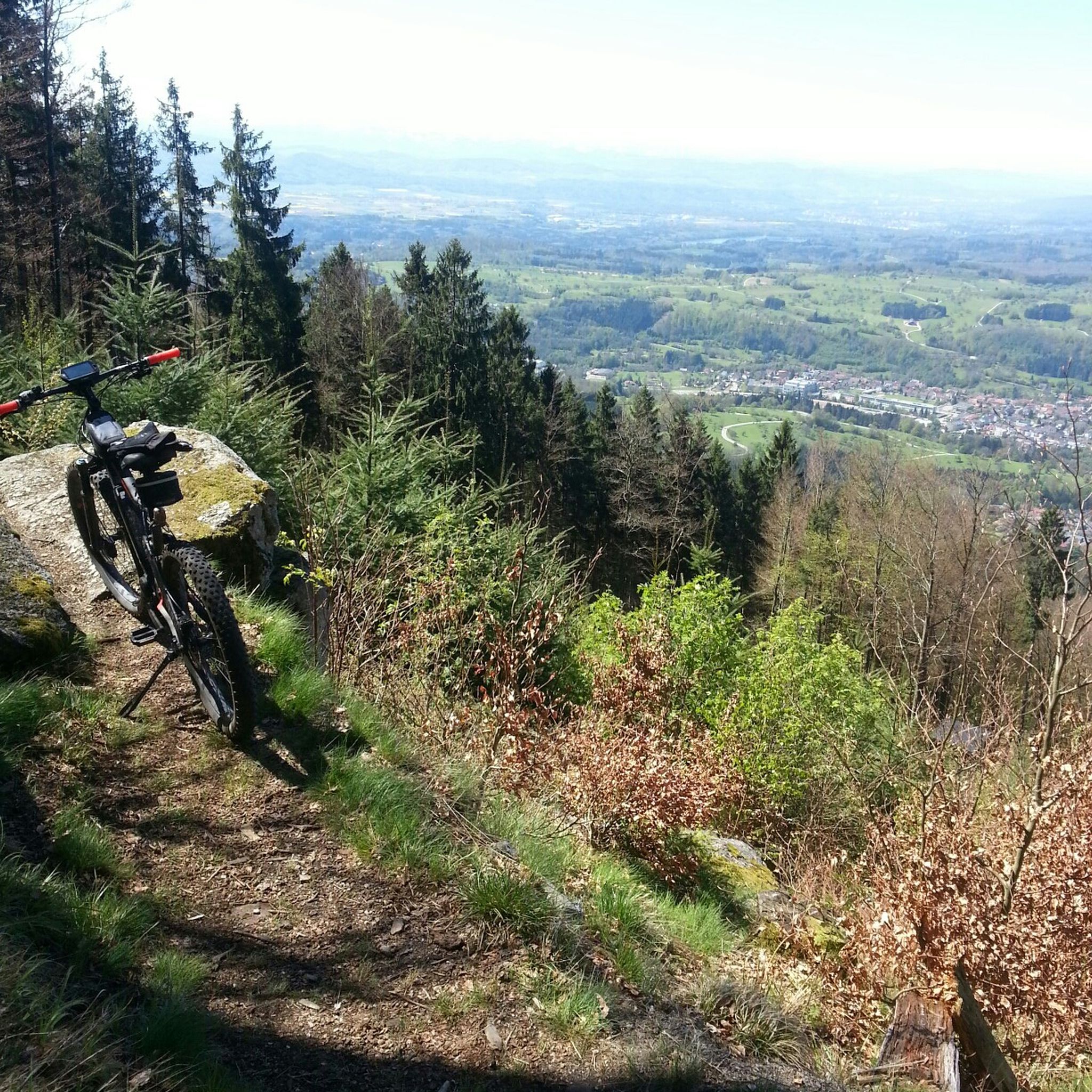
MTB Trails around Schopfheim
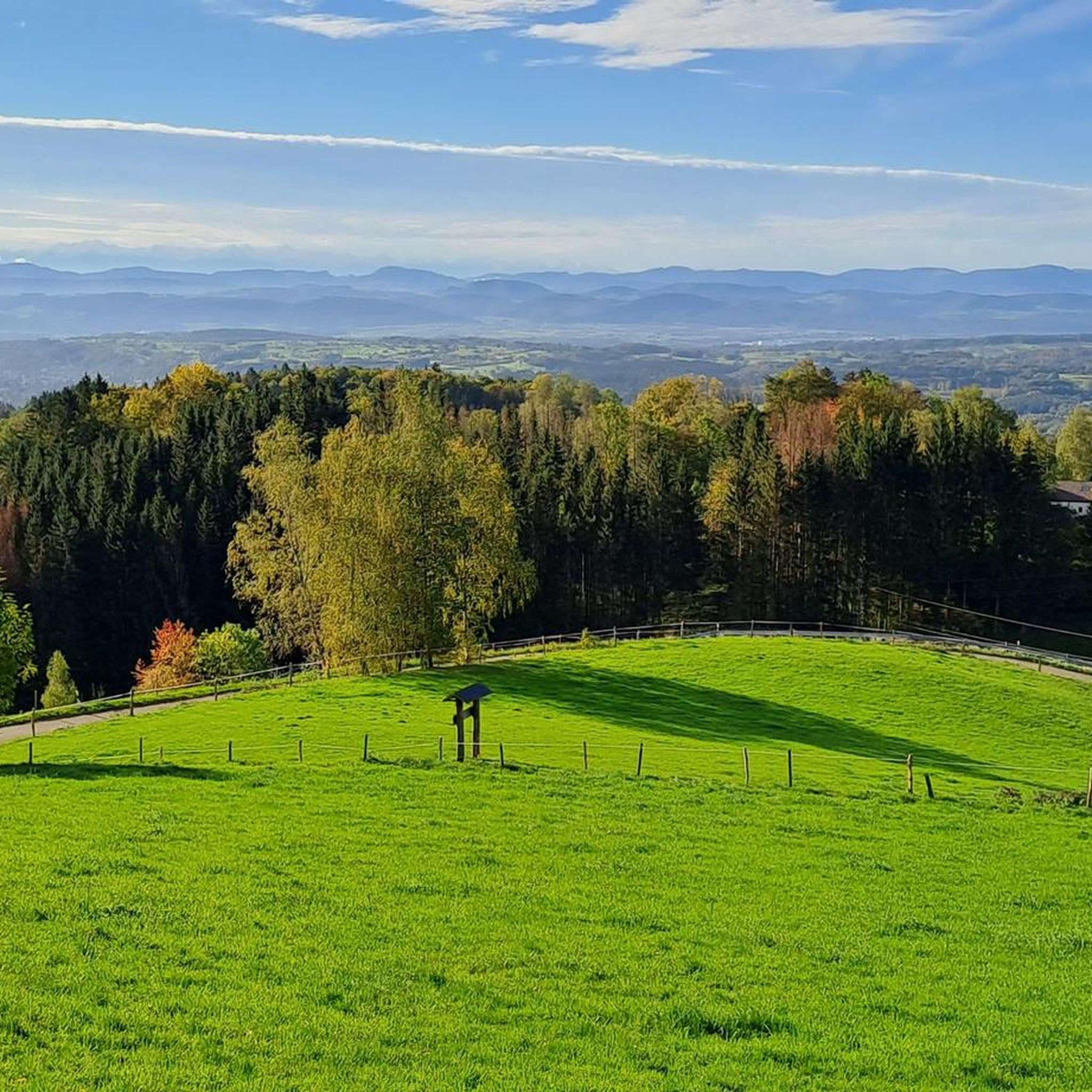
Running Trails around Schopfheim

Gravel biking around Schopfheim
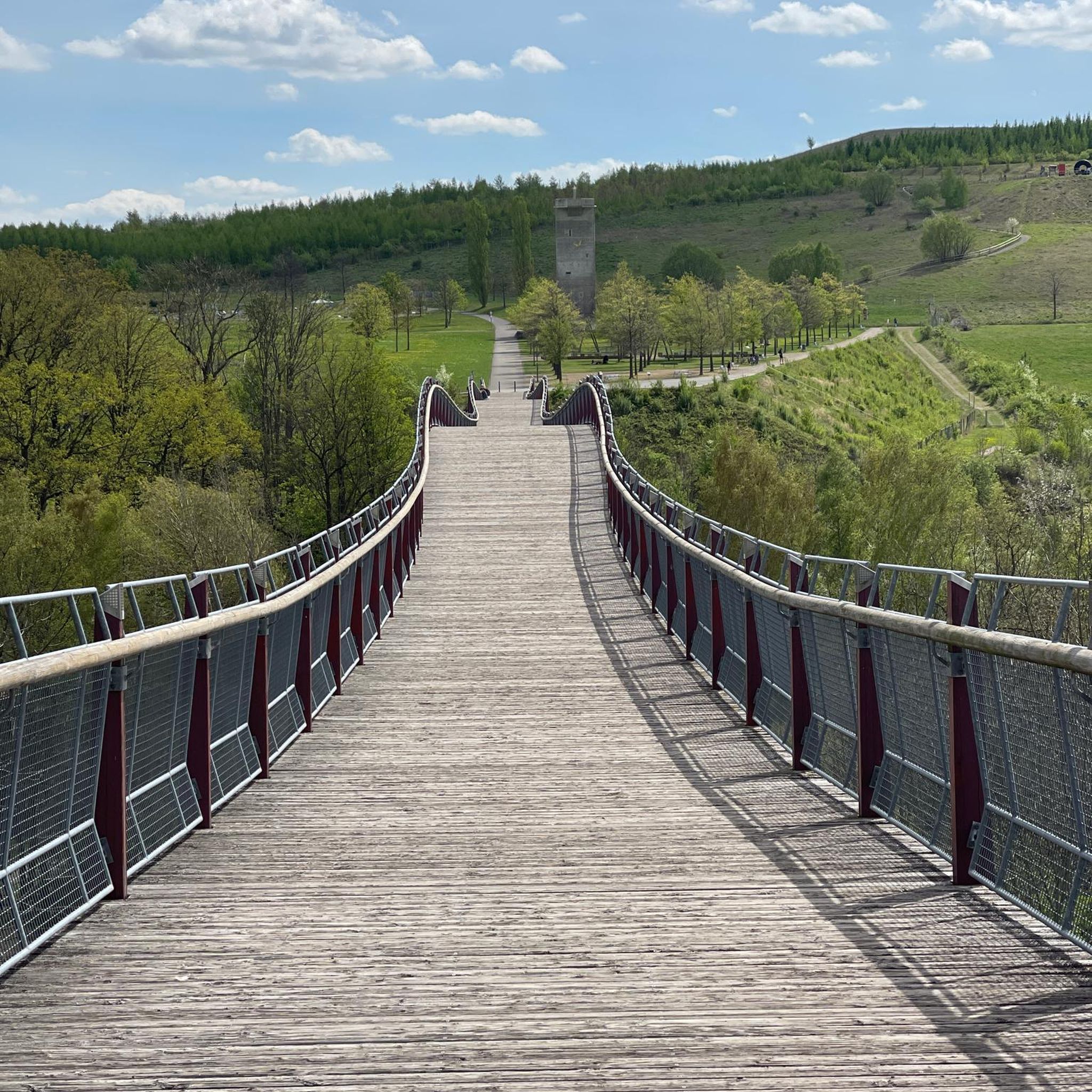
Mountain Hikes around Schopfheim


Tips from the Community

Rhine Bridge "Border crossing between the two Rheinfelden" The old Rhine Bridge is a Rhine and border crossing between the two Rheinfelden. Crossing is only permitted for pedestrians, bicycles, mopeds, taxis and the local bus. From the ferry to the bridge. There was already a ferry in the area of today's bridge during Roman rule. The Zähringers, who expanded the market town of Rheinfelden into a town, also had a ferry connection across the Rhine. It ensured the connection to the road to the Zähringen possessions in Breisgau. The first bridge was probably built in the second half of the 12th century, because in 1198 a citizen of Rheinfelden was referred to in a document as Heinricus de Ponte (Heinrich von der Brücke). It was therefore the oldest bridge between Constance and Strasbourg, even before the middle bridge in Basel, which was built in 1225. Pedestrian bridge. Except for taxis and the local bus, cars are no longer allowed to use the bridge. The crossing over the Rhine and the entire old town is reserved for bicycles at walking pace and pedestrians. The Rhine bridge offers a wonderful view of the old town facades and the Park Hotel on the Rhine. Text / Source: Tourism Rheinfelden, City Office, Rheinfelden https://www.tourismus-rheinfelden.ch/de/erleben/sehenswuerdigkeiten/rheinbruecke
17
0
Rhine Bridge, Rheinfelden since 1150 Around 1150, Konrad von Zähringen had the first Rhine bridge built in Rheinfelden. This gave the newly minted town of Rheinfelden (which received town charter in 1130) a major economic boom. The bridge in Rheinfelden was the only bridge over the Rhine in the area at the time, and was even older than the bridges in Basel. Thanks to the island, building a bridge here was easier than elsewhere in the Rhine, as the island could be used as a bridge pillar. This is why the bridge still has a bend today. One night in 1897, the old wooden bridge burned down. "It is said that many a Rheinfelden resident shed a tear when this old landmark of the town, to which such a rich piece of history is linked, was consumed by flames." Construction of the bridge that still stands today began soon after. Fortunately, it is now fireproof, but still not completely out of danger. In 1995 it was almost washed away by floods, and in May 1999 the bridge also withstood the flood of the century. Text / Source: http://rheinfelden.net/rhf-p.htm http://rheinfelden.net/rhf-p.htm
17
2
Rhine Bridge "Border crossing between the two Rheinfelden" The old Rhine Bridge is a Rhine and border crossing between the two Rheinfelden. Only pedestrians, bicycles, mopeds, taxis and the local bus are allowed to cross. From the ferry to the bridge. There was already a ferry in the area of today's bridge during Roman rule. The Zähringen family, who expanded the market town of Rheinfelden into a town, also had a ferry connection across the Rhine. It ensured the connection to the road to the Zähringen possessions in Breisgau. The first bridge was probably built in the second half of the 12th century, because in 1198 a citizen of Rheinfelden was referred to in a document as Heinricus de Ponte (Heinrich von der Brücke). It was therefore the oldest bridge between Constance and Strasbourg, even before the middle bridge in Basel, which was built in 1225. Pedestrian bridge. Except for taxis and the local bus, cars are no longer allowed to use the bridge. The crossing over the Rhine and the entire old town is reserved for bicycles at walking pace and pedestrians. The Rhine bridge offers a wonderful view of the old town facades and the Park Hotel on the Rhine. Text / Source: Tourism Rheinfelden, City Office, Rheinfelden https://www.tourismus-rheinfelden.ch/de/erleben/sehenswuerdigkeiten/rheinbruecke
15
0
Rhine Bridge, Rheinfelden since 1150 Around 1150, Konrad von Zähringen had the first Rhine bridge built in Rheinfelden. This gave the newly minted town of Rheinfelden (which received town charter in 1130) a major economic boom. The bridge in Rheinfelden was the only bridge over the Rhine in the area at the time, and was even older than the bridges in Basel. Thanks to the island, building a bridge here was easier than elsewhere on the Rhine, as the island could be used as a bridge pillar. This is why the bridge still has a bend today. One night in 1897, the old wooden bridge burned down. "It is said that many a Rheinfelden resident shed a tear when this old landmark of the town, to which such a rich piece of history is linked, was destroyed by fire." Construction of the bridge that still stands today began soon after. Fortunately, it is now fireproof, but still not completely out of danger. In 1995 it was almost washed away by floods, and in May 1999 the bridge also withstood the flood of the century. Text / Source: http://rheinfelden.net/rhf-p.htm http://rheinfelden.net/rhf-p.htm
15
0


The EV6 follows the Rhine - a good cycle path, suitable for everyone.
3
0

Whether in spring, summer, autumn or winter - the bridge always offers a beautiful view of the old town.
12
0
Rötteln is a place where the world of a medieval fortress has been unusually well preserved, from the imposing walls to the touching details of everyday life. Rötteln is therefore particularly worth taking a second and third look at the hidden treasures.
13
0
Frequently Asked Questions
What historical sites can I explore in and around Schopfheim?
Schopfheim's rich history is evident in its
historic town center, featuring traditional half-timbered houses and the medieval St. Michael's Church, with its choir tower dating back to 1240. You can also visit the Rötteln Castle, a well-preserved ruin offering a glimpse into medieval life. Other notable historical structures include the Vogt Building, the Castle Tower (a remnant of medieval fortifications), and the Old Town Hall.
Are there any natural attractions or viewpoints near Schopfheim?
Absolutely. Schopfheim is beautifully situated on the Wiese River, offering opportunities for riverside activities. For breathtaking panoramic views, head to the Hohe-Möhr-Turm, a 30-meter high tower offering vistas from over 1000 meters above sea level. The region also boasts the Highmoor Nature Reserve, Eichener See, and the Hohe Flum lookout tower, providing exceptional views of the Black Forest, Hochrheintal, Swiss Alps, Jura, and Vosges.
What kind of outdoor activities can I do around Schopfheim?
The area around Schopfheim is ideal for outdoor enthusiasts. You can enjoy various hiking trails, from easy loops around Eichener See and Hohe Möhr to more moderate routes like the Wehra Gorge Trail. For cyclists, the Rhine Cycle Route Wallbach–Bad Säckingen offers an easy ride along the river. You can find detailed routes and guides for easy hikes, general hiking, and gravel biking in the region.
Are there family-friendly attractions in the Schopfheim area?
Yes, several attractions are suitable for families. The Todtmoos waterfalls are a natural highlight connected by a small gorge, enjoyable in any season. Exploring the well-preserved walls and watchtowers of Rötteln Castle can be an exciting journey back in time for children. Easy hiking trails, such as those around Eichener See, also offer pleasant outdoor experiences for all ages.
Where can I learn about the local culture and art in Schopfheim?
Schopfheim offers several cultural insights. The Schopfheim Town Museum, located in the former grain storehouse behind St. Michael's Church, showcases collections of domestic culture and paintings. The Otto Erich Döbele Museum is dedicated to the works of the local artist. Additionally, the Forest and Glass Centre in Gersbach provides insights into the region's glassblowing tradition.
What is the best time of year to visit Schopfheim attractions?
Schopfheim is enjoyable throughout the year, but the best time often depends on your preferred activities. Spring and autumn offer pleasant temperatures for hiking and exploring the historic town center. Summer is ideal for riverside activities on the Wiese River and enjoying outdoor events. The Todtmoos waterfalls are a highlight in every season, and the region hosts various seasonal festivals and markets, particularly in warmer months.
Are there any unique or hidden gems to discover near Schopfheim?
Beyond the main attractions, you can discover the charm of Schopfheim's hidden alleys within its historic town center. The Gersbacher Barockschanze offers a glimpse into the region's historical significance. For a unique natural experience, explore the Highmoor Nature Reserve. The Hohe-Möhr-Turm, while popular, still offers a serene experience with its expansive views.
What do visitors enjoy most about the attractions around Schopfheim?
Visitors frequently appreciate the blend of historical landmarks and natural beauty. The panoramic views from spots like the Hohe-Möhr-Turm are highly praised. The well-preserved Rötteln Castle ruins offer an immersive historical experience. The tranquility and scenic beauty of natural features like the Todtmoos waterfalls and the Wiese River are also popular among the komoot community, who have shared over 1200 photos of the area.
Can I find cycling routes suitable for different skill levels near Schopfheim?
Yes, the area provides cycling options for various skill levels. The Rhine Cycle Route Wallbach–Bad Säckingen is an easy and scenic path along the river. For those seeking more challenging rides, there are moderate to difficult gravel biking routes, such as the Hohe Flum Lookout Tower loop or the Car-free Belchen Road. You can explore more options in the gravel biking guide for Schopfheim.
Are there any significant religious or architectural landmarks in Schopfheim?
Schopfheim is home to St. Michael's Church, a medieval church with a mighty choir tower dating back to 1240, which is a prominent feature of the town center. The Vogt Building is another architectural highlight, showcasing intricate stonework and historical significance. These structures offer a glimpse into the town's past and architectural heritage.
What kind of events or festivals can I experience in Schopfheim?
Schopfheim hosts various seasonal festivals and markets throughout the year, which are bustling with local vendors and artisans. These events showcase the best of Baden-Württemberg's crafts and cuisine. The annual "Schopfer Fasnacht" (carnival) is also a major cultural event in the town, offering a vibrant local experience.
Most popular routes around Schopfheim
Most popular attractions around Schopfheim

Get inspired with the komoot mobile app


Explore more
Still not found the Highlight you’re looking for? See guides of the top attractions in other regions:
