Attractions and Places To See around Firthcliffe - Top 20
Attractions and places to see around Firthcliffe include historical industrial sites and natural features within the broader Orange County landscape. This hamlet, established in the 1880s, offers insights into early 20th-century community development. While primarily known for its past as a factory community, the surrounding region provides opportunities to explore various natural and historical landmarks. Visitors can discover a blend of preserved industrial heritage and scenic outdoor locations.
Best attractions and places to see around Firthcliffe
- The most popular attractions…
Last updated: June 23, 2026
Ruins of the Mount Beacon Incline Railway Powerhouse
Highlight • Historical Site
Translated by Google •
Tip by

Cornish Estate Ruins (North Gate)
Highlight • Historical Site
Translated by Google •
Tip by
Sign up now to discover places like this
Get recommendations on the best single tracks, peaks, & plenty of other exciting outdoor places.
Sign up for free
Bull Hill (Mount Taurus) Summit
Highlight • Summit
Translated by Google •
Tip by
Mount Beacon Park
Highlight • Summit
Translated by Google •
Tip by
Stairs
Highlight (Segment) • Rest Area
Translated by Google •
Tip by
Sign up for free to discover even more attractions around Firthcliffe.
Sign up for free
Already have an account?
Start today with a free account
Your next adventure awaits.
Login or Signup
Tips from the Community

If you're in New York and want to go hiking, this is the ideal place. Easily accessible by train, scenically beautiful, and interwoven with many trails of varying difficulty.
1
0

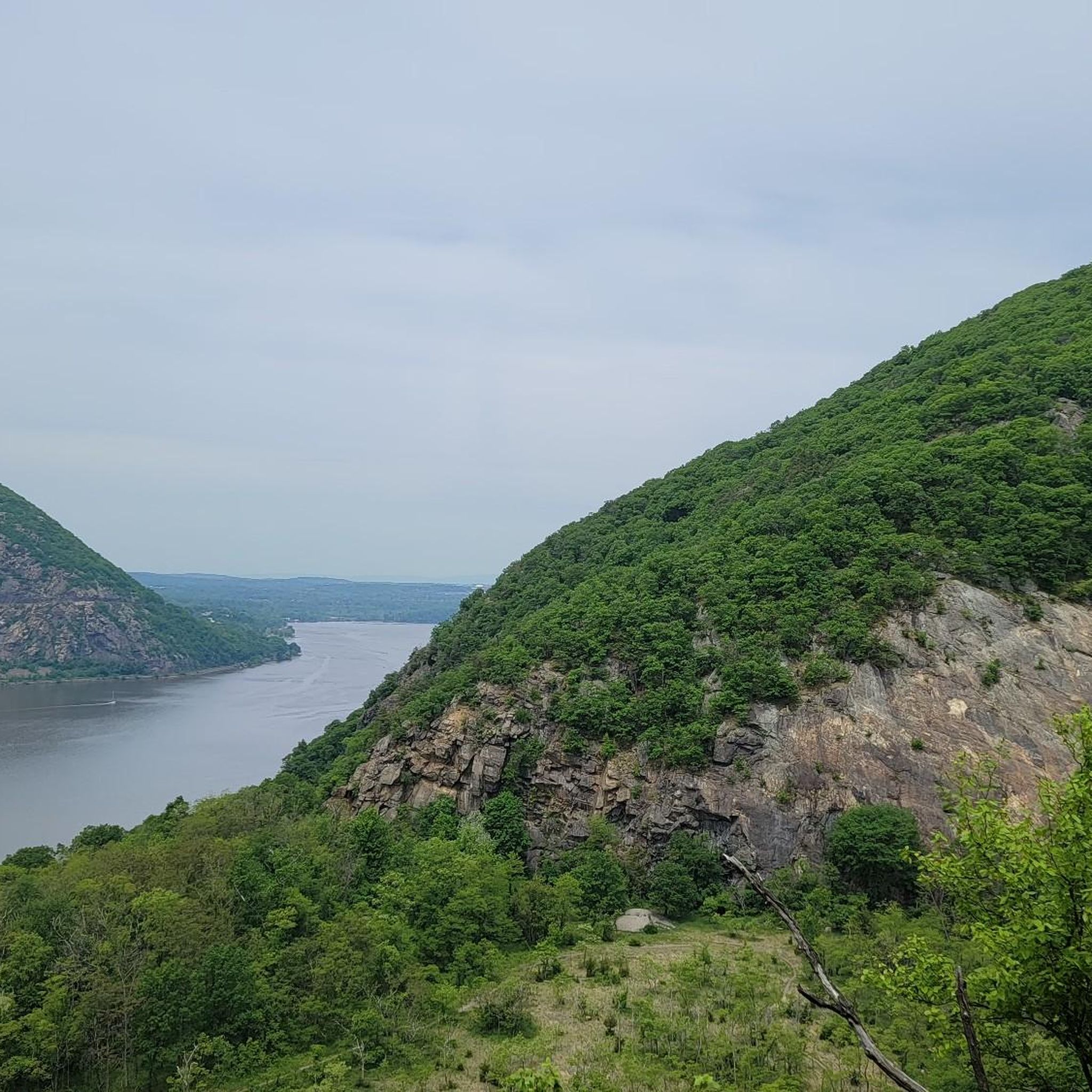
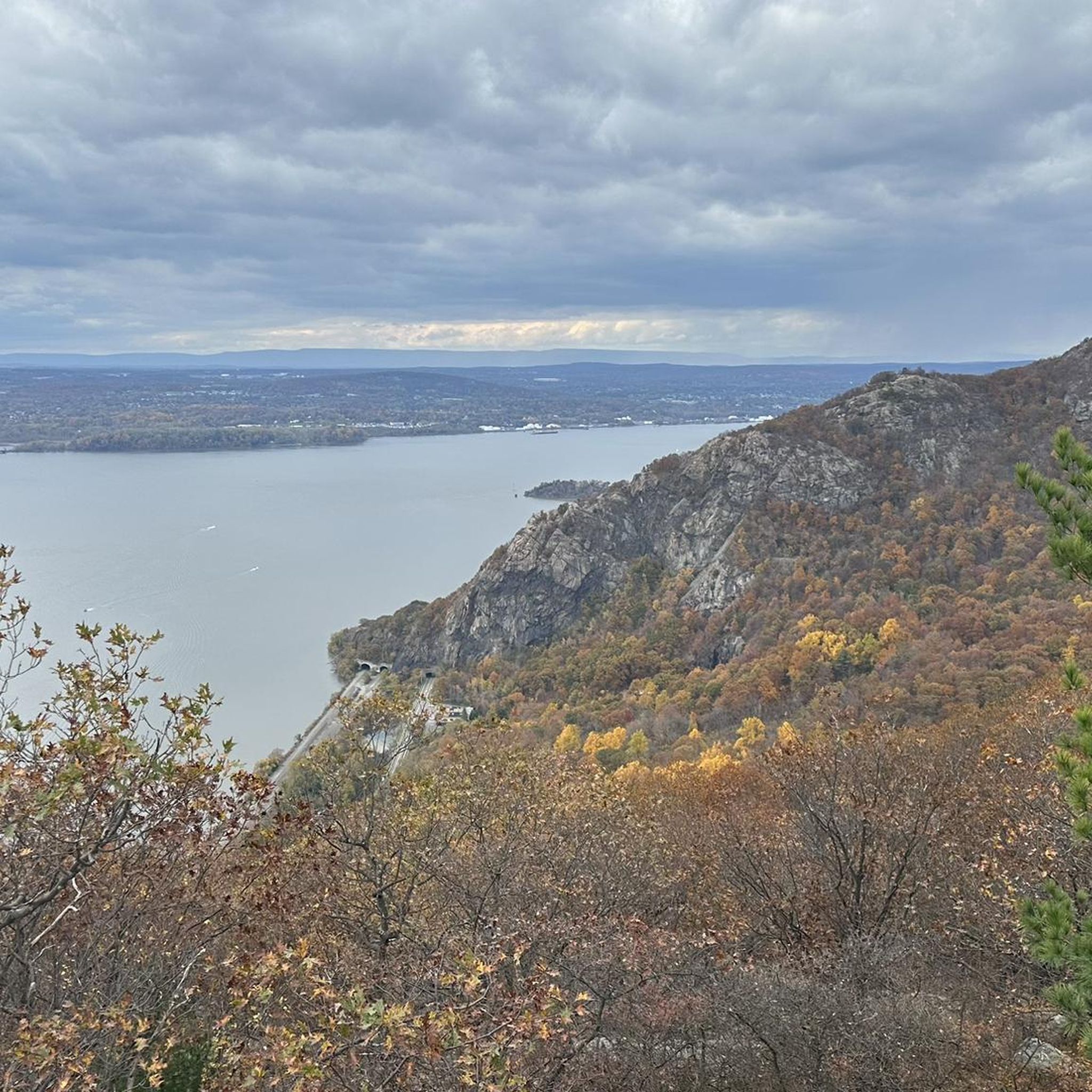
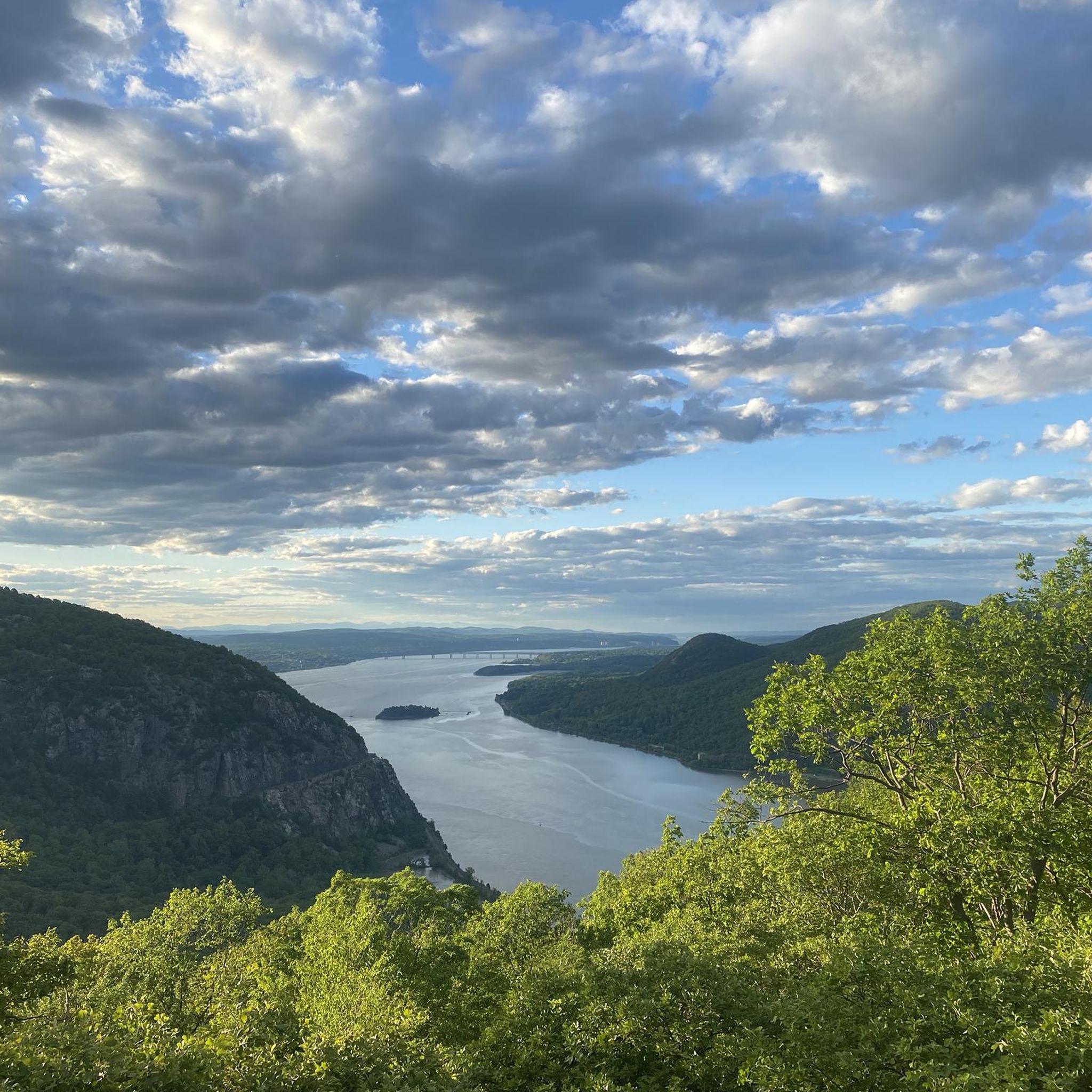
Mount Beacon Park, part of the Hudson Highlands State Park Preserve, is beautiful, with fantastic hiking trails and spectacular panoramic views. The park's trails, which range from moderate to challenging, lead to the summit of South Beacon Mountain, with a restored 60-foot fire tower, offering breathtaking vistas that stretch from the Manhattan skyline to the Catskill Mountains, especially on a clear day. The park is also home to the remnants of the historic Mount Beacon Incline Railway, once the world's steepest, and the foundations of an old casino and hotel, adding a unique historical dimension to the natural beauty of this area.
0
0
A metal staircase helps to overcome the first steep climb. Since all trails start/end here, the stairs protect nature. Because all hikers have to go through here and so the stairs protect the mountain from erosion.
3
0
Only the outer walls of the cable car building have been preserved, the roof is completely missing. On the other hand, it is easy to get to the remains of the machines, which are quite well preserved. Two large electric motors where you can still see the wire windings, huge gears with a few teeth missing. I find it remarkable that the foundations are concreted, but the bases for the machinery were built from bricks on top of them. These bricks are likely to have had a rather poor quality, because they are almost completely weathered, which means that the complex has settled a lot.
6
0
It is a ruin of a stately property that burned down in the 1950s. In addition to the main house, the complex consists of many smaller objects such as garages, glass houses, staff living quarters ... If you use your imagination, you can easily imagine life here and also operate the rather high technical effort around such a complex away from the cities to be able to.
5
0
It's a nice hike to this summit, but the visibility isn't great. The summit is overgrown with trees. But there are plenty of small branches in the area on the way to real "view points" with a very nice view of the Hundson Valley and the West Point military academy.
5
1

The incline railway, built in 1902, was a funicular that carried passengers to the hotel and casino atop Mount Beacon. When it opened, this was the steepest funicular in the world. The Great Depression eventually led to the closing of the mountaintop resort, and the increased use of cars made the incline railway obsolete. It closed in 1978, and fires later destroyed much of the buildings and track, leaving behind eerie ruins for exploration.
2
0
Initially built in the early 1900s for diamond merchant Sigmund Stern, it was then sold to Edward Cornish in 1917 (so it's also called the Cornish Estate). When Cornish and his wife died just a few weeks apart in 1938 (Edward died at his desk in NYC--rest up, everyone!), their nephew Joel inherited the estate. Joel did not live at the estate, and a fire destroyed almost everything in 1956. But you can still see the creepy ruins of several buildings, including the main hall, greenhouse, and swimming pool.
1
0
Frequently Asked Questions
What historical sites can I explore around Firthcliffe?
Firthcliffe itself is rich in history as a former factory community. You can see the Firthcliffe Firehouse and the historic Firthcliffe Club, which served as a social center for employees. Nearby, you can visit the eerie Cornish Estate Ruins (North Gate), a stately property that burned down in the 1950s, or the Ruins of the Mount Beacon Incline Railway Powerhouse, a significant industrial relic.
Where can I find scenic viewpoints near Firthcliffe?
For panoramic views, head to Bull Hill (Mount Taurus) Summit. From its 1,421 ft elevation, you can enjoy vistas of the Hudson Valley and the West Point military academy. On a clear day, the New York City skyline might even be visible.
Are there any waterfalls to visit in the area?
Yes, you can discover Brook Falls, a lovely waterfall of about 400 ft on Dry Brook. The best way to access it is via the trailhead at the end of Pocket Road.
What kind of outdoor activities can I do near Firthcliffe?
The region around Firthcliffe offers diverse outdoor activities. You can find numerous hiking trails, including popular routes like Storm King Mountain via Bayview Avenue or the Black Rock and Sphagnum Pond Loop. For more details on hiking, visit the Hiking around Firthcliffe guide.
Are there cycling routes available around Firthcliffe?
Absolutely! Cyclists can explore various routes. For gravel biking, consider loops like Indian Brook Road – Sunken Mine Road. Road cyclists might enjoy the Bear Mountain Bridge – View of Storm King Mountain loop. Find more options in the Gravel biking around Firthcliffe and Road Cycling Routes around Firthcliffe guides.
What is the historical significance of Firthcliffe?
Firthcliffe is historically significant as a self-contained factory community established in the 1880s by the British-based Firth Carpet Company. It offers a unique glimpse into early 20th-century industrial life and community development, with many original structures like employee houses and the Firthcliffe Club still standing.
Are there any family-friendly attractions or activities?
While Firthcliffe's main draw is its historical industrial heritage, the natural attractions nearby, such as Brook Falls or the less strenuous sections of the hiking trails, can be suitable for families. Exploring the ruins of the Cornish Estate can also be an engaging historical adventure for older children.
What do visitors enjoy most about the attractions near Firthcliffe?
Visitors particularly appreciate the blend of historical exploration and natural beauty. Many enjoy the unique experience of exploring the well-preserved machinery and foundations at the Ruins of the Mount Beacon Incline Railway Powerhouse. The scenic views from Bull Hill Summit and the tranquil setting of Brook Falls are also highly rated.
Are there any hidden gems or lesser-known spots to discover?
The Cornish Estate Ruins, with its extensive complex of main house, garages, and staff quarters, offers a fascinating, somewhat eerie exploration that feels like stepping back in time. The preserved industrial structures within Firthcliffe itself, like the Firthcliffe Club, are also unique historical insights often overlooked by general tourists.
What is the best time of year to visit Firthcliffe for outdoor activities?
The spring and fall seasons generally offer the most pleasant weather for hiking and cycling around Firthcliffe, with comfortable temperatures and beautiful foliage. Summer can also be enjoyable, though it can be warmer. Winter activities are possible, but some trails might be challenging due to snow and ice.
Are there any facilities or amenities like stairs on the trails?
Yes, some trails incorporate facilities to aid hikers and protect nature. For instance, a metal staircase, referred to as Stairs, helps overcome steep climbs and prevents erosion in high-traffic areas where multiple trails converge.
Most popular attractions around Firthcliffe

Get inspired with the komoot mobile app


Explore more
Still not found the Highlight you’re looking for? See guides of the top attractions in other regions:
