Top 20 Castles around Plauen
Best castles around Plauen are found within the Vogtland region, an area defined by its varied topography and historical significance. The landscape features river valleys and rolling hills, providing natural settings for numerous historical structures. Plauen itself is home to the Castle of Plauen, a landmark that offers insights into the region's past. The surrounding area presents opportunities to explore a range of medieval and later period castles.
Best castles around Plauen
- The most popular castles is Burgstein ruins,…
Last updated: October 10, 2026
Burgstein ruins
Highlight • Historical Site
Translated by Google •
Tip by

Ruins of Geilsdorf Moated Castle
Highlight • Castle
Translated by Google •
Tip by

Sign up now to discover places like this
Get recommendations on the best single tracks, peaks, & plenty of other exciting outdoor places.
Liebau Castle — Manor House Ruins
Highlight • Castle
Translated by Google •
Tip by

Elsterberg castle ruins
Highlight • Castle
Translated by Google •
Tip by

Netzschkau Castle
Highlight • Castle
Translated by Google •
Tip by

Sign up for free to discover even more castles around Plauen.
Already have an account?
Start today with a free account
Your next adventure awaits.
Popular around Plauen

Pure road and gravel riding joy through Saxony

Gravel and road cycling in the Vogtland region
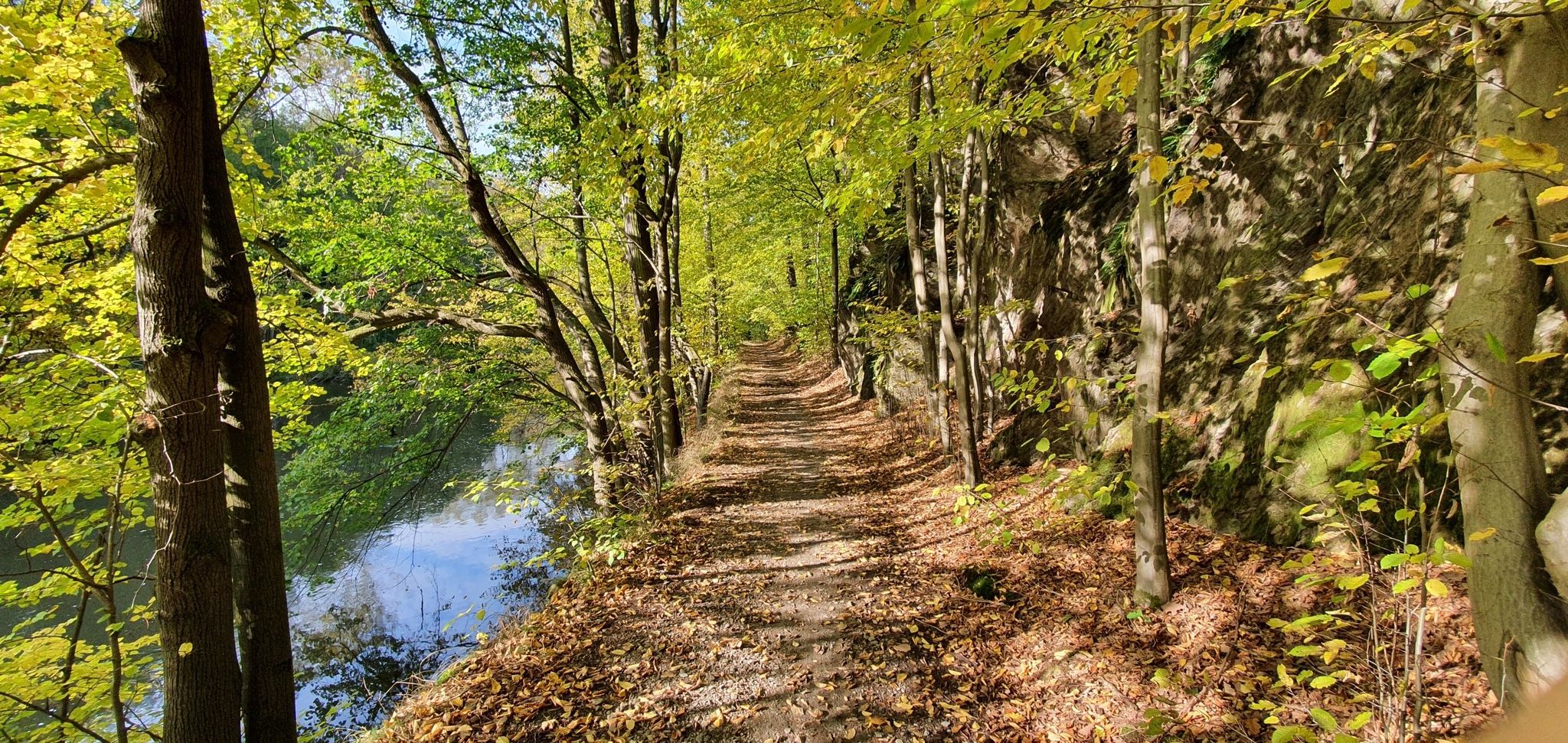
Discover eastern Germany – Elster Cycle Route
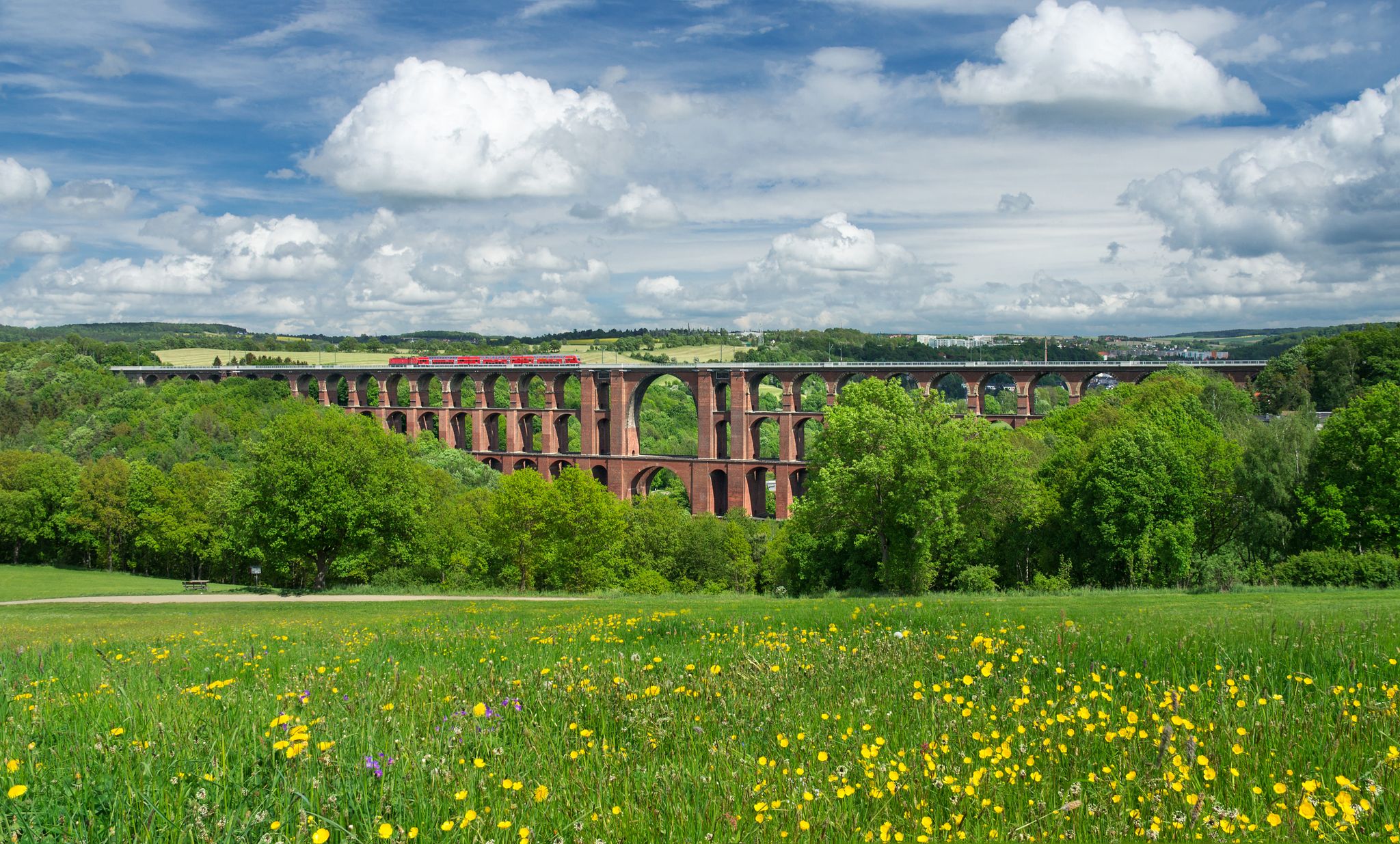
Experience nature’s symphony – Vogtland Panorama Trail
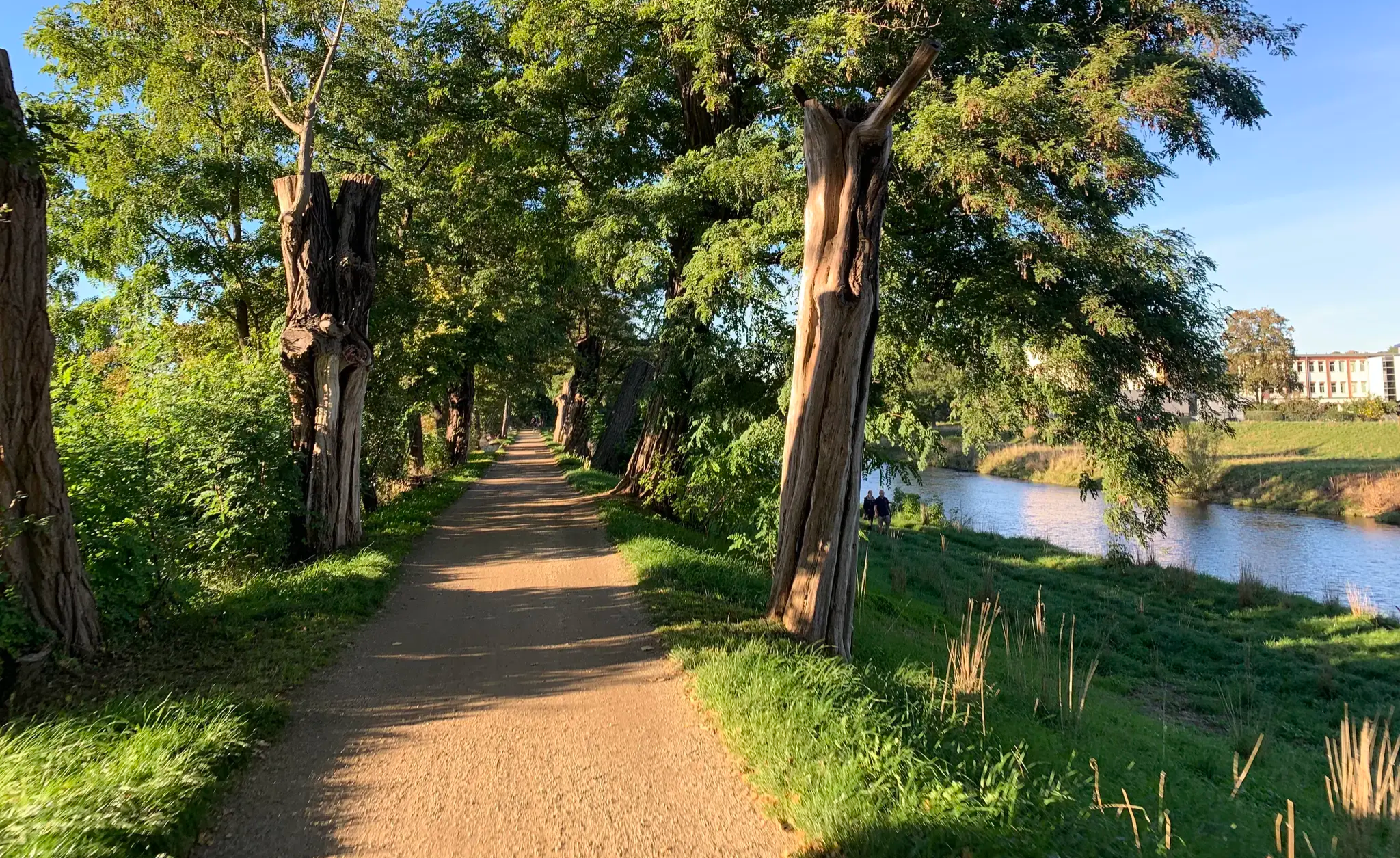
Durchatmen auf zwei Rädern – Mittagspausen in Sachsen
Mindful Hiking 2.2 – Aktivieren & Auftanken
Das Rascheln der Blätter – Natur trifft Kultur zur Buchmesse
Mindful Hiking 2.1 – Abstand gewinnen
Cycling around Plauen
Hiking around Plauen
Other adventures around Plauen


Tips from the Community

Perfect for a short visit. All in all, we spent about 45 minutes at the facility. Everything is freely accessible, at no extra cost. The facility is very well maintained and relatively easy to navigate. There's also a small playground nearby.
5
0
It's worth stopping by. The paths and stairs are very well maintained. There's a great view of Elsterberg from there.
4
0

The manor house, along with the associated estate buildings, has been vacant since 2003. The castle was almost completely built over by the palace. A remnant of a water-bearing moat still survives. The complex was protected as an archaeological monument at the end of 1059.
7
0
In 1382, a knight's seat was mentioned, owned by Ulrich von Sack zu Geilsdorf. The von Sack zu Geilsdorf family sold their property to Hans Wilhelm von Geilsdorf in 1574. Subsequent owners were Georg Peter von Reitzenstein from 1578 and Count Siegmund von Tattenbach from 1668. The castle was built around 1667/1668 on the site of a moated castle that had already existed in the 12th century. Renovations were carried out in 1719. The next owner, from 1725, was the von Nauendorff family. Geilsdorf Castle had been out of use since 1866. After it began to deteriorate, part of the former moat was filled in. The bridge was also demolished. The manor house of the manor was built around 1850. In 1910, large parts of the castle collapsed. The entire property was acquired by Walter Naumann in 1920 and taken over by the city of Plauen eight years later.
7
0

Netzschkau Castle. Information: An unfortified residential castle built around 1490, it is one of the first castles in Saxony.
1
0

My TIP: The region and hikes are very well described in the following book: GERA & Thuringian Vogtland A HIKING GUIDE & TRAVEL GUIDE for active vacationers, hikers, car and culture tourists with hikes near Gera, in the Thuringian Vogtland and on the Weiße Elster Weg, Thuringian Lutherweg, Zeulenrodaer Talsperrenweg, Weidatalweg, Hohenwarte Stausee Weg and in the Plothener Teichgebiet. Country and people section: Interesting facts about nature, history, culture, language & cuisine Travel section: Description of the cities, villages, regions with their sights Hiking section: 39 hiking tour descriptions with overview maps Travel & hiking guide: GERA & Thuringian Vogtland with Greiz, Saalfeld, Plauen... Publisher REISEBUCH-KARHU Price: 17.95 € ISBN: 978-3-98165-772-2 Information about the book & possibility to order: https://www.reise-karhu.de/reisebuecher/gera-thueringer-vogtland.html
1
0

The Elsterberg castle ruins are a historically valuable site and still offer plenty to spark the imagination. The walls, some several meters thick, the towers, and the wooden external staircase all invite contemplation. The well-preserved cellars are used for catering during festivities.
23
0

Such a small place, with virtual history
0
1
Frequently Asked Questions
What are some of the most historically significant castles to visit around Plauen?
The region offers several castles with rich histories. The Castle of Plauen itself, also known as the Castle of the Vogts, was the seat of the influential Vogts of Plauen and has a history dating back to around 1250. While largely ruins, it provides deep insights into the region's past. Another significant site is the Ruins of Geilsdorf Moated Castle, with origins from the 12th century, where you can see a preserved tower and learn about its history from information boards.
Are there any well-preserved castles or residential palaces near Plauen?
Yes, Netzschkau Castle is a notable example. Built around 1490, it is one of the first castles in Saxony and stands as an unfortified residential palace above the city in a castle park. Another is Treuen Castle, which is the last preserved half-timbered castle of the late Renaissance in southwest Saxony, dating from the 16th century.
What kind of outdoor activities can I do near the castles around Plauen?
The area around Plauen is excellent for various outdoor activities. You can find numerous routes for cycling, mountain biking, and running. For example, there are several cycling routes like the 'Elster Cycle Path' or a challenging 'View of Vogtland – Voigtsberg Castle' loop. Mountain bikers can explore trails around the Pöhl Dam, and runners have options like the 'Vogtlandstadion Plauen' loop. You can find more details on these activities in the Cycling around Plauen, MTB Trails around Plauen, and Running Trails around Plauen guides.
Are there family-friendly castles or historical sites suitable for children?
Yes, several sites are suitable for families. The Ruins of Geilsdorf Moated Castle offers information boards that can engage older children with its history. Netzschkau Castle, with its castle park, provides space for children to explore. Additionally, Treuen Castle hosts events and historical battles, which can be exciting for families.
Where can I find good viewpoints or scenic spots near the castles?
The Red Tower at the Castle of Plauen offers commanding views of the city and the Elster River bridge. For broader scenic views, Voigtsberg Castle, located in the surrounding area, is known for its picturesque setting. The Liebau Castle — Manor House Ruins, perched on a flat rock spur, also provides beautiful views, especially when discovered on a hike.
What is the best time of year to visit the castles around Plauen?
The spring and autumn months are generally ideal for visiting the castles and exploring the surrounding Vogtland region. The weather is pleasant for walking and outdoor activities, and the natural scenery is particularly beautiful. Some castles, like Liebau Castle — Manor House Ruins, are noted for being illuminated in the evening, which can be a special experience during longer autumn nights.
Are there any castle ruins that are popular for hiking?
Absolutely. The Burgstein ruins, consisting of two late medieval church ruins, are popular hiking destinations located between the villages of Krebes and Ruderitz. They offer a chance to explore historical sites while enjoying a walk. The Liebau Castle — Manor House Ruins is also best discovered on a hike through Vogtland Switzerland.
Can I visit the Castle of Plauen itself?
Yes, the Castle of Plauen, despite largely being in ruins, is a significant historical landmark. You can explore the site, including the distinctive Red Tower, which dates back to around 1425. Archaeological excavations have uncovered foundations of medieval buildings, and guided tours of the castle hill offer insights into its history and the city's development.
Are there any castles that also house museums?
Yes, Voigtsberg Castle, located in the broader Vogtland region, is a significant historical site that houses three museums: a carpet museum, a mineral vault, and an illusory museum. It also features a historical costume collection and a district archive, offering a diverse cultural experience.
What kind of historical context defines the castles in the Plauen region?
The castles in the Plauen region, particularly the Castle of Plauen, are deeply rooted in the history of the Vogts of Plauen, who were influential in local administration and defense from around 1250. Many castles, like the Castle of Plauen, served as official seats, underwent reconstructions after conflicts such as the Hussite wars, and evolved through various architectural periods, reflecting centuries of regional power shifts and cultural development.
Are there cafes or restaurants near the castles?
While specific cafes directly adjacent to every ruin are not common, Voigtsberg Castle in the surrounding area features a restaurant on its premises. For other castle sites, you'll typically find cafes and pubs in the nearby towns and villages, especially in Plauen itself, where you can refresh after your explorations.
How long should I plan for a visit to the castles?
The duration of your visit depends on the castle. For sites like the Castle of Plauen or the Ruins of Geilsdorf Moated Castle, an hour or two might suffice to explore the ruins and read information boards. For larger sites like Voigtsberg Castle with its museums, you could easily spend half a day. If you combine a castle visit with a hike, plan for several hours.
Most popular routes around Plauen
Most popular attractions around Plauen

Get inspired with the komoot mobile app


Explore more
Looking for the best castles somewhere else? Discover other guides around Plauen:
