Top 20 Castles around Müglitztal
Best castles around Müglitztal are found within the picturesque Müglitz Valley in Saxony, Germany, a region known for its historical landmarks and natural landscapes. The valley is characterized by its lush greenery and the meandering Müglitz River. This area offers a blend of historical architecture set against a scenic backdrop. Visitors can explore various castles, with Weesenstein Castle being a prominent example directly within the valley.
Best castles around Müglitztal
- The most popular castles is Baroque Garden at Weesenstein Castle…
Last updated: June 22, 2026
View of Pillnitz Palace
Highlight • Viewpoint
Translated by Google •
Tip by

Pirna Town Bridge
Highlight • Bridge
Translated by Google •
Tip by

Sign up now to discover places like this
Get recommendations on the best single tracks, peaks, & plenty of other exciting outdoor places.
Sign up for free
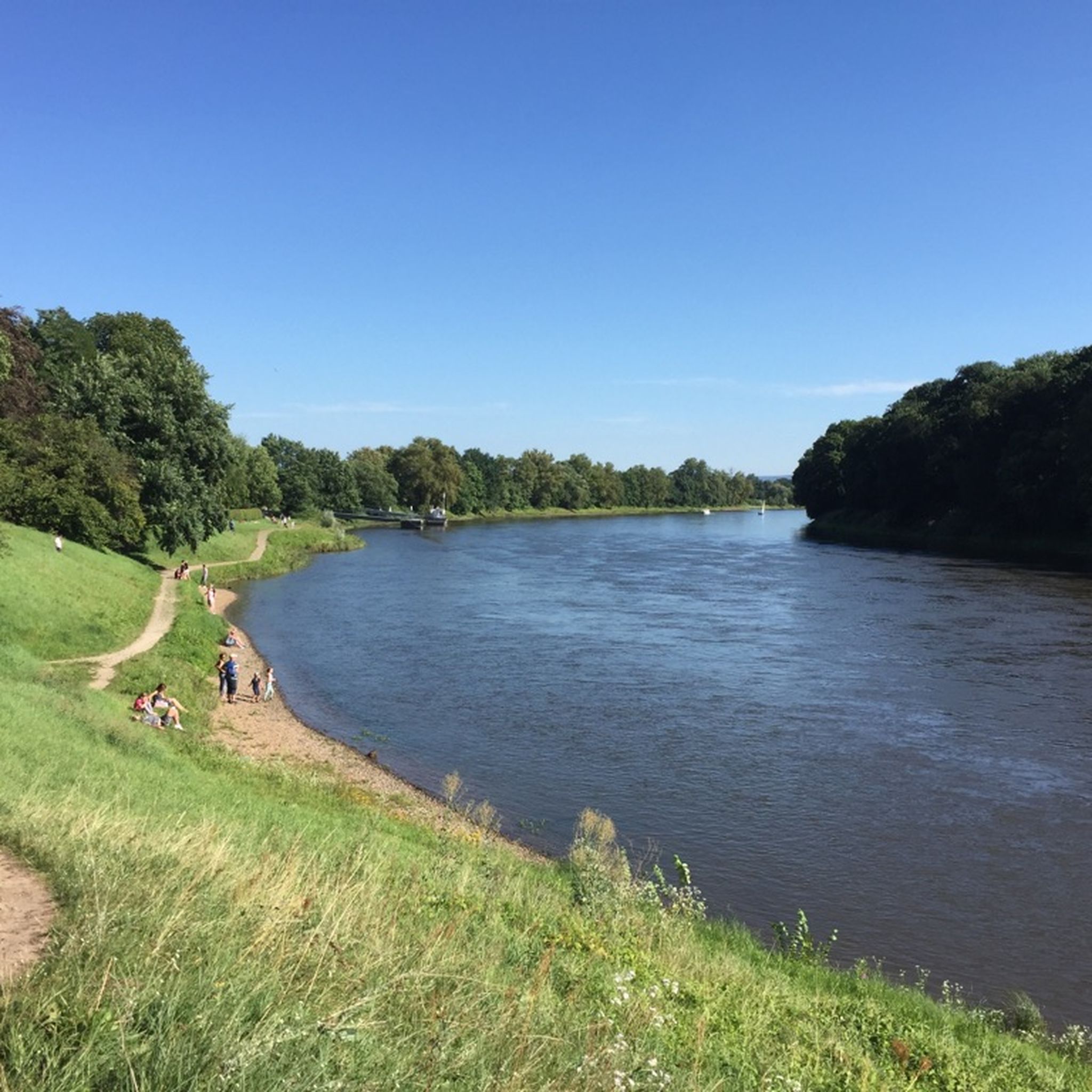
View of Pillnitz Palace from the Elbe Cycle Path
Highlight (Segment) • Viewpoint
Translated by Google •
Tip by

Grand Staircase at Pillnitz Palace
Highlight • Monument
Translated by Google •
Tip by

Pleasure Garden, Pillnitz Palace
Highlight • Natural Monument
Translated by Google •
Tip by

Sign up for free to discover even more castles around Müglitztal.
Sign up for free
Already have an account?
Start today with a free account
Your next adventure awaits.
Login or Signup
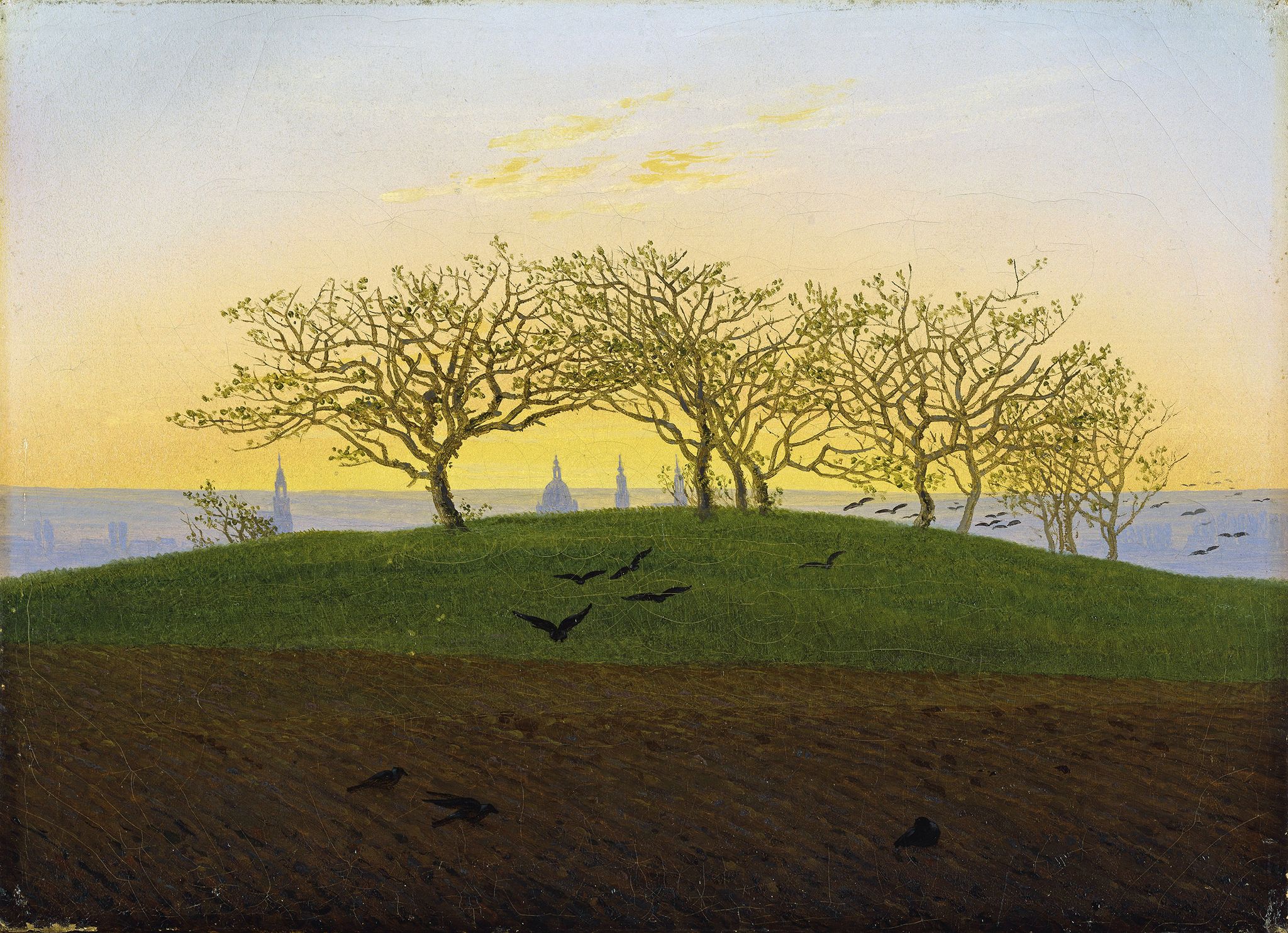
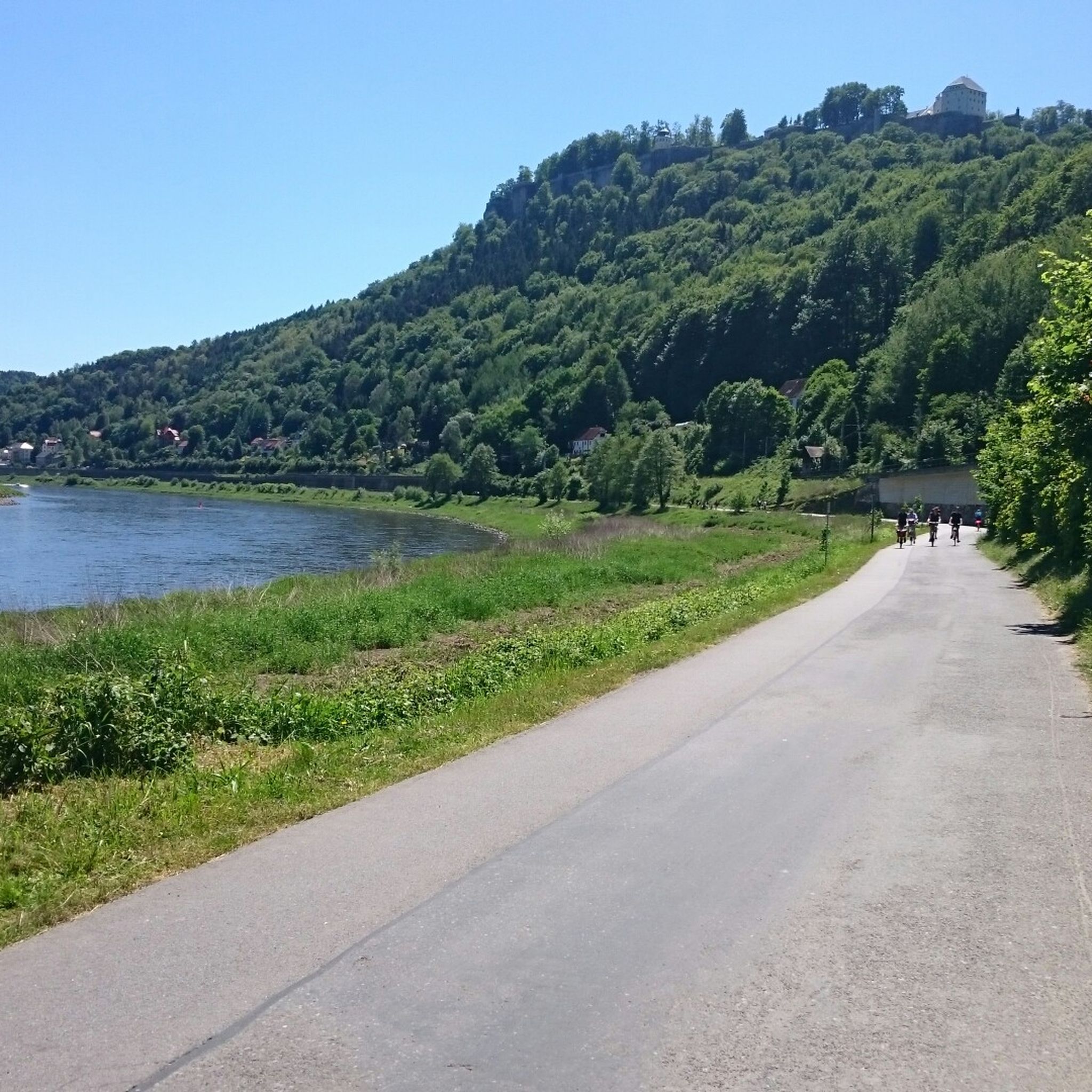

Other adventures around Müglitztal

Tips from the Community

Pillnitz Palace Park is open year-round. Admission is €8, with a concessionary rate of €7.
0
0

The water features could have been installed in the Christmas Garden.
1
1


From here you have a beautiful view of Pillnitz Castle
1
0

Located right on the path
1
1
Located on the way - simply beautiful
1
1

at each entrance there was a 5m high wooden swing
2
2

A beautiful pleasure garden created in 1720 with 4 lawns and 2 fountains.
4
0
Frequently Asked Questions
What is the most prominent castle to visit in the Müglitztal valley?
The most prominent castle directly within the Müglitztal valley is Weesenstein Castle. It's a significant historical landmark showcasing a fascinating blend of architectural styles from Gothic to Classical, with Renaissance and Baroque elements.
What makes Weesenstein Castle unique?
Weesenstein Castle is unique for its eight stories, including a stable on the fifth floor, and chambers one floor beneath the cellar. Its architecture is a blend of Gothic, Renaissance, Baroque, and Classical styles, built on a rocky outcrop. It also boasts a valuable Renaissance portal and a Baroque chapel.
Are there family-friendly activities at the castles in Müglitztal?
Yes, Weesenstein Castle offers interactive games in its rooms to help children experience historical everyday life, and exploring its 200 rooms can be an adventure. Guided tours suitable for families are also available, often incorporating storytelling. The Baroque Garden at Weesenstein Castle is also family-friendly.
What kind of historical significance do the castles in Müglitztal hold?
Weesenstein Castle, for instance, has over 800 years of history, starting as a medieval fortification. It later became a 'secret residence' for Saxon royals, including King John of Saxony, and stored parts of the Dresden State Art Collections during WWII, saving them from destruction. The region's castles, including the Drachenburg Ruins at Meixmühle, reflect centuries of regional history.
What natural features or viewpoints can I enjoy near the castles?
The Baroque Garden at Weesenstein Castle offers beautiful views of the Müglitz Valley. Further afield, you can find stunning perspectives like the View of Pillnitz Palace from the Elbe, especially from the opposite bank in the late afternoon, or the View of Pillnitz Palace from the Elbe Cycle Path.
What outdoor activities can I do near these castles?
The Müglitztal region offers various outdoor activities. You can find numerous routes for cycling, gravel biking, and mountain biking. For cycling, explore routes like the 'View of Pillnitz Palace – Lugturm loop from Weesenstein'. Gravel biking options include 'Pirna Landscape', and mountain bikers can tackle trails such as the 'Kroatenschlucht Trail'. You can find more details on these activities in the respective guides: Cycling around Müglitztal, Gravel biking around Müglitztal, and MTB Trails around Müglitztal.
How long should I plan for a visit to a castle like Weesenstein?
To fully experience Weesenstein Castle, including its 35 museum rooms, art collections, and the surrounding Baroque park, you should plan for at least 2-3 hours. If you wish to take an audio guide tour or participate in a family-friendly activity, allow for more time.
What is the best time of year to visit the castles in Müglitztal?
The castles in Müglitztal, particularly Weesenstein Castle with its picturesque setting and lush greenery, are beautiful to visit from spring through autumn. The formal gardens and baroque park are especially vibrant during these seasons. Winter can also offer a unique, serene experience, though some outdoor areas or specific events might be limited.
Are there cafes or places to eat near Weesenstein Castle?
Yes, Weesenstein Castle typically has facilities on-site, such as a castle restaurant or cafe, where visitors can enjoy refreshments. Additionally, the surrounding village of Weesenstein and the broader Müglitztal area offer various local eateries.
What do visitors enjoy most about the castles around Müglitztal?
Visitors particularly enjoy the blend of historical architecture set against scenic natural backdrops. The Baroque Garden at Weesenstein Castle is appreciated for its French design and beautiful contrast to the wooded surroundings, offering lovely views of the Müglitz Valley. The impressive and colorful construction of Pillnitz Palace, especially from the Elbe, is also a favorite.
Are the castles in Müglitztal accessible for wheelchairs?
While many historical sites present accessibility challenges, some parts of the castles or their grounds may be accessible. For specific information regarding wheelchair accessibility at Weesenstein Castle or other sites, it is best to check their official websites or contact them directly before your visit to ensure a comfortable experience.
Can I find circular walking routes that include castles in Müglitztal?
Yes, the region is well-suited for circular walks that incorporate historical sites. While specific routes are not detailed here, the presence of various castles and the scenic Müglitz Valley suggest many opportunities for combining castle visits with pleasant walks. You can explore nearby cycling and mountain biking guides for routes that might be adapted for walking, such as those mentioned in the Cycling around Müglitztal guide.
Most popular routes around Müglitztal
Most popular attractions around Müglitztal

Get inspired with the komoot mobile app


Explore more
Looking for the best castles somewhere else? Discover other guides around Müglitztal:
