Top 11 Castles around Nierstein
Best castles around Nierstein are situated in a charming town along the Rhine, offering historical structures and panoramic views. The region is characterized by its vineyards and the Rhine river, providing a backdrop for historical exploration. These sites offer glimpses into Nierstein's past and its strategic importance. The area combines historical landmarks with natural landscapes, making it suitable for various outdoor activities.
Best castles around Nierstein
- The most popular castles is Landskron Castle Ruins, a castle that features parts…
Last updated: October 11, 2026
Landskron Castle Ruins
Highlight • Castle
Showing Translation
Tip by

Königstuhl Lookout Tower
Highlight • Viewpoint
Translated by Google •
Tip by

Sign up now to discover places like this
Get recommendations on the best single tracks, peaks, & plenty of other exciting outdoor places.
Schwabsburg Keep
Highlight • Castle
Translated by Google •
Tip by

Schwabsburg Castle Tower
Highlight • Castle
Translated by Google •
Tip by

Leininger Castle
Highlight • Castle
Showing Translation
Tip by
Sign up for free to discover even more castles around Nierstein.
Already have an account?
Start today with a free account
Your next adventure awaits.
Popular around Nierstein

The Rhine Cycle Path — From the source to the North Sea

Peak tour through Germany: the highest pass and mountain roads

Rheinhessen mit Aussicht - Die schönsten Panoramatouren in Rheinhessen
Hiking around Nierstein
Cycling around Nierstein
Road Cycling Routes around Nierstein
Running Trails around Nierstein
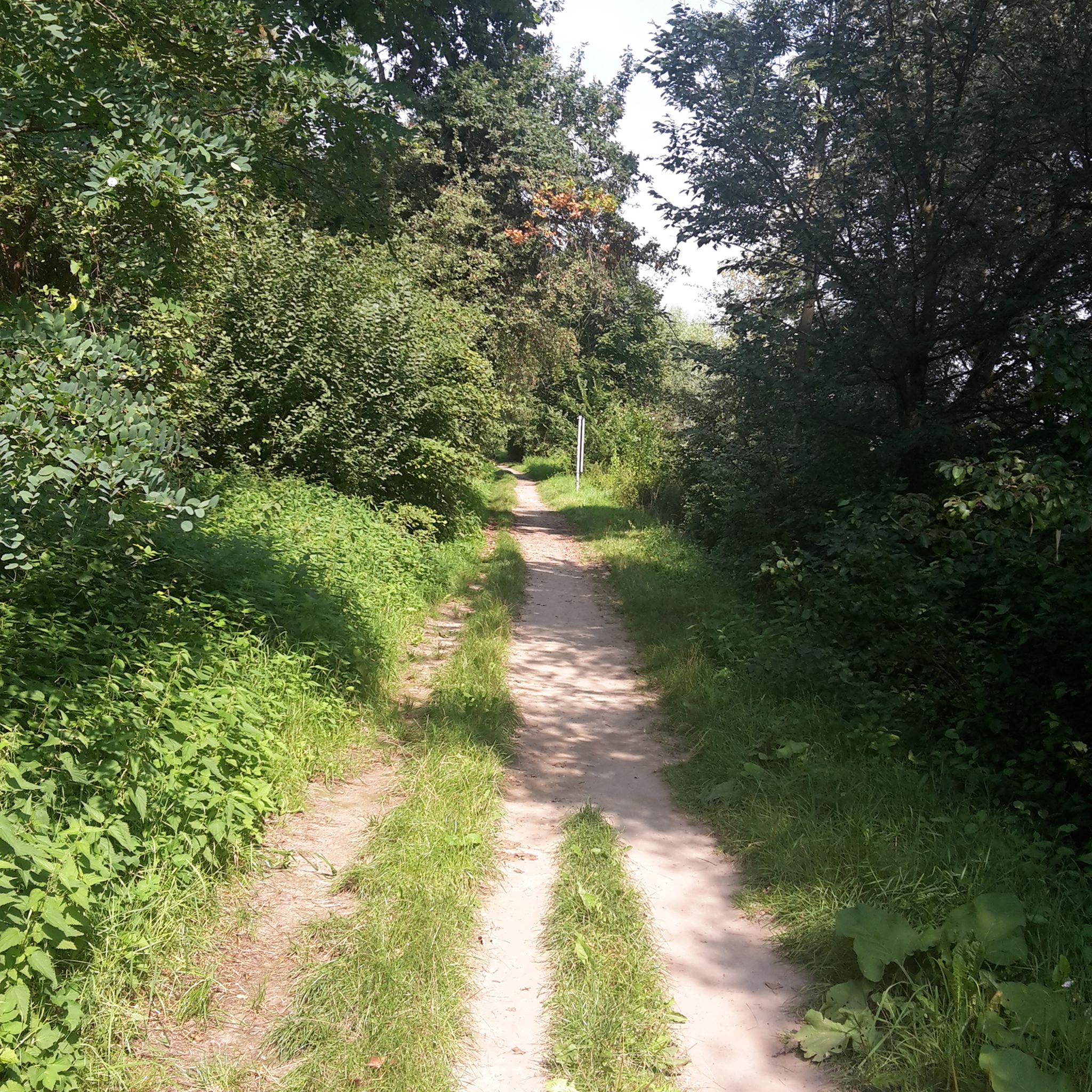
MTB Trails around Nierstein

Gravel biking around Nierstein
Other adventures around Nierstein


Tips from the Community

Leiningen Castle, located in the town center, has a multifaceted past. The shell was completed in 1708, but no further expansion took place at first, as the then owner, Count Carl Ludwig von Leiningen-Dagsburg-Falkenburg, died in 1709. His wife, Countess Anna Sabina von Nostitz, sold the property to the Electorate of the Palatinate's Privy Council in 1717 due to financial difficulties. In the years that followed, the castle fell more and more into oblivion until 70 years later, in 1787, a member of the Leiningen family again became the owner. Count Wilhelm Carl zu Leiningen-Guntersblum renovated the impressive building and expanded it further for the purposes of the count's family. In 1833, the castle became the property of the municipality of Guntersblum and has been officially used as a town hall since 1834. Since 2014, an administrative office for the Rhein-Selz municipality has also been located in the building. The basement is also used as an event space. The area in front of the castle was originally designed as a sprawling castle park. Over time, this park was pushed back by various buildings; today a single fountain holds the position as a relic of bygone days. https://www.rheinhessen.de/a-leininger-schloss
2
0

The keep has been preserved and can be climbed. The upper (narrow) section is a bit dark, but the climb is worth it!
3
0

Only one freestanding tower remains of the former Schwabsburg Castle. This tower, made of massive, bossed ashlars, was once the keep of the complex. Located on a Roman military road leading to Mommenheim, it once served to protect and maintain the power of the Hohenstaufen dynasty in and around Nierstein and Oppenheim. Where the castle was built is unknown, but a connection to the construction of Landskron Castle in Oppenheim is suspected, which suggests a date between 1125 and 1245. These buildings were destroyed by the Spanish in 1620 during the Thirty Years' War. Although no further remains of the complex exist, old sources mention a dining hall, a curtain wall, and various residential and commercial buildings. https://www.rheinhessen.de/a-burg-schwabsburg
5
1

Here you can find information about Landskron Castle: https://de.m.wikipedia.org/wiki/Burg_Landskron_(Oppenheim)
7
0
History Before the Landskron Castle was built, a Salian or Staufen fortification probably stood in the same place, which was mentioned in 1118 as "praesidium" and was destroyed in the possession of King Henry V by troops of the Archbishop of Mainz, Adalbert. The castle itself was probably built at the beginning of the 13th century. The oldest surviving written mention of "Reichsburg Oppenheim" dates from 1244. This castle was destroyed in 1257 and 1275 by the citizens of Oppenheim in a dispute with the castle dwellers over their privileges. However, Rudolf von Habsburg forced the citizens to rebuild the castle by 1281. In 1375, Emperor Charles IV pawned the castle to Ruprecht of the Palatinate. Ruprecht accordingly had the castle expanded. He was followed by his grandson Ruprecht III as owner of the castle, who also died there. Elector Frederick V commissioned a palace-like renovation of the castle in 1615. The castle burned down in the Thirty Years' War during the Oppenheim town fire
8
0

Schwabsburg: a bold little town with an impressive castle, the town meanders through the valley like a snake below the castle and, thanks to its layout, retains its historical independence despite being incorporated into Nierstein.
3
1


Schwabsburg Castle is the ruins of a hilltop castle at about 120 m above sea level. NN, on a mountain spur, U-shaped surrounded by the Schwabsburg district of the town of Nierstein in the Mainz-Bingen district in Rhineland-Palatinate. Fast Facts The Schwabsburg was probably founded around 1210 and found its first documentary mention in 1257 in a royal document from Richard of Cornwall as a base of the Hohenstaufen rulers on the Rhine. In the 14th century the castle was pledged to the Archbishop of Mainz for 60 years and then became the property of the Palatinate Electors. Knight Wigand von Dienheim († November 26, 1331) was given Schwabsberg Castle as a fief in 1316 because of his high reputation with Emperor Ludwig IV (HRR). In the Thirty Years' War, the castle, like the entire Lower Palatinate on the left bank of the Rhine, was destroyed from 1620 by an army led by the Spanish general and general Ambrosio Spinola or his successor Gonzalo Fernández de Córdoba from spring 1621. In 1799 the castle was demolished after it was auctioned off.
2
0
Frequently Asked Questions
What historical structures can I explore around Nierstein?
Nierstein offers a mix of historical structures. You can visit the ruins of Landskron Castle Ruins, which provides expansive views, and the Schwabsburg Castle Tower, a freestanding keep offering a glimpse into medieval Staufer architecture. Additionally, the Königstuhl Lookout Tower (also known as Wartturm) is a medieval watchtower with panoramic views. For a preserved structure, Leininger Castle in Guntersblum now serves as a town hall.
Which castles offer the best panoramic views of the Rhine valley?
For breathtaking panoramic views, the Landskron Castle Ruins are highly recommended. From here, you can see across the Rhine plain, and on clear days, even as far as Frankfurt and the Odenwald. The Königstuhl Lookout Tower also provides a beautiful vista over Nierstein, the Donnersberg, the Hessian Mountain Road, the Taunus, Wiesbaden, Mainz, and the entire Rhine-Main area.
Are there hiking trails that connect the castles around Nierstein?
Yes, the region is popular for hiking. The Wartturm (Königstuhl Lookout Tower) is a key stop on the Nierstein Three-Towers-Hike. You can find various hiking routes, including easy options, that explore the area's landmarks and vineyards. For more details, check out the easy hikes around Nierstein guide.
What is the historical significance of Schwabsburg Castle?
The Schwabsburg Castle Tower is a ruin of a high castle, likely built between 1125 and 1245 during the Staufer period. It was strategically important for securing connections between imperial properties around Oppenheim and Ingelheim. Its freestanding keep, constructed from massive bossage, is a notable example of Staufer architecture. The castle was destroyed during the Thirty Years' War around 1620.
Are there family-friendly castles or historical sites to visit near Nierstein?
Many of the sites are family-friendly, especially for those who enjoy walking and exploring. The Landskron Castle Ruins and Königstuhl Lookout Tower are great for families, offering views and space to explore. The Königstuhl even has benches and loungers for relaxation. Leininger Castle, now a town hall, is also accessible and offers a glimpse into local history.
What is the best time of year to visit the castles and historical sites in Nierstein?
The region is beautiful year-round, but spring and autumn are particularly pleasant for exploring. Spring brings blooming vineyards, while autumn offers vibrant foliage and harvest festivals. The Wartturm (Königstuhl Lookout Tower) is especially popular during the annual May 1 hike and other wine festivals. Clear days in any season will enhance the panoramic views from the castle ruins and lookout towers.
Are there options for cycling near the castles?
Yes, Nierstein is very cyclist-friendly. The area around the castles and along the Rhine features numerous cycling paths. The Wartturm is a popular destination for cyclists. You can find various routes, from easy to moderate, that allow you to explore the vineyards and riverside. Consult the cycling around Nierstein guide for detailed routes.
Can I access the Wartturm (Königstuhl Lookout Tower)?
Yes, the Wartturm is accessible to the public. Keys can be obtained from the Nierstein municipal administration. The tower is also lit up at night, thanks to local commitment, making it a visible landmark.
Are there any cafes or restaurants near the castles for refreshments?
Nierstein and the surrounding towns offer various cafes, pubs, and restaurants where you can find refreshments. Given the region's winemaking heritage, many establishments will offer local wines alongside food. The Wartturm itself has benches and tables, making it a popular spot for picnics.
What kind of terrain can I expect on hiking trails around Nierstein's castles?
The hiking terrain around Nierstein's castles often involves vineyards and elevated positions, providing scenic views. Trails can range from easy walks through vineyards to more moderate paths with some elevation gain, especially when ascending to sites like the Wartturm or Schwabsburg. The 'Red Slope' area, where the Wartturm is located, is known for its distinctive geological features.
Is there parking available for visitors to the castles?
Parking is generally available in Nierstein and near the access points for the historical sites. For specific details on parking near individual castles or trailheads, it's advisable to check local signage or visitor information centers upon arrival.
Are dogs allowed on trails and at the castle ruins?
Many outdoor trails and open-air castle ruins in the Nierstein region are dog-friendly, especially if dogs are kept on a leash. It's always best to check specific site regulations, but generally, the natural and historical outdoor areas welcome well-behaved dogs.
Most popular routes around Nierstein
Most popular attractions around Nierstein

Get inspired with the komoot mobile app


Explore more
Looking for the best castles somewhere else? Discover other guides around Nierstein:
