Top 14 Castles around Konz
Best castles around Konz are situated in a region known for its historical significance, particularly the remains of a Roman Imperial Palace. The wider area of Rhineland-Palatinate, encompassing the Mosel and Rhine valleys, features numerous castles. This landscape combines river valleys with historical sites, offering diverse exploration opportunities. The region's history spans from Roman times to medieval periods, reflected in its architectural heritage.
Best castles around Konz
- The most popular castles is View of Saarburg and Saarburg Castle, a…
Last updated: June 17, 2026
View of Saarburg and Saarburg Castle
Highlight • Viewpoint
Translated by Google •
Tip by

Electoral Palace and Palace Garden, Trier
Highlight • Historical Site
Translated by Google •
Tip by

Sign up now to discover places like this
Get recommendations on the best single tracks, peaks, & plenty of other exciting outdoor places.
Sign up for free
Saarburg Old Town and Leukbach Waterfall
Highlight • Settlement
The Leukbach with the waterfall flows through the old town center.
It is definitely worth stopping at …
Translated by Google •
Tip by

Saarburg Castle Ruins
Highlight • Castle
Translated by Google •
Tip by

Monaise Castle
Highlight • Castle
Translated by Google •
Tip by

Sign up for free to discover even more castles around Konz.
Sign up for free
Already have an account?
Start today with a free account
Your next adventure awaits.
Login or Signup
Popular around Konz
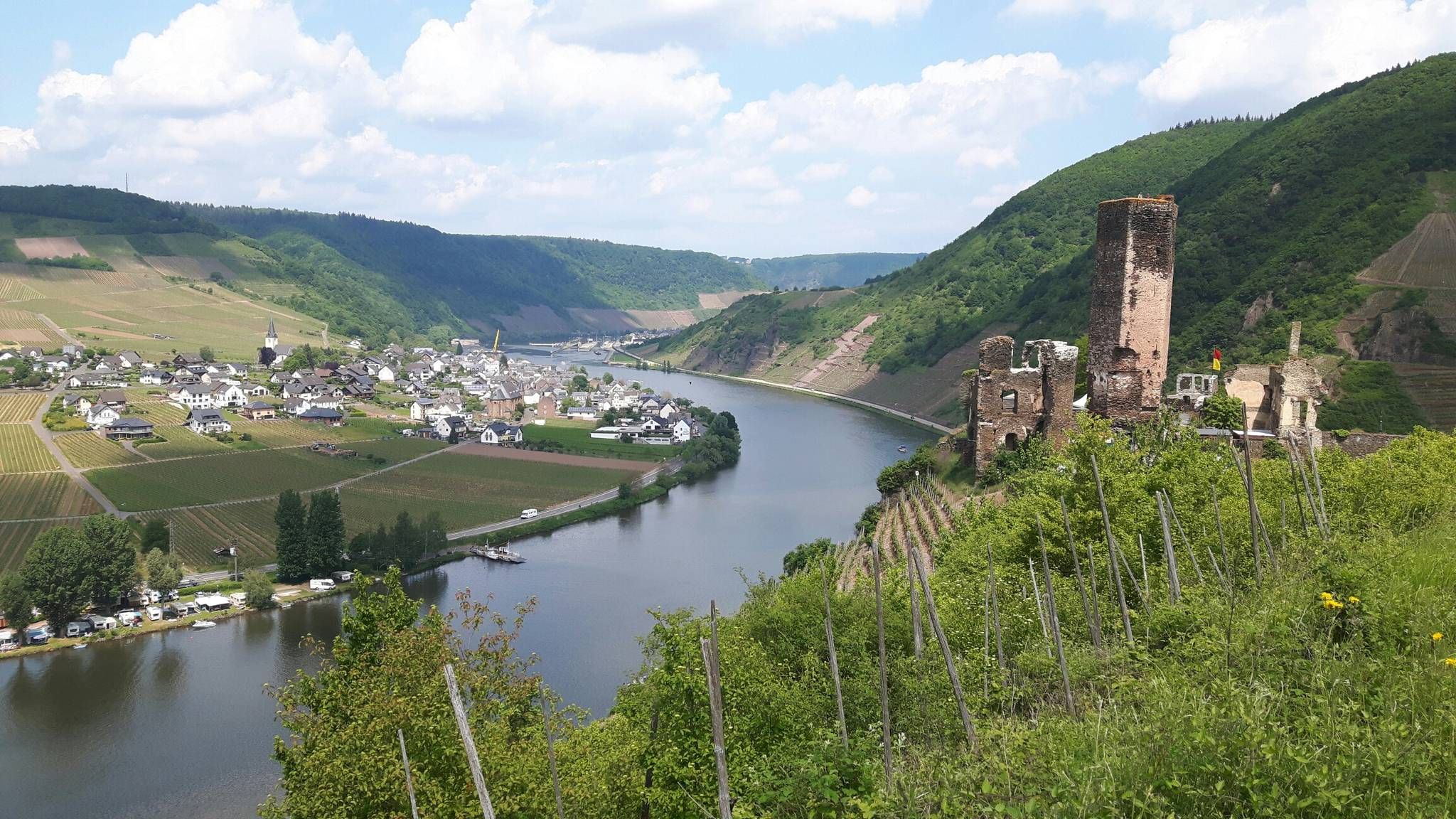
The Moselsteig trail – 24 stages along the sunny Moselle Valley
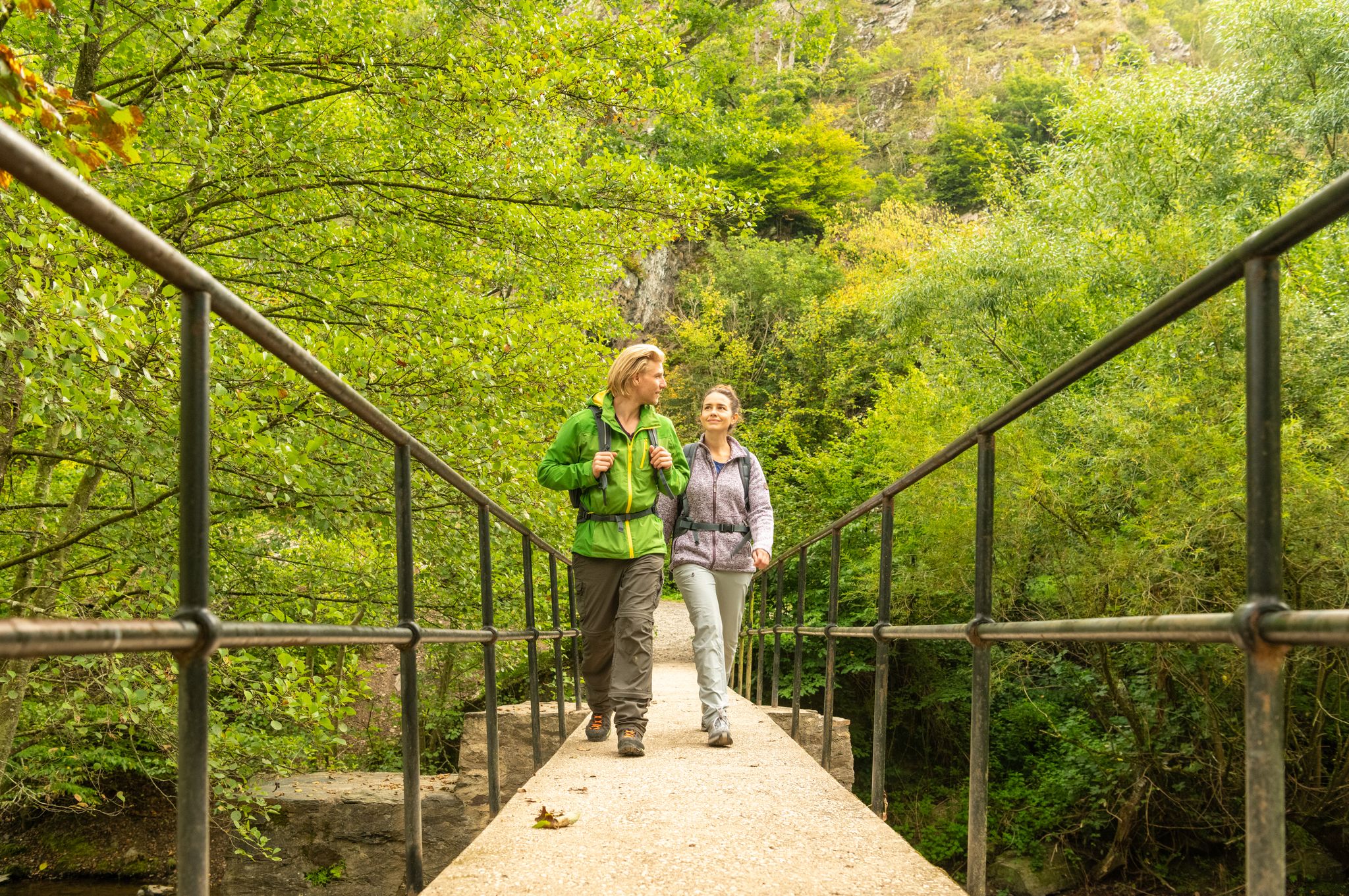
Moselsteig Partner Trails – nature, culture and views
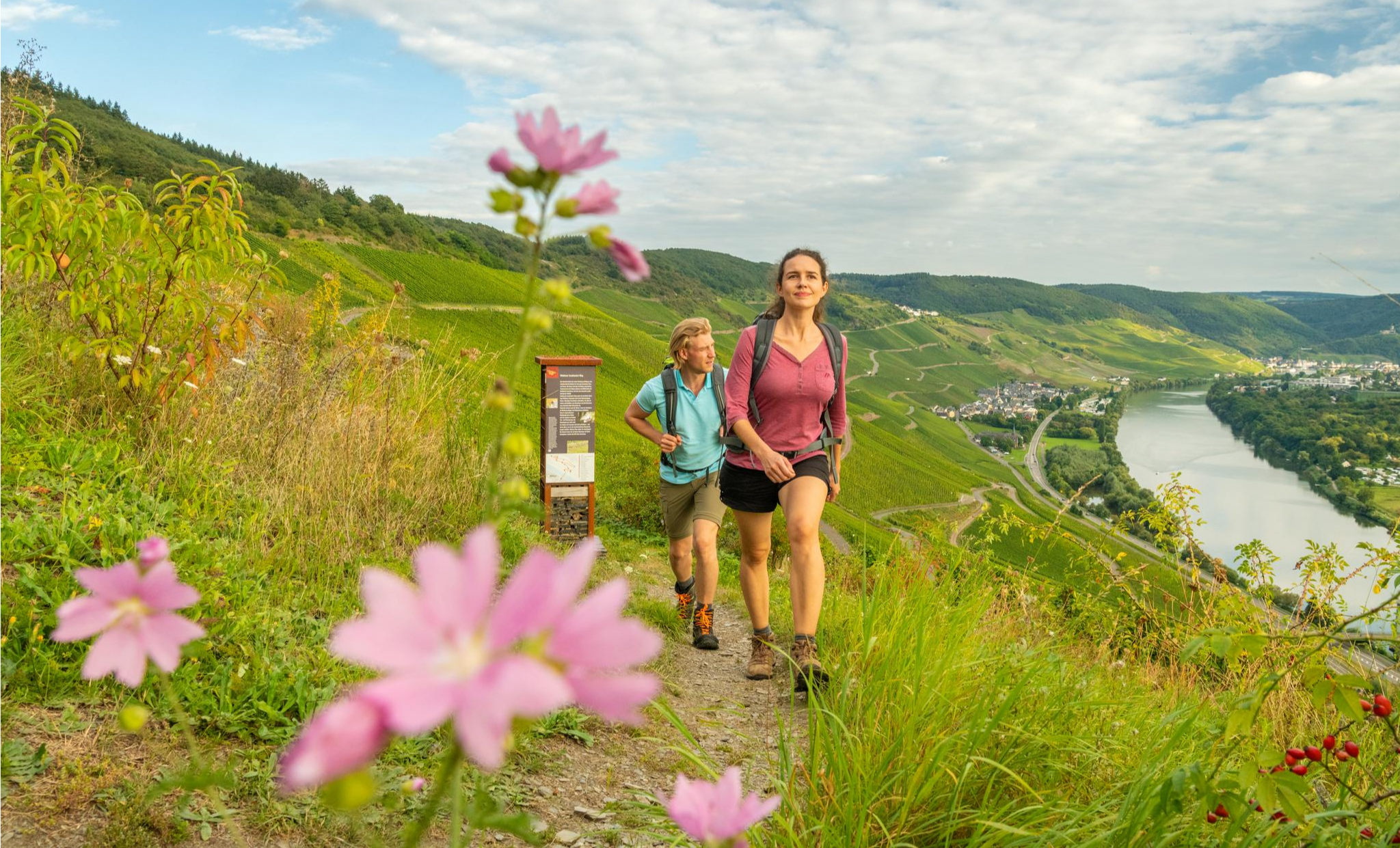
Moselsteig – 24 varied stages from Perl to Koblenz
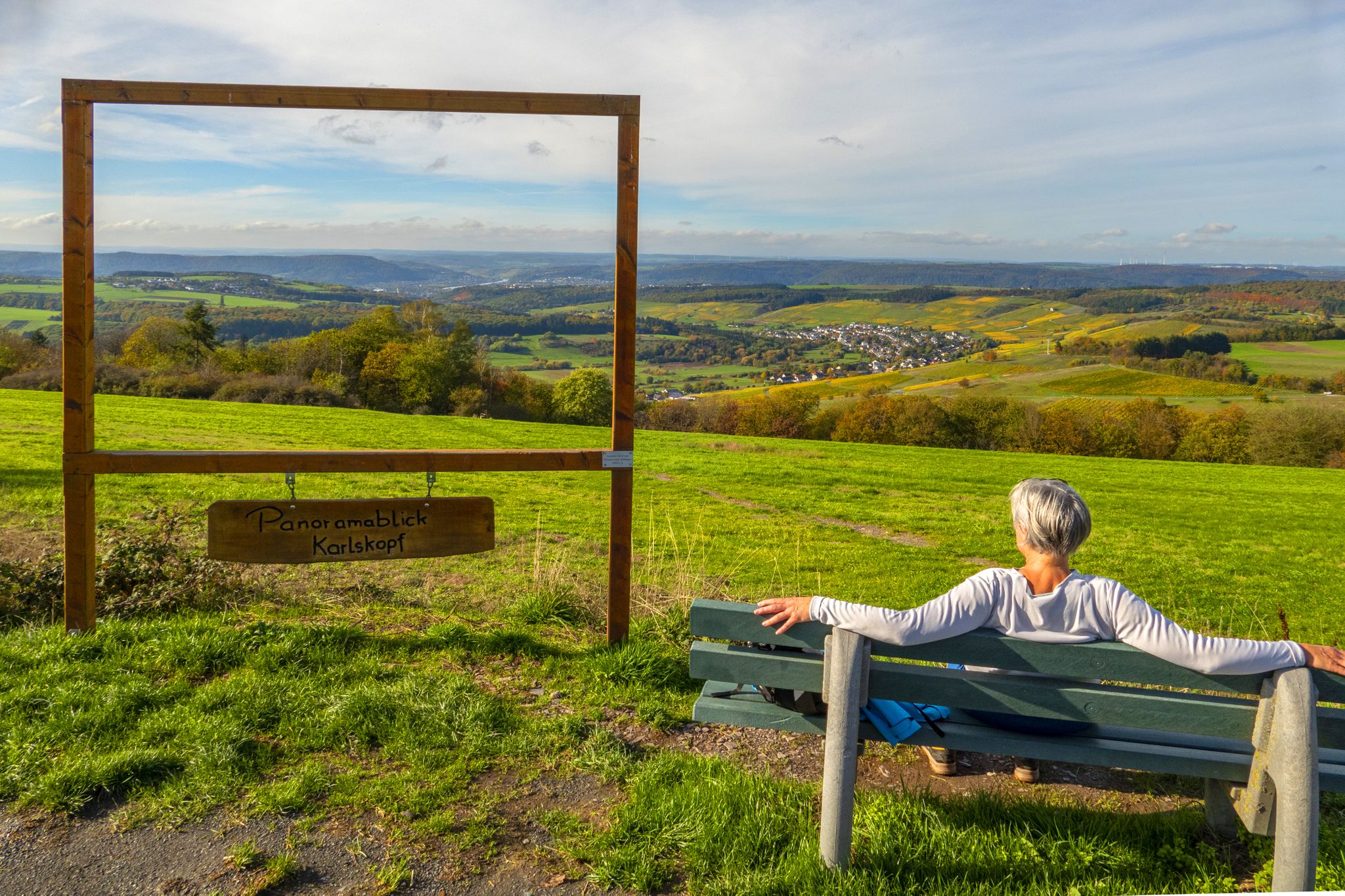
Moselsteig und Seitensprünge in der Urlaubsregion Saar-Obermosel
Cycling around Konz
Hiking around Konz
Road Cycling Routes around Konz
MTB Trails around Konz
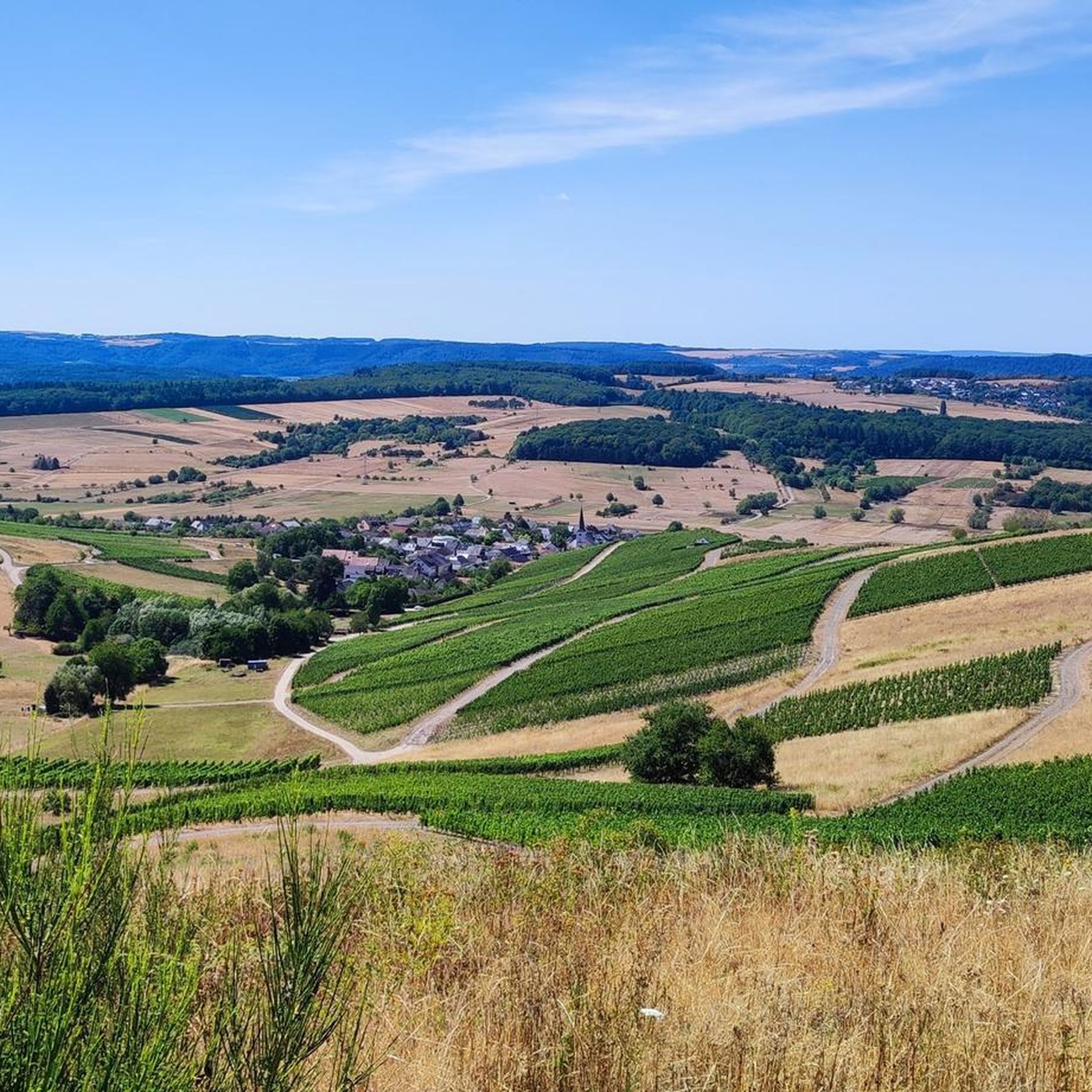
Running Trails around Konz
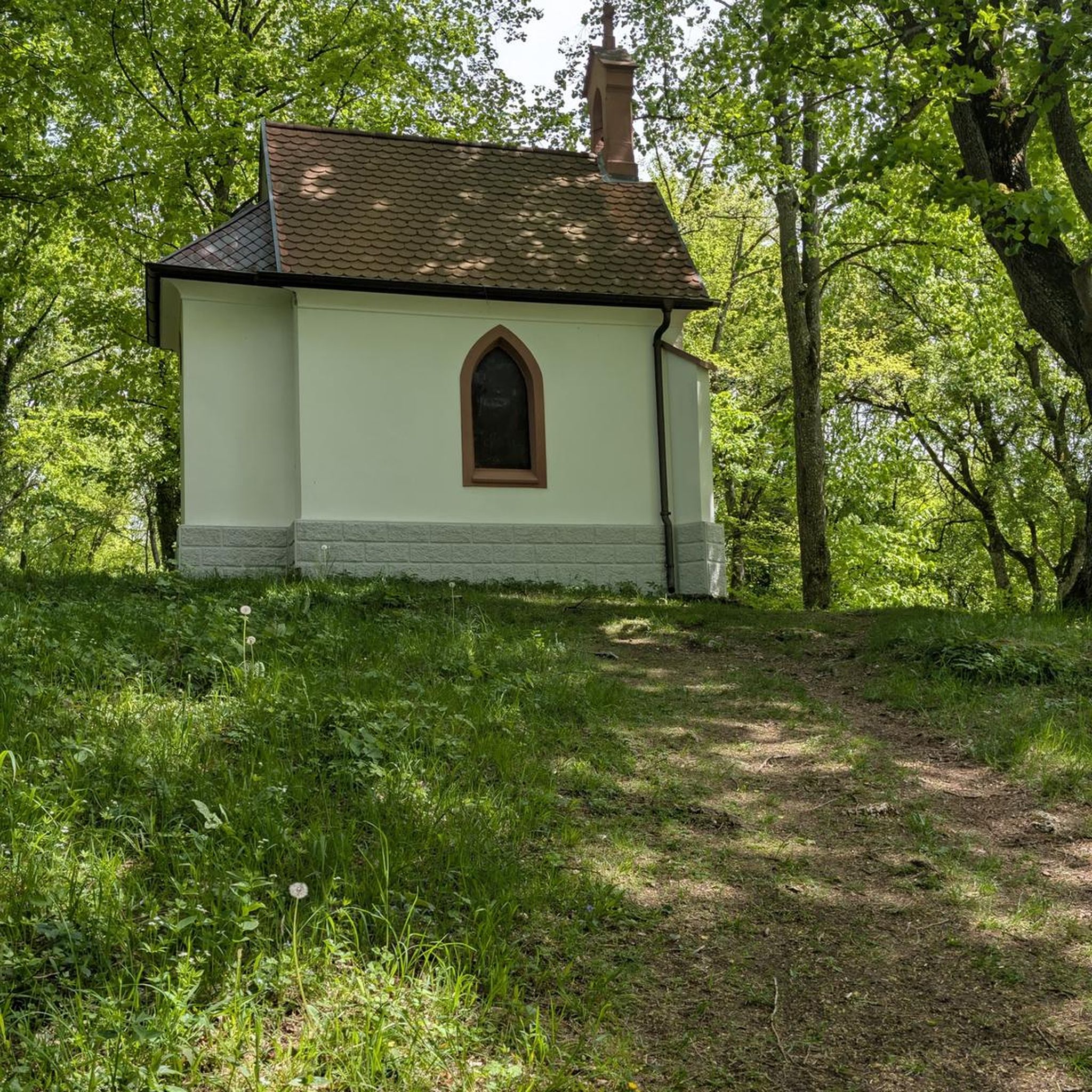
Gravel biking around Konz
Other adventures around Konz


Tips from the Community

After thorough renovation between 1992 and 1997, Monaise Castle, which is owned by the city of Trier, is now used as a restaurant. The estate is now an equestrian facility for the Trier Post Sports Club (Wikipedia). The castle can only be viewed from the outside!
5
0

Schloss Monaise is a beautiful castle. It was built in the 18th century as a summer residence and is only a few meters from the banks of the Moselle. Since 1997, Schloss Monaise has been shining again in its original, typically kept color of the Louis-Seize style.
11
1

The old town of Saarburg with the castle, the church, the mill museum and the waterfall is definitely a magnet for visitors, at least in the summer months. Unfortunately, the old town is usually flooded with tourists on the weekends.
3
0

Monaise Castle (from French "mon aise" "my leisure", "my lightness", "my comfort", "my comfort", "my serenity", "my calm" - according to the Latin motto under the coat of arms: "Otium cum dignitate") on the Moselle has belonged to the Euren district of Trier since the "ban dispute" in 1853, together with the estate. Architecturally speaking, Monaise is perhaps the best-preserved example of a late 18th-century suburban villa in Germany. (Source: Wikipedia)
7
1

The Electoral Palace in Trier right next to the Constantine Basilica is considered one of the most beautiful rococo palaces in the world.
9
1

A great photo opportunity with a well-kept outdoor area
7
0

The Electoral Palace of the city of Trier was the residence of the Prince-Bishops of Trier in the 17th and 18th centuries (until 1794). They ruled the Electoral State of Trier as electors and headed the Archbishopric of Trier in personal union (until 1797) as archbishops. The Renaissance and Rococo building was partly built on the site of the Roman Basilica of Constantine. In the 19th century, the west wing of the palace was demolished in order to rebuild the basilica on its site. After the expropriation of the electors under Napoleon, the Electoral Palace was used as barracks by French and Prussian troops in the 19th and early 20th centuries. The building was badly damaged during the Second World War. The farm buildings, the so-called Niederschloss, were then completely demolished, with the exception of the Red Tower and a portal. Today the building houses various authorities. Parts of the north wing are used by the Protestant community, parts of the south wing are used for representative purposes. The palace garden in the south of the palace has been available to the public as a park since the beginning of the 20th century.
16
1

The remains of one of the oldest and most beautiful hilltop castles in the west are enthroned high above the Saar and are a picturesque landmark and give the city of Saarburg its name. In 964, Count Siegfried of Luxembourg acquired the Schlossberg from the Trier Cathedral and built a proud and mighty castle complex. The castle ring was 137 m long and up to 50 m wide. Burgmannenhäuser and an office building on the site of today's vicarage and the Evangelical Church also belonged to the castle. From the early 12th century, the castle was owned by the Archbishops of Trier, who over the centuries expanded it into one of the most important fortifications in their area. After an eventful history and several destructions and reconstructions, the castle lost its importance from the 18th century and fell into ruins. In 1860 the city of Saarburg acquired the ruins and in 1896 set up the viewing platform in the upper part of the mantle tower. The ascent of over 100 steps over the narrow spiral staircase is rewarded with a wonderful panoramic view of the Saar Valley. In the evening hours, the castle lighting creates an atmospheric backdrop high above the city. Since 2010, the city of Saarburg has carried out several upgrades to the castle. The 11 goats that work as “landscapers” on the Saar-side Burgberg and keep the vegetation low have become a real attraction. The castle complex is freely accessible. Source: https://www.saar-obermosel.de/kultur-freizeit/virtuelle-erlebnisse/is/Burganlage-Saarburg_Saarburg
7
0
Frequently Asked Questions
What historical periods do the castles around Konz represent?
The region around Konz showcases a rich history, from the Roman Imperial Palace in Konz itself, dating back to the 4th century AD, to medieval fortresses like Burg Eltz and Reichsburg Cochem, and 18th-century palaces such as Monaise Castle. You can also find 19th-century romantic reconstructions like Stolzenfels Castle.
Are there Roman historical sites near Konz?
Yes, Konz is known for the remains of a Roman Imperial Palace, a significant 4th-century AD complex. While largely destroyed, its historical importance is visualized through plaster bands and a steel sculpture. Additionally, the Electoral Palace and Palace Garden in Trier, though a later structure, is partly built on the site of the Roman Basilica of Constantine, offering another glimpse into the Roman past.
Which castles offer the best scenic views?
For breathtaking vistas, the View of Saarburg and Saarburg Castle provides an excellent perspective of the castle ruins and the St. Laurentius Church. Reichsburg Cochem also offers dramatic views overlooking the Mosel Valley, and Stolzenfels Castle near Koblenz provides enchanting views of the Rhine.
Are there family-friendly castles around Konz?
Many sites in the region are suitable for families. Highlights like the View of Saarburg and Saarburg Castle, the Electoral Palace and Palace Garden in Trier, and Monaise Castle are noted as family-friendly. The Imperial Palace in Konz is also presented in a way that engages individual visitors, school classes, and tour groups.
What outdoor activities can I do near these castles?
The area around Konz offers diverse outdoor activities. You can find numerous running trails, road cycling routes, and easy hikes. For example, Monaise Castle is located directly on the Moselle cycle path, making it easily accessible for cyclists.
Are there hiking trails near the castles?
Yes, there are several hiking opportunities. For instance, the Sommerau Castle Ruins are situated above the Ruwer, with a cycle path along the river that is also suitable for walks. You can explore various easy hikes around Konz, some of which may lead you past historical sites.
What is the best season to visit castles near Konz?
Spring, summer, and early autumn generally offer the most pleasant weather for exploring the castles and their surroundings. These seasons are ideal for enjoying the scenic views, outdoor activities, and castle gardens. Winter visits can offer a different, often quieter, atmosphere, but some facilities or access might be limited.
Are there cafes and restaurants near the castles?
Yes, several castles and nearby towns offer dining options. Monaise Castle houses a restaurant. In Saarburg Old Town, you'll find a variety of restaurants, cafes, and wine bars. Reichsburg Cochem is also known for its knight's banquets, offering a unique dining experience.
Are there any castles that have been exceptionally well-preserved?
Burg Eltz stands out as one of Germany's most romantic medieval castles, never having been taken in war. This allowed it to maintain its original historical appearance and many original furnishings from the past eight centuries. Its unique architecture and rich history make it an unforgettable experience.
Can I visit castles that are part of a UNESCO World Heritage Site?
Yes, Stolzenfels Castle, located near Koblenz, is a prime example of Rhine Romanticism and is part of the UNESCO World Heritage Site in the Upper Middle Rhine Valley. It was meticulously rebuilt in the 19th century into a crenellated summer residence, offering impressive residential culture and enchanting views.
Are there dog-friendly walks around Konz castles?
While specific dog policies vary by castle, many of the surrounding natural areas and outdoor trails are dog-friendly. For example, the serene Eltz Forest nature reserve around Burg Eltz offers beautiful walking opportunities. It's always advisable to check individual castle regulations regarding dogs inside the premises or specific park areas.
Are there accessible castles near Konz for wheelchairs?
Accessibility can vary significantly between historical sites. While some modern visitor centers or ground-level areas might be accessible, many medieval castles with their uneven terrain, stairs, and narrow passages may pose challenges for wheelchair users. It is recommended to contact specific castles directly for detailed accessibility information before your visit.
Most popular routes around Konz
Most popular attractions around Konz

Get inspired with the komoot mobile app


Explore more
Looking for the best castles somewhere else? Discover other guides around Konz:
