Attractions and Places To See around Heinsberg - Top 20
Best attractions and places to see around Heinsberg include a diverse range of historical sites, cultural venues, and natural landscapes. Situated near the Rur River and bordering the Netherlands and Belgium, the region offers opportunities for exploration. The area is characterized by rolling hills, green meadows, and extensive nature parks like the Maas-Schwalm-Nette Nature Park. Visitors can explore medieval castles, historic churches, and unique natural features.
Best attractions and places to see around Heinsberg
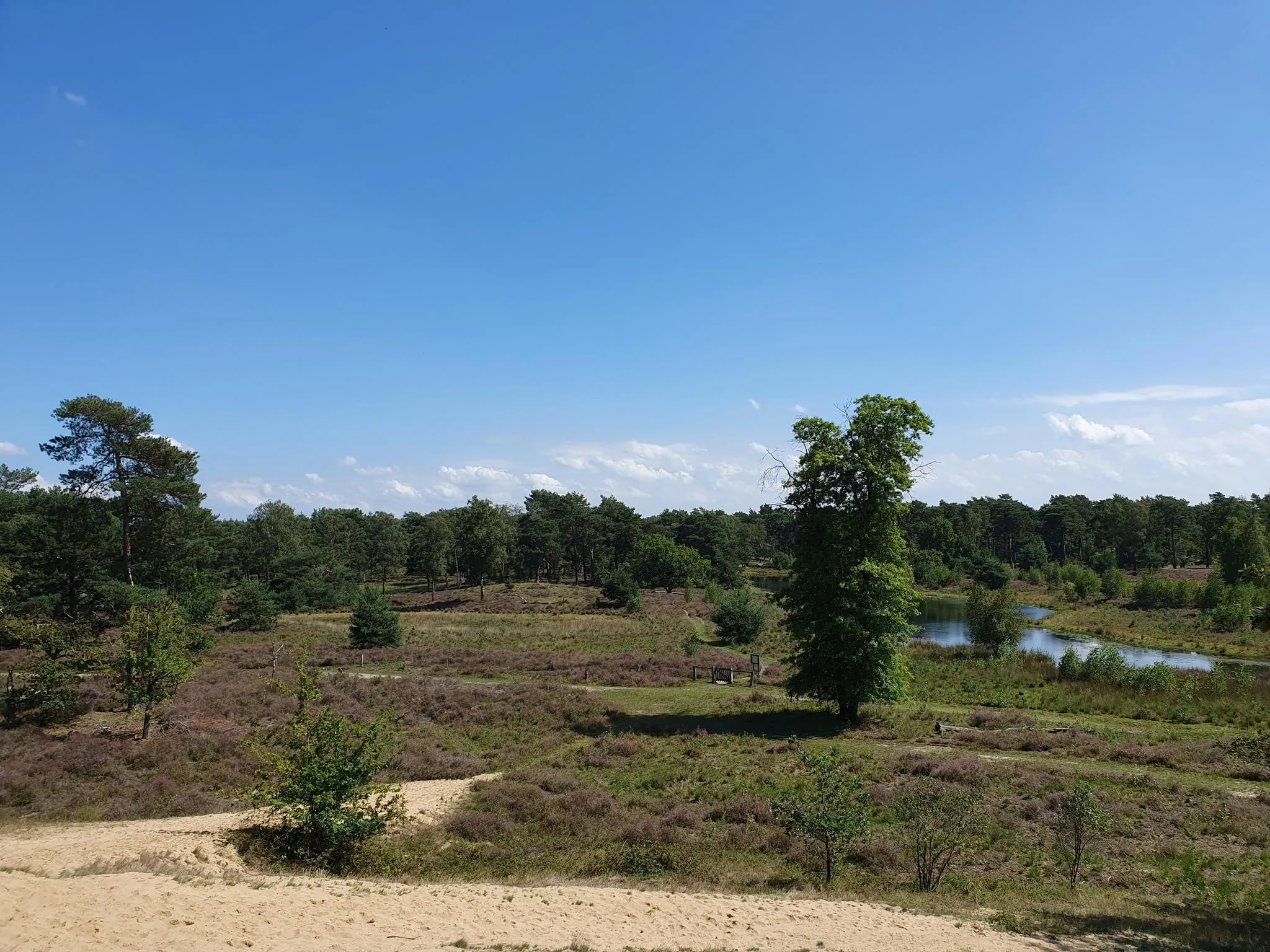
- The most popular attractions is Boardwalk Through the Moor in Schaagbachtal, a trail that leads through a swamp landscape via a wide wooden footbridge. This section of the tour is known for its diverse biotope complex and species-rich wetland.
- Another must-see spot is Tüschenbroich Castle, a historical castle originally a moated castle first mentioned in 1172. Visitors can observe the historical nucleus, which is a motte now overgrown with trees in the middle of a mill pond.
- Visitors also love Dalheim Mill, a man-made monument and historical site. This mill is considered one of the oldest watermills in the region, dating back to 1231, and offers a place to relax in a forest setting.
- Heinsberg is known for its historical landmarks, natural features, and cycling routes. The region offers a variety of attractions, from medieval castles and churches to nature parks and river landscapes.
- The attractions around Heinsberg are appreciated by the komoot community, with nearly 2000 upvotes and over 500 photos shared.
Last updated: October 9, 2026
Boardwalk Through the Moor in Schaagbachtal
Highlight • Trail
Translated by Google •
Tip by

Beaver wetland in the Schaagbach Valley
Highlight • Natural
Translated by Google •
Tip by

Sign up now to discover places like this
Get recommendations on the best single tracks, peaks, & plenty of other exciting outdoor places.
Lake Holtmühle
Highlight • Lake
Translated by Google •
Tip by

Wurm Cycle Path
Highlight (Segment) • Cycleway
Translated by Google •
Tip by
Dalheim Mill
Highlight • Monument
Translated by Google •
Tip by

Wurm Cycle Path
Highlight • Cycleway
Translated by Google •
Tip by

Saint Ludwig Boardwalk – De Meinweg
Highlight (Segment) • Trail
Translated by Google •
Tip by

Tüschenbroich Castle
Highlight • Castle
Translated by Google •
Tip by

Effelder Forest Lake
Highlight • Lake
Translated by Google •
Tip by

Trips Castle
Highlight • Castle
Translated by Google •
Tip by

Sign up for free to discover even more attractions around Heinsberg.
Already have an account?
Start today with a free account
Your next adventure awaits.
Popular around Heinsberg
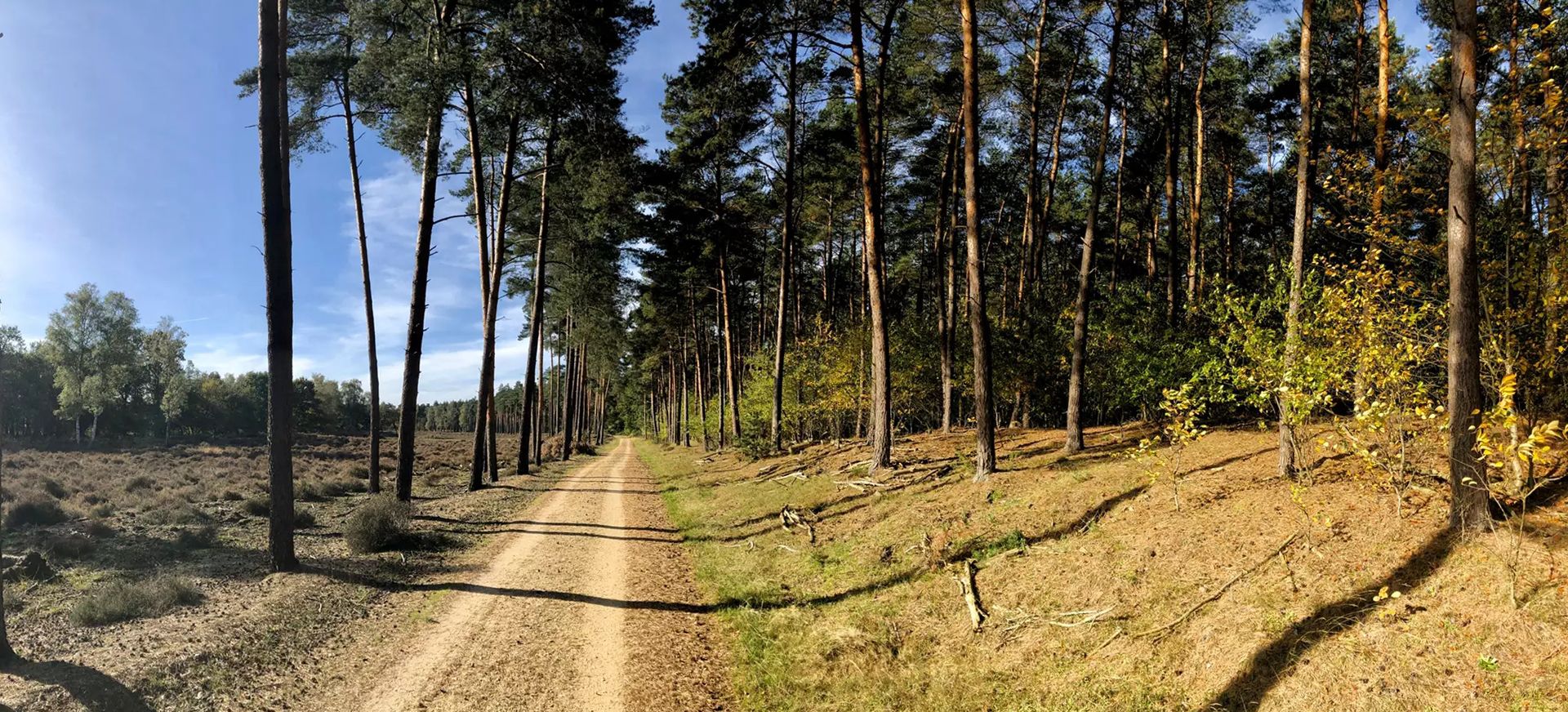
2-Country Route – Cycling from Germany to Netherlands
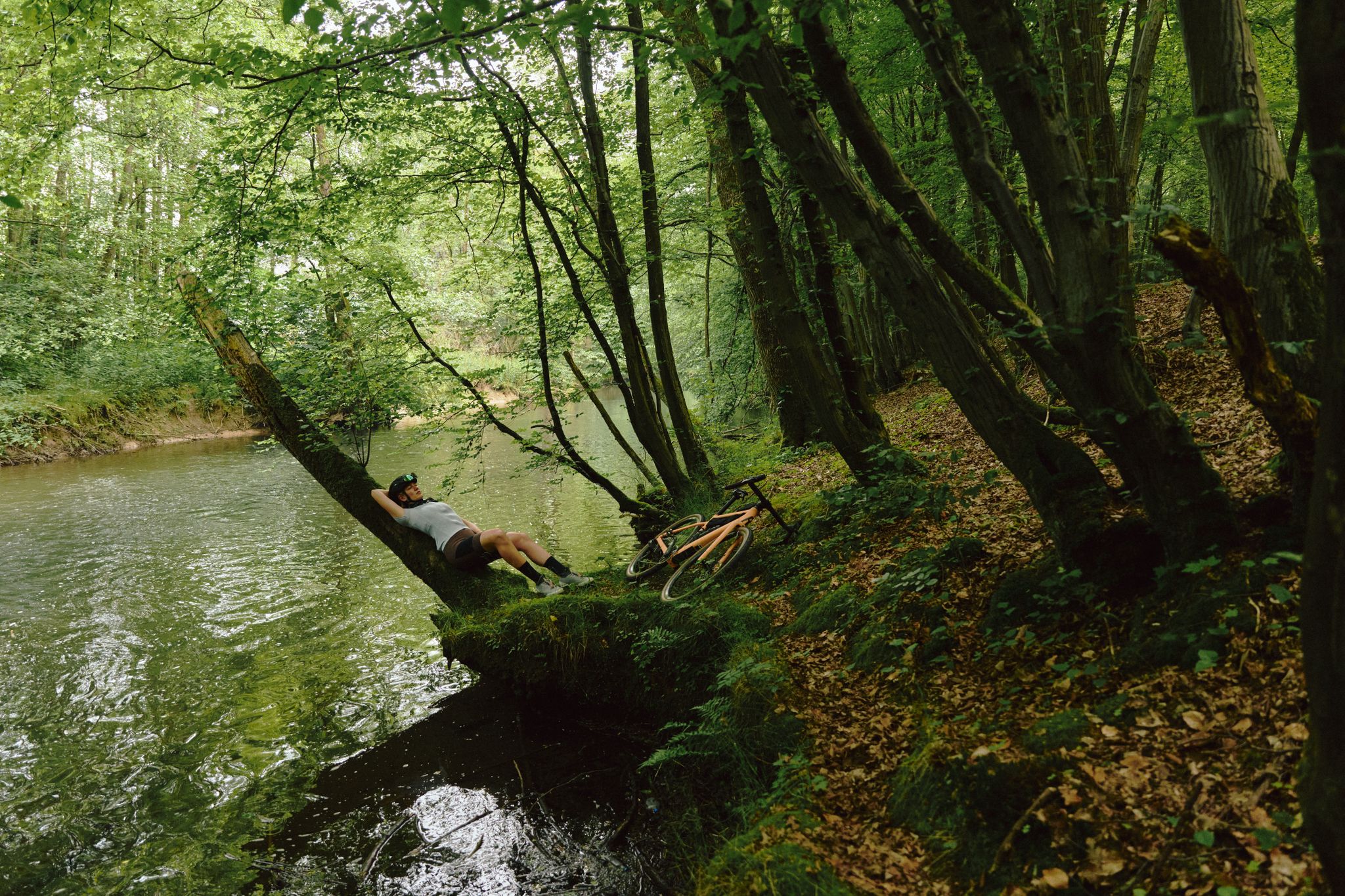
Gravel biking for all – NRW gravel paradise
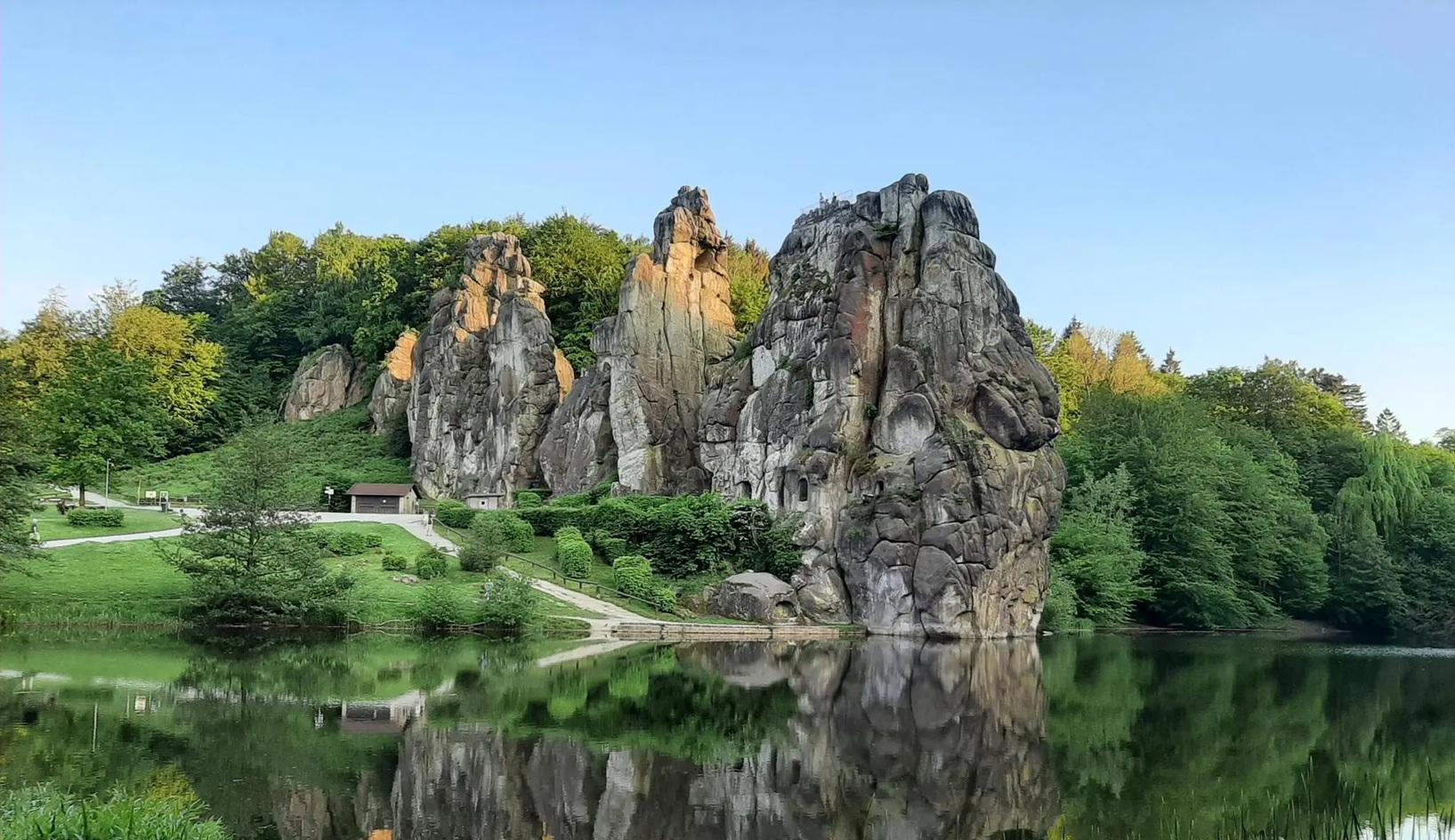
The National Natural Landscapes in Nordrhein-Westfalen
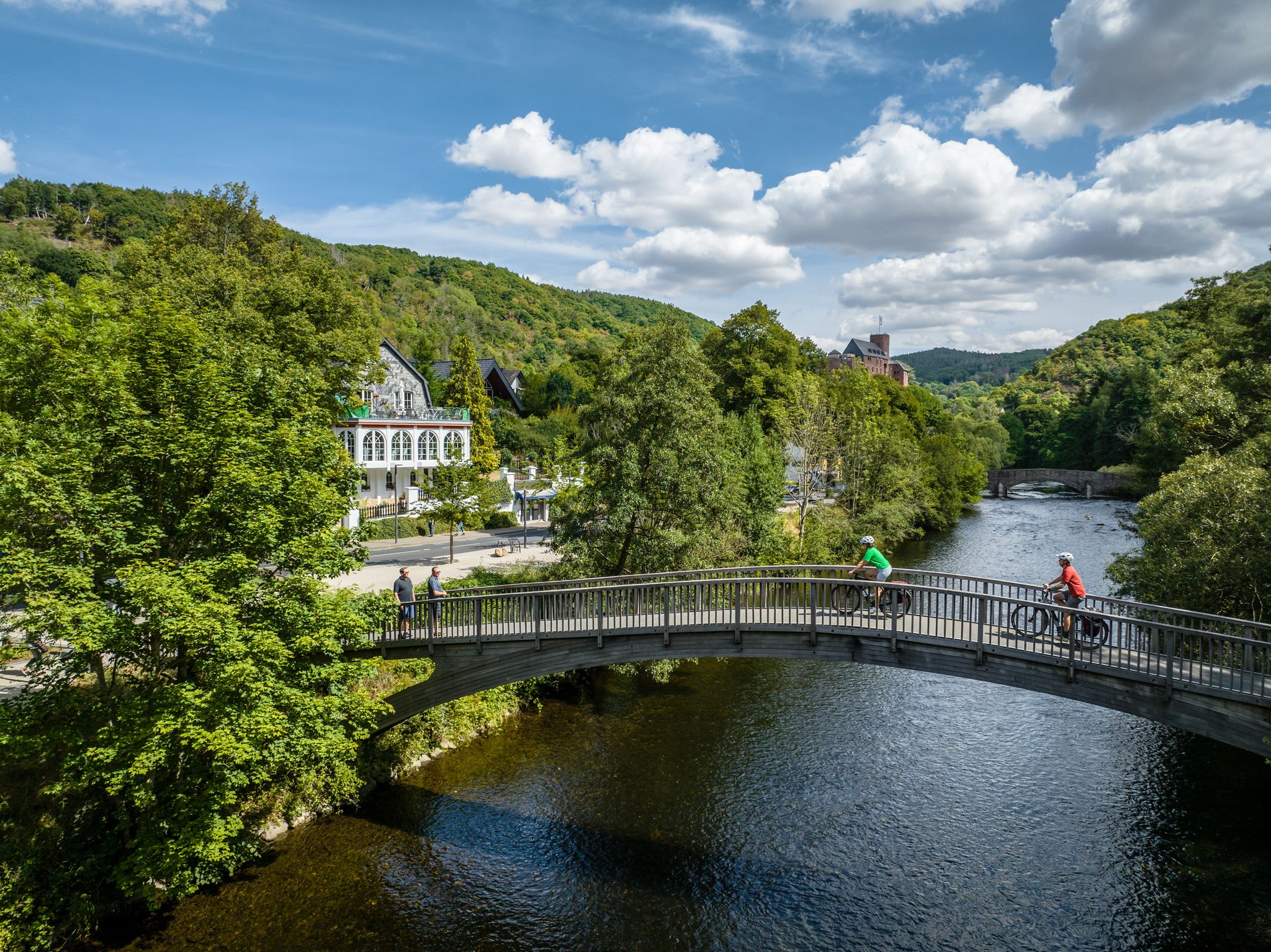
Heights, castles, moors – RURschleifen by bike
The Maas-Niederrhein Trail - Cross-border hiking in 19 stages
Leichte.Wander.Welt. - 10 barrier-free paths
Water.Hike.World. - Premium Hiking Trails
The way is the goal – Lower Rhein Route
Geile Strecke — the Limburg divide
Landscape in transition – international cycling on the Green Route
Other adventures around Heinsberg


Tips from the Community

KG Würmer Wenk, event takes place every year in August
3
0
Cycle path between Randerath and Rimburg completely asphalted
3
0

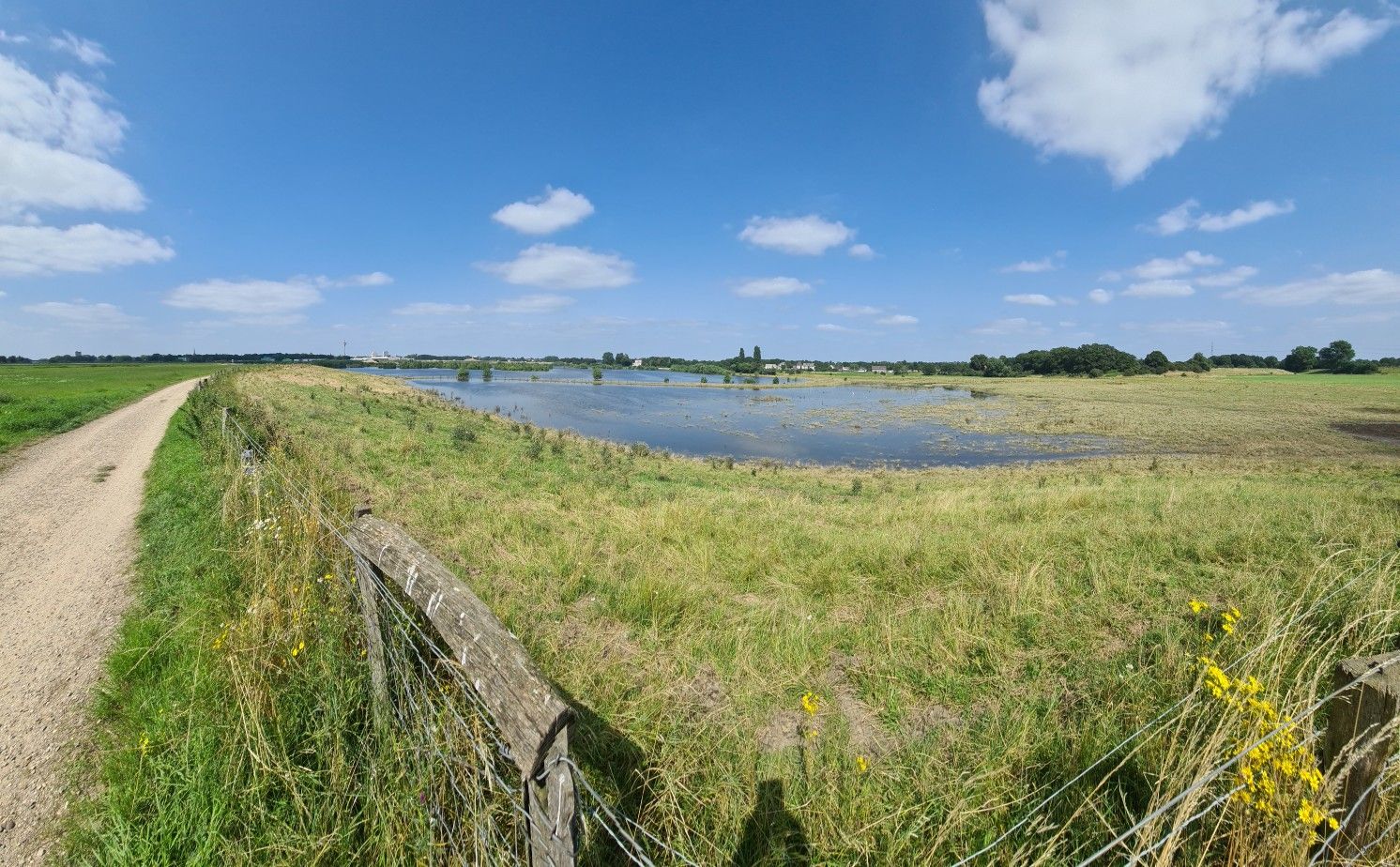
Very nice cycle path, asphalted and easy to ride, always along the Wurm. Wonderful view, panoramic views, peace and quiet and not much going on.
5
0

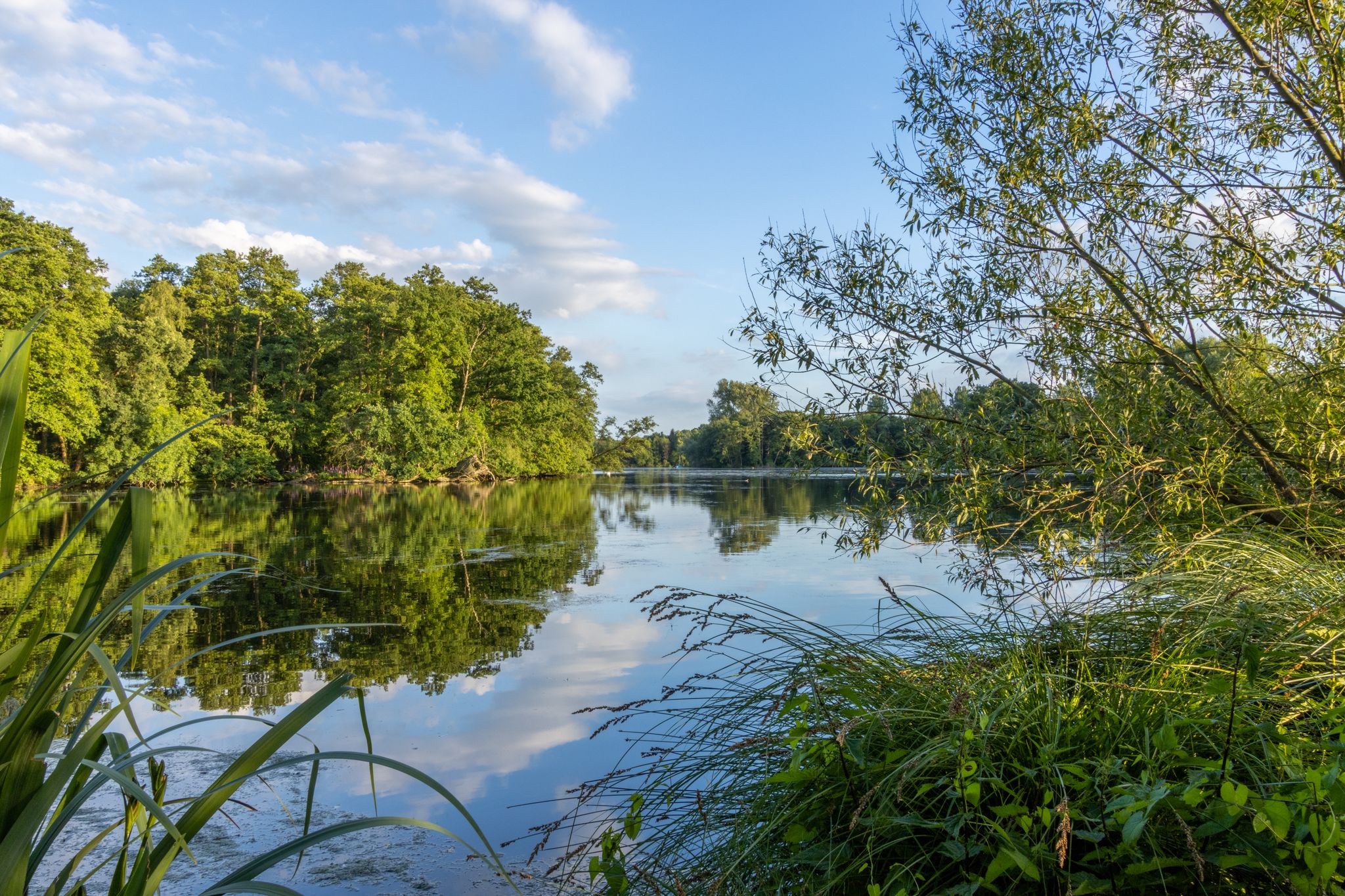
The tree in the middle of the lake and the boats on the shore are particularly idyllic.
13
1

There was no room available today
6
0

The palace complex consists of two outer baileys, a manor house and a large garden area, which is surrounded by a long, rectangular moat and is located on four islands. The entire building stock dates from the 15th to the 19th century and is surrounded by long avenues of chestnut trees.
9
0
The ancestral home of the Berghe von Trips family since the 14th century, the complex came to the Barons von Eynatten in the first half of the 18th century, who had the defiant complex redesigned with renovations and extensions in the Baroque style. The palace complex consists of two outer castles, a mansion and a large garden, which are located on four islands - surrounded by a long, rectangular moat. The entire building structure dates from the 15th to 19th centuries and is surrounded by long chestnut avenues.
9
0
Frequently Asked Questions
What are some unique natural attractions to explore in the Heinsberg region?
Heinsberg offers several distinctive natural sites. You can take a unique "jungle expedition" experience through a swamp landscape on the Boardwalk Through the Moor in Schaagbachtal, known for its diverse biotope. Another fascinating spot is the Beaver wetland in the Schaagbach Valley, a species-rich wetland where five brooks originate. For a different experience, visit the Saint Ludwig Boardwalk – De Meinweg, which winds through a peat forest on the Dutch side of Meinweg National Park.
Are there historical castles or landmarks to visit in Heinsberg?
Yes, Heinsberg is rich in history. The region's origin lies at the Burg- und Kirchberg, where remnants of a medieval castle and fortifications are still visible. You can also explore Tüschenbroich Castle, originally a moated castle from 1172, or the historic Dalheim Mill, one of the oldest watermills in the region dating back to 1231. Other notable castles include Hengebach Castle and the magnificent Baroque Wickrath Castle.
What kind of cycling routes are available around Heinsberg?
The Heinsberg area is excellent for cycling, with numerous well-developed paths. You can find a variety of routes, including those along the Rur and Wurm rivers, some even crossing into the Netherlands. For specific tours, consider exploring options like the "Cycle Path Through De Meinweg" or the "Wurm Cycle Path" which offers scenic views. You can find more detailed cycling routes in the Cycling around Heinsberg guide.
Where can I go hiking near Heinsberg?
Heinsberg is a popular destination for hikers. The Maas-Schwalm-Nette Nature Park offers extensive hiking routes through floodplains, forests, and heathland. Popular options include the "Trail of the Senses" for families or the "Nature Park Hiking Trail." You can also find routes like the "Premium hiking trail Birgeler Urwald" or the "Effelder Waldsee-Path." Discover more hiking trails in the Hiking around Heinsberg guide.
Are there any family-friendly attractions or activities in the Heinsberg area?
Absolutely! Many attractions in Heinsberg are suitable for families. The Boardwalk Through the Moor in Schaagbachtal offers an engaging outdoor experience. Lakes like Lake Holtmühle and Effelder Forest Lake provide opportunities for relaxation and recreation. The "Trail of the Senses" is specifically designed for families, and many castles and mills, such as Dalheim Mill and Tüschenbroich Castle, are also family-friendly.
What cultural sites or museums can I visit in Heinsberg?
For those interested in culture and history, Heinsberg offers several museums. The BEGAS HAUS - Museum for Art and Regional History provides insights into the region's past and the Begas artist dynasty. You can also visit the Haus Spiess museum for a deeper dive into regional history, or the Flax Museum in Beeck to learn about the area's industrial heritage. The Kunsthaus Heinsberg showcases contemporary art.
What is the best time of year to visit Heinsberg for outdoor activities?
Heinsberg is enjoyable for outdoor activities throughout much of the year. Spring and autumn offer pleasant temperatures for hiking and cycling through the region's rolling hills and green meadows. Summer is ideal for activities along the Rur River, such as canoeing or swimming, and for enjoying the numerous lakes like Lago Laprello. The Maas-Schwalm-Nette Nature Park is beautiful in all seasons.
Are there any industrial heritage sites or unique local experiences in Heinsberg?
Yes, Heinsberg has a rich industrial past. You can explore the Visitor Mine in Hückelhoven to learn about coal mining, or visit the Flax Museum in Beeck, which details the region's flax industry. For a local culinary experience, be sure to try Heinsberger Pils, a traditional regional beer. The annual Heinsberg Town Festival also offers a vibrant cultural experience with live music and local specialties.
What are some scenic viewpoints or places to relax in nature around Heinsberg?
The region offers many picturesque spots. The Rur River itself provides a scenic backdrop, and areas like the Teverener Heide are great for enjoying nature. Lakes such as Lake Holtmühle and Effelder Forest Lake are perfect for relaxing by the water. The Boardwalk Through the Moor in Schaagbachtal also features a "forest sofa" for a tranquil break amidst the marsh grass pastures.
Can I find routes that combine historical sites with natural beauty?
Many routes in Heinsberg seamlessly blend history with nature. For instance, a flat circular route around Lago Laprello also passes through the historic town center of Heinsberg. You can cycle along the Wurm River and incorporate visits to historical sites like Dalheim Mill, which is nestled in a forest setting. Exploring the Burg- und Kirchberg allows you to experience medieval history within a spacious municipal park.
What are some lesser-known or 'hidden gem' attractions in Heinsberg?
Beyond the main highlights, consider visiting the Schlangenkapellchen, a small Baroque brick monastery chapel from the 17th century. The Torbogenhaus, with its medieval fortifications and two towers, offers a glimpse into the past. The High Road (Hochstraße) features the Lennartzschen house, a renovated 15th-century townhouse with a Baroque garden, providing a unique historical perspective away from the more prominent sites.
Most popular routes around Heinsberg
Most popular attractions around Heinsberg

Get inspired with the komoot mobile app


Didn’t find what you were looking for?
Are you keen on exploring more awesome places nearby? Browse our guides:
Explore more
Still not found the Highlight you’re looking for? See guides of the top attractions in other regions:
