Top 20 Castles around Freilassing
Castles around Freilassing offer a range of historical sites near the German-Austrian border. Located in Bavaria, Freilassing provides access to fortresses and palaces in the region, including those in nearby Salzburg. The area is characterized by its proximity to the Alps and the Salzach river, offering a blend of natural landscapes and historical architecture.
Best castles around Freilassing
- The most popular castles is Mirabell Palace, a castle that features a magnificent garden and an impressive Marble Hall. The palace was originally built in 1606 and is now home to city administration, with parts open to visitors.
- Another must-see spot is View of Hohensalzburg Fortress, a viewpoint offering perspectives of the city and its prominent fortress. This location provides views of Salzburg, a city suitable for cyclists.
- Visitors also love View of Hohensalzburg Fortress and Salzburg’s Old Town from Franz-Josef-Kai, a viewpoint along the Salzach river. This spot offers views of the fortress and Salzburg's old town from cycle paths.
- Freilassing is known for fortresses, palaces, and historical sites. The region offers a variety of castles to see and explore, ranging from grand residences to strategic fortifications.
- The castles around Freilassing are appreciated by the komoot community. These locations have received more than 2200 upvotes and feature over 400 photos from visitors.
Last updated: June 23, 2026
Mirabell Palace
Highlight • Castle
The Marble Hall is open Mondays, Wednesdays, and Thursdays from 8 a.m. to 4 p.m. and Fridays from 1 p.m. to 4 p.m. The park can be visited daily from 6 a.m. until dusk. Admission to both the park and the palace is free.
Translated by Google •
Tip by

View of Hohensalzburg Fortress
Highlight • Viewpoint
Translated by Google •
Tip by

Sign up now to discover places like this
Get recommendations on the best single tracks, peaks, & plenty of other exciting outdoor places.
Sign up for free
View of Hohensalzburg Fortress and Salzburg’s Old Town from Franz-Josef-Kai
Highlight • Viewpoint
Translated by Google •
Tip by
View of Salzburg’s Old Town and Hohensalzburg Fortress from the Franz-Josef-Kai
Highlight • Viewpoint
Translated by Google •
Tip by

View of Salzburg's Old Town and Hohensalzburg Fortress from Franz-Josef-Kai
Highlight • Viewpoint
Translated by Google •
Tip by

Sign up for free to discover even more castles around Freilassing.
Sign up for free
Already have an account?
Start today with a free account
Your next adventure awaits.
Login or Signup
Popular around Freilassing
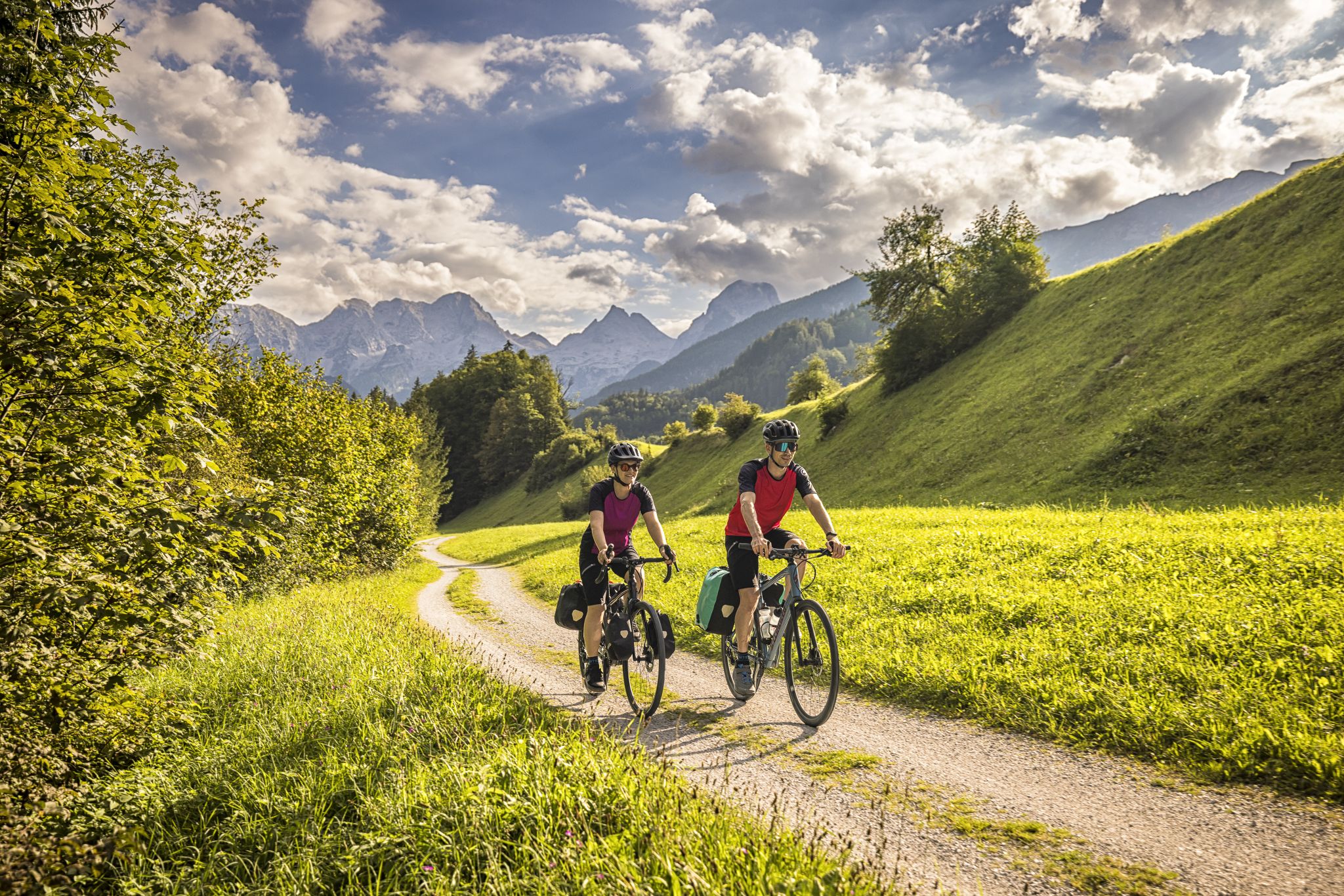
Classic and fantastic – Mozart Cycle Route
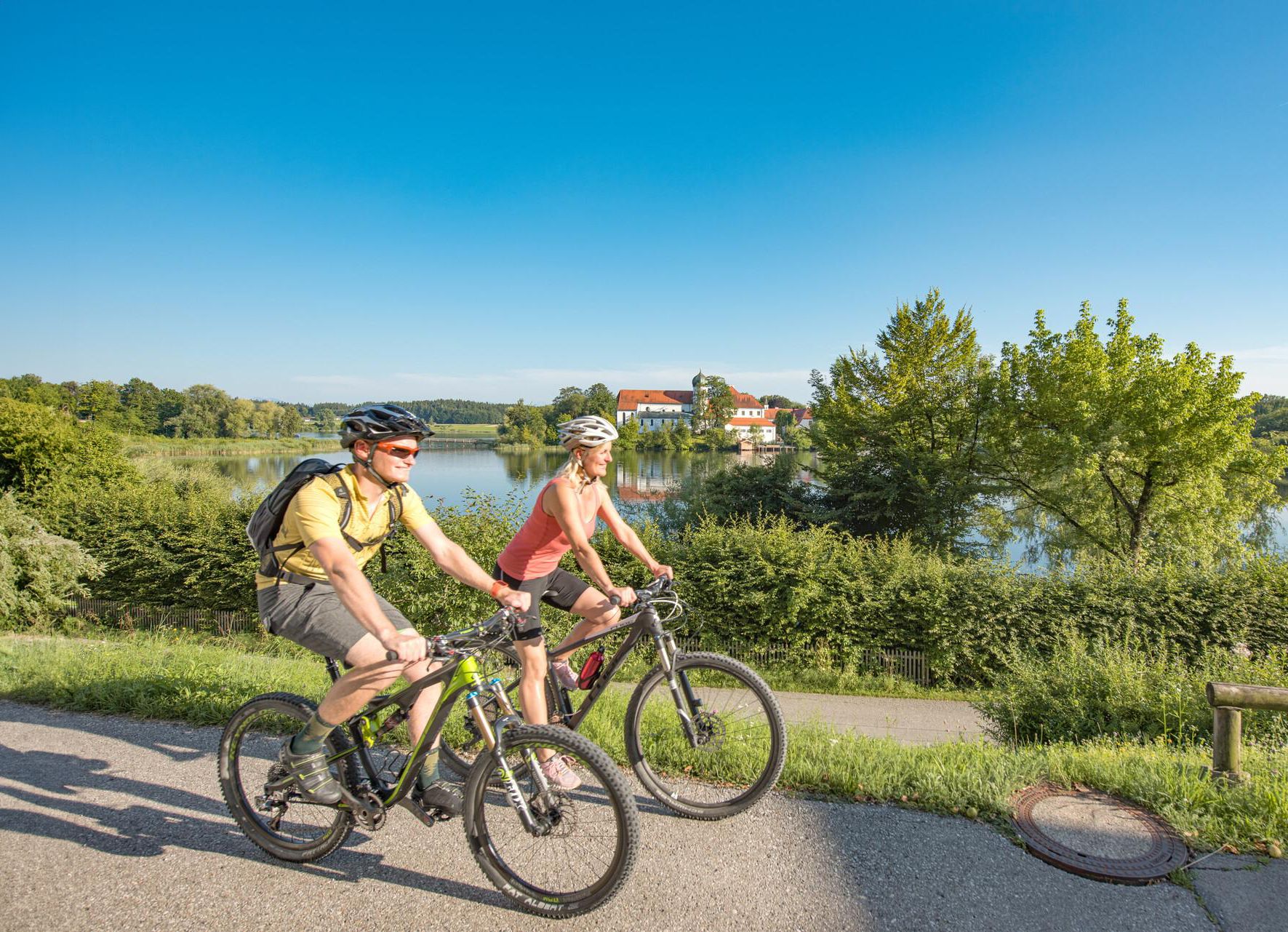
Cycling for a half – 5 Tours to breweries and beer gardens in Germany’s Bavaria
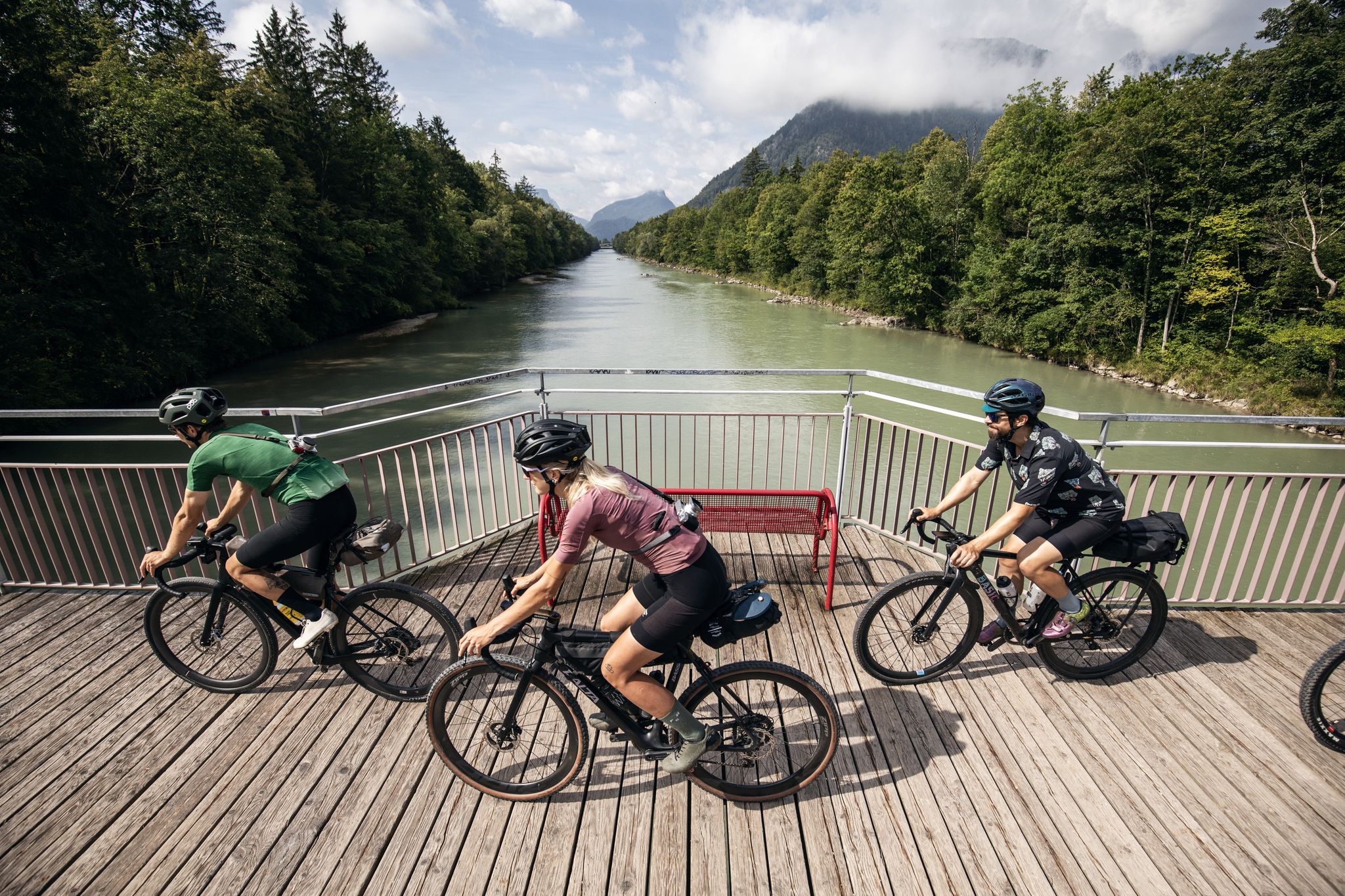
Salzschleife – Wasser-Radlwege Oberbayern
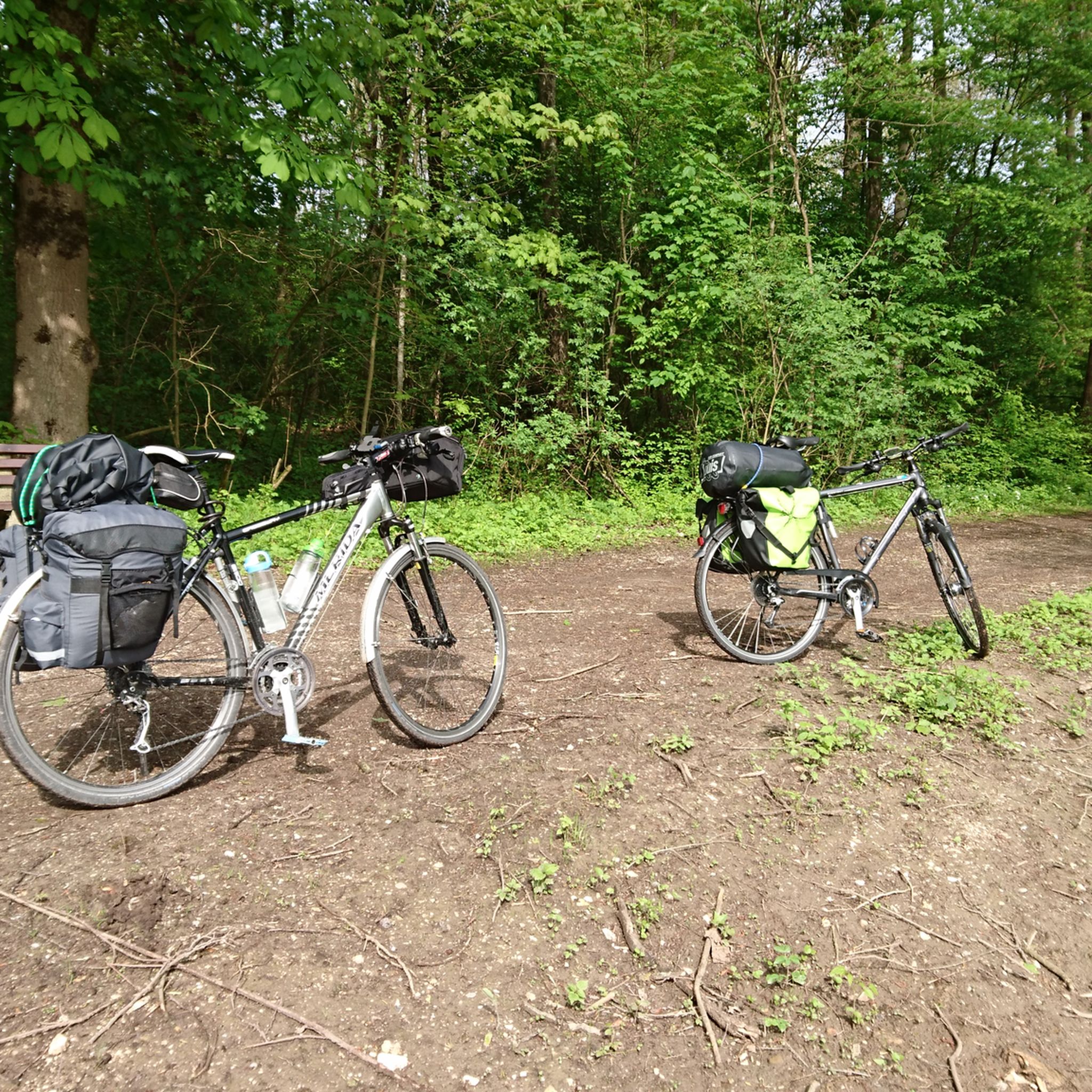
Cycling around Freilassing
MTB Trails around Freilassing
Road Cycling Routes around Freilassing
Running Trails around Freilassing
Hiking around Freilassing
Gravel biking around Freilassing
Mountain Hikes around Freilassing
Other adventures around Freilassing


Tips from the Community

Mirabell Palace, Salzburg The Baroque Mirabell Palace was originally built as "Altenau Palace" under the reign of Prince Archbishop Wolf Dietrich von Raitenau in 1606. The palace was created as a gift for Salome Alt, the archbishop's concubine and mother of his children. Mirabell Palace is known for its gardens, which are discussed in a separate article. Wolf Dietrich's successor and adversary, Prince Archbishop Markus Sittikus, renamed the building Mirabell Palace. Prince Archbishop Franz Anton Harrach had large sections of the building demolished and rebuilt between 1721 and 1727 according to plans by Johann Lukas von Hildebrandt. Mirabell Palace was severely damaged by the great city fire of 1818 and rebuilt in the following years according to plans by Peter Nobile. The formerly dominant tower on the east wing of the palace was destroyed, and the facade was rebuilt in the Neoclassical style. Text / Source: TSG Tourismus Salzburg GmbH, Auerspergstraße 6, Salzburg https://www.visit-salzburg.net/deutsch/sehenswuerdig/schloss-mirabell.htm
14
0

Mozart city Salzburg Salzburg is an Austrian city that lies on the border with Germany at the foot of the Eastern Alps. The Salzach flows through the middle of the city. On the left bank is the old town, designated as a pedestrian zone, with buildings from the Middle Ages and the Baroque period. On the opposite side of the river stretches the new town from the 19th century. Mozart's birthplace in the old town is now home to a museum that shows original instruments from the famous composer's childhood.
7
0


Salzburg is a beautiful city. There are so many sights that it would be wrong just to drive through here. A longer stay would therefore be advisable.
11
0
Here at Franz-Josef-Kai you have a beautiful view of the Salzach and the surrounding area. The cycle path also leads away from the traffic.
6
0
The 11th-century fortress is a real eye-catcher.
8
0

Mirabell Palace is located in the beautiful Mirabell Gardens. Bicycles are prohibited here. However, you can park your bike for a while and explore the grounds.
5
1

Along the Franz Josef Kai into the old town is a must for a visit to Salzburg.
2
1
Frequently Asked Questions
Are there family-friendly castles to visit near Freilassing?
Yes, several castles and viewpoints in the region are suitable for families. Mirabell Palace in Salzburg is noted as family-friendly, offering magnificent gardens to explore. Viewpoints like the View of Hohensalzburg Fortress and the View of Hohensalzburg Fortress and Salzburg’s Old Town from Franz-Josef-Kai are also categorized as family-friendly, providing scenic spots for all ages.
Which castles near Freilassing are wheelchair accessible?
Mirabell Palace is listed as wheelchair accessible, allowing visitors to enjoy its grounds and parts of the palace. Additionally, viewpoints such as the View of Hohensalzburg Fortress and Salzburg’s Old Town from Franz-Josef-Kai and the Marko-Feingold Footbridge are also wheelchair accessible, offering views of the fortress and city.
What are the opening hours for Mirabell Palace?
The Marble Hall at Mirabell Palace is open Mondays, Wednesdays, and Thursdays from 8 a.m. to 4 p.m., and Fridays from 1 p.m. to 4 p.m. The Mirabell Gardens can be visited daily from 6 a.m. until dusk. Admission to both the park and the palace is free.
Can I visit castles near Freilassing using public transport?
Many castles and historical sites, especially those in Salzburg like Mirabell Palace and the Hohensalzburg Fortress area, are well-connected by public transport. Salzburg itself is known for its accessibility, and local buses can take you to many key attractions. For specific routes and schedules, it's best to check local transport provider websites.
Are there any less crowded castles or hidden gems near Freilassing?
While the provided data highlights popular spots like Mirabell Palace and views of Hohensalzburg Fortress, the region around Freilassing, being close to the German-Austrian border, likely holds many smaller, less-frequented historical sites. Exploring local tourist information or komoot's wider selection of routes might reveal more secluded castle ruins or historical points of interest beyond the main attractions.
What outdoor activities can I do near the castles around Freilassing?
The area around Freilassing and Salzburg offers excellent opportunities for outdoor activities. You can enjoy various hikes, including easy walks along the Saalach River or more challenging mountain hikes. Cycling is also very popular, with first-class cycle paths along the Salzach river offering views of the castles and old town. For detailed routes, explore guides like Mountain Hikes around Freilassing, Hiking around Freilassing, and Easy hikes around Freilassing.
What kind of historical sites can I expect to see in the Freilassing region?
The Freilassing region, situated near the German-Austrian border, is rich in history. You can expect to find a mix of fortresses, palaces, and historical viewpoints. Sites like Mirabell Palace offer insights into Baroque architecture and aristocratic life, while the various viewpoints of Hohensalzburg Fortress highlight medieval fortifications and strategic importance. The area's history is deeply intertwined with its location, offering a blend of Bavarian and Austrian heritage.
Is it possible to cycle to or around the castles near Freilassing?
Yes, cycling is a great way to explore the region. Salzburg, in particular, is very cyclist-friendly. You can find excellent cycle paths along the Salzach river that offer views of the city's prominent fortress and old town. While bicycles are prohibited within the Mirabell Gardens, you can easily park your bike nearby and explore on foot. Many viewpoints, like the View of Hohensalzburg Fortress and Salzburg's Old Town from the Salzach Cycle Path, are directly accessible by bike.
What do visitors particularly enjoy about the castles and views near Freilassing?
Visitors frequently praise the magnificent views of the castles and the surrounding natural beauty. The historical significance and architectural grandeur of sites like Mirabell Palace are highly appreciated. Many also enjoy the opportunity to combine castle visits with outdoor activities, such as cycling along the Salzach river, which offers stunning perspectives of the fortresses and old towns.
What is the best time of year to visit castles around Freilassing?
The region around Freilassing and Salzburg is beautiful year-round. Spring and summer offer pleasant weather for exploring gardens and outdoor areas like Mirabell Gardens, and for cycling or hiking. Autumn provides stunning foliage, while winter can offer a magical, snow-dusted landscape, especially around the Hohensalzburg Fortress. Always check specific opening hours for indoor attractions, as some may have reduced hours in the off-season.
Are there cafes or dining options near the castles?
Given the proximity to Salzburg, a major tourist destination, you will find numerous cafes, restaurants, and dining options near the castles and viewpoints. Mirabell Palace is located within Salzburg, which offers a wide array of culinary choices. For specific recommendations, it's best to check local guides or online resources for dining options in Salzburg and Freilassing.
Most popular routes around Freilassing
Most popular attractions around Freilassing

Get inspired with the komoot mobile app


Explore more
Looking for the best castles somewhere else? Discover other guides around Freilassing:
